Empire Tea & Coffee
Skip the chains. This local roaster has been Newport's caffeine anchor for years, and the Broadway location puts you in the middle of the town's best low-key breakfast-and-coffee stretch before the day-trippers arrive.
Expert short-term rental marketing to grow your bookings and nightly rate in Newport, Rhode Island, USA.
* Market averages. Cavmir-managed properties typically exceed these figures by 25–45%. Data sourced from AirDNA, STR market reports, and Cavmir internal analytics.
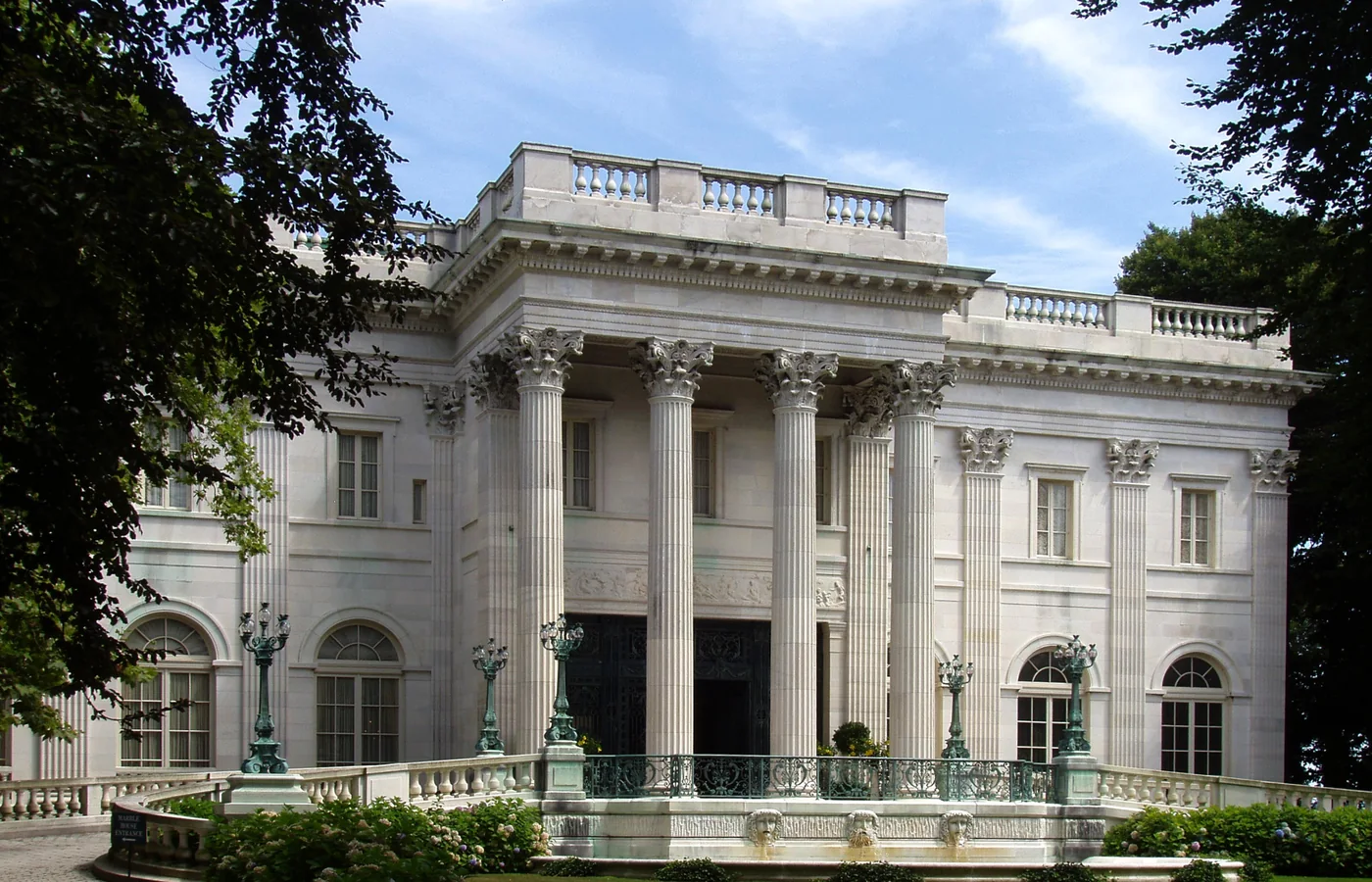
Newport sits on the southern tip of Aquidneck Island, and it punches absurdly far above its size. This is America's original Gilded Age resort and one of the great sailing capitals of the world, all packed into about 11 square miles. Guests come for the Bellevue Avenue mansions — The Breakers, Marble House, The Elms, Rosecliff — and the 3.5-mile Cliff Walk that threads the cliffs behind them. They come for the colonial harbor along Thames Street, Bowen's and Bannister's Wharves, Fort Adams, and the ocean stretch out toward Brenton Point. Weddings, regattas, festival weekends, anniversary trips — Newport draws people who plan ahead and pay well for the right place to stay, and that is exactly the demand your listing should be built to capture.
Demand here is event-driven and emotional, which is good news for ADR. Summer is a wall of bookings — the Folk and Jazz Festivals at Fort Adams, wedding parties, sailing crowds, and weekenders escaping Boston and New York, all roughly 90 minutes to two hours out. Waterfront and walk-to-Thames-Street properties command the steepest premiums, with the Point, the Hill, and anything near Bellevue close behind. Couples, multi-generational families, and wedding blocks dominate the guest mix. The smart money isn't fighting over July — it's the host who fills May, September, and October at near-summer rates who actually wins the year.
Nearby Markets: Nantucket | Martha's Vineyard | The Hamptons

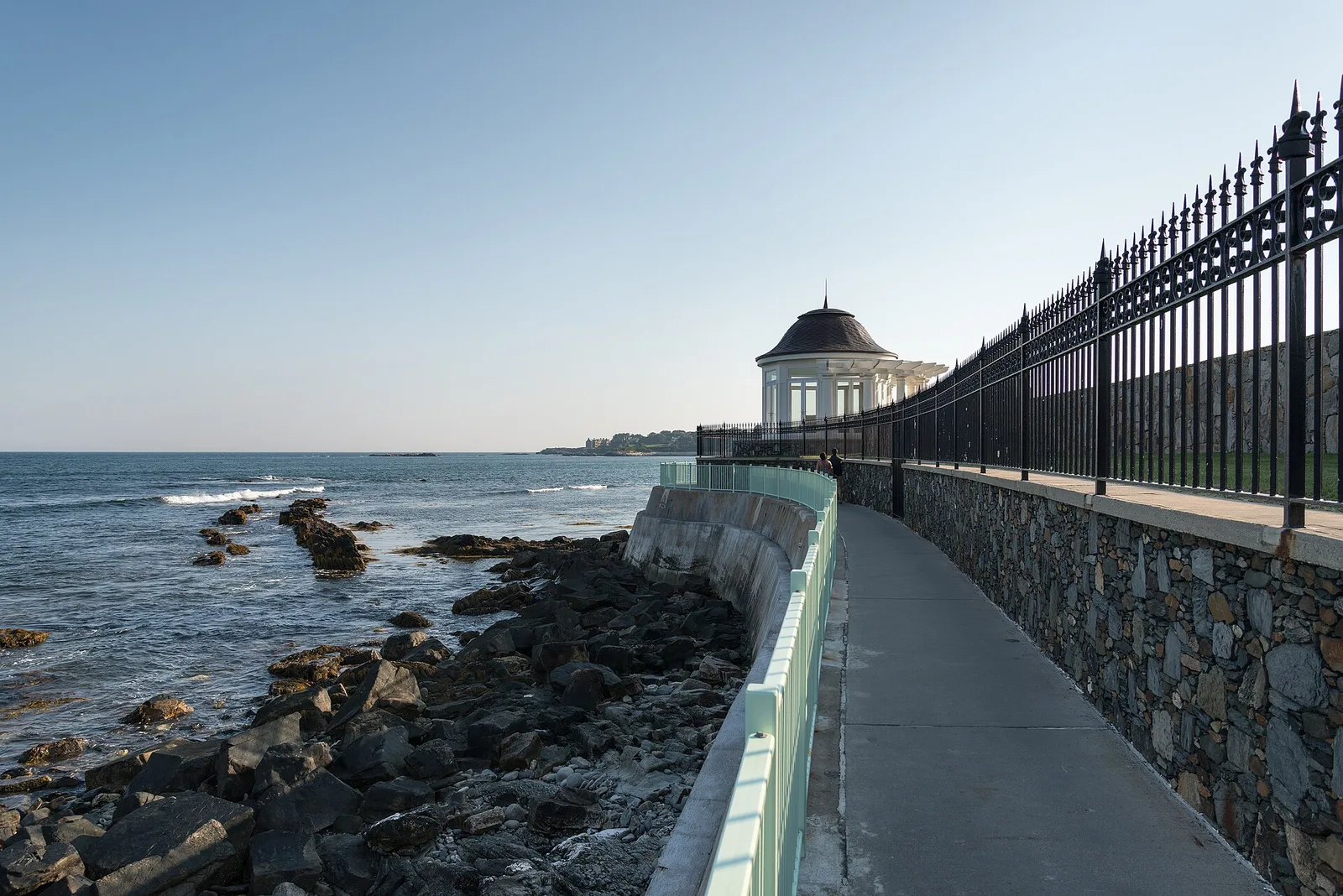
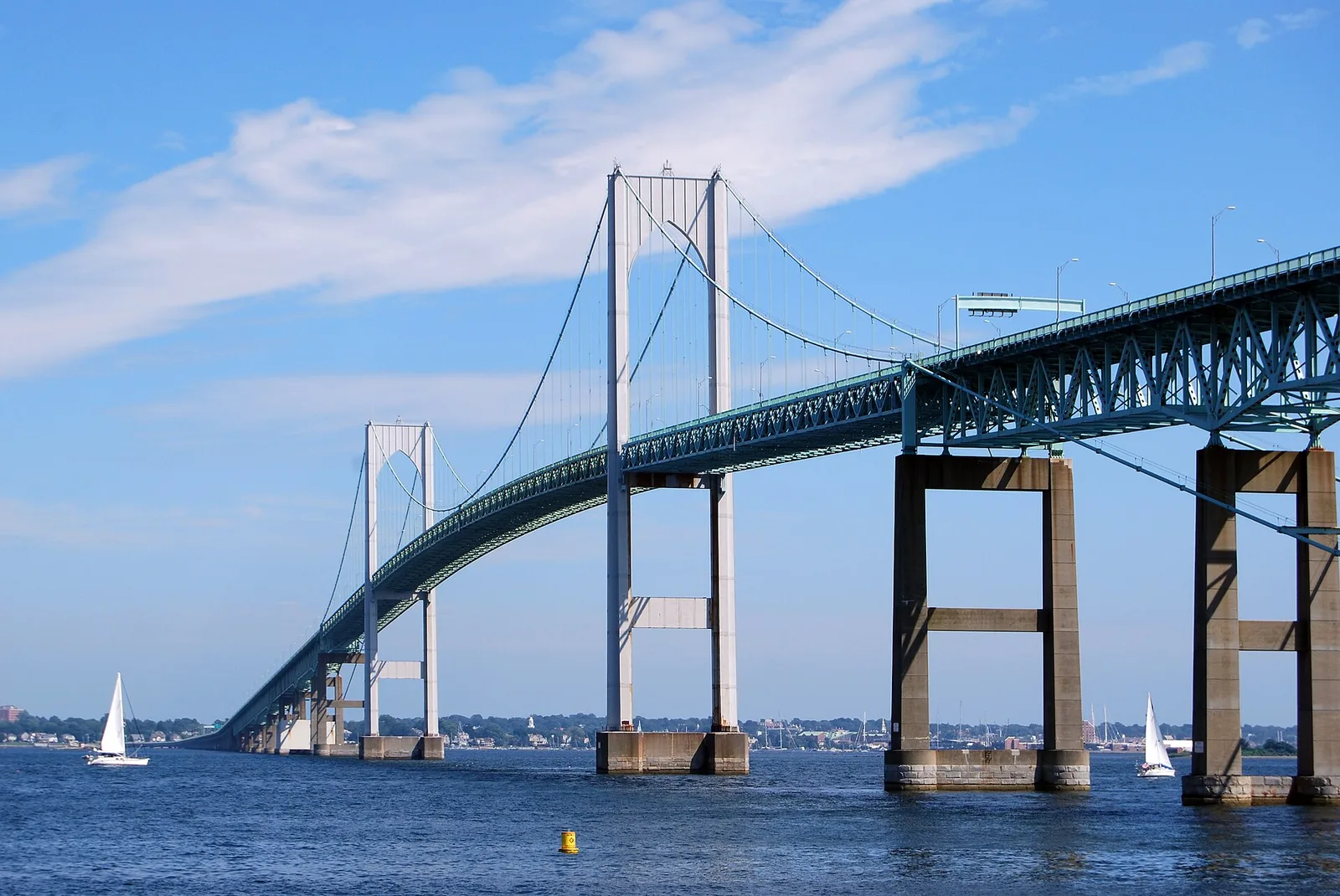
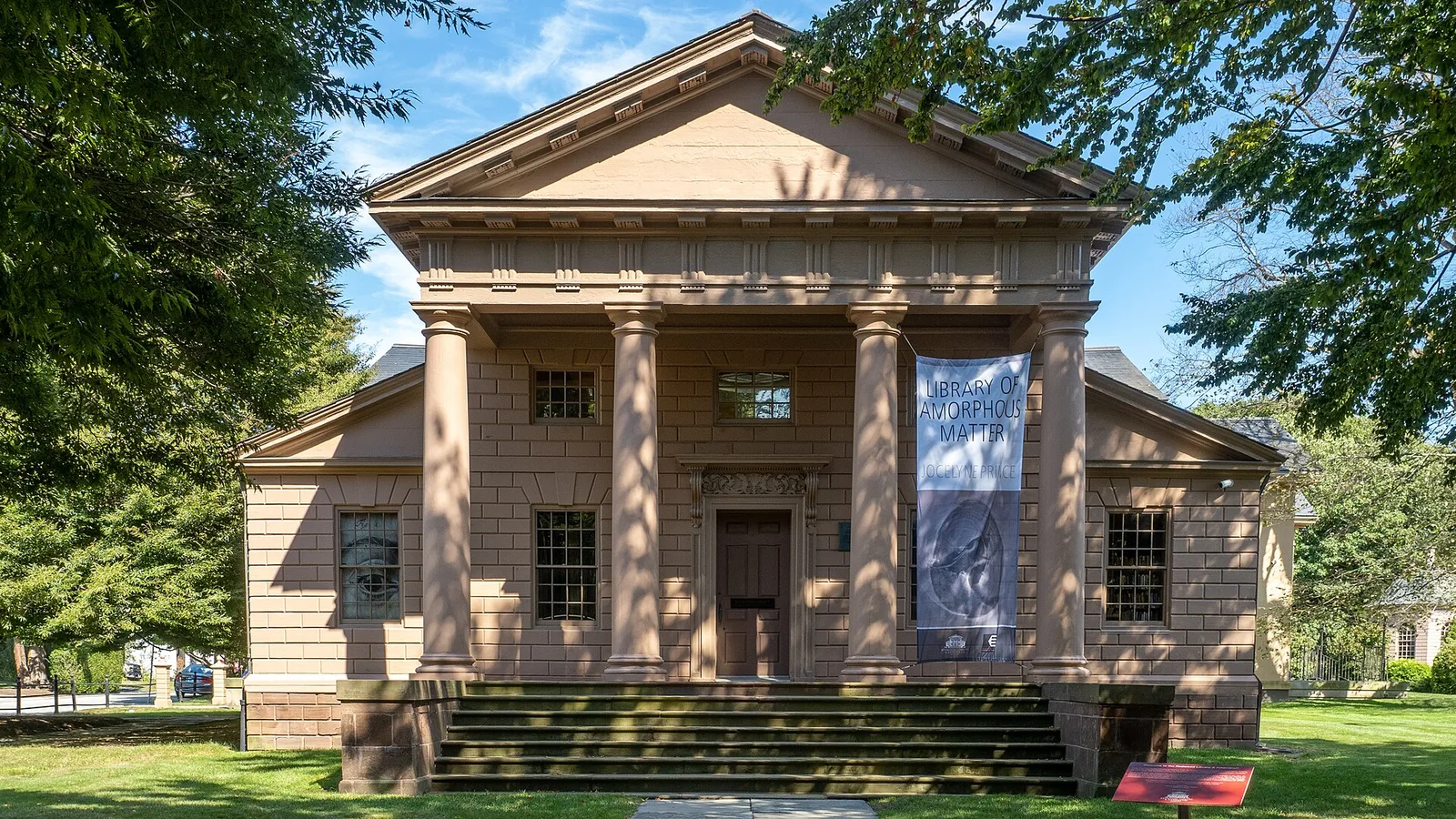
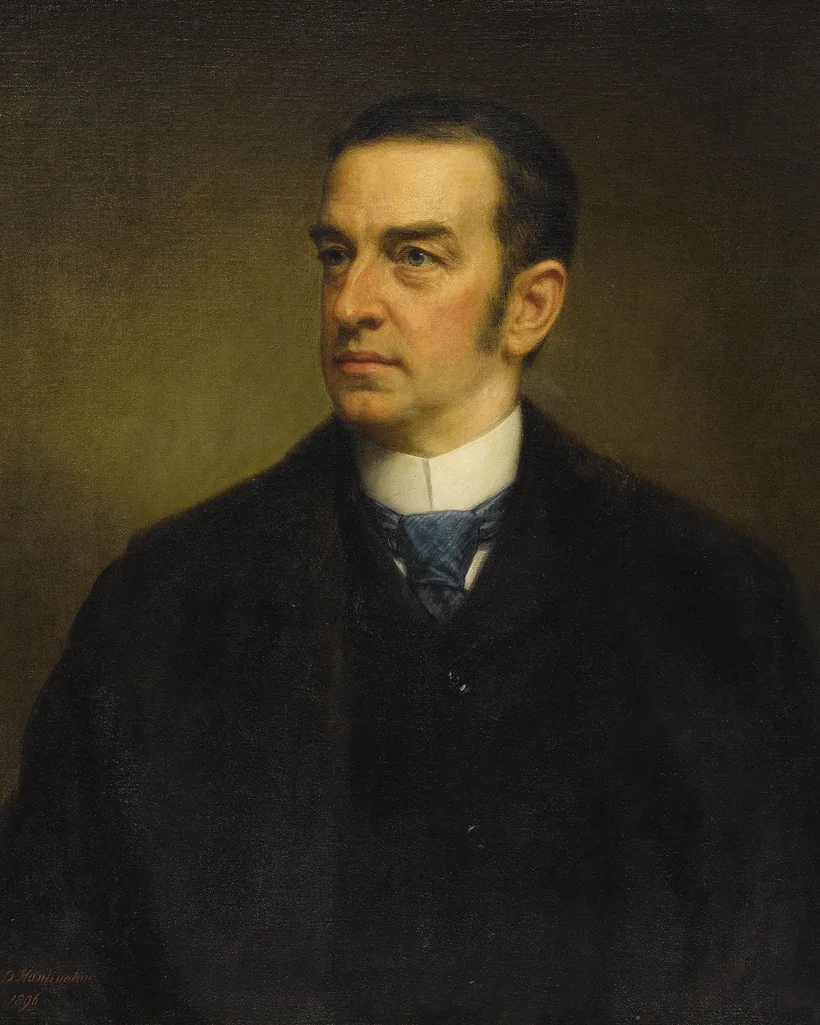
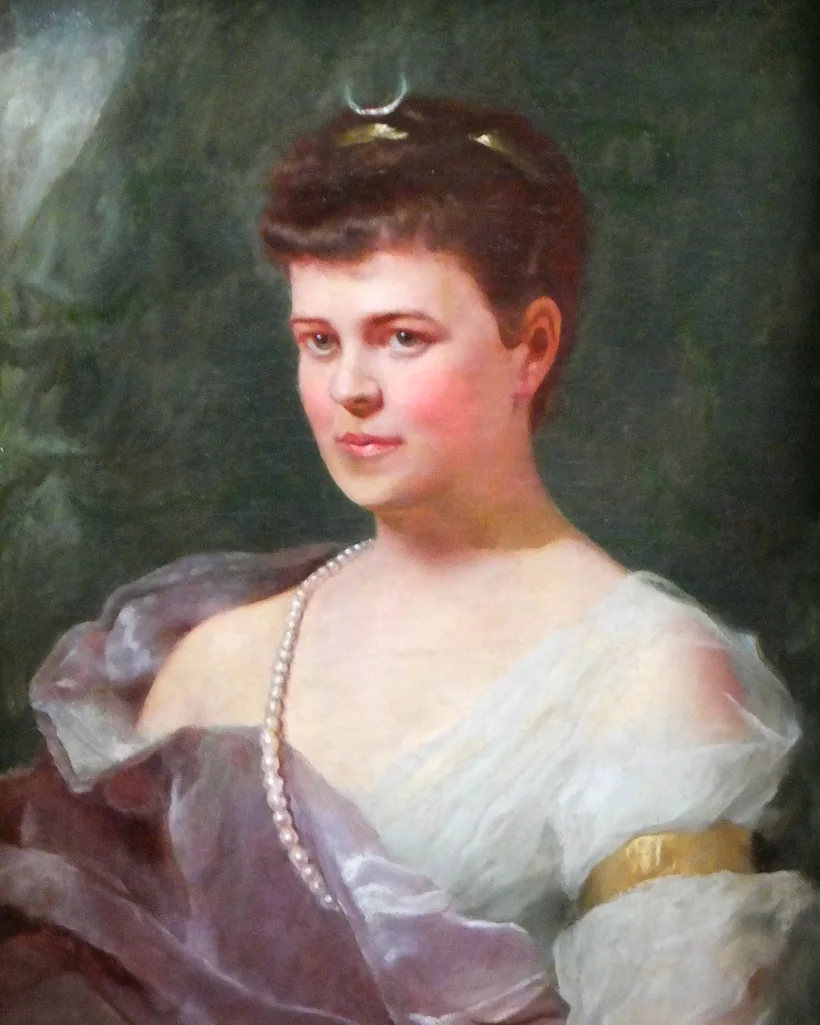
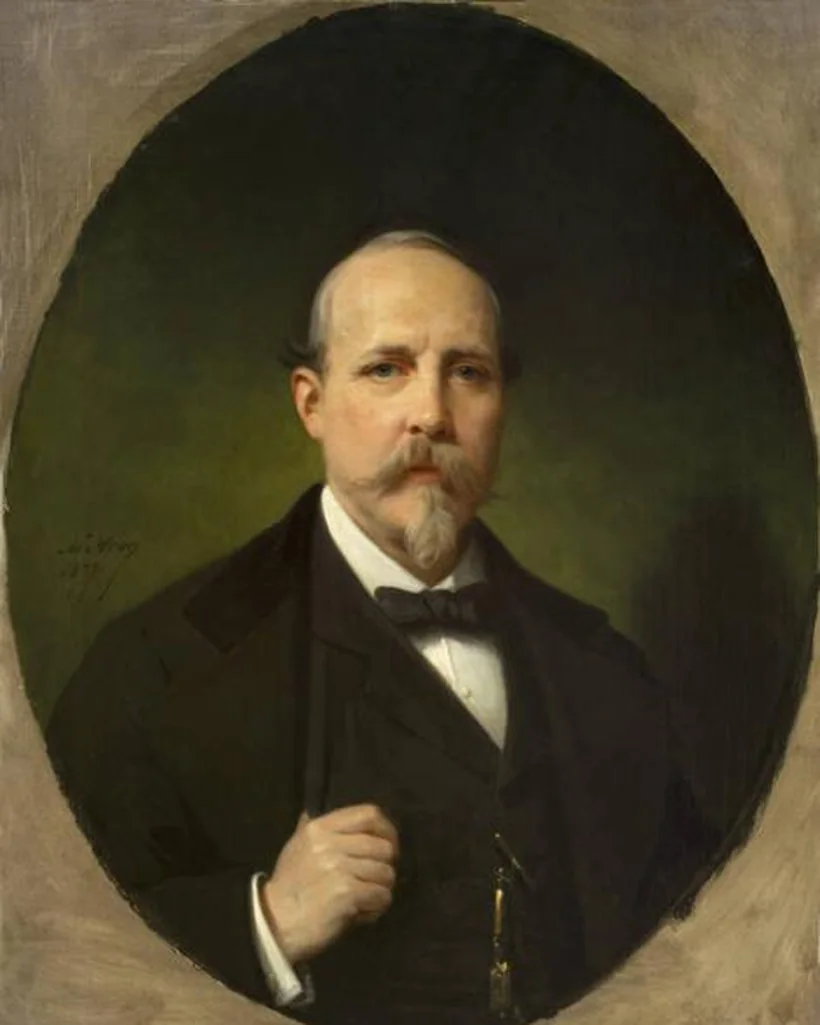
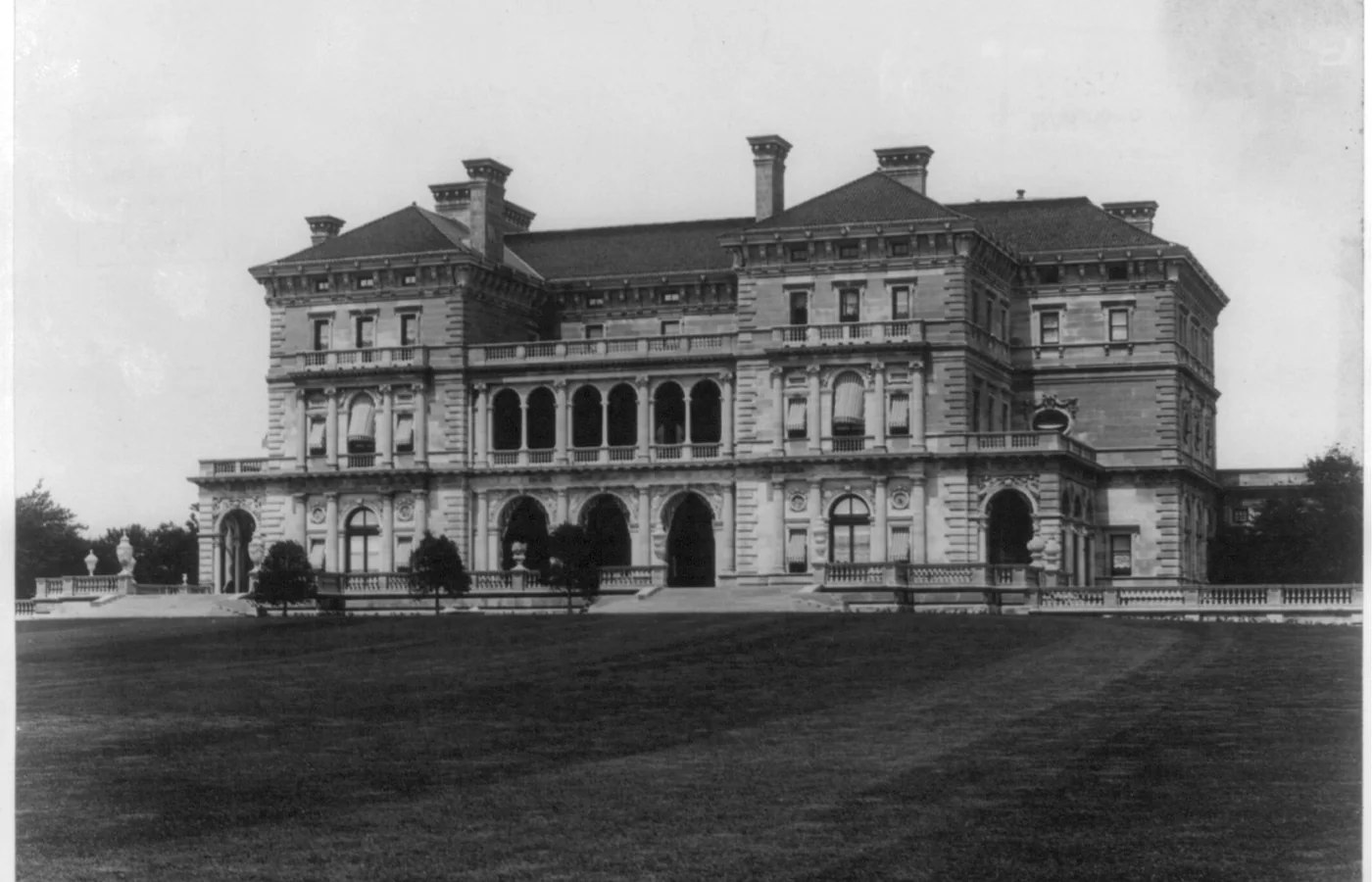
A few of the visual fingerprints we lean into when we shoot, brand and market a Newport property — courtesy of the open Wikimedia Commons archive.
Newport guests decide with their eyes, and most listings here are coasting on dim iPhone photos that bury a gorgeous property. Cavmir helps optimize the whole package — cinematic photography that sells the harbor light and the porch, a brand and listing built around the festival-and-wedding buyer, and distribution past Airbnb into direct bookings and the channels that planners actually use. The real prize is the shoulder season. We position your place to fill September and October, not just August, and that's where your annual number quietly doubles.
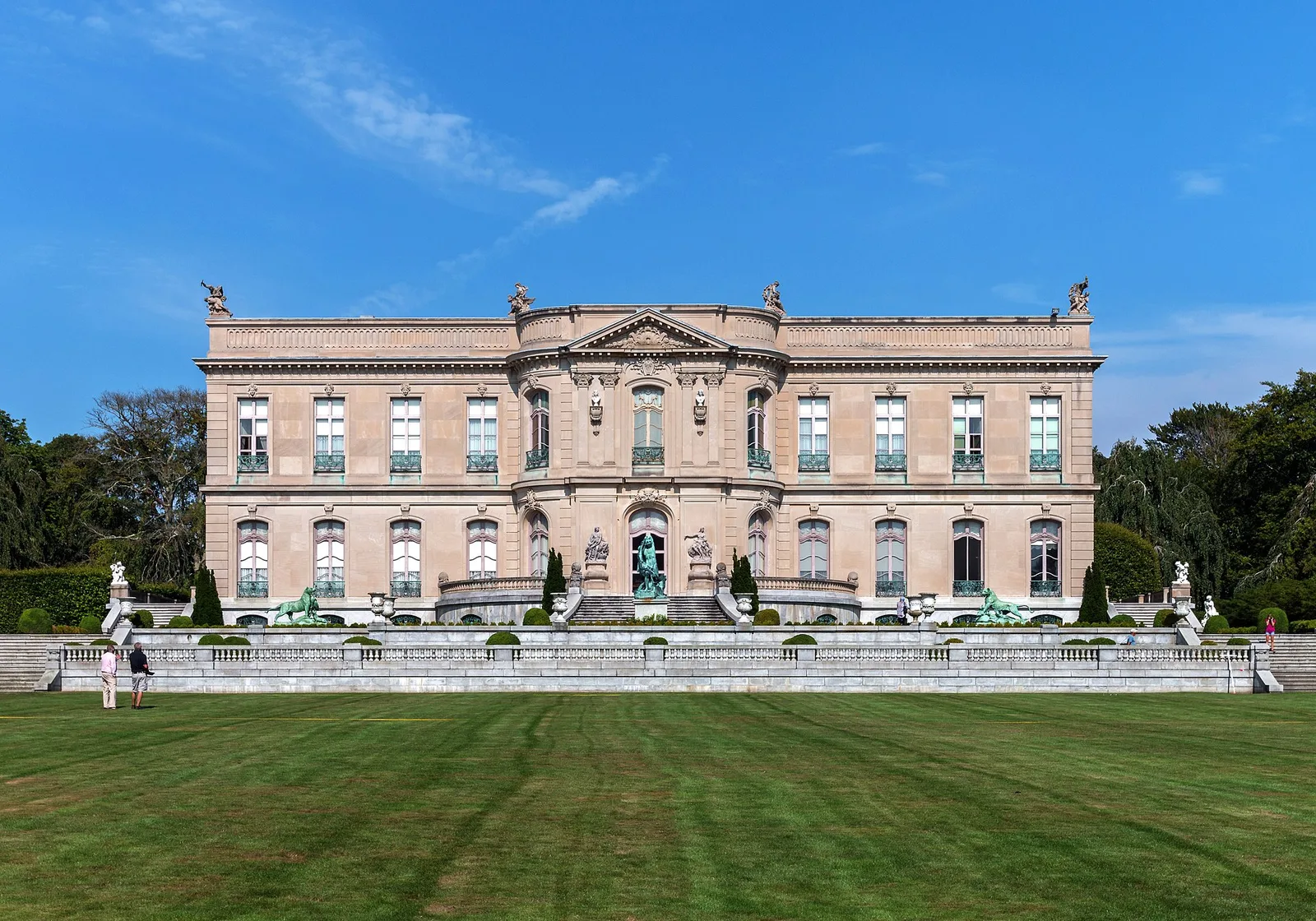
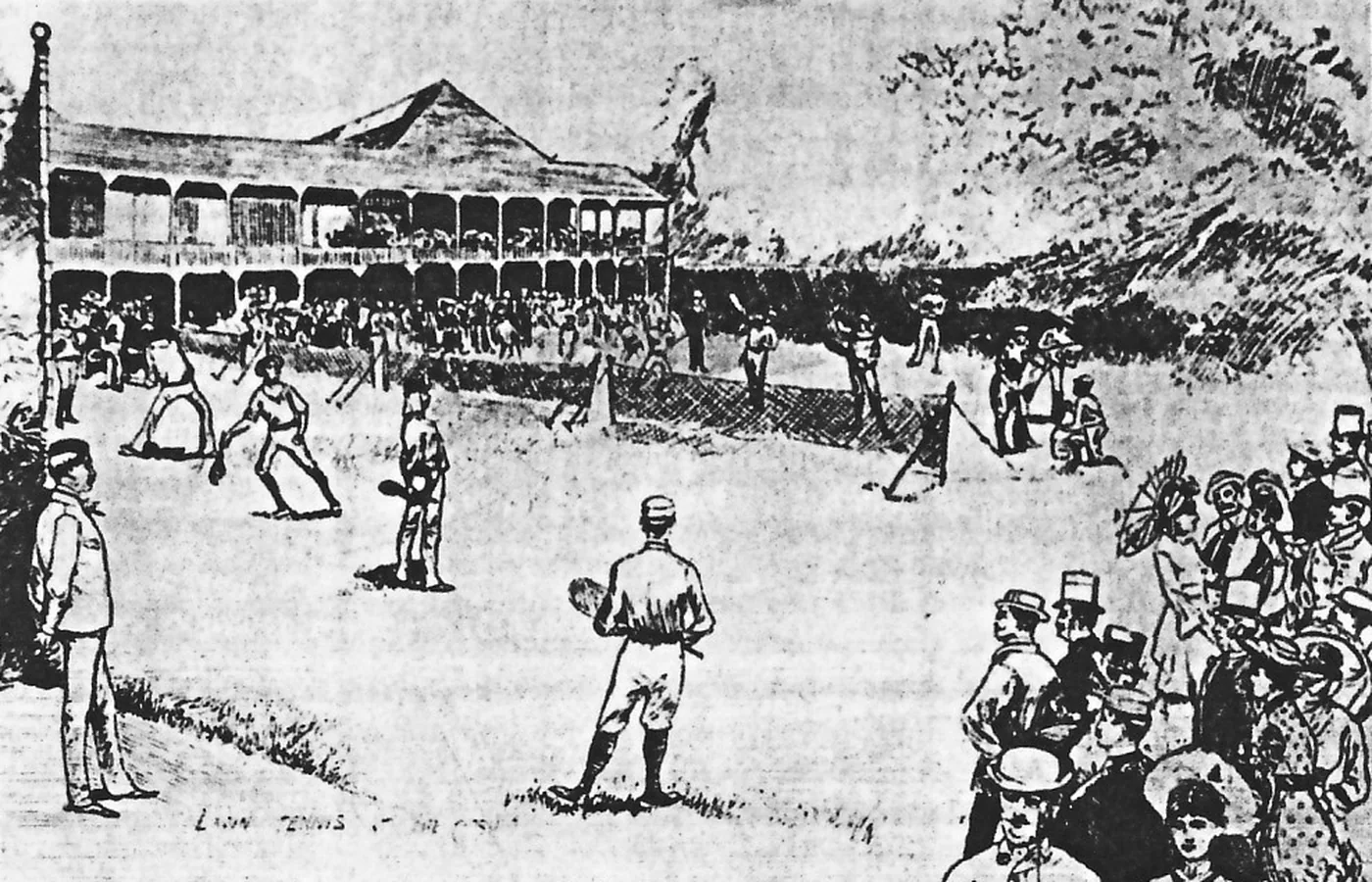
Newport was founded in 1639 by settlers who came to Rhode Island chasing religious freedom, and that streak shaped the place early — Touro Synagogue, dedicated in 1763, is the oldest surviving synagogue in the United States, and the colony's tolerance drew merchants, Quakers, and traders of every stripe. Through the 1700s Newport was one of colonial America's busiest seaports, rivaling Boston and New York, and the cobbled waterfront, the wharves, and the white clapboard houses on the Point still carry that century in their bones. Then came the Gilded Age, and Newport became something no other small town in America has ever been: the summer playground of the Vanderbilts, the Astors, and their set. In 1893 Cornelius Vanderbilt II hired architect Richard Morris Hunt to build The Breakers, a 70-room Italian Renaissance palazzo overlooking the sea. Marble House, The Elms, Rosecliff, and a dozen more 'summer cottages' rose along Bellevue Avenue, the Newport Casino introduced American competitive tennis in 1881, and the Cliff Walk was carved behind the estates so the public could keep its share of the view.
Sailing made Newport famous a second time. The city hosted the America's Cup races from 1930 to 1983, and it's still the spiritual home of American yachting, with Fort Adams anchoring a summer calendar of regattas, the Folk Festival, and the Jazz Festival — the latter two founded here in the 1950s and still drawing the world to the harbor every July and August. Today the short-term rental inventory mirrors that history rather than fighting it. You'll find restored colonial homes near the harbor, condos and carriage houses on the Hill and the Point, beach-adjacent cottages out toward Easton's, and a handful of genuinely grand estates near Bellevue. It's a boutique market — limited land, strict zoning, and a city that fiercely guards its character — so supply stays tight, prices stay firm, and a well-positioned listing rarely struggles to stand out as long as the marketing is actually done right.
Pricing in Newport tracks proximity to water and to Thames Street. A harbor-view or wharf-adjacent property in peak summer can clear $600-$1,200 a night, and a true Bellevue-area estate goes higher for the right group. Restored colonials and condos on the Hill or the Point typically run $300-$550 in season, while beach cottages near Easton's and Middletown-line properties sit a notch below at $250-$450. The blended annual average across the market lands around $390 a night because Newport's winter drags the mean down hard. The operators who win price like a hotel revenue manager — daily, by event, by lead time — instead of setting one rate in March and forgetting it.
Peak is June through August, with July and August the two biggest months by a wide margin — festival weekends and wedding season push rates and occupancy to their ceiling, and the best dates sell out months ahead. Spring and fall are strong shoulders, and crisp, gorgeous September and October are the most under-priced weeks in town. Winter is genuinely quiet outside the holidays. The revenue most hosts blow is the autumn window — they drop rates the day Labor Day ends, when leaf-season couples would happily pay near-summer money for an empty Cliff Walk and clear skies.
Newport is a dual-registration market, and as of 2026 the rules have teeth. First, every short-term rental — any stay of 30 nights or fewer — must be registered with the Rhode Island Department of Business Regulation (DBR) statewide registry. Since January 30, 2025, you have to register before the listing goes live on Airbnb, Vrbo, or any platform, and your DBR registration number and expiration date must appear on the listing itself. State registration runs about $25 per year. Second, the City of Newport requires its own Transient Guest House registration, now handled by a dedicated Short-Term Rental Office through an online portal, not the City Clerk. The city application carries a filing fee plus an annual certificate fee that's materially higher for non-owner-occupied units, and applications are reviewed by the Zoning, Building, Collections, and Fire departments before a certificate is issued. The city deadline to file is generally May 31 each year. The big constraint is zoning: in Newport's residential zones, short-term rentals are only allowed if the home is the owner's primary residence, and even then they're capped at 2 bedrooms and 4 guests with the owner present for the stay. Non-owner-occupied STRs are permitted by right only in the General Business, Commercial-Industrial, and Waterfront Business zones, and need a Special Use Permit in Limited Business zones. Rules and fees here change often, so verify your specific parcel's zoning and the current fee schedule with the city before you buy or list.
The Newport strategic move: build your listing around the wedding-and-festival weekend, not the random midweek night. Newport is one of the most-booked wedding towns in the country, and festival weekends sell out the entire island months ahead. If your place sleeps a wedding party or a crew of festival friends, your photos, your headline, and your minimum-night rules should all be engineered for that high-value group rather than a generic two-night stay.
Tactically: first, win the shoulder season on purpose. Most hosts slash rates the second Labor Day passes — keep them up through Columbus Day and into late October, because September and October are clear, beautiful, and quietly the best value in town for couples. Second, shoot for the season you're selling. A listing trying to book August needs summer harbor light, the porch, the boats — not gray January frames. Plan twilight and golden-hour photography that makes someone in February ache for July. Third, name the walk score. 'Eight-minute walk to Bowen's Wharf' or 'two blocks off Thames' converts better than any adjective; Newport guests want to park the car and not move it, so sell that explicitly. Fourth, set smart minimums for the big weekends and price every date by lead time and event — a flat annual rate leaves thousands on the table during Folk, Jazz, and regatta weeks. Fifth, put your DBR registration number on the listing and keep both registrations current; Newport actively enforces, and a delisting in June is the most expensive mistake you can make here.
The headwinds are real: a tight, owner-occupancy-driven zoning regime that limits non-owner STRs in residential areas, a 2026 lodging-tax jump to 14%, brutal winter seasonality that can leave a property dark for weeks, steep coastal acquisition prices, and constant salt-air upkeep. Parking is scarce, summer traffic is heavy, and the city enforces registration aggressively. None of it is fatal — it just means your underwriting and your marketing both have to be honest.
Standard homeowners policies don't cover commercial short-term renting, so plan on a dedicated STR policy or a platform host-protection plan layered with your own liability coverage. Newport's coastal exposure matters: insurers price in wind, storm, and flood risk, and a waterfront or low-lying property may need separate flood coverage through the NFIP or a surplus-lines carrier. Carry strong liability limits for the festival-and-wedding crowds you'll host, and get it in writing that your policy covers paying guests.
Newport hosts collect Rhode Island's combined lodging tax, and as of January 1, 2026 that rate climbed to 14% on whole-home short-term rentals: 7% state sales tax, the new 5% whole-home STR tax, and a 2% local hotel tax (up from 1%). Room-only stays hit the same 14% via the 5% state hotel tax instead. Platforms often collect and remit some of this, but confirm exactly what's covered so nothing falls through. On top of lodging tax you'll owe Rhode Island property tax and income tax on your net — talk to an accountant who knows STRs about depreciation and the right ownership structure for your situation.
Most Newport buyers finance with a second-home loan or, if it's purely an investment, a DSCR loan underwritten on the property's projected rental income rather than your personal W-2. Coastal pricing means big loan amounts, so expect meaningful down payments and lenders who want to see realistic, seasonally honest revenue projections — not a summer-only number stretched across twelve months. Local Rhode Island banks and credit unions can be more flexible than the big nationals on these deals.
Newport's moat is scarcity, and it isn't going anywhere. There's almost no developable land, the zoning is protective and trending tighter, and owner-occupancy rules in residential areas naturally cap the supply of new whole-house STRs. That's a frustrating barrier to entry and a gift to anyone already operating legally — fewer listings, durable demand. On the demand side, the wedding industry, the Folk and Jazz Festivals, and Newport's standing as a sailing capital aren't fading; if anything, the experiential-travel trend pushes more high-value group bookings toward exactly this kind of destination. Watch two things into 2027: the lodging tax, which jumped to 14% in 2026 and could climb again, and continued city enforcement and registration tweaks. Both reward operators who stay compliant and market well over those who treat Newport like a passive listing. The hosts who professionalize — real photography, real revenue management, real direct-booking channels — will keep pulling away from the part-timers, and that gap is only going to widen.
Newport is one of the most fun markets in America to actually market, because the story writes itself and almost nobody tells it well. You've got Gilded Age palaces, a clifftop walk over the Atlantic, a working harbor full of sailboats, and a music-festival pedigree that draws people who genuinely care about a great weekend. The raw material is extraordinary. And then you open Airbnb and find that gorgeous properties are being sold with four dark photos and a headline that says 'Cozy 2BR near downtown.' The gap between what Newport is and how it's marketed is enormous, and that gap is pure opportunity.
What we love is that this is a town where emotion does the selling. Nobody books Newport because it's cheap — they book it because of how the light hits the water at six o'clock, because of the porch, because their wedding is at Fort Adams and they want their people two blocks from Thames Street. Our whole job is to put that feeling into the frame and the words: shoot the golden hour, write like a local broker instead of a brochure, and make a stranger scrolling in the dead of winter feel the salt and book July on the spot. When the place is this good, honest, well-made marketing isn't hype — it's just finally showing people the truth.
A great property in Newport doesn't just want a listing — it wants a point of view, an audience, and a brand the city itself would recognise.
If you're hosting in Newport — or just scouting the market — here's the insider version of the town. These are the picks we'd actually send a guest, the stuff that makes a stay feel like Newport and not a postcard.
Skip the chains. This local roaster has been Newport's caffeine anchor for years, and the Broadway location puts you in the middle of the town's best low-key breakfast-and-coffee stretch before the day-trippers arrive.
Out on Ocean Drive, this is where Newport watches the sun go down. Bring a kite or a bottle of wine, sit on the rocks facing the open Atlantic, and you'll understand instantly why people pay what they pay to be here.
Newport's best-preserved colonial neighborhood. Quiet brick sidewalks, 18th-century houses, and harbor views off Washington Street — it's the walk that reminds you Newport was a great town two centuries before the mansions showed up.
Right on the harbor with boats bobbing behind your table, it's the Newport seafood shot guests post without being asked. Order the bag of doughnuts (yes, savory, lobster-and-clam fritters) and the view does the rest.
A Rhode Island institution since 1948. It's not ice cream and it's not a slushie — it's its own thing, and a paper cup of it on a hot wharf afternoon is as Newport as a sailboat. Tell your guests; they'll thank you.
The summer crowds are gone, the light turns golden, and you can actually hear the surf below the mansions. This is the single best argument for keeping your rates up through fall — point guests here and watch the reviews glow.
Five minutes into Middletown, a wildlife refuge with a coastal loop trail and a wide, surfable beach next door. It's the breather from downtown Newport that long-stay and repeat guests quietly love most.
Every guest wants The Breakers and the Cliff Walk. Leave a printed card with the Preservation Society combo-ticket tip, the closest Cliff Walk entrance to your door, and parking advice — it's the easiest five-star detail you'll ever add.
A few composite engagements drawn from how we work in coastal festival-and-wedding markets like Newport. The numbers are illustrative of the kind of lift good marketing produces — not guarantees, and not specific named clients.
A beautifully renovated three-bedroom near Bellevue was booked solid in July and August but dead by mid-September, running barely 45% annual occupancy. The owner was leaving the entire fall on the table.
Cavmir helped optimize the listing end to end: a twilight and golden-hour photo shoot, a rewritten brand and headline aimed at fall couples and leaf-season getaways, lead-time-based pricing, and a simple direct-booking site to capture repeat guests.
Shoulder-season occupancy climbed sharply, annual occupancy moved from roughly 45% toward the high 50s, fall ADR held near summer levels, and about a quarter of bookings shifted to direct within a year.
A walk-to-everything two-bedroom had a killer location and forgettable photos, so it was competing on price and losing. ADR sat well below comparable harbor-area units despite the better address.
We led with cinematic photography that sold the harbor light and the walkability, repositioned the listing around festival and sailing-weekend guests, set smart minimum-night rules for peak weekends, and pushed distribution beyond Airbnb.
Average nightly rate rose into line with the top harbor comps, festival weekends sold out months ahead at premium pricing, and overall revenue grew meaningfully without the host touching anything but the calendar.
A large near-Bellevue home was perfect for weddings but marketed like an ordinary family rental, so it drew bargain inquiries instead of the high-value group bookings the property was built to host.
Cavmir built a dedicated brand and a direct-booking site aimed at wedding parties and reunions, produced a full photo and story package showing the house at scale, and ran targeted outreach to wedding planners and group travelers.
The property shifted toward multi-night, whole-house group bookings at far stronger rates, peak-season weekends filled with planned events, and direct inquiries reduced its dependence on platform fees over the following season.
Talk to Cavmir today. We'll show you exactly what your Newport property is leaving on the table — and how fast we can change that.
Book a Free Strategy Call