





Water Access
Which marina, and how far
The lake has no public beach strip, so access is via marinas and ramps. Name the one nearest your property, give the drive time, and say where a trailer can be parked.

Expert short-term rental marketing to grow your bookings and nightly rate in Lake Cumberland, Kentucky, USA.
Sixteen services, one team. Everything below is built in-house and scoped to your property and market. Most owners start with the 12-Step System.
Every engagement is quoted to your portfolio. These are the ready-made scopes owners pick most — the AI Efficiency Discount is already applied. A clear proposal within 48 hours.
The work is public. Selected engagements and what changed — and reviews from the owners and managers behind them.
* Market averages. Properties marketed by Cavmir typically exceed these figures by 25–45%. Data sourced from AirDNA, STR market reports, and Cavmir internal analytics.
Lake Cumberland was created when Wolf Creek Dam closed the Cumberland River in 1952, flooding a hundred miles of valley in southern Kentucky and producing a reservoir with more than a thousand miles of shoreline. The shape of it matters: this is not a round lake with a ring of houses. It is a drowned river system, all fingers and coves and steep wooded banks, which is why it became the houseboat capital of the world rather than a conventional lake resort. Somerset is the largest town on it, Jamestown and Burnside and Monticello sit around the rim, and the marinas — State Dock, Jamestown, Conley Bottom, Grider Hill, Burnside — are the real centres of activity. There is no beachfront strip because the Army Corps of Engineers owns the shoreline and has never allowed one. That single fact shapes the whole market. Cumberland Falls, sometimes called the Niagara of the South and one of the few places in the western hemisphere with a regular moonbow, is an hour east. Big South Fork is south of that. This is a boating market first, a lake-house market second, and a very accessible one for an owner.
The regulation that matters at Lake Cumberland is not a town ordinance. It is the Army Corps of Engineers shoreline management regime and the covenants of lakeside subdivisions, and those two together do more to shape this market than any local government does. The Corps owns the shoreline created by Wolf Creek Dam and manages it under a Shoreline Management Plan updated in 2024, which reintroduced Limited Development Areas allowing Community Dock Associations to apply for expansion, modification or reconfiguration of community docks within newly defined boundaries. Private moorage facilities are largely grandfathered rather than newly issued, and Shoreline Use Permits cover those grandfathered private docks, ski courses and firelanes on public land. The practical consequence for a buyer is straightforward: a property with a legitimate permitted dock is a materially different asset from one without, and you cannot assume you can simply add one. On the ordinary regulatory side, requirements are light. Short-term rentals in the Somerset-Pulaski area need a transient tax identification number and a tax certificate from the Somerset-Pulaski Convention and Visitors Bureau, plus a business permit from Pulaski County or the City of Somerset depending on where you sit.
Nearby Markets: Red River Gorge | Louisville | Gatlinburg
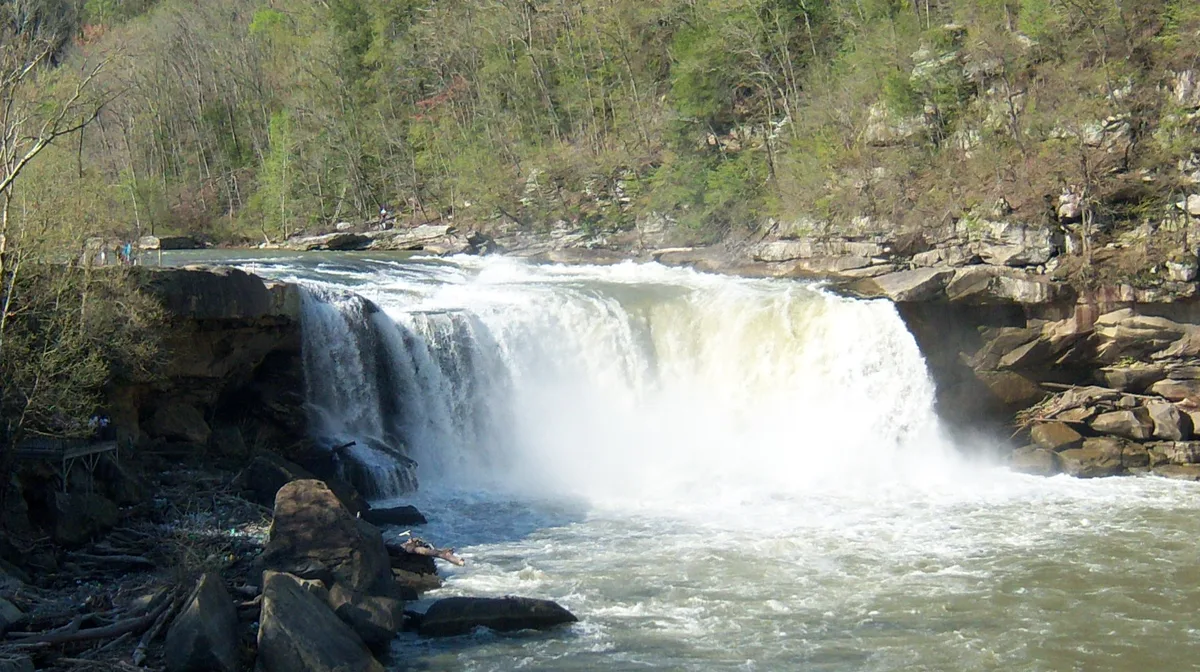
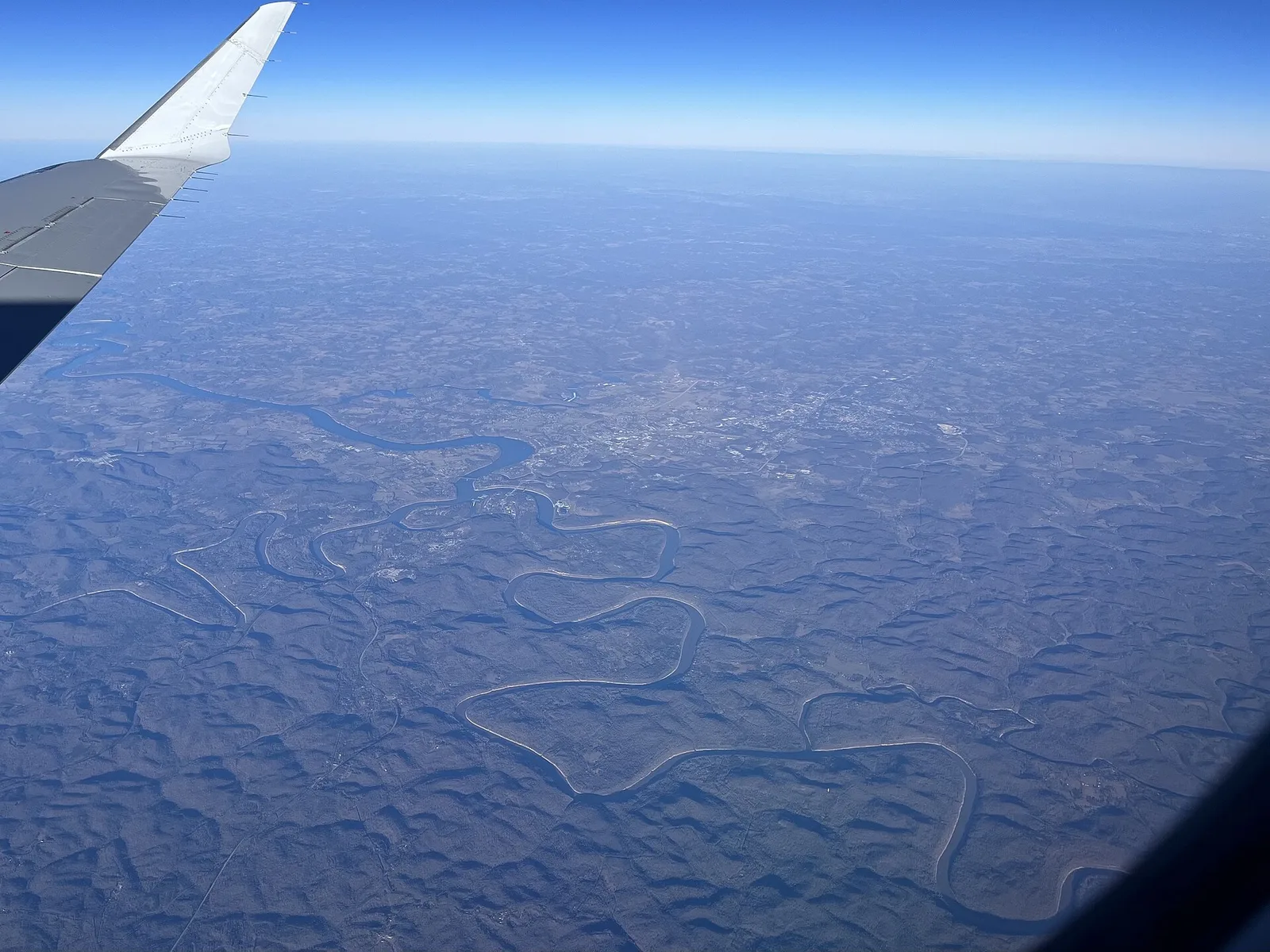
A few of the visual fingerprints we lean into when we shoot, brand and market a Lake Cumberland property — courtesy of the open Wikimedia Commons archive.
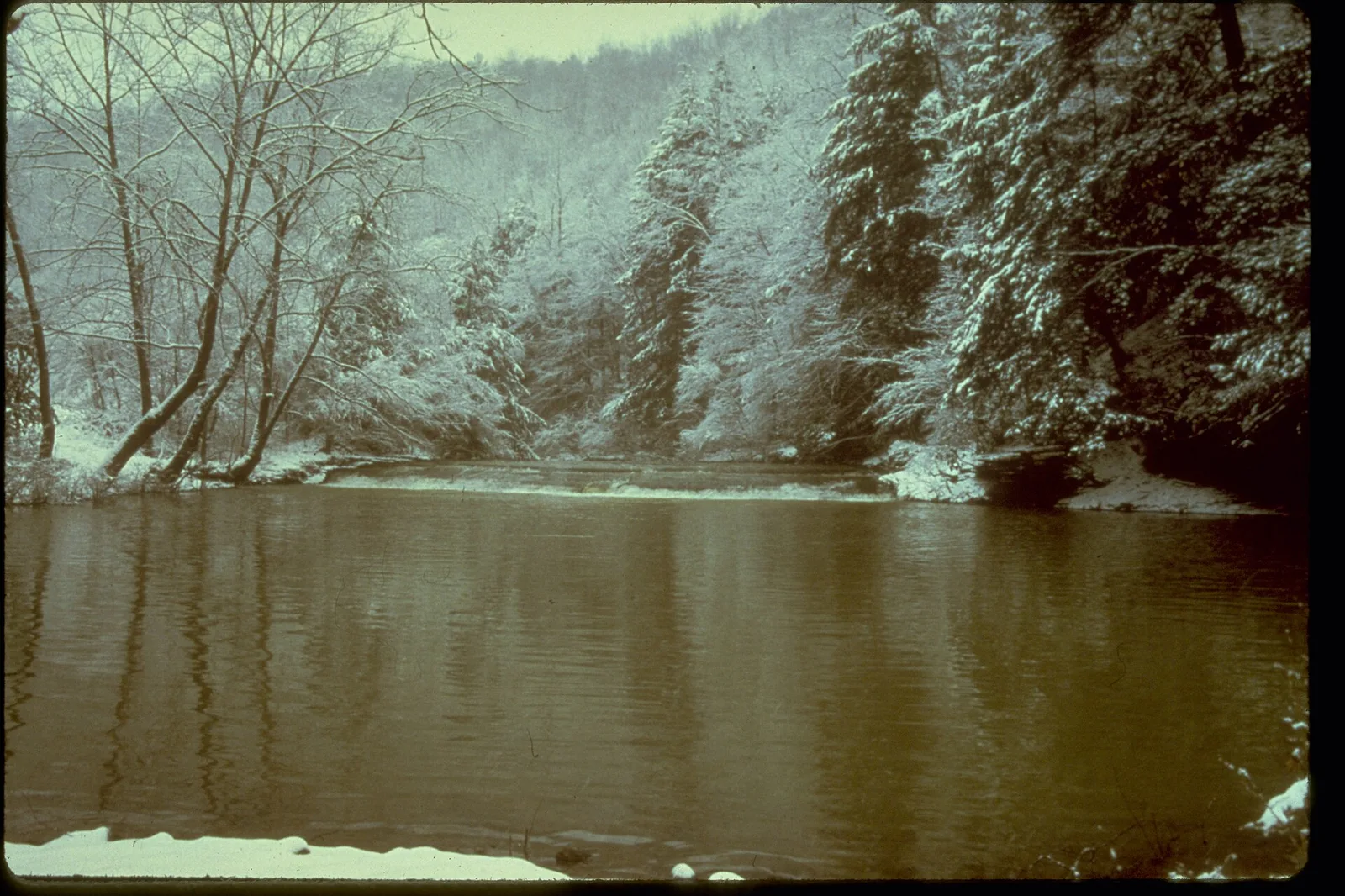
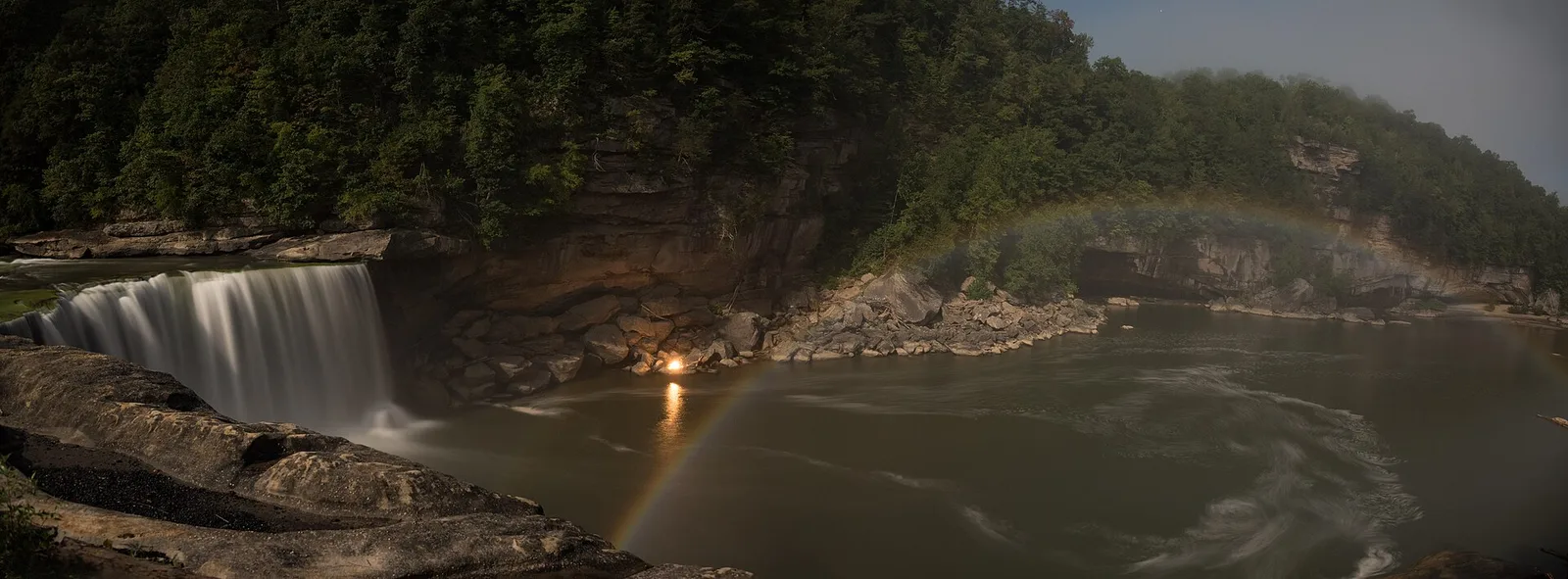
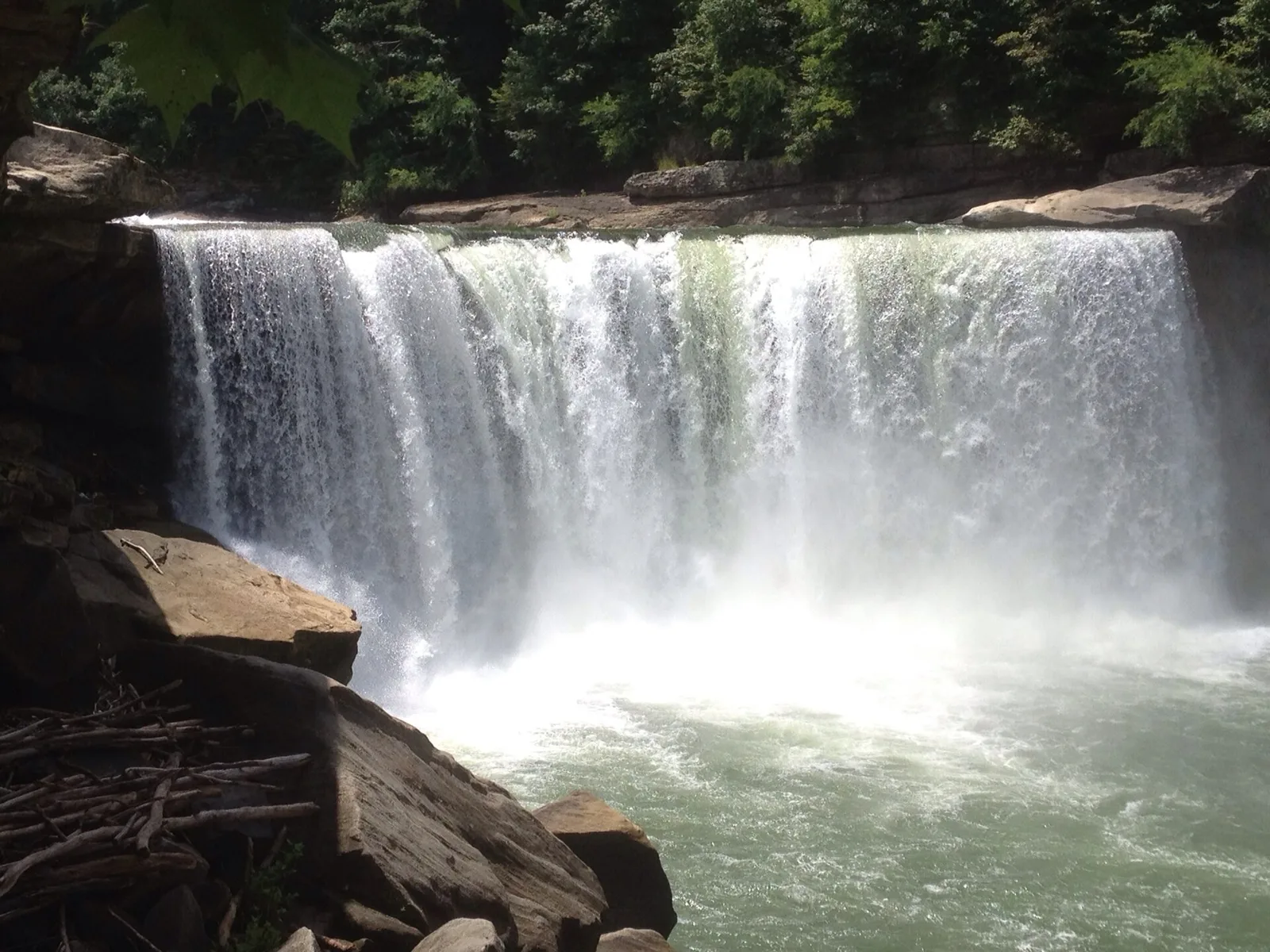
Cavmir markets Lake Cumberland properties on the water access, because at this lake that is the entire question. Whether a guest can walk to a dock, which marina they will launch from, how far the drive is to the ramp, whether there is anywhere to park a trailer — these are the things a boating family decides on, and most listings here reduce them to the word 'lakefront' and a photograph taken from a hill. We photograph the actual access, the actual dock if there is one, and the cove, and we write the marina relationships plainly. We separate the houseboat guest, the ski-boat family, the anglers and the Cumberland Falls day-trippers, because they are looking for different things and searching in different words. We build a direct booking site so that returning groups — and this lake runs heavily on annual family and friend groups — can rebook with you directly instead of going back through a marketplace every June. Then we run local search across the whole rim rather than just one town, and keep an email list warm through a long winter so next summer gets decided in your favour. We help position and market your property. We never manage it or touch your keys.
Lake Cumberland did not exist before 1952. Wolf Creek Dam, built by the Army Corps of Engineers on the Cumberland River in Russell County, closed in 1950 and the reservoir behind it filled over the following years, drowning roughly a hundred miles of river valley and creating a lake with more than a thousand miles of shoreline. Farms, roads, churches and whole communities went under the water. That history is still close to the surface here, and older families in Russell, Clinton, Wayne and Pulaski counties can tell you what is beneath particular coves.
The dam was built for flood control and hydroelectric power rather than recreation, and that origin explains the market's most distinctive feature. The Corps owns the shoreline. There was never a private waterfront strip to develop, no ring road of lakefront lots with individual docks as of right, and no beach town. What grew instead were marinas — State Dock, Jamestown, Conley Bottom, Grider Hill, Burnside, Alligator — operating under Corps concession arrangements, and houseboat manufacturing on an industrial scale in the towns around the lake.
The houseboat industry is the thing that made Lake Cumberland nationally known. Southern Kentucky became the centre of American houseboat building, and the lake's deep, sheltered, endlessly branching coves are close to ideal for it. The 'houseboat capital of the world' claim is a real one rather than a slogan.
The most disruptive recent chapter was the dam itself. Seepage concerns led the Corps to lower the lake substantially from 2007 while a major foundation repair was carried out, which hurt the local economy badly for several years. The work was completed and the lake was restored to normal operating levels in 2014. Anyone evaluating historical performance data for this market needs to know that those years were not typical.
Lake Cumberland is a summer boating market with a sharp peak and a long, quiet remainder, and the pricing has to respect that shape.
Memorial Day to Labor Day is the season, and within it the Independence Day period and the weeks either side are the strongest. Weekends dominate — this is a drive-to market for Kentucky, Tennessee, Ohio and Indiana, and Friday to Sunday carries a large share of the demand. That weekend concentration is worth pricing for explicitly rather than running a flat weekly rate.
Group size drives rate more than luxury does. The dominant booking here is a family or a group of friends coming for the water, often with boats, often several families together. A property that sleeps a genuine large group with the parking and the space to match commands a premium that a beautifully finished smaller house does not.
Spring and autumn are underused. The fishing here is excellent — striped bass in the lake, and a genuine tailwater trout fishery below Wolf Creek Dam that fishes year-round — and the autumn colour in the coves is worth travelling for. Both attract midweek guests with flexible schedules and neither is marketed to seriously by most listings.
Winter is quiet, though the tailwater fishery and Cumberland Falls keep a trickle of demand. The moonbow at Cumberland Falls, visible on clear nights around the full moon, is a genuine year-round draw for a small and enthusiastic audience.
The single biggest rate differentiator is water access, and that is a function of Corps permitting rather than of anything you can build.
Memorial Day through Labor Day is the season, peaking around Independence Day and running heavily on weekends. May and September are good shoulder months with warm water and far fewer boats. October brings autumn colour in the coves and excellent fishing. November through April is quiet, sustained by the tailwater trout fishery below Wolf Creek Dam, Cumberland Falls, and a small stream of anglers and hikers. This is a market where the calendar is driven by school holidays and water temperature rather than by events.
The regulation that shapes Lake Cumberland is federal, not municipal, and owners who focus on town ordinances are looking in the wrong place.
The Army Corps of Engineers, Nashville District, owns and manages the shoreline created by Wolf Creek Dam — more than a thousand miles of it — under a Shoreline Management Plan. The plan was updated in 2024, and a significant revision reintroduced Limited Development Areas, allowing Community Dock Associations to apply for consideration of expansion, modification or reconfiguration of their community docks within newly defined boundaries. Shoreline Use Permits are issued for grandfathered private moorage facilities, ski courses and firelane permits on public property.
The practical implication for a buyer is fundamental. You cannot assume that a lakeside property comes with, or can obtain, a private dock. Private moorage on this lake is largely a grandfathered position rather than something newly available, and a property that has a legitimate permitted dock is a materially different asset from one that does not. Establish the permit status in writing before you buy, and do not rely on a seller's description or the existence of a structure in the water.
Subdivision covenants are the second regulator. A great many lakeside developments here have recorded restrictions that govern or prohibit short-term letting, and those covenants bind regardless of what county rules permit. Read them.
The local layer is light. In the Somerset-Pulaski area, a short-term rental needs a transient tax identification number and a tax certificate issued by the Somerset-Pulaski Convention and Visitors Bureau, and a business permit from Pulaski County, or from the City of Somerset if the property is inside city limits. The lake touches several counties — Pulaski, Russell, Wayne, Clinton and Casey among them — and each administers its own business licensing and tourism tax arrangements. Confirm requirements with the county your property actually sits in.
Answer the dock question in the first paragraph. Every serious enquiry at this lake is really asking about water access, and a listing that says 'lakefront' without explaining what that means in practice is wasting everyone's time. State plainly whether there is a permitted private dock, whether the property is part of a community dock arrangement, or whether guests will be launching and mooring at a marina — and if it is the last, name the marina and give the drive time.
Photograph the access, not the view. A shot from a hillside deck looking at water half a mile away is not what a boating family is buying. Photograph the path to the water, the dock, the ramp, the trailer parking.
Price and market for the weekend. This is a drive-to market with heavy Friday-to-Sunday demand from four states. A flat weekly rate leaves money on the table in July and leaves midweek empty. Build the rate around the actual pattern.
Sell the group properly. Large family and friend groups are the core booking here. Say how many the property genuinely sleeps, how many vehicles and trailers can park, whether there is somewhere to eat together, and whether the outdoor space works for twelve people. Those are the deciding factors, not the finish on the worktops.
Write the fishing seasons. Striped bass in the lake, the tailwater trout fishery below Wolf Creek Dam that runs year-round, and the practical details anglers care about — early departures, freezer space, somewhere to rinse gear. That is a shoulder and off-season audience nobody here is competing for.
Mention Cumberland Falls and the moonbow. An hour east, and one of the few places in the western hemisphere where a lunar rainbow appears regularly on clear nights around the full moon. It is a genuine reason to book specific dates and almost no rental on this lake mentions it.
The dock question is the biggest structural challenge. Private moorage is largely grandfathered rather than newly available, which means water access cannot simply be added and buyers can badly misjudge what they are purchasing.
The second is seasonality and weekend concentration. A summer market that runs heavily on three days a week has a lot of idle capacity, and the shoulder seasons need real work to fill.
The third is that the lake spans several counties with different administrations, which makes 'the rules at Lake Cumberland' a question with several answers depending on which cove you are in.
The fourth is reputational memory. The lake was drawn down substantially from 2007 to 2014 during the Wolf Creek Dam repair, and that period damaged the local economy and still colours some historical data and some perceptions. The lake has been at normal operating levels since 2014 and that is worth saying to guests who remember otherwise.
Lake property in southern Kentucky has a specific set of exposures worth naming.
If your property includes a dock, boat lift or any structure in or over the water, confirm exactly how it is covered. Dock damage from storms, ice and wave action is a common claim and is frequently excluded or sub-limited under a standard property policy.
Watercraft is a separate question again. If you provide a boat, a pontoon, kayaks or paddleboards for guest use, that needs specific liability treatment rather than an assumption that the property policy responds.
Short-term rental use must be disclosed. Liability should reflect the actual use: groups on the water, steep wooded lots, steps down to the shore, firepits and hot tubs.
Kentucky sits in a region that sees severe convective weather, and wind and hail claims are routine. Roof age and condition drive both premium and settlement terms.
Winter freeze in a property empty from November to April is a standard claim, and carriers will ask how the building is managed off-season.
Work with a broker familiar with lake properties in the Cumberland region specifically, and get the dock and watercraft position in writing.
Kentucky's lodging taxes stack in three layers and owners here need all three.
At state level, Kentucky applies its 6% sales tax to the gross receipts from short-term accommodation and additionally levies a 1% statewide transient room tax, giving a combined 7% state-level charge.
Locally, the Somerset-Pulaski County transient room tax is 3% of gross room rentals, collected for the Somerset-Pulaski Convention and Visitors Bureau, which uses it to promote the Lake Cumberland area. Operators need a transient tax identification number and a tax certificate from the bureau, and returns are handled monthly — a form is issued around the twentieth of each month for the previous month's gross rentals unless the platform has already remitted.
The lake spans several counties and each has its own local transient room tax arrangement and its own tourism commission. If your property is in Russell, Wayne, Clinton or Casey County rather than Pulaski, confirm the local rate and the collecting body separately.
Booking platforms remit some components in Kentucky depending on the arrangement in force, but registration remains your obligation and direct bookings are generally handled entirely by you.
Confirm current rates with the Kentucky Department of Revenue and your county's tourism authority before quoting figures, and speak to your accountant about the treatment of the income.
Financing a Lake Cumberland property is generally more straightforward than in the constrained coastal markets, but it has one distinctive issue: the dock.
If the water access is a material part of what you are paying for, establish the Corps permit status before you get to appraisal. An appraiser valuing a property as dock-equipped when the moorage is not permitted, or is permitted to a neighbouring association rather than to the parcel, is valuing something that does not exist.
Subdivision covenants are the second thing to settle early. A covenant prohibiting short-term letting makes a rental income model impossible regardless of what the county permits, and lenders do not check this for you.
Beyond those, the usual points apply. Seasonality concentrates income into a summer, and that should be presented realistically rather than annualised from a July weekend. Rural water, septic and access can raise underwriting questions. Appraisal comparables can be thin in specific coves.
Second-home and investment-property loans differ in rate, down payment and occupancy expectation, and many owners here use the property themselves.
Use a lender who closes regularly around the lake and understands Corps shoreline issues. This is general information rather than financial advice — confirm the specifics with your mortgage broker, your accountant and, for the dock, the Corps.
The most important recent development at Lake Cumberland is the 2024 Shoreline Management Plan, and specifically the reintroduction of Limited Development Areas allowing Community Dock Associations to apply to expand, modify or reconfigure community docks. That is a meaningful loosening in a regime that has been tight for decades, and it may over time change what water access is available to properties that currently have none. Owners and buyers should follow how the Corps administers it, because it is the single mechanism by which the fundamental constraint on this market could shift.
The second trend is recovery and confidence. The lake spent seven years drawn down for the Wolf Creek Dam repair and has been at normal levels since 2014. The local economy has rebuilt, the marinas have reinvested, and the market's historical data from that period should be treated as an anomaly rather than a baseline.
Third, this remains one of the more accessible markets in this wave for an owner. Light local regulation, moderate acquisition prices and strong summer demand produce yields that constrained coastal markets cannot match. That combination attracts supply, and the competitive answer is presentation rather than price.
Finally, the shoulder seasons are wide open. The tailwater trout fishery, the striped bass season, autumn colour and Cumberland Falls all support demand outside the summer, and almost nobody is marketing to any of it. That is where the growth is for an owner willing to do the work.
Lake Cumberland does not look like a resort lake and that is exactly why we like it. Because the Corps owns the shoreline, there is no strip of condominiums, no boardwalk, no line of private beaches. You come around a point in a boat and see wooded bank going down to the water and almost nothing built on it, on a lake that gets a very large number of visitors. That is rare.
The houseboats are a genuine cultural thing rather than a marketing line. Southern Kentucky became the centre of American houseboat manufacturing because this lake's deep branching coves are close to perfect for them, and the fleets at State Dock and the other marinas are a sight in themselves.
Cumberland Falls, an hour east, is one of the very few places in the western hemisphere where a moonbow — a rainbow formed by moonlight in the spray — appears regularly on clear nights around the full moon. People plan trips around the moon phase to see it. Almost no rental listing on this lake mentions it exists.
And the tailwater below Wolf Creek Dam is a serious trout fishery in a state better known for bass, running cold and fishable all year because the water comes out of the bottom of a deep reservoir. It is the reason this market has an off-season at all, and it is almost entirely unmarketed.
What we like most is that the work here is obvious and undone. The dock question, the group question, the weekend pricing, the fishing seasons — none of it is subtle, and almost nobody is doing it. That is a good place to be doing marketing.
A great property in Lake Cumberland doesn't just want a listing — it wants a point of view, an audience, and a brand the city itself would recognise.
Eight things worth telling a Lake Cumberland guest — the marina, the ramp, the falls, and the fishing that runs when the boats have gone.
The lake has no public beach strip, so access is via marinas and ramps. Name the one nearest your property, give the drive time, and say where a trailer can be parked.
Lake Cumberland is the centre of American houseboat culture and the fleets are worth seeing even for guests not chartering one. State Dock at Jamestown is the largest.
The dam that made the lake, with a national fish hatchery below it. Both are open to visitors and the tailwater below is where the trout are.
Stripers in the lake through the warm months and a cold tailwater trout fishery below the dam that fishes all year. Two completely different days out — give guests both.
About an hour east. A large falls on the Cumberland River, and on clear nights around the full moon a moonbow appears in the spray. Check the moon phase and tell guests in advance.
Most bookings here are large groups arriving in several vehicles, often with boats on trailers. Tell them exactly how many vehicles and trailers fit before they arrive.
The colour on the steep wooded banks is genuinely good, the water is still warm enough, and the boat traffic has gone. It is the best month on the lake and nobody prices it that way.
The Big South Fork National River and Recreation Area to the south, and General Burnside Island State Park with its golf course on an island in the lake. Both are easy additions to a week.
The following are composite, illustrative examples drawn from patterns common in reservoir and boating markets. They are not descriptions of specific clients or properties.
A house described as lakefront, with enquiries repeatedly asking about docks and moorage, and a listing that never explained the actual water access arrangement.
Established and stated the permit position plainly, named the nearest marina and ramp with drive times and trailer parking, and photographed the path to the water rather than the view from the deck.
Enquiries became far better qualified, the property stopped losing bookings to a question it had not answered, and the water access became a selling point rather than an ambiguity.
A large property priced on a flat weekly rate in a drive-to market where Friday to Sunday carries most of the demand, leaving peak weekends underpriced and midweek empty.
Rebuilt the rate structure around the actual weekend pattern, introduced targeted midweek offers aimed at anglers and retired travellers, and marketed group capacity and parking explicitly.
Peak weekends earned closer to what the demand supported, and midweek occupancy improved from a segment that had not previously been addressed.
A property effectively closed from October to May, on a lake with a year-round tailwater trout fishery, autumn colour and a nearby waterfall known for a lunar rainbow.
Built shoulder and off-season positioning around fishing and the falls, wrote the seasons and the practical angler details properly, and marketed specific moonbow dates around the full moon.
A genuine off-season trickle of midweek bookings appeared where the calendar had previously been empty, from guests with no competition for their attention.
Demand in Lake Cumberland peaks around June through August and runs quietest around January, February and December. Here is how the year actually books — and what to do about each stretch of the calendar.
Memorial Day to Labor Day, with the Independence Day period and the weeks around it strongest. Demand is heavily weekend-weighted because this is a drive-to market for four states, and pricing a flat weekly rate leaves money on the table in July while leaving midweek empty.
May and September are warm, quiet and under-used. October brings genuinely good colour in the coves with the boat traffic gone, and it is the best month on the lake for anyone without children in school. All three respond to midweek positioning rather than discounts.
November through April is quiet, but not empty in the way most lake markets are. The tailwater below Wolf Creek Dam is a cold-water trout fishery that fishes all year, and Cumberland Falls draws visitors in every season. Both support a genuine off-season trickle nobody is competing for.
Peak summer weekends book a few months out, and large groups organising several families book earlier than that. Shoulder and off-season demand is short notice. Moonbow dates are predictable a year ahead for anyone who looks at a lunar calendar.
Summer runs to both weeks and long weekends, with Friday-to-Sunday carrying a large share of demand. Shoulder and off-season stays are shorter and midweek-friendly. A weekend-weighted rate structure beats a flat weekly rate here.
Large houses that genuinely sleep a group, with parking for several vehicles and trailers, somewhere to eat together and honest information about water access. A property with a permitted dock is a materially different asset from one without.
Start with photography that shows what a guest actually gets here, then write the listing around a real itinerary rather than a feature list. Build a direct-booking site so returning guests can come back without going through a platform, and keep an email list segmented by season so you can reach last year's visitors before the calendar opens. Local search matters more than people expect in a market this size, because guests search the destination and the attraction rather than the word rental. A marketing agency layer handles the photography, the listing copy, the direct-booking site and the local SEO as one system instead of four disconnected jobs.
Memorial Day to Labor Day, peaking around Independence Day and running heavily on weekends. May and September are warm and quiet, and October in the coves is the best month on the lake for anyone not tied to a school calendar. Winter is quiet but the tailwater trout fishery and Cumberland Falls keep some demand alive.
Peak summer weekends book a few months out, and large multi-family groups organise earlier than that. Shoulder and off-season stays are short notice. Moonbow dates at Cumberland Falls are predictable a year ahead for anyone who checks a lunar calendar.
Almost entirely a drive market from Lexington, Louisville, Nashville, Cincinnati, Knoxville and Indianapolis. Nobody flies in for a lake weekend, so geo-targeting those specific metros converts far better than any broader campaign.
Water access is the amenity that matters, followed by parking for several vehicles and trailers. Group space to eat and sit outside beats interior finishes. A gear rinsing area and freezer space reach the angler segment, and honest information about the dock prevents most bad reviews.
Run your Airbnb, Vrbo, or website through Cavmir's free grader. It checks the things that decide whether guests book at Lake Cumberland — photos, listing copy, page speed, local search — and shows you where bookings leak. Takes about a minute, and there's no sales call attached.
If the report says your booking engine is the weak link, that's fixable: a direct-booking website of your own means repeat guests stop paying platform fees to come back to you. That's the work Cavmir does — see Airbnb website design at Lake Cumberland.
Send us the listing and we'll tell you what we'd change. Not a pitch deck — a straight read on your photos, your title, your rates against the Lake Cumberland comp set, and whether a direct-booking site would pay for itself.
You'll hear back from a person, usually inside one business day. If we don't think we can move your numbers, we'll say so. Cavmir is a short-term rental marketing agency — we position and market properties, we don't manage them.
Talk to Cavmir today. We'll show you exactly what your Lake Cumberland property is leaving on the table — and how fast we can change that.
Book a Free Strategy CallPhotography via Wikimedia Commons (images resized and cropped): Cumberland Falls 2009 by J654567 (CC BY-SA 3.0) · Cumberland Falls Moonbow panarama by Design219 (CC BY-SA 4.0) · Cumberland falls 2015 1 by Aaron Vowels (CC BY 2.0) · Somerset KY aerial 2024 by Antony-22 (CC BY-SA 4.0).
