
Dawn
The east face at first light
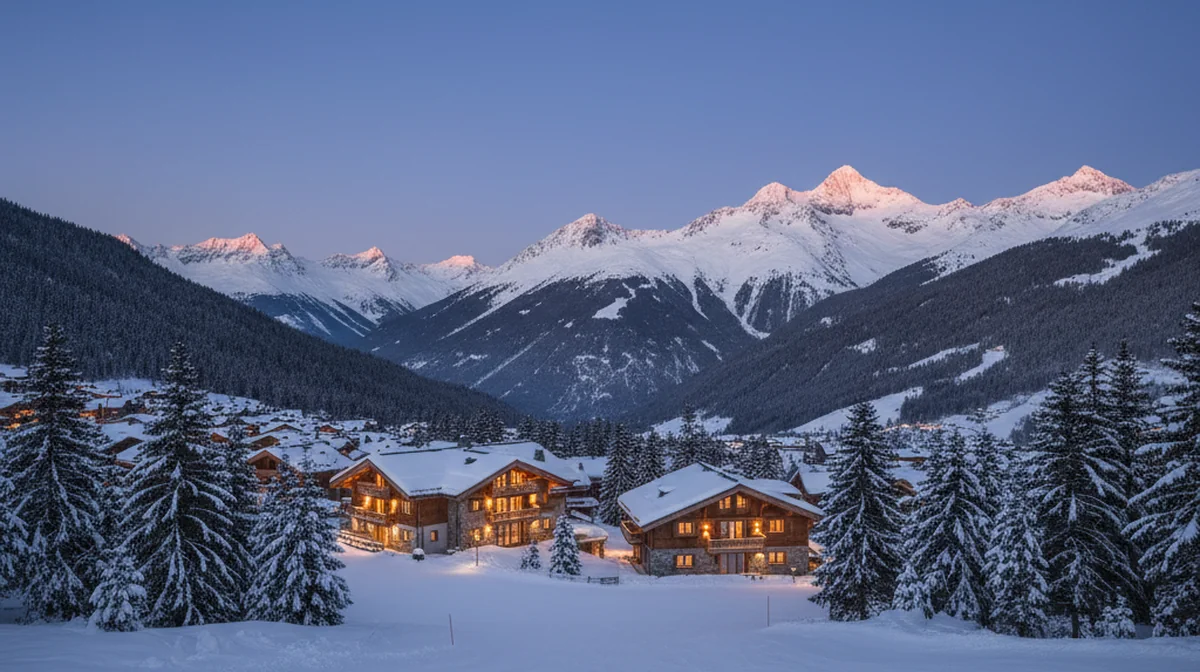
The Matterhorn's east face catches the sunrise before the village wakes — tell guests which bridge, bench or balcony to be on at the exact hour. The photograph is the trip's thesis statement.

Expert short-term rental marketing for the car-free village beneath the Matterhorn — chalets, apartments and the year-round calendar most alpine markets only dream of.
Sixteen services, one team. Everything below is built in-house and scoped to your property and market. Most owners start with the 12-Step System.
Every engagement is quoted to your portfolio. These are the ready-made scopes owners pick most — our Fall Special (55% off list) is already applied. A clear proposal within 48 hours.
The work is public. Selected engagements and what changed — and reviews from the owners and managers behind them.
* Market averages. Properties marketed by Cavmir typically exceed these figures by 25–45%. Data sourced from AirDNA, STR market reports, and Cavmir internal analytics.
Zermatt is the alpine market with no off switch. The car-free village at the end of the Matter Valley — reached by shuttle train from Täsch, threaded by electric taxis, crowned by the most recognizable mountain on earth — runs a twelve-month economy that no other ski destination in Europe can match: winter skiing across the Alps' highest lift-served terrain, summer glacier skiing when everyone else's lifts are silent, and a hiking-and-alpinism season that fills the village from June to October with guests who never touch a ski. For rental owners, that calendar is the entire investment case: Zermatt occupancy runs on two genuine peaks and two working shoulders, and a chalet marketed for all four out-earns the winter-only thinking that dominates the listings.
The village's rental geography is compact and vertical. The core around Bahnhofstrasse and the church holds the walk-to-everything apartments, minutes from the Gornergrat railway and the après terraces. The Hinterdorf quarter preserves the old larch-wood village — sixteenth-century granaries on stone staddles — and the chalets around it trade on exactly that heritage. Up the sunny side, Winkelmatten and the slopes toward Findeln carry the view tier: Matterhorn-facing balconies that photograph like currency, with ski access toward the Sunnegga funicular. And across the river, the newer quarters offer the value tier a family can compare honestly. In a village this walkable, micro-position and view axis — does the balcony face the mountain? — are the pricing variables that matter.
The guest mix is the broadest in the Alps. Winter brings the international ski market in full spectrum — British and American families, Swiss weekenders, ski-safari travelers running the Cervinia link into Italy. Summer brings the mountaineering world to the Alps' most storied basecamp, plus the hiking families, the Haute Route finishers and the Japanese and American bucket-list travelers for whom the Matterhorn is the trip. Between them come the photographers, the glacier-ski racers in autumn training, and the rail tourists connecting the Gornergrat to the Glacier Express. Each books differently; a listing that speaks to two or three of these audiences specifically runs a calendar the winter-only chalet never sees.
Access is part of the theater. Cars stop at Täsch, and the last five minutes happen by shuttle train into a village where the loudest sound is luggage wheels on stone — a designed arrival that has protected Zermatt's air and atmosphere for over half a century. Zurich and Geneva are both about three and a half hours by Switzerland's flawless rail, and the Glacier Express makes the journey itself a bucket-list item. A listing that walks guests through the choreography — Täsch parking, the shuttle rhythm, the electro-taxi to the door — converts the logistics into anticipation and removes the only friction first-timers fear.
Nearby Markets: Verbier | Zurich | Courchevel
Cavmir markets Zermatt chalets and apartments as the small hospitality brands they are — not as interchangeable alpine inventory. We position your property in front of the exact traveler who books this village: the ski family planning Christmas in May, the summer alpinist, the bucket-list Matterhorn guest — wherever in the world they search.
Zermatt's tourism economy was born in a single July week in 1865, when Edward Whymper's party made the first ascent of the Matterhorn and four of the seven died on the descent — a triumph and tragedy that put the village on every front page in Europe and made the mountain the most famous on earth. The British alpinists who followed built the village's first hotel economy; the Gornergrat railway opened in 1898 as one of the world's great mountain railways; and Zermatt entered the twentieth century already what it remains: the Alps' definitive mountaineering address.
The ski economy layered on through the twentieth century until Zermatt held a portfolio no rival could copy — the highest lift-served skiing in the Alps, a glacier that skis year-round, and the cross-border link to Cervinia that turns a ski day into an international excursion. The village banned combustion cars decisively, kept its building scale humane, and let the Hinterdorf's medieval granaries stand as the old village's heart. Every one of those decisions, made for the community, compounded into the destination's premium.
The rental market matured alongside Swiss precision: serviced chalets and family apartments handed down through village families, a professional agency layer, and — in the platform era — a global listing economy that opened the village to independent owners and international guests simultaneously. Switzerland's second-home politics shaped the supply side: the Lex Weber cap on second homes and Lex Koller's restrictions on foreign buyers hard-limit new inventory, which is exactly why existing rentable stock in Zermatt behaves like a licensed asset rather than a commodity.
Today the market is deep, international and quality-sorted, with the twelve-month calendar as its defining economics — and its most common marketing failure. The average listing is winter-generic: ski photos, ski copy, silence about the summer that fills the village from June to October. The chalets that out-earn their neighbors are the ones marketed like the village itself — four seasons, multiple audiences, Matterhorn always in frame.
Zermatt prices on view, position and season. The Matterhorn-facing balcony is the market's headline premium — two identical apartments on opposite sides of a building can price hundreds of francs apart in peak weeks — followed by walk-minutes to the Bahnhofstrasse core and the lift access axis (Gornergrat side versus Sunnegga side versus the Matterhorn Express). Heritage chalets around the Hinterdorf carry provenance pricing; newer river-side apartments win the value comparison. State the view axis, the floor and the walk times precisely — Zermatt's international guests compare like underwriters.
The winter calendar peaks hard at Christmas–New Year and the February school-holiday matrix (British, Swiss, German and French half-terms stack across the month), with March strong and the season running long into April on altitude the rest of the Alps cannot match. But the summer calendar is the market's separator: July and August fill the village at rates most alpine markets would take in February, June and September run as genuine shoulders, and even October holds the golden-larch photographers. Price summer with winter's seriousness — seven-night patterns around the hiking weeks, premium for the view balconies whale-watching markets would recognize — and the annual number transforms.
The plays that work are calendar-literate: dual-season photography as the baseline (the same balcony in powder and in July green), audience-specific positioning (ski family, alpinist base, bucket-list view stay), and shoulder products built on the village's actual rhythms — glacier-training autumns, Haute Route Septembers, the December pre-Christmas quiet that Swiss couples quietly love. The tourist-tax and registration formalities are routine; the marketing that fills four seasons is not, and that is the entire opportunity.
Genuinely dual-peak: winter (Christmas–New Year, the stacked February half-terms, long altitude-backed springs) and summer (July–August hiking and alpinism at near-winter occupancy). June and September are working shoulders; October holds photographers; only November and the May inter-season truly quiet down.
The revenue most owners miss is the entire summer: winter-generic listings go dark in the exact months the village fills with hikers, climbers and bucket-list travelers. Dual-season photography and summer-specific positioning are the cheapest large revenue expansion available in this market — the demand is already walking past the door.
Switzerland regulates the supply side harder than the operating side. The Lex Weber constitutional cap on second homes restricts new second-home construction in resort communes like Zermatt, and Lex Koller restricts non-resident foreign buyers — together they hard-limit new rentable inventory and are the structural reason existing stock holds value. Operating a rental, by contrast, is orderly Swiss administration: guest registration, the Kurtaxe (tourist tax) collected per guest-night and remitted to the commune, and cantonal tax on rental income.
The village adds its own texture: Zermatt's car-free regime shapes arrival logistics and luggage handling (electro-taxis and hotel carts, not private cars), building rules protect the village's scale and larch-and-stone character, and the commune's tourism apparatus — among the most professional in the Alps — expects operators to register and contribute like the hospitality businesses they are. Swiss compliance is not burdensome, but it is exact, and exactness is the local language.
Treat this section as orientation rather than legal advice: Kurtaxe rates, registration procedures and cantonal tax treatment evolve, and foreign owners' situations vary with Lex Koller's particulars. Confirm current requirements with the commune and a Swiss fiduciary before you list. Cavmir handles the marketing; compliance sits with you and your local professionals.
First, put the mountain in every frame it honestly occupies. The Matterhorn view is the single most valuable amenity in the Alps — a balcony that catches it at dawn, when the east face lights first, is worth professional photography at that exact hour. And if the property does not face the mountain, sell what it does have with equal precision: the Hinterdorf's heritage, the river quiet, the two-minute walk to the Gornergrat platform. Zermatt guests forgive anything except vagueness.
Second, market all four seasons or forfeit half the market. The winter listing is table stakes; the summer product — hiking-base positioning, the Five Lakes reflection walk, glacier skiing in July, the Haute Route finish — doubles the addressable calendar. Shoot the property in both seasons, run seasonal listing copy, and keep rates live year-round. The village never closes; the listing should not either.
Third, teach the arrival. First-time guests fear the car-free logistics; initiated guests love them. A pre-arrival note that choreographs it — Täsch parking or the rail connection, the shuttle rhythm, the electro-taxi booking, where luggage goes — converts anxiety into anticipation and earns the review line about effortlessness. In a village whose product is calm, the host who delivers a calm arrival has already won.
Fourth, build the international direct channel. Zermatt's guests plan far ahead across a dozen time zones, rebook loyally, and respond to a professional direct presence: a fast multilingual-friendly site, first-refusal notes for their annual week, and the kind of precise, structured information — view axis, walk times, season truth — that both human planners and their AI assistants now search for. The village's brand is global; the chalet's should be too.
Zermatt's operating bar is Swiss: guests pay premium rates and expect premium exactness — heating that works silently, linens at hotel standard, check-in choreography that respects a family arriving off twelve hours of travel. The village's service economy delivers it, at village prices: cleaning, maintenance and laundry cost more here than almost anywhere in the Alps, and margins depend on pricing that respects those costs rather than discounting them away.
The supply politics that protect owners also bind them: Lex Weber and Lex Koller complicate acquisition and expansion, heritage and building rules make renovation deliberate, and the commune's exactness extends to everything from Kurtaxe filings to what may be stored on a balcony. None of it is hostile — it is the discipline that keeps the village worth visiting — but casual operators find the standard demanding, which is precisely why professional presentation stands out.
And the market's global visibility cuts both ways: the village competes for attention with every alpine and bucket-list destination on earth, seasons of weak snow test winter-dependent operators (Zermatt's altitude is the best hedge in the Alps, but the anxiety reaches guests anyway), and the strong franc prices some travelers out in soft years. The hedge is the calendar itself — four marketed seasons and multiple audiences make a Zermatt property the most diversified rental asset in the Alps, but only if the marketing actually does the diversifying.
Swiss chalet coverage is orderly and thorough: building and contents insurance (cantonal building insurance applies in Valais), liability cover for letting use, and attention to snow-load, water and glacier-adjacent particulars at altitude. Premiums are predictable by alpine standards; the discipline is ensuring the letting use is properly declared. A Swiss broker who knows resort communes earns the mandate.
Rental income is taxable in Switzerland at cantonal and federal levels, with the Kurtaxe collected per guest-night on top; foreign owners typically face Swiss filing on Swiss-source rental income and should coordinate home-country treatment under treaty. Wealth-tax and imputed-value particulars reward professional advice. A Valais fiduciary is the standard solution.
Swiss lending is conservative and stable: substantial down payments, affordability tested on stressed rates, and second-home lending tighter than primary. Foreign buyers face Lex Koller's gates before financing even begins. For those who hold eligible property, the leverage math is steady rather than aggressive — matching the market's character.
Zermatt's structural position strengthens every year the climate warms: its skiing is the highest in the Alps, its glacier the most durable, and its summer economy — already half the calendar — is the direction the whole alpine industry is being pushed. The village made its resilience decisions decades ago; owners inherit them. Supply, meanwhile, stays capped by constitutional politics that show no sign of loosening.
The watch items are costs and climate's edges: the franc and the village's service prices will keep testing operators who price casually; glacier and permafrost dynamics reshape high-mountain infrastructure on engineering timescales; and the commune's exactness will keep raising the professional bar. Every one of those currents favors the well-presented, four-season, correctly priced property over the winter-generic listing — the sorting is already visible in the occupancy tables.
And discovery is shifting toward Zermatt's strengths: the village is one of the most-searched mountain destinations on earth, and its travelers increasingly ask AI assistants specific questions — which side of the village faces the Matterhorn, when the Five Lakes reflect, how the Täsch shuttle works. Properties that publish precise, structured, genuinely local answers will surface first in that world. The mountain's fame is permanent; the visibility layer on top of it is being redistributed right now, to the owners who move first.
Zermatt is the market where the product needs no introduction and rewards infinite precision. Everyone on earth knows the mountain; almost nobody booking a chalet knows which balconies catch the dawn light on the east face, which lanes stay quiet during the February stack, when the larches turn above Findeln. Marketing here is the craft of supplying exactly that knowledge — and watching the property that supplies it pull away from identical neighbors.
What I love about this village is its calendar. Most alpine markets hold their breath from April to December; Zermatt simply changes audiences — skiers to climbers to hikers to photographers — and a property marketed to that rotation runs an annual number its winter-only twin cannot approach. Building four-season brands in a four-season village is the most complete rental marketing there is.
And the raw material is the best on the planet: a mountain that photographs like a logo, a village that sounds like snowfall, granaries older than the ascent itself. The work is never invention here — it is precision, season-literacy and the patience to tell a twelve-month story. The village has kept its side of the bargain for a hundred and fifty years; the listing only has to keep up.
The picks Cavmir puts in a Zermatt welcome book — the details that make a stay feel like resident knowledge instead of a printed concierge script, and that quietly earn the five-star reviews.
The Matterhorn's east face catches the sunrise before the village wakes — tell guests which bridge, bench or balcony to be on at the exact hour. The photograph is the trip's thesis statement.
The 1898 rack railway to 3,089 m is the Alps' great viewing platform — send guests on the first or last trains for empty decks and the long light on Monte Rosa's glaciers.
Findeln's farmhouse tables — Vrony's for the view and the rösti, Zum See for the garden under the larches. Ski in or hike in; either way, book ahead and be the hero.
Sixteenth-century larch granaries on stone mushroom-staddles, two minutes from Bahnhofstrasse. The ten-minute wander that explains what Zermatt was before the mountain made it famous.
The Cervinia link turns a ski day into an international excursion — pasta at altitude on the Italian side, passport not required, timing the last lift home essential. The story guests dine out on.
Five mountain lakes, two of which reflect the Matterhorn on still mornings — the Stellisee photograph is the summer's currency. Send guests early, before the wind.
Europe's highest cable-car station at 3,883 m — glacier palace, year-round snow, and Italy spread out below. The bad-weather-proof superlative in the village's pocket.
Zermatt's après runs from sun-terrace wine at altitude to the village's cellar bars. Map the gradient for guests — the mountain restaurants at four, the village from six — and the evening organizes itself.
Choreograph it in advance: Täsch's garage or the rail connection, the twelve-minute shuttle rhythm, the electro-taxi to the door. Arrival calm is the village's first product; the host delivers it.
The village between seasons — lights up, lanes empty, rates gentle. The connoisseur's Zermatt, worth naming for the couples who want the mountain to themselves.
Zermatt's groceries are complete and priced like the altitude; the serious shop can ride up from the valley with guests. One honest note about costs and the bakery worth the morning queue reads as genuine care.
Representative Cavmir engagements in Zermatt. Property identifiers redacted; figures composited from internal analytics and market benchmarks.
A view apartment renting at building-average rates, its east-face dawn sightline photographed once, in flat afternoon light, and never mentioned in copy.
Rebuilt the brand around the view axis — dawn photography at the exact golden hour, view-first copy, winter and summer galleries — with peak-week terms and search visibility on view-specific queries.
Peak weeks repriced upward by triple digits per night and still closed earlier than the building's average; the summer calendar filled for the first time in the owner's tenure.
A larch-and-stone chalet with centuries of provenance, listed with generic alpine copy that never told its story, winter-only photos and a dark summer.
Made the heritage the brand — the building's history, the old-village lanes, dual-season photography — and positioned summer around the hiking-base audience with seven-night patterns and alpinist-friendly logistics.
Summer went from dark to near-winter occupancy, the heritage story lifted winter rates, and the chalet now runs a genuine four-season calendar.
A well-renovated value-tier apartment invisible behind the village's view-tier glamour, competing on price alone.
Positioned it as the honest base camp — exact walk times to both lift axes, the value math stated plainly, February half-term matrix pricing, and summer hiker positioning with gear storage and early-breakfast logistics.
Occupancy stabilized above 70% across both seasons, the February stack sold out at corrected rates, and the apartment built a repeat base of families and climbers who rebook direct.
Yes. Cavmir works with owners across the village — Matterhorn-facing apartments, Hinterdorf-quarter heritage chalets, Winkelmatten homes and river-quarter value stock — on branding, listing optimization, photography direction, direct-booking websites, SEO and paid campaigns. Properties near the Gornergrat platform, Sunnegga and the old village are exactly what we market.
The snapshot on this page shows average nightly rates around $540 with occupancy near 65%, but the spread is wide — the Matterhorn view axis, walk position and season strategy separate identical floor plans by hundreds of francs a night. Treat these as directional averages; Zermatt's four-season calendar is the real earnings variable.
Twice: winter (Christmas–New Year, then the stacked February half-terms, with spring skiing running long on the Alps' highest terrain) and summer (July–August hiking and alpinism at near-winter occupancy). June and September are working shoulders. Only November and May truly quiet down — the most complete calendar in the Alps.
Operating is orderly Swiss administration: guest registration, the per-night Kurtaxe remitted to the commune, and cantonal tax on rental income. The heavier rules govern supply — Lex Weber's second-home caps and Lex Koller's foreign-buyer restrictions — which also protect existing stock's value. Confirm current requirements with the commune and a Swiss fiduciary. Cavmir handles marketing; we don't provide legal advice.
It is the single most valuable amenity in the Alps. Two identical apartments on opposite sides of one building can price hundreds apart in peak weeks — and the view earns it only when marketed precisely: dawn photography at the hour the east face lights, view-first copy, the axis stated plainly. It is the first thing we audit.
It is half the market. July and August fill the village with hikers, climbers and bucket-list travelers at occupancy most alpine markets would take in February — yet the average listing runs ski photos year-round. Dual-season photography and summer positioning are the cheapest large revenue expansion available here.
Zermatt's international guests plan far ahead and rebook loyally: a fast direct-booking website, first-refusal notes for annual weeks, and precise structured information — view axis, walk times, arrival choreography — that planners and their AI assistants can actually find. See vacation rental SEO for the visibility layer.
It depends on scope. Current plans and one-time project pricing are on the pricing page — most owners start with a listing overhaul or the 12-step system. A conversation about your property costs nothing: contact Cavmir.
Send us the listing and we'll tell you what we'd change. Not a pitch deck — a straight read on your photos, your title, your rates against the Zermatt comp set, and whether a direct-booking site would pay for itself.
You'll hear back from a person, usually inside one business day. If we don't think we can move your numbers, we'll say so. Cavmir is a short-term rental marketing agency — we position and market properties, we don't manage them.
Demand in Zermatt peaks around January, February and July and runs quietest around May, October and November. Here is how the year actually books — and what to do about each stretch of the calendar.
Zermatt is unusual in the Alps for running two strong peaks, because the Matterhorn and year-round glacier skiing draw guests in both winter and summer. Winter runs December through April with the February holiday weeks at the height, and summer builds an equally strong peak in July and August for hiking and glacier skiing. Price both peaks firm, hold minimum stays over the holiday weeks, and keep the property dialed year-round since there is real demand in both seasons.
March into April holds strong on high-altitude snow, and June and September are workable shoulders that the glacier and the trails keep alive. The car-free village and the Matterhorn views hold appeal even off-peak. Court skiers chasing spring snow, early and late-season hikers, and the many photographers who come for the mountain, and price the shoulders to keep occupancy steady.
Late October into November and the early days of May are the quietest, when the season turns and the village is at its calmest, though the glacier keeps a thin pulse of skiers even then. Use these weeks for maintenance, deep cleaning and a fresh photography shoot of the Matterhorn in changing light, and take the occasional long stay from a guest who wants Zermatt uncrowded.
The winter holiday and February weeks and the summer peak both book well ahead, often close to a year out for the best view apartments. Shoulder and short-notice trips move inside a few weeks. Lock your peak weeks early and firm in both seasons, then keep the shoulders responsive to later planners.
Both seasons run on stays of several nights to a full week, with families and groups taking weeks over the winter and summer peaks. The two-peak pattern gives Zermatt a fuller year than most alpine resorts. It rewards hosts who market the winter skiing and the summer mountain equally, rather than treating one season as an afterthought.
The Zermatt winner is a warm chalet-style apartment with a genuine Matterhorn view, close to the village center or a lift station, in a car-free walkable spot. The view is the single biggest driver here, in both seasons, so a balcony facing the mountain is worth real money. Alpine warmth, a boot room for winter and easy trail access for summer round out a listing that works all year.
Lead with the Matterhorn, because in Zermatt the view is the product and it drives both the winter and the summer season. Show a clean view of the mountain in different light, and be explicit that the village is car-free and reached by train through Täsch, since that shapes every arrival. Market winter to skiers and summer to hikers and photographers, and price both peaks firm. A direct-booking site captures the many repeat and long-haul guests, and local SEO helps view-seekers find you, which is the marketing layer Cavmir builds for Zermatt hosts, and this two-season market makes it pay year-round.
Zermatt runs two strong peaks. Winter is December through April with the February holiday weeks at the height, and summer is equally busy in July and August for hiking and glacier skiing. March holds on high-altitude snow, June and September are workable shoulders, and late October into November is the quietest stretch, though the glacier keeps a thin pulse year-round.
Both the winter holiday and February weeks and the summer peak book well ahead, often close to a year out for the best Matterhorn-view apartments. Shoulder and short-notice trips move inside a few weeks. Lock your peak weeks early and firm in both seasons, then stay responsive for the shoulders.
Zermatt is car-free, so guests park at Täsch or arrive by train through Sion and Visp, with Geneva and Zurich the gateway airports and London a major international feeder. The market is heavily long-haul, so target London, Geneva and Zurich for the season planners who build a whole trip around seeing the Matterhorn.
A clean Matterhorn view leads by a wide margin in both seasons, followed by a balcony to enjoy it and a boot room and ski storage for winter guests. A sauna or hot tub and a fireplace add real warmth, and fast wifi rounds out the essentials. The mountain view is what most guests are booking, so it has to be front and center.
Talk to Cavmir today. We'll show you exactly what your Zermatt property is leaving on the table — and how fast we can change that.
Book a Free Strategy Call