


Coffee & First Light
The Esperanza malecón before the heat
The waterfront walk in Esperanza is quiet at sunrise, the boats are still, and the cafés open early. It is the gentlest possible start to a first morning on the island.

Expert short-term rental marketing to grow your bookings and nightly rate in Vieques, Puerto Rico, USA.
Sixteen services, one team. Everything below is built in-house and scoped to your property and market. Most owners start with the 12-Step System.
Every engagement is quoted to your portfolio. These are the ready-made scopes owners pick most — our Fall Special (55% off list or more) is already applied to the website, King Broker, Hotels and à la carte scopes. A clear proposal within 48 hours.
The work is public. Selected engagements and what changed — and reviews from the owners and managers behind them.
* Market averages from AirDNA and STR market reports. A single home's numbers depend on its size, its location and how it is marketed.
Cavmir is an Airbnb marketing agency. We build the brand, the direct-booking website and the marketing for short-term rentals in Vieques.
Vieques is an island municipality eight miles off Puerto Rico's east coast, reached by a thirty-minute ferry from Ceiba or a short hop on a small plane. The US Navy held most of it until 2003, and the land it left behind became the Vieques National Wildlife Refuge — roughly seventeen thousand acres, more than half the island, the largest protected area in the Caribbean. That history is the reason Vieques does not look like anywhere else in the territory. There are no chain hotels lining the beach because for sixty years nobody could build there. What you get instead is forty-plus undeveloped beaches, free-roaming horses on the road, two small towns, and Mosquito Bay, which holds the Guinness record as the brightest bioluminescent bay in the world and can only be visited through a licensed operator. Guests come for a specific, nameable list of things. The rental stock is villas with pools on the hillsides, guesthouses in Esperanza, and simpler houses around Isabel Segunda. Nightly rates run above the main island because supply is genuinely constrained and the arrival is a little bit of work.
Everything about marketing a Vieques rental comes back to logistics, and almost no listing on the island handles them properly. Your guest has to get to Ceiba, catch a ferry that sells out on weekends and holidays, or book a small plane, then get from the terminal to your house on roads that are not always kind to a rental sedan. A listing that explains all of that clearly and honestly converts better than one that does not, because the guest who is nervous about the trip books the host who seems to have thought about it. The second factor is that the demand here is experience-led rather than weather-led. People come for the bio bay, for the refuge beaches, for the quiet. That means the marketing job is precise: you are reaching someone who has already decided they want this specific island, and you need to be the obvious base for it. Third, the island's operating realities are real and worth naming — power and water reliability, limited grocery, a short list of restaurants, most of which do not open every night. Owners who address these in the listing get better reviews than owners who let guests discover them. Regulation is the island-wide Puerto Rico stack: Tourism Company innkeeper registration, seven percent room tax monthly, Hacienda merchant registration, plus whatever the municipality currently requires. Verify local rules before you list.
Nearby Markets: Culebra | San Juan | Puerto Rico
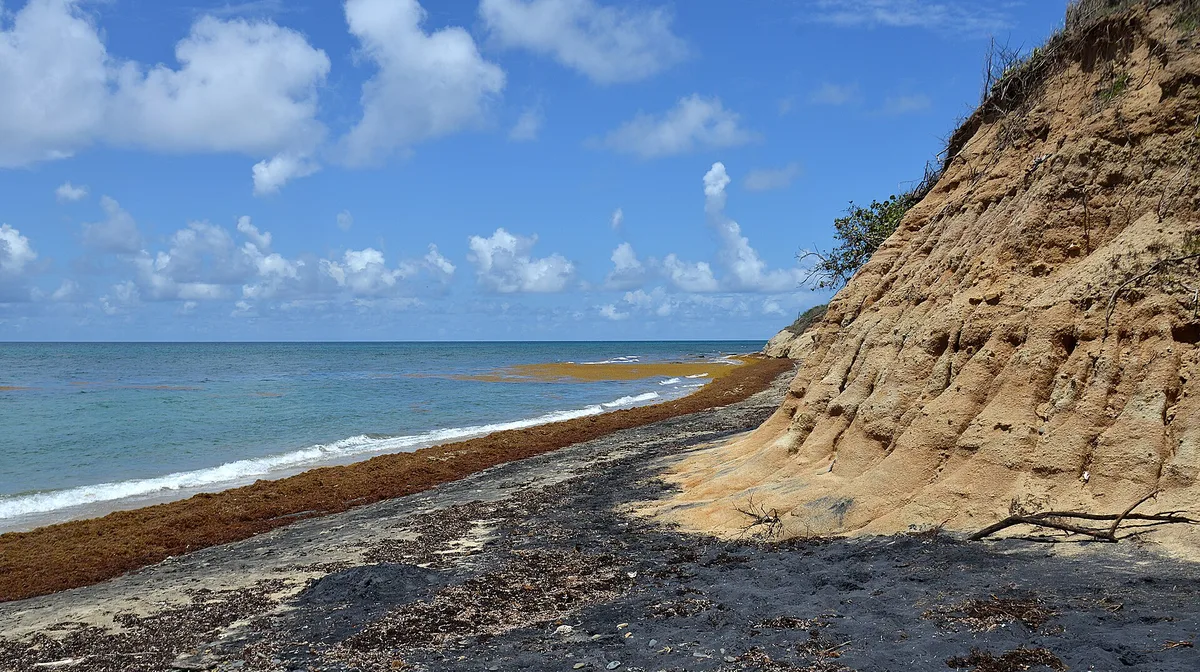
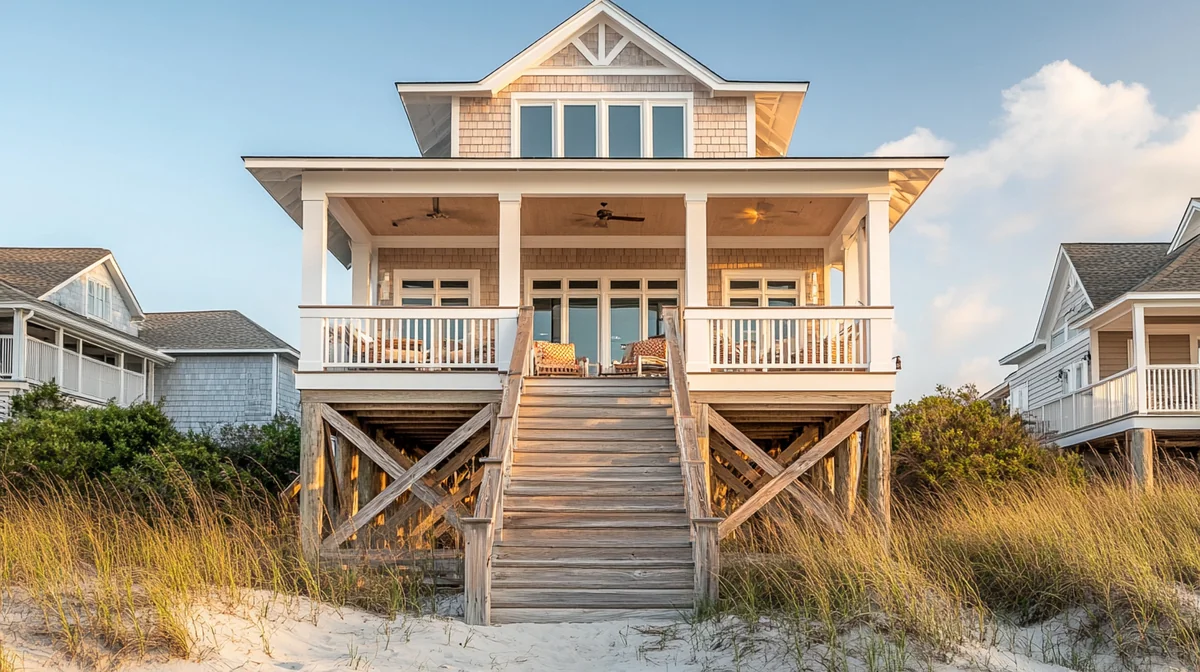
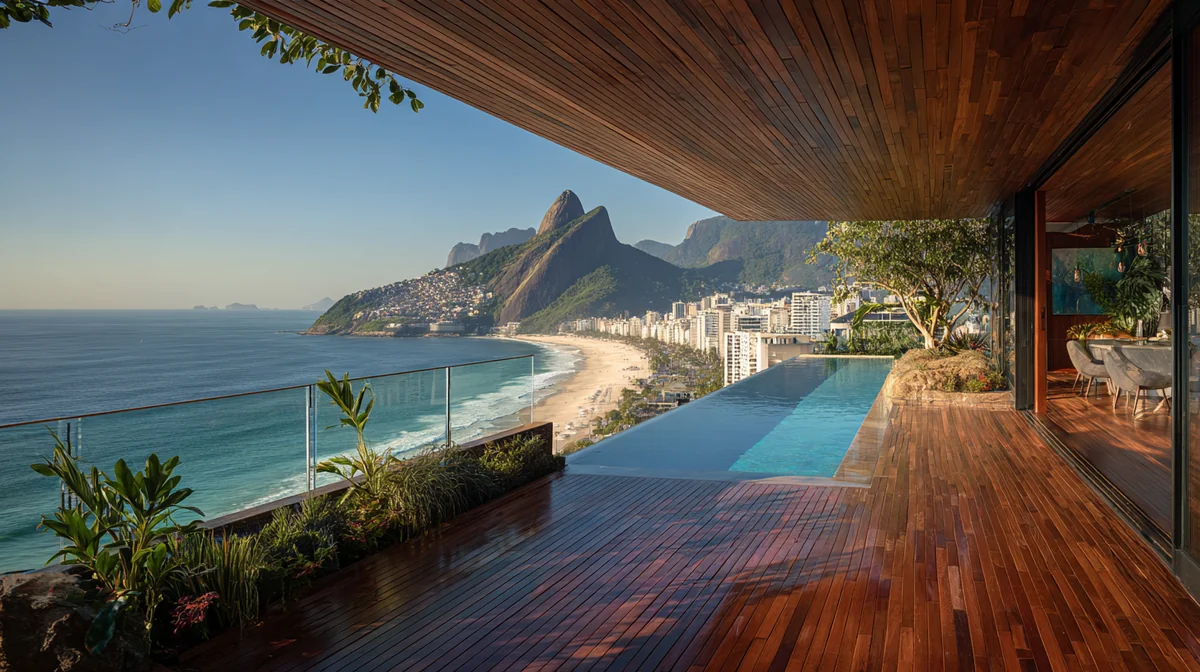
A few of the visual fingerprints we lean into when we shoot, brand and market a Vieques property — courtesy of the open Wikimedia Commons archive.
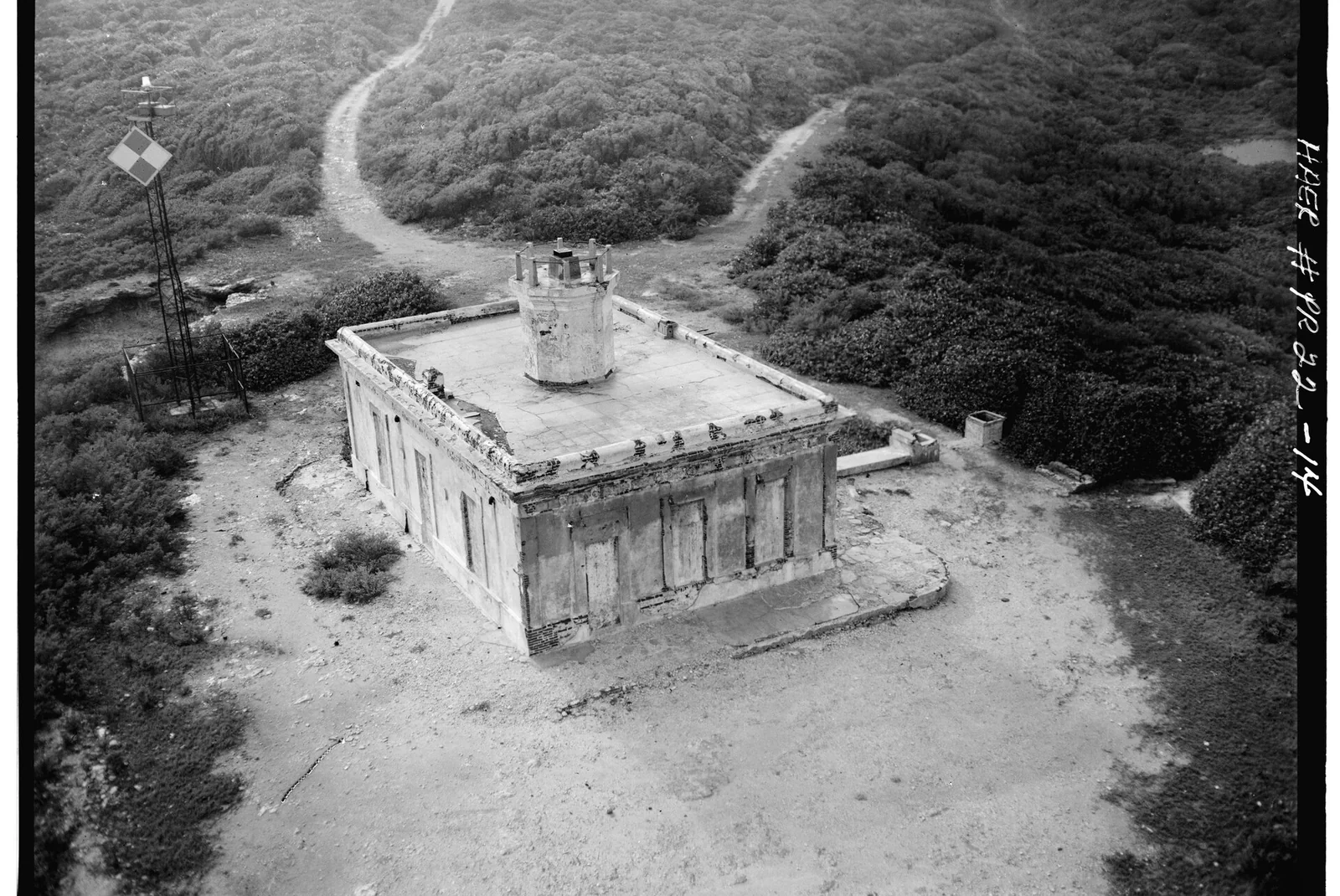
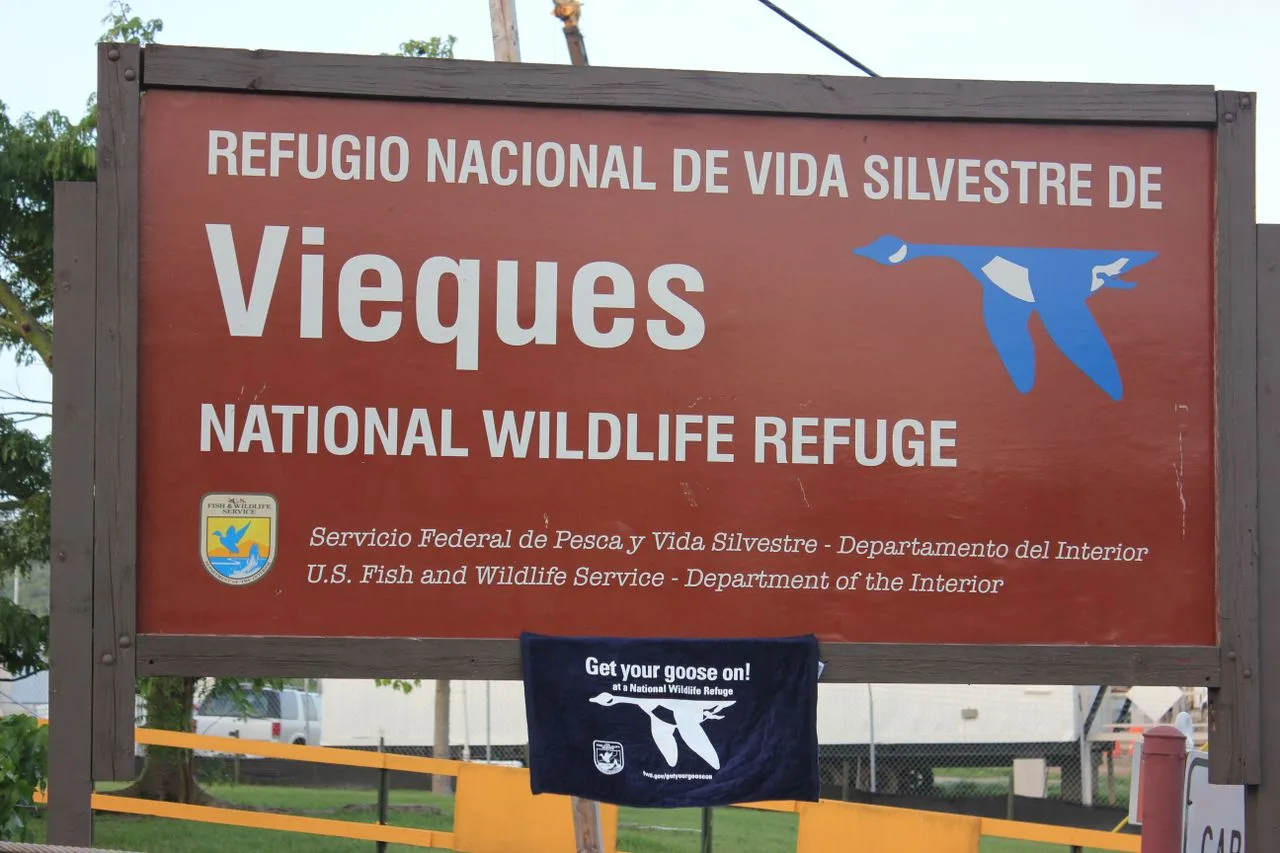
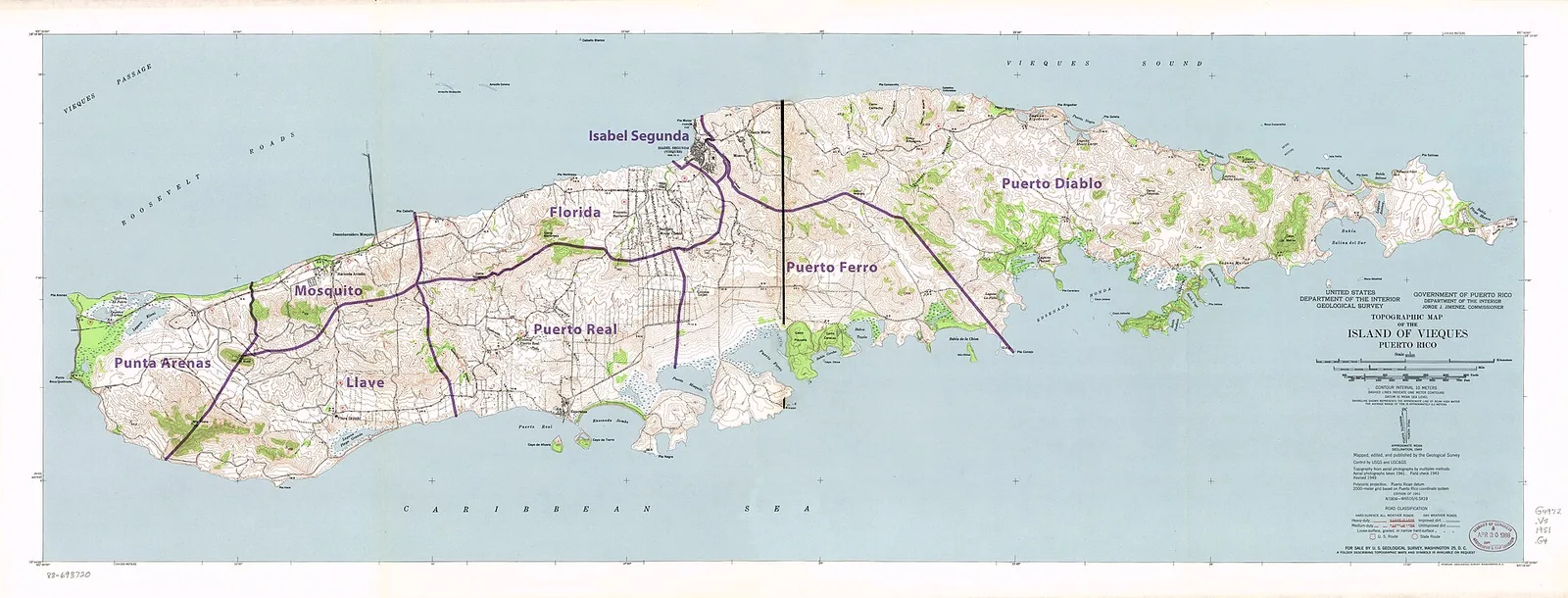
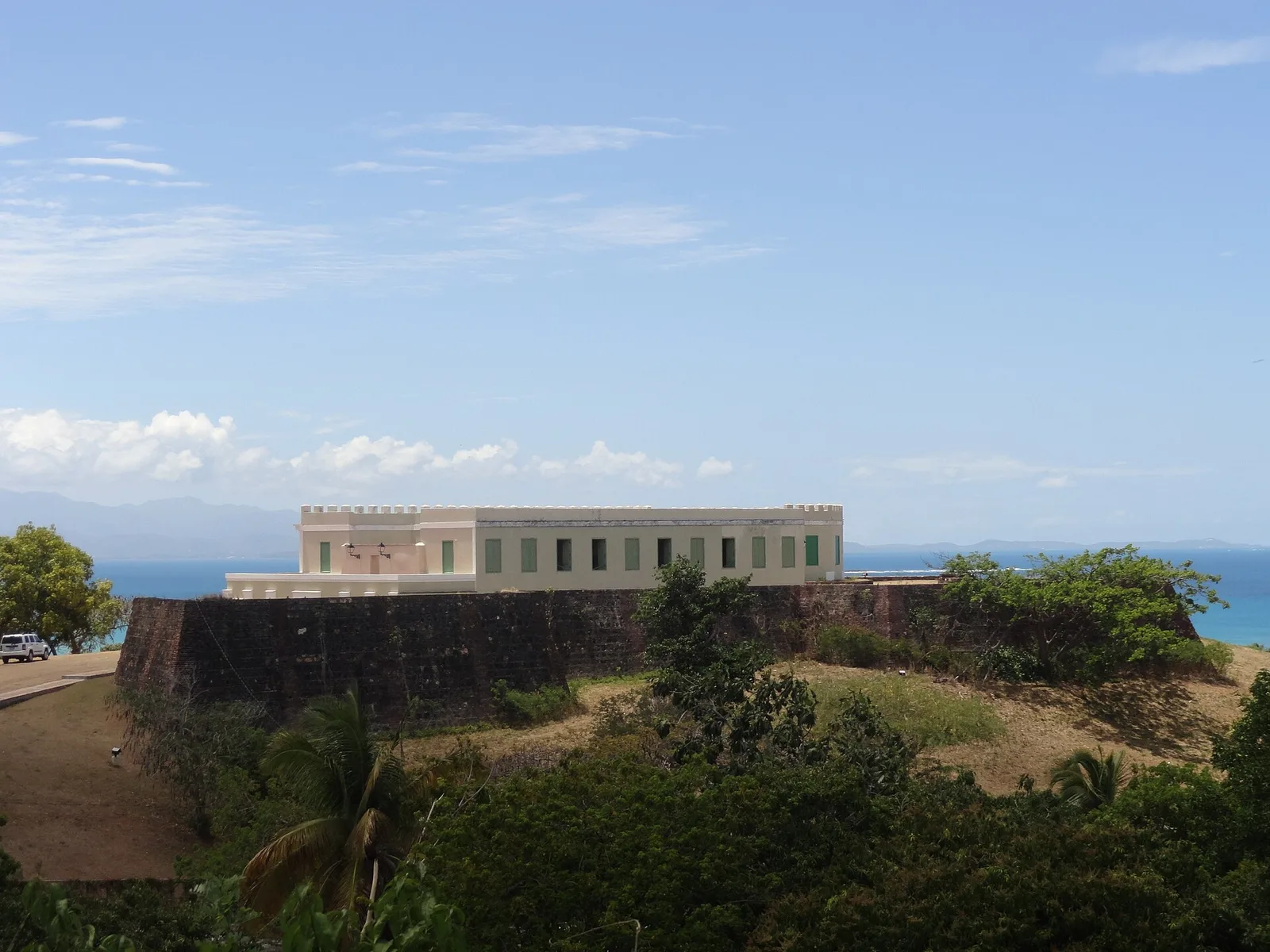
Cavmir markets Vieques the way the island actually sells, which is by naming things. We photograph the property so the pool, the view and the distance to the water read honestly, and we write the listing and the site around a real itinerary — which beach on which day, how to book Mosquito Bay and how far ahead, where the ferry leaves from, what to bring because you cannot buy it here. We build your direct-booking site and get it ranking for bio-bay, refuge-beach and Vieques-villa searches, then set up the email list that matters more here than almost anywhere, because guests who make this trip once and love it come back and bring people. We run paid campaigns aimed at the mainland markets that feed San Juan, and we handle the platform listing copy and photo order too. We will tell you plainly which weeks the ferry schedule and the season are working against you. We help position and market your property. We never manage it or touch your keys.
Vieques was Taíno land, then Spanish, and the Spanish built Fortín Conde de Mirasol above Isabel Segunda between 1845 and 1855 — the last fort Spain constructed in the Americas. Sugar ran the island economy into the twentieth century. Then, beginning in 1941, the US Navy expropriated roughly two thirds of Vieques for training, and the eastern and western ends of the island became a live bombing range and munitions storage area with the civilian population compressed into the middle.
That arrangement lasted sixty years and it defined everything about the island that followed. In April 1999 a civilian security guard, David Sanes, was killed by an errant bomb during an exercise. The protests that followed drew sustained national attention, and the Navy ceased operations and withdrew on 1 May 2003. Most of the land it left was transferred to the US Fish and Wildlife Service and became the Vieques National Wildlife Refuge — about seventeen thousand seven hundred acres, more than half the island, the largest protected area in the Caribbean. Environmental cleanup of unexploded ordnance continues under federal supervision and some areas remain closed, which is why certain beaches on the eastern end open and close and why you should never tell a guest to go wandering off a marked road.
The paradox is that six decades of military control produced the island's greatest commercial asset. Because nobody could build on those beaches, they were never built on. Vieques today has more than forty largely undeveloped beaches, no high-rise strip, no chain resorts along the sand, and a refuge full of protected species including five kinds of sea turtle and the Puerto Rican boa. Hurricane María in September 2017 hit the island hard and the recovery has been long. Add Mosquito Bay, recognized by Guinness in 2006 as the brightest bioluminescent bay in the world, and you have a destination that cannot be replicated anywhere else in the territory.
Vieques prices above the main island and it should. Supply is genuinely constrained, the arrival takes effort, and that effort filters your guest list to people who chose this island specifically rather than stumbling into it. Peak runs mid-December through April, with the holidays at the top and the January-to-March window close behind. Semana Santa is its own event. Summer holds up better than people expect because of family travel and because the water is calm, but September and October are soft and overlap the most active part of hurricane season. Two pricing levers matter more here than in most markets. The first is minimum stays. Nobody comes to Vieques for one night — the ferry and the drive make that irrational — so a three or four night floor in season costs you almost nothing and protects your calendar from fragmentation. The second is the moon. Mosquito Bay is dramatically better on dark nights, tour operators book out around the new moon, and guests who understand this plan their trip around it. If you price and market with the lunar calendar in view, you are ahead of most of the island. Weekly rates deserve a real structure too, because a meaningful share of this market stays seven nights or more.
Peak is mid-December through April, with Christmas, New Year and Semana Santa the strongest single stretches and the deep-winter escape window carrying the rest. May and June are pleasant, warm and quieter, and represent decent value that very little inventory markets deliberately. Summer brings family travel and calm water, so July and August are workable rather than dead. Late August through October is the genuine soft season and the heart of hurricane season, when cancellation terms become the question guests ask first. November recovers as the holidays approach. The island never has the sharp on-off shape of a ski town, but it does have a long tail that rewards owners willing to sell the quiet months on their own terms rather than by discount alone.
The island-wide Puerto Rico framework applies to Vieques in full, and it is the part owners most often get wrong. The Puerto Rico Tourism Company requires anyone renting a property for stays of ninety days or less to register as an innkeeper, a hostelero, through the Tourism Company's online portal or its tax division office in Old San Juan. That produces a hotel registration number, which platforms will ask you for. You then collect a seven percent room occupancy tax from guests and remit it monthly. You also need merchant registration with Hacienda, the Treasury Department, to formalize the rental as a business. Platforms may collect and remit the room tax on reservations they process, but the obligation is yours in law and it does not extend to direct bookings.
On top of that sits whatever the municipality of Vieques currently requires. Municipal rules across Puerto Rico have been changing quickly — San Juan and Culebra have both built registration and annual licensing regimes in recent years — so confirm the current position with the municipality directly rather than relying on what was true a season ago. There is also a Senate bill filed to amend the Room Occupancy Tax Act and create a municipal registry with a more uniform island-wide framework, which would change this picture again.
Two Vieques-specific constraints deserve attention that they rarely get. First, the wildlife refuge. Much of the island is federal conservation land, access is governed by the US Fish and Wildlife Service, gates open and close on a schedule, and portions remain restricted because of ongoing munitions cleanup. Never build a guest itinerary that sends people onto closed land, and put the refuge's current access rules in your guide rather than a general instruction to explore. Second, Mosquito Bay is protected. Access is only permitted through licensed tour operators as a conservation measure to protect the dinoflagellate population, and swimming in the bay is not allowed. An owner whose listing implies otherwise is setting up a bad review and worse. Get the facts right and put them in writing.
Solve the arrival in your listing and you will out-convert half the island. Your guest has to reach Ceiba, take a thirty-minute ferry that sells out on weekends and holidays, or book a small plane, then drive to you. Write that out step by step, name the ferry terminal, say what the flight alternative costs in time, and tell them what to do if the ferry is full. The host who has clearly thought about the journey is the host a nervous traveler books. Second, be clear about the vehicle. Many properties sit up unpaved roads and a low rental sedan is a genuinely bad idea. Say so, recommend booking a jeep well in advance because the island's supply is finite, and you have converted a complaint into competence. Third, put the moon in your marketing. Tell guests that Mosquito Bay is brightest around the new moon, that access is through licensed operators only, and that tours book out in season. Fourth, name the beaches and tell people how to get to them — Sun Bay, Media Luna, Playa Negra, the refuge beaches — with drive times and road conditions. Fifth, address groceries and dinner. The shops are limited, restaurants do not all open every night, and a guest who arrives at eight on a Tuesday expecting choice is disappointed. Tell them to shop in Ceiba or on arrival day and give them a list of what actually opens when. Sixth, deal with power and water plainly. If you have a generator, a cistern or battery backup, that is a selling point — photograph it and say what it covers.
Getting here is the biggest single friction, and the ferry schedule genuinely constrains how guests plan. Power and water reliability have been real issues since Hurricane María and remain a live operating concern. Grocery, dining and medical services are limited by mainland standards. Rental cars are scarce in season and expensive. Parts of the island remain closed for munitions cleanup, which requires care in how you write guest guidance. And hurricane season compresses the calendar and drives insurance cost. None of this stops a good property performing — it does mean the listing has to do more explaining than a mainland listing ever would.
Expect Caribbean pricing and expect windstorm to dominate the conversation. A dedicated short-term rental or commercial-use policy is the starting point, not a standard homeowner's form. Named-storm deductibles here are commonly a percentage of insured value rather than a flat dollar amount, which produces figures mainland owners find surprising — model that number before you buy. Wind and flood are separate exposures and you need to know which of them applies to your parcel. Vieques adds a couple of specifics: island logistics mean repairs after an event take longer and cost more, so loss-of-rental-income and business-interruption terms deserve real scrutiny rather than a glance. If you run a generator, a cistern or solar with battery storage, tell your carrier — those systems affect both risk and claims. Pools, hot tubs, steep unpaved access and beachfront exposure should all be disclosed specifically. Ask for guest injury, guest property damage and loss of income to be spelled out in the policy document rather than described on a phone call.
The seven percent room occupancy tax on stays of ninety days or less is the core obligation, collected from the guest and remitted monthly to the Puerto Rico Tourism Company. Merchant registration with Hacienda establishes the rental as a business and carries its own filing requirements. Property tax runs through the municipal revenue collection system and is assessed on the property, though classification can change with commercial use — ask before assuming. Booking platforms may collect and remit the room tax on reservations they process. They do not touch your direct bookings, and direct bookings are precisely what effective marketing produces, so get registered and set up to file before you switch that channel on. Keep platform and direct revenue separated from the first booking rather than untangling them at year end. How Puerto Rico income tax applies to rental income, and whether the Act 60 framework is relevant to you as a bona fide resident, is genuinely specialist ground — take it to a Puerto Rico tax professional rather than importing mainland assumptions.
Financing on Vieques is harder than on the main island and buyers should plan for that from the start. Many mainland lenders will not originate anywhere in Puerto Rico, and of those that will, some exclude the island municipalities entirely. That leaves local institutions, a small set of stateside banks operating here, portfolio lenders and, frequently, cash. Appraisal is its own challenge: comparable sales on a small island are thin, which can slow or complicate underwriting even on a straightforward purchase. Title work runs through the Registro de la Propiedad and can be slower and more tangled than mainland buyers expect, particularly on older parcels and land that has moved through family hands informally — use a local attorney who does this daily and build genuine time into the closing schedule. Check whether the property has utility connections or relies on cistern water and generator power, because that materially affects both value and financeability. Have your accountant model insurance at real Caribbean pricing, a seasonal occupancy curve rather than a flat average, and the higher maintenance cost that comes with getting materials and trades onto an island.
Three threads matter. The first is infrastructure. Power and water reliability, the ferry service and the medical facilities have all been the subject of sustained investment and sustained frustration since Hurricane María, and improvements to any of them expand what this market can charge and how far into the shoulder seasons it can sell. Watch the ferry operation in particular — it is the single biggest determinant of how many people can reach the island on a given weekend. The second is regulation. A Senate bill has been filed to amend the Room Occupancy Tax Act and build a municipal registry with a uniform licensing framework across Puerto Rico. If that passes, expect the compliance floor to rise, which favours owners who are already properly registered. The third is the refuge. Ongoing munitions cleanup determines which beaches are open, and the pace of that work shapes the island's usable coastline over time. For an owner, the strategic implication of all three is the same: build a direct relationship with your guests, because this is a market where people who come once and love it come back, and that loyalty is worth far more when you own the connection rather than rent it.
Vieques is what the Caribbean looked like before the Caribbean was developed, and that happened for a reason nobody would have chosen. The Navy held most of the island for sixty years, which meant nobody could build on the best beaches, which means that today you can drive down a dirt track through the refuge, park under a tree and walk out onto a crescent of sand with maybe four other people on it. There are horses in the road. Not on a ranch, in the road, wandering, which visitors find astonishing for the first two days and then completely normal. At night, if the moon cooperates, you can go out on Mosquito Bay with a licensed guide and watch the water light up blue around the paddle, and it is one of the few natural phenomena that actually exceeds its own photographs. The two towns are small and different from each other — Esperanza with its malecón and its restaurants looking at the water, Isabel Segunda with the ferry, the fort and the working end of island life. What we like about the market is that nobody ends up here by accident. Every single guest made a decision, took a ferry or a small plane, and rented a jeep to get to your door. That is an extraordinarily high-intent traveler, and it means the marketing job is not persuasion but clarity — being the obvious, well-explained, clearly competent choice for someone who has already decided they want this island.
A great property in Vieques doesn't just want a listing — it wants a point of view, an audience, and a brand the city itself would recognise.
Eight answers to put in your guest guide. These are the questions guests ask anyway, and getting them right in advance is the cheapest review insurance there is.
The waterfront walk in Esperanza is quiet at sunrise, the boats are still, and the cafés open early. It is the gentlest possible start to a first morning on the island.
The restaurant count is small and not everywhere opens every night, especially off season. Tell guests to check opening days on arrival and reserve for anything on a weekend.
Mosquito Bay is brightest on the darkest nights, access is through licensed operators only, and swimming is not permitted. Tours book out in season — guests should reserve before they fly.
The last fort Spain built in the Americas, above Isabel Segunda, now a museum covering the island's Taíno, colonial and Navy history. Indoors, short, and it explains everything guests have been wondering about.
Warm, calm and quiet, with the winter crowd gone and hurricane season not yet started. Rates are softer and the refuge beaches are close to empty.
Sun Bay, Media Luna and the beaches inside the wildlife refuge. Check the gate hours before setting out, stay on marked roads, and take water — there are no facilities out there.
Volcanic sand reached by a short walk from the road on the south side. Best at low tide and best in the afternoon. Tell guests to check conditions, because the sand shifts seasonally.
The Ceiba ferry runs about thirty minutes and sells out on weekends and holidays; small planes are the fallback. On the vehicle, yes — most island roads reward a jeep and punish a low sedan. Say so up front.
Guests who find a Vieques rental on Airbnb search its name afterwards, and the page they should land on is the owner’s own site. Cavmir builds vacation rental websites of 40 to 125 pages in the owner’s brand. For a home that only lists on Airbnb, that is a website for your Airbnb: your name and domain, your photos, your area guides and your reviews, with a button that sends guests to the listing. For homes on Hostaway, Guesty or Hospitable it is a direct booking website: live availability and prices from the PMS, the whole stay priced before checkout, and the booking completed in the PMS. Both start from the same vacation rental website design, run the TrollBuster™ compliance scan before launch, and are yours at launch: domain, code, content and photos.
The guide pages of a Vieques site can start with the picks on this page: The Esperanza malecón before the heat, Dinner in Esperanza and The bio bay on a new moon. Each one is a search a guest makes before choosing a home, and each becomes a page that leads to the booking button.
Packages start at $1,475 for the Starter Website (40 pages, two to three weeks) and run to $3,732 for Full with Direct Booking (125 pages, booking synced with your PMS); the current prices are on the pricing page.
A few composite engagements, drawn from how Cavmir typically works with villa and guesthouse owners in a logistics-heavy island market like this one. Illustrative rather than any single client's file.
A genuinely excellent property losing bookings at the enquiry stage because prospective guests could not work out how they would actually get there, and arrivals turning up in low rental cars they should not have booked.
Rebuilt the listing and site around a step-by-step arrival — ferry terminal, flight alternative, vehicle recommendation, drive time — photographed the pool and the view in proper afternoon light, and added a pre-arrival email sequence covering groceries, the jeep and the bio bay.
Enquiry-to-booking conversion improved because the trip stopped looking complicated, and arrival-day friction dropped sharply, which showed up in review language about how well-prepared guests felt.
Marketed on generic Caribbean beach copy in a market where guests search for specific experiences, so it competed on price against villas it had no business being compared to.
Repositioned around walkability — dinner, the boats, the malecón, no car needed in the evening — with photography that showed the street and the short walk, plus direct-booking content targeting bio-bay and refuge-beach searches.
The guesthouse stopped being benchmarked against pool villas and started attracting couples who wanted to walk to dinner, with better length of stay and stronger repeat enquiry the following winter.
Two homes on opposite sides of the island sharing one description and no cross-referral, so a guest turned away on dates simply booked somebody else.
Split the positioning clearly — the north-side house as the ferry-convenient, quieter base and the south-side property as the walk-to-dinner Esperanza stay — with separate photography and copy on a single owner-branded site sharing one email list.
Unavailable dates began routing between the two properties instead of leaking out of the business, and the shared list turned a growing share of past guests into direct repeat bookings.
Demand in Vieques peaks around January, February and December and runs quietest around August through October. Here is how the year actually books — and what to do about each stretch of the calendar.
December through April, with the Christmas stretch and February and March at the top. Winter escape traffic from the mainland carries it, and because arrival here means a ferry or a small plane, guests plan further ahead than they do for a mainland island. Set holiday minimum stays a year out and hold them.
May, June and November are warm, quiet and genuinely pleasant, with the bio bay unaffected and far fewer people on the beaches. These weeks are consistently under-marketed and respond well to a weekly rate and to email sent to previous guests before the general calendar opens.
August through October is quiet and sits in the most active part of hurricane season, when ferry disruption is also more likely. Use a longer-stay rate, be explicit about cancellation and travel contingency, and take the window for maintenance and reshoots.
Christmas and the winter months book furthest out, often six months or more, because guests are also booking ferries and flights. Shoulder months run a shorter window. The practical implication is that your winter rates and minimums need to be set by late summer at the latest.
Longer than most Caribbean markets, because getting here is an effort. Four to seven nights is typical and week-plus stays are common in whole houses. Very few one-night stays, which makes gap management the main calendar problem.
Whole houses with a pool, outdoor living space and a view outperform apartments substantially, because guests come here to be somewhere quiet rather than to be near amenities. A generator or solar and battery system is close to essential and is a genuine selling point. Properties with a vehicle included or a clear vehicle plan convert better, because a rental here is not optional and not always easy to arrange.
Start with photography that shows what a guest actually gets here, then write the listing around a real itinerary rather than a feature list. Build a direct-booking site so returning guests can come back without going through a platform, and keep an email list segmented by season so you can reach last year's visitors before the calendar opens. Local search matters more than people expect in a market this size, because guests search the destination and the attraction rather than the word rental. A marketing agency layer handles the photography, the listing copy, the direct-booking site and the local SEO as one system instead of four disconnected jobs.
December through April, with the Christmas and New Year stretch and the February to March window strongest. Winter escape traffic from the mainland carries the season. Summer holds up on weekend visitors from the main island. August through October is the quiet stretch and the most active part of hurricane season, when ferry disruption is also more likely.
Further ahead than most Caribbean markets, because guests are booking ferries or small flights at the same time as the house. Winter and holiday weeks often go six months or more in advance. That means winter rates and minimum stays should be set by late summer rather than in the autumn.
Mostly the mainland north-east corridor and Florida, arriving through San Juan and then taking the ferry from Ceiba or a short flight across. There is also a steady flow of weekend visitors from the main island, particularly in summer, who arrive by ferry with a car booked ahead.
Backup power is the first one, because grid reliability is a genuine operating fact and guests notice immediately. After that: a pool, real outdoor living space, water storage, reliable internet and a clear plan for a vehicle, which is not optional on this island. Explaining the ferry and flight options well is worth as much as any amenity.
Run your Airbnb, Vrbo, or website through Cavmir's free grader. It checks the things that decide whether guests book in Vieques — photos, listing copy, page speed, local search — and shows you where bookings leak. Takes about a minute, and there's no sales call attached.
If the report says your booking engine is the weak link, that's fixable: a direct-booking website of your own means repeat guests stop paying platform fees to come back to you. That's the work Cavmir does — see Airbnb website design in Vieques.
Send us the listing and we'll tell you what we'd change. Not a pitch deck — a straight read on your photos, your title, your rates against the Vieques comp set, and whether a direct-booking site would pay for itself.
You'll hear back from a person, usually inside one business day. If we don't think we can move your numbers, we'll say so. Cavmir is a short-term rental marketing agency — we position and market properties, we don't manage them.
Talk to Cavmir today. We'll show you exactly what your Vieques property is leaving on the table — and how fast we can change that.
Book a Free Strategy CallPhotography via Wikimedia Commons (images resized and cropped): Playa Negra black sand beach Vieques Puerto Rico 2021-08-04 11-50-50 1 by G. Edward Johnson (CC BY 4.0) · Vieques Barrios by Topographic_map_of_the_Island_of_Vieques,_Puerto_Rico_1951 (CC BY-SA 3.0) · Fort Count of Mirasol by Rar285 (CC BY-SA 3.0).
