$175
Avg. Nightly Rate
60%
Avg. Occupancy Rate
$2,900
Avg. Monthly Revenue
6-9%
Est. Cash-on-Cash ROI
HIGH
Seasonality
MEDIUM
Regulatory Burden

* Market averages. Cavmir-managed properties typically exceed these figures by 25–45%. Data sourced from AirDNA, STR market reports, and Cavmir internal analytics.

The Market

Why Minneapolis is One of the World's Premier STR Markets

Minneapolis is a lakes city that happens to have a skyline. The Chain of Lakes, Minnehaha Falls and the Mississippi riverfront carry the summer; U.S. Bank Stadium concerts, the Guthrie Theater and one of the country's best food scenes carry the rest of the year. For owners, the math is friendly: property is affordable, the city's registration system is workable — it even allows one non-owner-occupied rental per owner — and the competition is thin enough that a well-photographed North Loop condo or a converted duplex near Bde Maka Ska stands out immediately. Add a cluster of boutique hotels in the old mill and warehouse buildings, and you've got a market where presentation and a direct-booking website still buy real advantage.

Minneapolis is sharply seasonal. June through August is the money window — lake season, festivals, the Aquatennial in July — and it climaxes with the Minnesota State Fair running into Labor Day, which pulls around two million people to the Twin Cities. May and late August add University of Minnesota graduation and move-in; early October brings the Twin Cities Marathon; and stadium concert weekends at U.S. Bank Stadium spike rates any month a big tour routes through. Winter is the test: demand thins, but it never dies — there's always a conference, a hockey tournament or a family visiting one of the hospitals. Nightly rates average around $175 with occupancy near 60%, and the gap between a marketed listing and a neglected one is wider here than in the coastal cities.

Top Attractions & Landmarks

  • Minnehaha Regional Park
  • Stone Arch Bridge
  • Bde Maka Ska
  • Minneapolis Sculpture Garden
  • Mill City Museum
  • First Avenue
  • Guthrie Theater

Nearby Markets: Chicago  |  Lake Geneva  |  Denver

Airbnb marketing services in Minneapolis, Minnesota, USA
Postcards

Minneapolis through the lens

A few of the visual fingerprints we lean into when we shoot, brand and market a Minneapolis property — courtesy of the open Wikimedia Commons archive.

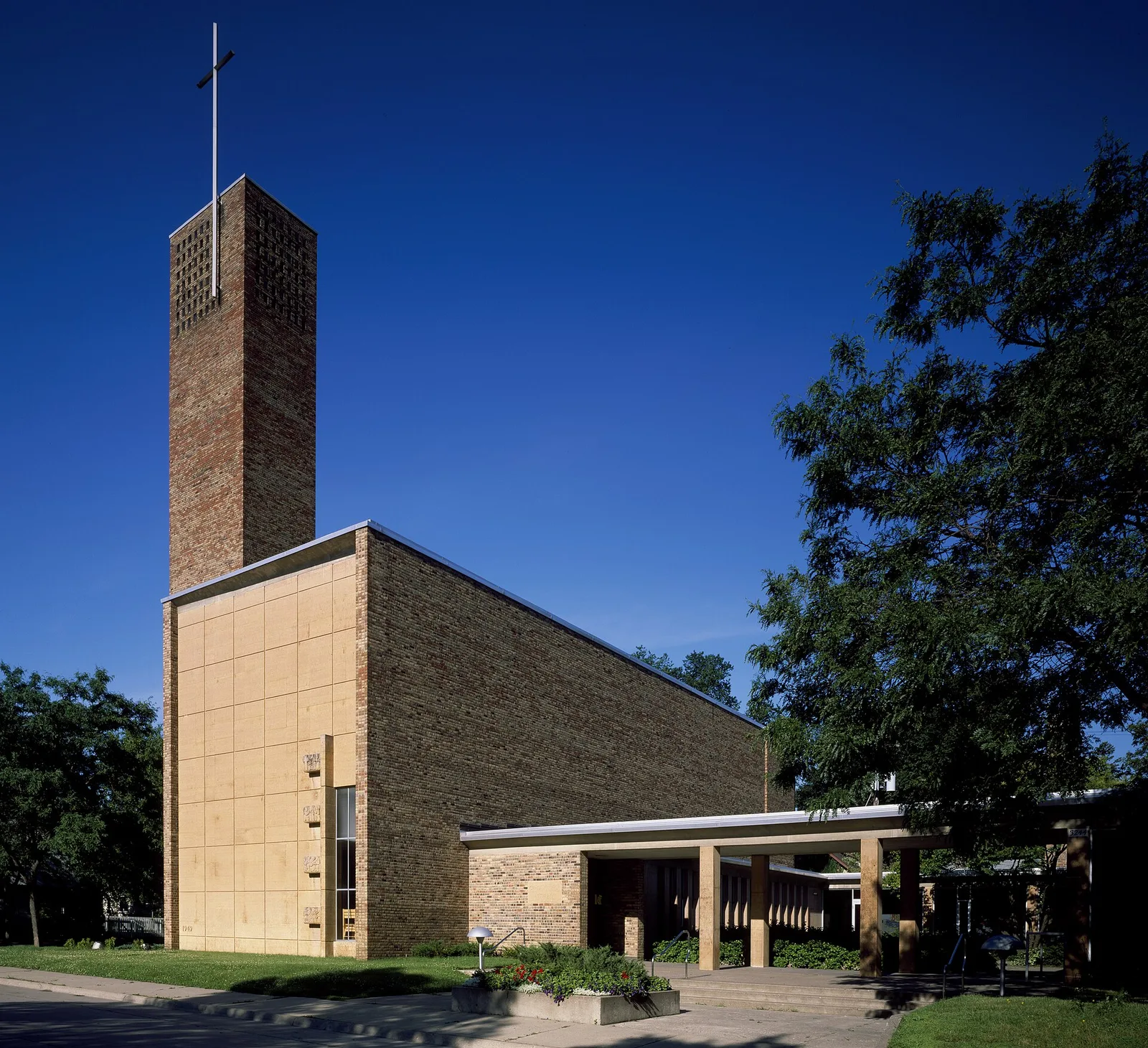
Christ Church Lutheran Highsmith — Minneapolis airbnb marketing
Local Color
Christ Church Lutheran Highsmith
Minneapolis Midtown Greenway — Minneapolis airbnb marketing
Local Color
Minneapolis Midtown Greenway
Stone Arch Bridge as viewed from downriver 2019 08 08 — Minneapolis airbnb marketing
Local Color
Stone Arch Bridge as viewed
Aerial view of Black Lives Matter mural at Penn and Plymouth — Minneapolis airbnb marketing
Local Color
Aerial view of Black Lives
Why Cavmir

The Cavmir Advantage
in Minneapolis

Cavmir wins in Minneapolis because almost nobody here markets lodging like it matters. Listings shot in winter gloom, hotel websites that bury the riverfront, no event pricing for concert weekends that sell the whole city out — it's all money left on the table. We shoot summer properly and bank the golden-hour lake photography for the whole year, build direct-booking websites for hosts, B&Bs and boutique hotels, and build the event calendar into your pricing so the State Fair and stadium weekends pay what they should. Then we work the winter story — skyways, snow, the cozy sell — instead of letting the calendar go dark. We help position and market your property. We never manage it or touch your keys.

State of the Industry · History

The Minneapolis STR Market — Past & Present

Minneapolis was built by the only major waterfall on the Mississippi. St. Anthony Falls powered the sawmills and then the flour mills that made this the flour-milling capital of the world by the 1880s — General Mills and Pillsbury both started here — and the Stone Arch Bridge was laid across the river in 1883 to carry the railroad that hauled it all away. When the mills wound down in the twentieth century, the city did something unusual: it kept the buildings. The ruins of the Washburn A Mill became the Mill City Museum, the warehouses of the North Loop became lofts, restaurants and boutique hotels, and the riverfront turned into the most photogenic mile in the Upper Midwest.

The city's lodging market grew up around that reinvention. Minneapolis approved short-term-rental rules in the late 2010s that took a notably pragmatic line: registration for owner-occupied units, a license for non-owner-occupied ones, and — unusually among big cities — a lane for owners to run one rental property beyond their own homestead. The market stayed modest in size, which is exactly the opportunity: a few thousand listings serving a metro that hosts stadium-scale concerts, a two-million-visitor State Fair, a top-tier theater scene and the University of Minnesota, with a boutique-hotel cluster in the North Loop's old brick that punches far above the city's reputation. Demand here rewards operators who actually market; most of the competition doesn't.

Pricing Strategy & Seasonality

Pricing, Seasonality & When to Capture ROI

Pricing Strategy

The rate map follows water and brick. The North Loop commands the premium — warehouse lofts, the best restaurant row in the state, walkable to Target Field; Downtown East rides U.S. Bank Stadium's event calendar; the Mill District sells the river and the Guthrie. Uptown and the neighborhoods around Bde Maka Ska and Lake Harriet own the summer lake demand; Northeast pulls the arts-and-breweries crowd; Dinkytown and Prospect Park book off the university. Blended nightly rates run around $175 with occupancy near 60% — and the spread is the story, because concert weekends and State Fair nights can triple a well-positioned listing's rate while unmarketed listings sleep straight through them.

Seasonality & ROI Windows

This is a genuinely high-seasonality market. June through August is the engine — lakes, patios, festivals — and late August adds the State Fair's twelve-day surge into Labor Day. May and September shoulder well on graduation, move-in and conference traffic; early October brings the marathon and fall color along the river. Then winter arrives in earnest: November through March demand thins to a base of business travel, hospital visits and hockey tournaments, spiked unpredictably by whatever tour books the stadium. Operators who market the winter honestly — skyways, snow, saunas, the cozy sell — keep the calendar alive while everyone else goes dark.

Regulation & Licensing · 2026

What the Law Requires in Minneapolis

Minneapolis regulates short-term rentals with a system that's strict on paper but genuinely navigable in practice. If you host in your own home — the unit you live in — you register with the city as an owner-occupied short-term rental; the registration is inexpensive (on the order of $70 a year) and renews annually. If the unit is not owner-occupied, you need a short-term rental license, which sits closer to the city's standard rental-licensing system, with tiered fees and inspections. The city's signature feature is the ownership cap: you can operate one short-term rental property in addition to your homesteaded property — a deliberate middle path that allows small operators while blocking portfolio investors. In buildings of 20 or more units, no more than 10% of units may be short-term rentals.

Applications require a written management plan covering guest screening, noise, trash, parking and maintenance, and the registration or license must be posted near the unit's entrance. Units must meet housing-maintenance, fire and safety codes — smoke and CO alarms, proper egress. Booking platforms themselves must hold a city license, and the city cross-checks listings. St. Paul, Bloomington and the suburbs run their own separate regimes, so don't assume one set of rules covers the metro. The ordinance has been adjusted over the years and fees move — confirm the current requirements, your category and your building's eligibility with the city in writing before you list.

Market-Specific Tips & Challenges

Local Tips & Unique Market Challenges

Tips That Actually Move Revenue in Minneapolis

The Minneapolis strategic tip: market the winter or the winter will eat your annual numbers. Everyone fills July. The operators who post the best annual revenue here are the ones whose November-through-March calendar doesn't flatline — and that's a marketing problem with known solutions: photograph the place warm and lit at dusk in the snow, sell the skyway-connected downtown stay to business travelers, sell the sauna-and-fireplace weekend to Chicagoans, and price honestly for the season instead of leaving summer rates up to rot.

Tactically: first, shoot in both seasons — one summer golden-hour session at the lakes or the Stone Arch Bridge, one winter session that makes the cold look like a feature. Second, build the event calendar into your pricing a year out: stadium concerts, the State Fair, the marathon and graduation are all published dates, and the difference between event pricing and default pricing on those weekends is the difference between a good year and a great one. Third, build a direct-booking website — Minneapolis guests repeat (family visits, hospital stays, season-ticket holders), and every repeat booking you take direct is commission you keep. Fourth, if you're running a boutique hotel or B&B in the North Loop's brick, lean into hotel marketing that sells the building's story — mill-city bones beat chain-hotel carpet in every photo. Fifth, keep the compliance clean and posted; the city's system is reasonable, and a visibly registered listing reads as professional in a market where much of the competition is casual.

Unique Minneapolis Challenges

The honest headwinds: winter is long and demand-thin, so annual returns depend on marketing effort most owners never make; the ownership cap limits scale inside city limits; and every suburb runs different rules, which trips up operators who assume the metro is one market. Rates are modest, so sloppy expenses or a few dark months hurt more here than in high-rate cities.

A Curious Minneapolis Fact
Minneapolis handles winter by refusing to go outside. The downtown skyway system — enclosed, climate-controlled bridges linking buildings at the second story — connects roughly 80 blocks across some nine and a half miles, the largest contiguous system of its kind in the world. It started in 1962 as a practical fix and grew into a parallel city: you can live in a downtown apartment, work an office job, shop, eat and watch a Timberwolves game without ever putting on a coat. For lodging operators, it's the rare amenity that's literally attached to the building — and worth explaining in every winter listing.
Finance Essentials — Minneapolis
🛡️

Insurance

Standard homeowner's policies generally exclude short-term guests, so registered hosts want an STR endorsement or landlord policy, and non-owner-occupied operators need proper landlord or commercial coverage. Minnesota adds its own line items: winter risks are real underwriting factors here — ice dams, frozen pipes in an empty unit between guests, sidewalk slip-and-fall liability the city expects owners to manage. Ask specifically how vacancy periods and snow-related claims are treated. Use a Minnesota broker who writes short-term rentals; the winter questions are where generic policies fail.

🧾

Property & Income Tax

Short stays in Minneapolis carry a hotel-style tax stack: Minnesota state sales tax of 6.875%, plus local sales taxes, plus the city's 3% lodging tax on short-term stays — combined, plan on roughly 12–15% depending on how the pieces apply to your property. Platforms collect and remit some of this on their bookings; anything they don't cover, and all direct bookings, are your responsibility to register for and remit. Rental income is then subject to federal and Minnesota income taxes. The layering here is genuinely confusing — have an accountant who handles Minnesota lodging confirm exactly which taxes apply to your unit.

🏦

Mortgages & Financing

Minneapolis is one of the friendlier big-city markets to finance. Entry prices are moderate, duplexes and small multifamily stock are plentiful, and the classic play — owner-occupy one unit with conventional or FHA financing, register the property appropriately and rent the rest — works within the city's homestead-plus-one framework. Pure investor purchases pencil too, with DSCR loans underwritten on rental income widely available at price points that don't require jumbo money. Lenders will want the rental income documented, and condo buyers should check both association rules and the 10% building cap. A local lender who knows the city's rental licensing is a genuine asset.

Future Outlook · 2027 & Beyond

Where Minneapolis is Headed Next

Minneapolis's trajectory is steady rather than dramatic, and that's the appeal. The city's rules have been stable for years — registration, the homestead-plus-one cap, platform licensing — with no sign of a Boston-style clampdown, and the supply stays structurally small while the demand calendar keeps adding stadium tours, festival weekends and university traffic. The North Loop's boutique-hotel scene keeps raising the market's presentation bar, which lifts what guests expect — and what they'll pay — across the board. Watch the event pipeline: U.S. Bank Stadium keeps landing marquee tours and championship events, and each one is a published, plannable demand spike. The durable play here is unglamorous and profitable: buy sensibly, register properly, market both seasons like you mean it, and own your repeat guests through a direct channel while the competition keeps sleeping through the winters.

From the Desk of Sofie Sinag

Why We Love Marketing in Minneapolis

Minneapolis is the market that rewards actually doing the work. The demand is real — stadium tours, the State Fair, the lakes all summer, a university the size of a small city — but almost nobody here markets against it, so the operator who shoots proper photography and prices the event calendar isn't fighting for an edge, they're taking uncontested ground. We love markets like that. The same shoot and strategy that makes you competitive in Austin makes you dominant in Minneapolis, and the entry price of the underlying property is a fraction of what the coasts charge for the privilege.

And honestly, the place over-delivers. The Stone Arch Bridge at dawn is as good a photograph as any harbor on the East Coast. The North Loop's mill-brick hotels and restaurants would be famous in a city with better PR. Summer here is a genuine secret — lakes you can swim in the middle of a metro, patios that go until ten under northern light — and winter, marketed honestly, is its own product: skyways, saunas, snow on the river. The gap between how good this city is and how it presents itself online is our favorite kind of gap. Closing it, one listing and one boutique hotel at a time, is work that shows up directly in the numbers.

Why It Matters

A great property in Minneapolis doesn't just want a listing — it wants a point of view, an audience, and a brand the city itself would recognise.

Cavmir's Minneapolis Cheat Sheet

The Picks We Recommend for Your Welcome Book

A few honest, insider picks for Minneapolis — the kind of specifics that make a listing read like a local wrote it, because one did. Real places, no filler.

Morning

Stone Arch Bridge at dawn

The 1883 railroad bridge curves over St. Anthony Falls with the skyline behind it, and at sunrise you'll share it with a handful of runners. It's the definitive Minneapolis photograph, and the reason Mill District listings should always name their walk time to it.

Golden Hour

The east shore of Bde Maka Ska

Sailboats, paddleboarders and the downtown skyline floating above the far treeline as the light goes gold. This is the image that convinces out-of-towners a lake city is real — lead with it all summer.

Neighborhood Walk

The North Loop

Washington Avenue's warehouse blocks — boutiques, coffee roasters, the best restaurant row in the state — down to the riverfront. 'Walkable to the North Loop' is the strongest location line in Minneapolis lodging.

Dinner That Photographs

Spoon and Stable, North Loop

A former horse stable turned into one of the most acclaimed dining rooms in the Midwest. Guests plan around it — tell them reservations open weeks out and to book the moment their dates are set.

Local Obsession

The Juicy Lucy argument

A cheeseburger with the cheese sealed inside the patty, and a fifty-year feud over who invented it — Matt's Bar spells it 'Jucy Lucy', the 5-8 Club disagrees on everything. Send guests to pick a side; it's the city's best cheap night out.

Shoulder Season Secret

The skyways in January

Nine and a half miles of heated bridges linking 80 downtown blocks — coffee, lunch counters, a full errand run without a coat. A downtown listing that explains its skyway access honestly turns winter from an objection into a feature.

Weekend Escape

Stillwater and the St. Croix Valley

Forty minutes east: a historic river town of bookshops, antique stores and bluff-top views over the St. Croix. It's the easy add-a-day trip for guests who've done the lakes, and fall color there is genuinely spectacular.

What Guests Ask For

Parking and the winter arrival

Summer guests ask about parking near the lakes; winter guests ask how far the car is from the door. Answer both plainly — and if you have a garage stall, say so in the title, because from November to March it's worth real money.

Local Work · Composite Case Vignettes

What Cavmir Has Done for Minneapolis Properties

A few composite engagements drawn from how Cavmir typically works in this market. The details are illustrative and consistent with Minneapolis, not pulled from a single named client.

Licensed condo · North Loop
The Brief

A non-owner-occupied licensed rental in a converted warehouse building had the best location in the city and default pricing that slept through every stadium concert and the entire State Fair window.

What We Did

Cavmir built the year's published event calendar into pricing a season ahead, reshot the loft and the Washington Avenue streetscape, rewrote the listing around walkability to Target Field and the riverfront, and added a direct-booking page.

The Result

Concert and State Fair weekends began booking early at multiples of the old rate, shoulder weekdays firmed on business travel, and the unit's annual revenue rose without adding a single night of occupancy.

Duplex owner · Chain of Lakes
The Brief

An owner-occupied host with a registered unit near Bde Maka Ska had summer demand at the door and winter calendars that went completely dark — no cold-season imagery, no winter story, rates left at summer levels out of neglect.

What We Did

Cavmir shot the property in both seasons — golden hour at the lake in July, warm-lit windows in the snow in January — rewrote the winter listing around fireplaces, skyway-adjacent downtown access and honest seasonal pricing, and targeted regional weekend travelers.

The Result

The winter calendar went from dark to steadily booked with regional guests, summer weeks held their premium, and the host stopped losing four months of the year to a marketing problem that took one season to fix.

Boutique hotel · Mill District
The Brief

An independent hotel in converted mill brick had a story chain hotels can't buy and a website that didn't tell it — flat photography, OTA dependence, and no campaigns around the stadium and festival calendar driving the city's best weekends.

What We Did

Cavmir rebuilt the brand and direct-booking website around the mill-city history and river views, reshot the property through both seasons, ran search marketing for Minneapolis boutique-stay terms, and keyed campaigns to the concert, marathon and Fair calendar.

The Result

Direct bookings became a growing share of revenue, event weekends sold out ahead of the OTAs at stronger rates, and the hotel's story — the thing it always had — finally became the reason guests chose it.

Ready to Grow in Minneapolis?

Let's Put Your Minneapolis
Property on the Map

Talk to Cavmir today. We'll show you exactly what your Minneapolis property is leaving on the table — and how fast we can change that.

Book a Free Strategy Call