


The Drive
Two and a half hours from the Cities
Highway 371 north from the metro. It is the whole proposition of this market. Tell guests the honest Friday afternoon version, not the Tuesday morning one.

Expert short-term rental marketing to grow your bookings and nightly rate in Brainerd Lakes, Minnesota, USA.
Sixteen services, one team. Everything below is built in-house and scoped to your property and market. Most owners start with the 12-Step System.
Every engagement is quoted to your portfolio. These are the ready-made scopes owners pick most — the AI Efficiency Discount is already applied. A clear proposal within 48 hours.
The work is public. Selected engagements and what changed — and reviews from the owners and managers behind them.
* Market averages. Properties marketed by Cavmir typically exceed these figures by 25–45%. Data sourced from AirDNA, STR market reports, and Cavmir internal analytics.
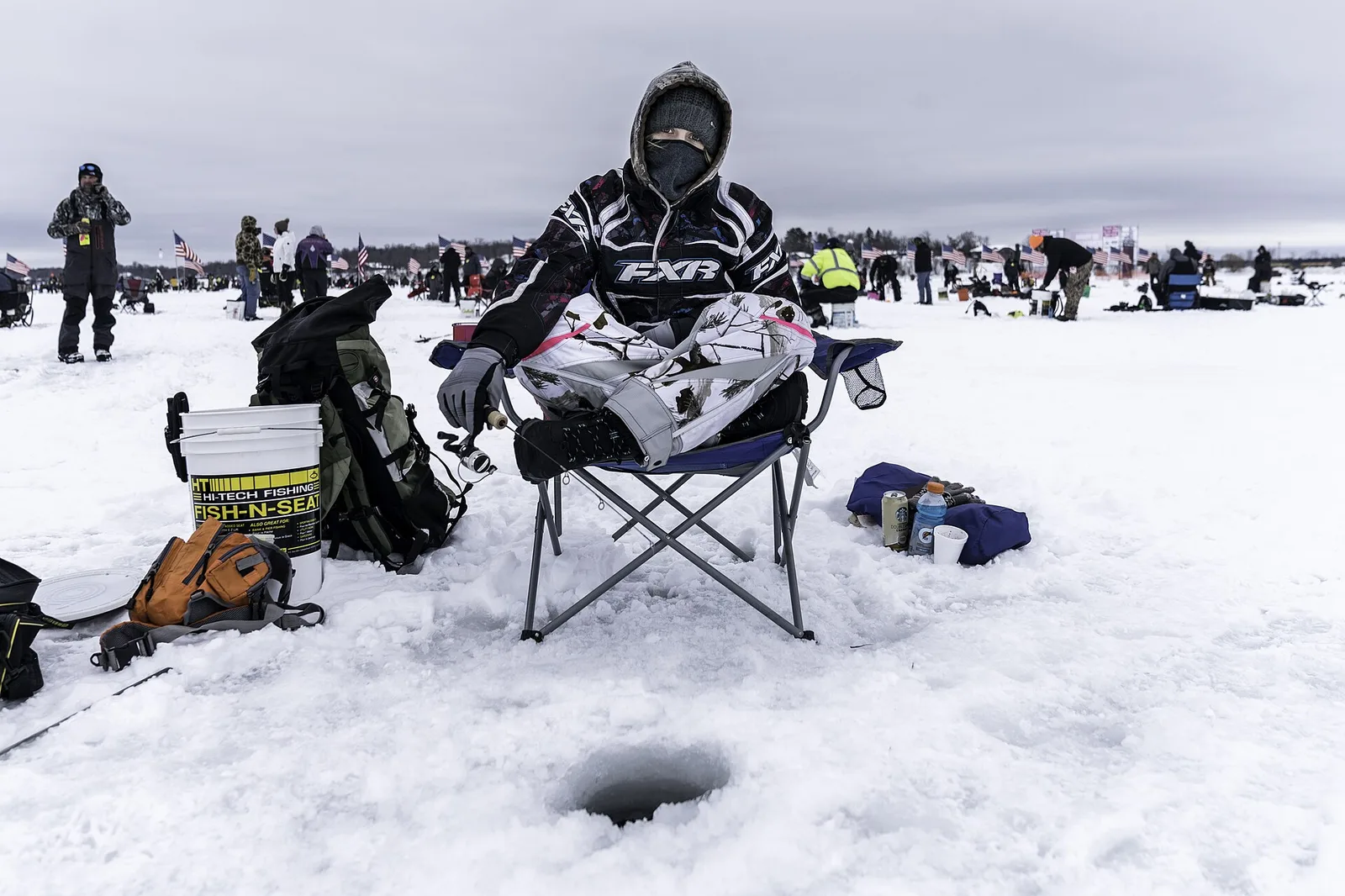
The Brainerd Lakes area is what most of the upper Midwest means when it says it is going to the lake. Crow Wing County holds several hundred lakes, and the resort culture around Gull, North Long, Pelican, Whitefish and the Whitefish Chain goes back well over a century — first to railroad-era hotels, then to family resorts with rows of cabins, and now increasingly to individually owned lake houses let by the week. Brainerd and Baxter are the commercial centre, Nisswa and Crosslake and Pequot Lakes are the lake towns, and the drive from the Twin Cities is roughly two and a half hours, which is the single most important number in this market. It is close enough for a weekend and far enough to feel like somewhere else. Golf is a serious draw here — the courses at Grand View, Cragun's and Madden's are genuinely well regarded. Paul Bunyan and Babe the Blue Ox stand at the Paul Bunyan Land amusement park, which is exactly as Minnesotan as it sounds. In winter the lakes freeze hard enough to drive on, and the ice-fishing extravaganza on Gull Lake draws thousands of people onto the ice in January.
The regulatory structure here is unusual and owners get it wrong constantly. Crow Wing County adopted a short-term rental ordinance that roots the regulation in the county's land use authority rather than its public health authority, and that choice has a specific consequence: the ordinance only reaches areas where the county actually administers planning and zoning. It is not a countywide rule that overrides everyone. The incorporated cities — Brainerd, Baxter, Nisswa, Crosslake, Pequot Lakes — regulate their own, and several have taken that authority back deliberately. Where the county ordinance does apply, an annual licence is required and a short-term rental is defined broadly enough to catch any home, cabin or condominium advertised for nightly, weekly or otherwise sub-thirty-day stays. Occupancy under the current version is limited to three people per bedroom plus one additional person per unit. Nisswa requires a transient lodging licence and an annual inspection of its own. Above all of that sits a state requirement most owners miss entirely: Minnesota requires a lodging licence from the Department of Health, under the hotel and motel classification, for properties rented a week or less at a time, renewed annually.
Nearby Markets: Duluth | Grand Marais | Minocqua
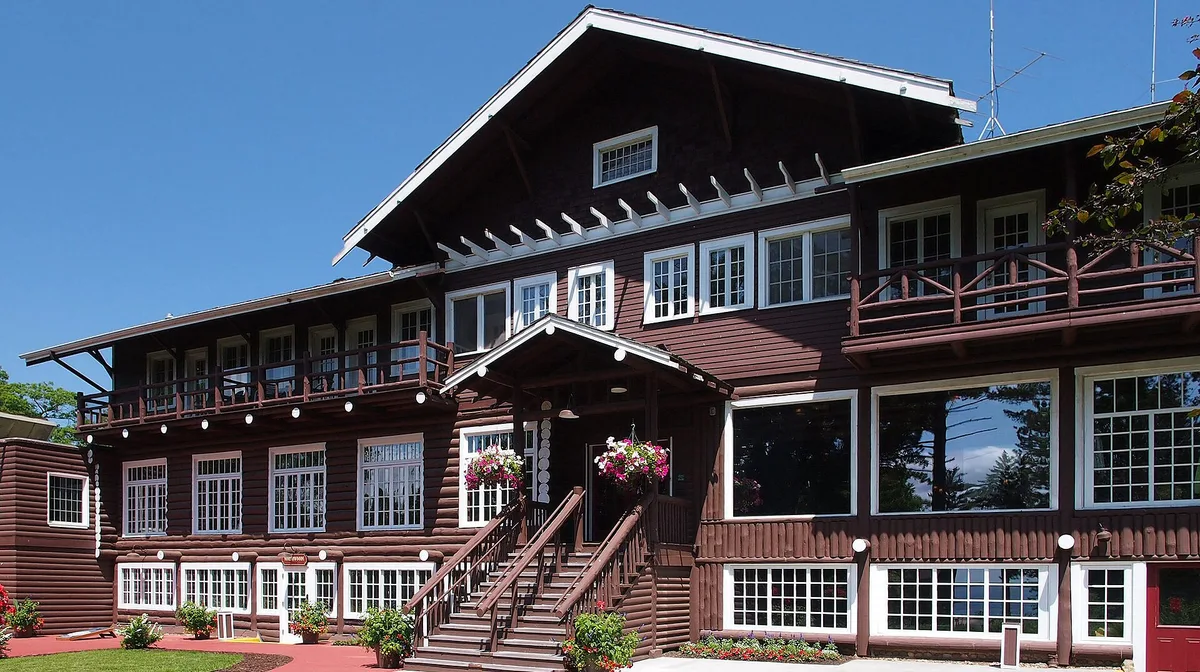
A few of the visual fingerprints we lean into when we shoot, brand and market a Brainerd property — courtesy of the open Wikimedia Commons archive.
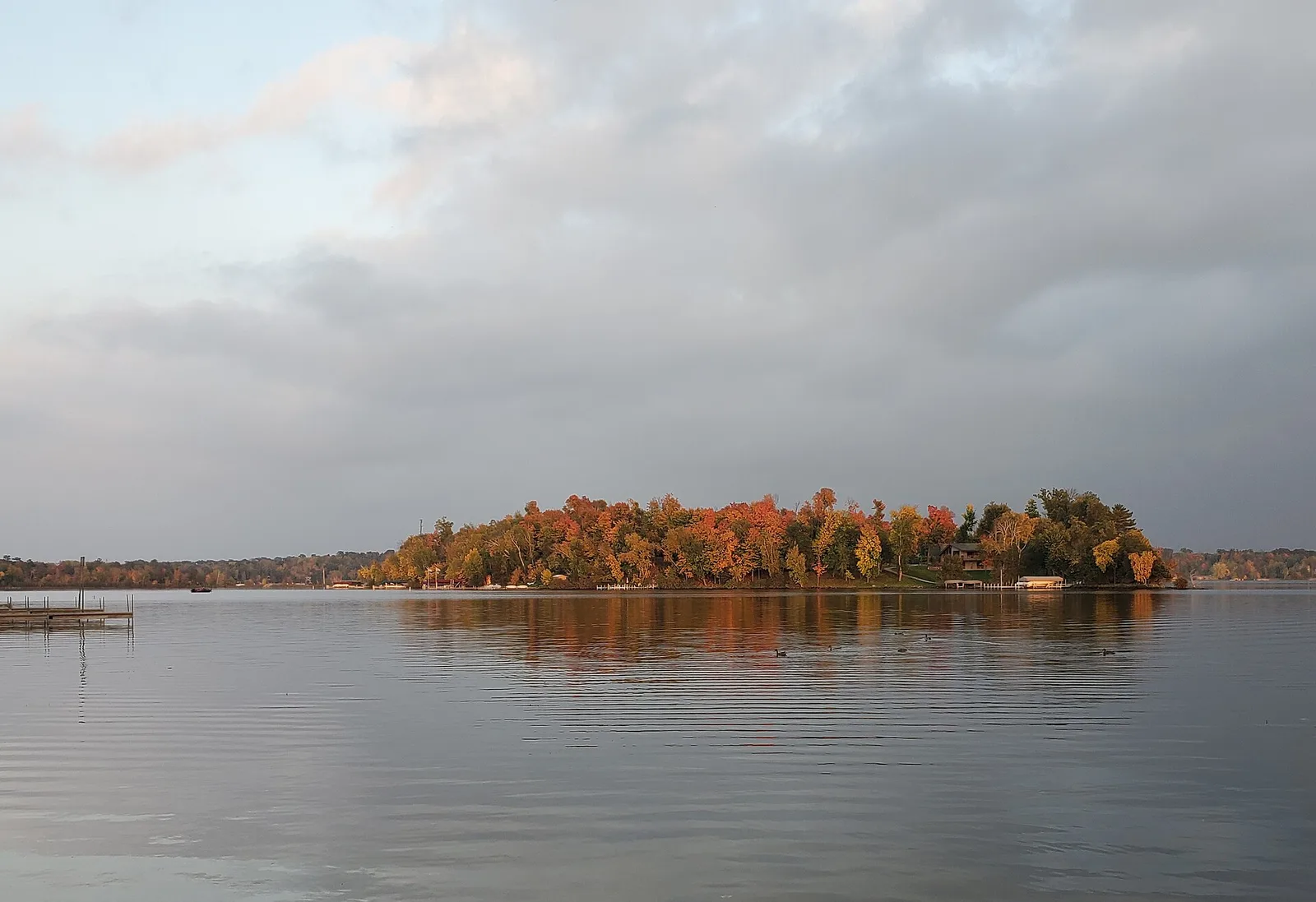
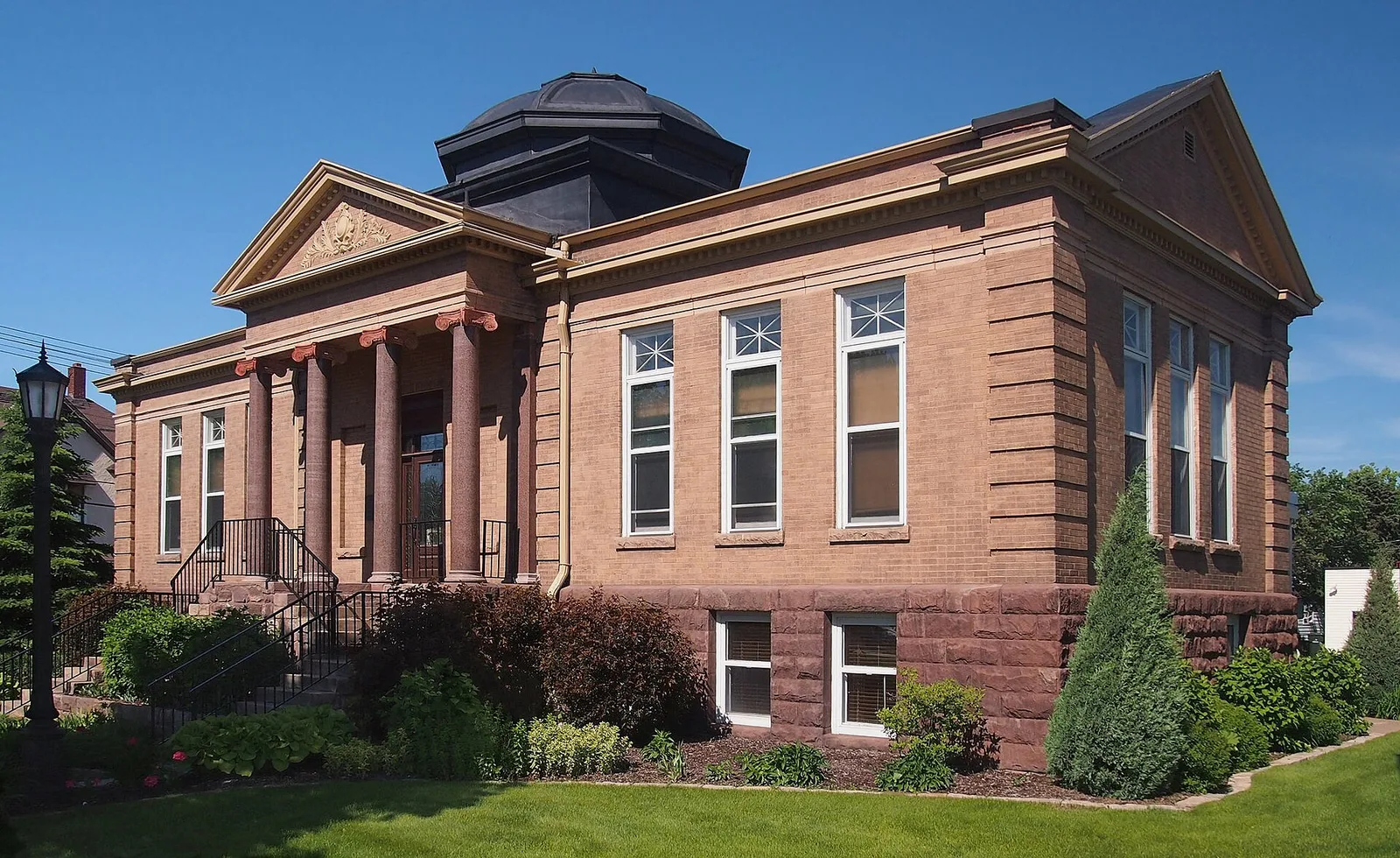
Cavmir markets Brainerd Lakes properties around the lake, the drive and the group, because those are what a Twin Cities family is actually deciding between. We photograph the water access specifically — the dock, the shoreline, the depth, the swimming, whether a boat can be left in — because 'lakefront' covers everything from a private sand beach to a steep bank and guests know the difference. We write the drive time honestly and we name the lake, not just the region, because people here are loyal to particular lakes and search for them by name. We separate the summer family week from the golf group, the autumn colour trip and the winter ice-fishing crowd, all of which want different things from the same house. We build a direct booking site so that the families who come back to the same week every July book with you rather than being reintroduced through a platform each year, and we run local search across the whole lakes area rather than a single town. Then we keep an email list warm through a long winter, because in this market next summer is decided in February. We help position and market your property. We never manage it or touch your keys.
Brainerd exists because of the Northern Pacific Railway. The railroad crossed the Mississippi here in 1870 and built shops and a division point, and the town was named for the wife of the railway's president. Logging came with it — the white pine of central Minnesota was cut and floated down the Mississippi through the second half of the nineteenth century, and Brainerd was one of the places where that industry was organised.
The resort era started almost immediately afterwards and for the same reason: the railroad could bring people up from the Twin Cities. By the 1880s and 1890s there were hotels on Gull Lake taking summer guests, and the pattern that still defines this market — city families coming north to a lake for a week — was established well over a century ago.
What grew out of that was the Minnesota family resort: a lodge, a row of cabins, a dock, a dining room, and the same families returning the same week every year for generations. Madden's, Cragun's and Grand View Lodge all date from that period and all still operate, which is unusual. The golf courses came later and turned several of them into genuine destination properties.
Paul Bunyan is a nineteenth-century logging-camp story that Minnesota adopted enthusiastically, and the enormous animated Paul Bunyan figure that has greeted children at Brainerd since 1950 is a genuine piece of Americana. The Paul Bunyan State Trail, built on abandoned railway grade, now runs over a hundred miles north from Brainerd.
The most consequential recent change is ownership structure. The classic family resort with rental cabins has been giving way to individually owned lake houses let by the week, which is precisely why counties and cities in this area started writing short-term rental ordinances in the last several years. The market you are entering is younger than it looks.
The Brainerd Lakes calendar is built around a two-and-a-half-hour drive from the Twin Cities, and that number does more to shape pricing than anything else.
Summer is the season: Memorial Day to Labor Day, with the Independence Day period and the weeks around it the strongest. Weekly bookings dominate on the lakes and weekends dominate closer to town. That split is worth pricing for rather than running one rate structure across both.
Water access is the primary rate differentiator, and 'lakefront' is far too blunt a term to price on. A property with a sand shoreline, a dock, a boat lift and shallow swimming water for children commands a very different rate from one on a steep bank with a shared access path, and guests here know exactly what they are looking at. Be specific and price accordingly.
Autumn is genuinely underused. September and early October in central Minnesota are lovely — warm days, cold nights, colour on the lakes, no boat traffic — and most calendars simply stop after Labor Day.
Winter is a real if smaller season and is almost entirely unmarketed by individual owners. Ice fishing is a serious activity here, the Gull Lake extravaganza in January draws thousands of people onto the ice, snowmobiling on the trail network is significant, and a warm house near a good lake in February has demand attached to it. Very few listings address any of that.
Golf groups are a distinct segment with different needs and a different booking pattern from families, and a property near the courses that markets to them specifically is competing in a much thinner field.
Memorial Day to Labor Day is the core season, peaking around Independence Day, with weekly stays on the lakes and weekend demand nearer Brainerd and Baxter. September and early October are excellent and underpriced, with autumn colour and no boat traffic. Late October through December is quiet. January and February carry a genuine winter season built on ice fishing, snowmobiling and the Gull Lake extravaganza. March and April are the deep shoulder as the ice goes out and before the water warms. This is a market with two real seasons and two quiet gaps, and most owners only work one of them.
The regulatory position in the Brainerd Lakes area is genuinely confusing and it is worth taking the time to get right, because owners routinely assume a countywide rule that does not exist.
Crow Wing County adopted a short-term rental ordinance that roots the regulation of these properties in the county's land use authority rather than its public health authority. That is not a technicality. Because the ordinance sits on land use powers, it applies only in areas where the county actually administers planning and zoning — it is not a countywide requirement that overrides local regulation everywhere. Incorporated cities in the area regulate their own, and several of them took that authority back deliberately.
Where the county ordinance applies, an annual licence is required, and short-term rentals are defined broadly: any home, cabin, condominium or similar building advertised as, or held out to be, a place where sleeping quarters are furnished to the public on a nightly, weekly or otherwise less-than-thirty-day basis. Occupancy under the current version of the ordinance is limited to three people per bedroom plus one additional person in the unit.
The cities each set their own requirements. Nisswa requires a transient lodging licence and an annual inspection. Brainerd, Baxter, Crosslake and Pequot Lakes each have their own positions. Confirm which authority governs your parcel before doing anything else.
Then there is the state layer, which is the one most commonly missed. Minnesota requires a lodging licence from the Minnesota Department of Health, under the hotel and motel classification, for properties rented a week or less at a time, and it must be renewed annually. That obligation exists regardless of what your county or city requires.
Confirm current requirements with Crow Wing County Land Services, with your city if you are inside one, and with the Minnesota Department of Health.
Name the lake. This is the most important single change most listings here could make. People in Minnesota are loyal to specific lakes and search for them by name — Gull, North Long, Pelican, the Whitefish Chain, Round, Bay. 'Brainerd Lakes area' is a region, not an address, and it costs you the searches that convert.
Describe the shoreline precisely. Sand or rock, gradual or steep, how many steps down, whether there is a dock, whether a boat can stay in, how deep it is at the end of the dock, whether small children can swim safely. These are the questions every family enquiry contains and most listings answer none of them.
Photograph from the water. A shot of the house taken from the dock or from a boat shows a guest what they are actually buying in a way that an interior set never will.
Do the winter properly. Ice fishing, snowmobile trail access, the January extravaganza on Gull Lake, and a house that is genuinely warm and set up for cold weather. This is real demand in a season almost no individual owner markets to, and the competition is close to nonexistent.
Sell September. Warm days, cold nights, colour on the water and no boat traffic. It is the best month on these lakes for anyone without school-age children, and it is almost universally treated as an afterthought.
Market the golf groups separately. They want different things — proximity to specific courses, somewhere to eat together, tee-time knowledge, flexible check-in — and they book differently from families. A property near Madden's, Cragun's or Grand View that speaks to them directly is in a much smaller field.
Be explicit about the drive from the Twin Cities. Two and a half hours is the whole proposition of this market. Say it, and say what the Friday afternoon reality of Highway 371 is.
The regulatory patchwork is a genuine challenge. County authority reaches some parcels and not others, five cities regulate their own, and a state health licence sits over all of it. Getting a clear answer requires asking the right authority.
The second challenge is seasonality with two gaps. The market has a summer and a winter but almost nothing in April, May, November or December, and carrying costs do not pause.
The third is competition from the established resorts. Madden's, Cragun's and Grand View have been taking the same families for generations, offer amenities an individual house cannot, and are formidable competitors for exactly the guest you want. The answer is to sell what a house does better — space, privacy, a kitchen, a dog — rather than to compete on facilities.
The fourth is that lake quality and access vary enormously between properties that look similar in a listing, which means vague descriptions lose to precise ones every time.
Minnesota lake property carries a specific set of exposures, and the biggest ones are seasonal.
Freeze is the dominant winter claim. A cabin left empty through a Minnesota January with the heat down is a burst-pipe event waiting to happen, and carriers will want to know how the property is winterised, whether the water is shut off and drained, and whether there is temperature monitoring. A low-temperature alarm often changes the terms and almost always changes the risk.
Ice damage to docks, lifts and shoreline structures is routine here and is frequently excluded or sub-limited under a standard property policy. If you have a dock and a boat lift, confirm exactly how they are covered and whether they must be removed for the winter.
Watercraft is a separate question. If you provide a boat, pontoon, kayaks or paddleboards for guest use, that needs specific liability treatment.
Short-term rental use must be disclosed. Liability should reflect groups on and around the water, fire pits, steps down to a shoreline, and in winter ice and snow.
Severe convective weather — wind and hail — is a routine Minnesota claim, and roof age drives both premium and settlement.
Use a broker who writes lake property in central Minnesota specifically.
Minnesota taxes short-term lodging through its sales tax system rather than through a separate statewide lodging tax.
Lodging and related services, including vacation home rentals, are subject to Minnesota sales tax, together with any local sales and use taxes that apply in the specific jurisdiction. Crow Wing County's combined base rate is in the region of 7.4%, and individual cities add their own local components — Brainerd, for example, has had its own local sales and use tax for many years. Some Minnesota cities also levy a separate local lodging tax that funds tourism promotion, so the figure applying to your property depends on exactly where it sits.
Separately, and this catches people out, Minnesota requires a lodging licence from the Minnesota Department of Health under the hotel and motel classification for properties rented a week or less at a time, renewed annually. That is a licensing requirement rather than a tax, but it belongs in the same compliance conversation because owners frequently miss it entirely.
Booking platforms collect and remit some components in Minnesota, but registration remains your obligation and direct bookings are generally handled entirely by you.
Confirm the current combined rate for your specific address with the Minnesota Department of Revenue and your city, and speak to your accountant about how the rental income is treated on your return.
Financing lake property in the Brainerd area is generally straightforward, with a few local considerations worth raising early.
Seasonality concentrates income into a summer plus a smaller winter, and a lender should see a realistic annual picture rather than a July week annualised.
Shoreline and septic questions matter. Minnesota shoreland rules govern what may be built and altered near the water, older cabins sometimes have septic systems that would not meet current standards, and a compliance inspection can be triggered by a sale. Establish the septic position before closing, because bringing a system up to standard is not a small cost.
Seasonal-use construction is a category of its own. A cabin that is not built or insulated for year-round occupancy can be harder to finance conventionally than a fully winterised house, and that difference is worth confirming rather than assuming.
Regulatory jurisdiction should be settled before an income model is relied upon, because whether your parcel is governed by the county or a city determines what licence you can actually obtain.
Second-home and investment-property financing differ in rate, down payment and occupancy expectation, and many owners here use the cabin themselves for part of the summer.
This is general information rather than financial advice — confirm the specifics with your mortgage broker, your accountant and the relevant local authority.
The direction in the Brainerd Lakes area is toward more local regulation rather than less, and toward more of it sitting with cities rather than the county. Several municipalities have taken back or asserted their own authority over short-term rentals, and that fragmentation is likely to continue. For owners the implication is practical: keep track of your own jurisdiction and expect its rules to be revisited.
The structural shift underneath that is the change in ownership. The classic Minnesota family resort with rental cabins has been giving way to individually owned lake houses, and the ordinances of recent years are a direct response to it. That transition is not finished, and the remaining resorts converting to condominium or private ownership will keep adding supply of exactly the sort that triggers regulation.
Demand fundamentals are solid. The Twin Cities metropolitan area is large, prosperous and two and a half hours away, and it has been coming to these lakes for well over a century. Remote work has strengthened midweek and shoulder demand in a way that suits individual houses better than it suits resorts.
The clearest opportunity is winter. Ice fishing, snowmobiling and the Gull Lake extravaganza represent real demand in a season individual owners have almost entirely ceded to the resorts. Any property that is genuinely warm, well-located for trail or lake access, and marketed to that guest is entering a market with very little competition.
The Brainerd Lakes area is one of the last places in America where a family holiday still means the same week, the same lake and the same people, year after year, for three or four generations. That tradition started with the Northern Pacific bringing city families north in the 1880s and it has never really stopped. You feel it in Nisswa on a July afternoon.
We like the sheer number of lakes. Crow Wing County has hundreds, and the Whitefish Chain alone is a system of connected waters you can spend a week exploring by boat. It means the market is not one lake with a queue for it but dozens of distinct micro-markets, each with its own character and its own loyal families.
The turtle races in Nisswa on a Wednesday afternoon in summer are one of the more charming things in the upper Midwest, and they have been running since the 1960s. Paul Bunyan and Babe have been greeting children by name since 1950. Neither of these is sophisticated and both are exactly right.
And we like the winter, which almost nobody markets. The lakes freeze hard enough to drive on. The Gull Lake ice-fishing extravaganza puts thousands of people and their vehicles onto the ice in January for a few hours in a way that has to be seen to be believed. The snowmobile trail network is extensive and serious. There is a whole second season here sitting more or less untouched by individual owners, and finding gaps like that is our favourite part of the job.
A great property in Brainerd doesn't just want a listing — it wants a point of view, an audience, and a brand the city itself would recognise.
Eight things worth telling a Brainerd Lakes guest — the drive, the shoreline, the turtle races, and the winter half of the year nobody mentions.
Highway 371 north from the metro. It is the whole proposition of this market. Tell guests the honest Friday afternoon version, not the Tuesday morning one.
Name your lake — Gull, North Long, Pelican, the Whitefish Chain — and describe the shore precisely: sand or rock, steps down, dock, depth, whether children can swim from it.
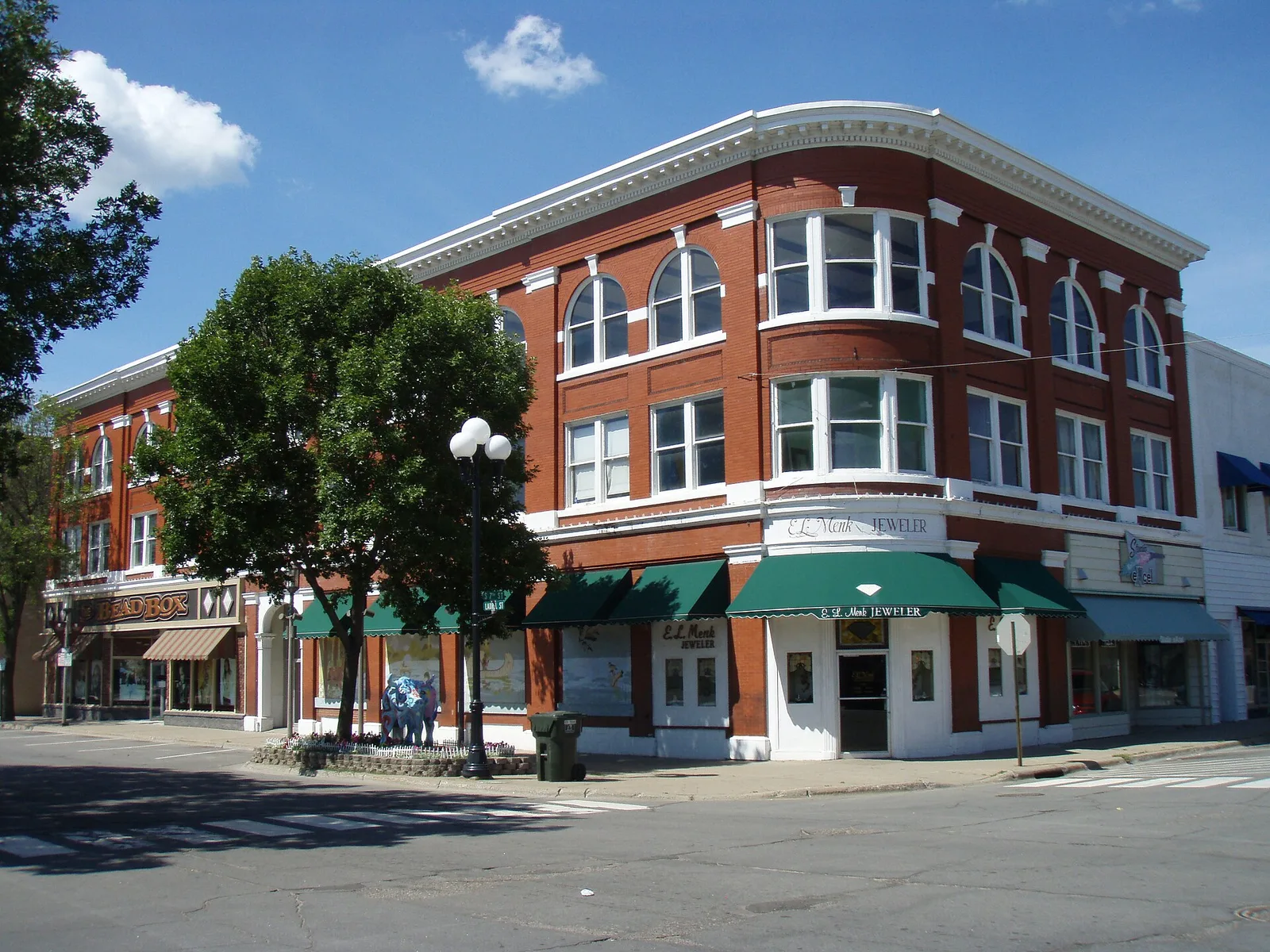
A short walk of shops and restaurants, and on summer Wednesdays turtle races that have been running since the 1960s. It is the town most guests end up in.
Three long-established resorts with genuinely good courses, all taking outside play. If your property is near them, say so and know the tee-time situation.
Over a hundred miles of paved trail on old railway grade running north from Brainerd. Cycling in summer, snowmobiling in winter, and it passes close to a lot of properties.
Where the Crow Wing meets the Mississippi, with the site of an abandoned nineteenth-century town. A good walk and some real history when the lake is not cooperating.
Ice fishing is serious here and the Gull Lake extravaganza in January puts thousands of people on the ice. If your property works in winter, this is a whole season most listings ignore.
Warm days, cold nights, colour coming into the trees and the lakes to yourself. The best month of the year for anyone not tied to a school calendar.
The following are composite, illustrative examples drawn from patterns common in Midwestern lake markets. They are not descriptions of specific clients or properties.
A property described only as lakefront, receiving repeated enquiries about the shoreline, the dock and whether children could swim, and losing bookings to listings that had answered those questions upfront.
Documented and published the shoreline in detail — sand, gradual entry, dock and lift, depth at the end — photographed the property from the water, and named the lake explicitly throughout.
Enquiries became better qualified and converted more often, and the property stopped competing on price against listings with materially worse water access.
A property fifteen minutes from three well-known resort courses, marketed entirely to families, with an empty midweek calendar through the shoulder months.
Built separate positioning for golf groups covering course proximity, tee-time knowledge, group dining space and flexible check-in, and marketed it in the months families were not travelling.
Midweek shoulder occupancy improved from a segment with very little competition, without affecting the summer family business.
A fully insulated year-round house that closed after Labor Day, in a market with a genuine ice-fishing and snowmobiling season and almost no individually owned inventory marketing to it.
Repositioned the property for winter with cold-season photography, trail and lake access detail, and specific marketing around the January ice-fishing weekend on Gull Lake.
A second season appeared on a calendar that had previously stopped in September, at rates that did not require heavy discounting.
Demand in Brainerd Lakes peaks around July through August and runs quietest around March, April and November. Here is how the year actually books — and what to do about each stretch of the calendar.
Memorial Day to Labor Day, peaking around Independence Day, with weekly bookings dominant on the lakes and weekend demand heavier nearer Brainerd and Baxter. Water access is the primary rate driver and lakefront is far too blunt a term to price on.
September and early October are lovely and genuinely under-used, with warm days, cold nights, colour on the water and no boat traffic. It is the best stretch of the year for anyone without school-age children and most calendars simply stop after Labor Day.
April, May, November and early December are thin. January and February are the exception: ice fishing is serious here, the snowmobile trail network is extensive, and a warm house near a good lake in midwinter has real demand attached that almost no individual owner markets to.
Summer weeks book a few months out, and returning families renew earlier than that, often before they leave. Winter demand is short notice and weather-dependent. Golf groups book around tee-time availability rather than accommodation, which changes how you reach them.
Full weeks on the lakes in summer and long weekends nearer town. Shoulder and winter stays are shorter. A seasonal minimum that tightens for July and relaxes in September and midwinter earns more than a flat rule.
Lake houses with a described, photographed shoreline and dock, sleeping a real group, with parking for several vehicles and boat trailers. Winterised year-round construction opens a second season most properties give away.
Start with photography that shows what a guest actually gets here, then write the listing around a real itinerary rather than a feature list. Build a direct-booking site so returning guests can come back without going through a platform, and keep an email list segmented by season so you can reach last year's visitors before the calendar opens. Local search matters more than people expect in a market this size, because guests search the destination and the attraction rather than the word rental. A marketing agency layer handles the photography, the listing copy, the direct-booking site and the local SEO as one system instead of four disconnected jobs.
Memorial Day to Labor Day, peaking around Independence Day, with weekly stays on the lakes and weekends nearer town. September and early October are excellent and under-priced. January and February carry a genuine winter season built on ice fishing and snowmobiling that most individual owners ignore.
Summer weeks book a few months ahead and returning families often renew before they leave. Winter demand is short notice and weather-dependent. Golf groups book around tee times rather than accommodation, so they need reaching differently.
Overwhelmingly a Twin Cities drive market about two and a half hours south, with St. Cloud, Fargo and Duluth secondary. Targeting the Minneapolis and Saint Paul suburbs specifically converts far better than any regional campaign.
Describe and photograph the shoreline precisely, because that is what families choose on: sand or rock, gradual or steep, dock, depth, whether small children can swim from it. Beyond that, a fire pit, trailer parking and a screened porch all convert, and winter heating opens a second season.
Run your Airbnb, Vrbo, or website through Cavmir's free grader. It checks the things that decide whether guests book in the Brainerd Lakes — photos, listing copy, page speed, local search — and shows you where bookings leak. Takes about a minute, and there's no sales call attached.
If the report says your booking engine is the weak link, that's fixable: a direct-booking website of your own means repeat guests stop paying platform fees to come back to you. That's the work Cavmir does — see Airbnb website design in the Brainerd Lakes.
Send us the listing and we'll tell you what we'd change. Not a pitch deck — a straight read on your photos, your title, your rates against the Brainerd Lakes comp set, and whether a direct-booking site would pay for itself.
You'll hear back from a person, usually inside one business day. If we don't think we can move your numbers, we'll say so. Cavmir is a short-term rental marketing agency — we position and market properties, we don't manage them.
Talk to Cavmir today. We'll show you exactly what your Brainerd Lakes property is leaving on the table — and how fast we can change that.
Book a Free Strategy CallPhotography via Wikimedia Commons (images resized and cropped): Grand View Lodge by McGhiever (CC BY-SA 4.0) · Ice fishing at The Brainerd Jaycees Ice Fishing Extravaganza 03 by Lorie Shaull (CC BY-SA 4.0) · The island in East Gull Lake, Minnesota by James Postema (CC BY 4.0) · Parker Bldg 2 by Elkman (CC BY-SA 3.0) · Brainerd Carnegie Library 2016 by McGhiever (CC BY-SA 4.0).
