$275
Avg. Nightly Rate
51%
Avg. Occupancy Rate
$2,450
Avg. Monthly Revenue
4-6%
Est. Cash-on-Cash ROI
MEDIUM
Seasonality
HEAVY
Regulatory Burden

* Market averages. Properties marketed by Cavmir typically exceed these figures by 25–45%. Data sourced from AirDNA, STR market reports, and Cavmir internal analytics.

The Market

Why Duluth is One of the World's Premier STR Markets

Duluth is a seaport 2,300 miles from the ocean. The westernmost harbor of the Atlantic seaway system sits at the head of Lake Superior, and thousand-foot lakers still slide under the Aerial Lift Bridge past crowds who gather for the ship schedule the way other towns gather for fireworks. The city boomed on iron ore and grain — in its Gilded Age swagger it called itself the Zenith City of the Unsalted Seas — and its modern economy runs on something the boom years would never have predicted: people driving north to look at the lake. Duluth is the gateway to the North Shore, the 150-mile scenic run toward Split Rock Lighthouse and the state parks, and its demand calendar works all four seasons: Grandma's Marathon in June, a full summer of harbor tourism, leaf season pouring down Highway 61 in early October, Bentleyville's holiday lights from late November through Christmas, and a genuine winter trade of mushers, skiers and storm-watchers. The regulatory story is the sharpest in this portfolio: Duluth caps whole-home vacation rentals at 110 licenses citywide outside its form districts, runs a waitlist that hasn't moved in years, and in November 2025 placed a moratorium on new licenses entirely. Legal supply is fenced. Demand is not.

Duluth runs the strongest four-season calendar in the Upper Midwest. Summer is the core — harbor tourism, weddings, Park Point beach days and the North Shore road trip — and it opens with the year's biggest single weekend: Grandma's Marathon, the third Saturday of June (June 18-20 in 2026), when tens of thousands of runners and their families book every bed from Canal Park to Two Harbors. Fall is the second peak, leaf-peepers filling North Shore weekends through early October; then Bentleyville's Tour of Lights (November 21 to December 26 in 2026) gives the holidays a demand floor most northern cities envy, and late January brings the John Beargrease Sled Dog Marathon up the shore. Across roughly 770 area listings, nightly rates average around $275 — high for the region, a scarcity signal — with occupancy near 51%. The structural story is the cap: with 110 citywide licenses outside the form districts, a stalled waitlist and a 2025 moratorium on new licenses, a licensed Duluth vacation rental is a fenced asset, and the hotel-style demand keeps arriving regardless. The unlicensed alternative is the 30-day-plus furnished market, which the hospital systems and university keep genuinely busy.

Top Attractions & Landmarks

  • Aerial Lift Bridge and Canal Park
  • Glensheen, the Historic Congdon Estate
  • Park Point Beach
  • Enger Tower and Skyline Parkway
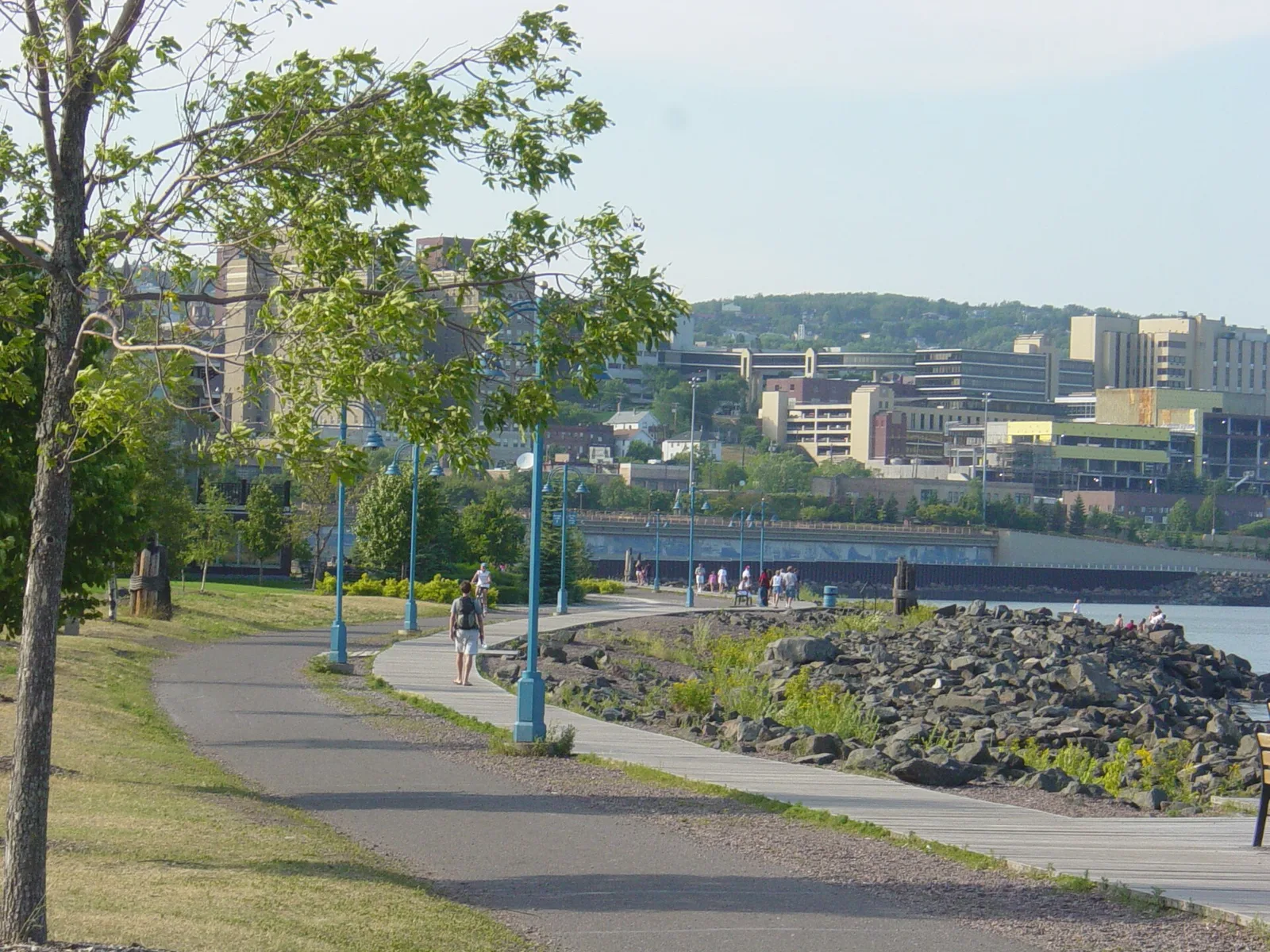
  • The Lakewalk
  • Hawk Ridge Bird Observatory
  • Split Rock Lighthouse

Nearby Markets: Minneapolis  |  Door County  |  Mackinac Island

Airbnb marketing services in Duluth, Minnesota, USA
Postcards

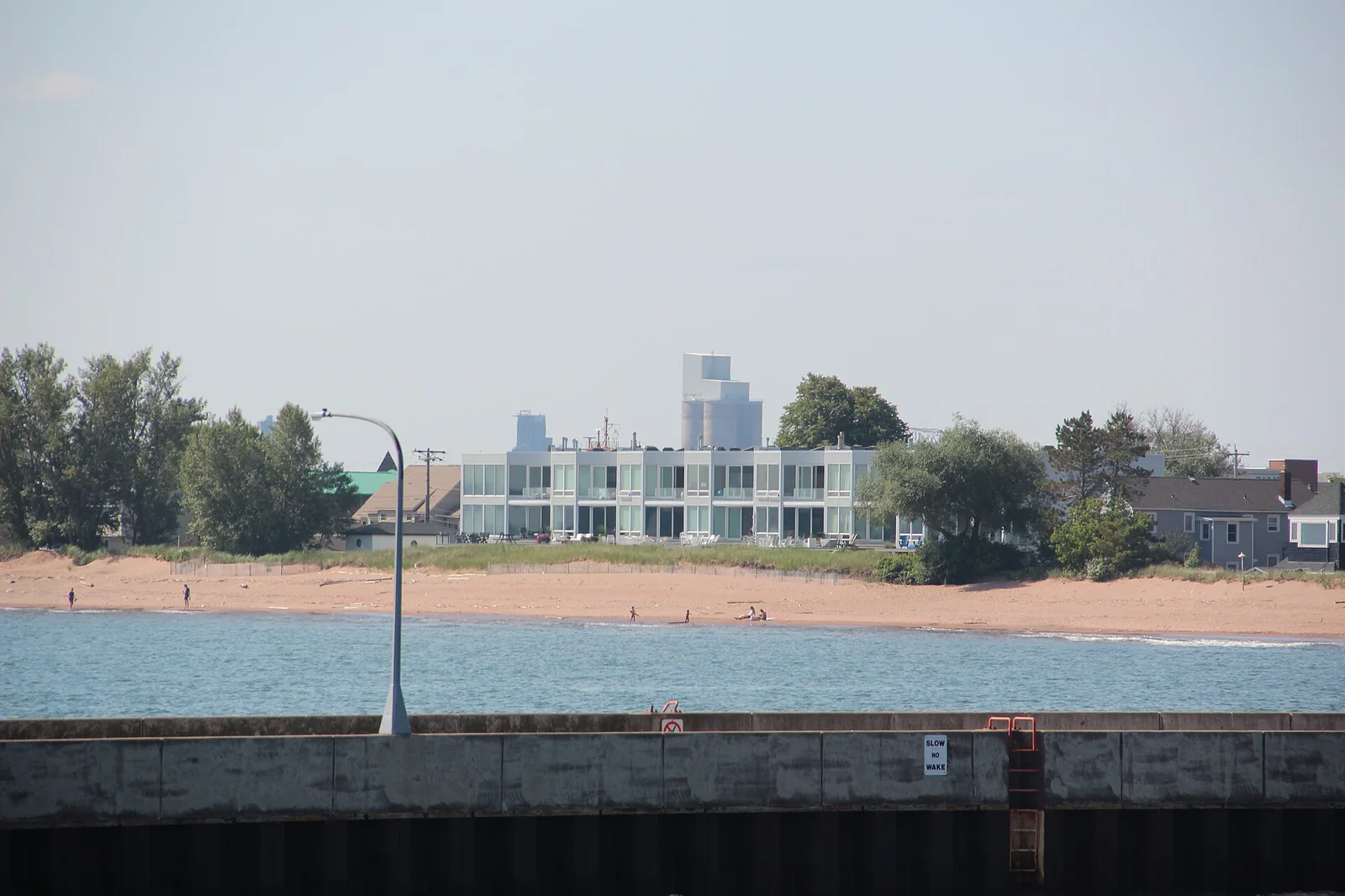
Duluth through the lens

A few of the visual fingerprints we lean into when we shoot, brand and market a Duluth property — courtesy of the open Wikimedia Commons archive.

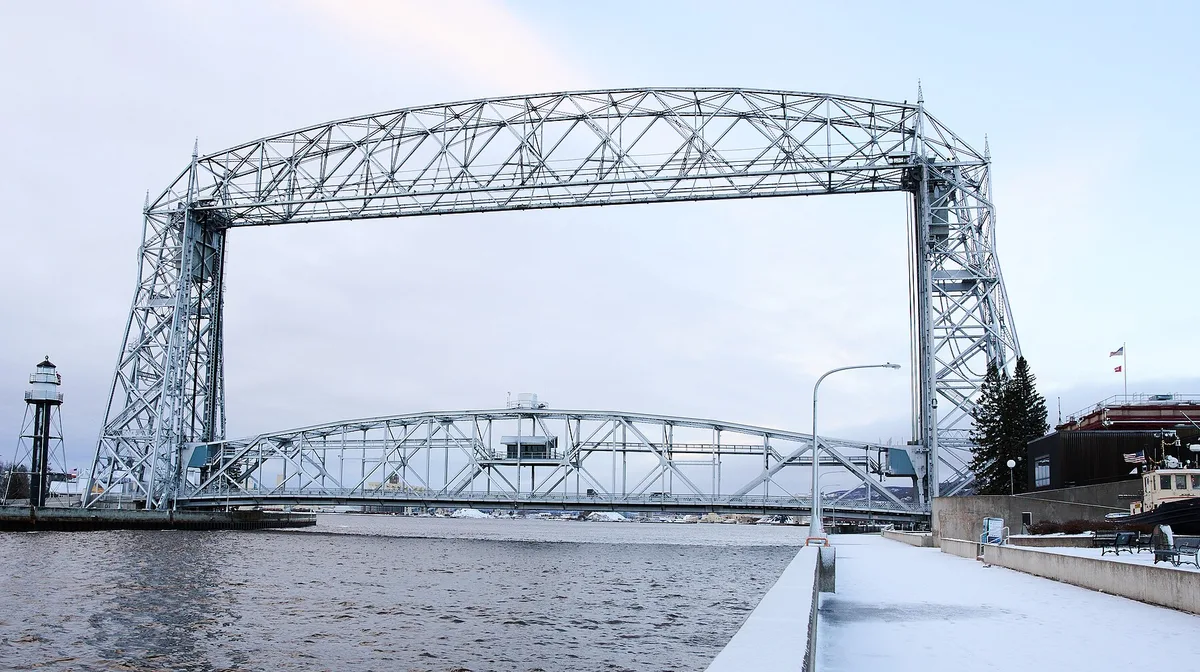
Canal Park Lakewalk High — Duluth airbnb marketing
Local Color
Canal Park Lakewalk High
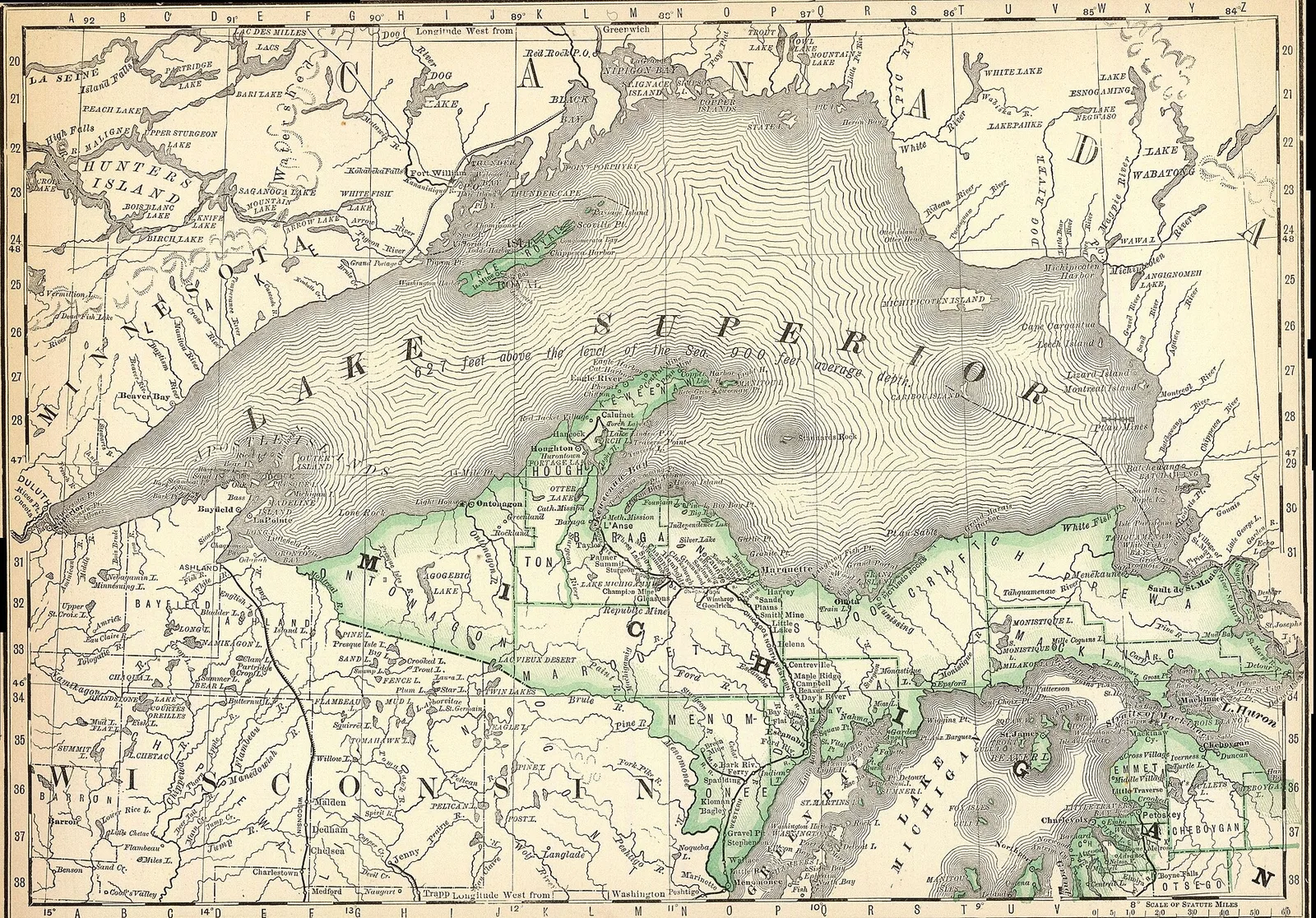
Northern Michigan and Lake Superior — Duluth airbnb marketing
Local Color
Northern Michigan and Lake Superior
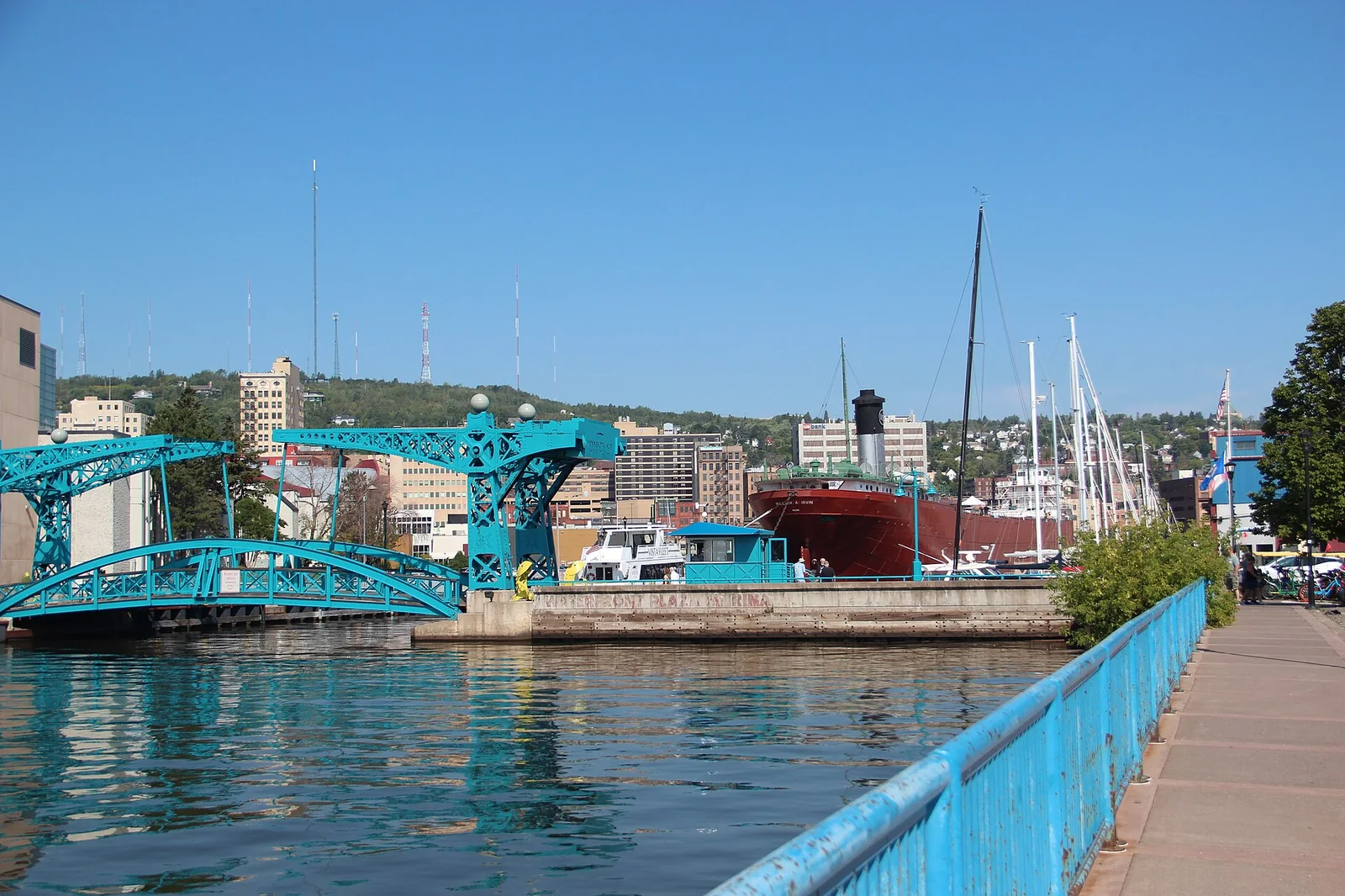
Duluth, Minnesota — Duluth airbnb marketing
Local Color
Duluth, Minnesota
Park Point, Duluth, Minnesota4 — Duluth airbnb marketing
Local Color
Park Point, Duluth, Minnesota4
Why Cavmir

The Cavmir Advantage
in Duluth

Cavmir wins in Duluth because scarcity rewards professionalism twice. A licensed vacation dwelling unit here competes against a capped field — out-marketing a fixed set of neighbors is the cleanest assignment in this portfolio — and the license itself is a selling point we make visible, because the cautious family wants the legal listing. We price the published calendar: Grandma's weekend, leaf-season Saturdays, Bentleyville's five weeks, Beargrease. We shoot the lake in its moods — a laker under the lift bridge at sunrise, the gales throwing spray over the piers in November, the North Shore in October — and we write the specifics that convert here: walk time to Canal Park, whether the car matters, what the lake does to summer temperatures. For owners the cap locked out, we build the furnished-monthly product the hospital corridor actually needs. And for the inns and small hotels that anchor this harbor, we run full direct-booking programs against the OTA machine. We help position and market your property. We never manage it or touch your keys.

State of the Industry · History

The Duluth STR Market — Past & Present

Duluth sits where the Anishinaabe portaged canoes across a sandbar — Onigamiinsing, "the little portage" — at the westernmost point of the largest freshwater lake on Earth, and it is named for a French explorer, Daniel Greysolon, Sieur du Lhut, who arrived in 1679. The city itself was a speculation that finally paid: railroad money touched it in 1869 and the young town boomed so extravagantly that its boosters called it the Zenith City of the Unsalted Seas, a Kentucky congressman made it nationally famous by mocking it for an hour on the House floor, and in 1871 Duluth dug its own ship canal through Minnesota Point — by civic legend, racing a court injunction sought by its rival across the bay. The canal made the harbor, the Mesabi Range's iron ore made the fortune, and by the turn of the century Duluth's shipping tonnage rivaled the great ocean ports, its hillside stacking up mansions like Glensheen, the 39-room Congdon estate finished in 1908. The Aerial Bridge went up over the canal in 1905 — a transfer bridge that ferried a gondola across the channel, one of the only such structures ever built in America — and was converted in 1929-30 into the Aerial Lift Bridge, whose rising deck remains the city's clock, bell and signature.

The ore economy thinned after mid-century and Duluth reinvented itself as the North Shore's front door. Grandma's Marathon began in 1977 with a field of 150 runners and a saloon as title sponsor and grew into one of America's classic road races, filling the third weekend of June from Two Harbors to the finish in Canal Park — a warehouse district reborn into the tourist quarter through the 1980s and '90s, with the Lakewalk stitched along the shore. Bentleyville, a backyard light display that outgrew its yard, moved to Bayfront Festival Park in 2009 and became the region's holiday institution, running from late November through the day after Christmas. The craft-brewing wave colonized Lincoln Park, the outdoor economy claimed the hillside trails, and Bob Dylan's birthplace on the hillside became a pilgrimage stop. When the platform era arrived, Duluth answered with the most deliberate rulebook in the Upper Midwest: licensing for vacation rentals, a citywide cap of 110 whole-home licenses outside its form districts, an eligibility drawing when demand outran supply, and — in November 2025 — a moratorium on new licenses while the city rethinks the regime. The harbor town that dug its own canal has never been shy about deciding what it lets in.

Pricing Strategy & Seasonality

Pricing, Seasonality & When to Capture ROI

Pricing Strategy

The rate map runs on the lake and the license. Canal Park, downtown and the form districts are the premium pocket — walk-to-Lakewalk condos and converted units where licenses sit outside the citywide cap and the harbor's hotel-style demand lands first. The east hillside and Congdon carry classic Duluth houses with lake views at strong rates; Park Point is its own product, beach houses on the sandbar that price like lakefront because they are; Lincoln Park rides the craft-district energy at accessible entry costs; and up the North Shore corridor toward Two Harbors, cabins and shore homes trade Duluth's walkability for Superior's edge — under township and county rules of their own. Blended nightly rates run around $275 at occupancy near 51% across roughly 770 area listings — the highest ADR of any Midwest market we cover, which is what a license cap does to a market where demand keeps arriving. The unlicensed alternative is the 30-day-plus furnished market, which the hospital systems, the university and the relocation trade keep honestly busy at steadier, quieter money.

Seasonality & ROI Windows

Duluth runs the fullest four-season calendar in the Upper Midwest. Summer is the core — harbor tourism, Park Point beach days, weddings and the North Shore road trip — opened by Grandma's Marathon in June, the single biggest weekend of the year. Fall is the second peak: leaf season pours down Highway 61 through late September and early October, and Hawk Ridge's raptor migration gives it a birding audience. Bentleyville's lights carry late November through Christmas — a holiday floor most northern cities envy — and deep winter has real bones: the Beargrease sled-dog race in late January, ski weekends, and the storm-watching trade that books a gale on purpose. March and April are the honest trough, and the smart calendar prices them that way.

Regulation & Licensing · 2026

What the Law Requires in Duluth

Duluth runs the most deliberate short-term-rental regime in the Upper Midwest, and its details decide what a property here can legally be — so verify the current rules with city planning and your attorney before you buy anything, because the framework is actively under revision. The structure: Duluth licenses short-term rentals in categories, with the pivotal one being the vacation dwelling unit (VDU) — a whole home rented nightly without the owner present, which requires an interim use permit through the planning process plus an annual license. VDUs are capped at 110 citywide, with a crucial carve-out: properties in the city's form districts — the walkable, mixed-use zones around Canal Park and downtown — sit outside the cap, which is why the city counts 189 active licenses with 93 of them in form districts. Operating rules attach: a maximum of four bedrooms may be rented, occupancy is capped at two per bedroom plus one with an absolute limit of nine, and life-safety, parking and posting requirements come with the license. When demand outran the cap, the city held a drawing in 2024 to order an eligibility list — and in November 2025 the council imposed a moratorium on new short-term-rental licenses for up to a year while it reconsiders the whole approach. Practical translation: as of 2026, you buy a licensed Duluth VDU or you wait in a line that isn't moving.

The rest of the stack is taxes and geography. Short stays owe Minnesota's 6.875% state sales tax, Duluth's local sales taxes (the city's general rate is 1.5%, plus a 0.5% special district levy, for about 8.9% combined sales tax), and the city's 3% lodging excise tax — roughly 12% all-in for a typical rental, with the additional 2.5% lodging tax reserved for establishments over thirty units. Platforms collect much of it; registration and anything uncollected, especially direct bookings, is the owner's job through the state and the city treasurer. Owner-occupied homesharing runs under its own lighter licensing, and stays of 30 days or more fall outside both the lodging tax and the VDU regime entirely — the legal lane for unlicensed properties. North of the city line, the map changes: Two Harbors, the townships and the counties up the shore run their own permitting and taxes, so a "Duluth" cabin twenty minutes up Highway 61 answers to a different government. The direction of travel here is unmistakable — capped, licensed, inspected — and it has made the existing license one of the most valuable pieces of paper in Minnesota lodging.

Market-Specific Tips & Challenges

Local Tips & Unique Market Challenges

Tips That Actually Move Revenue in Duluth

The Duluth strategic tip: the license is the moat — buy it, keep it, and market like the fenced asset it is. A licensed VDU here competes against a capped field with a moratorium at its back, which is the cleanest competitive assignment in this portfolio: out-market a fixed set of neighbors while the city holds the door shut behind you. Renew flawlessly, operate quietly, and make the license visible in the listing — in a town that enforces its cap, demonstrable legality converts the cautious family and holds its value like waterfront.

Tactically: first, price the published calendar in January — Grandma's weekend, leaf-season Saturdays, Bentleyville's five weeks and Beargrease are dated demand, and the marathon alone books the shore months ahead. Second, shoot the lake in its moods: a laker under the lift bridge at sunrise, fog swallowing the bridge's steel span, October color on the hillside, spray over the piers in a November gale — Superior is the product and most listings show a sofa instead. Third, sell the seasons honestly: summer copy for families, storm-watching copy for November (the gales are a genuine draw, not a liability, for the guest who wants a fireplace and a furious lake), and Bentleyville logistics — parking, shuttle, mittens — for December. Fourth, answer the northern questions before they're asked: air conditioning (the lake usually is one), winter parking and plowing, how the hillside streets behave in January — operational honesty is conversion copy in a city with real weather. Fifth, if the cap locked you out, build the monthly product properly: the hospital systems and university generate steady furnished-stay demand, and a listing configured for a twelve-week clinician beats an empty house waiting on a list that isn't moving.

Unique Duluth Challenges

The constraints are the point: the cap and moratorium mean the nightly lane is closed to new entrants without an existing license, and buying one wrong — a house whose license doesn't transfer, a parcel outside the form district misread as inside — is the expensive mistake here, so verify with the city before closing. Winter is long and operational: plowing, freeze risk, and a demand floor that needs deliberate marketing. The lake complicates insurance on Park Point and the shore, older hillside housing carries its age, and the four-bedroom and nine-guest limits shape which properties make sense. This market rewards precision.

A Curious Duluth Fact
Duluth's harbor exists because the city out-dug a court order — or so the town has told it since 1871, when Duluth cut its own ship canal through Minnesota Point while its rival, Superior, Wisconsin, sought an injunction to stop it; by the time the paperwork mattered, the water was already flowing. The sandbar the canal pierced, Park Point, is commonly called the longest freshwater baymouth sandbar in the world — seven miles of beach on a lake that behaves like an ocean — and the bridge that leaps the canal began life in 1905 as an aerial transfer bridge, ferrying a hanging gondola of passengers and wagons across the channel, one of the only structures of its kind ever built in America. Converted to a lift bridge in 1930, it now rises for the thousand-footers on a schedule the whole town checks like weather — in a city 2,300 miles from the Atlantic that is, technically, a seaport.
Finance Essentials — Duluth
🛡️

Insurance

Duluth underwriting answers to the lake and the winter. Park Point and shore properties carry genuine wind, wave and erosion questions — Superior's gales are a marketing asset and an underwriting line item at once — while the hillside stock brings age, wiring and foundation realities, and every property carries freeze-and-pipe risk through months of hard cold, so documented winterization or year-round monitoring moves premiums. Short-term-rental operations need proper STR or landlord coverage rather than homeowner's policies, with liability limits sized for licensed occupancy; wood stoves, saunas and lake access add their standard lines. The furnished-monthly lane wants landlord coverage with tenant-style terms. Use a Minnesota broker who writes North Shore property routinely, and settle the winter-vacancy protocol with the carrier before the first freeze, not after.

🧾

Property & Income Tax

Short stays owe Minnesota's 6.875% state sales tax plus Duluth's local sales taxes — the city's 1.5% general levy and a 0.5% special district rate, about 8.9% combined — and the city's 3% lodging excise tax, for a stack of roughly 12% on a typical rental; the additional 2.5% lodging tax applies only to establishments over thirty units. Platforms collect much of it on their bookings; state registration, the city lodging filings and anything uncollected — especially direct bookings — remain yours. Stays of 30 days or more fall outside the lodging tax and the licensing regime alike, the monthly lane's double advantage. Up the shore, townships and counties levy their own stacks. Rental income then faces federal and Minnesota income tax. Treat these as planning figures and confirm the current rates and filings with your accountant.

🏦

Mortgages & Financing

Duluth financing has one question no lender form asks: does the license convey? A VDU license is non-transferable machinery bolted to a regulatory process, and underwriting nightly income on a house whose permission to earn it may not survive the sale is the market's signature mistake — verify transferability and the interim use permit's status with the city before the offer, and expect DSCR lenders to want the license documentation in the file. Licensed, documented properties underwrite well on their event-season history; unlicensed houses must be underwritten on monthly-rental or second-home terms, never on nightly projections the moratorium forbids. Park Point and shore properties bring appraisal scarcity and insurance questions into the file; hillside stock brings inspection findings. Entry prices remain reasonable by scarcity-market standards, which is the opportunity. A Duluth lender who knows the license map is worth more than any rate sheet.

Future Outlook · 2027 & Beyond

Where Duluth is Headed Next

Duluth's future is the fenced-asset pattern at its purest: a license cap, a stalled waitlist, a moratorium, and a demand calendar that keeps compounding — Grandma's fills its field every year, Bentleyville grows, the North Shore's profile rises with every travel cycle, and the climate century is quietly kind to a cool city on infinite fresh water. Watch the moratorium's outcome: the city is rewriting its regime, and whether the cap loosens, tightens or holds will set this market's next decade — though every scenario keeps the existing licensed operator advantaged. Watch, too, the monthly lane, which the hospital expansion and university keep deepening. The durable play into 2027 and beyond is a licensed property — form district for scale, east hillside or Park Point for character — priced to the published calendar, photographed in the lake's moods, with a direct channel full of returning June runners and December families. On the harbor that dug its own canal, the paper that lets you operate is the asset; the marketing is how you compound it.

From the Desk of Sofie Sinag

Why We Love Marketing in Duluth

Duluth is the purest scarcity market in the Midwest, and scarcity is where marketing craft pays double. The city capped its whole-home licenses, the waitlist stalled, and a 2025 moratorium closed the door — which means a licensed Duluth rental competes against a fixed, findable set of neighbors, and every improvement in photography, pricing and copy converts directly into share instead of dissolving into an ever-growing listing pool. Out-marketing a capped field is the cleanest assignment in this portfolio, and we relish it.

We also love that the product here is weather in every register. Superior is the lake that behaves like an ocean: glassy and swimmable for a July afternoon, gold and violent in a November gale, frozen into sculpture by February — and Duluth has built a season around each mood, from Grandma's Marathon down the shore in June to Bentleyville's lights on the bayfront to storm-watchers who book the gales on purpose. Most northern cities apologize for their winters; Duluth sells its own weather, and the listings that do the same — fireplace copy for the gales, mitten logistics for Bentleyville, honest answers about the hillside in January — run four-season businesses on a lake most owners rent for ten weeks. That's our kind of honesty, in our kind of landscape.

Why It Matters

A great property in Duluth doesn't just want a listing — it wants a point of view, an audience, and a brand the city itself would recognise.

Cavmir's Duluth Cheat Sheet

The Picks We Recommend for Your Welcome Book

A few honest, insider picks for Duluth — the kind of specifics that make a listing read like a local wrote it, because one did. Real places, no filler.

Morning

The Canal Park piers at ship time

Check the shipping schedule the night before, take coffee to the piers, and watch a thousand-footer slide under the lift bridge close enough to read the hull — the bridge rising, the horn exchange echoing off the hillside. It's the city's signature ritual and it's free.

Golden Hour

Enger Tower

The stone observation tower on the hillside reads the whole geography at dusk — the harbor, the sandbar, the bridge, and Superior running to the horizon like a sea. It's the photograph that explains Duluth in one frame, five minutes from downtown.

Neighborhood Walk

The Lincoln Park Craft District

The old west-side commercial strip reborn: breweries, a cider house, makers' shops and bakeries in brick storefronts along Superior Street. It's where locals actually go, and the after-hike stop that turns a North Shore day into a Duluth evening.

Dinner That Photographs

New Scenic Café

Twenty minutes up the old shore road, a celebrated little dining room between the birches and the lake — seasonal plates, water going gold through the windows. It's the anniversary dinner of the North Shore and the reservation to book the day dates are set.

Local Obsession

Boat-watching, taken seriously

Duluthians track laker schedules the way other cities track box scores — names, tonnage, which fleet, when she's due under the bridge. Guests catch the fever in a day. A listing that links the shipping schedule and names the bridge's horn ritual reads instantly native.

Shoulder Season Secret

The gales of November

When the big storms run, waves detonate over the piers and the ice-fog rolls the shore — and a certain guest books it on purpose: fireplace, blanket, front-row seat to freshwater fury. Storm-watching season is a real product on this lake; market it instead of apologizing for it.

Weekend Escape

Split Rock Lighthouse and the state parks

The North Shore's greatest hits run up Highway 61: Gooseberry's falls, Split Rock's cliff-top light — built after the terrible storm of 1905 — and Tettegouche's shoreline. It's the day trip every Duluth stay should include, and fall color turns it into the year's best drive.

What Guests Ask For

The license and the lake-effect answers

The recurring questions: is this a licensed rental (the cautious family checks in this town), does it have air conditioning (the lake usually is one — say so), and how winter parking works on the hillside. Answer all three plainly and the inquiries turn into bookings.

Local Work · Composite Case Vignettes

What Cavmir Has Done for Duluth Properties

A few composite engagements drawn from how Cavmir typically works in this market. The details are illustrative and consistent with Duluth, not pulled from a single named client.

Licensed condo · Canal Park form district
The Brief

A form-district condo steps from the Lakewalk held the market's most valuable asset — a license outside the cap — and marketed it nowhere, running generic waterfront copy, noon photography and flat pricing through Grandma's weekend and Bentleyville alike.

What We Did

Cavmir made the license the lead — legality stated plainly for the cautious booker — priced the published calendar from the marathon through the lights season, reshot the unit at ship time with the bridge and harbor forward, and built a direct page for the returning June runners.

The Result

Grandma's weekend booked out at market rates the moment the field filled, Bentleyville's five weeks became a second season, and the returning runners moved onto the direct channel — rebooking the same race weekend annually before the platforms opened.

East hillside house · locked out by the cap
The Brief

New owners bought a handsome Congdon-area house assuming a vacation-rental license would follow, then met the cap, the stalled waitlist and the moratorium — a nightly business plan dead on arrival, with a mortgage underwritten on income the city wouldn't permit.

What We Did

Cavmir rebuilt the plan around the legal lane: a premium furnished-monthly product aimed at the hospital systems and university — real desks, garage, plowing handled — with hospital drive times in the first line, its own direct page, and photography that sold the lake-view winter mornings honestly.

The Result

The house filled with consecutive medical and academic stays at steadier income than the forbidden nightly model would have produced, outside the lodging tax entirely, and the owners kept a clean record in a city that checks — positioned first if the moratorium ever lifts.

Shore cabin · North Shore gateway
The Brief

A cedar cabin up the old shore road — outside Duluth's cap, under township rules — leaned on summer alone: no leaf-season strategy, no winter product, and copy that never mentioned the lighthouse, the state parks or the lake at the foot of the yard.

What We Did

Cavmir verified and documented the township permitting, rebuilt the copy around the North Shore itinerary — Split Rock, Gooseberry, the scenic road's cafés — added storm-watching and fireplace winter positioning with photography of the lake in all its moods, and priced leaf season like the peak it is.

The Result

October Saturdays booked out at rates summer had never reached, the storm-watching winter found its audience of blanket-and-gale romantics, and the cabin ran a genuine four-season calendar in a market its old listing had treated as a ten-week business.

Market Intelligence · Seasonality

Airbnb seasonality in Duluth, month by month

Demand in Duluth peaks around June through August and runs quietest around January through April. Here is how the year actually books — and what to do about each stretch of the calendar.

Peak demandSteadyQuiet

Peak season

Summer on the lake is the main event. June through August fills with North Shore road-trippers, Canal Park strollers and lake-view seekers, and Grandma's Marathon weekend in mid-June is the single tightest calendar of the year — runners and their families book out the region. Have summer photography and pricing set by early spring, and treat marathon weekend as its own market with its own minimums.

The shoulders

September and October may be the best-kept secret in your calendar: fall color along Highway 61 pulls heavy weekend traffic through town, and the first Gales of November storms turn lake-facing rooms into a destination of their own. Market storm season honestly — fireplace lit, waves on the break wall — and shoulder weekends will outperform their reputation.

The quiet stretch

Deep winter runs quiet outside event weekends, though Bentleyville stretches holiday-light traffic from late November through the end of December and the Beargrease sled dog race gives late January a distinctive bump. Lean on longer stays and ski-and-sauna winter angles, and use the slow weeks for the photography refresh next summer's guests will book from.

Dates that fill first

Grandma's MarathonJune
The region's biggest weekend — tens of thousands of runners and supporters book out Duluth and the North Shore, many rebooking the same stay annually. Price it early and expect multi-night minimums to hold.
Bentleyville Tour of Lightslate November through December
America's largest free walk-through light display keeps family traffic coming to Bayfront all season — a real winter bump worth pricing for, especially weekends.
Gales of November storm seasonlate October through November
Storm-watchers come specifically to see Lake Superior throw waves over the break wall; lake-view listings with a fireplace should market directly to them.
John Beargrease Sled Dog Marathonlate January
The premier long-distance sled dog race in the lower forty-eight starts in Duluth and draws mushers, handlers and fans into an otherwise quiet stretch.
Market Intelligence · Guests

Who books Duluth Airbnbs — and how far ahead

Marathon runners and their crews
They book far ahead, keep early hours and come back yearly. Quiet bedrooms, good coffee and a practical pre-race breakfast setup earn loyalty and reviews.
North Shore road-trippers
Duluth is the gateway to Highway 61, the state parks and the lighthouses. They want parking, gear space and local route advice more than luxury.
Twin Cities weekenders
The dominant year-round base — couples and families a straight shot up the interstate, often booking on short notice. Lake views and hot tubs convert them.
Bentleyville and holiday families
Evening-out family trips from across the region through December. Warm, kid-ready places near Bayfront and Canal Park win these.
Storm watchers and cozy-season couples
A genuinely local phenomenon: guests who book for the weather most markets apologize for. Fireplaces, saunas and a window on the lake are the product.

The booking window

Grandma's Marathon books furthest ahead — regulars secure their stay the better part of a year out. Summer weekends fill one to three months ahead, fall color weekends closer in, and the Twin Cities base books everything else on days-to-weeks notice. Keep pricing sharp for the short-fuse weekend market all year.

Typical stays

Twin Cities weekenders set the rhythm with two-night stays, summer road-trippers stretch to three or four as they work up the shore, and marathon weekend runs on multi-night blocks. Winter stays are shorter and event-driven, with a slow but real long-stay segment around the university and the hospitals.

Where guests drive from

Minneapolis-St. PaulFargoMadisonMilwaukee

Where guests fly from

ChicagoDenverDallas
The Twin Cities are the market — a straight shot up the interstate that supplies most weekends — with Fargo, Madison and Milwaukee filling in. Fly-in guests mostly land at Minneapolis-St. Paul and drive up, with some direct service into Duluth from Chicago. Aim your advertising at the Twin Cities first and everything else second.
Market Intelligence · What Wins

The Airbnb that wins in Duluth

The Duluth winner is a lake-view place — a Park Point cottage, a hillside house above the harbor or a Canal Park-adjacent condo where guests can see water from bed. The view is the product, and the second photo should prove it. Away from the water, East End and Lakeside homes win on charm, saunas and proximity to the trails, while larger houses clean up on marathon and reunion weekends.

Amenities that move bookings here

lake viewfireplace or wood stovesauna or hot tubgarage or plug-in winter parkingfull kitchenfast wifipet friendly
If you do one thing, sell the water: reshoot your hero photo so Lake Superior is unmistakably in it, whatever the season. A moody November shot with the fireplace lit will outconvert a sunny generic interior in this market.
Straight Answers

Duluth Airbnb marketing questions, answered

How do I market my Airbnb in Duluth?

Start with the lake — photography that proves your view or your five-minute walk to it, and listing copy that names what guests come for: Canal Park, the Lakewalk, Highway 61 and the marathon. Price by event and season rather than flat rates, because a June Saturday and a January Tuesday are different products. A Google Business Profile gets you into the map searches Twin Cities travelers run, and a direct-booking site captures the repeat guests this market produces — marathon regulars and annual North Shore families. That's the stack Cavmir builds for Duluth hosts.

When is peak season for Duluth Airbnbs?

June through August is peak, with Grandma's Marathon in mid-June as the single tightest weekend of the year. September and October stay strong on fall color and the start of storm-watching season, and Bentleyville gives December a family-traffic bump most winter markets would envy. Deep winter weekdays are the quiet stretch.

How far in advance do guests book Duluth Airbnbs?

Marathon weekend books the better part of a year ahead, and summer weekends fill one to three months out. The Twin Cities base works on a much shorter fuse — days to a couple of weeks — which keeps last-minute demand alive year-round. Have summer priced by early spring and stay responsive the rest of the time.

Where do most Duluth Airbnb guests come from?

Minneapolis-St. Paul dominates, close enough for spontaneous weekends and far enough to justify the overnight. Fargo, Madison and Milwaukee round out the drive market, and fly-in visitors typically land at Minneapolis-St. Paul and drive up the interstate, with some direct flights into Duluth from Chicago. If you advertise anywhere, advertise to the Twin Cities.

What amenities matter most for a Duluth Airbnb?

The lake view leads, and warmth closes: a fireplace or wood stove, a sauna or hot tub, and a garage or plug-in parking that makes January arrivals painless. Gear space matters for hikers, skiers and paddlers moving up the shore, and pet-friendliness widens the Twin Cities weekend audience considerably. Fast wifi keeps shoulder-season remote workers an extra night.

Free Tools · Websites That Book

See what your listing in Duluth is leaving on the table

Run your Airbnb, Vrbo, or website through Cavmir's free grader. It checks the things that decide whether guests book in Duluth — photos, listing copy, page speed, local search — and shows you where bookings leak. Takes about a minute, and there's no sales call attached.

If the report says your booking engine is the weak link, that's fixable: a direct-booking website of your own means repeat guests stop paying platform fees to come back to you. That's the work Cavmir does — see Airbnb website design in Duluth.

What the grader measures

  • Photos and the first-impression frame
  • Listing title and copy
  • Your direct-booking website (or the lack of one)
  • Page speed and mobile experience
  • Local search and Google visibility
Grade My Listing — Free
Ready to Grow in Duluth?

Let's Put Your Duluth
Property on the Map

Talk to Cavmir today. We'll show you exactly what your Duluth property is leaving on the table — and how fast we can change that.

Book a Free Strategy Call