$395
Avg. Nightly Rate
52%
Avg. Occupancy Rate
$4,100
Avg. Monthly Revenue
4-6%
Est. Cash-on-Cash ROI
HIGH
Seasonality
MEDIUM
Regulatory Burden

* Market averages. Properties marketed by Cavmir typically exceed these figures by 25–45%. Data sourced from AirDNA, STR market reports, and Cavmir internal analytics.

The Market

Why Door County is One of the World's Premier STR Markets

Door County is the Midwest's answer to Cape Cod: a 70-mile limestone peninsula between the waters of Green Bay and Lake Michigan, with eleven historic lighthouses, five state parks, villages of white clapboard and cedar shake, cherry orchards by the thousand-acre and a fish-boil tradition that ends in a literal pillar of flame. The county is named for a strait called Death's Door, which tells you how sailors felt about it; visitors have felt otherwise since the steamship era. For rental owners, Wisconsin wrote an unusual promise into state law: Act 59 bars municipalities from prohibiting rentals of seven days or longer, so the classic Door County week-long cottage stay is protected everywhere on the peninsula. Below that line, the rules go town by town — licensing in Sister Bay, Liberty Grove and Gibraltar, occupancy standards, minimum-stay rules — layered under a state tourist rooming house license and the Door County Tourism Zone's 8% room tax. It's a manageable stack, and the real challenge is the calendar: this is one of the most seasonal fine markets in America, and the owners who stretch it win everything.

Door County demand is a Chicago-Milwaukee-Green Bay drive market with generational loyalty — families on their thirtieth consecutive summer are normal here. July and August book the peninsula nearly solid; June and September run strong shoulders; and October has become the second peak, with Sister Bay Fall Fest — the county's biggest weekend — plus fall color and Pumpkin Patch in Egg Harbor. May's cherry and apple blossoms are the prettiest underpriced week of the year, and the cherry harvest itself pulls crowds to the orchards from late July into August. Then winter arrives and the peninsula goes quiet — several villages functionally close — which is exactly why the annual math rewards shoulder-season marketing. Rates run high for the region: Sister Bay listings average in the mid-$400s a night with strong summer occupancy, Sturgeon Bay runs softer near $300-350, and a blended $395 with low-50s annual occupancy is a fair planning picture. The peninsula's resorts and inns — some over a century old — carry the same curve and live on repeat guests.

Top Attractions & Landmarks

  • Peninsula State Park
  • Cave Point County Park
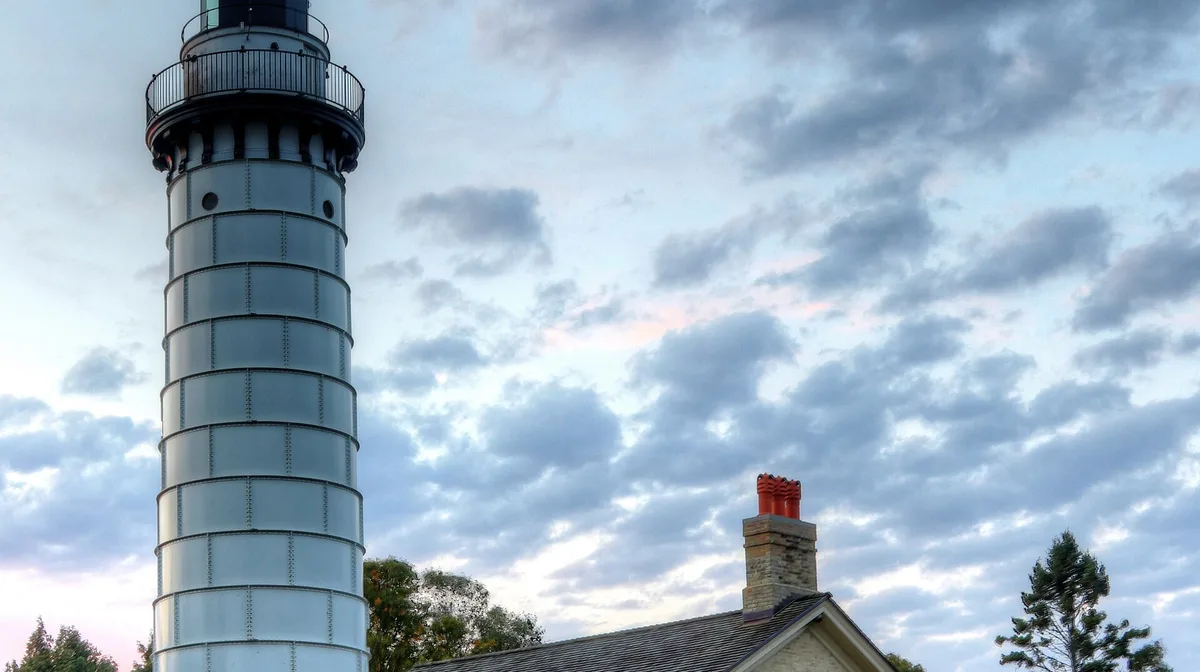
  • Cana Island Lighthouse
  • Whitefish Dunes State Park
  • Washington Island
  • The Ridges Sanctuary
  • Eagle Bluff Lighthouse

Nearby Markets: Wisconsin Dells  |  Lake Geneva  |  Traverse City

Airbnb marketing services in Door County, Wisconsin, USA
Postcards

Door County through the lens

A few of the visual fingerprints we lean into when we shoot, brand and market a Door County property — courtesy of the open Wikimedia Commons archive.

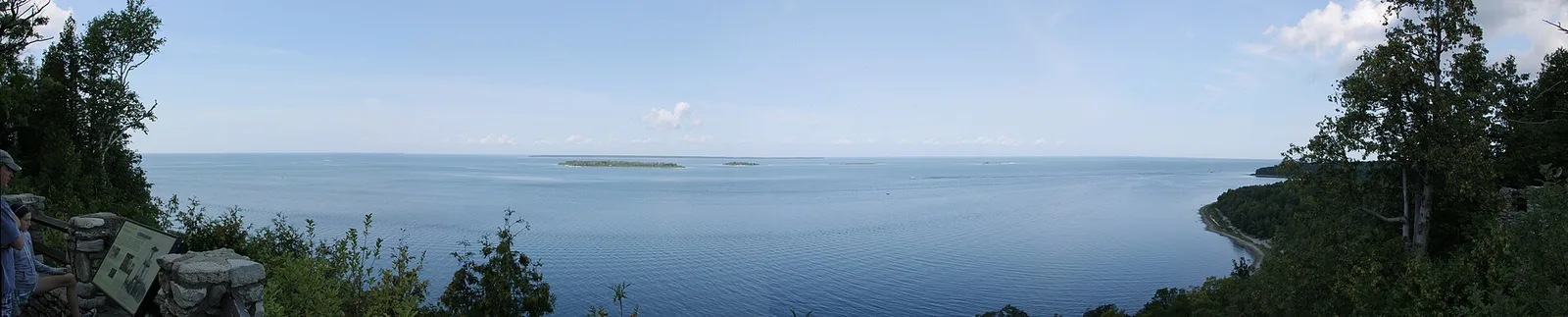
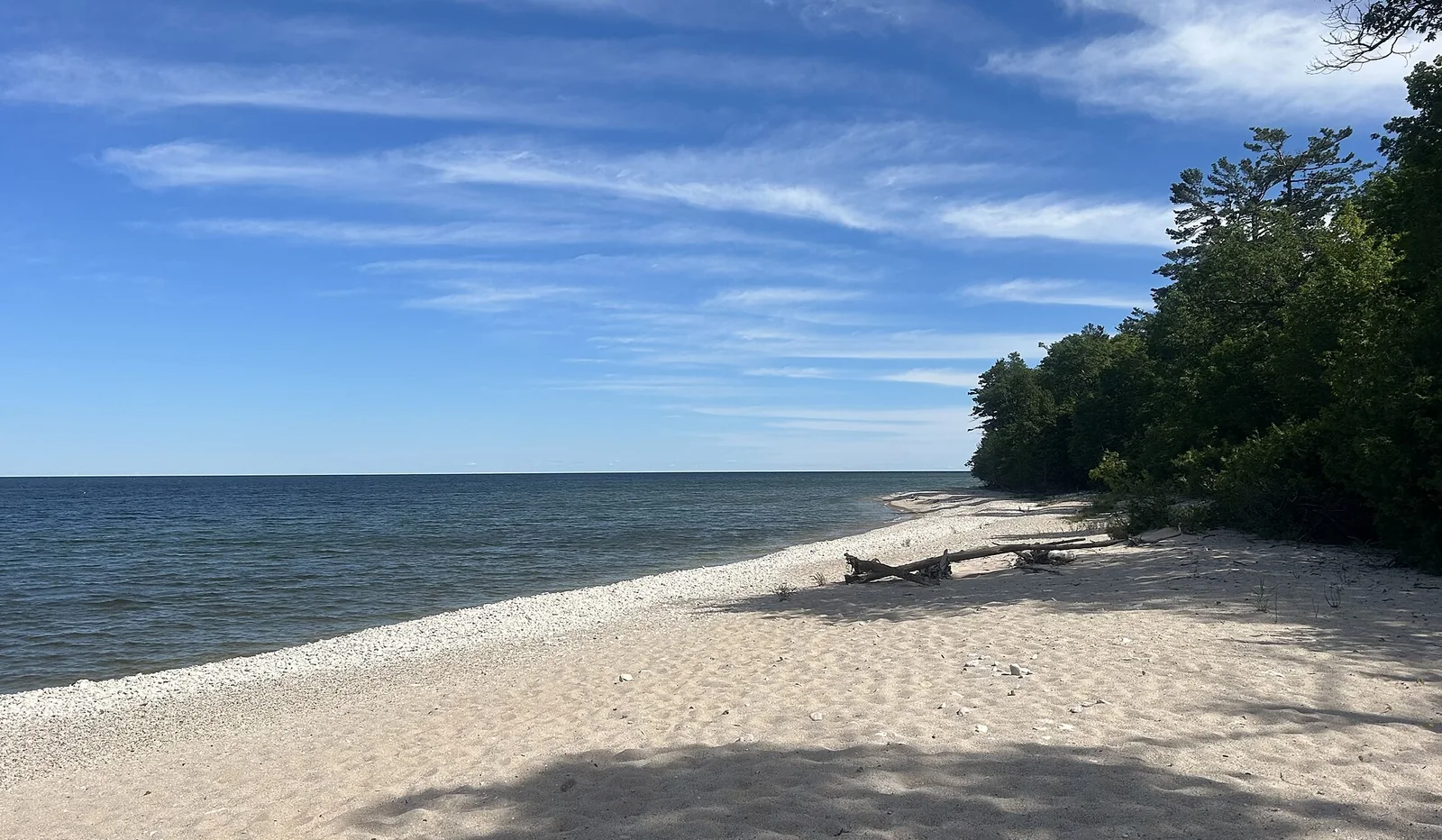
Sven's Bluff Panorama Peninsula State Park, WI — Door County airbnb marketing
Local Color
Sven's Bluff Panorama Peninsula State
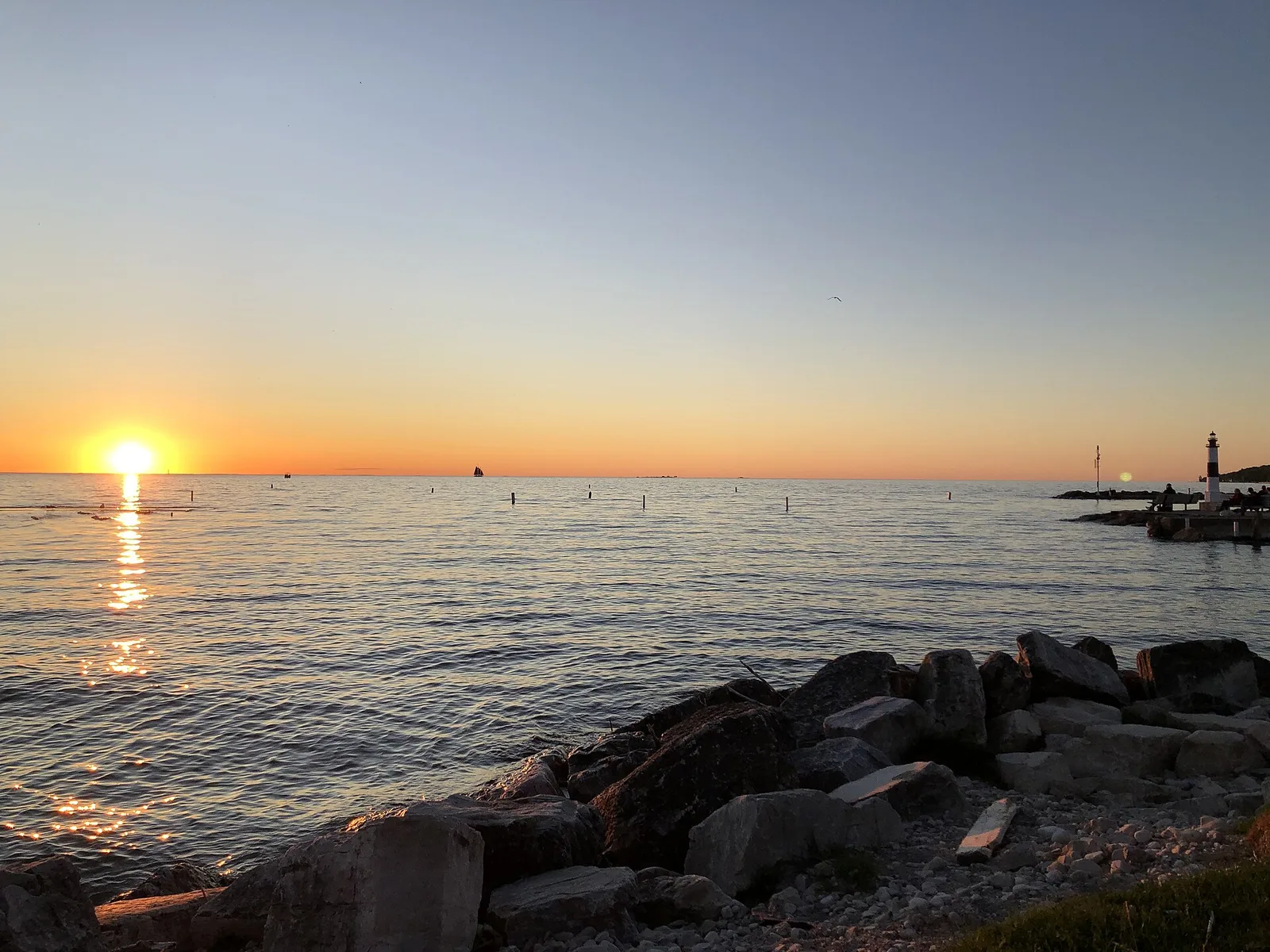
Sister Bay Sunset — Door County airbnb marketing
Local Color
Sister Bay Sunset
Winter Road Shivering Sands, Door Peninsula — Door County airbnb marketing
Local Color
Winter Road Shivering Sands, Door
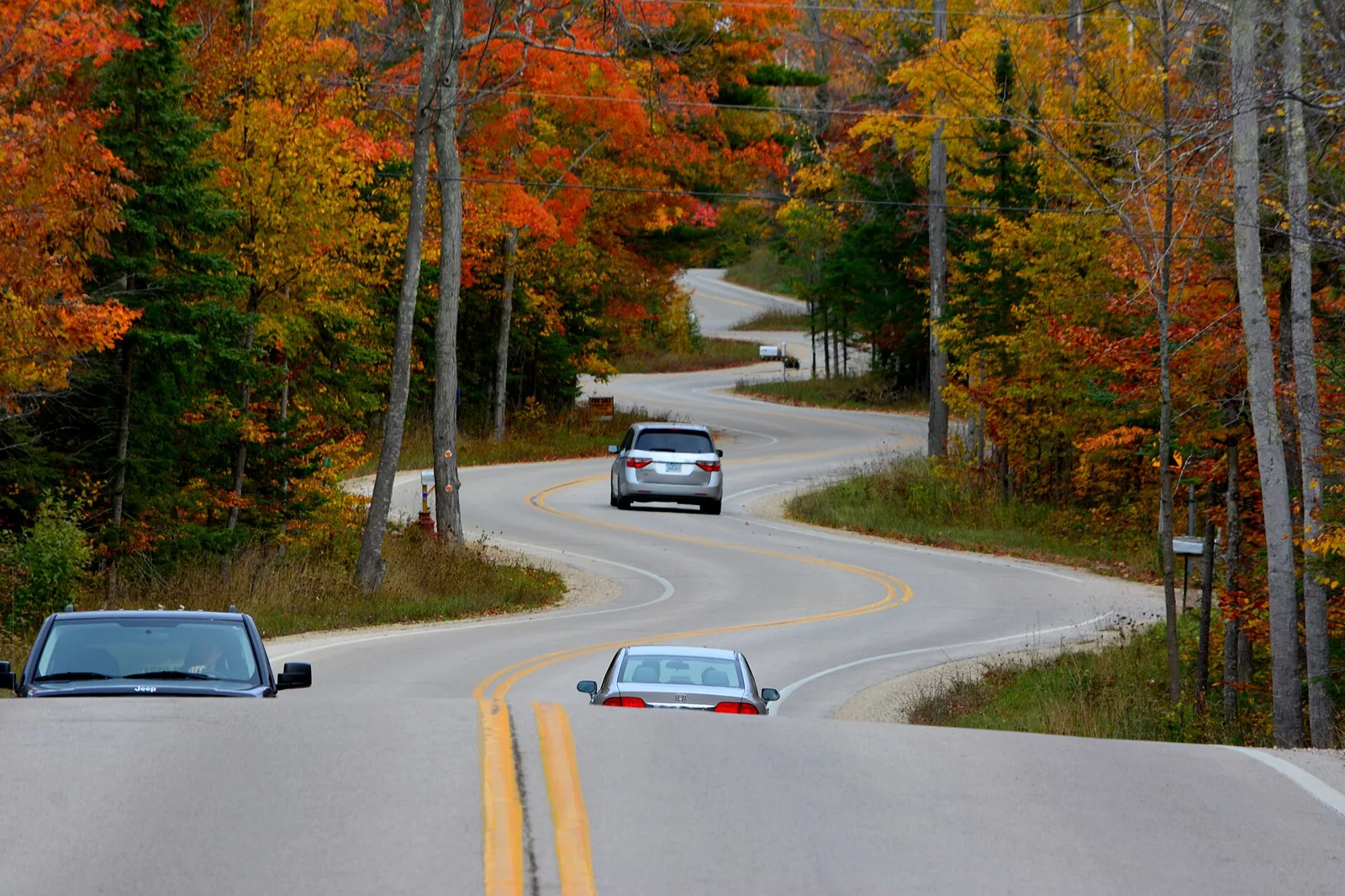
Gill’s Rock on Highway 42 — Door County airbnb marketing
Local Color
Gill’s Rock on Highway
Why Cavmir

The Cavmir Advantage
in Door County

Cavmir wins in Door County because the peninsula's whole economic problem is compressible into one sentence — ten weeks pay for fifty-two — and marketing is the only lever that changes it. We build the four-season story most listings never tell: blossom May, cherry July, Fall Fest October, even the quiet snow weeks for the right cabin. We shoot both shores properly — sunset side and sunrise side are different products and should be sold that way — write copy that knows a fish boil from a fish fry, price the festival calendar a year out, and build direct-booking websites for the cottages, resorts and inns whose guests return annually and should never pay a platform to do it. We help position and market your property. We never manage it or touch your keys.

State of the Industry · History

The Door County STR Market — Past & Present

Door County is named for a death trap. French traders called the strait between the peninsula's tip and Washington Island Porte des Morts — Death's Door — after stories of canoes and, later, schooners lost to its currents and sudden weather; hundreds of ships met trouble in these waters, and the name attached itself to the whole county. The Potawatomi and Ho-Chunk knew the peninsula long before Increase Claflin arrived as its first permanent white settler in 1835. The villages took shape in waves of faith and fishing: Moravian pastor Andreas Iverson founded Ephraim in 1853, Icelandic immigrants made Washington Island one of the oldest Icelandic communities in America, and Scandinavian fishermen worked the whitefish grounds — feeding crews from communal kettles in a tradition that became the fish boil, the county's signature dinner theater of whitefish, potatoes and a kerosene-fed boilover flame.

The orchards came next: by the early twentieth century the peninsula's limestone soil and lake-tempered climate had made it 'Cherryland,' with millions of Montmorency cherry trees at the peak, and names like Seaquist still harvesting today. Tourism grew alongside — steamships from Chicago, Peninsula State Park established in 1909, resorts and cottage colonies that filled every summer, the Peninsula Players staging summer theater since 1935. The rental era arrived on that century-old cottage culture, and Wisconsin settled the legal question in 2017: Act 59 barred municipalities from prohibiting rentals of seven days or longer, protecting the classic Door County week while leaving shorter stays to town-by-town rules. The Door County Tourism Zone knit the municipalities into one room-tax system, villages like Sister Bay and towns like Liberty Grove and Gibraltar added local licensing — one Sister Bay dispute has already reached the courts — and the peninsula counted more than 500 new rentals since 2018, with rental units now outnumbering hotel rooms. The market is bigger than ever; the season is the same ten furious weeks it always was.

Pricing Strategy & Seasonality

Pricing, Seasonality & When to Capture ROI

Pricing Strategy

The rate map follows the shore and the village. Sister Bay and Ephraim are the ceiling — walkable harbor villages where listings average in the mid-$400s a night and waterfront pushes far higher. Fish Creek, at Peninsula State Park's gate, matches them on charm and books on park traffic. Egg Harbor runs strong and slightly softer, Baileys Harbor and the lake side trade sunset-village bustle for quiet water and better value, and Sturgeon Bay — the county's only real town — runs $300-350 with the peninsula's only meaningful year-round economy. Washington Island is its own ferry-dependent market. Blended, the county lands around $395 with annual occupancy in the low 50s — a number that hides the truth: near-sellout summers, strong October weekends, and a winter that rounds to zero for most properties. The spread between a July-only operation and a May-through-October one is the biggest financial fact on the peninsula.

Seasonality & ROI Windows

This is one of America's most seasonal fine markets, and the calendar is the strategy. July and August book nearly solid; June and September run real shoulders; and October has grown into a second peak on fall color, Sister Bay Fall Fest and Pumpkin Patch weekend. May is the underpriced beauty — cherry and apple blossoms against the bay — and the cherry harvest pulls orchard traffic from late July into August. November through April the peninsula exhales: some villages largely close, Sturgeon Bay carries the winter, and the right cabin can sell snow-and-fireplace quiet to a small, loyal audience.

Regulation & Licensing · 2026

What the Law Requires in Door County

Door County's rules stack in three layers — state, tourism zone and town — and none of them prohibit a well-run rental, so read this as a checklist and confirm the details with your town, the Zone and your attorney. The state layer: Wisconsin's Act 59 (2017) bars municipalities from prohibiting rentals of seven consecutive days or longer — the classic Door County week is protected everywhere — while rentals shorter than seven days can be restricted town by town, and municipalities may license rentals and, for stays between 7 and 29 days, may cap total rental days at no fewer than 180 a year. Operationally, most rentals need Wisconsin's tourist rooming house license (required once you rent more than 10 nights a year; it covers up to four units, five or more crossing into hotel licensing) plus a state seller's permit for sales tax.

The money layer runs through the Door County Tourism Zone Commission: every rental needs a Zone permit, and short stays carry the Zone's 8% room tax (as of 2025) filed monthly, on top of the 5% state and 0.5% county sales taxes — platforms collect some of it, but the permit and filings are yours. The town layer is where diligence pays: Sister Bay adopted its own ordinance with bedroom and occupancy limits that has already been litigated; Liberty Grove and Gibraltar run their own licenses and standards; minimum-stay customs differ between villages; and rural parcels add septic and well capacity questions that effectively cap occupancy. Nothing here is exotic, but the patchwork is real — verify your specific town's ordinance and your parcel's sanitary capacity before you buy or list.

Market-Specific Tips & Challenges

Local Tips & Unique Market Challenges

Tips That Actually Move Revenue in Door County

The Door County strategic tip: stretch the season — the whole game is turning a ten-week business into a seven-month one. Every operator gets July; the money that separates portfolios is made in May, June, September and October, and the peninsula hands you the tools: blossoms, festivals, harvest, color. The owner who markets four seasons on a one-season peninsula buys occupancy no pricing tool can create.

Tactically: first, build the four-calendar photo library — blossom shots in May, cherry buckets in July, the Fall Fest street in October, and one honest winter-fireplace set — because each unlocks a season the standard July gallery can't sell. Second, sell your shore honestly: the bay side owns the sunsets and the village bustle, the lake side owns sunrises, Cave Point drama and quiet — they're different products for different guests, and the listing should pick its lane proudly. Third, price the festival map a year out: Fall Fest sells out the northern villages, Fyr Bal opens the summer, and Cherry Fest and Pumpkin Patch are published dates. Fourth, run the concierge play — fish boil reservations (and the boilover explained), orchard picking windows, the Washington Island ferry, lighthouse days — because Door County trips are itinerary trips and the listing that plans one wins it. Fifth, build the generational direct channel: families here return for decades, book next year on this year's porch, and every one of them moved to your own booking site is a commission saved and a relationship owned — this may be the single best repeat-guest market in the country for it.

Unique Door County Challenges

The constraints: a winter that rounds to zero for most of the peninsula, a town-by-town rulebook that punishes assumptions, seven-day customs that limit weekend-break flexibility in places, septic capacity quietly capping occupancy on rural parcels, and a ferry between Washington Island owners and their guests. Supply has grown by hundreds of units since 2018, so the presentation bar keeps rising. The season is short; the discipline can't be.

A Curious Door County Fact
The county is named after a strait that sailors feared to cross. Porte des Morts — Death's Door — the passage between the peninsula's tip and Washington Island, wrecked so many vessels that the name spread from the water to the land itself, making this possibly the only major American vacation destination named for a maritime death trap. Today the strait is a ferry ride, and it delivers guests to Schoolhouse Beach, one of the rare beaches on Earth made entirely of smooth white limestone pebbles — so rare the town posts a fine for pocketing even one stone. The deadly door became a front door, and the county built a century of gentle summers behind it.
Finance Essentials — Door County
🛡️

Insurance

Door County underwriting is cottage-country classic: seasonal-occupancy gaps raise frozen-pipe and unattended-property questions, wood stoves and fireplaces need disclosure, and much of the housing stock is older cedar construction that carriers ask about. Waterfront parcels add erosion and high-water questions — the record lake levels of recent years got underwriters' attention — and rural properties bring septic and liability considerations that scale with guest counts. Short-term rentals need proper STR or landlord coverage rather than homeowner's policies, and some municipal licenses ask for proof. Use a Wisconsin broker who writes lake-country recreational property routinely.

🧾

Property & Income Tax

Short stays carry the Door County Tourism Zone's 8% room tax (as of 2025), filed monthly through the Zone, plus Wisconsin's 5% sales tax and the 0.5% county sales tax — a combined load around 13.5%. Platforms collect and remit part of this on their bookings; the Zone permit, the filings and anything the platforms miss are yours, and the Zone reconciles actively. Monthly and longer stays generally sit outside the room tax. Wisconsin then taxes the income at state rates. The stack is simple by resort standards — the discipline is the monthly cadence. Confirm your filings with the Zone and your accountant.

🏦

Mortgages & Financing

Peninsula financing runs on second-home and investment lending, with a seasonal twist: lenders underwriting DSCR files here need the annualized story told honestly, because a Door County property earns its year in five months and a naive monthly model breaks. Older cottages bring appraisal and insurability questions — foundations, heating, septic — and waterfront premiums put the top of the market in jumbo territory. The classic local mistake is buying on July numbers and discovering November; the classic local win is buying a four-season-capable property — winterized, fireplace, close to a village that stays open — and marketing it that way. A lender who has closed Door County seasonals will price it right.

Future Outlook · 2027 & Beyond

Where Door County is Headed Next

Door County's future is a longer season on protected footings. Act 59 shields the week-long rental everywhere, and while towns will keep tuning occupancy limits and licenses — Sister Bay's litigation shows the edges being tested — outright prohibition is off the table by state law. Demand keeps deepening as Chicago and Milwaukee money looks north and the national press keeps discovering the peninsula, and the calendar keeps stretching: October is now a real second season, May is being marketed at last, and winter remains the open frontier for the right properties. Watch the Tourism Zone's rates, your own town's ordinance cycle, and septic-capacity rules on rural parcels. The durable play into 2027 and beyond: a four-season photo library, festival-priced weekends, honest shore-side positioning and a direct channel full of families on their umpteenth annual week. On a peninsula this loyal, the operator who owns the relationship owns the future.

From the Desk of Sofie Sinag

Why We Love Marketing in Door County

Door County is proof that scarcity of season can be as powerful as scarcity of supply. The peninsula gives its owners ten furious weeks, then dares them to build a business around the other forty-two — and the raw material for doing it is everywhere: blossom weeks in May that look like a wedding, cherry buckets in July, a fall festival that sells out entire villages, limestone shores that photograph like the Mediterranean's cold-water cousin. The owners who accept the dare run seven-month businesses on a ten-week peninsula. We love markets where the calendar itself is the craft.

We also love the loyalty. Door County may be the most generational repeat market in America — the same families take the same cottage the same week for thirty years, kids grow up and book their own, and the fish boil, the goats on Al Johnson's roof and the ferry across Death's Door work on grandchildren exactly as they worked on grandparents. Loyalty like that is a standing invitation to build direct channels: an email list, a next-year-at-the-porch rebooking habit, a website that knows its guests by name. Most properties here still hand that loyalty to the platforms every single summer. Collecting it instead — politely, beautifully, commission-free — is about the most satisfying assignment in the Midwest.

Why It Matters

A great property in Door County doesn't just want a listing — it wants a point of view, an audience, and a brand the city itself would recognise.

Cavmir's Door County Cheat Sheet

The Picks We Recommend for Your Welcome Book

A few honest, insider picks for Door County — the kind of specifics that make a listing read like a local wrote it, because one did. Real places, no filler.

Morning

Cave Point County Park at sunrise

The lake-side limestone ledges where Lake Michigan booms into underwater caves — at sunrise the light comes straight off the water and the spray goes gold. It's free, it's uncrowded at dawn, and it's the most dramatic photograph on the peninsula. Lake-side listings should claim it by name.

Golden Hour

Anderson Dock, Ephraim

The white historic warehouse on Ephraim's waterfront, painted stem to stern with generations of visiting boats' names, glowing against Eagle Bluff as the sun drops over the water. Ephraim's whole harbor does golden hour beautifully; the dock is the shot that ends up framed.

Neighborhood Walk

Fish Creek's village blocks

The peninsula's most walkable village — galleries, fudge, the beach at the bottom of the hill, and Peninsula State Park's gate at the edge of town. An hour of it explains the Door County formula completely, and 'walk to Fish Creek' carries real booking weight.

Dinner That Photographs

The fish boil at the White Gull Inn

Fish Creek's inn has staged the peninsula's signature dinner since the nineteenth century: whitefish and potatoes in an iron kettle over open fire, finished with a kerosene boilover that sends flames higher than the boilmaster. It's dinner and theater in one frame — tell guests to book ahead and have cameras ready for the boilover.

Local Obsession

The goats on Al Johnson's roof

Sister Bay's Swedish restaurant has grazed goats on its sod roof since 1973, and the goats — with their own webcam and their own following — are the peninsula's unofficial mascots. Swedish pancakes with lingonberries below, livestock above. Guests will hear about it anyway; the listing that mentions it first wins the smile.

Shoulder Season Secret

The Season of Blossoms (May)

For a few weeks in May the peninsula's thousands of cherry and apple trees flower at once, the orchard rows go white against blue water, and rates sit at their spring floor. It's the prettiest the county looks all year and the least it costs — the easiest honest sell on the calendar for any flexible guest.

Weekend Escape

Washington Island across Death's Door

The ferry crosses the strait that named the county and lands on an island with Schoolhouse Beach's white limestone pebbles, a Norwegian-style stave church, lavender fields in July and roads with no hurry in them. It's the add-a-day that turns a cottage week into a story — flag the ferry schedule and the beach's no-souvenirs rule.

What Guests Ask For

Bay side or lake side?

The peninsula's defining question. Bay side: warmer, calmer water, sunset villages, the busy charm. Lake side: sunrise light, cooler air, Cave Point drama, quiet nights. Neither is better; they're different vacations. Answer it in your first paragraph — with drive times to the other side — and inquiries turn into bookings.

Local Work · Composite Case Vignettes

What Cavmir Has Done for Door County Properties

A few composite engagements drawn from how Cavmir typically works in this market. The details are illustrative and consistent with Door County, not pulled from a single named client.

Village cottage · Sister Bay
The Brief

A licensed cottage two blocks off the Sister Bay waterfront — inside one of the peninsula's most regulated villages — was marketed with July phone photos and flat rates, no mention of its license or occupancy compliance, and a calendar that ignored Fall Fest, the county's single biggest weekend, entirely.

What We Did

Cavmir made the compliance story visible and calm, reshot the cottage across the seasons with the walk to the marina documented, rebuilt pricing around Fall Fest, Fyr Bal and the July peak, and launched a direct-booking page pointed at the cottage's returning families.

The Result

Fall Fest and color weekends began booking out months ahead at rates the owner had never charged, the licensed-and-compliant framing converted cautious bookers in a village where guests read the news, and the repeat families moved steadily onto the direct channel.

Lakeside cabin · Baileys Harbor
The Brief

A quiet-side cabin near the Ridges Sanctuary ran ten summer weeks and went dark — no shoulder-season story, no blossom or fall photography, and a listing that apologized for being on the 'wrong' side of the peninsula instead of selling the sunrise.

What We Did

Cavmir repositioned the lake side as the point: sunrise-at-Cave-Point photography, the Ridges and Cana Island written as the naturalist's Door County, a blossom-season set from May, honest fall and quiet-winter positioning for readers and birders, and month-friendly off-season pricing.

The Result

The season stretched from ten weeks toward seven months, May and October began producing real income for the first time, and the cabin found its natural audience — guests who wanted exactly the quiet the old listing had treated as a flaw.

Historic resort · Ephraim
The Brief

A century-old family resort on the Ephraim waterfront — generations of returning guests, a legend of a view — was leaking its own loyalty to the OTAs: a dated website, no email program, and no story told about the history that distinguishes it from every new-build rental on the peninsula.

What We Did

Cavmir rebuilt the brand and direct-booking website around the resort's century of summers and the harbor sunset, reshot the property from the water at golden hour, built an email program keyed to the festival calendar and next-year rebooking, and ran search marketing for Door County resort and Ephraim lodging terms.

The Result

Direct bookings became a durable and growing share of revenue, the generational guest list — decades deep, finally organized — turned into the resort's most reliable channel, and next-summer weeks began rebooking at this summer's checkout, exactly as the peninsula's loyalty deserves.

Market Intelligence · Seasonality

Airbnb seasonality in Door County, month by month

Demand in Door County peaks around July through August and runs quietest around January, February and March. Here is how the year actually books — and what to do about each stretch of the calendar.

Peak demandSteadyQuiet

Peak season

July and August are the heart of it: Chicago and Milwaukee families settle into cottages for week-long stays, the orchards open for cherry picking, and the villages from Egg Harbor to Sister Bay run full. Minimum stays protect your calendar here — the market wants Saturday-to-Saturday weeks, and broken midweek gaps in July are money left on the table. Be photographed, priced and live by March, because the regulars book their summer week before the ice is off the bay.

The shoulders

June arrives with Fyr Bal and the first real weekends; September stays warm and uncrowded; and October is nearly a second peak, with fall color and the big festival weekends — Pumpkin Patch in Egg Harbor, Fall Fest in Sister Bay — selling out lodging across the northern villages. Court couples in the shoulders: they're the ones touring galleries and wineries midweek.

The quiet stretch

From November through March, much of the peninsula goes quiet and plenty of businesses close for the season. The honest strategy is to decide who you are in winter: close up and do your maintenance, or winterize properly and market fireplace weekends to Green Bay, Milwaukee and Chicago couples who want the shore to themselves. Half measures — open but unloved — just collect hard reviews.

Dates that fill first

Fyr Bal FestivalJune
Ephraim welcomes summer the Scandinavian way, with bonfires along Eagle Harbor and a village-wide celebration that fills the northern half of the peninsula. It's the weekend the season truly starts — price it that way.
Cherry-picking seasonmid-July through mid-August
The orchards opening for pick-your-own is a genuine travel driver — families time their trips around it. A note in your guidebook on which orchards to visit converts directly into reviews.
Egg Harbor Pumpkin Patch Festivalearly October
A big family weekend that fills Egg Harbor and spills into every village nearby. October weekends here book like summer Saturdays — hold your rate.
Sister Bay Fall Festmid-October
The peninsula's generations-old fall blowout, complete with a parade and the famous ping pong ball drop. It's the busiest fall weekend of the year and the season's last big earn.
Market Intelligence · Guests

Who books Door County Airbnbs — and how far ahead

Chicago and Milwaukee summer families
The backbone: a week at the cottage, kids on bikes, fish boils and beach afternoons. They compare on water access, kitchens that can feed a crowd, and whether the place feels like the Door County they remember.
Couples on shoulder-season escapes
Galleries, wineries, supper clubs and quiet shorelines in May, June, September and October. A screened porch, a fireplace and a walkable village win them.
Multi-generation reunions
Big houses that sleep the whole family book the earliest of anyone, often claiming the same summer week for next year on the way out the door.
Fall color and festival weekenders
September and October bring short stays aimed at specific weekends. They decide fast once the color reports turn and expect firm but fair pricing.
Boaters, paddlers and anglers
The marinas and launches pull a water-sports crowd all season. Kayak storage, a spot to rinse gear and plain directions to the nearest launch go further than interior upgrades.

The booking window

Summer weeks book remarkably early: returning families often claim next year's week before they leave, and the best waterfront houses are gone by late winter. Fall festival weekends fill by midsummer. Everything else runs shorter, and winter is pure short-fuse. If your July calendar looks empty in April, the problem is the listing, not the market.

Typical stays

Summer runs on week-long stays with Saturday turnovers as the default, and the strongest houses string together consecutive family weeks from late June into August. Shoulder months move to two-and-three-night weekends, and winter — for hosts who stay open — is almost entirely weekend couples.

Where guests drive from

MilwaukeeChicagoMadisonGreen BayAppletonMinneapolis

Where guests fly from

ChicagoMinneapolisAtlanta
This is one of the Midwest's classic drive markets — up I-43 from Milwaukee and Chicago, over from Madison and the Fox Valley — and Chicago is the marketing bullseye. The small fly-in segment lands at Green Bay and rents a car. Aim spring ads at Chicago and Milwaukee families and you're speaking to most of your summer.
Market Intelligence · What Wins

The Airbnb that wins in Door County

Water proximity decides everything: bay-side places sell sunsets over the water, lake-side places sell quiet and morning light, and either beats inland at the same price. The winning property is a classic cottage or shore house with real character — screened porch, stone fireplace, a lawn running toward the water — within a short walk or bike ride of a village like Ephraim, Fish Creek or Sister Bay. New-build sameness is this market's losing hand; Door County guests are buying a memory they already have.

Amenities that move bookings here

water view or easy water accessscreened porchfire pitbikes to borrowkayaks or paddleboardswell-equipped kitchenwasher and dryerfast wifi
If you have any water view at all, your cover photo is a dusk shot over the water, not the living room. Sunset over the bay is the single image this market buys on.
Straight Answers

Door County Airbnb marketing questions, answered

How do I market my Airbnb in Door County?

Show the water and the character first — the dusk shot over the bay, the screened porch, the walk to the village — because Door County guests are buying a feeling they already know. Write the listing for the summer family week, set Saturday-to-Saturday minimums in peak, and price October's festival weekends like the summer Saturdays they are. A Google Business Profile catches trip planners searching the villages by name, and a direct-booking site is unusually powerful here because the same families return every year. That's the stack Cavmir builds for peninsula hosts — in a repeat-guest market, owning the relationship compounds.

When is peak season for Door County Airbnbs?

July and August are peak, running on week-long family stays with cherry season layered on from mid-July through mid-August. October is close behind on the strength of fall color plus the Pumpkin Patch and Fall Fest weekends, and June opens the season with Fyr Bal. From November to April the peninsula largely rests.

How far in advance do guests book Door County Airbnbs?

Further out than almost any market: returning families frequently lock next summer's week before this one ends, and the strongest waterfront houses fill for July by late winter. October's festival weekends go by midsummer. Shoulder and winter weekends book close-in, which is where flexible pricing earns.

Where do most Door County Airbnb guests come from?

Chicago and Milwaukee dominate, with Madison, the Fox Valley and Green Bay close behind and a meaningful Twin Cities contingent making the longer drive. Almost everyone arrives by car; the few fly-ins land at Green Bay. Spring advertising aimed at Chicago and Milwaukee is the efficient play, because that's where the summer decisions get made.

What amenities matter most for a Door County Airbnb?

Water access or a water view leads, and it isn't close. Then the cottage-life kit: a screened porch, a fire pit for cool evenings, bikes for the kids, kayaks for the bay, and a kitchen that can produce a family dinner without a supply run. Air conditioning is worth having even this far north — older cottages without it quietly lose the hottest July weeks.

Ready to Grow in Door County?

Let's Put Your Door County
Property on the Map

Talk to Cavmir today. We'll show you exactly what your Door County property is leaving on the table — and how fast we can change that.

Book a Free Strategy Call