$180
Avg. Nightly Rate
67%
Avg. Occupancy Rate
$3,600
Avg. Monthly Revenue
5-8%
Est. Cash-on-Cash ROI
MEDIUM
Seasonality
HEAVY
Regulatory Burden

* Market averages. Cavmir-managed properties typically exceed these figures by 25–45%. Data sourced from AirDNA, STR market reports, and Cavmir internal analytics.

The Market

Why Denver is One of the World's Premier STR Markets

Denver is the Mile High City — the biggest metro between Chicago and the West Coast, sitting where the Great Plains meet the Front Range of the Rockies. It's a year-round market, not a resort: conventions at the Colorado Convention Center, concerts at Red Rocks Amphitheatre, Rockies games at Coors Field, and a steady river of skiers passing through on their way to Summit County. The neighborhoods do the selling — the brick lofts of LoDo around Union Station, the murals of RiNo, the Victorian blocks of Capitol Hill, the front porches of Wash Park. If you host here, you're not selling a view of a mountain. You're selling a well-located home base in a city people visit for a dozen different reasons, twelve months a year.

Denver runs on volume and consistency rather than one blowout season. Occupancy sits in the high sixties — strong for a U.S. metro — with nightly rates around $180 and demand spread across conventions, concerts, sports, medical visits and ski-trip stopovers. Summer is the strongest stretch, anchored by the Red Rocks concert calendar and festival season, but January's National Western Stock Show and winter ski traffic keep the calendar honest. The catch is supply-side, not demand-side: Denver only licenses short-term rentals in a host's primary residence, so the inventory is house-hacking hosts, licensed basement apartments and ADUs, plus a genuinely good boutique hotel scene that competes for the same traveler.

Top Attractions & Landmarks

  • Red Rocks Amphitheatre
  • Denver Union Station
  • Larimer Square
  • RiNo Art District
  • Denver Art Museum
  • Coors Field
  • Denver Botanic Gardens

Nearby Markets: Breckenridge  |  Vail  |  Aspen

Airbnb marketing services in Denver, Colorado, USA
Postcards

Denver through the lens

A few of the visual fingerprints we lean into when we shoot, brand and market a Denver property — courtesy of the open Wikimedia Commons archive.

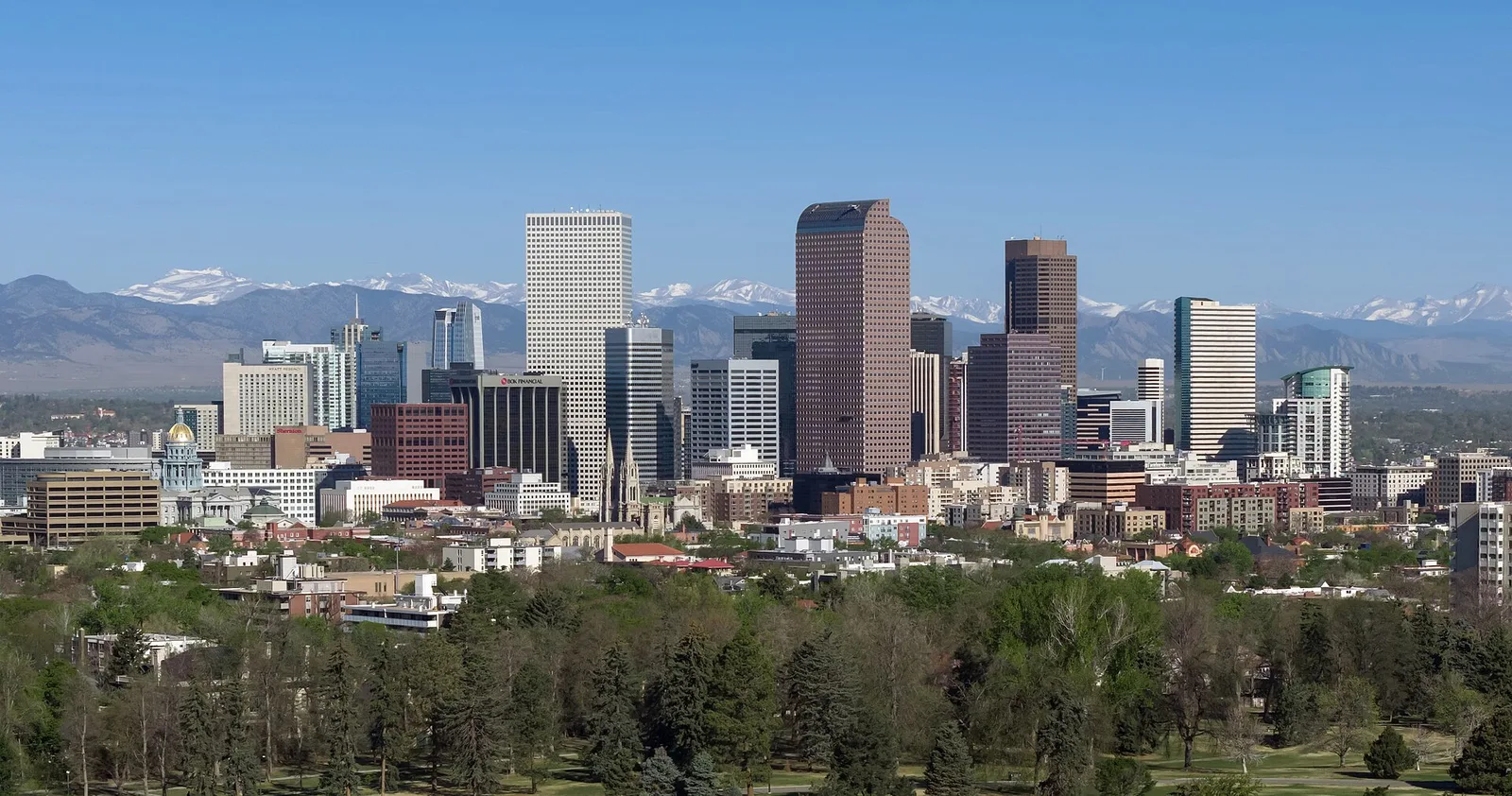
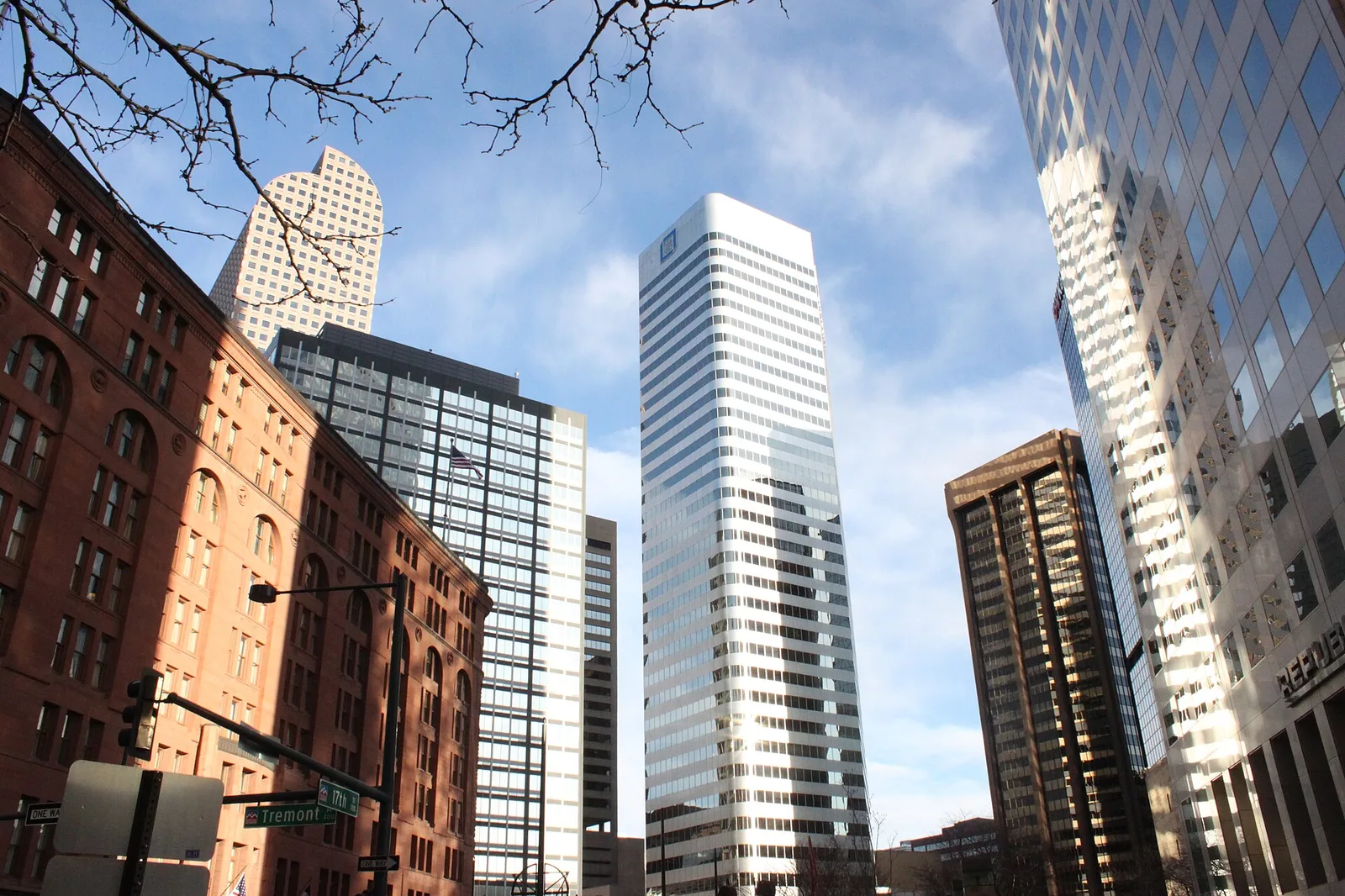
Denver, Colorado skyline — Denver airbnb marketing
Local Color
Denver, Colorado skyline
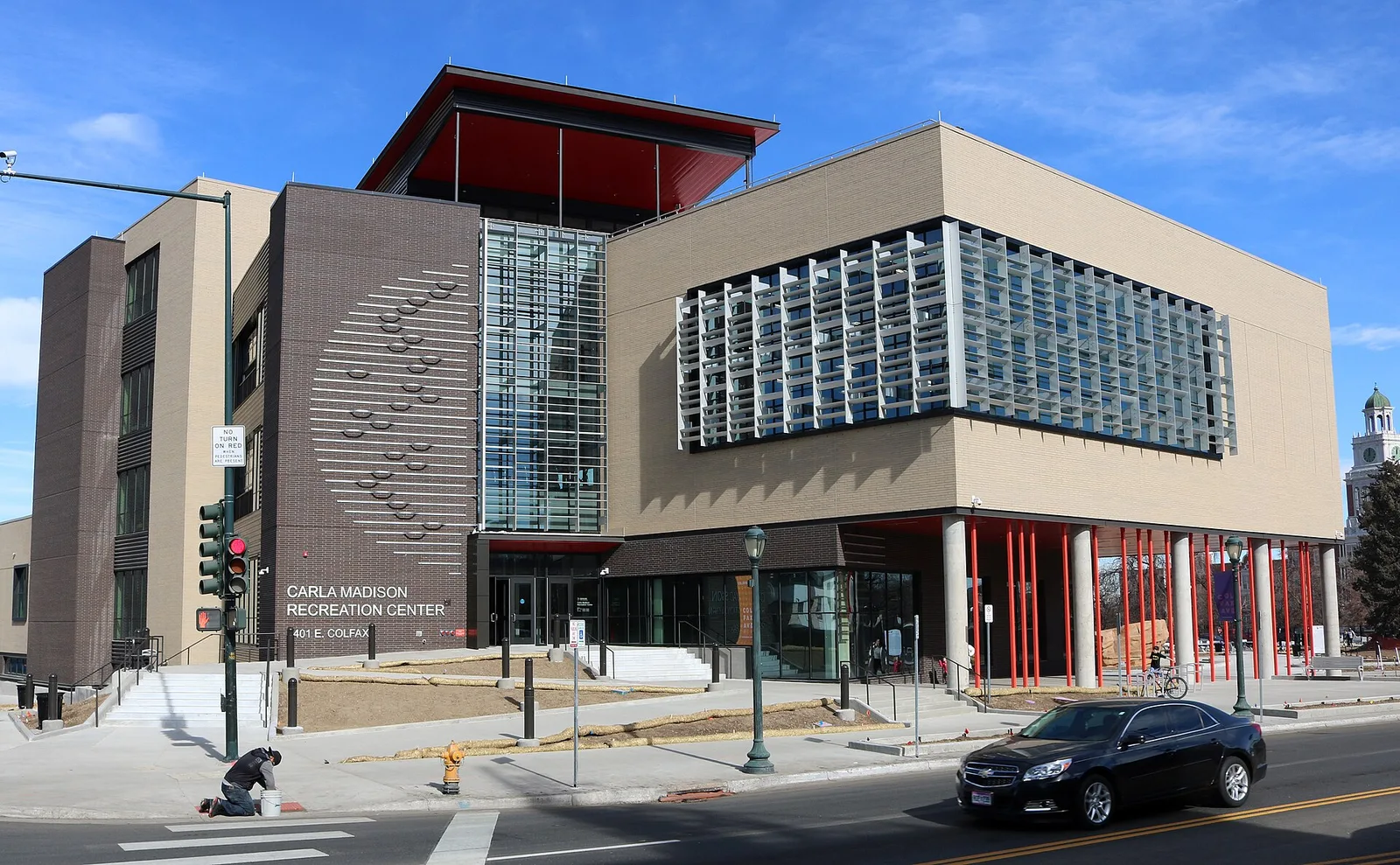
Carla Madison Recreation Center — Denver airbnb marketing
Local Color
Carla Madison Recreation Center
Denver, Colorado 02 — Denver airbnb marketing
Local Color
Denver, Colorado
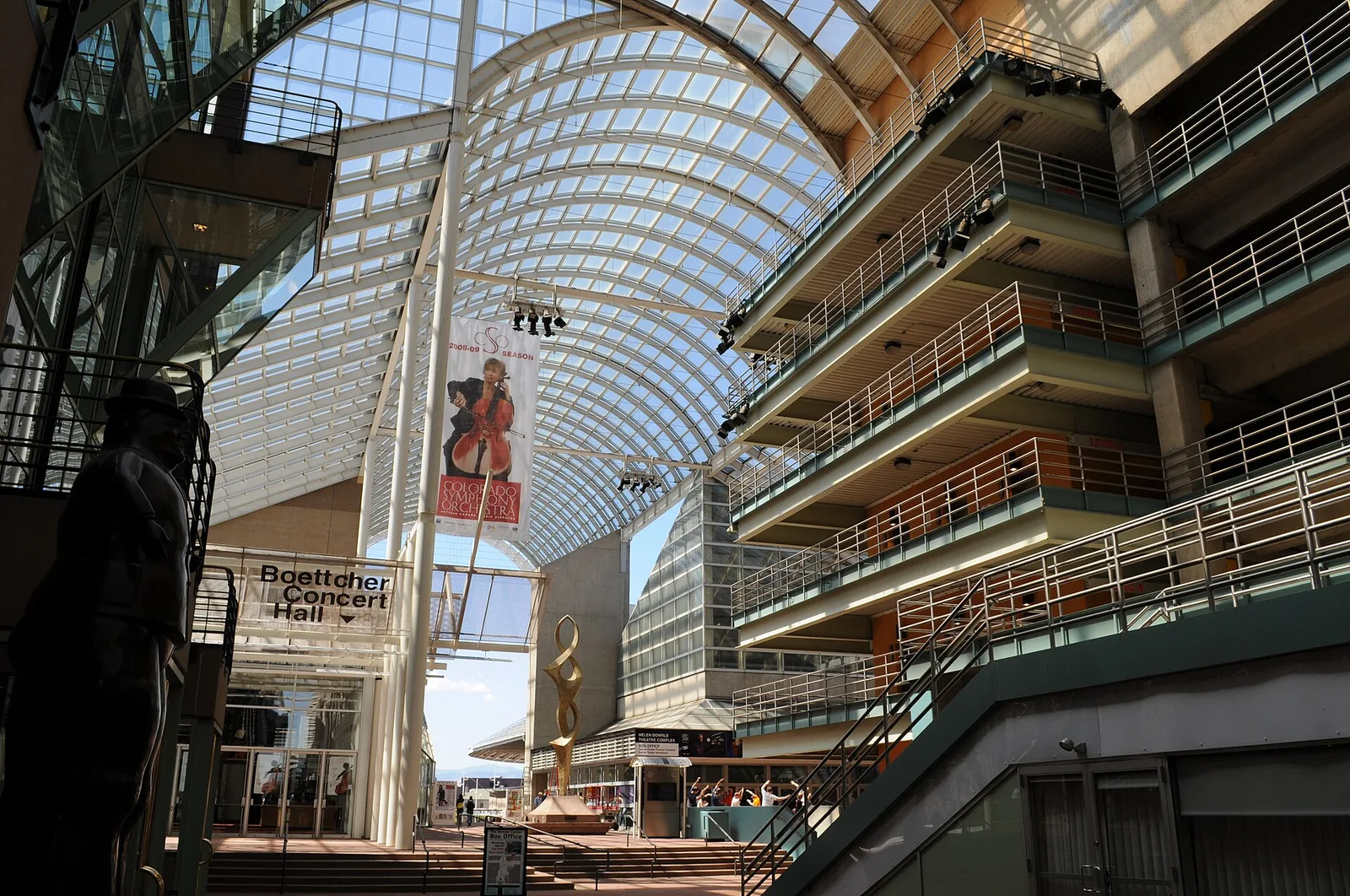
Denver Performing Arts Complex — Denver airbnb marketing
Local Color
Denver Performing Arts Complex
Why Cavmir

The Cavmir Advantage
in Denver

Cavmir works Denver from both sides of the market. For licensed hosts, we build the brand, photography and direct-booking website design that lets a primary-residence listing out-earn the anonymous inventory around it. For boutique hotels and small inns — a real force in this city — we do full hotel marketing: positioning, photography, direct-booking funnels and the channel work that claws revenue back from the OTAs. Denver travelers book on neighborhood and story, and most listings here give them neither. We help position and market your property. We never manage it or touch your keys.

State of the Industry · History

The Denver STR Market — Past & Present

Denver started as a gold-rush gamble. In 1858 prospectors panned flakes out of Cherry Creek where it meets the South Platte, and a supply camp grew up on the spot — named for a Kansas territorial governor who, the story goes, never bothered to visit. The gold quickly moved up into the mountains, but Denver made the smarter play: it became the town that outfitted, banked and railroaded everyone else's boom. When the transcontinental railroad bypassed the city in favor of Cheyenne, Denver built its own spur line rather than fade, and that stubbornness set the pattern — a plains city that kept reinventing itself as the gateway to the Rockies.

The twentieth century layered on cattle (the National Western Stock Show has run since 1906), oil, federal offices and eventually aerospace and tech. Lower Downtown — LoDo — decayed into warehouses and was nearly leveled before preservationists won; today its 1880s brick blocks around Union Station are the most valuable hospitality real estate in the city, and the old warehouse district north of downtown reinvented itself as RiNo, an art district with murals on every wall. The short-term-rental story here is younger and tightly shaped by law: since 2016 Denver has licensed STRs only in a host's primary residence, which pushed out the pure-investor model and left a market of house-hackers, licensed basement apartments, carriage houses and ADUs — plus a boutique hotel scene that grew up to serve the demand investors couldn't. For owners and small hoteliers alike, that's the useful history: Denver rewards the operator who works within its rules and out-presents the competition, because the rules themselves keep supply scarce.

Pricing Strategy & Seasonality

Pricing, Seasonality & When to Capture ROI

Pricing Strategy

Location drives everything. LoDo and Union Station addresses price highest — walkable to Coors Field, the convention center and the A-Line to the airport. RiNo and Five Points pull the design-led crowd; Capitol Hill and City Park trade a short drive for Victorian character; Wash Park and Highlands win families and longer stays. Blended, the metro lands near $180 a night at 67% occupancy — around $3,600 a month — but a well-presented whole-home license near downtown can run far above that, and event weekends (Red Rocks headliners, playoff runs, the Stock Show) support aggressive rate spikes for anyone paying attention to the calendar.

Seasonality & ROI Windows

Summer is the peak — June through September, driven by the Red Rocks concert season, festivals and family road trips — but Denver's real advantage is that it never fully sleeps. Conventions and business travel pad the weekdays, ski traffic fills winter weekends, and January's National Western Stock Show is a two-week demand event most out-of-town owners don't even know exists. The soft spots are late October through mid-November and the post-holiday lull — the windows to market deliberately rather than discount reflexively.

Regulation & Licensing · 2026

What the Law Requires in Denver

Denver is strict, and structurally so: the city licenses short-term rentals (stays under 30 days) only in the host's primary residence. You can hold one license, at the one address where you actually live — the address on your driver's license, voter registration and tax return. Pure investment STRs are not licensable as such, which is exactly why the licensed inventory earns as well as it does.

The mechanics: you'll need a Short-Term Rental business license from Denver Excise & Licenses, renewed annually, plus a Lodger's Tax ID, and your license number must appear on every listing. Primary residence is proven with documents — license, voter registration, tax records — and the city cross-checks. Enforcement is real: Denver uses monitoring software that scans listing platforms for unlicensed operators, follows up on 311 complaints, and audits licenses; violations can bring fines and license revocation. ADUs and carriage houses on your primary-residence parcel can generally be licensed; separate investment condos can't. Insurance and safety attestations are part of the application.

Two practical notes. First, surrounding metro cities — Aurora, Lakewood, Golden and the rest — run their own regimes, some looser, some tighter, so an address a few blocks over can play by different rules entirely. Second, rules and fees get adjusted; before you buy, list or restructure anything, confirm the current requirements with Denver Excise & Licenses in writing. If your plan doesn't survive the primary-residence rule, the honest answers are a licensed ADU, a 30-plus-day mid-term model, or boutique hospitality — all real businesses in this city.

Market-Specific Tips & Challenges

Local Tips & Unique Market Challenges

Tips That Actually Move Revenue in Denver

The Denver strategic tip: sell the neighborhood, not the apartment. Denver guests are choosing between a licensed basement flat in Wash Park, a LoDo condo and a boutique hotel room, and the one that wins is the one that tells them what their trip feels like — walk to Union Station, fifteen minutes to Red Rocks, the coffee shop on the corner. Generic listings die in a metro this deep.

Tactically: first, price to the event calendar. Red Rocks headliners, Rockies home stands, the Stock Show and GABF move demand block by block, and most hosts never adjust — the ones who do take the premium. Second, shoot the property in real light and include the neighborhood in the set: the mural on the block, the park, the skyline with the mountains behind it. That's what Denver actually looks like and almost no listing shows it. Third, build a direct channel. Denver has an unusually high share of repeat visitors — business travelers, families visiting relatives, concert regulars — and a simple direct-booking website with an email list converts them into fee-free repeat revenue. Fourth, if you're a boutique hotel or inn, treat the licensed-STR scarcity as your opening: demand that can't find whole-home inventory lands on you, and hotel marketing that leads with character and direct rates wins that traveler. Fifth, keep your license number on every ad and your paperwork current — Denver's enforcement scans listings automatically, and a suspended license in July costs you the entire peak. Sixth, don't sleep on winter weekdays: 30-plus-day mid-term stays for traveling nurses and relocating families fall outside the STR rules entirely and fill the softest part of the calendar.

Unique Denver Challenges

The primary-residence rule shuts out the standard investor playbook, and enforcement is automated and active. Competition is broad — thousands of listings plus a good hotel scene — so mediocre presentation earns mediocre returns. Winter weekdays run soft, hail and snow are real maintenance lines, and the surrounding suburbs each have separate rules that trip up careless operators.

A Curious Denver Fact
Denver has measured its own mile three times. A step on the State Capitol's west side was engraved "One Mile Above Sea Level" in the early 1900s — then a 1969 resurvey moved the true 5,280-foot mark three steps up, and a 2003 remeasurement moved it again, two steps down. Today three separate markers climb the same staircase, each claiming the mile. The city kept all of them, which tells you something about Denver: it would rather show its work than pretend it was right the first time.
Finance Essentials — Denver
🛡️

Insurance

A standard homeowner's policy generally won't cover paid short-term guests, and hosts relying on platform guarantees alone are thinner than they think. Plan on a short-term-rental or landlord policy with solid liability limits, and in Colorado ask specifically about hail — roof claims are a fact of life on the Front Range — plus sewer backup for older Capitol Hill and Wash Park housing stock. Talk to an agent who writes STR coverage in Denver; the city also expects insurance as part of licensing, so get it right once.

🧾

Property & Income Tax

Denver taxes short-term stays like lodging: the city's Lodger's Tax is 10.75% on stays under 30 days, and you need a Lodger's Tax ID to collect and remit it. State and other sales taxes can apply on top depending on how you book, and while the major platforms collect some of this automatically, direct bookings are your responsibility. Then there's Colorado income tax and, if you deduct, the usual federal questions about the 14-day rule and depreciation. Rates shift and the platform-collection rules change — confirm your exact obligations with an accountant who handles Denver STRs before your first season, not after.

🏦

Mortgages & Financing

Because Denver only licenses primary-residence STRs, the classic financing story here is the house-hack: an owner-occupied loan — including FHA and VA in some structures — on a property with a rentable basement unit, carriage house or ADU. That's a very different conversation than an investor DSCR loan, and a better one: owner-occupied rates are cheaper. If you're buying with rental income in mind, tell your lender exactly how the license works so they underwrite it correctly, and get pre-approval guidance from a broker who knows Denver's rules. For boutique hotel projects, that's commercial lending — a different desk entirely.

Future Outlook · 2027 & Beyond

Where Denver is Headed Next

Denver's fundamentals point one direction: the metro keeps growing, the airport keeps adding routes, and the event infrastructure — Red Rocks, the convention center, the stadiums — keeps demand structurally diverse in a way no resort town can match. The primary-residence rule looks durable; if anything, Colorado's statewide conversation is about tightening STR taxation and oversight, not loosening it, which protects the licensed operators already inside. Expect continued growth in the mid-term-stay segment (travel medicine, relocation, remote work), continued strength in boutique hospitality as whole-home supply stays capped, and steadily more professional presentation among the hosts who remain — the amateur-photo era is ending here faster than in most markets. The owners who win into 2027 will be the ones treating a licensed Denver STR like the scarce asset it legally is: branded, photographed properly, priced to the event calendar, and backed by a direct channel that keeps the repeat guests out of the platforms' ledgers. The city has effectively guaranteed limited supply. The rest is marketing.

From the Desk of Sofie Sinag

Why We Love Marketing in Denver

Denver is the market where good marketing does the most honest work, because the product is genuinely undersold. Every listing shows the same things — a gray sofa, a coffee maker, maybe a skyline shot from the wrong time of day — while the actual sell, the reason people love visiting this city, sits unphotographed a block away: the mural on the side of the building, the neighborhood bar, the mountains stacked up behind the skyline at sunset, the fifteen-minute drive to Red Rocks. Denver isn't a resort with one postcard view; it's a city of neighborhoods, and neighborhoods are stories. We love markets that reward storytelling, and this is one of the best.

We also love the structure of the game here. The primary-residence rule means every licensed host is a real person with a real stake, competing against hotels on warmth and against each other on presentation — and the boutique hotel side of this city, some of the best small properties in the Mountain West, competes right back. That's a healthy market: scarce licenses, honest demand twelve months a year, and an event calendar — concerts, conventions, stock show, ball games — that hands a well-marketed property a new reason to be booked every single week. Nobody here needs to invent demand. They need to show up for it looking right, and that's exactly the job we like.

Why It Matters

A great property in Denver doesn't just want a listing — it wants a point of view, an audience, and a brand the city itself would recognise.

Cavmir's Denver Cheat Sheet

The Picks We Recommend for Your Welcome Book

A few honest, insider picks for Denver — the specifics that make a listing read like a local wrote it, because one did. Real places, no filler.

Morning

City Park at sunrise

The classic Denver frame: the lake in front, the Museum of Nature & Science behind you, and the skyline with the full Front Range stacked behind it. Runners and rowers have it to themselves at 6:30. If your listing is nearby, this view belongs in your photo set.

Golden Hour

Red Rocks Amphitheatre

Fifteen miles from downtown and one of the most extraordinary venues on earth — 300-foot sandstone slabs glowing orange at dusk. Concert nights are the demand event; empty mornings, when people run the stairs, are the photograph.

Neighborhood Walk

RiNo's Larimer Street murals

The old warehouse district is now blocks of murals that change every year around the CRUSH WALLS tradition, threaded with breweries and coffee roasters. It photographs like nowhere else in the city and tells guests they're staying somewhere with a pulse.

Dinner That Photographs

Linger, in LoHi

A rooftop restaurant in a former mortuary — the old Olinger sign outside now reads 'Eatery' — with the best skyline view at dinner hour in Denver. It's the reservation guests screenshot, and it's five minutes from most Highlands listings.

Local Obsession

Green chile

Denver's real signature dish: pork green chile smothering a burrito, argued over the way other cities argue barbecue. Point guests to your neighborhood spot — Santiago's is the chain locals actually eat — and your guide instantly reads native.

Shoulder Season Secret

The Stock Show in January

The National Western Stock Show fills two January weeks with rodeo crowds in the deadest stretch of winter, and half the city's hosts have never priced for it. Mention it, rate for it, and enjoy bookings your competitors didn't know existed.

Weekend Escape

Golden and Clear Creek

Twenty minutes west: a genuine old-West main street, the creek path, Lookout Mountain above. It's the easy 'mountain taste' for guests without ski plans, and a smart add to any listing's guide — close enough to sell, far enough to feel like a trip.

What Guests Ask For

The A-Line and the I-70 question

Guests want two logistics answered before they book: how they get from the airport (the A-Line train from DIA to Union Station, 37 minutes, no car needed downtown) and how ski day-trips work (early I-70 starts, or the resort-bound buses). Spell out both and watch conversion improve.

Local Work · Composite Case Vignettes

What Cavmir Has Done for Denver Properties

A few composite engagements drawn from how Cavmir typically works in this market. The situations are illustrative and consistent with Denver, not pulled from a single named client.

Licensed garden-level apartment · Wash Park
The Brief

A host with a licensed basement apartment in a great neighborhood was invisible: phone photos that made a charming space look dark, a title that said 'Cozy Apartment,' and pricing that never moved for concerts, games or the Stock Show.

What We Did

Cavmir reshot the unit in real light, rebuilt the listing around the neighborhood — the park, the coffee, the fifteen minutes to Red Rocks — retitled and rewrote for search, and set up a calendar-aware pricing plan keyed to the city's event schedule.

The Result

The listing climbed into the neighborhood's top search results, event weekends began booking at meaningful premiums, and the host's occupancy steadied through the winter weeks that used to go empty.

Boutique hotel · Capitol Hill
The Brief

A 20-room independent hotel in a historic building was paying heavy OTA commissions on the majority of its bookings, with a dated website that didn't reflect the property and no direct-booking incentive worth the name.

What We Did

Cavmir delivered a full hotel marketing rebuild: repositioning around the building's story, cinematic photography, a fast direct-booking website design with rate parity done right, and an email program aimed at the hotel's repeat business and concert-season guests.

The Result

Direct bookings grew into a meaningfully larger share of the mix within two seasons, commission costs fell accordingly, and the property began winning the design-aware traveler it had been losing to newer competitors.

Carriage house ADU · Highlands
The Brief

An owner had built a beautiful ADU behind their primary residence but listed it like a spare room — no brand, no story, weekday occupancy thin, and no channel beyond a single platform.

What We Did

Cavmir branded the carriage house as its own small property, shot it at golden hour with the skyline from the deck, distributed it across channels, and built a simple direct site with a guest list aimed at the unit's natural repeaters — visiting families and business travelers.

The Result

Weekday occupancy filled in behind the weekend demand, a growing share of stays came direct from returning guests, and the ADU settled into consistent months instead of feast-and-famine weekends.

Ready to Grow in Denver?

Let's Put Your Denver
Property on the Map

Talk to Cavmir today. We'll show you exactly what your Denver property is leaving on the table — and how fast we can change that.

Book a Free Strategy Call