$360
Avg. Nightly Rate
45%
Avg. Occupancy Rate
$4,200
Avg. Monthly Revenue
4-6%
Est. Cash-on-Cash ROI
MEDIUM
Seasonality
MEDIUM
Regulatory Burden

* Market averages. Properties marketed by Cavmir typically exceed these figures by 25–45%. Data sourced from AirDNA, STR market reports, and Cavmir internal analytics.

The Market

Why Durango is One of the World's Premier STR Markets

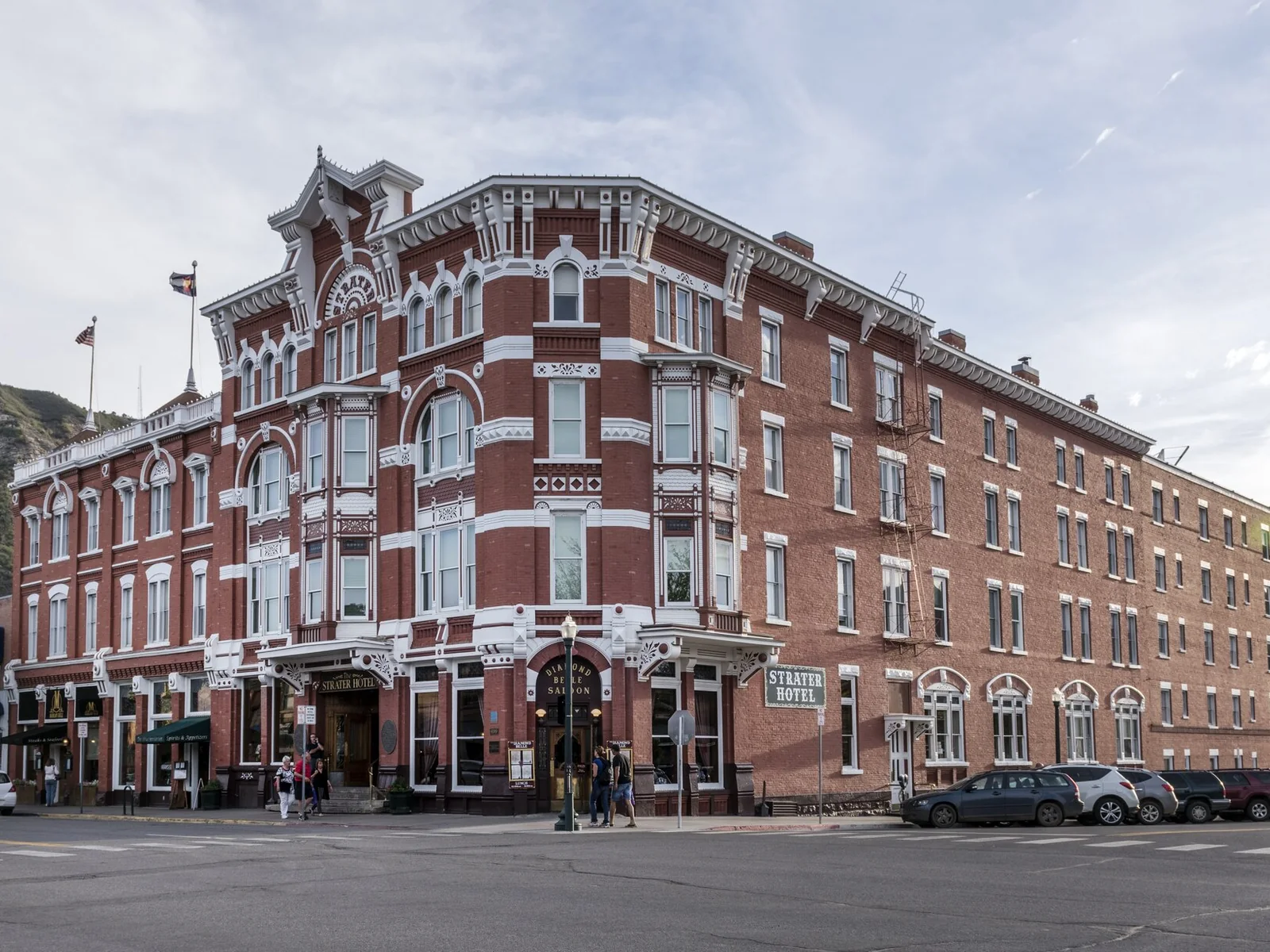
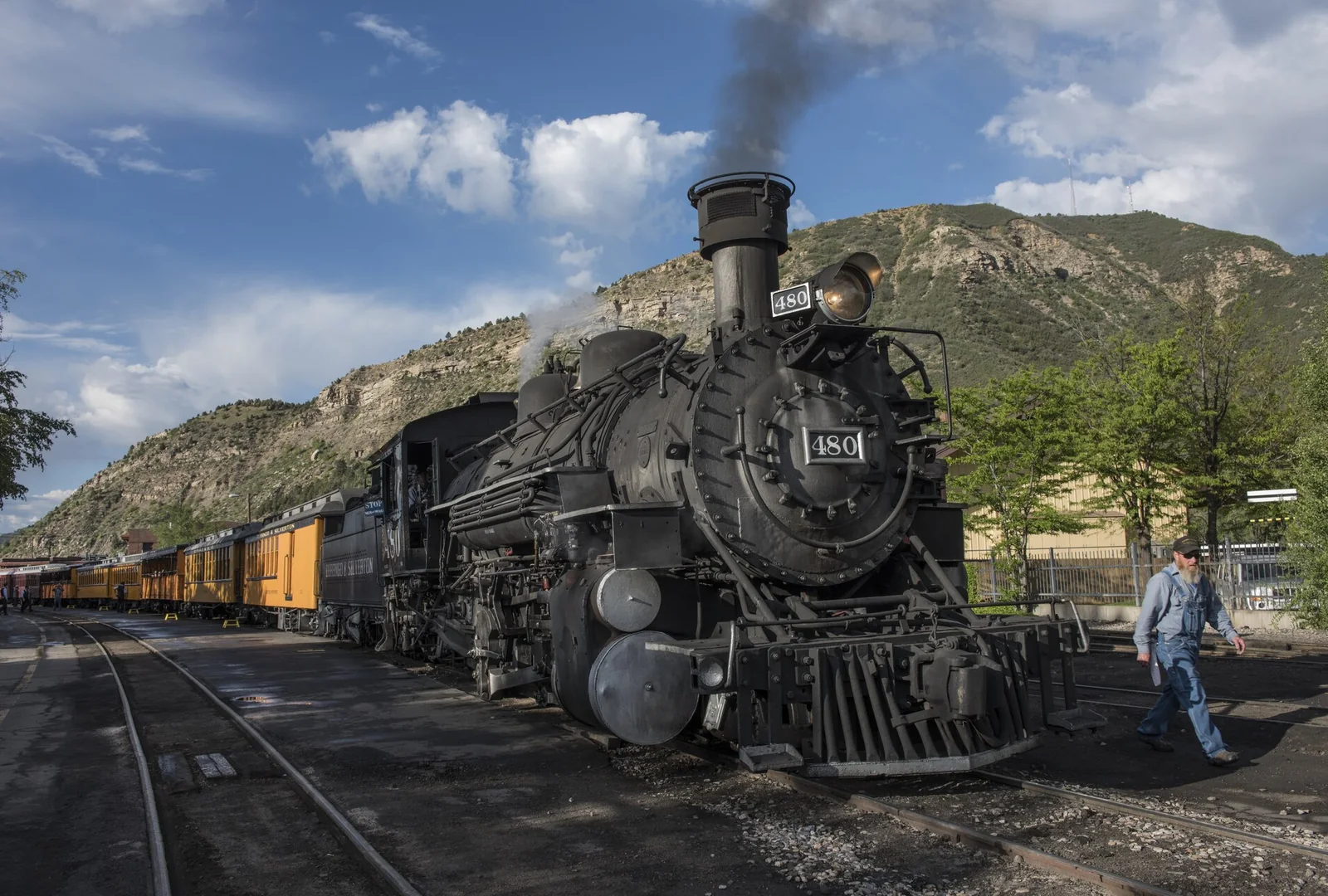
Durango is the town the railroad built and the railroad still runs. The Denver & Rio Grande founded it in 1880 to serve the San Juan mines, finished the Silverton branch in 1882, and the coal-fired, narrow-gauge Durango & Silverton has hauled passengers up the Animas canyon ever since — a National Historic Landmark that doubles as the town's demand engine, from packed summer departures to the Polar Express selling out November through New Year's. Around the train sits a genuine four-season mountain town: Mesa Verde's cliff dwellings forty minutes west, Purgatory's ski runs twenty-five minutes north, the Animas River running through downtown, and a Victorian Main Avenue anchored by the 1887 Strater Hotel. The rental rules are a tale of two jurisdictions. Inside city limits, a vacation rental needs a Limited Use Permit under the Land Use and Development Code, and the established residential neighborhoods are capped — a few dozen permits citywide in those zones, with waitlists — while unincorporated La Plata County runs its own land-use approvals by zoning district. The taxes are real, too: Durango's lodgers' tax more than doubled to 5.25% after a 2021 vote, stacking with sales taxes to nearly 15% inside the city. It amounts to a market where the permitted property is a scarce asset in a town whose calendar — train, ski, college, national park — never really stops.

Durango runs the classic mountain-town twin peak with a rail schedule underneath. Summer is the big season — train departures, Mesa Verde traffic, rafting and tubing on the Animas, mountain biking out every trailhead — with July the strongest month of the year. Winter is the second act: Purgatory's season pulls families December through March, Snowdown fills the dead of winter with a costumed town-wide festival, and the Polar Express runs the train through the holidays. Shoulder honesty: April is the trough, and late fall between leaf season and the holiday trains is quiet. Blended nightly rates run around $360 with occupancy in the mid-40s across a listing pool of well over a thousand — but the averages blur a split market: capped, permitted in-town vacation rentals near Main Avenue trade at a premium their scarcity earns, while the county's cabins and rural homes compete on character and price. Fort Lewis College adds graduation and parents' weekends, and the 30-day-plus trade — traveling medical staff, seasonal workers, semester stays — gives the quiet months a floor most resort towns lack.

Top Attractions & Landmarks

  • Durango & Silverton Narrow Gauge Railroad
  • Mesa Verde National Park
  • Purgatory Resort
  • Historic Main Avenue and the Strater Hotel
  • Animas River Trail
  • Durango Hot Springs Resort + Spa
  • Million Dollar Highway to Silverton

Nearby Markets: Telluride  |  Moab  |  Santa Fe

Airbnb marketing services in Durango, Colorado, USA
Postcards

Durango through the lens

A few of the visual fingerprints we lean into when we shoot, brand and market a Durango property — courtesy of the open Wikimedia Commons archive.

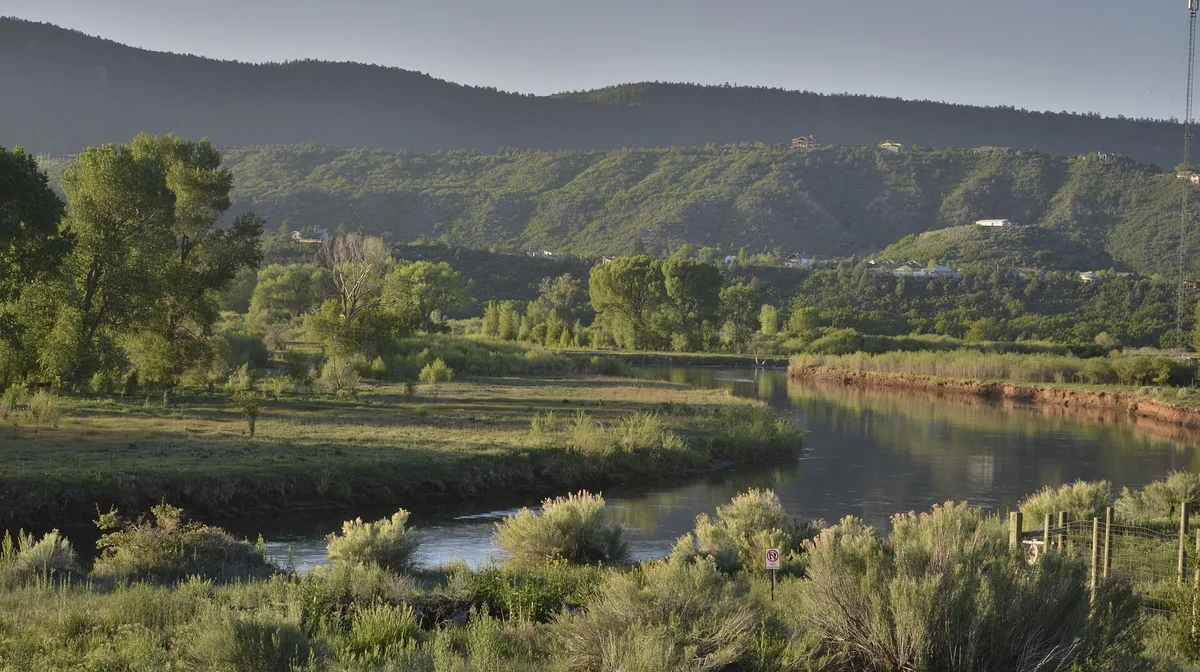
Animas River between Cedar Hill NM and CO border — Durango airbnb marketing
Local Color
Animas River between Cedar Hill
Strater Hotel — Durango airbnb marketing
Local Color
Strater Hotel
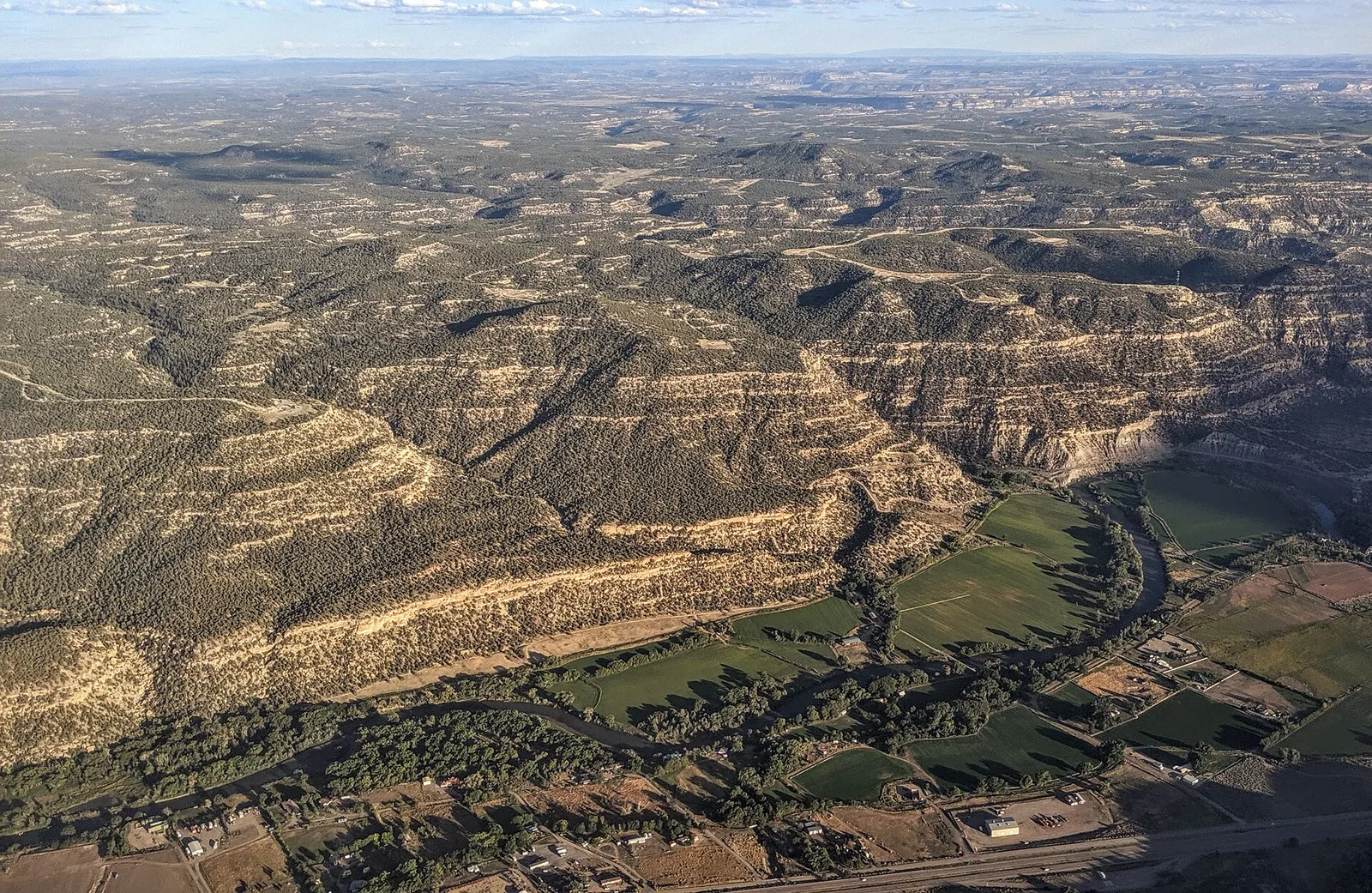
Durango, Colorado — Durango airbnb marketing
Local Color
Durango, Colorado
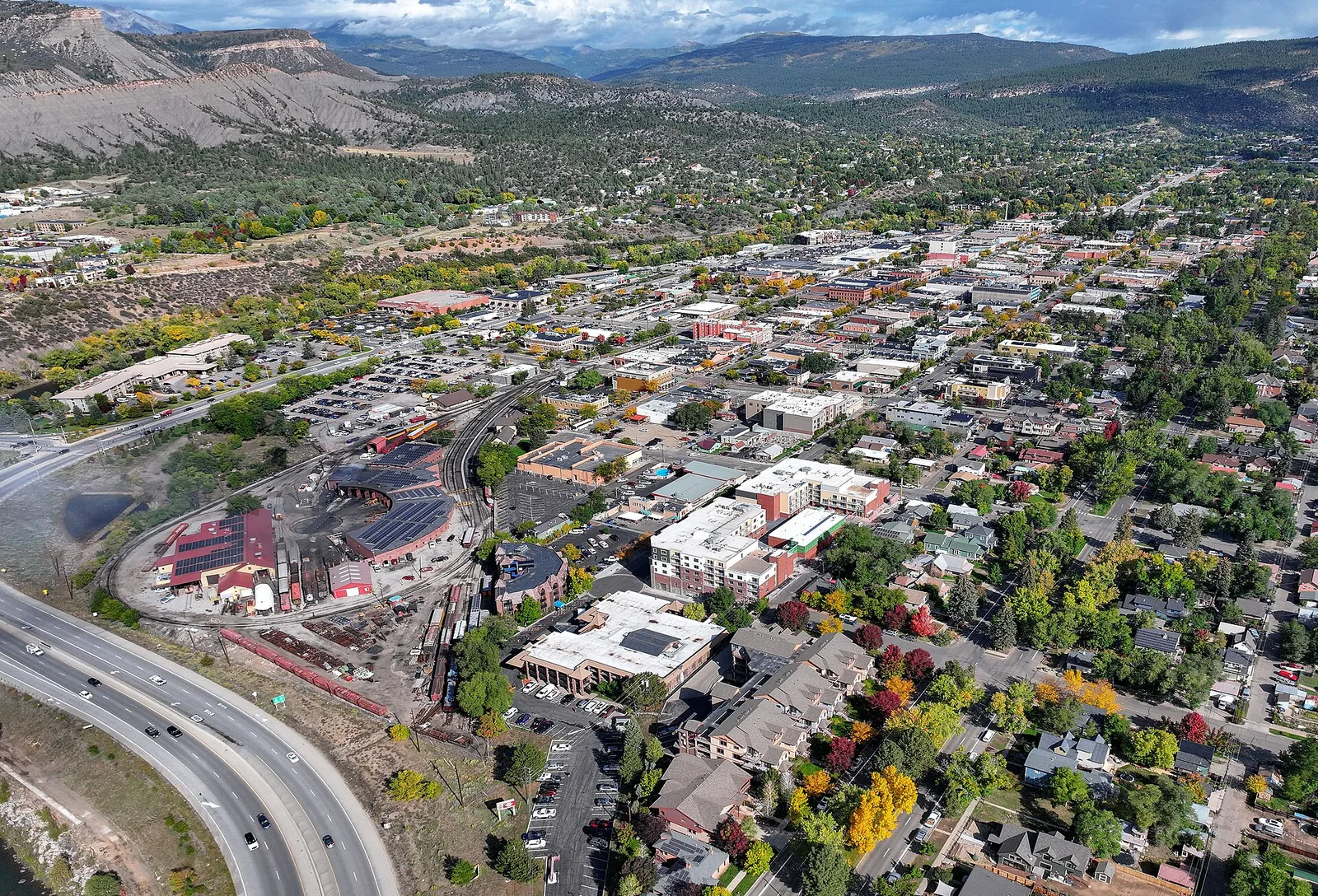
D^RGW 492 Durango turntable 8 65x Flickr drewj1946 — Durango airbnb marketing
Local Color
D^RGW Durango turntable Flickr drewj1946
Why Cavmir

The Cavmir Advantage
in Durango

Cavmir wins in Durango because this market's demand arrives on a published schedule and most listings ignore it. The train's calendar is public, Snowdown and the Iron Horse are dated a year out, Purgatory's opening day is announced each fall — and flat-priced calendars donate all of it. We build the rate card around the real dates, then market each season to its own guest: the train family, the Mesa Verde road-tripper, the Purgatory skier, the leaf-season couple. We shoot the town's actual assets — the steam plume against the canyon, Main Avenue's Victorian brick at dusk, the deck view toward the San Juans — instead of generic mountain stock. For permitted in-town rentals we make the Limited Use Permit visible, because in a city that caps and waitlists, being one of the legal few is the whole pitch. And for the lodges, inns and cabin operations that anchor the corridor to Silverton, we build direct-booking websites and repeat-guest programs, because train riders and ski families return annually and their loyalty should land on your books, not a platform's. We help position and market your property. We never manage it or touch your keys.

State of the Industry · History

The Durango STR Market — Past & Present

Durango exists because a railroad needed a depot. The Denver & Rio Grande founded the town in 1880 on the Animas River — bypassing the older settlement of Animas City, which it soon absorbed — and by July 1882 had driven its narrow-gauge line 45 miles up the canyon to the mining camps of Silverton. The mines eventually gave out; the railroad never did. The Durango & Silverton Narrow Gauge Railroad has operated continuously ever since, coal-fired and steam-hauled, carrying tourists where it once carried ore, designated a National Historic Landmark and starring in enough Westerns to fill a festival. The town that grew around the depot kept its bones: the Strater Hotel has anchored Main Avenue since 1887, the smelter era came and went, and Fort Lewis College took its perch on the rim above town. Mesa Verde, forty minutes west, became a national park in 1906 — the first created to protect the works of a culture, the Ancestral Puebloan cliff dwellings — and gave the corridor a second permanent draw.

The modern chapters belong to recreation. Purgatory opened its ski runs in 1965. In 1972 a local cyclist named Tom Mayer formalized a standing bet with his brother Jim, a brakeman on the train, and the Iron Horse Bicycle Classic was born — riders racing the locomotive fifty miles to Silverton over two 10,000-foot passes, every Memorial Day weekend since. Snowdown, the town's costumed midwinter festival, has thawed late January since the late 1970s, and Durango's mountain-biking pedigree runs deep enough that the town hosted the sport's first official world championships at Purgatory in 1990. Short-term rentals arrived into a town that had already decided to protect its neighborhoods: the city's Land Use and Development Code treats vacation rentals as a permitted-but-limited use, capping them in the established residential zones, while La Plata County wrote its own land-use rules for the cabins and ranches outside the line. Add a lodgers' tax that voters more than doubled in 2021 to fund housing and transit, and you get the current settlement: a four-season demand engine, formally fenced legal supply, and a market that rewards the owners who hold the permits.

Pricing Strategy & Seasonality

Pricing, Seasonality & When to Capture ROI

Pricing Strategy

The rate map runs on walkability, zoning and elevation. In-town Durango near Main Avenue is the premium pocket — permitted vacation rentals within walking distance of the depot, the restaurants and the river trade on scarcity, because the residential-zone caps keep their numbers fixed. The Animas Valley corridor north toward Purgatory carries the ski-and-summer double demand: condos at the resort, homes along the highway, hot-tub cabins with San Juan views. The county's rural stock — Falls Creek, Edgemont, the mesas — sells acreage, dark skies and character at gentler buy-ins; Bayfield and the eastern county run the value play; and the corridor west toward Mesa Verde serves the park's road-trippers. Blended nightly rates run around $360 with occupancy in the mid-40s across a listing pool of well over a thousand — mountain-town numbers with a scarcity premium at the permitted core, where an in-town certificate is effectively part of the asset's value. July is the year's strongest month; the holiday train season gives December a floor most towns this size never see.

Seasonality & ROI Windows

Summer is the engine: June through August, when the train runs full, Mesa Verde fills, the Animas carries rafts through downtown and July posts the year's best numbers. Fall shoulders gracefully — leaf season on the passes through early October, then a quiet November. Winter is a real second season: Purgatory from December through March, Snowdown detonating late January, and the Polar Express selling out the depot from Thanksgiving to New Year's. April is the honest trough, mud season between the lifts closing and the river rising. The smart calendar prices the published dates — train season, Snowdown, Iron Horse, holidays — and uses the 30-day trade to floor the gaps.

Regulation & Licensing · 2026

What the Law Requires in Durango

Durango's rules are a zoning story with a cap on top, and the first question is which side of the city line your parcel sits on — confirm the answer with the city or county and your attorney, because both codes get amended. Inside city limits, a vacation rental — a dwelling rented for stays of 1 to 29 days — requires a Limited Use Permit under the Land Use and Development Code, and the established residential neighborhoods are capped: on the order of two dozen permits in the EN-1 zones and under twenty in EN-2, numbers that stay filled with waitlists behind them, while other districts carry their own standards. A permitted operator also needs the city's lodgers' tax license and business registration, and the operating basics — occupancy, parking, local contact — attach to the permit. In unincorporated La Plata County, short-term rentals run through the county's land-use code instead: registration or permitting by zoning district, with rural, residential and agricultural zones treated differently, plus building and septic realities that do the practical limiting on rural parcels.

The tax stack is the other half of the ledger. Inside the city, lodging carries the combined sales taxes of about 9.4% (state, county and city) plus Durango's 5.25% lodgers' tax — raised from 2% by voters in 2021 — for a total around 14.7%, remitted through the city's filing system and the state. County-side rentals collect state and county sales taxes plus La Plata County's 2% lodging tax, a meaningfully lighter stack that shows up in net yields. Platforms collect portions in some configurations; the licenses, filings and anything uncollected are yours. As of 2026 the framework is stable but actively managed — the county has been revising its code chapters, and the city revisits vacation-rental rules as housing politics demand — so verify the current text and the cap status of your specific zone before you buy anything on a nightly-income thesis.

Market-Specific Tips & Challenges

Local Tips & Unique Market Challenges

Tips That Actually Move Revenue in Durango

The Durango strategic tip: treat the permit as the product and the train as the calendar. In the capped zones, a Limited Use Permit is the scarcest thing you can own here — market it visibly, price it confidently, and never let it lapse. And the demand schedule is published: the railroad's season, the Polar Express dates, Snowdown, Iron Horse and Purgatory's opening are all knowable a year out, which makes flat pricing a donation.

Tactically: first, build the rate card around the published dates in January — train season, Memorial Day, Snowdown week, the holiday trains — with minimum stays on the marquee weekends. Second, shoot the town's icons into your gallery: the steam plume from the Animas overlooks, Main Avenue's brick at dusk, the deck toward the San Juans — this is a landscape-and-legend market and generic interiors waste it. Third, write fluent logistics: minutes to the depot, Purgatory drive time, Mesa Verde's gate, which trailhead starts at the end of the street — the Durango guest plans by drive time and rewards specificity. Fourth, work the 30-day floor: traveling medical staff, college families and seasonal workers bridge April and November better than discounts do. Fifth, build the direct channel around the annual rituals — the same families ride the Polar Express every December and race the Iron Horse every May, and a returning-guest program with a fall email books them before the platforms wake up.

Unique Durango Challenges

The constraints are real: the in-town caps mean most city addresses simply cannot host nightly stays — buying on a rental thesis without confirming permit availability is the classic Durango mistake — the combined in-city tax stack near 15% must be priced in, and April and November are honest troughs. Rural county parcels bring septic, access and appraisal frictions, and resort condos carry HOA layers. Wildfire smoke summers and snow-driving winters are part of the operating reality. This market pays the owners who verify first and market second.

A Curious Durango Fact
Durango's biggest bike race began as a bet between brothers. Tom Mayer was a young cyclist; his older brother Jim was a brakeman on the Durango & Silverton, and the standing challenge was simple — Tom would race the train to Silverton on his bicycle, fifty miles over two passes above 10,000 feet. When Tom finally beat the locomotive, the bet became an event: the Iron Horse Bicycle Classic, run every Memorial Day weekend since 1972, in which thousands of riders line up against a coal-fired steam train with a century and a half of head start. The train still wins its share — it doesn't have to climb Coal Bank Pass on legs — and the sight of the pack chasing the smoke plume up the Animas canyon remains one of American cycling's great images.
Finance Essentials — Durango
🛡️

Insurance

Mountain underwriting with a wildfire lead: carriers here price defensible space, roof class and access road before anything else, and documented mitigation moves premiums. Short-term-rental operations need proper STR or landlord coverage rather than homeowner's policies, with liability limits sized for hot tubs, wood stoves and winter decks — the standard equipment of a Durango rental. Rural county properties add wells, septic and outbuilding questions; resort condos require mapping where the association's master policy ends and unit coverage begins. Winter freeze risk in properties that sit empty midweek deserves a monitoring protocol your carrier knows about. Use a Colorado broker who writes the Western Slope routinely, and get the wildfire-score conversation done before you offer.

🧾

Property & Income Tax

Inside the city, lodging owes the combined sales taxes of about 9.4% plus Durango's 5.25% lodgers' tax — roughly 14.7% total, filed through the city and state systems. In unincorporated La Plata County, short stays collect state and county sales taxes plus the 2% county lodging tax, a lighter combined stack in the range of 7-8%. Platforms collect portions on their bookings; the licenses, filings and anything uncollected — especially direct bookings — remain yours. Stays of 30 days or more generally fall outside the lodging taxes. Rental income then faces federal and Colorado income tax. Rates here have moved by ballot before and can again, so treat these as planning figures and confirm with your accountant.

🏦

Mortgages & Financing

Durango finances like the two markets it actually is. In-town permitted properties underwrite well on documented nightly income — DSCR lenders like the paper trail the permit and lodgers-tax filings create — but the caps cut the other way: an unpermitted city address must be underwritten as long-term or 30-day product, never on nightly projections the zoning forbids. County cabins and rural homes bring the classic frictions — thin comps, slow appraisals, well-and-septic findings, access questions — that regional Colorado lenders handle better than national desks. Resort condos near Purgatory add warrantability review. Entry prices run from Bayfield's accessible stock to in-town Victorians at a premium. Match the loan to the legal lane before you write the offer; here more than most places, the zoning is the underwriting.

Future Outlook · 2027 & Beyond

Where Durango is Headed Next

Durango's future is steady-state strength: the train is a permanent institution with a booked calendar, Mesa Verde and the San Juans are not going anywhere, Purgatory keeps investing, and Fort Lewis College gives the town a year-round pulse. The supply side is the story to watch — the city's caps have held through housing debates that usually loosen or tighten such things, and the county's code revisions keep formalizing the rural trade — with the direction of travel favoring incumbents: more registration, scarcer legal inventory, higher value per permitted door. Watch the lodgers-tax politics, which fund the housing conversation, and watch wildfire seasons, which move insurance. The durable play into 2027 and beyond is a permitted property in the right lane — in-town certificate or county-approved cabin — priced to the published calendar, photographed against the steam and the peaks, with a direct channel full of returning December and May families. In the town the railroad built, the timetable is still the business model.

From the Desk of Sofie Sinag

Why We Love Marketing in Durango

Durango is the market where the demand engine has a timetable, and we mean that literally: the town's biggest attraction publishes its departure schedule, its holiday-season sellouts and its festival weekends months in advance, and a rental's revenue potential here is largely knowable before the year begins. We love markets like that, because the work is craft rather than divination — price the train season, the Polar Express window, Snowdown and the Iron Horse; write to each season's guest; and let the published calendar do what it was always going to do. The permit caps make it better: in the established neighborhoods, a Limited Use Permit is a scarce asset, and marketing a scarce asset visibly — licensed, legal, one of a fixed few — is the easiest trust-building in the portfolio.

We also love the town's density of story per square block. A steam railroad running since 1882, a hotel from 1887 with the saloon still pouring, the first mountain-bike world championships, a bet between brothers that became a bike race against a locomotive, cliff dwellings forty minutes west that predate every building in the state — copy writes itself here if you do the reading, and almost no listing does the reading. The gap between generic mountain-getaway prose and a listing that says which trailhead starts at the end of the street, how many minutes to the depot, and what the steam smells like on a cold morning is the gap we get paid to close. Add a college that floors the shoulder seasons and a county full of characterful cabins, and Durango rewards exactly the fundamentals-first work we like best.

Why It Matters

A great property in Durango doesn't just want a listing — it wants a point of view, an audience, and a brand the city itself would recognise.

Cavmir's Durango Cheat Sheet

The Picks We Recommend for Your Welcome Book

A few honest, insider picks for Durango — the kind of specifics that make a listing read like a local wrote it, because one did. Real places, no filler.

Morning

The Animas River Trail at first light

Seven paved miles along the river through town — mist on the water, anglers at the pools, the day's first steam whistle carrying up the valley. Guests can walk from most in-town rentals to the trail in minutes; a listing that names its nearest access point reads local immediately.

Golden Hour

Main Avenue from the Strater's corner

Victorian brick going amber, the 1887 hotel's lights coming up, and — in season — the evening train easing back into the depot two blocks south. It's the frame that says Durango in one image, and the after-dinner stroll every guest takes by night two.

Neighborhood Walk

The depot district and east side

From the railroad museum through the historic residential blocks — cupolas, gables, lilac hedges — up toward the Fort Lewis rim trail for the whole-town view. It's the architecture-and-overlook loop that explains why the in-town rentals are capped: people fight to live here.

Dinner That Photographs

James Ranch Grill, Animas Valley

The family ranch ten minutes north serves its own beef and cheese at picnic tables with the San Juans standing over the pasture. It's the golden-hour dinner every guide recommends on the way back from Purgatory or Silverton — tell guests to order the burger and stay for the light.

Local Obsession

Racing the train

Every Memorial Day since 1972, thousands of cyclists line up to beat the coal-fired locomotive fifty miles to Silverton over two 10,000-foot passes — a bet between brothers that became the town's signature event. Iron Horse weekend books the town solid; a listing that prints the date is speaking Durango.

Shoulder Season Secret

October on the San Juan Skyway

After the summer crowds and before the snow: gold aspens on Molas and Coal Bank passes, the train still running its fall schedule, restaurant tables easy. Sell leaf season to couples plainly — same scenery, softer rates — and the dead shoulder becomes found revenue.

Weekend Escape

Mesa Verde's cliff dwellings

Forty minutes west, the continent's most extraordinary address: Ancestral Puebloan cities built into the cliff alcoves eight centuries ago, tourable by ranger-led ladder climbs. It's the day trip that upgrades a Durango stay into a Four Corners itinerary, and the listing that explains tour booking wins the planner.

What Guests Ask For

Train logistics and drive times

The recurring questions: how far to the depot, when to book train tickets (answer: well ahead in summer and Polar Express season), and honest drive times to Purgatory, Mesa Verde and Silverton. Answer them in the first screen and the inquiry becomes a booking.

Local Work · Composite Case Vignettes

What Cavmir Has Done for Durango Properties

A few composite engagements drawn from how Cavmir typically works in this market. The details are illustrative and consistent with Durango, not pulled from a single named client.

Permitted Victorian · in-town Durango
The Brief

A Limited-Use-permitted house three blocks from the depot — one of a capped few in its zone — was marketed like ordinary inventory: no mention of the permit, interior-first photos, and flat pricing through train season, Snowdown and the holidays.

What We Did

Cavmir led the listing with the scarcity story — permitted, licensed, walk to the depot in six minutes — reshot the house against Main Avenue's evening brick, built the rate card around the published calendar with minimum stays on marquee weekends, and added a direct page for annual returners.

The Result

The house booked its Polar Express weeks and Snowdown out months ahead at rates the zone had never tested, summer filled on the train story, and by the second year returning December families were rebooking direct before the platforms listed the dates.

Ski condo · Purgatory corridor
The Brief

A slope-adjacent condo leaned entirely on winter, sat dark from April through November, and competed on price against identical floor plans with the same balcony view.

What We Did

Cavmir rebuilt it as a four-season base: summer copy for the bike park and alpine slide, fall for the Skyway's gold, winter repriced around holiday weeks and February, photography in every season, and a returning-guest program aimed at the families who ski the same week annually.

The Result

Summer occupancy appeared where none had existed, the winter weeks held rate instead of discounting, and the condo stopped competing on price with its twins because it was no longer selling the same thing.

County cabin · Animas Valley
The Brief

A characterful log cabin on acreage north of town had the county approvals and none of the marketing: phone photos that hid the view, no mention of the ranch dinner ten minutes away or the trailheads out the gate, and a winter the owners wrote off entirely.

What We Did

Cavmir shot the cabin at dusk under the valley walls, wrote fluent-local copy — James Ranch, the hot springs, honest snow-driving notes — priced leaf season and the holidays properly, and floored the quiet months with a 30-day winter product for traveling professionals.

The Result

The cabin became its comp set's reference listing, October earned like July, and the winter monthly trade turned the dead season into the steadiest revenue on the calendar.

Market Intelligence · Seasonality

Airbnb seasonality in Durango, month by month

Demand in Durango peaks around June through September and runs quietest around April and November. Here is how the year actually books — and what to do about each stretch of the calendar.

Peak demandSteadyQuiet

Peak season

June through September is Durango's long peak, when the steam train runs full, Mesa Verde traffic rolls through and trail season packs downtown. Well-run listings hold strong rates for all four months without discounting. Have the calendar, photography and minimums locked by early May, because Memorial Day's Iron Horse weekend starts the run.

The shoulders

May and October are shoulders with good bones: Iron Horse and graduation dates in May, fall color and late-season train riders in October. Winter is quieter but steady on Purgatory ski weekends and the Polar Express, which fills family dates from late November into early January. Price the event weekends individually and keep midweek flexible.

The quiet stretch

Early November before the Polar Express ramps up, and April between snow and trail season, are the honest lulls. Book longer stays for traveling professionals and college visits, schedule maintenance, and refresh photography before summer pricing goes live. A listing tuned up in April earns it back all summer.

Dates that fill first

Snowdownlate January into early February
Durango's costumed winter festival packs downtown for more than a week and gives the flattest stretch of winter a genuine demand spike worth pricing for.
Iron Horse Bicycle ClassicMemorial Day weekend
Riders race the train to Silverton and crowds come to ride or watch; the whole town books out and three-night minimums hold easily.
Animas River Dayslate May into early June
The whitewater festival at Santa Rita Park draws paddlers and spectators and kicks off river season on the Animas.
Durango & Silverton summer train seasonMay through October
The narrow-gauge railroad is the town's steady demand engine; listings that mention walking distance to the depot convert train families all season.
Polar Express train rideslate November through early January
Nightly holiday trains fill family-sized listings in what would otherwise be a quiet stretch, and these guests book their specific dates well ahead.
Market Intelligence · Guests

Who books Durango Airbnbs — and how far ahead

Train and Mesa Verde families
The classic Durango trip pairs the steam train with Mesa Verde. These families want sleeping capacity, easy parking and a walkable base near downtown.
Mountain bikers and endurance athletes
Durango is a riding town year-round, and race weekends bring serious cyclists. Secure bike storage and a place to hose off beat a nicer couch for this crowd.
Four Corners road-trippers
Couples and friends looping the Southwest use Durango as the lively night between parks. They book shorter stays and choose on charm and location.
Purgatory ski families
Winter weekends bring families splitting the difference between slope access and downtown restaurants. Gear storage and a hot tub close these bookings.
Fort Lewis College parents
Move-in, family weekends and graduation create predictable date-specific demand that rewards hosts who price those calendars far in advance.

The booking window

Summer train-trip families plan early and book months out, and Iron Horse and graduation weekends fill furthest ahead of all. Road-trip and winter stays run a much shorter window, often inside a few weeks. Have summer priced by March, then stay sharp on the short-fuse traffic the rest of the year.

Typical stays

Summer skews to three and four-night stays as guests stack the train, Mesa Verde and a river day, while road-trippers pass through on one or two nights. Winter is weekend-driven around Purgatory, and event weekends behave like miniature peak seasons of their own.

Where guests drive from

AlbuquerqueSanta FePhoenixDenver

Where guests fly from

DallasPhoenixDenver
Albuquerque and Santa Fe are the core drive market, with Phoenix escaping the heat in summer and Front Range travelers coming over the passes. The regional airport's direct service from Dallas, Phoenix and Denver makes those three the natural targets for fly-in marketing.
Market Intelligence · What Wins

The Airbnb that wins in Durango

The Durango winner is a two-or-three-bedroom home in or near the historic grid, walkable to Main Avenue and the depot, with mountain-town character that photographs warm: wood, stone, a porch. Homes farther out compete fine when they offer a hot tub and a view. What loses is generic; guests came for a town with a steam whistle, and the listing should feel like it.

Amenities that move bookings here

hot tubsecure bike storagewalkable to downtownoff-street parkingfast wifipet friendlywasher and dryerfire pit
The highest-leverage move is naming your distance to the train depot and Main Avenue in the first line of the listing. Train families measure everything from the whistle and pick the closer listing at the same rate.
Straight Answers

Durango Airbnb marketing questions, answered

How do I market my Airbnb in Durango?

Anchor the listing to the things people actually travel here for: the train, Mesa Verde, the trails and a walkable downtown, with photography that captures the mountain-town character instead of fighting it. Price event weekends like Iron Horse and Snowdown individually, since they behave nothing like the surrounding weeks. A direct-booking site and local SEO compound over time because Durango draws repeat visitors and long-planning families searching the town by name. That combination of photography, listing copy, direct booking and search presence is exactly the layer Cavmir builds for hosts here.

When is peak season for Durango Airbnbs?

June through September is the peak, carried by the steam train, Mesa Verde and trail season all running at once. May and October are strong shoulders, winter runs steady on Purgatory weekends and the Polar Express, and Snowdown gives late January a real spike. Early November and April are the quietest windows.

How far in advance do guests book Durango Airbnbs?

Train-trip families and event guests book months out, with Iron Horse, graduation and Polar Express dates filling earliest. Road-trippers and ski weekenders decide on a much shorter fuse, often within a few weeks of arrival. Summer should be priced and polished by March; the rest of the year rewards staying responsive.

Where do most Durango Airbnb guests come from?

Albuquerque and Santa Fe dominate the drive market, joined by Phoenix in summer and Denver traffic coming over the mountains. Fly-in guests use the regional airport's direct routes from Dallas, Phoenix and Denver. Those same metros are the sensible targets if you run any paid marketing.

What amenities matter most for a Durango Airbnb?

A hot tub works in every season and closes both summer trail guests and winter ski families. Secure bike storage matters more here than in almost any market its size, and off-street parking, gear space and pet-friendliness cover the road-trip crowd. Walkability to Main Avenue and the depot is the location amenity worth shouting about.

Free Tools · Websites That Book

See what your listing in Durango is leaving on the table

Run your Airbnb, Vrbo, or website through Cavmir's free grader. It checks the things that decide whether guests book in Durango — photos, listing copy, page speed, local search — and shows you where bookings leak. Takes about a minute, and there's no sales call attached.

If the report says your booking engine is the weak link, that's fixable: a direct-booking website of your own means repeat guests stop paying platform fees to come back to you. That's the work Cavmir does — see Airbnb website design in Durango.

What the grader measures

  • Photos and the first-impression frame
  • Listing title and copy
  • Your direct-booking website (or the lack of one)
  • Page speed and mobile experience
  • Local search and Google visibility
Grade My Listing — Free
Ready to Grow in Durango?

Let's Put Your Durango
Property on the Map

Talk to Cavmir today. We'll show you exactly what your Durango property is leaving on the table — and how fast we can change that.

Book a Free Strategy Call