$420
Avg. Nightly Rate
54%
Avg. Occupancy Rate
$4,400
Avg. Monthly Revenue
4-6%
Est. Cash-on-Cash ROI
HIGH
Seasonality
HEAVY
Regulatory Burden

* Market averages. Properties marketed by Cavmir typically exceed these figures by 25–45%. Data sourced from AirDNA, STR market reports, and Cavmir internal analytics.

The Market

Why Estes Park is One of the World's Premier STR Markets

Estes Park is the front porch of Rocky Mountain National Park — a town of about 6,000 people at 7,500 feet that hosts millions of visitors a year, where elk graze the golf course during the fall rut and the Stanley Hotel has been renting rooms and generating ghost stories since 1909. It is also one of the most deliberately capped short-term-rental markets in Colorado. The town limits vacation home licenses in residential zones to 322, a ceiling that has held through years of waitlists, and a 2025 ordinance replaced the old queue with a lottery for a waitlist capped at thirty names. Outside town limits, Larimer County runs its own cap of 208 licenses in the Estes Valley's residential districts. Add a workforce-housing linkage fee north of $1,400 a year and a 14.2% combined tax on every night, and the message is clear: this town wants fewer, better operators. For the owners who hold a license, that's not a burden — it's a moat. The demand at the park gate never blinks; the only question is who markets it properly.

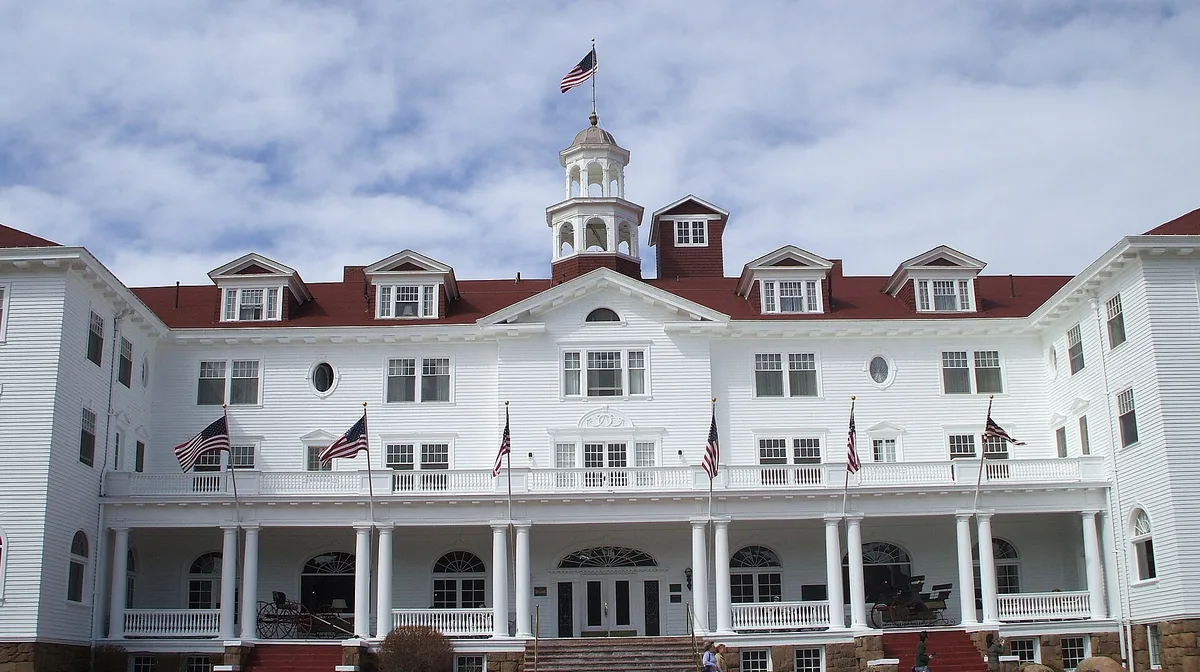
Estes Park's demand curve follows the park and the elk. Summer is the engine — June through August books solid as Rocky Mountain National Park runs its timed-entry season and Trail Ridge Road opens over the tundra — but fall is the connoisseur's peak: the elk rut fills town from mid-September through October, stacked on the Longs Peak Scottish-Irish Highland Festival in September and Elk Fest in early October. Winter is the value season, and it's growing — the park drops its entry reservations, snowshoers take Bear Lake, and Frozen Dead Guy Days packs a March weekend with coffin races. Blended nightly rates run around $420 with occupancy in the mid-50s across roughly 2,000 listings, and the Front Range supplies the repeat trade: Denver is ninety minutes downhill, and the family that came for July returns for the rut if anyone bothers to tell them about it. Lodges, cabin courts and inns round out a lodging market that predates the park itself.

Top Attractions & Landmarks

  • Rocky Mountain National Park
  • Trail Ridge Road
  • The Stanley Hotel
  • Bear Lake
  • Estes Park Aerial Tramway
  • Lake Estes
  • Downtown Riverwalk

Nearby Markets: Denver  |  Colorado Springs  |  Breckenridge

Airbnb marketing services in Estes Park, Colorado, USA
Postcards

Estes Park through the lens

A few of the visual fingerprints we lean into when we shoot, brand and market a Estes Park property — courtesy of the open Wikimedia Commons archive.

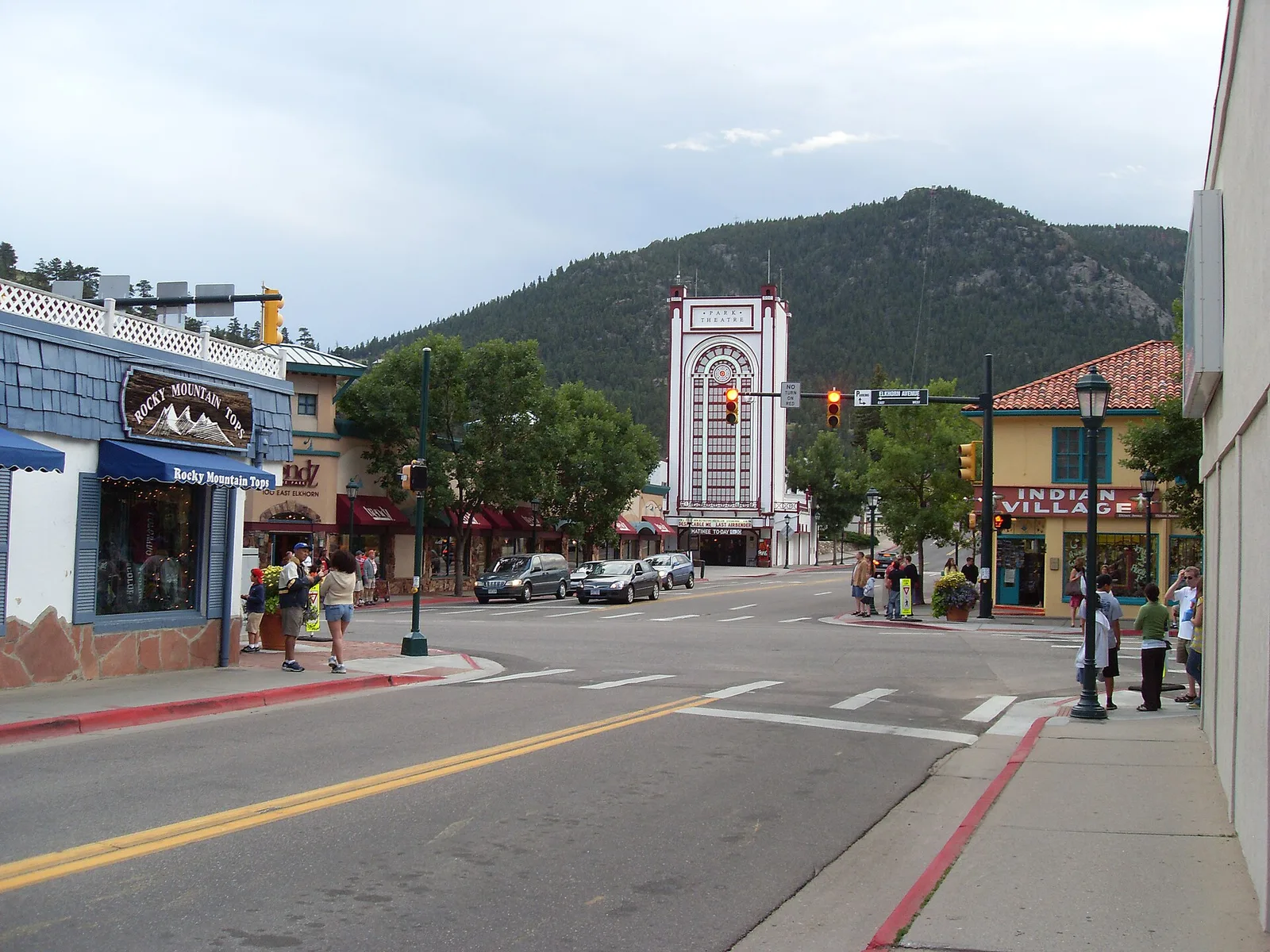
West Elkhorn Avenue, Estes Park 104A4568 — Estes Park airbnb marketing
Local Color
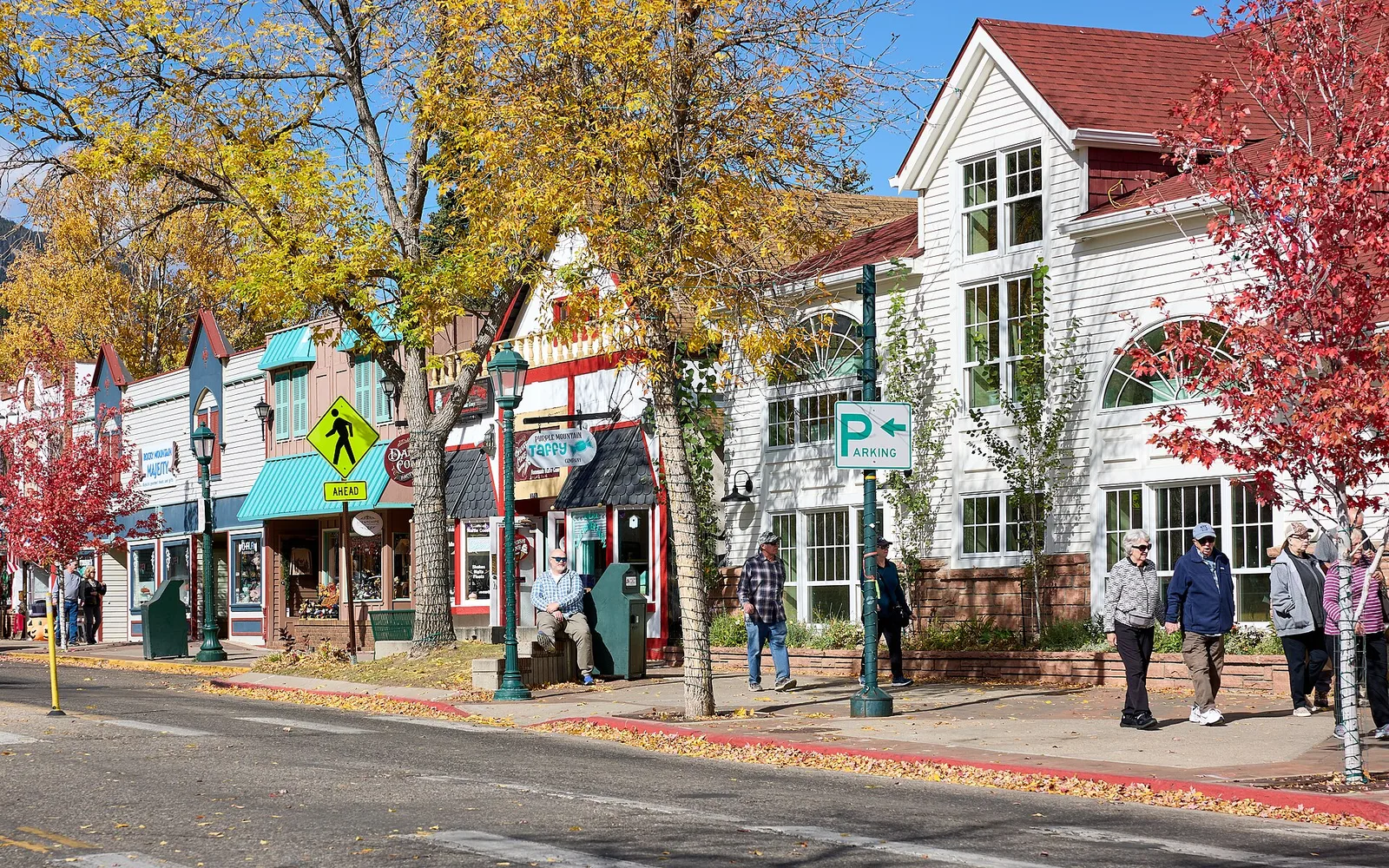
West Elkhorn Avenue, Estes Park
Longs peak — Estes Park airbnb marketing
Local Color
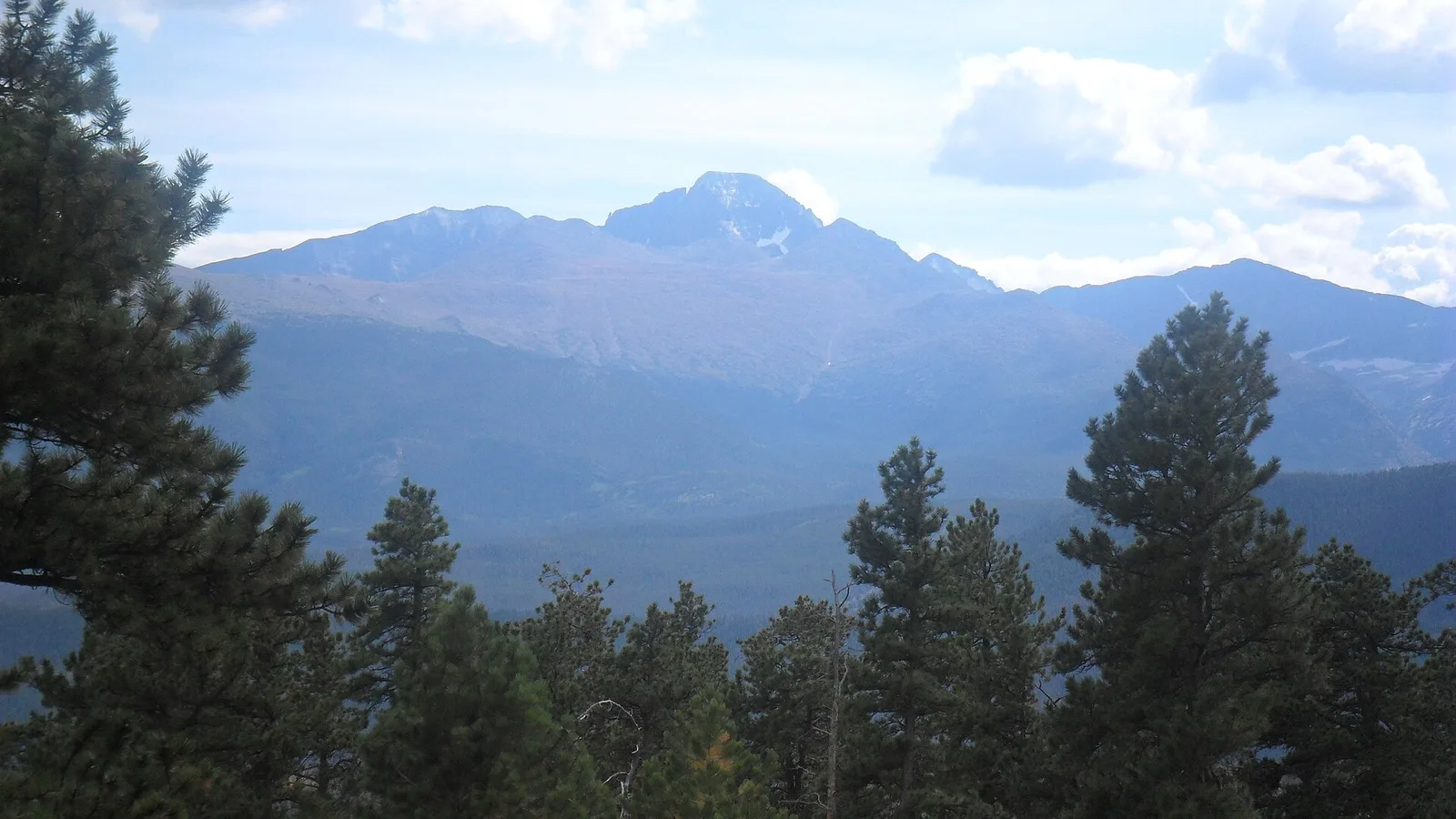
Longs peak
Rocky Mountain National Park in September 2011 Glacier Gorge from Bear Lake — Estes Park airbnb marketing
Local Color
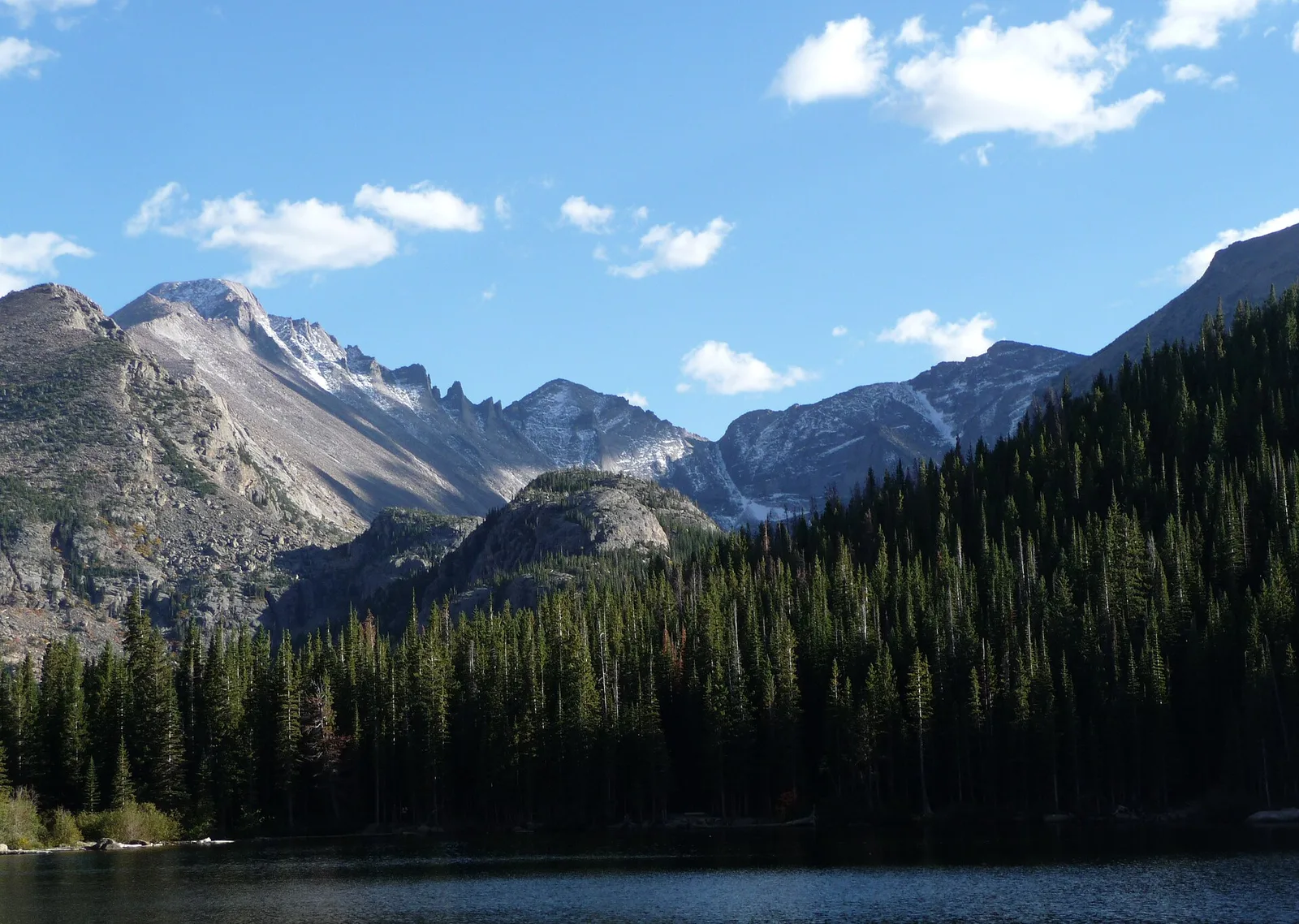
Rocky Mountain National Park
Estes Park City Centre — Estes Park airbnb marketing
Local Color
Estes Park City Centre
Why Cavmir

The Cavmir Advantage
in Estes Park

Cavmir wins in Estes Park because the town already did the hard part: the caps guarantee your competition can't multiply, and most license holders still market like it's a commodity. We make the license worth what scarcity says it should be — photography across all four seasons instead of one summer set, copy that explains the timed-entry system guests quietly fear, pricing built around the rut, the festivals and the holiday weeks, and direct-booking websites that turn annual park pilgrims into a list you own instead of a platform's. For the lodges and cabin courts, we run full hospitality marketing against the chains — brand, story, search and direct. We help position and market your property. We never manage it or touch your keys.

State of the Industry · History

The Estes Park STR Market — Past & Present

Estes Park was a tourist town before it was a town. Joel Estes grazed cattle in the valley from 1859, but the place's fate was sealed by visitors: the Earl of Dunraven, an Irish peer who came to hunt in the 1870s, liked the valley so much he schemed to claim most of it as a private preserve — locals beat back the land grab, and the valley stayed open. The modern era arrived with Freelan Oscar Stanley, co-inventor of the Stanley Steamer automobile, who came in 1903 for the tuberculosis air, decided the mountains needed a grand hotel, and opened the Stanley in 1909 — colonial revival, electric lights, a fleet of steam-powered mountain buses. Stanley threw his weight behind the naturalist Enos Mills's campaign for a national park, and in 1915 Rocky Mountain National Park was dedicated just up the road. Trail Ridge Road followed in 1932, cresting above 12,000 feet as the highest continuous paved road in the country.

The town has been absorbing booms and floods ever since — the Big Thompson flood of 1976 and the 2013 flood that cut every road out of town, the East Troublesome Fire of 2020 that forced a full evacuation, and a visitor economy that now brings millions through a downtown of about 6,000 residents. One October night in 1974, a nearly empty Stanley Hotel hosted Stephen King in room 217; The Shining came out three years later and made the hotel a destination in its own right. The short-term-rental era brought the town's most deliberate decision: vacation homes in residential zones were capped at 322 licenses, with a waitlist that ran for years. The waitlist finally cleared in 2025, and Ordinance 18-25 — effective December 15, 2025 — replaced it with a lottery system feeding a waitlist capped at thirty. Larimer County mirrored the approach outside town limits with a 208-license cap in the Estes Valley's residential districts. Scarcity is now the market's defining feature, and it was chosen on purpose.

Pricing Strategy & Seasonality

Pricing, Seasonality & When to Capture ROI

Pricing Strategy

The rate map runs on views and walkability. Homes walkable to Elkhorn Avenue and the Riverwalk carry a premium for families who want dinner without driving. The Fall River corridor toward the park's north entrance is classic cabin country — river frontage, elk in the yard. Marys Lake and Prospect Mountain sell panorama, and the unincorporated Estes Valley — Windcliff and the high perches above the park boundary — holds the trophy tier, where Longs Peak fills the window and rates follow. Carriage Hills and the in-town residential grid run the value end, capped-license territory where scarcity does quiet work on value. Blended nightly rates land around $420 with occupancy in the mid-50s, a typical licensed listing grossing near $50,000 a year, and the spread between a summer-only listing and a four-season operation is the widest number in the valley.

Seasonality & ROI Windows

Summer carries the volume — June through August at the park gate books itself, with timed-entry season in full swing — but fall is the sophisticated peak: the elk rut from mid-September through late October stacks wildlife traffic on top of the Highland Festival, Elk Fest and aspen gold, at weather most guests prefer to July's. Winter is the value season, November through April, soft but strengthening — the park drops its reservation system, Bear Lake becomes a snowshoe trailhead, and March gets a jolt from Frozen Dead Guy Days. May is the quiet open, mud on the trails and deals on the calendar.

Regulation & Licensing · 2026

What the Law Requires in Estes Park

Estes Park regulates vacation rentals heavily, deliberately and stably — the framework is mature, so read this as a map and confirm current numbers with the Town Clerk and your attorney. Inside town limits, every short-term rental needs a vacation home operating registration. In residential zones, registrations are capped at 322 — a ceiling that produced a years-long waitlist until it cleared in 2025, after which Ordinance 18-25 (effective December 15, 2025) replaced the queue with a lottery: when the list runs low, the town draws applicants to populate a waitlist capped at thirty. Commercially zoned properties register outside the cap. The fee stack is real: as of 2025, a $200 base fee, $50 per bedroom, and a $1,460 annual workforce housing regulatory linkage fee — the town's chosen mechanism for making the visitor economy fund local housing. Operating standards cover occupancy limits, parking, wildlife-resistant trash and local contacts, and renewal discipline matters: a lapsed license in a capped zone is a catastrophic unforced error.

Outside town limits, Larimer County runs the Estes Valley's unincorporated districts with its own system: short-term rentals in residential zones are capped at 208 licenses with a waitlist, and every county STR needs a building-permit conversion to the use, a passed life-safety inspection and a certificate of occupancy. The tax stack on nightly stays totals 14.2%: 2.9% state, 0.8% Larimer County, 5% town sales tax, and the 5.5% Visit Estes Park lodging tax — 2% approved in 2008 plus 3.5 points added by voters in 2022, earmarked for workforce housing and childcare. Statewide, watch the legislature: a 2024 bill to reclassify STRs as commercial lodging property for tax purposes (SB24-033) died in committee, but versions of the idea keep returning. Get your parcel's status — town or county, zone, cap position — in writing before you buy or list.

Market-Specific Tips & Challenges

Local Tips & Unique Market Challenges

Tips That Actually Move Revenue in Estes Park

The Estes Park strategic tip: the license is the business — protect it like the scarce asset it is, then market the seasons the summer crowd never sees. A capped registration in this valley is a franchise; renewal discipline, clean operating records and visible compliance protect it, and everything after that is upside captured or forfeited on marketing.

Tactically: first, shoot fall and winter, not just July — the rut, the aspen gold, the cabin under snow with the fireplace lit are the images that sell the sixty percent of the calendar most listings abandon. Second, become the timed-entry concierge: guests quietly dread the park's reservation system, and the listing that explains it plainly — which permit type, when reservations drop, the early-morning and evening entry windows — converts anxious searchers into bookings. Third, price the published calendar: the Highland Festival, Elk Fest, Frozen Dead Guy Days and the holiday weeks are dated far ahead, and rut-season weekends deserve summer rates. Fourth, build the repeat channel — park families return annually for a decade, and a direct-booking website with an email list keyed to the elk and the aspen turns one July stay into a fall tradition. Fifth, run the altitude playbook in your listing: honest drive-time and winter-road guidance, hydration and elevation notes, and the wildlife rules — the five-star review at 7,500 feet is won on managed expectations.

Unique Estes Park Challenges

The constraints are the point: entry to the residential market runs through a capped lottery, the fee stack — especially the $1,460 linkage fee — takes real margin from small operators, and the season compresses hard around June-through-October. Wildfire is a lived memory here, with the 2020 evacuation still shaping insurance conversations, and statewide tax-reclassification debates resurface regularly. This market rewards holders who operate seriously and punishes casual calendars.

A Curious Estes Park Fact
In late October 1974, Stephen King and his wife checked into the Stanley Hotel on the last night of its season and found themselves nearly alone — empty corridors, a bartender named Grady, room 217. King had the nightmare that became The Shining, and the Stanley leaned into its destiny: the hotel now runs ghost tours past 217 (its most requested room), hosts a horror film festival, and in 2015 added a hedge maze it never had — the maze existed only in the story until the hotel decided fiction had the better idea. A businessman built the Stanley to cure his tuberculosis; a novelist's bad night turned it into one of America's most famous haunted hotels.
Finance Essentials — Estes Park
🛡️

Insurance

Mountain underwriting here starts with fire: the East Troublesome Fire's 2020 run at the valley put wildfire mitigation, defensible space and brush clearance at the center of every quote, and Colorado's hardening market has pushed some owners toward the state's new FAIR Plan backstop. Beyond fire: snow-load and frozen-pipe coverage for winter-gapped calendars, hot tubs and stairs on the liability side, and wildlife-damage quirks unique to a town where elk treat fences as suggestions. Short-term rentals need proper STR or landlord coverage, and licensed operators should document compliance — underwriters increasingly ask. Use a Colorado broker who writes mountain resort property routinely.

🧾

Property & Income Tax

Nightly stays carry a combined 14.2%: 2.9% Colorado, 0.8% Larimer County, 5% Town of Estes Park sales tax, and the 5.5% Visit Estes Park lodging tax — the 2022 voter-approved increase directing 3.5 points to workforce housing and childcare. Platforms collect much of this on their bookings; registration and direct-booking remittance stay with you. Stays of 30 days or more generally fall outside the lodging tax. The annual $1,460 workforce housing linkage fee is a regulatory fee rather than a tax, but budget it like one. Colorado's flat income tax then applies to the income, and property taxes remain residential-rate — the 2024 attempt to reclassify STRs as lodging property failed, though the debate isn't finished. Confirm your stack with your accountant.

🏦

Mortgages & Financing

Underwriting follows the license. A home with a transferable town or county registration in a capped zone carries income potential its unlicensed neighbor legally cannot have — so verify with the Town Clerk or county exactly what happens to the registration at sale before you price anything, and get it in writing. DSCR lending works well on documented licensed income; unlicensed residential-zone purchases should be underwritten as second homes with, at most, a lottery ticket's worth of rental hope. Entry prices push jumbo territory for view properties, insurance quotes belong in the pre-offer math, and a local lender who knows the cap system will save you from the classic Estes mistake: paying a licensed price for an unlicensed house.

Future Outlook · 2027 & Beyond

Where Estes Park is Headed Next

Estes Park has chosen its shape: capped supply at the gate of one of America's most visited national parks. The caps have survived years of pressure, the linkage fee institutionalized the housing bargain, and nothing in town politics suggests loosening — which means every licensed home appreciates in scarcity value as park visitation compounds. Watch three things: the annual lottery mechanics under Ordinance 18-25, the county's cap management in the valley, and the statehouse, where the lodging-property-tax idea will return in some form. Demand needs no defense — the park, the elk and the Front Range's growth guarantee it. The durable play into 2027 and beyond is a protected license, a four-season marketing calendar and a direct channel full of returning park families. In a market where competition is fixed by ordinance, presentation is the only variable left — and it's the one most owners still ignore.

From the Desk of Sofie Sinag

Why We Love Marketing in Estes Park

Estes Park is the market where the main attraction commutes through downtown. Elk bed down on the golf course, hold up traffic on Elkhorn Avenue and bugle through September dawns — a wildlife spectacle national in scale, wandering past the coffee shops — and yet most listings here still lead with a couch. The town hands every owner four seasons of imagery most markets would kill for: the rut, the aspen gold, Trail Ridge above the clouds, the Stanley under snow. Marketing here is mostly the discipline of accepting gifts.

We also love what the caps did to the assignment. A licensed vacation home in this valley is a fixed-supply asset at the gate of one of America's most visited national parks — competition literally cannot multiply — which means every improvement compounds instead of being diluted by next year's new listings. And the calendar rewards craft: the summer sells itself, so the real work is teaching a July guest about the rut, a leaf-peeper about snowshoe season, a Frozen Dead Guy about the Stanley in March. Building the machinery of return — the four-season photo library, the timed-entry concierge copy, the direct channel full of families on their tenth annual trip — is exactly the kind of work that separates an agency from a photographer. In a capped market, it's also the only work that matters.

Why It Matters

A great property in Estes Park doesn't just want a listing — it wants a point of view, an audience, and a brand the city itself would recognise.

Cavmir's Estes Park Cheat Sheet

The Picks We Recommend for Your Welcome Book

A few honest, insider picks for Estes Park — the kind of specifics that make a listing read like a local wrote it, because one did. Real places, no filler.

Morning

Sprague Lake at first light

A flat half-mile loop with the Continental Divide mirrored in still water — the park's most reliable postcard and one of its most accessible trails. Go at dawn: the light is best, the parking is easy, and the reservation-window rules are kindest early. Tell guests to bring coffee and gloves even in July.

Golden Hour

Moraine Park at dusk

The broad meadow inside the park where the elk herds gather — in late September the bugling starts as the alpenglow comes up on the Divide, and it's the single best hour in the valley. Guests who catch it never forget it; a listing that tells them exactly when and where earns the review.

Neighborhood Walk

Elkhorn Avenue and the Riverwalk

The downtown spine and the path along the Big Thompson and Fall rivers behind it — taffy shops, coffee, galleries, and the occasional elk with right-of-way. It's an hour that explains the town, and 'walkable to Elkhorn' is the most valuable location line in Estes lodging.

Dinner That Photographs

Bird & Jim

Colorado-sourced plates with Longs Peak filling the window — the modern Estes dinner that photographs like the trip guests imagined. Tell them to book ahead in summer and time it for sunset on the peak; the table does the rest.

Local Obsession

The Taffy Shop

A downtown fixture pulling saltwater taffy since the 1930s, machine in the window, line out the door on summer afternoons. Locals argue flavors the way other towns argue teams. Send guests with a small bill and low expectations of self-control — it's the souvenir that actually gets eaten.

Shoulder Season Secret

The park in winter

From late October the timed-entry system stands down, the crowds go home, and Bear Lake becomes a snowshoe trailhead under blue-sky cold. Rates hit their honest floor while the scenery arguably peaks. Sell it plainly: the same park as July, without the reservation and without the line.

Weekend Escape

Grand Lake over Trail Ridge Road

In summer, the highest continuous paved road in the country climbs above 12,000 feet — tundra, marmots, views into forever — and drops to Grand Lake's boardwalk village on the park's west side. It's a full-day loop guests plan trips around; flag the seasonal closure (roughly October to Memorial Day) honestly.

What Guests Ask For

Timed entry, explained like a local

The park's reservation system is the number-one anxiety in every summer inquiry. Answer it in the listing: which permit type covers Bear Lake Road, when reservations drop, and the early-and-late entry windows that skip the system entirely. Add an altitude note — water, pacing, the 7,500-foot reality — and you've pre-earned the five stars.

Local Work · Composite Case Vignettes

What Cavmir Has Done for Estes Park Properties

A few composite engagements drawn from how Cavmir typically works in this market. The details are illustrative and consistent with Estes Park, not pulled from a single named client.

Licensed vacation home · in-town residential zone
The Brief

A three-bedroom holding one of the town's capped residential licenses — a fixed-supply asset by ordinance — was marketed like a commodity: one summer photo set, flat rates from May to October, a dark calendar all winter, and not a word about the license, the park system or the elk.

What We Did

Cavmir shot the house across the seasons — rut mornings, aspen gold, the porch under snow — rebuilt the listing around timed-entry concierge guidance and the fall calendar, priced the Highland Festival, Elk Fest and holiday weeks like the published events they are, and launched a direct-booking page for returning families.

The Result

Fall weekends began booking out at rates the owner had never asked for, winter turned from a write-off into a steady snowshoe-and-fireplace trade, and the license's scarcity finally showed up where it belongs — in the income statement and in repeat guests booking direct.

Estes Valley cabin · Larimer County license
The Brief

A river cabin outside town limits held a county license with its life-safety inspection current — and marketed none of it: phone photos, no compliance story, no winter imagery, and rates that ignored the rut entirely.

What We Did

Cavmir made the compliance visible — licensed, inspected, wildlife-smart — reshot the cabin in fall and winter with the river and the drive documented honestly, wrote the county-side story (quieter, darker skies, elk at the door) as the feature it is, and built season-aware pricing with a direct page for the cabin's regulars.

The Result

The cabin separated from the unlicensed gray zone in guests' eyes and booked deeper into fall and winter than it ever had, with the licensed-and-inspected story converting exactly the cautious, high-value families the owner wanted — several of whom now return on standing annual dates.

Cabin-court lodge · Fall River corridor
The Brief

A family-run court of cabins on the road to the park's north entrance — the classic Estes lodging product — was OTA-dependent with a website from another decade, no email program, and no presence during the festivals and rut weeks that fill the valley.

What We Did

Cavmir rebuilt the brand and direct-booking website around the court's history and the river setting, reshot every cabin in summer and under snow, ran search marketing for Estes Park cabin terms, and keyed campaigns and packages to the park calendar, the rut and Frozen Dead Guy Days.

The Result

Direct bookings grew into a durable share of revenue, shoulder-season weekends firmed on festival packages, and the lodge's generations of returning guests finally had a channel of their own — with next-year rebookings happening at checkout, commission-free.

Market Intelligence · Seasonality

Airbnb seasonality in Estes Park, month by month

Demand in Estes Park peaks around June through September and runs quietest around November. Here is how the year actually books — and what to do about each stretch of the calendar.

Peak demandSteadyQuiet

Peak season

Summer is everything here. From June through September, Estes Park is the front door of Rocky Mountain National Park, and the calendar fills with family park trips, hikers and honeymooners the moment school lets out. September holds peak-level demand as the elk rut and golden aspens take over from the families. Have photography, rates and minimum stays locked by April, because the people who plan park vacations plan early.

The shoulders

May and October bracket the season. In May the high country is still opening up and you're catching early hikers and Memorial Day weekend; in October the first half of the month rides elk watching and fall color — Elk Fest weekend books hard — before things drop off sharply. Precision pricing on those specific weekends matters more than any across-the-board rate move.

The quiet stretch

November through April is the honest quiet, broken by holiday weeks, winter-weekend couples and the Frozen Dead Guy Days surge in March. Lean into fireplace-and-hot-tub romance for weekends, offer longer stays for remote workers who want mountain quiet, and use the deep lull for maintenance and a photography refresh before the summer wave.

Dates that fill first

Rocky Mountain National Park timed-entry seasonlate May through mid-October
The park's reservation system shapes the whole summer: guests who've planned their entry times book lodging early and prize hosts who explain the system clearly. A plain-English guide to reservations in your listing converts anxious planners into bookings.
Frozen Dead Guy DaysMarch
The famously weird winter festival found its home in Estes Park and now fills a March weekend that would otherwise sit empty. Coffin races and polar plunges bring a young, group-heavy crowd — price the weekend like summer.
Longs Peak Scottish-Irish Highland FestivalSeptember
One of the biggest Celtic gatherings in the West lands the weekend after Labor Day, stacking pipe bands and jousting on top of already-strong elk season demand. Book solid, price firm.
Elk Festearly October
Downtown celebrates the rut with bugling contests and wildlife programs just as the aspens peak. It's the last big weekend of the season — treat it that way.
Market Intelligence · Guests

Who books Estes Park Airbnbs — and how far ahead

National park families
The summer core: a week or a long weekend built around Rocky Mountain National Park. They want space to spread out, easy parking, and a host who demystifies timed entry and the best early starts.
Elk and aspen chasers
September and October bring couples and photographers for the rut and the color. A deck with a view, binoculars on the shelf and genuine quiet beat luxury finishes for this crowd.
Hikers and climbers
Dawn-start guests working Longs Peak, Sky Pond and the high trails. Gear storage, laundry, a real coffee setup and painless early-morning logistics earn their reviews.
Front Range weekenders
Denver, Boulder and Fort Collins are close enough for impulse trips, especially in winter. They book on short notice and pick whichever cabin's hot tub photographs best at dusk.
Winter escape couples
Fireplace-and-snow romantics, plus the Frozen Dead Guy Days crowd in March. A hot tub, a wood stove and a stocked kitchen make the sale.

The booking window

Summer books far ahead: when park reservations open in spring, lodging bookings follow within days, and July fills first. September and early October weekends go nearly as early, because the rut-and-foliage crowd knows exactly which dates they want. Winter moves on a short fuse, often inside a couple of weeks.

Typical stays

Summer runs on three-to-five-night park trips with a meaningful share of full weeks; fall skews to long weekends built around elk and color; winter is almost entirely two-night weekend stays. Midweek summer nights fill nearly as well as weekends — the park doesn't take Mondays off.

Where guests drive from

DenverBoulderFort CollinsLovelandCheyenne

Where guests fly from

ChicagoDallasHouston
Everything funnels through the Front Range: Denver and its airport are the gateway for nearly every fly-in guest, with Texas and Chicago the heavy origin markets for summer park vacations. Ads aimed at Dallas, Houston and Chicago in late winter — when families plan national park summers — reach the right people at the right moment.
Market Intelligence · What Wins

The Airbnb that wins in Estes Park

The Estes winner is the cabin people picture when they say the word: logs or timber, a deck facing Longs Peak or the Divide, a hot tub under the pines, elk occasionally wandering the yard. Riverfront places along Fall River and the Big Thompson carry a premium feel, and in-town walkability earns its keep on festival weekends, but view beats convenience here. Generic modern builds compete on price; character cabins are what guests came here imagining.

Amenities that move bookings here

hot tub with a viewdeck and outdoor seatingfireplace or wood stovewell-equipped kitchengear storagewasher and dryerfast wifipet friendly
The single highest-leverage move is a dusk photo of your hot tub with the mountains behind it as your cover shot. It's the exact moment guests are buying, and most listings still lead with a living room.
Straight Answers

Estes Park Airbnb marketing questions, answered

How do I market my Airbnb in Estes Park?

Sell the park and the view before you sell the house. Photography needs the deck, the peaks and the hot tub at dusk; listing copy should answer the questions park visitors actually have — how far to the entrance, how timed entry works, where the elk show up. Layer on event-aware pricing for September and festival weekends, a Google Business Profile for map searches, and a direct-booking site for the families who return every summer. That's the marketing stack Cavmir builds for mountain-town hosts, and in a market this seasonal it earns its keep in the shoulder months.

When is peak season for Estes Park Airbnbs?

June through September, with September holding peak demand as the elk rut and aspen color replace the summer families. The first half of October still books well — Elk Fest is the season's last big weekend — and then the market goes quiet until late May, with holiday weeks and March's Frozen Dead Guy Days the notable exceptions.

How far in advance do guests book Estes Park Airbnbs?

Summer guests book months out — park-trip planners are the most organized travelers you'll host, and July fills first. September's elk-and-foliage crowd books nearly as early because they're targeting specific weekends. Winter stays happen on short notice, so keep rates flexible rather than hoping distant weekends fill themselves.

Where do most Estes Park Airbnb guests come from?

The Front Range supplies the weekend base — Denver, Boulder, Fort Collins — while summer's destination travelers fly into Denver from across the country, with Texas and Chicago consistently heavy. That split is the strategy: court the fly-in planners with a polished listing in late winter, and catch Front Range short-fuse trips with sharp weekend pricing year-round.

What amenities matter most for an Estes Park Airbnb?

A hot tub with a mountain view is the closest thing this market has to a guaranteed booking driver. Behind it: a fireplace, a deck people can live on, gear storage for hikers, and a kitchen stocked for real cooking since dinner options thin out in the off-season. Air conditioning is rare here and most nights don't need it, but good fans and windows that open matter a little more each summer.

Ready to Grow in Estes Park?

Let's Put Your Estes Park
Property on the Map

Talk to Cavmir today. We'll show you exactly what your Estes Park property is leaving on the table — and how fast we can change that.

Book a Free Strategy Call