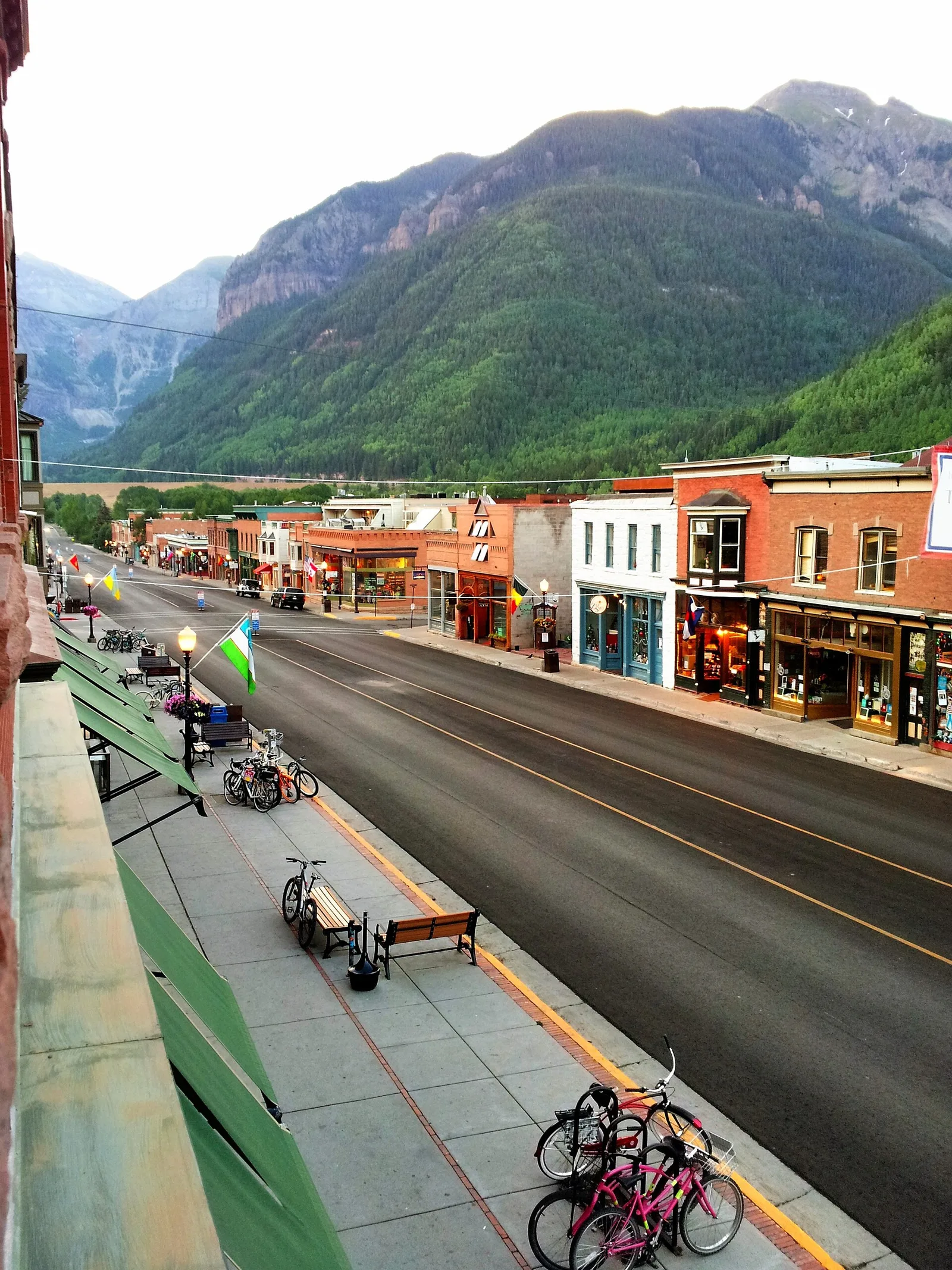
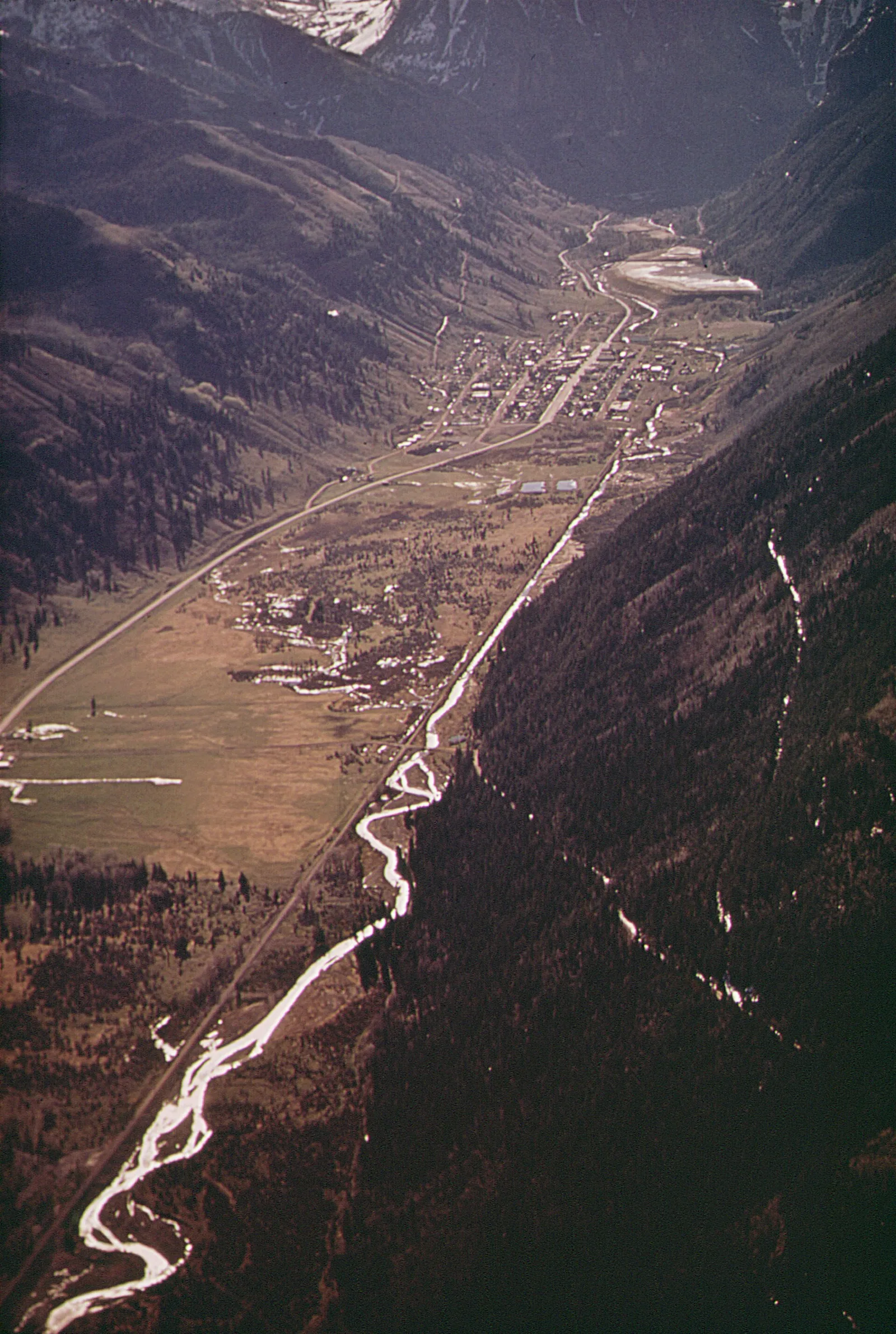
Telluride started as a silver and gold camp. Prospectors hit the surrounding valleys in the 1870s, the town incorporated in 1878, and by the 1880s Colorado Avenue was a working mining street with saloons, a bank, and a railroad spur. Butch Cassidy robbed that bank in 1889 — his first, by most accounts. The mines carried the town for decades, then faded; by the 1960s Telluride was a near-empty Victorian shell, which is exactly why so much of the original architecture survived. The whole town is now a National Historic Landmark District, and that designation is the foundation of everything that makes it rentable: you can't tear the old homes down, so they stay rare and they stay charming.
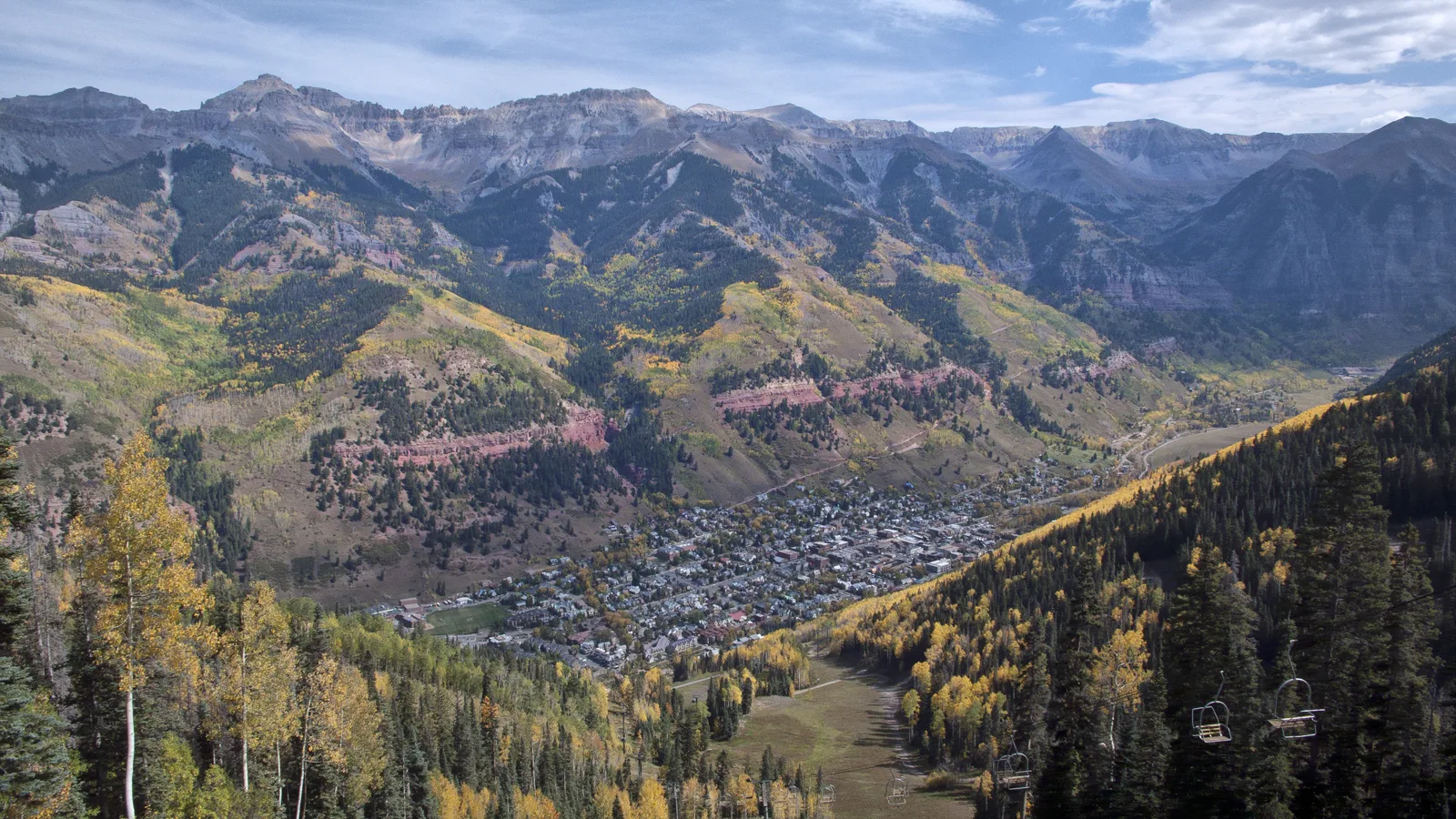
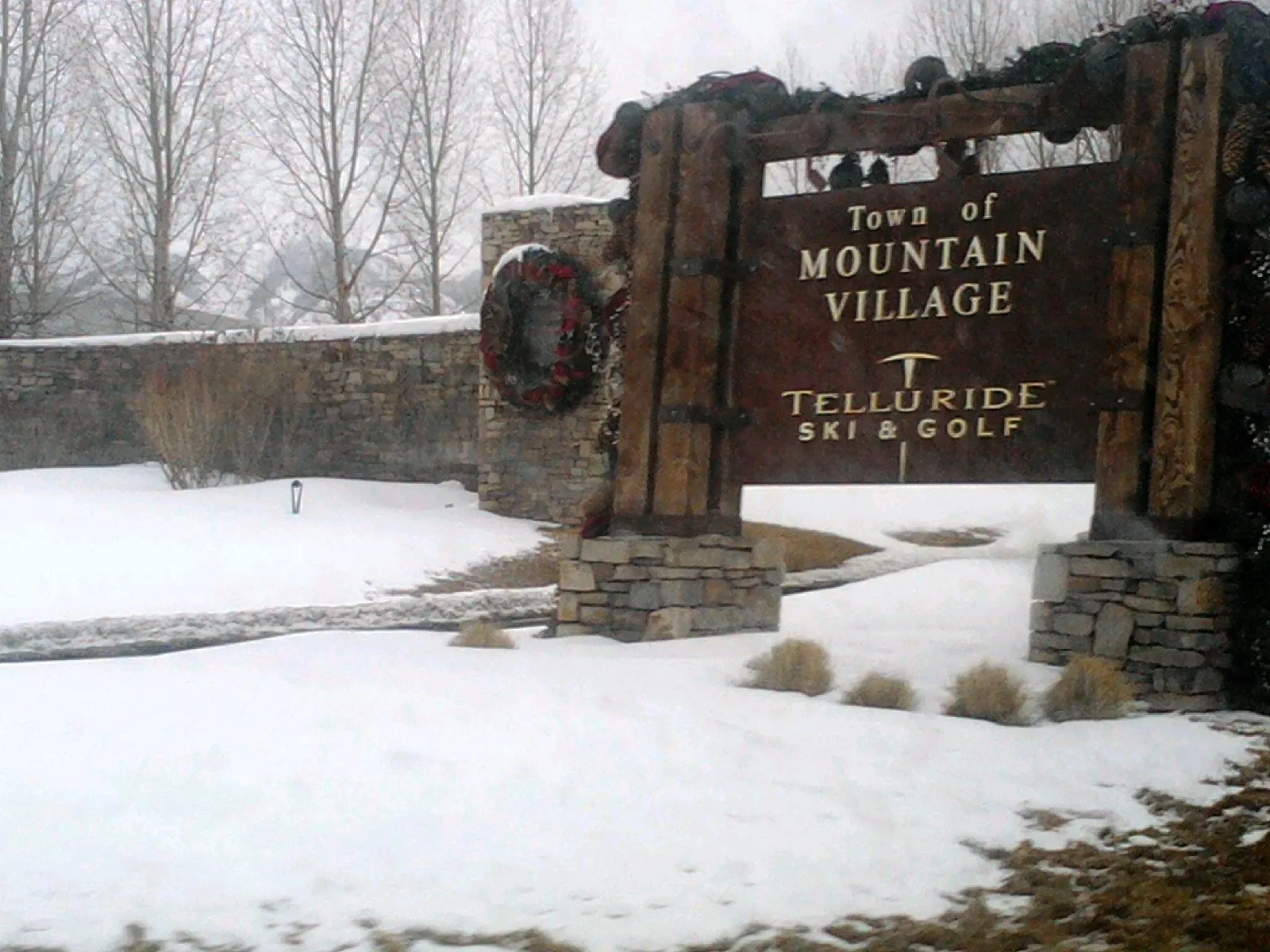
The ski resort opened in 1972 and changed the economics. Mountain Village, the purpose-built resort base above town, was developed through the 1980s and 90s, and the free gondola linking the two opened in 1996. That gondola is the hinge of the market — it lets a guest stay slope-side in Mountain Village and be on Main Street in twelve minutes, or stay in a historic home in town and ski without a car. STR inventory splits along that line. In town you've got Victorian houses and small condo conversions, tightly capped and walkable. In Mountain Village you've got larger ski-in/ski-out condos, townhomes, and trophy homes. Across both, supply is small and deliberately constrained — Telluride has spent years tightening short-term rental rules precisely because locals were being priced out. The result is a finite, high-end pool of rentals across both towns, with very little raw land left to build on inside the canyon and a town government that treats new licenses as something to ration rather than hand out. That makes this a low-volume, high-value market where the winners are the best-presented homes, not the most homes — and where a single well-marketed property can quietly out-earn a whole stack of mediocre ones.