

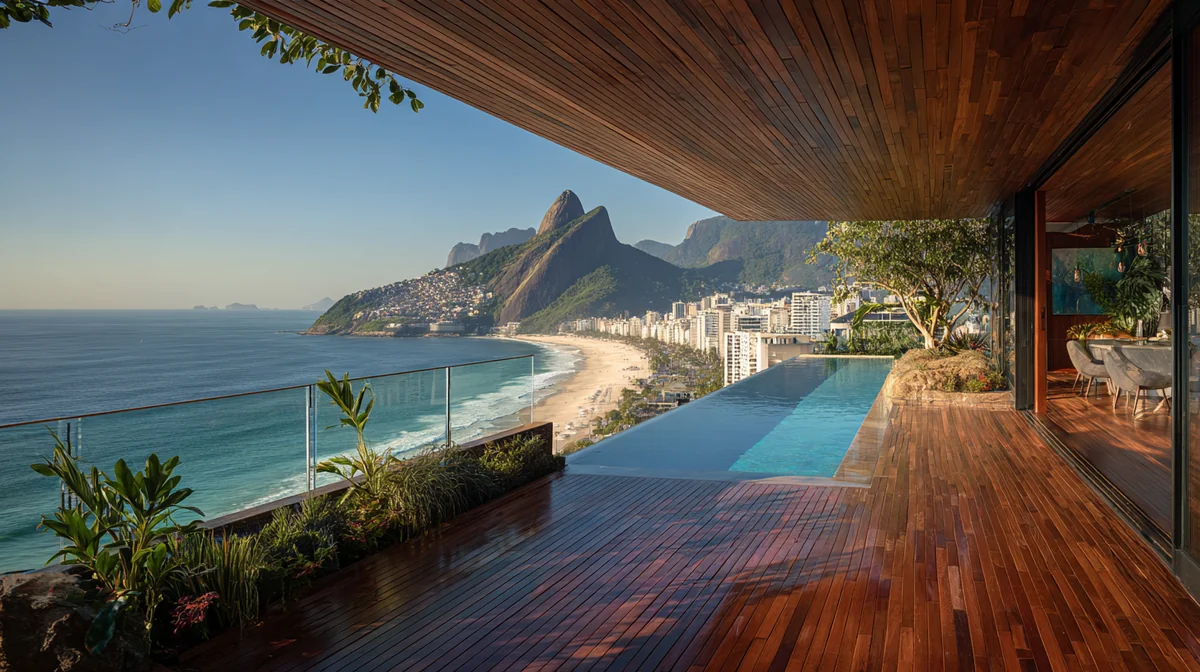



The season
Late August to late April
The aurora season runs roughly eight months. It is not a winter-only product and treating it as one costs you September and April.

Expert short-term rental marketing to grow your bookings and nightly rate in Fairbanks, Alaska, USA.
Sixteen services, one team. Everything below is built in-house and scoped to your property and market. Most owners start with the 12-Step System.
Every engagement is quoted to your portfolio. These are the ready-made scopes owners pick most — the AI Efficiency Discount is already applied. A clear proposal within 48 hours.
The work is public. Selected engagements and what changed — and reviews from the owners and managers behind them.
* Market averages. Properties marketed by Cavmir typically exceed these figures by 25–45%. Data sourced from AirDNA, STR market reports, and Cavmir internal analytics.
Fairbanks exists because a trader called E.T. Barnette was put ashore on the Chena River in 1901 when the sternwheeler carrying his goods could not push any further upstream, and because Felix Pedro found gold in the hills the following year. It sits in the Tanana Valley about 120 miles south of the Arctic Circle, and it is the second-largest city in Alaska, which in practice means around thirty thousand people in the city and roughly a hundred thousand across the borough. The winters are severe in a way that is difficult to convey to people who have not been: forty below is a normal January reading rather than a record, and the town simply carries on. What makes Fairbanks a serious visitor market is directly connected to that. The city sits under the auroral oval, the ring where the northern lights are most active, and it has cold clear inland skies rather than the coastal cloud that ruins viewing elsewhere. The aurora season here runs roughly from late August to late April. That is eight months of a product that most of the world has on a list of things to do before they die, and Fairbanks is one of the most reliable places on earth to deliver it. Then the summer turns the whole thing upside down and the sun barely sets at all.
Alaska has no statewide short-term rental statute and no state sales tax, so regulation here is local and the local picture has two layers. The City of Fairbanks treats short-term rentals as tourist homes under its code and requires a conditional use permit in most zoning districts, alongside city and State of Alaska business licences. The Fairbanks North Star Borough is the second layer, and its code does something unusual: it categorises lodging by the number of guestrooms rather than by the property. A bed and breakfast homestay is defined as a facility with one to four guestrooms; a bed and breakfast residence is a facility with five to nine. Which side of that line you fall on determines what you legally are, which means a fifth bedroom is a regulatory decision rather than a furnishing one. The borough levies an 8% hotel and motel room tax on stays under thirty days and has a reputation for monitoring listings actively rather than waiting for complaints. The borough also introduced a new zoning district in 2024, its first in twenty-four years, so district rules are worth checking rather than assuming. Confirm the current guestroom and occupancy limits directly with the city, since secondary guides on this market contradict each other and the borough is the one that will be knocking.
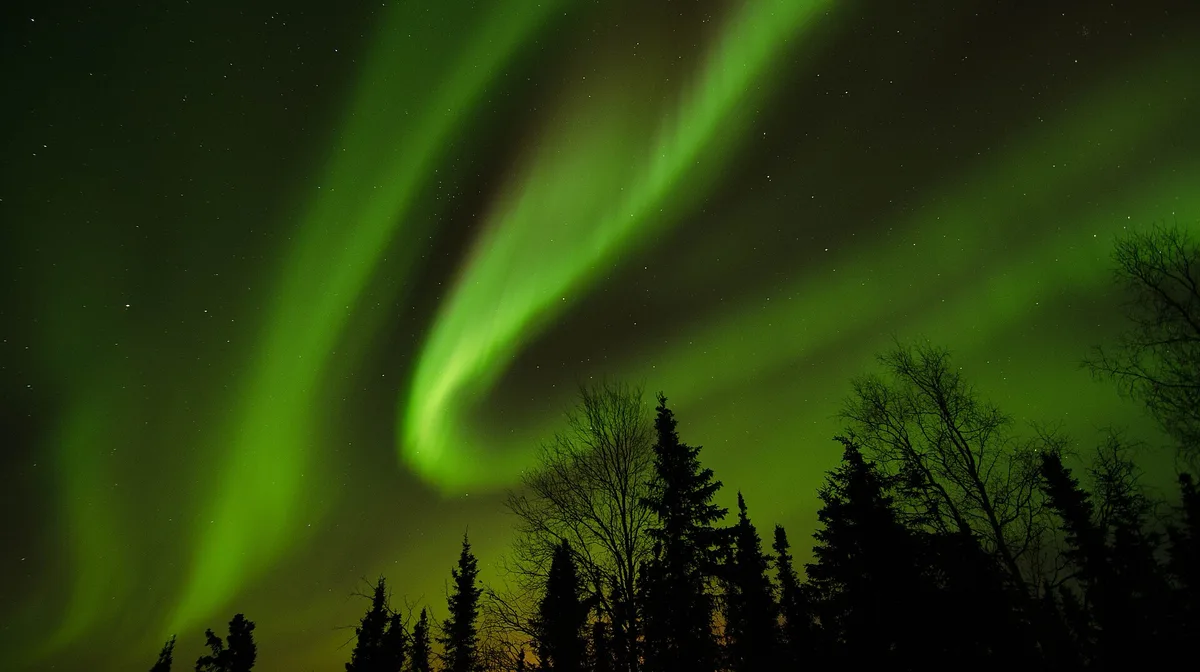
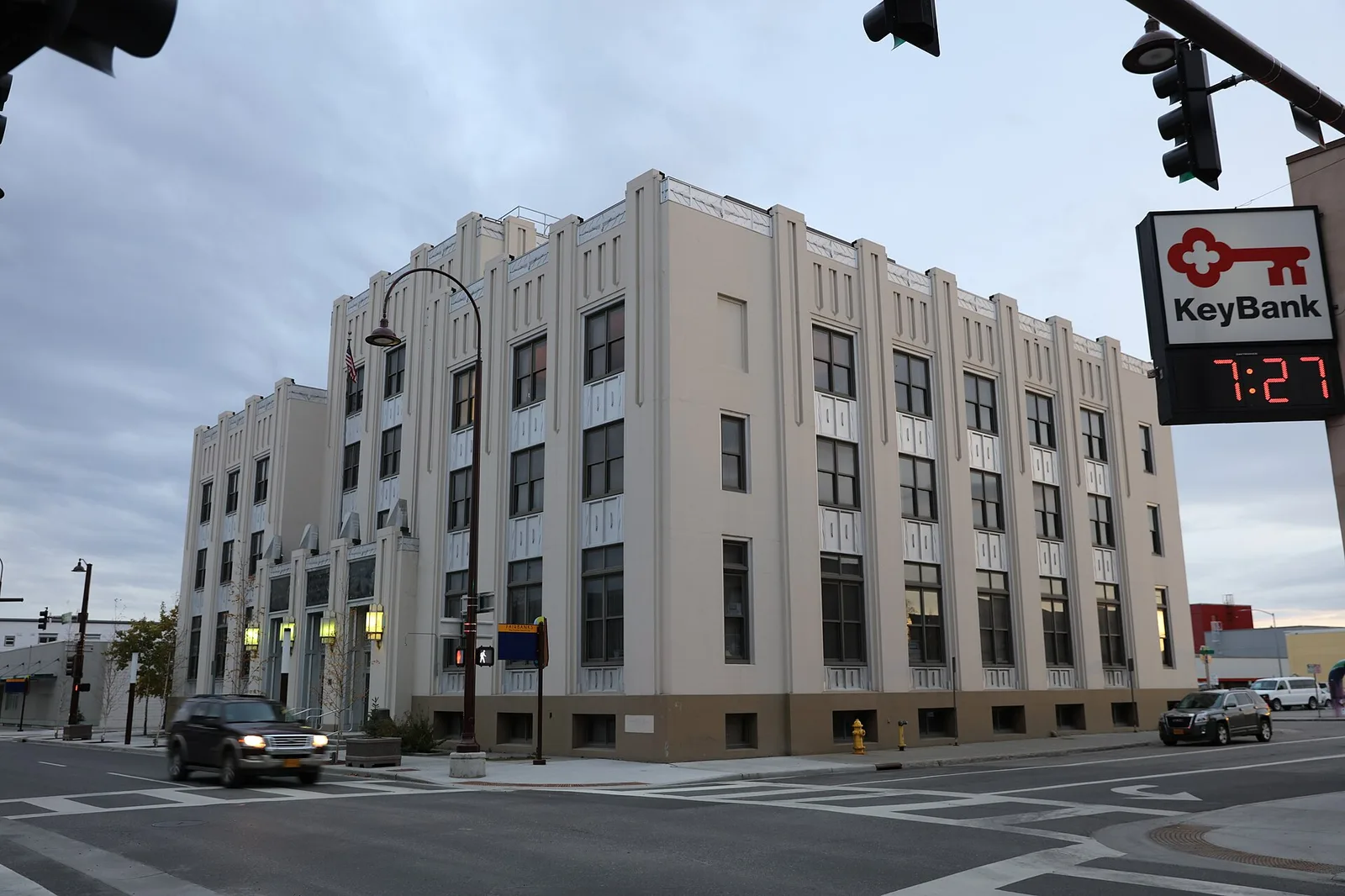
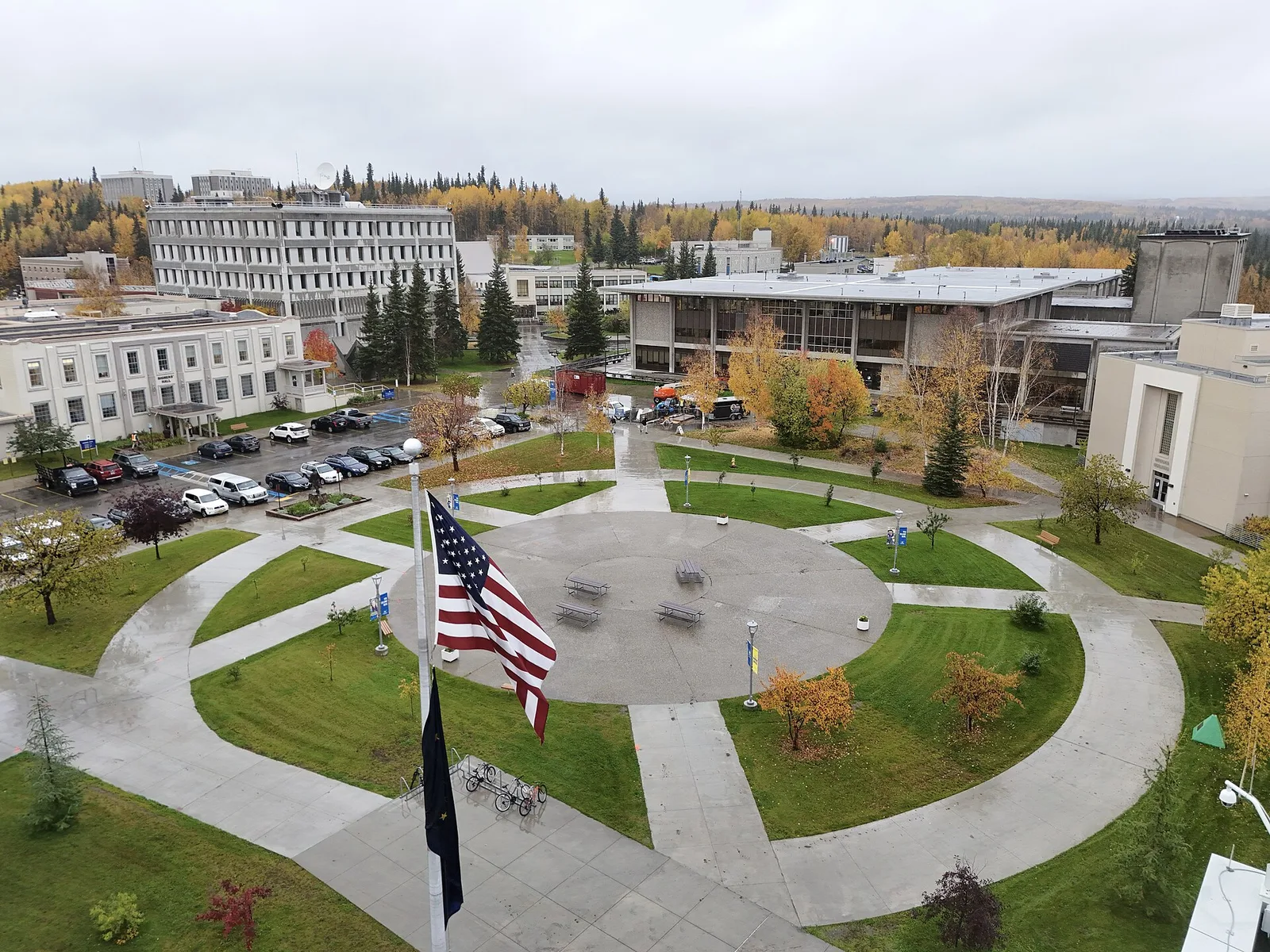
A few of the visual fingerprints we lean into when we shoot, brand and market a Fairbanks property — courtesy of the open Wikimedia Commons archive.
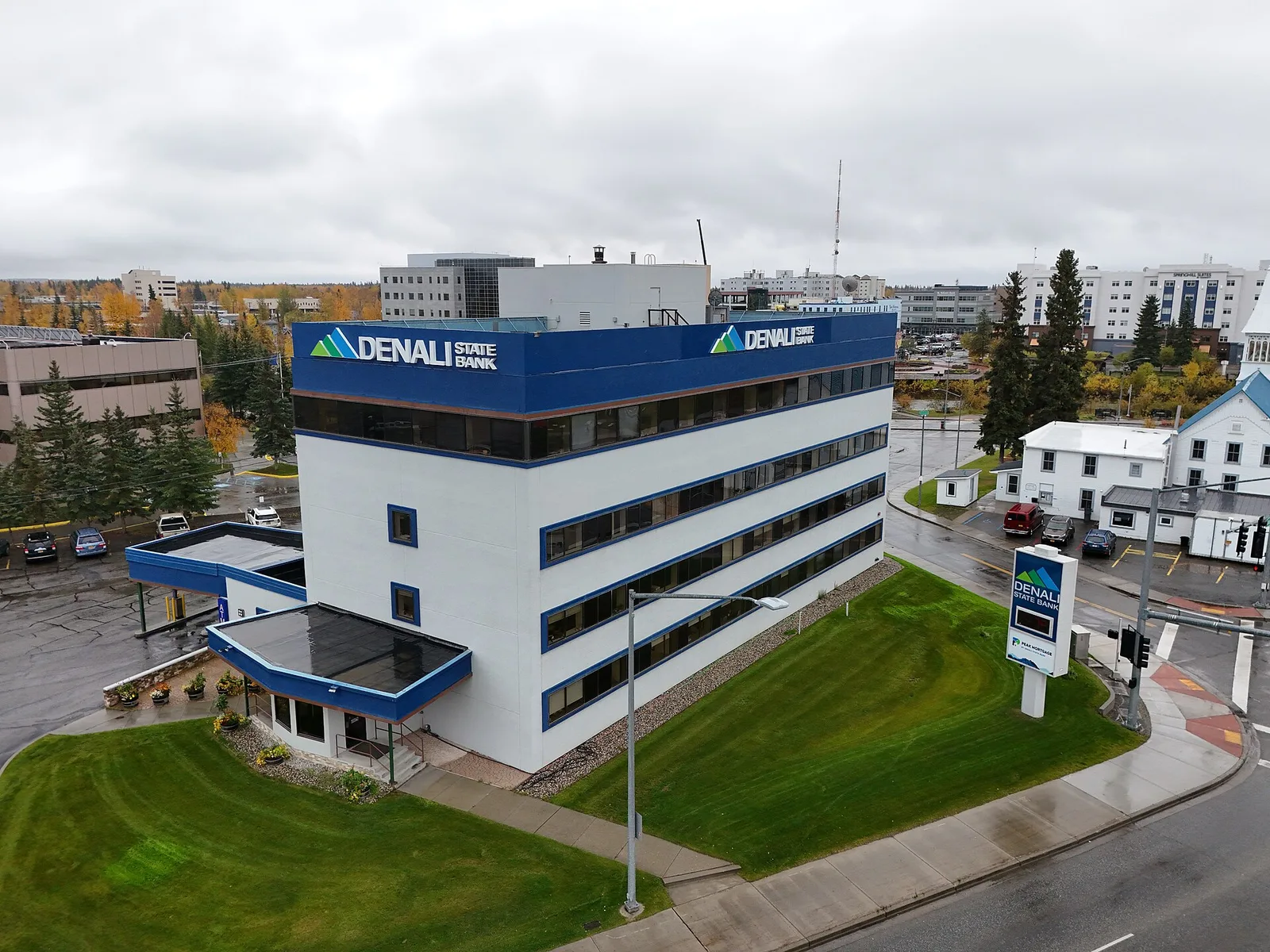
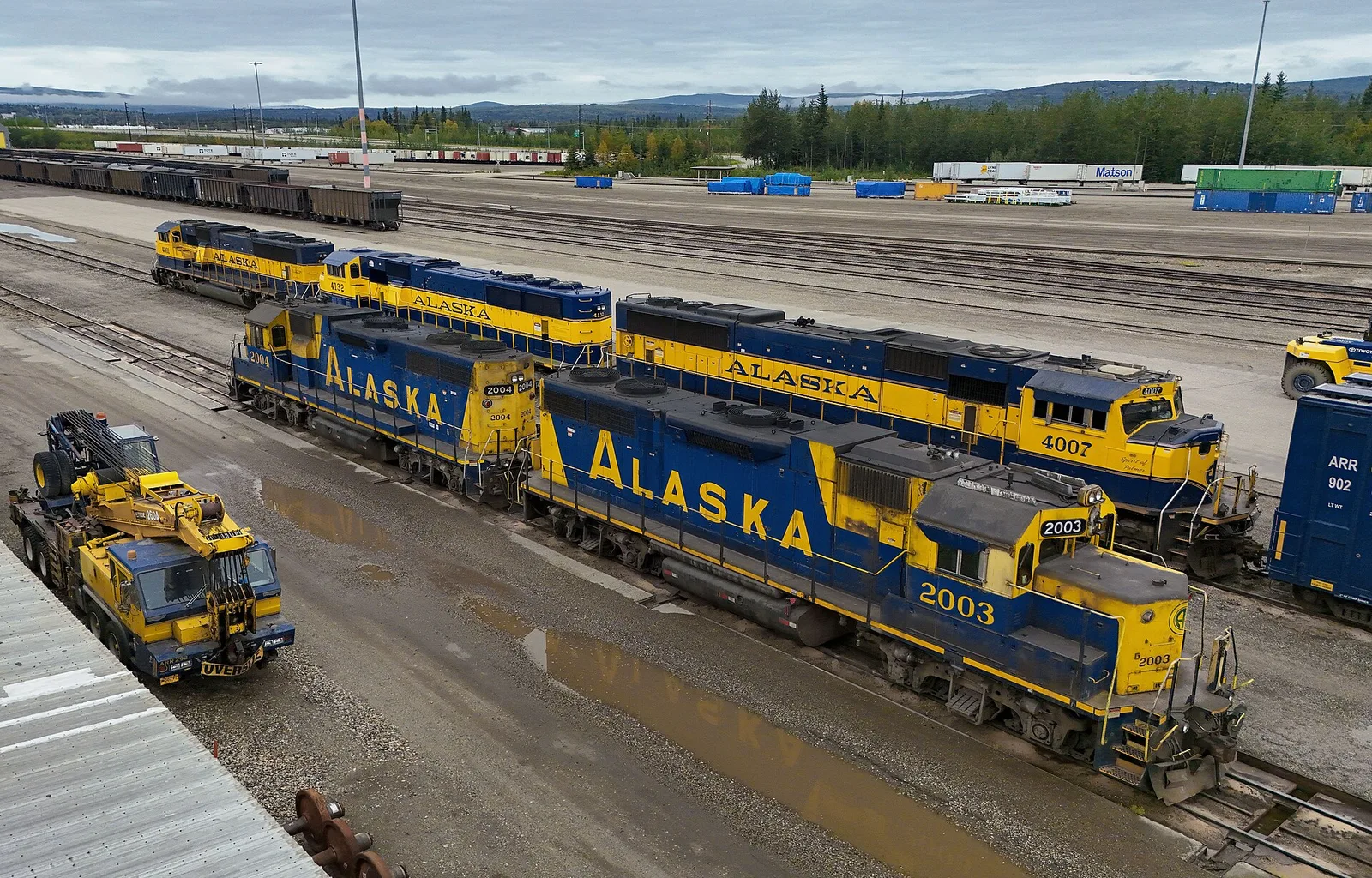
Cavmir markets Fairbanks properties on the sky, because that is what people are flying eight thousand miles for and almost no listing here says so properly. An aurora guest has a completely different set of questions from a summer visitor: how dark is it at your address, is there light pollution from town, can they see north from the property, is there somewhere warm to wait, will someone wake them at two in the morning when it starts. A listing that answers those converts at a rate that a listing describing a kitchen never will. We photograph the property under the aurora, which is the single highest-return piece of imagery any Fairbanks owner can commission and which most do not have. We write for the international guest, because a large share of this market flies in from Asia and Europe and needs the transfer, the parking, the block heater and the winter clothing question answered before they book. Then we build a direct booking site that can carry all of that, work local search against the phrases people type when planning an aurora trip months out, and keep an email list that lets you sell next February in the previous May. We help position and market your property. We never manage it or touch your keys.
Fairbanks was a stranded trading post that struck gold, and it has been selling the far north — gold, midnight sun, the aurora — for more than a century. Cavmir writes the modern chapter.
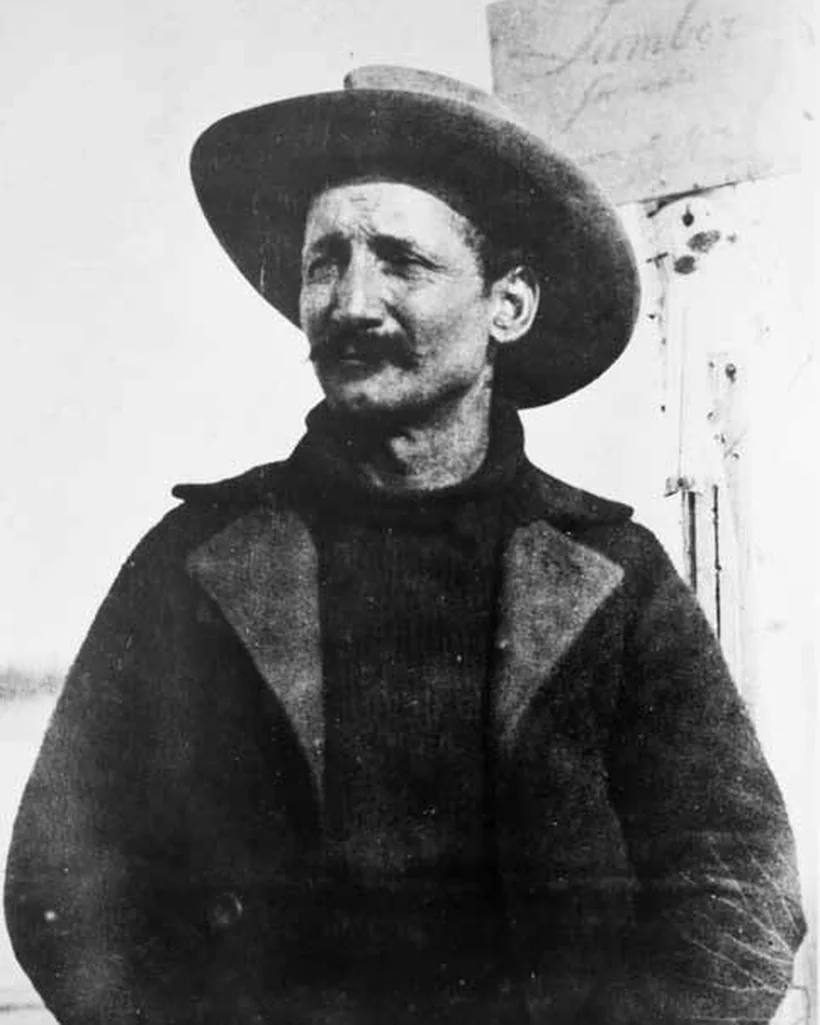
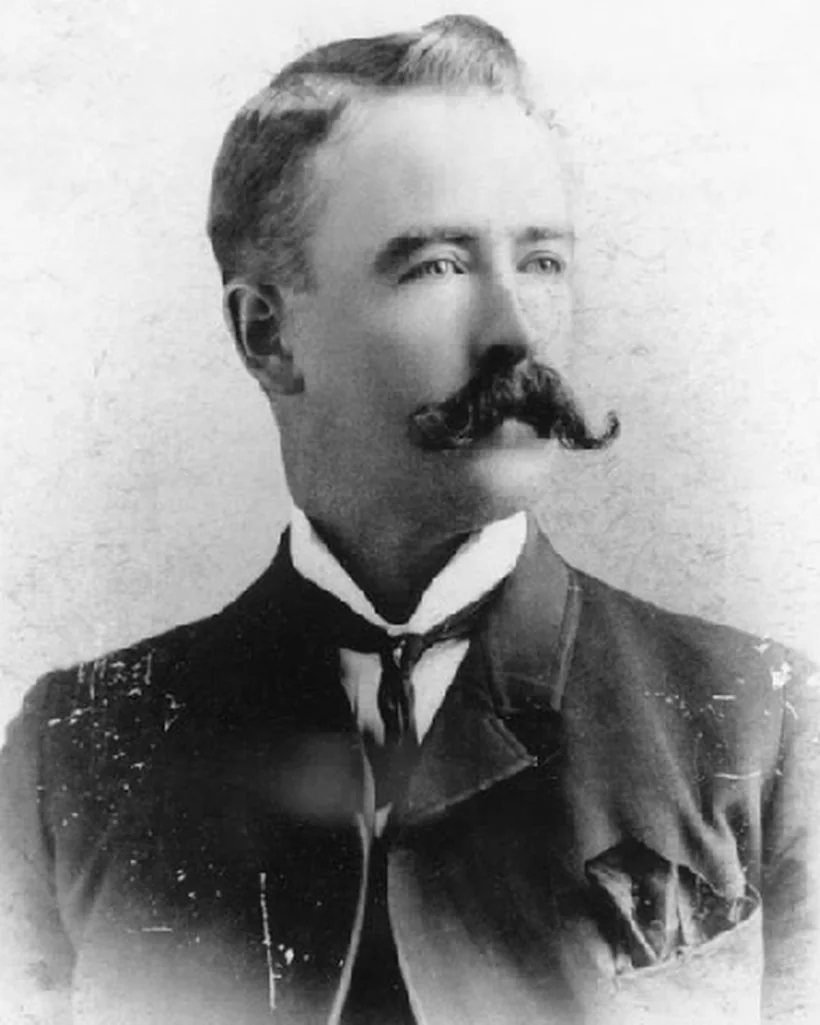
In 1901 E.T. Barnette was travelling up the Tanana with a boatload of trade goods, intending to set up a post at Tanacross. The sternwheeler Lavelle Young could not get through, and the captain put Barnette and his cargo ashore on the bank of the Chena River, some distance from anywhere he wanted to be. He was, by most accounts, furious. The following summer an Italian prospector named Felice Pedroni, known locally as Felix Pedro, found gold in the hills to the north, and the accidental trading post became the supply centre for a gold rush. Judge James Wickersham persuaded Barnette to name the settlement after Charles W. Fairbanks, then a senator from Indiana and later vice president, in exchange for political attention, and the name stuck. Unlike most northern gold towns Fairbanks did not empty out when the easy gold ran out, because dredging companies moved in and worked the ground industrially for decades, and because the town became the transport and administrative hub for interior Alaska. The Alaska Railroad reached it in 1923. The University of Alaska opened here in 1917 and its Geophysical Institute became one of the world's centres for auroral research, which is a neat piece of circularity: the science that explains the northern lights is done in the town that sells them. The Alaska Highway arrived during the Second World War and the pipeline boom of the 1970s brought a second surge. The town has never been picturesque and has never tried to be.
Fairbanks was selling itself within months of existing. E.T. Barnette's stranded trading post became a gold camp, the camp became a town, and by 1916 the Fairbanks Commercial Club was mailing out a booklet titled Descriptive of Fairbanks, Alaska's Golden Heart. When the easy gold thinned, the town kept the pitch and changed the product — a baseball game played at midnight without lights, sternwheeler tours the Binkley family has run since 1950, winter skies that turned the aurora into a bookable experience. The channel changed; the work is identical — a story, told well, about why this far place is worth the trip. It is the same business Cavmir is in today.
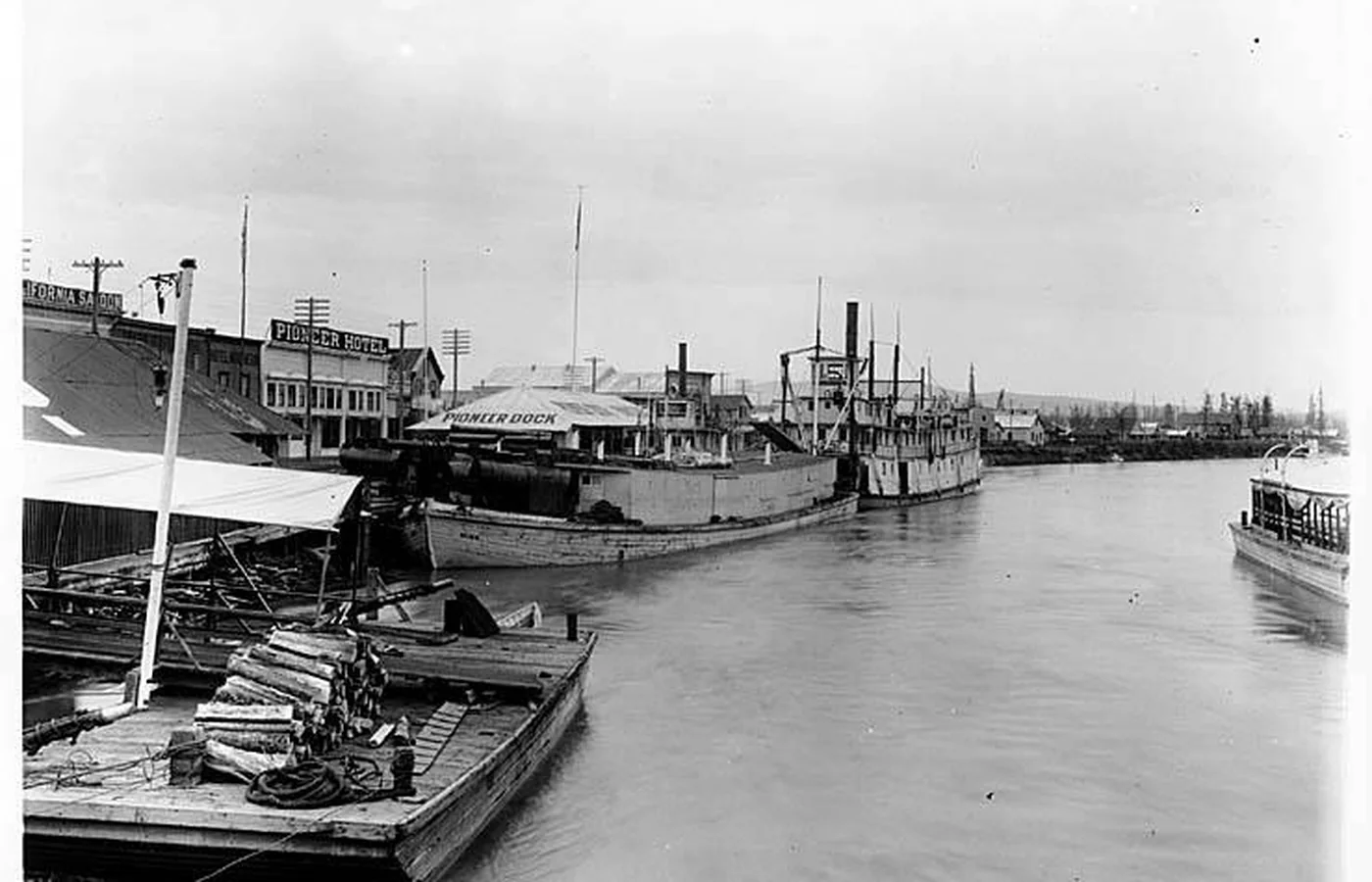
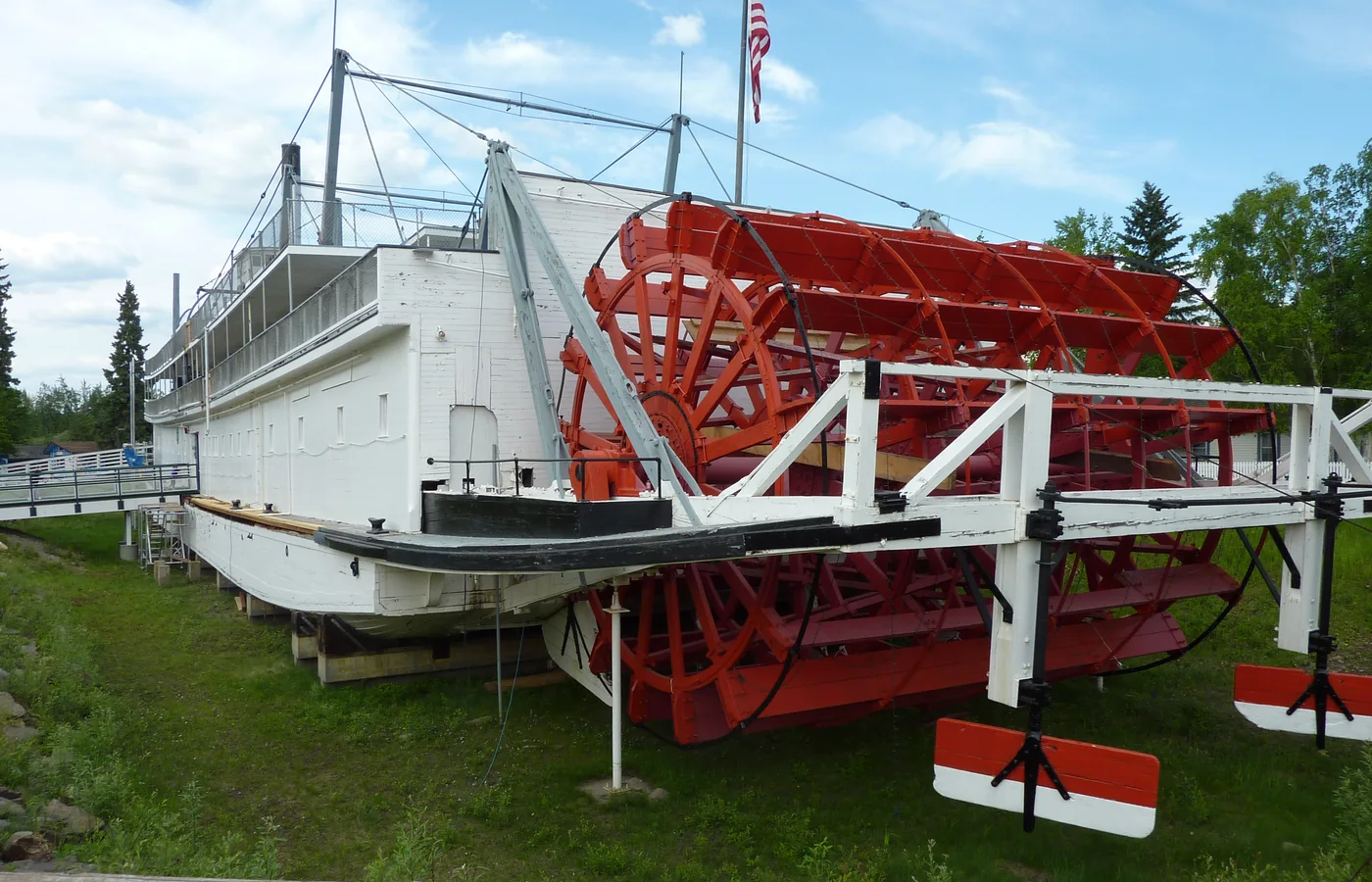
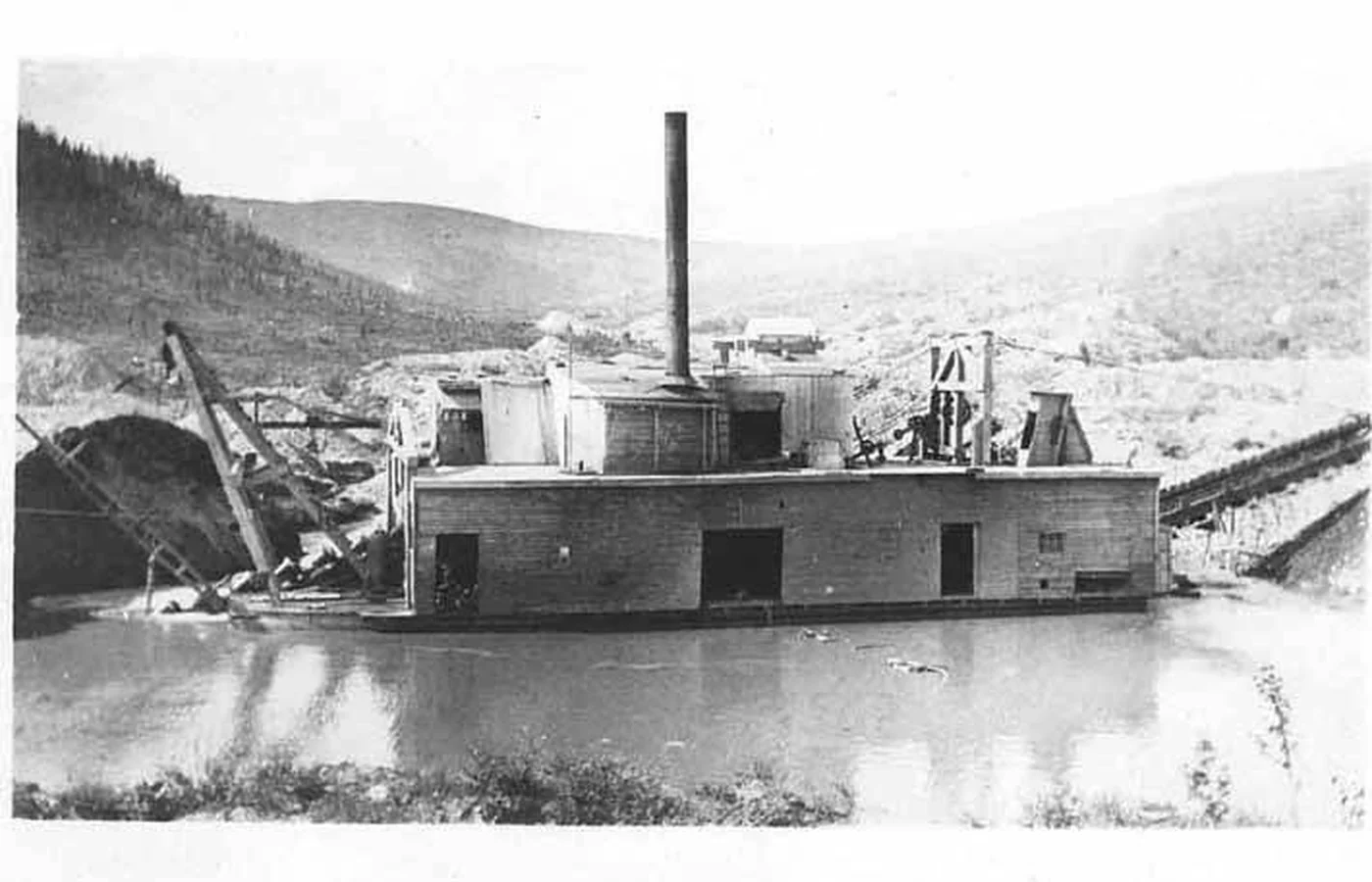
Historical images: public domain and Creative Commons via Wikimedia Commons — Felix Pedro and E.T. Barnette portraits (public domain); steamer Schwatka at Pioneer Dock (Frank H. Nowell); Fairbanks Gold Mining Company dredge, 1914 (Fred K. Powell); SS Nenana at Pioneer Park (Nils Öberg, CC BY-SA).
Fairbanks prices on darkness, which is not how most markets work. The aurora season runs roughly from late August through late April, and within it the strongest weeks are the cold clear stretches of the deep winter when the nights are longest and the skies most reliable, plus the equinox periods in September and March when auroral activity statistically peaks. That is a very long peak by any standard and it is the reason this market supports better annual occupancy than its latitude would suggest. Winter rates should be set for an international guest who has flown a very long way and is not making a marginal price decision; the trip costs them thousands before they reach your door, and a fifty-dollar nightly difference is not what decides it. Summer is a completely different business: midnight sun, road trips, Denali, the riverboat, and a domestic American guest who is much more price-aware. Price the two seasons as separate products with separate minimum stays. The genuinely quiet stretches are the shoulders in May and early June, when the aurora season has ended and the summer traffic has not started, and late April into May, when it is neither dark nor warm. Those are the months for longer stays, for construction and pipeline contractors, and for anyone who needs a month rather than a night.
Two long seasons and two short gaps. Aurora season runs roughly from late August to late April, with the deepest winter and the equinox weeks strongest. Summer runs from June through mid-August, driven by Denali, the midnight sun and road travel. May and early June are quiet, as is the tail of April. Cold is an operating factor rather than a detail: sustained temperatures far below zero affect vehicles, plumbing and guest behaviour, and a property without a working block heater outlet is a problem rather than an inconvenience.
Alaska has no statewide short-term rental law and no state sales tax, so everything here is decided locally, and there are two local authorities to satisfy. The City of Fairbanks classifies short-term rentals as tourist homes in its code and requires a conditional use permit in most zoning districts, with tourist homes allowed as conditional uses in commercial zones, mixed-use districts and certain residential zones. You will also need a City of Fairbanks business licence and a State of Alaska business licence. The Fairbanks North Star Borough is the second layer and it works differently from most jurisdictions, because its code categorises by guestroom count rather than by dwelling: a bed and breakfast homestay is defined as a facility with one to four guestrooms where lodging is provided to transient guests on a day-to-day basis, and a bed and breakfast residence is a facility with five to nine guestrooms. The consequence is that adding a fifth guestroom moves you into a different regulatory category, with different requirements, and that is a decision to make deliberately rather than discover. Conditional use applications go through the borough's Department of Community Planning with a site plan, a floor plan and supporting documentation. The borough levies an 8% hotel and motel room tax on stays under thirty days and monitors online listings actively. In 2024 the borough introduced a new zoning district, its first in twenty-four years, so verify current district rules rather than working from an older summary, and confirm any bedroom or occupancy limit with the city itself, because published third-party guides on this market disagree with one another.
Photograph the aurora over your property. Not a stock image of the northern lights, not a picture from the university, your actual house with the sky above it. It is the single highest-return piece of imagery any owner in this market can commission and the overwhelming majority do not have it. Second, answer the darkness question in the listing. Aurora guests want to know how much light pollution there is at your address, whether they can see north from the property, whether they have to drive somewhere to view, and what the drive is like at forty below. Say it plainly. Third, solve the waiting problem. The aurora appears when it appears, often between eleven at night and three in the morning, and the difference between a good stay and a bad one is whether there is somewhere warm to sit and watch, or a way to be woken. A heated viewing space, an aurora alert arrangement or even a clear window facing north is a genuine selling feature. Fourth, write for an international guest. A significant share of this market flies in from Asia and Europe and needs airport transfer, winter clothing hire, grocery and driving information answered in advance. Fifth, mention the block heater. Visitors who have never lived with real cold do not know that cars are plugged in here, and telling them makes you look like a host who has thought about it. Sixth, sell summer separately and honestly, because midnight sun is its own remarkable product and gets ignored in favour of the winter story.
The cold is a real operating cost: heating, freeze protection, vehicle plug-ins and maintenance all run higher than in the Lower 48, and a plumbing failure in January is a serious event rather than an inconvenience. Distance drives up the cost of everything, from trades to furniture. The shoulder months in May and late April are genuinely thin. Aurora is a natural phenomenon and cannot be promised, which means expectation management is a permanent part of the job rather than an occasional one, and a guest who came a very long way and saw nothing needs handling carefully. And borough enforcement is active, so operating without the right permits here is a poor idea.
Insuring in interior Alaska is a specialist exercise and the dominant risk is not what visitors assume. It is freezing. A heating failure in a property at forty below can burst a plumbing system within hours and produce a catastrophic water loss, and insurers know it, so expect close attention to your heating arrangements, backup provisions, monitoring and the vacancy conditions in the policy. Read those conditions properly, because many policies impose requirements about maintaining heat and checking unoccupied properties that owners breach without realising. Name short-term rental use explicitly. Wildfire is a genuine interior Alaska exposure in summer and the smoke seasons have been severe. If the property offers anything for guest use, from a snow machine to a fire pit, ask about it specifically. Liability limits should reflect guests who will be driving on ice in the dark, often for the first time in their lives. And use a broker who writes Alaska business, because national carriers frequently do not understand the risk profile here and price it either absurdly or not at all.
Alaska has no state sales tax and no state lodging tax, which makes the tax picture here simpler than almost anywhere else in this wave. The tax that matters is local: the Fairbanks North Star Borough levies an 8% hotel and motel room tax on rentals of under thirty days, and operators collect and remit it on all rental income. Registration is with the borough. Confirm what any booking platform is collecting and remitting on your behalf rather than assuming, since the obligation stays with you. The absence of a state sales tax is worth stating in your guest-facing pricing, because international visitors comparing an Alaskan trip against a Canadian one will find the tax difference material. On the income side, Alaska has no state personal income tax either, which changes the calculation for owners in a way worth discussing with an accountant rather than guessing at, particularly if you are not an Alaska resident and are filing in another state as well. Business licence fees at both state and city level are small but they are annual, so put them on the same calendar as your permit renewals.
Financing in Fairbanks is straightforward in some ways and awkward in others. Property is genuinely inexpensive by American standards, which keeps deposits and loan sizes manageable and is the main reason yields here look strong on paper. The complications are structural. Lenders scrutinise heating systems, insulation, foundations and water arrangements far more closely than in temperate markets, because a poorly built house in interior Alaska is a serious risk; permafrost is a real underwriting question on some ground and can affect foundations dramatically. Properties outside the city may be on hauled water or a well and holding tank rather than mains, and that affects both value and financeability. Insurance cost feeds into affordability and is higher than owners from the Lower 48 expect. If you intend to rely on short-term rental income for serviceability, be ready to document the permit position, since a tourist home without its conditional use permit is not a lawful income stream. Use an Alaskan lender or a broker who works the interior regularly, because they will already know which of these questions apply to the specific property you are looking at.
Fairbanks is unusually well positioned for the next decade because its principal asset is astronomical rather than economic. The auroral oval is not going anywhere, international interest in aurora travel has grown steadily and shows no sign of reversing, and the solar cycle's more active years increase displays in a way that has already lifted demand. Air service is the main variable: this market is sensitive to the number of international and domestic connections into Fairbanks, and route changes move it directly. On the regulatory side, borough and city attention to short-term rentals has been increasing rather than decreasing, with active monitoring of listings and a zoning code that was revised in 2024 for the first time in a generation, so an owner should expect the compliance bar to rise rather than fall. The other structural factor is the university and the military presence, both of which provide a base of year-round demand that has nothing to do with tourism and that most owners here ignore entirely. A property that can serve an aurora guest in January, a Denali visitor in July and a relocating contractor in May is running three businesses rather than one, and in a market with a genuine shoulder problem that is the difference worth building for.
Fairbanks is not a pretty town and it does not pretend to be, which is part of why we like it. It is a working place at the end of the road system, built on gravel and permafrost, with a river through the middle of it and a university on the hill doing genuinely important science about the sky. And the sky is the point. Fairbanks sits directly under the auroral oval, the ring around the magnetic pole where the northern lights are most active, and unlike the coastal towns it has dry, clear, inland winter air. So from late August to late April, on a good night, the thing people keep on a list for their whole lives happens over the car park. It is green and then it moves, and then it is across the entire sky, and nobody who sees it properly ever quite describes it right afterwards. Then in summer the same latitude does the opposite and the sun refuses to set, and the town plays a baseball game at midnight without turning the lights on because it has done that since 1906. Between those two extremes there is a genuinely good museum, hot springs sixty miles up a road with an ice museum inside them, musk oxen at a research station, a paddlewheeler, and Denali two hours south. The cold is real. Forty below is a Tuesday. But an owner here is selling something that only about six places on earth can offer, and that is a rare position to be in.
A great property in Fairbanks doesn't just want a listing — it wants a point of view, an audience, and a brand the city itself would recognise.
Eight things that decide whether a Fairbanks guest goes home having seen what they came for, and most of them belong in the listing rather than the house manual.
The aurora season runs roughly eight months. It is not a winter-only product and treating it as one costs you September and April.
Fairbanks sits under the auroral oval with dry inland skies, which is why it is more reliable than coastal Alaska for viewing.
Guests want to know how dark it is at your address and whether they can see north. Answer it in numbers and directions, not adjectives.
Displays come when they come. Somewhere warm to sit and watch, or an alert arrangement, is a genuine amenity.
A normal January reading. Cars are plugged in. Say so, because visitors who have never lived with it do not know.
Borough code defines a homestay as one to four guestrooms and a residence as five to nine. A fifth room changes what you are.
The opposite product. Denali, the riverboat, and a solstice baseball game played since 1906 without artificial light.
No state sales tax and no state income tax in Alaska. The borough's 8% is the one that applies.
The three examples below are composite and illustrative. They reflect patterns we see across aurora and remote-destination markets rather than any single Fairbanks client, and no real business is described.
A well-located property marketed itself with daytime exterior shots and a generic stock image of the northern lights lifted from elsewhere, and competed on price against dozens of similar listings.
We commissioned aurora photography of the actual property, rebuilt the listing around the sky rather than the interior, and stated the darkness and northern sightline conditions plainly.
The property stopped competing on nightly rate and started being chosen for the reason people fly to Fairbanks, with a visible shift in the quality of enquiry.
A rental drawing significant overseas interest kept losing bookings at the enquiry stage, because prospective guests were asking about transfers, winter clothing and driving conditions and getting slow, incomplete answers.
We built an arrival and preparation section into the listing and the direct site covering transfers, block heaters, clothing hire and grocery options, written for someone who has never driven on ice.
Enquiries converted at a much higher rate because the questions were answered before they were asked, and pre-arrival messaging dropped sharply in volume.
An owner treated the gap between the end of aurora season and the start of the summer traffic as unavoidable, and carried an empty property through the shoulder every year.
We built a separate positioning for extended stays aimed at contractors, relocating workers and visiting academics, with monthly pricing and a different listing emphasis, promoted outside the tourist channels.
The shoulder stopped being a hole in the calendar and became a low-effort, long-stay block that required almost no turnover work.
Demand in Fairbanks peaks around January, February and March and runs quietest around May. Here is how the year actually books — and what to do about each stretch of the calendar.
Aurora season runs roughly late August to late April, which is an unusually long peak, and within it the cold clear stretches of deep winter and the equinox weeks in September and March are strongest. Price for an international guest who has already spent a great deal to get here; a small nightly difference is not what decides their booking.
Summer is a second season rather than a shoulder, running June through mid-August on Denali traffic, the midnight sun and road trips, with a much more price-aware domestic guest. Treat it as a separate product with its own rates and minimum stays rather than an extension of winter.
Late April into early June is the genuine gap, when the aurora season has ended and summer has not started. That window belongs to contractors, relocating workers and visiting academics on monthly terms, which is a low-effort way to fill weeks that will not sell nightly.
Aurora trips book a long way ahead, particularly from overseas where the whole trip is planned months out. Domestic winter demand is shorter. Summer books in spring. The shoulder is opportunistic and often filled by direct approach rather than by search.
Aurora guests typically take three to five nights, because seeing a display takes more than one attempt and everyone knows it. Summer trips are shorter and more mobile. The shoulder months suit monthly stays, and the same property can run three quite different businesses across a year.
The winning property here is the one that solves the winter. Somewhere warm to wait and watch, a clear view north, a plug for a block heater, real insulation and a driveway that is cleared beat any interior styling. A dedicated viewing space, even a window seat facing the right way, is a genuine differentiator.
Start with photography that shows what a guest actually gets here, then write the listing around a real itinerary rather than a feature list. Build a direct-booking site so returning guests can come back without going through a platform, and keep an email list segmented by season so you can reach last year's visitors before the calendar opens. Local search matters more than people expect in a market this size, because guests search the destination and the attraction rather than the word rental. A marketing agency layer handles the photography, the listing copy, the direct-booking site and the local SEO as one system instead of four disconnected jobs.
Aurora season runs roughly from late August to late April, which is an unusually long peak, and the equinox weeks in September and March are the most active. Summer from June to mid-August is a separate season driven by the midnight sun and Denali. Late April into early June is the genuine quiet gap.
Aurora trips book a long way ahead, especially from overseas where the entire journey is planned months in advance. Domestic winter demand books shorter. Summer fills through the spring. The shoulder months are opportunistic and usually filled by approaching contractors and longer-stay guests directly.
Overwhelmingly a fly market, and an unusually international one, with Seattle the main domestic gateway and significant demand from Asia and Europe. The drive market is small and mostly in-state from Anchorage and along the highways. Because air service drives everything, targeting cities with seasonal direct service is far more efficient than broad advertising.
Everything about the winter matters more than interiors. A clear view north, low light pollution, somewhere warm to sit and watch, and a way of being alerted when a display starts all convert. A block heater plug, cleared parking, laundry and a full kitchen are practical necessities rather than luxuries at this latitude.
Run your Airbnb, Vrbo, or website through Cavmir's free grader. It checks the things that decide whether guests book in Fairbanks — photos, listing copy, page speed, local search — and shows you where bookings leak. Takes about a minute, and there's no sales call attached.
If the report says your booking engine is the weak link, that's fixable: a direct-booking website of your own means repeat guests stop paying platform fees to come back to you. That's the work Cavmir does — see Airbnb website design in Fairbanks.
Send us the listing and we'll tell you what we'd change. Not a pitch deck — a straight read on your photos, your title, your rates against the Fairbanks comp set, and whether a direct-booking site would pay for itself.
You'll hear back from a person, usually inside one business day. If we don't think we can move your numbers, we'll say so. Cavmir is a short-term rental marketing agency — we position and market properties, we don't manage them.
Talk to Cavmir today. We'll show you exactly what your Fairbanks property is leaving on the table — and how fast we can change that.
Book a Free Strategy CallPhotography via Wikimedia Commons (images resized and cropped): The northern lights just north of Fairbanks, Alaska by Fairbanks Mike (CC BY 2.0) · Fairbanks, Alaska ENBLA05 by Enrico Blasutto (CC BY-SA 4.0) · Cornerstone Plaza at the University of Alaska Fairbanks by Quintin Soloviev (CC BY 4.0) · Denali State Bank headquarters in Fairbanks, Alaska by Quintin Soloviev (CC BY 4.0) · Alaska Railroad yard in Fairbanks, AK by Quintin Soloviev (CC BY 4.0) · SS Nenana sternwheeler 2011 by Nils Öberg (CC BY-SA 3.0).
