



Coffee & First Light
The Spit before the charters leave
Boats go early. Tell guests where coffee is available before six, how long it takes to get to the harbour and where to park a truck, because a missed departure is not rescheduled.

Expert short-term rental marketing to grow your bookings and nightly rate in Homer, Alaska, USA.
Sixteen services, one team. Everything below is built in-house and scoped to your property and market. Most owners start with the 12-Step System.
Every engagement is quoted to your portfolio. These are the ready-made scopes owners pick most — our Fall Special (55% off list or more) is already applied to the website, King Broker, Hotels and à la carte scopes. A clear proposal within 48 hours.
The work is public. Selected engagements and what changed — and reviews from the owners and managers behind them.
* Market averages from AirDNA and STR market reports. A single home's numbers depend on its size, its location and how it is marketed.
Cavmir is an Airbnb marketing agency. We build the brand, the direct-booking website and the marketing for short-term rentals in Homer.
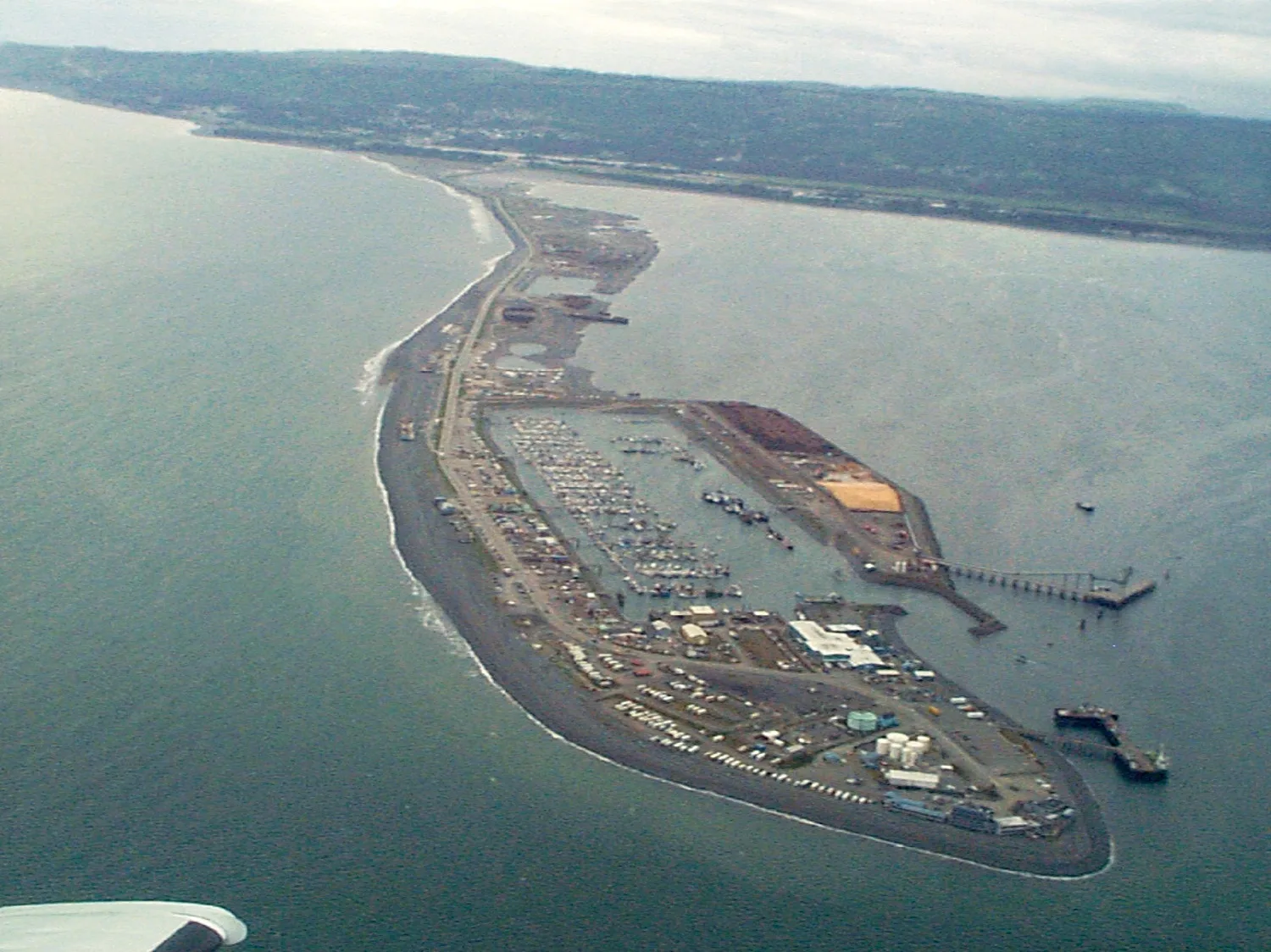
Homer is where the road stops. The Sterling Highway runs down the west side of the Kenai Peninsula and ends on a four-and-a-half-mile gravel spit sticking out into Kachemak Bay, with a harbour at the end of it, a row of boardwalk shacks selling charters and chowder, and a view across the water at glaciers and mountains that do not look real the first time you see them. The town calls itself the halibut fishing capital of the world and it has the fleet to argue the point. It also has an art scene, a food scene and a long-standing population of people who came for a summer in the seventies and never left, which is why the local nickname is the cosmic hamlet by the sea. For an owner, the important thing about Homer is that it is a destination rather than a stop. Nobody drives to Homer on the way to somewhere else, because there is no somewhere else. That produces longer stays, more deliberate planning and a guest who has already decided they want to be here — which is a fundamentally better guest than the one passing through.
Homer's calendar is compressed and its guest is committed. The season runs from roughly late May into September, anchored on halibut and salmon charters, Kachemak Bay State Park across the water, bear viewing flights to Katmai and Lake Clark, and the general Alaska road trip. Because the town is a terminus rather than a waypoint, average stays run longer than in most Alaska markets, and a property that works for four to seven nights outperforms one built for overnights. Two segments are consistently underserved. The first is the fishing group — four or six people arriving for a multi-day charter package who need gear space, freezer capacity, an early breakfast and a parking arrangement that fits a truck and a trailer, and who almost never find a listing that mentions any of it. The second is the shoulder-season traveler, who comes for the birds in May, the light in early September, or the winter quiet, and who is barely marketed to at all. On regulation, Homer has run a comparatively light-touch approach focused on making sure sales tax is actually collected, and the city council has been actively discussing short-term rental policy through 2026 — which means the posture you check today is the one that matters.
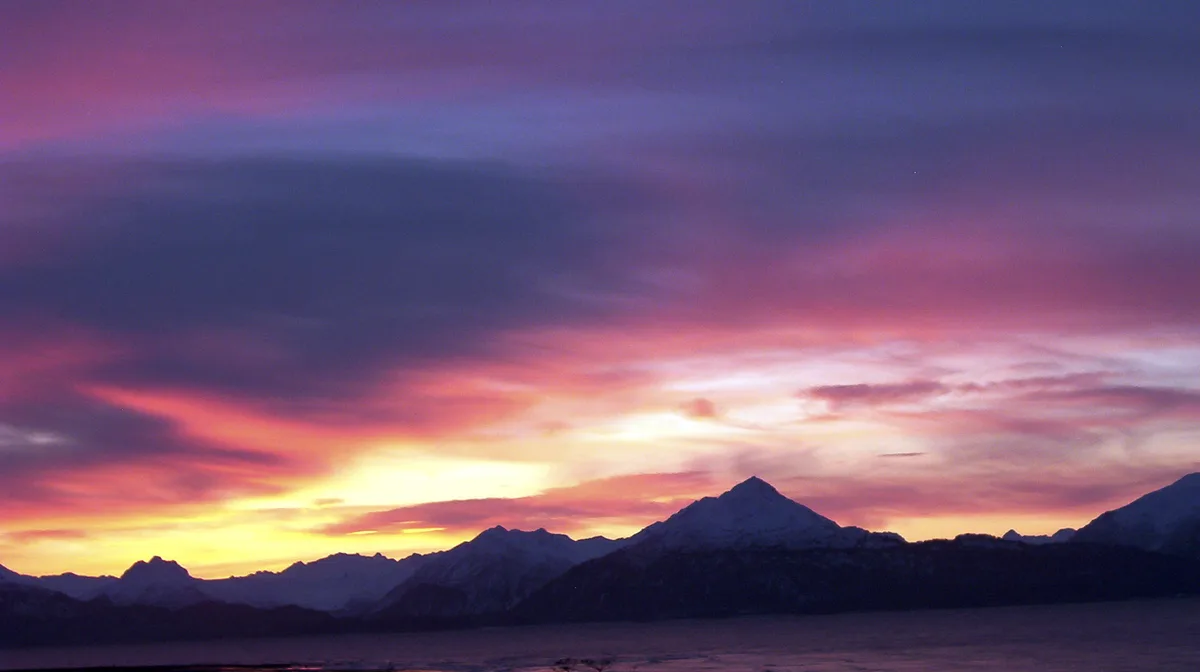
A few of the visual fingerprints we lean into when we shoot, brand and market a Homer property — courtesy of the open Wikimedia Commons archive.
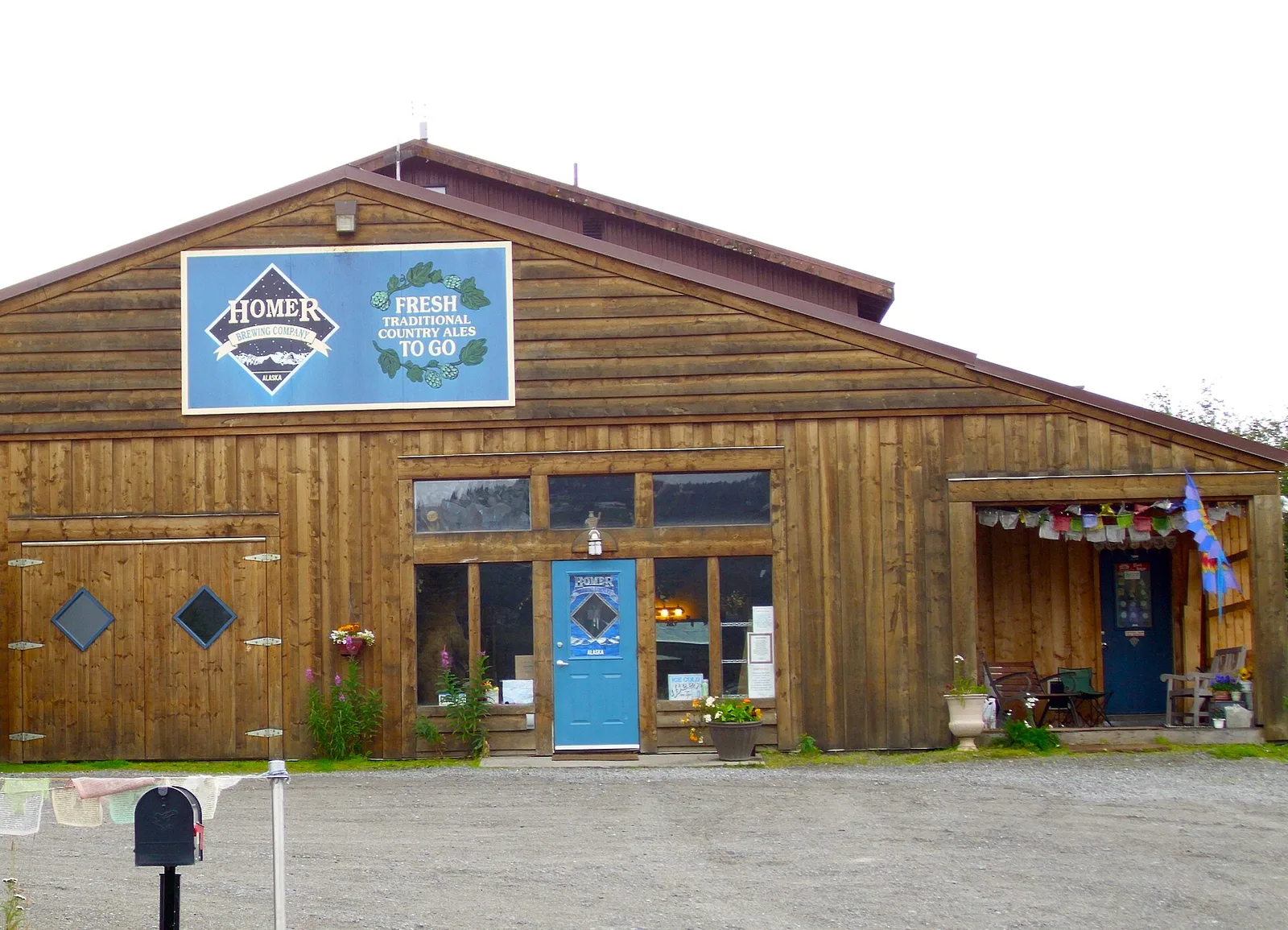
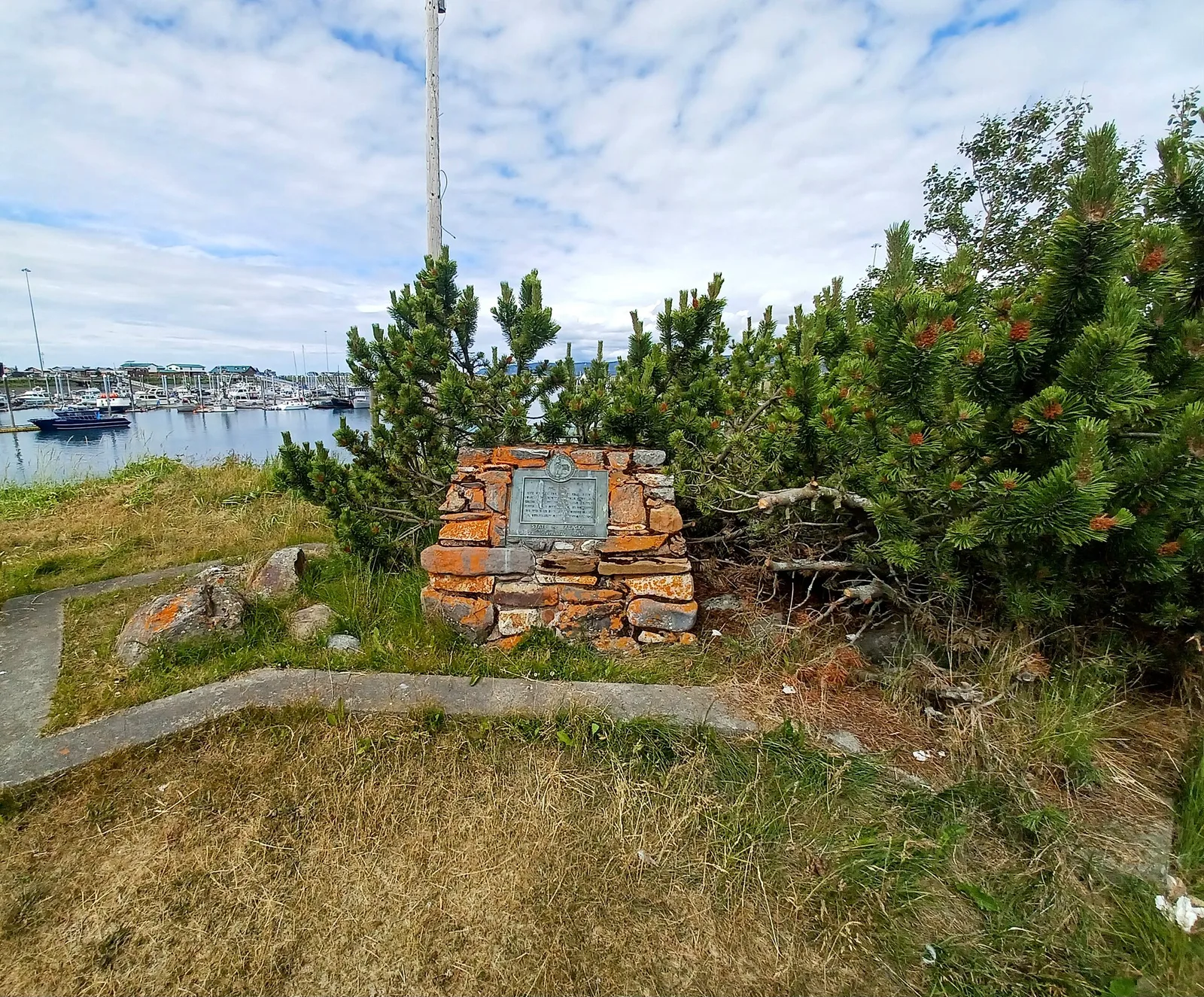
Cavmir markets Homer properties around the trip and the view, in that order. We photograph the house properly, including the thing most listings here get wrong — the bay, the Spit and the mountains across the water shot at an hour when they actually look like what people came for, rather than under flat grey at noon. We write the listing and the site for a real Homer trip: the charter departure, the freezer and gear space, the drive from Anchorage, the boat across to Halibut Cove or Seldovia, the bear flight. We build your direct-booking site and rank it for the fishing, bay and end-of-the-road searches that bring people down the peninsula, and we set up the email flow that a market with this much repeat charter traffic rewards heavily. We help you sell the shoulder weeks as their own product rather than as a discount. And we will make sure your tax registration and any city requirements are straight before we write a word. We help position and market your property. We never manage it or touch your keys.
Homer took its name from a gold promoter in 1896 and has been pitched to outsiders ever since — coal, then halibut, then the view across Kachemak Bay. Cavmir writes the modern chapter.
Homer is named after a man who came looking for gold and did not find any. Homer Pennock was a mining promoter who arrived on the spit in 1896 with the Alaska Gold Mining Company and about seventy-five men, set up a camp, and left when the gold did not appear. The name stuck to the place anyway, which is a very Alaskan outcome.
What was actually here was coal. The bluffs around Kachemak Bay hold seams of it, and it was mined commercially before and after Pennock — you can still find lumps of it washed up on the beaches after a storm, which surprises visitors who assume it is driftwood until they pick it up. Fishing came next and never left, and by the middle of the twentieth century Homer was a small working port with a road connection down the Sterling Highway and a long gravel spit that people built on because it was flat and next to the water.
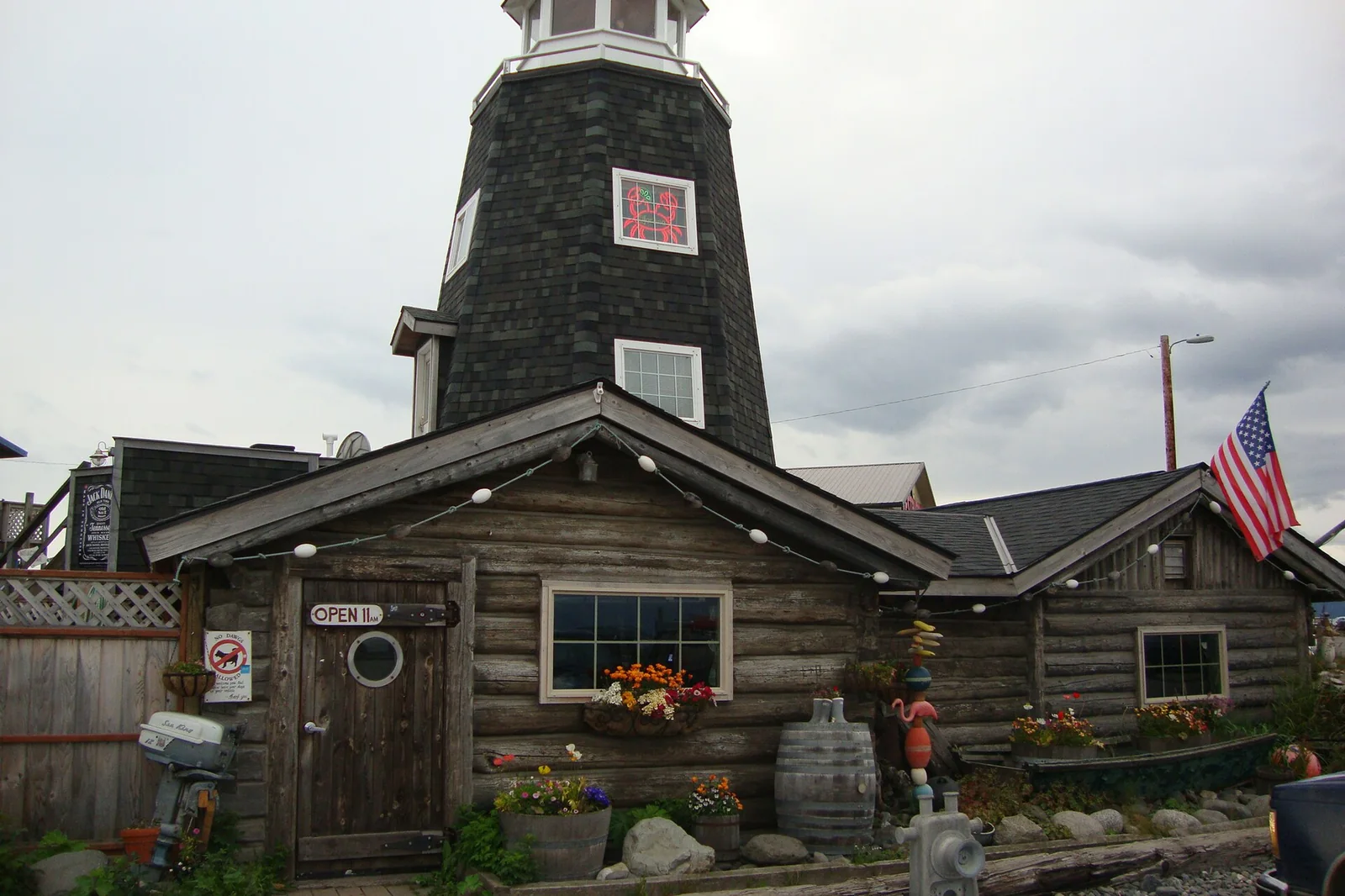
Then the ground dropped. In the Good Friday earthquake of 1964 the whole area subsided, and the Homer Spit went down by nearly six feet between the tectonic drop and the compaction of the ground under it. Buildings that had been comfortably above the tide were suddenly not. Much of the Spit had to be rebuilt on fill, and structures were moved — including the cabin that had stood since 1897 and had been serving as a saloon since 1957, which was relocated near the small boat harbour and is still the Salty Dawg, still with a lighthouse tower on it and still papered inside with dollar bills.
Two things then defined modern Homer. Kachemak Bay State Park was created by the legislature on 9 May 1970 — the first state park in Alaska — protecting the glaciers, fjords and hardwood coast across the water and giving the town a wilderness on its doorstep reachable only by boat. And the halibut fleet grew into the thing the town is now known for. The Kachemak Bay Shorebird Festival, running since 1993, quietly built a second season in May. Somewhere in all of that Homer also became an artists' town, which is why a fishing port at the end of the road has more galleries than towns ten times its size.
The town is named for Homer Pennock, a promoter who landed on the Spit in 1896 selling a Cook Inlet gold scheme to New York investors. The gold never paid, so the pitch moved on to what actually fills a boat: coal at the turn of the century, then halibut once the Sterling Highway connected Homer to the road system in the early 1950s. The chamber calls Homer the Halibut Fishing Capital of the World, the Salty Dawg's lighthouse tower rides on postcards everywhere, and a charter fleet sells the same water Pennock once oversold. Presenting this place to people who haven't seen it yet has been Homer's trade for 130 years. It is the same business Cavmir is in today.


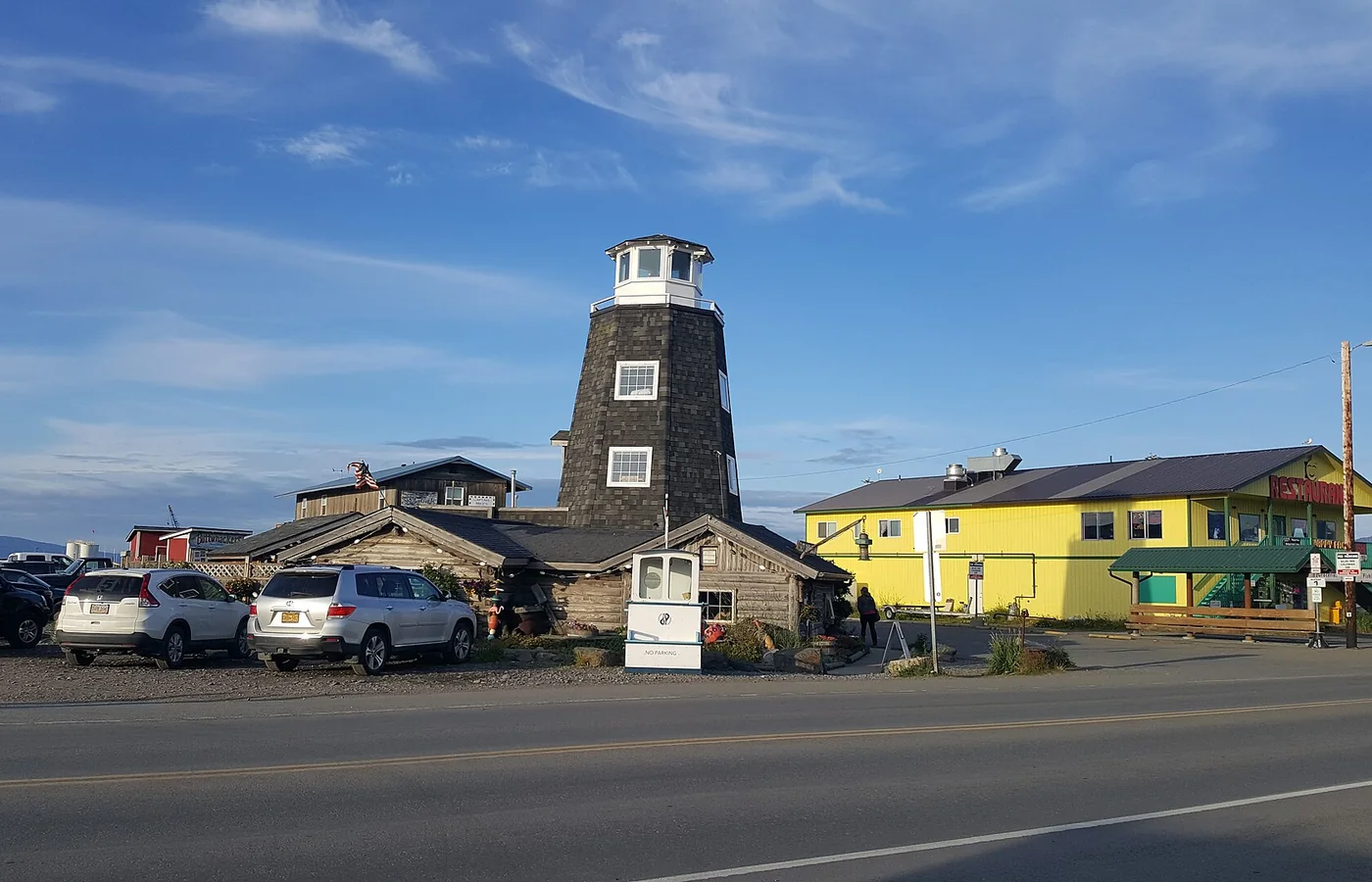
Historical images: public domain and Creative Commons via Wikimedia Commons — Cook Inlet rowboat (John E. Thwaites, University of Washington collection); Homer Spit aerial (NOAA Photo Library, CC BY); the Salty Dawg Saloon (Laura Alier, CC BY).
Homer's season runs roughly late May through mid-September, with peak from late June to mid-August, and the pricing job is to make a hundred and ten good days carry twelve months. Because the town is a terminus rather than a waypoint, stays run longer here than in most Alaska markets, and that should shape the rate card: build a genuine multi-night and weekly structure rather than pricing every night the same and hoping. The single biggest missed opportunity in Homer is May. The Kachemak Bay Shorebird Festival brings serious birders to town in May and the light and the wildlife in late spring are excellent, but most owners still treat May as an off-season markdown rather than as a distinct product with its own guest. September is the same story in reverse — quieter water, autumn colour on the far side of the bay, and travelers who deliberately want the season's end. The other fixed dates worth pricing against are the halibut derby weeks and the July peak. Price the view honestly too: in Homer, a genuine unobstructed view across Kachemak Bay to the glaciers is worth a real premium over a property two streets back, and owners routinely fail to charge for it because they see it every day and have stopped noticing.
Peak is late June to mid-August, carried by halibut and salmon charters, the state park across the bay, bear viewing flights and the general Alaska road trip. May is a real and underused season — the shorebird festival, spring light, fewer people and lower rates. Early June and September are solid shoulder weeks with a deliberate, older, more independent traveler. October through April is very quiet: the town keeps working, the road stays open, and there is a modest winter market for aurora, skiing on the far side of the bay, and Alaskans on a weekend, but a winter calendar will not carry the property. Homer's advantage over other Alaska gateway markets is stay length — because there is nowhere further to drive, guests settle in for four to seven nights rather than one, which lowers turnover cost and makes the compressed season more workable than the raw occupancy number suggests.
Alaska has no statewide short-term rental law and no state lodging tax, so Homer is governed entirely by local rules — and by the standards of most markets on this site, they are light. The City of Homer has not historically operated a permit-and-cap regime of the kind you see in Seward or in lower-forty-eight resort towns. What the city has focused on is tax: making sure that short-term rental operators are registered and that sales tax on lodging is actually collected and remitted, including on bookings that do not run through a platform.
That posture is under active discussion. The Homer City Council has been working through short-term rental policy through 2026, including how the city collects its own sales tax on bookings and whether any registration framework is warranted. Nothing about a light-touch position is permanent, and an owner buying here on the assumption that Homer will never regulate is making an assumption rather than a plan. Check the city's current position directly with the community development department before you list, and check it again at renewal — this is one of the markets on this site where the answer is most likely to have changed since it was written.
On tax, the stack is local and layered. Homer sits inside the Kenai Peninsula Borough, so borough sales tax applies to lodging, and the City of Homer levies its own sales tax on top of it, currently collected by the borough as an administrative service. There has not historically been a separate city bed tax in Homer, though the borough has considered a dedicated accommodations tax — confirm the current position rather than assuming. Booking platforms collect and remit on the reservations they process; they do not do so on direct bookings, which is precisely the channel effective marketing builds. Register before you turn it on. Homeowner association and covenant restrictions apply independently of what the city allows and are worth reading before you buy.
Photograph the view at the right hour or do not bother. The reason people book in Homer is what you see across Kachemak Bay — glaciers, the Kenai Mountains, the light on the water — and a midday shot under overcast turns the single best thing about the property into a grey rectangle. Shoot late. Second, write for the charter. A fishing group needs freezer space, gear drying, parking that fits a truck, an early start and a way to deal with a couple of hundred pounds of processed halibut at the end of the week. Say what you have. Almost no listing in this town does, and the ones that do get chosen. Third, be exact about where you are: the Spit, the bench above town, East End Road and the west hillside are different products with different views and different drive times, and guests who book the wrong one mention it. Fourth, sell May properly. Birders are a real, organized, high-intent audience with a fixed festival week, and they are barely marketed to. Fifth, explain the boat trips — Halibut Cove, Seldovia, the state park — because they are the most distinctive thing you can do here and the logistics are exactly the sort of thing guests would rather learn from you than from a forum. Sixth, build an email list around returning charter parties, who rebook the same week year after year if you ask them in September rather than in April.
The season is short and the fixed costs are not, which is the fundamental arithmetic of owning here. Weather cancels charters and disappoints guests through no fault of yours, so a wet-weather plan is part of the product. Labour for cleaning and maintenance is scarce and expensive in a small town at exactly the moment demand peaks. Winter carrying costs — heat, freeze protection, snow, an empty house for months — are real and frequently underestimated by buyers from warmer places. Getting a tradesperson or a part to Homer takes longer and costs more than it does on the road system further north. The regulatory position is light today and under discussion, which is a risk rather than a guarantee. And the fishery itself, particularly halibut allocation and charter limits, is subject to management decisions that affect the demand engine directly.
Insurance in Homer is mostly about the building and the winter. A standard homeowner's policy will not follow you into short-term rental use, so you need a short-term rental or commercial policy with real liability limits, and any hot tub, deck, stairs, bluff-edge access or waterfront frontage should be named specifically. The claims that actually happen in this market are property claims: frozen and burst pipes in a house left empty through a long winter, roof and snow load, wind off the bay, and water intrusion. If you shut the property down between seasons, read exactly what your policy requires during vacancy — heat maintenance, periodic inspection, water shut-off — because those conditions are where denied claims come from. Earthquake coverage is a conversation worth having explicitly rather than assuming; this is a seismically active coast and standard policies typically exclude it. Properties on or near the Spit should have their flood and tidal exposure looked at specifically. Ask for guest injury, guest property damage, loss of rental income and business interruption to be written into the policy rather than described on a phone call, and get quotes during diligence rather than after closing.
Alaska has no state sales tax, no state income tax and no statewide lodging tax, so every layer in Homer is local. The Kenai Peninsula Borough levies sales tax that applies to lodging, and the City of Homer levies its own sales tax on top, which the borough currently collects on the city's behalf as an administrative service. Homer has not historically had a separate bed tax, though the borough has looked at a dedicated accommodations tax more than once — confirm the current position rather than relying on this page. Booking platforms collect and remit on reservations they process, and the city has been examining how to make sure that collection is complete and how direct bookings are handled. Get registered before your first booking and keep platform and direct revenue separated from the outset. On the income side, no state income tax is a genuine part of the case for owning in Alaska, but a short intense season creates its own questions — how personal use days, depreciation, the cost of carrying the property through nine quiet months and any winterization capital work interact depends on your structure, and it is worth an accountant who has looked at a seasonal Alaska rental before rather than one who has not.
Financing in Homer is conventional in mechanics and best done with a lender who understands Alaska. Local banks and credit unions on the Kenai Peninsula are used to seasonal rental income; a mainland underwriter frequently is not, and will either discount the income heavily or ask for a great deal of explaining. Present a realistic seasonal pro forma rather than an annual average — a hundred and ten good days modelled honestly is more persuasive than a smoothed occupancy number that will not survive review. Appraisal comparables can be thin in a market this size, particularly for view properties where the value gap between a genuine bay view and a partial one is large and not always captured. Insurance is a gate: get quotes during diligence and ask specifically about freeze, earthquake and, on the Spit, tidal and flood exposure. Properties on bluffs above the bay raise erosion and stability questions that underwriting will look at, and they are worth your own inspection regardless. Debt-service-coverage products underwritten on rental income exist but are less common here than in the lower forty-eight. Model the full off-season carrying cost rather than a flat annual occupancy figure, and build in the higher cost and slower timeline of any repair at the end of the road.
The near-term question is regulation. Homer has been light-touch and is actively working through short-term rental policy, and the direction of travel in comparable towns is toward more structure rather than less — registration, clearer tax collection and possibly an accommodations tax. None of that would be fatal, but an owner should plan for a compliance regime rather than the absence of one. The medium-term question is the fishery. Halibut is the demand engine, and allocation decisions between commercial, charter and subsistence users affect how many visitors come and what they can do when they arrive; it is worth following as a business input, not just as local news. The longer-term picture is the bay itself — Kachemak Bay's ecological health, the state park across the water, the shorebird migration and the glaciers are what make this a destination rather than a fishing port, and their condition is the underlying asset. Against all that, Homer has two structural advantages that are hard to erode: it is the end of the road, which means people come deliberately and stay longer, and it has a view across a protected bay that nobody can build in front of. Own the guest relationship and that position holds.
Homer is the end of the road and it knows it. You drive four and a half hours down the peninsula from Anchorage, come over the last rise on Baycrest Hill, and the whole of Kachemak Bay opens up in front of you with glaciers hanging off the mountains on the far side and a four-mile gravel spit running out into the middle of it. Nobody who sees that for the first time keeps driving without stopping. Out on the Spit there is a working harbour, a row of plywood shacks selling charters and halibut sandwiches, and a 1897 log cabin turned saloon with the inside papered in dollar bills. Behind town, the bench above the bluff is full of people who came for one summer decades ago and are still here — potters, poets, boat builders, biologists, and a fair number who do all four. There are more galleries than a fishing port should have. Across the water there is a state park with no road to it, the first one Alaska ever created, and villages you can only reach by boat or float plane. What we like about it commercially is the stay length and the view. Guests come deliberately, stay four to seven nights, and book largely on a view that most owners photograph at the worst possible hour. Fixing that one thing changes the rate.
A great property in Homer doesn't just want a listing — it wants a point of view, an audience, and a brand the city itself would recognise.
Eight answers to put in your guest guide. These are the questions guests ask anyway, and getting them right in advance is the cheapest review insurance there is.
Boats go early. Tell guests where coffee is available before six, how long it takes to get to the harbour and where to park a truck, because a missed departure is not rescheduled.
The Spit is where you eat lunch. The better dinners are up in town and they fill in July. Tell guests to reserve on the day they arrive.
Guests catch more fish than they can imagine carrying home. Tell them which processor to use, how the shipping works and roughly what it costs. It is the single most-asked question and almost nobody answers it in advance.
A genuinely good small museum on the bay's natural and human history, plus more art in this town than a fishing port has any business having. The obvious answer when the water is blown out.
Tens of thousands of migrating shorebirds come through Kachemak Bay in spring, with a festival built around them that has run since 1993. Cheaper, quieter, and a real reason to come.
Two settlements across the bay with no road access — boardwalks, galleries, a completely different pace. Tell guests how the water taxi works and to book it the day before, not the morning of.
The glaciers across the water go pink and gold in the long evening light well after dinner. Say where to stand and roughly when, because most visitors are indoors by then.
Yes to the car — Homer is spread out and the Spit is four miles long. And have a weather plan ready, because charters do get blown out and a guest with nothing to do writes about it.
Guests who find a Homer rental on Airbnb search its name afterwards, and the page they should land on is the owner’s own site. Cavmir builds vacation rental websites of 40 to 125 pages in the owner’s brand. For a home that only lists on Airbnb, that is a website for your Airbnb: your name and domain, your photos, your area guides and your reviews, with a button that sends guests to the listing. For homes on Hostaway, Guesty or Hospitable it is a direct booking website: live availability and prices from the PMS, the whole stay priced before checkout, and the booking completed in the PMS. Both start from the same vacation rental website design, run the TrollBuster™ compliance scan before launch, and are yours at launch: domain, code, content and photos.
The guide pages of a Homer site can start with the picks on this page: The Spit before the charters leave, Dinner off the Spit, in town and The halibut, and what to do with it. Each one is a search a guest makes before choosing a home, and each becomes a page that leads to the booking button.
Packages start at $1,475 for the Starter Website (40 pages, two to three weeks) and run to $3,732 for Full with Direct Booking (125 pages, booking synced with your PMS); the current prices are on the pricing page.
A few composite engagements, drawn from how Cavmir typically works with owners at the end of the road in a compressed season. Illustrative rather than any single client's file.
The best asset the property had was the view, and it appeared once, shot through a window at midday under flat overcast, so the listing read like every inland house at the same rate.
Reshot the view at the hour it actually works, rebuilt the photo order to lead with the bay and the glaciers, and rewrote the listing so the view was described specifically — what you see, from where, and at what time of day.
The property stopped competing with houses that had no view at all and started drawing longer bookings from guests who chose it for exactly that reason.
Fishing parties booking the house every summer with no mention anywhere in the listing of freezer space, gear drying, truck parking or fish processing, so the property was found by accident rather than on purpose.
Rewrote the listing and site around the fishing week — freezer capacity, drying space, early departures, parking for a truck and trailer, and which processors handle shipping — and photographed the practical spaces rather than only the pretty ones.
Enquiries shifted toward groups who knew exactly what they were booking, with longer stays and fewer questions after arrival.
May discounted heavily and marketed as a cheap alternative to summer, despite being a distinct season with an organized, high-intent birding audience attached to a fixed festival week.
Built May as its own product with its own photography and copy — migration, spring light, quiet water, the festival week — priced it as a season rather than a clearance, and ran campaigns aimed at birding audiences well in advance.
May rates firmed and the month started drawing travelers who came for a specific reason rather than only those hunting a discount on July.
Demand in Homer peaks around June through August and runs quietest around January, February and March. Here is how the year actually books — and what to do about each stretch of the calendar.
Late June to mid-August, carried by halibut and salmon charters, Kachemak Bay State Park across the water, bear viewing flights and the general Alaska road trip. Because Homer is the end of the road rather than a stop, stays run longer here than in most Alaska markets, which makes a genuine multi-night and weekly structure worth more than a flat nightly rate.
May is the most under-used season in this town. The shorebird migration brings an organised, high-intent birding audience to a fixed festival week, the light is excellent and rates are low. Early June and September are similarly good and quiet. All of them are usually discounted rather than repositioned, which leaves money on the table.
October through April is very quiet. The town keeps working and the road stays open, and there is a modest winter market for aurora, skiing across the bay and Alaskans on a weekend, but winter will not carry the property. Use the window for maintenance, winterisation and a pre-season reshoot.
Peak summer weeks fill through the winter and spring, with charter parties often rebooking before they leave. The shorebird festival week books early among a small, committed audience. Shoulder and winter weeks are close to a last-minute market.
Longer than most Alaska markets, typically four to seven nights, because there is nowhere further to drive. That lowers turnover cost and makes the compressed season more workable than the raw occupancy figure suggests.
A genuine unobstructed view across Kachemak Bay to the glaciers is the largest single value driver in this town and is chronically under-photographed. After that, practical capacity for a fishing group — freezer space, gear drying, truck and trailer parking — outperforms styling. Properties with a wet-weather plan built in, from a good indoor space to a wood stove, hold up better across a variable summer.
Start with photography that shows what a guest actually gets here, then write the listing around a real itinerary rather than a feature list. Build a direct-booking site so returning guests can come back without going through a platform, and keep an email list segmented by season so you can reach last year's visitors before the calendar opens. Local search matters more than people expect in a market this size, because guests search the destination and the attraction rather than the word rental. A marketing agency layer handles the photography, the listing copy, the direct-booking site and the local SEO as one system instead of four disconnected jobs.
Late June to mid-August, carried by halibut and salmon charters, the state park across the bay and bear viewing flights. May is a real second season thanks to the shorebird migration and its festival, and is badly under-marketed. Early September is quiet and excellent. October through April is very soft.
Peak summer weeks fill through the winter and spring, and charter groups frequently rebook the following year before they leave — which happens if you ask them in September and does not if you wait until April. The shorebird festival week books early among a committed audience. Shoulder and winter weeks are largely last minute.
Almost everyone flies into Anchorage and drives four and a half hours down the Kenai Peninsula, with some taking a short flight straight into Homer. The main fly markets are Seattle, Denver, Minneapolis, Chicago, Dallas and Portland. Alaskans from Anchorage and the central peninsula supply a steady weekend layer.
The view across Kachemak Bay is the first thing, and it needs to be photographed late in the day rather than at noon. After that, the practical ones that win fishing groups: freezer capacity, gear drying, truck and trailer parking. Good heating, fast wifi and blackout blinds round it out, because summer nights here barely get dark.
Run your Airbnb, Vrbo, or website through Cavmir's free grader. It checks the things that decide whether guests book in Homer — photos, listing copy, page speed, local search — and shows you where bookings leak. Takes about a minute, and there's no sales call attached.
If the report says your booking engine is the weak link, that's fixable: a direct-booking website of your own means repeat guests stop paying platform fees to come back to you. That's the work Cavmir does — see Airbnb website design in Homer.
Send us the listing and we'll tell you what we'd change. Not a pitch deck — a straight read on your photos, your title, your rates against the Homer comp set, and whether a direct-booking site would pay for itself.
You'll hear back from a person, usually inside one business day. If we don't think we can move your numbers, we'll say so. Cavmir is a short-term rental marketing agency — we position and market properties, we don't manage them.
Talk to Cavmir today. We'll show you exactly what your Homer property is leaving on the table — and how fast we can change that.
Book a Free Strategy CallPhotography via Wikimedia Commons (images resized and cropped): Sunrise on Kachemak Bay by Beeblebrox (CC BY-SA 3.0) · Salty Dawg Saloon, Homer, Alaska, Homer Spit by Laura Alier (CC BY 4.0) · Homerbrew by Beeblebrox (CC BY-SA 3.0) · Coal Point Park by Just Step Sideways (CC BY-SA 4.0) · By ovedc - Salty Dawg Saloon - 01 by Ovedc (CC BY-SA 4.0).
