Main Street before the flights go
Flightseeing runs on weather and the best air is usually early. Tell guests where coffee starts, and that if the mountain is out at seven they should go then rather than after breakfast.
Expert short-term rental marketing to grow your bookings and nightly rate in Talkeetna, Alaska, USA.
* Market averages. Properties marketed by Cavmir typically exceed these figures by 25–45%. Data sourced from AirDNA, STR market reports, and Cavmir internal analytics.
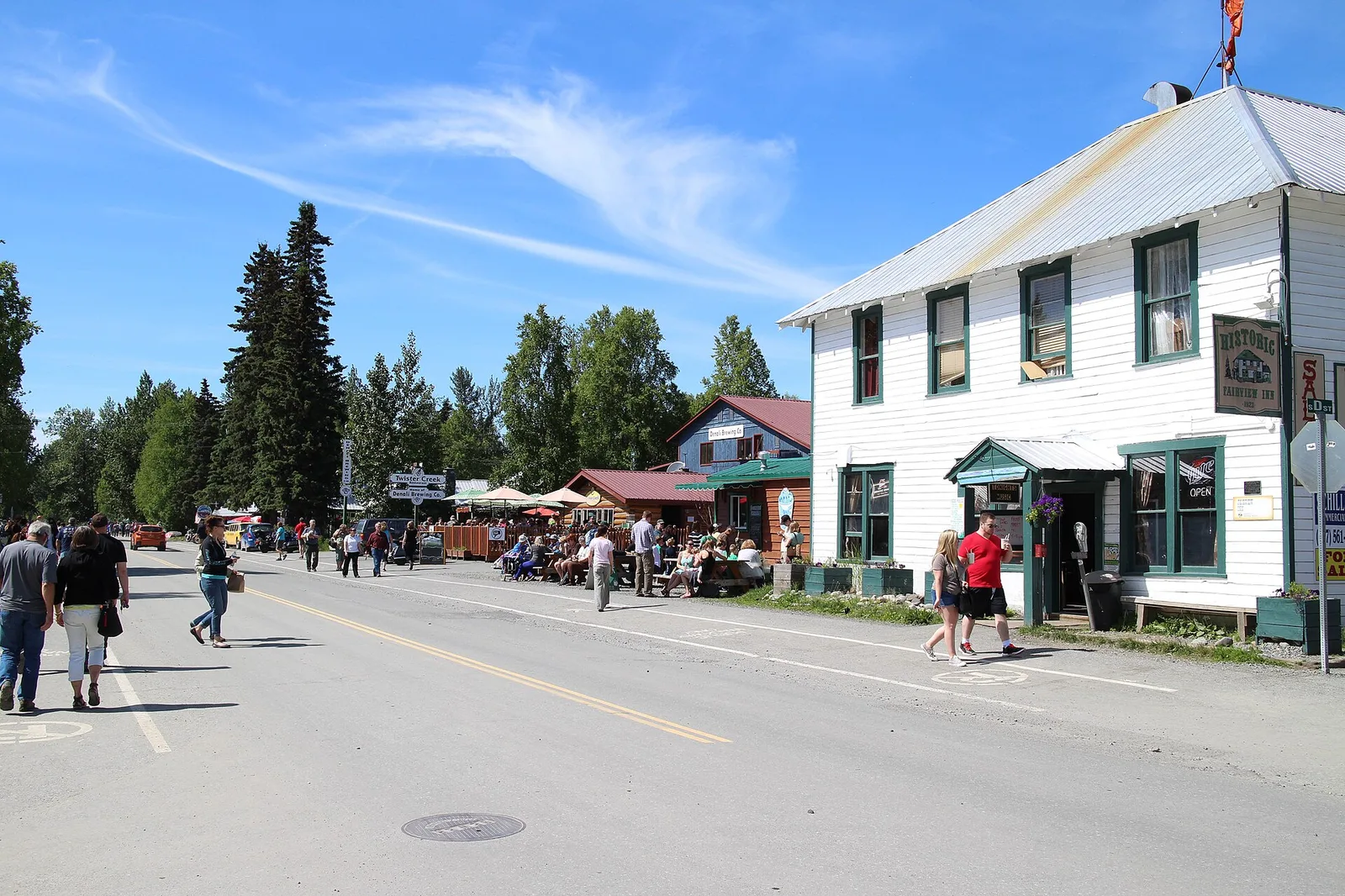
Talkeetna is a village of a few hundred people at the confluence of three rivers, fourteen miles off the Parks Highway on a spur road that goes nowhere else, and it is the staging point for the mountain. Every climber attempting Denali registers at the ranger station here and flies onto the Kahiltna Glacier from the airstrip. Every flightseeing operator that puts visitors over the highest peak in North America runs out of the same field. The Alaska Railroad stops here. The historic core is a few blocks of log buildings on the National Register, with a general store, a couple of bars and a road that dead-ends at the riverbank looking north at a mountain that is visible maybe a third of the days it could be. That combination — a real working village, a genuinely famous mountain and a season that runs roughly from late May to mid-September — produces a rental market that is small, sharply seasonal and much less competitive than its demand would suggest.
The demand engine is Denali and the way people reach it. Talkeetna is the south-side gateway, distinct from the park entrance road two hours further north, and a great many visitors do not understand the difference until after they book. That confusion is an opportunity: a listing and a site that explain clearly what you can and cannot do from Talkeetna, how the flightseeing works, when the mountain is actually out and what the alternative is when it is not, will convert better than one that simply says Denali in the title. The guest set is well defined — flightseeing day-trippers, rail passengers, road-trippers on the Anchorage-to-Fairbanks run, jetboat and fishing parties, and the climbing community, which arrives earlier in the season and behaves entirely differently from everyone else. Supply is limited by the size of the village and by the fact that most of the surrounding land is borough land with real access and utility constraints. Regulation is light by lower-forty-eight standards: Talkeetna is unincorporated, so the Matanuska-Susitna Borough is the relevant authority, and the borough's transient accommodations tax is the main compliance obligation for most owners.
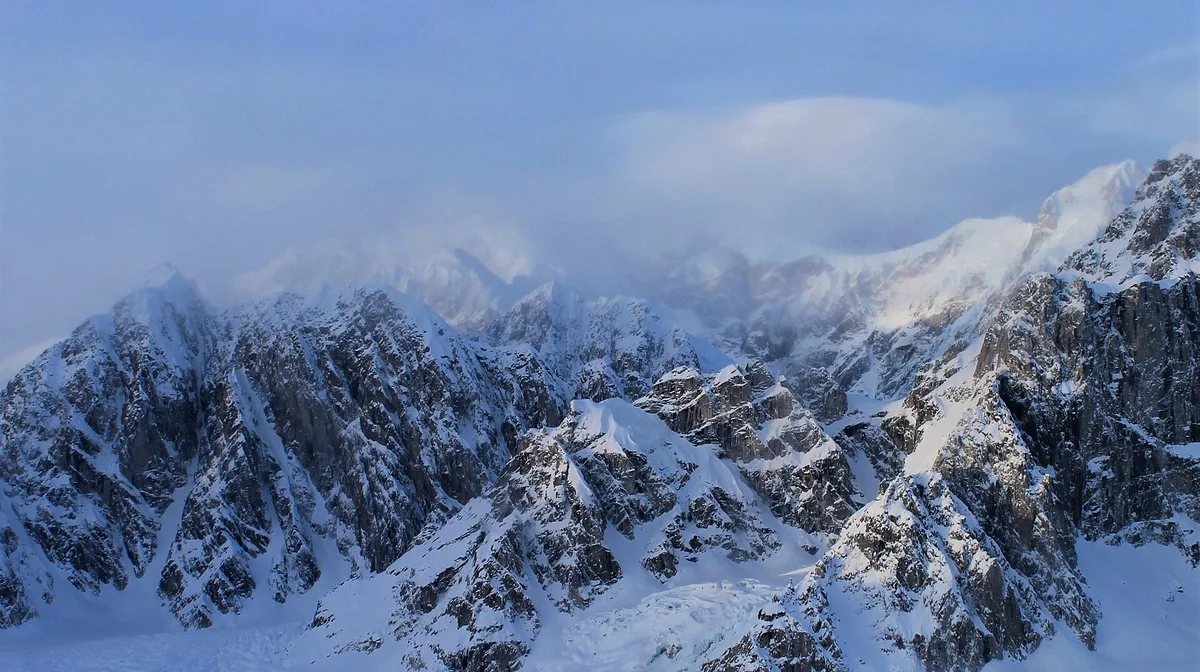
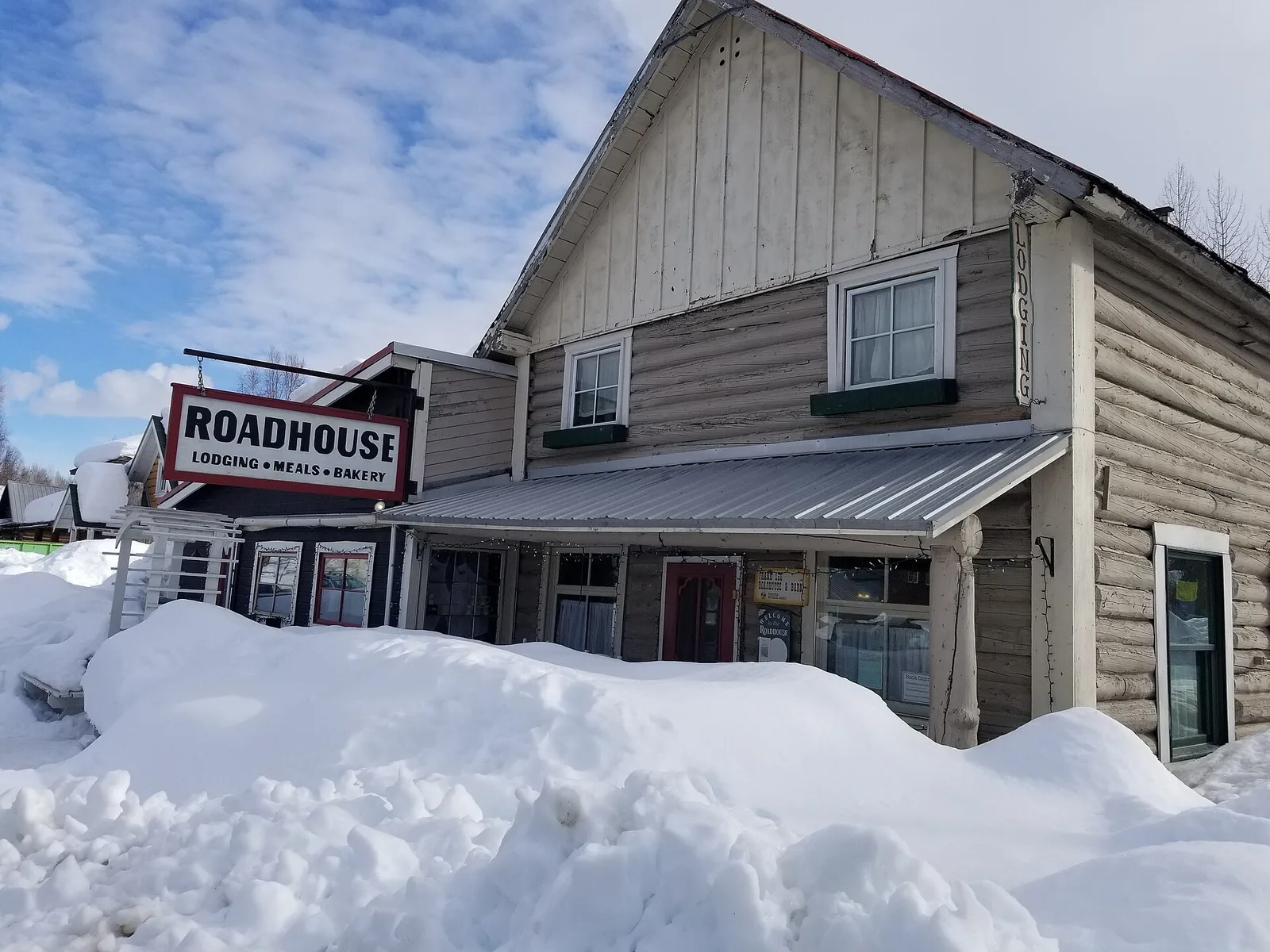
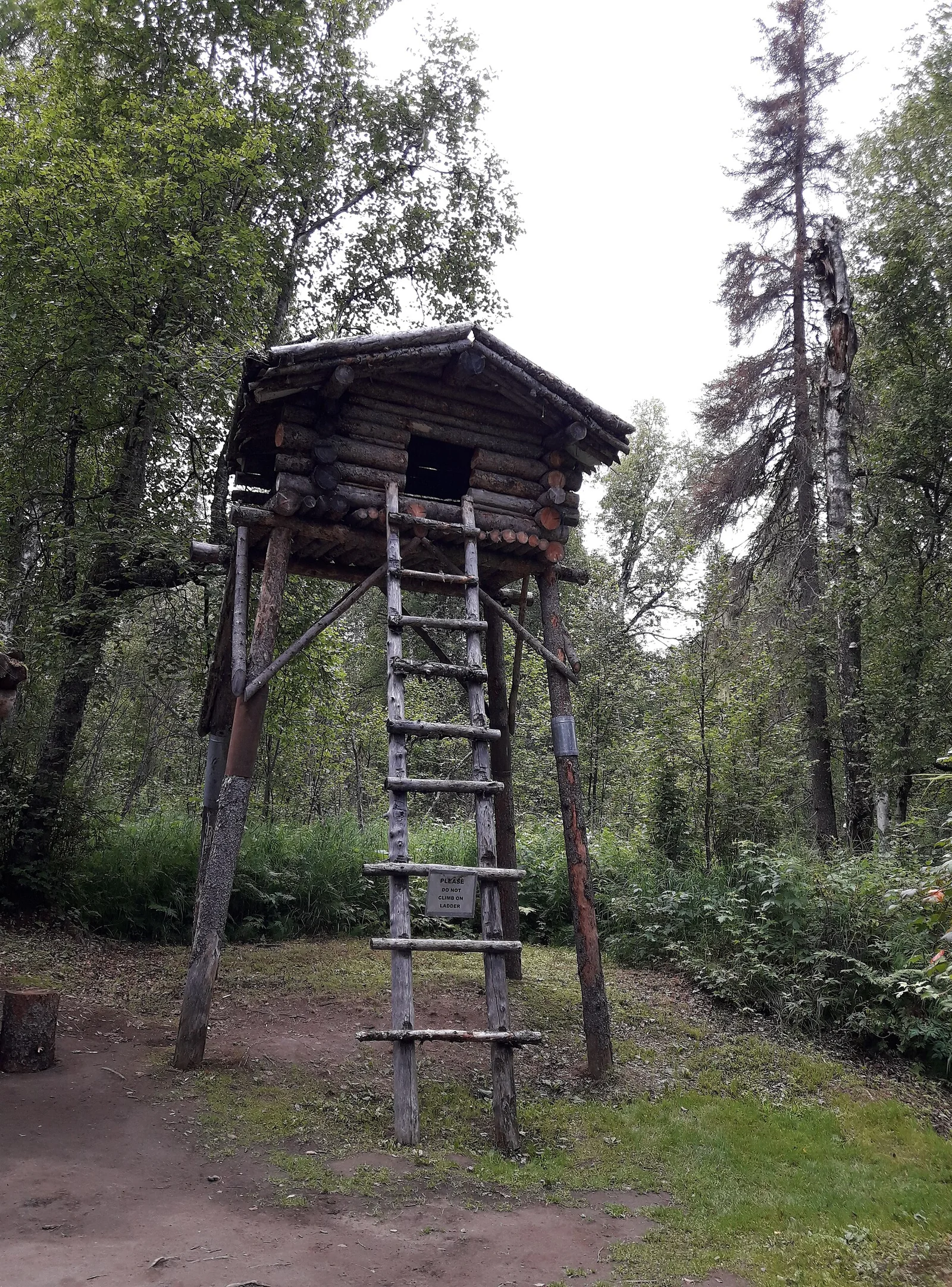
A few of the visual fingerprints we lean into when we shoot, brand and market a Talkeetna property — courtesy of the open Wikimedia Commons archive.
Cavmir markets Talkeetna cabins around the reality of the trip rather than the postcard. We photograph the property in the light this valley gives you, including the long summer evenings that are the single most underused photographic asset in Alaska, and we shoot the cabin as a place to come back to rather than as a set of empty rooms. We write the listing and the site to answer what guests genuinely ask before booking: how far the airstrip is, what happens if the mountain is socked in, how the train works, whether they need a car, how far the park entrance really is. We build your direct-booking site and rank it for the flightseeing, Denali-gateway and rail searches that bring people down that spur road, and we set up the email flow that keeps a short-season property from starting each year from zero. We will help you price a hundred-day season, including the early-June climbing weeks and the September light that most owners give away. We help position and market your property. We never manage it or touch your keys.
Talkeetna sits where the Susitna, the Chulitna and the Talkeetna rivers come together, which is why it is here at all. The Dena'ina have used this confluence for a very long time, and the name comes from their language. The modern village took shape around 1916 as a riverboat landing and construction base for the Alaska Railroad being pushed north toward Fairbanks, and the log buildings that went up then are still standing along Main Street — the historic core is listed on the National Register of Historic Places, which is unusual for a place this small and is a large part of why it looks the way it does.
What turned a railroad village into the gateway to a mountain was aviation. Don Sheldon began flying out of the Talkeetna airstrip in the late 1940s and spent decades landing small aircraft on glaciers, rescuing climbers off the mountain and inventing much of what glacier flying is. He is the reason the route to Denali runs through this village rather than somewhere else. Today every climber attempting the peak registers at the ranger station in town and flies onto the Kahiltna Glacier from the same field, and the flightseeing operators who put visitors over the mountain fly from it too.
The ranger station is named for Walter Harper, an Athabascan man who in 1913 became the first person to set foot on the summit of Denali, on the expedition led by Hudson Stuck. It is worth knowing that the first person to stand on the highest point in North America was Alaska Native, because almost no visitor does.
The rest of Talkeetna's history is the accumulation of a small place that never got tidied up. The Fairview Inn opened in 1923 and is still a bar. Nagley's has been a general store for about a century. The village is unincorporated, has no mayor, and for twenty years amused itself by treating a cat named Stubbs as the honorary one, which got the town more national press than the railroad ever did. It remains a working village that happens to have a famous mountain at the end of the street.
Talkeetna runs a hundred-day business and the pricing has to reflect that rather than fight it. The season is roughly late May to mid-September with peak from mid-June through mid-August, and inside that window demand is strong and supply is genuinely limited by the size of the village. The most common pricing failure here is flat rates across the summer. This market has a shape: early June brings the climbing community, who arrive before the tourist peak, stay differently and book differently; the July peak is road-trip and rail traffic; and late August into September brings a smaller, more deliberate traveler chasing autumn colour and the aurora, which starts to be visible again once the nights get dark. Those are three products. Price them as three. Second, do not ignore the weather dependency of flightseeing. When the mountain is out, this village runs hot; when it is socked in for four days, the flights cancel and people leave early or do not come. That volatility argues for slightly longer minimum stays in peak and a flexible enough policy that a weather-cancelled guest becomes a rebooking rather than a bad review. Third, price the winter honestly — there is a small aurora and holiday market and it is worth having, but it is a bonus, not a season.
The season runs late May to mid-September with the peak from mid-June to mid-August. Early June belongs largely to the Denali climbing season, which is a distinct guest with distinct needs. July is the busiest stretch, driven by road-trip traffic on the Parks Highway, the Alaska Railroad, and flightseeing. Late August and early September bring autumn colour on the tundra, thinner crowds and the return of dark enough nights for aurora, which is a genuinely underused shoulder product. Winter is quiet but not empty — the village keeps working, and there is a small market for aurora travelers, skiers, snowmachiners and the December events the town runs for itself. Plan the business around roughly a hundred good days and treat the rest as upside; a property that needs year-round occupancy to work will not work here.
Talkeetna is unincorporated. There is no city government, no mayor and no municipal short-term rental ordinance, which means the relevant authority is the Matanuska-Susitna Borough — and by the standards of most markets on this site, the borough's requirements are light.
The obligation that applies to essentially every owner is tax. The borough levies a transient accommodations tax, commonly called the bed tax, on overnight rentals, currently at five percent, collected from the guest and remitted to the borough quarterly, with returns and payment due thirty days after the end of the quarter filed. You register with the borough, you file every quarter whether or not you had bookings, and you keep records. Booking platforms may collect and remit on reservations they process; that does not extend to direct bookings, which is exactly the channel that effective marketing builds, so understand who is remitting what before you turn a direct channel on. Confirm the current rate and filing mechanics with the borough directly.
The second layer is land use, and it is specific to this village. Talkeetna sits inside a Special Land Use District, and certain development and certain commercial uses within it require a conditional use permit from the borough rather than being allowed outright. If you are converting a building, adding structures, building something new or operating at a scale that reads as a lodging business rather than a house, ask the borough's planning department where the line sits before you commit. A straightforward single-family cabin rented out is a different question from a multi-cabin operation, and the answer depends on the specifics of your parcel.
Beyond that, the practical constraints in this village are physical rather than regulatory — well and septic capacity, road access and winter maintenance, and power. Those determine what a property can actually do more often than any ordinance does. Verify all of it with the Matanuska-Susitna Borough before you buy.
Answer the Denali question honestly and in detail, because it is the question. A large share of visitors do not understand that Talkeetna is the south-side flightseeing gateway and that the park entrance road is a couple of hours further north — and they find out after they book. Explain it clearly on your site and in your listing, and you will convert better and get fewer disappointed arrivals. Second, tell people what happens when the mountain is not out, which is most days. Name the alternatives: the river, the ranger station, the historic street, the state park viewpoints, the brewery. A guest with a plan for a socked-in day is a guest who does not leave a bad review about the weather. Third, photograph the long evening light. This valley gets extraordinary light late in the summer evening and almost no listing here uses it. Fourth, market the climbing season and the aurora shoulder separately from July, because they are different people. Fifth, be specific about the drive and the train — how far off the Parks Highway you are, whether the road is maintained, where the depot is, whether a car is needed. Sixth, build an email list; in a hundred-day market, a returning guest is worth more than any single piece of advertising, and flightseeing and fishing guests do come back.
The season is the central constraint — a hundred good days carrying twelve months of cost. Weather is the second: flightseeing is the demand engine and it cancels, and a run of bad days empties the village. Infrastructure is a real limit rather than a footnote, with well, septic, power and winter road maintenance deciding what many properties can legally and practically do. Labour for cleaning and maintenance is scarce in a village of a few hundred people at exactly the moment you need it. Getting a tradesperson or a part here takes time and money. Winter carrying costs — heat, freeze protection, snow clearing on a long driveway — are substantial and routinely underestimated by buyers from elsewhere. And the village's small scale means the competitive set is tight and reputational; how you operate is visible locally in a way it is not in a city.
Insurance in Talkeetna is a property-risk conversation more than a guest-risk one, though you need both. A standard homeowner's policy will not follow you into short-term rental use, so you need a short-term rental or commercial policy with proper liability limits, and any hot tub, wood stove, deck, stairs, river access or outbuilding should be named specifically. The claims that actually occur in this valley are freeze and burst pipes in a cabin left empty through a long winter, snow load on roofs, chimney and wood stove fires, and water damage. Wood heat in particular deserves an explicit conversation with your carrier, because installation standards and clearances matter to both safety and coverage. If you close the property between seasons, read what the policy requires during vacancy — heat maintenance, inspections, water shut-off — since failing those conditions is how a claim gets denied. Remote access matters too: a property on an unmaintained road may be treated differently, and response times for any emergency are longer here. Ask for guest injury, guest property damage, loss of rental income and business interruption in writing, and get quotes during diligence rather than after closing.
Alaska has no state sales tax, no state income tax and no statewide lodging tax, and the Matanuska-Susitna Borough does not levy a general sales tax either — which makes Talkeetna one of the lighter tax environments of any market on this site. What does apply is the borough's transient accommodations tax on overnight rentals, currently five percent, collected from the guest and remitted to the borough quarterly with the return and payment due thirty days after the quarter ends. Register before your first booking, file every quarter even in the months you have none, and keep clean records; the borough treats this as a real obligation. Booking platforms may collect and remit on the reservations they process, but that never covers a direct booking, so know exactly who is remitting what before you build a direct channel. Confirm the current rate and filing calendar with the borough directly rather than relying on this page. On the income side, no state income tax is a real part of the ownership case, but a hundred-day season creates questions a year-round rental does not — how personal use days, depreciation and the cost of carrying a property through nine quiet months interact depends on your structure, and it is worth an accountant who has seen a seasonal Alaska rental before.
Financing in the Talkeetna area is conventional in form and rewards using an Alaska lender. Local banks and credit unions understand seasonal income and remote property; a mainland underwriter frequently discounts both heavily. Present a realistic seasonal pro forma rather than an annual occupancy average — a hundred good days modelled honestly reads better than a smoothed number that will not survive scrutiny. Appraisal comparables are thin in a village this size, which can produce valuations that lag the market or swing on very few sales. The specific items that decide loans here are physical: well and septic condition and capacity, road access and whether the road is maintained in winter, power service, and the condition of any wood heat system. A cabin on an unmaintained road with a marginal septic is a difficult loan regardless of how well it rents. Get insurance quotes during diligence and confirm the property is insurable at a sane price before you commit. Debt-service-coverage products underwritten on rental income exist in Alaska but are less common than in the lower forty-eight. Model the full off-season carrying cost, including snow clearing and heat on an empty building, rather than a flat annual figure.
The near-term outlook is demand-led and mostly positive. Alaska visitation, cruise-and-land package traffic and rail volume have all trended up, and Talkeetna's position as the south-side gateway is fixed by geography and by the airstrip — it is not a role another town can take. The medium-term questions are infrastructure and scale. This is a village of a few hundred people absorbing a very large number of summer visitors, and water, septic, parking and road capacity are the practical limits on how much the market can grow. That constraint protects existing operators, but it also means the borough may eventually take a closer look at lodging land use in the Special Land Use District, and an owner should plan for the possibility of more structure rather than less. The longer-term picture involves the mountain itself: glacier conditions affect where aircraft can land and how the climbing season runs, and the flightseeing economy is the demand engine for the whole village. None of that argues against owning here. It argues for a property whose infrastructure genuinely supports its occupancy, priced for a hundred-day season, with a guest list you own rather than rent.
Talkeetna is fourteen miles down a spur road that goes nowhere else, and that is the whole point of it. The street ends at a gravel bank where three rivers come together, and if the weather is doing the right thing you look north up the Susitna at a mountain twenty thousand feet high that appears to be sitting on the end of the road. Most days it is not there at all. The village itself is a few blocks of log buildings on the National Register, a general store that has been a general store for about a century, a bar from 1923 with a floor that slopes, and an airstrip full of small planes on fat tires and skis. Every person who tries to climb the highest mountain in North America signs in at the ranger station here first, which means in May you will be standing in line for coffee behind people carrying sixty days of food. The village has no mayor because it is unincorporated, so for twenty years it made do with a cat. What we like about it commercially is the mismatch: an extremely famous mountain, a genuinely small supply of beds, a guest who arrives confused about the geography, and a listing set that mostly does not bother to explain any of it. Explaining it well is not a clever strategy. It is just the obvious unmet need.
A great property in Talkeetna doesn't just want a listing — it wants a point of view, an audience, and a brand the city itself would recognise.
Eight answers to put in your guest guide. These are the questions guests ask anyway, and getting them right in advance is the cheapest review insurance there is.
Flightseeing runs on weather and the best air is usually early. Tell guests where coffee starts, and that if the mountain is out at seven they should go then rather than after breakfast.
There are not many seats in Talkeetna and in peak season they fill by six. Tell guests to eat early or book ahead, and give them one option that is open late.
It is visible maybe a third of the time. Locals check first thing and plan the day around the answer. Teach your guests to do the same and they will use their time far better.
Climbing history, the route maps, and the story of the first man to stand on the summit in 1913. Free, indoors, ten minutes, and the best thing in town when the sky is down.
The tundra turns, the crowds thin, and the nights finally get dark enough for aurora. The best-value weeks of the year here and almost nobody sells them properly.
The confluence is right at the end of the street and the river trips are the most underrated thing in the village. Book a day ahead in peak season.
Long northern light on the water with the mountain up the valley behind it. Free, thirty seconds from the bar, and most visitors never walk down there.
This is the number one source of confusion. Talkeetna is the flightseeing gateway; the Denali park road entrance is roughly two hours further north. Say it plainly on your listing and again in your guide.
A few composite engagements, drawn from how Cavmir typically works with owners in a small, weather-dependent gateway village. Illustrative rather than any single client's file.
A listing that used Denali in the title and nowhere explained that the park entrance was two hours away, producing arrivals who had planned the wrong trip and reviews that said so.
Rewrote the listing and built a site section that explained the geography properly — what Talkeetna is the gateway to, how flightseeing works, where the park road actually starts — and gave a clear plan for a socked-in day.
Arrival-day disappointment dropped because expectations were set before booking, and reviews moved back onto the cabin itself rather than onto a misunderstanding.
One rate across the whole season, so the early-June climbing weeks and the late-August aurora shoulder were sold at the same number as peak July, and both were the wrong price.
Split the season into three products with their own copy, photography and rates — the climbing season, the July peak, and the autumn colour and aurora shoulder — and set minimums to match how each guest actually travels.
Shoulder weeks stopped clearing cheaply and started attracting guests who came for a specific reason, with the peak priced to what the demand supported.
A run of poor flying weather turning into cancellations, early departures and reviews about the sky, with no plan offered to guests who lost their flight.
Built a documented bad-weather plan into the guest materials and the site — river trips, the ranger station, the historic street, the state park viewpoints — and adjusted the booking policy so a weather-cancelled guest was steered toward a rebooking rather than a refund fight.
Weather weeks stopped producing negative reviews about things the owner did not control, and a share of the lost nights came back as future bookings.
Demand in Talkeetna peaks around June through August and runs quietest around January, February and March. Here is how the year actually books — and what to do about each stretch of the calendar.
Mid-June through mid-August, driven by flightseeing, the Alaska Railroad and road traffic on the Parks Highway. Supply is genuinely limited by the size of the village, so peak weeks run tight. The complication is weather: when the mountain is out the town runs hot, and a run of low cloud empties it, which argues for slightly longer minimum stays in peak and a policy flexible enough to turn a weather cancellation into a rebooking.
Late May and early June belong largely to the Denali climbing season, which is a distinct guest arriving before the tourist peak and behaving completely differently. Late August and early September bring tundra colour, thinner crowds and the first nights dark enough for aurora. Both are chronically sold as discounts rather than as separate products.
October through April is quiet. The village keeps working and there is a small market for aurora travelers, skiers and snowmachiners, plus the December events weekend the town runs for itself, but winter will not carry the property. Use the window for maintenance and a spring reshoot.
Peak summer weeks fill through the spring, and the climbing season is booked by a small committed group well in advance. Most flightseeing traffic books within a few weeks and reacts to the forecast. Being visible and flexible in July matters more here than being booked early.
Short. One to three nights is typical, with longer stays from climbing parties and river groups. That means turnover is high and a long minimum stay refuses more demand than it protects.
Cabins within walking distance of the village and the airstrip outperform larger properties further out, because the trip runs on a flight slot and a short main street. Character matters here more than square footage — a wood stove, a deck and a view up the valley do more than an extra bedroom. Reliable heating and a genuinely working internet connection are the practical differentiators.
Start with photography that shows what a guest actually gets here, then write the listing around a real itinerary rather than a feature list. Build a direct-booking site so returning guests can come back without going through a platform, and keep an email list segmented by season so you can reach last year's visitors before the calendar opens. Local search matters more than people expect in a market this size, because guests search the destination and the attraction rather than the word rental. A marketing agency layer handles the photography, the listing copy, the direct-booking site and the local SEO as one system instead of four disconnected jobs.
Mid-June through mid-August, driven by flightseeing, the Alaska Railroad and Parks Highway road traffic. May and early June belong to the Denali climbing season, which is a different guest entirely. Late August into September brings tundra colour and the first dark nights for aurora, and is the best-value stretch of the year.
Peak summer weeks fill through the spring, and the climbing season books early among a small committed group. Most flightseeing traffic books within a few weeks and reacts to the weather forecast, so being visible and keeping minimum stays flexible in July matters more than being booked early.
Almost everyone flies into Anchorage and drives about two and a half hours up the Parks Highway, or arrives on the Alaska Railroad. The fly markets are Seattle, Denver, Minneapolis, Chicago, Dallas and Portland. Alaskans from Anchorage and the Mat-Su valley supply a steady weekend layer.
Walking distance to the village and the airstrip does the most work, because the whole trip runs on a flight slot and a short main street. After that: a wood stove or strong heating, a deck with a view up the valley, gear drying space, fast wifi and blackout blinds. A written bad-weather plan is worth more than any of them.
Run your Airbnb, Vrbo, or website through Cavmir's free grader. It checks the things that decide whether guests book in Talkeetna — photos, listing copy, page speed, local search — and shows you where bookings leak. Takes about a minute, and there's no sales call attached.
If the report says your booking engine is the weak link, that's fixable: a direct-booking website of your own means repeat guests stop paying platform fees to come back to you. That's the work Cavmir does — see Airbnb website design in Talkeetna.
Talk to Cavmir today. We'll show you exactly what your Talkeetna property is leaving on the table — and how fast we can change that.
Book a Free Strategy Call