$295
Avg. Nightly Rate
45%
Avg. Occupancy Rate
$4,000
Avg. Monthly Revenue
6-9%
Est. Cash-on-Cash ROI
HIGH
Seasonality
MEDIUM
Regulatory Burden

* Market averages. Properties marketed by Cavmir typically exceed these figures by 25–45%. Data sourced from AirDNA, STR market reports, and Cavmir internal analytics.

The Market

Why Seward is One of the World's Premier STR Markets

Seward sits at the head of Resurrection Bay, a hundred and twenty-seven miles south of Anchorage down one of the most photographed highways in the country, and it is the point where road Alaska meets the water. Kenai Fjords National Park starts at the edge of town. Exit Glacier is a twenty-minute drive and one of the few glaciers in the state you can walk to on a paved path. The day-boat fleet runs out of the small boat harbour every morning in summer to look for orcas, humpbacks, puffins and calving tidewater ice. Cruise ships turn around here, the Alaska Railroad terminates here, and the whole thing runs at full pressure from roughly late May to early September and then stops. That compression is the entire operating reality of a Seward rental. You are not running a year-round business with a slow season. You are running a hundred-day business with nine months of overhead attached to it, and everything about how you price, market and staff the property has to be built around that fact rather than fighting it.

The demand here is unusually well-defined, which is a gift to anyone willing to write for it. Guests arrive on one of a small number of trips: the cruise turnaround, where people are in town a night before or after a sailing; the Anchorage road trip, where Seward is one stop on a two-week Alaska loop; the fishing trip, built around a charter departure time; and the park trip, built around a day boat or the Exit Glacier trail. Each of those has a different arrival hour, a different question set and a different definition of a good listing, and almost nobody segments for them. The supply side is tight. Seward has a small housing stock, a serious workforce housing problem, and a city that has responded with a permitting regime that caps how much of a residential house can be rented. That constrains inventory in a way that helps existing legal operators. What hurts operators here is presentation. Photographs taken in flat coastal overcast, listings that do not explain the drive from Anchorage or the harbour, and calendars priced as if July and October were the same product are all common, and all fixable.

Top Attractions & Landmarks

  • Kenai Fjords National Park and the Resurrection Bay day boats
  • Exit Glacier and the Harding Icefield Trail
  • The Alaska SeaLife Center on the waterfront
  • The Mount Marathon trail above town
  • The small boat harbour and the charter fleet
  • Mile 0 of the historic Iditarod Trail
  • The Seward Highway, a National Scenic Byway to Anchorage

Nearby Markets: Anchorage  |  Homer  |  Talkeetna

Airbnb marketing services in Seward, Alaska, USA
Postcards

Seward through the lens

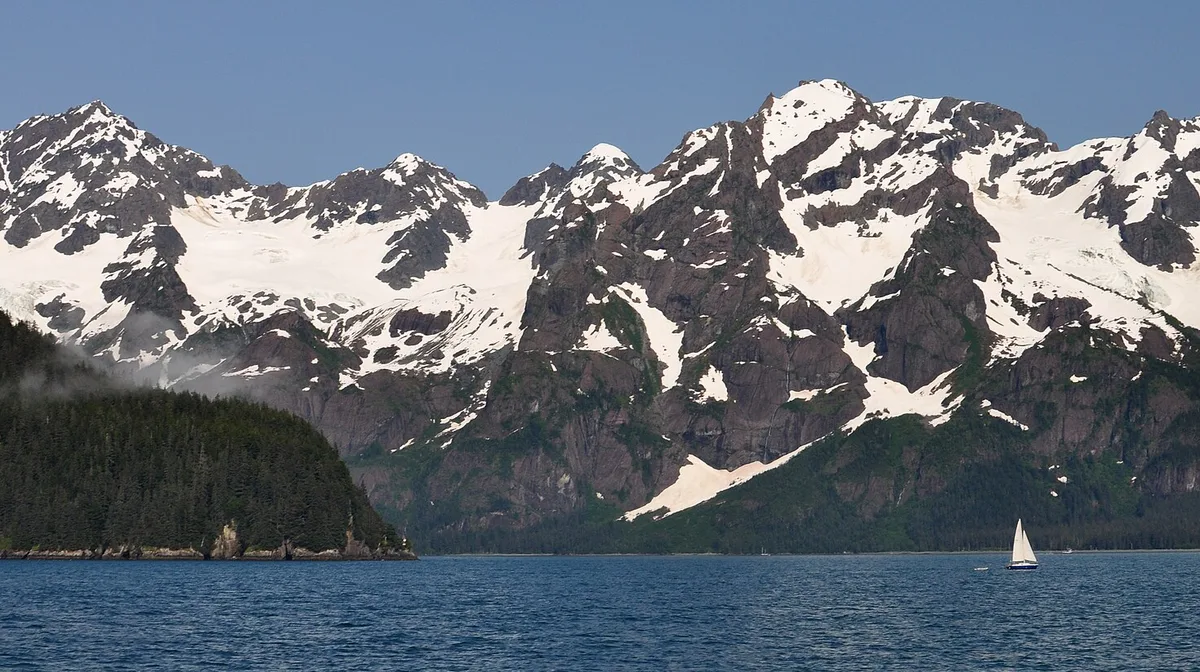
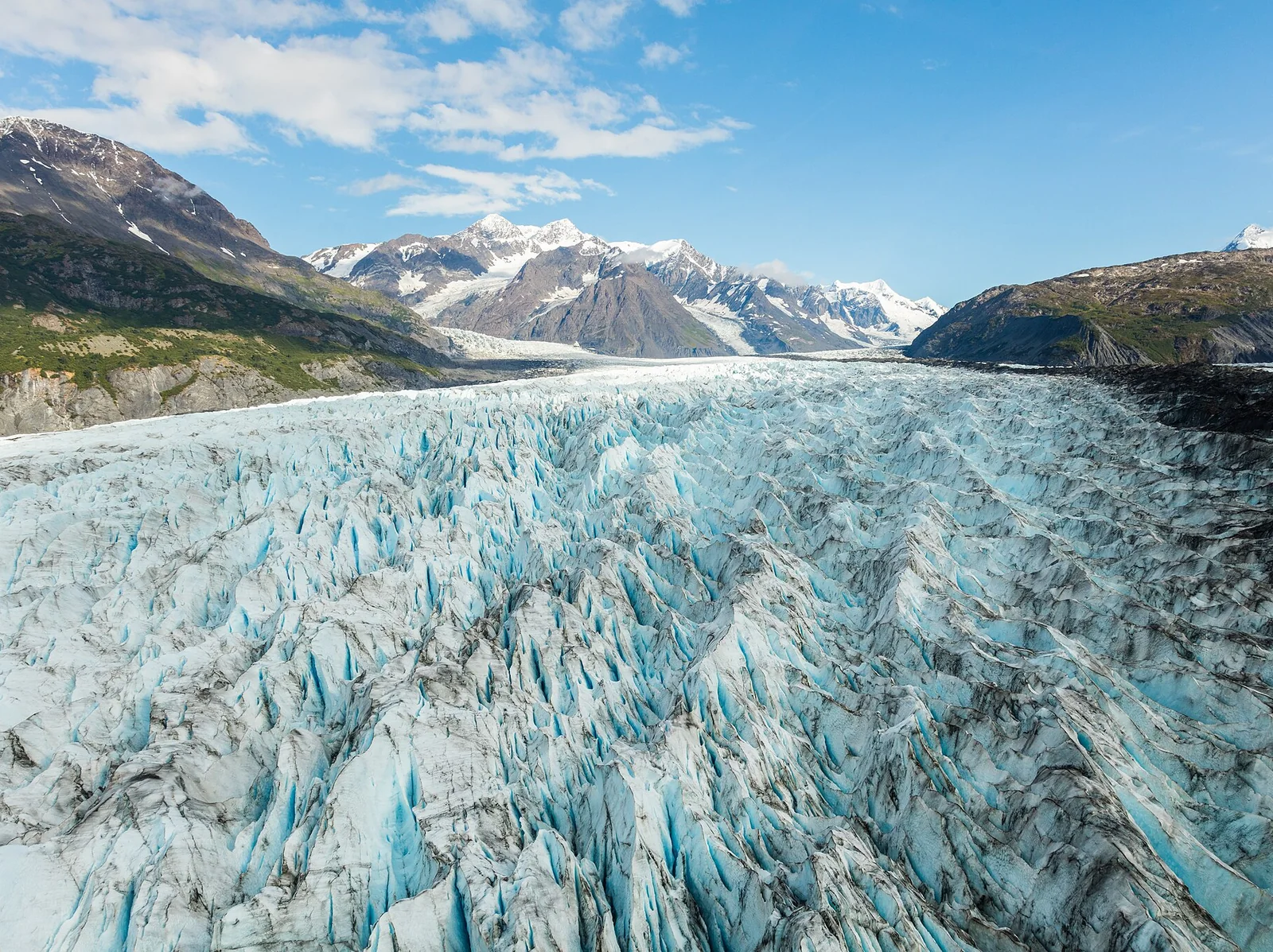
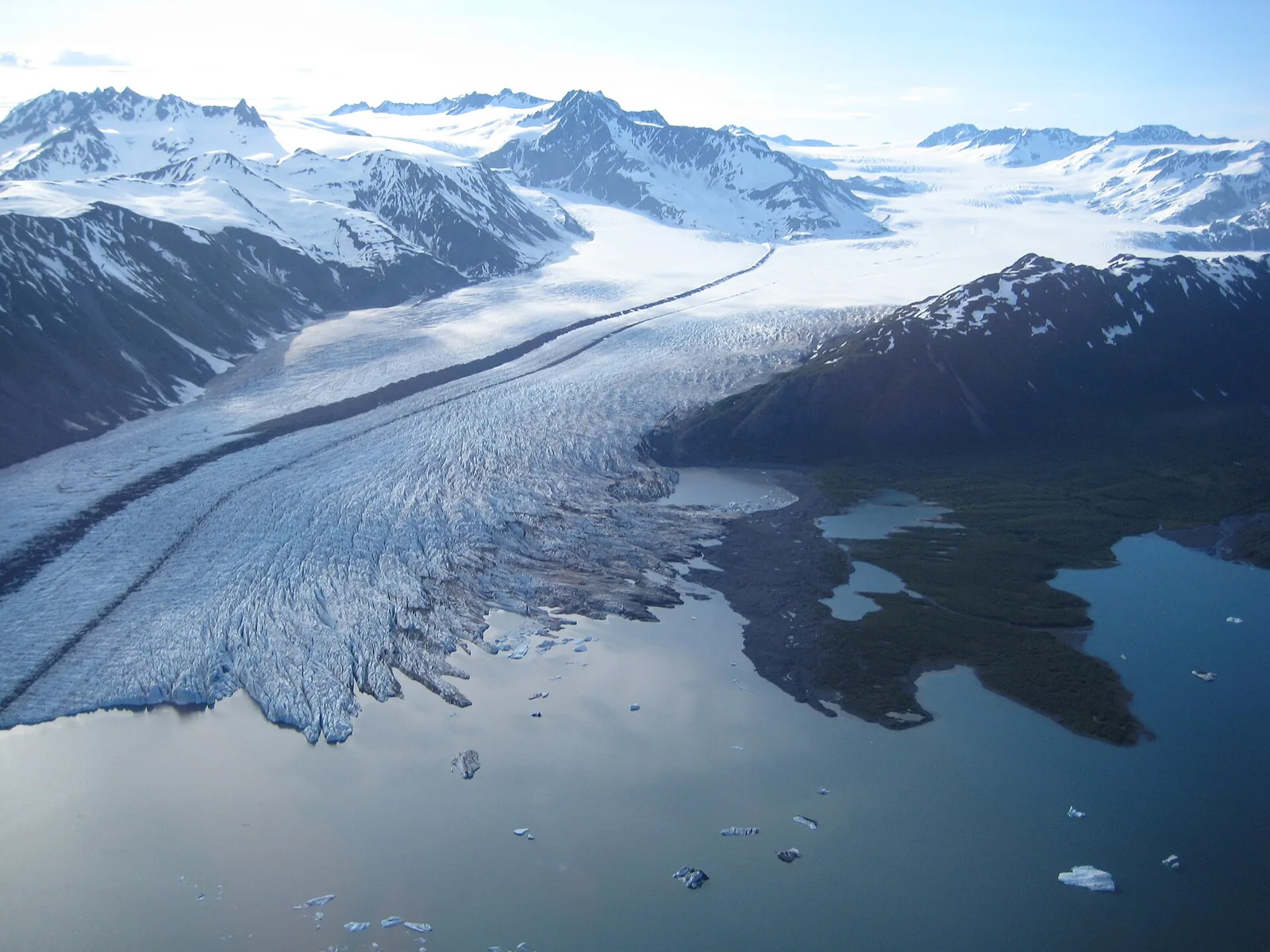
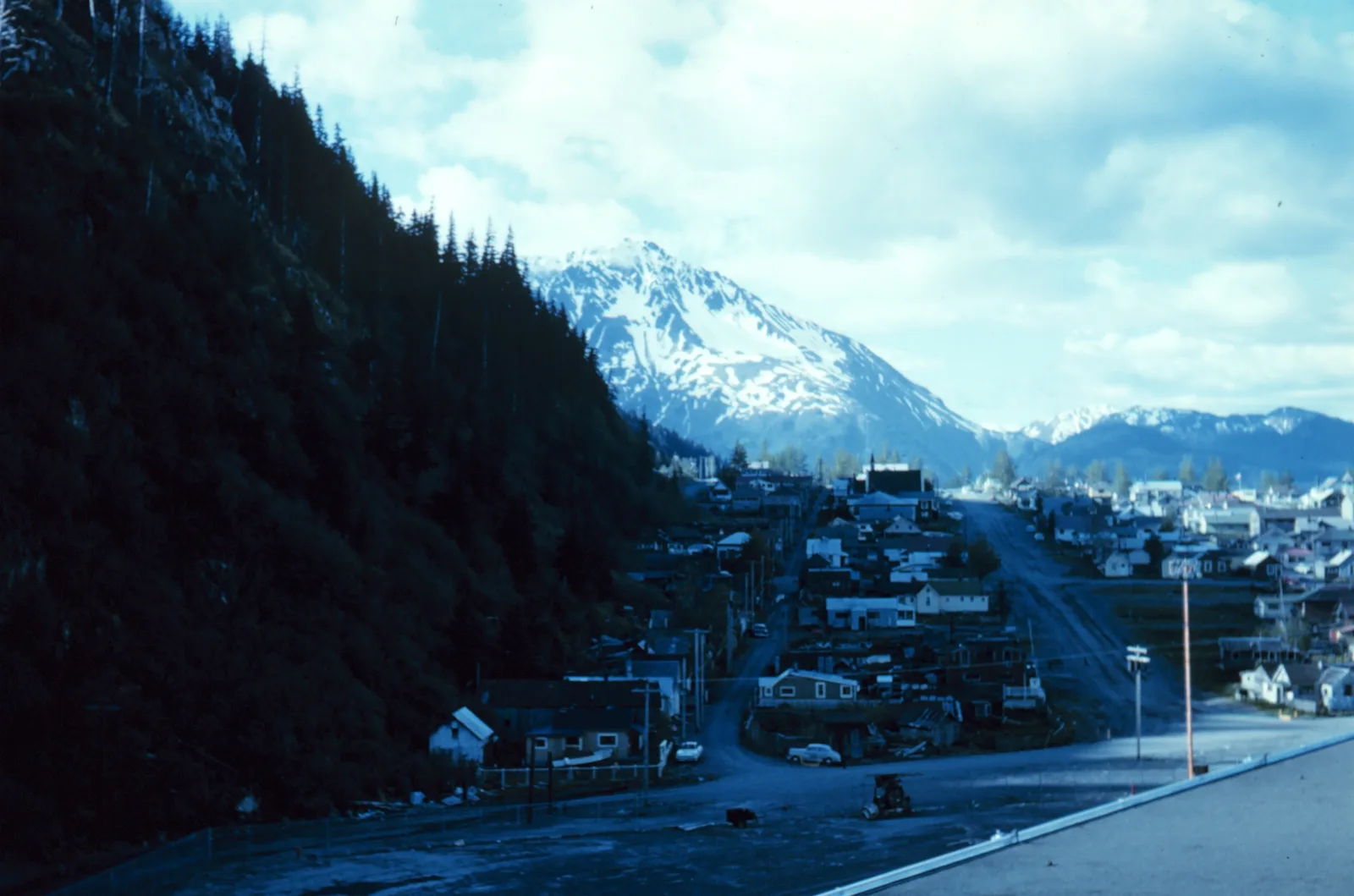
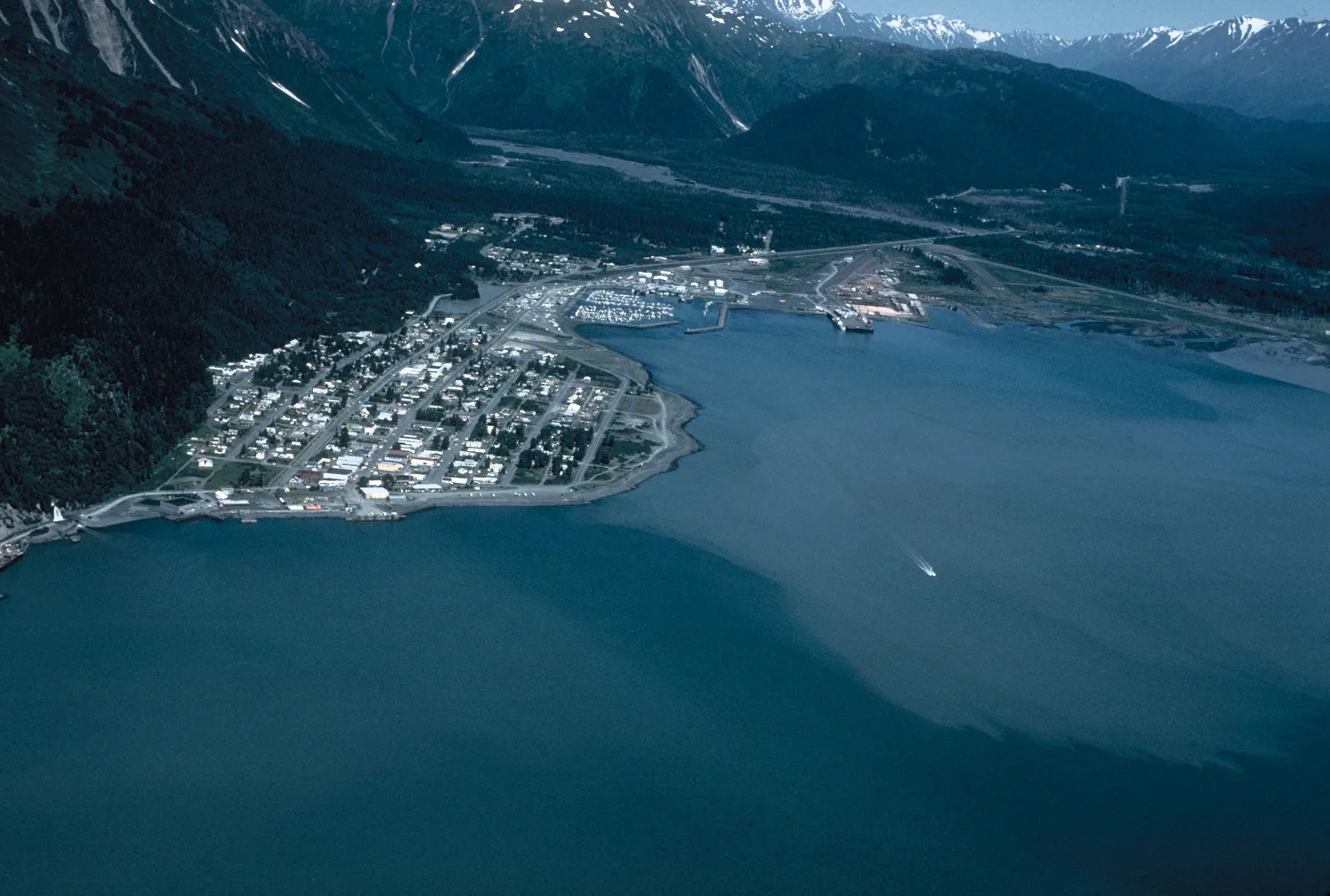
A few of the visual fingerprints we lean into when we shoot, brand and market a Seward property — courtesy of the open Wikimedia Commons archive.

1055 exit glacier — Seward airbnb marketing
Local Color
exit glacier
Bear Glacier, Kenai Fjords National Park — Seward airbnb marketing
Local Color
Bear Glacier, Kenai Fjords National
Seward, Alaska, — Seward airbnb marketing
Local Color
Seward, Alaska,
Seward Alaska aerial view — Seward airbnb marketing
Local Color
Seward Alaska aerial view
Why Cavmir

The Cavmir Advantage
in Seward

Cavmir markets Seward properties around the trip the guest is actually taking. We photograph the property in the light this coast actually gives you, which means shooting the hours that work rather than the hours that are convenient, and we lead with the things that decide a booking here — the view, the drying and gear space, the parking for a rental car and a trailer, the walk to the harbour. We write the listing and the site for a specific arrival: the charter that leaves at six, the day boat, the cruise turnaround, the drive down from Anchorage with the stops that matter. We build your direct-booking site and rank it for the searches that bring people to this bay, then set up the email flow that a repeat-heavy fishing and park market rewards more than most. We help you price a hundred-day season properly, including the shoulder weeks that most owners give away. And we will confirm your city permit position before we write a word. We help position and market your property. We never manage it or touch your keys.

State of the Industry · History

The Seward STR Market — Past & Present

Seward exists because of a railroad that had not been built yet. In 1903 surveyors picked the head of Resurrection Bay as the ocean terminus for the Alaska Central Railway, on the reasoning that it was the northernmost ice-free deep water port with a plausible route inland, and the town was laid out and named for William H. Seward, the Secretary of State who bought Alaska from Russia in 1867 and was mocked for it for the rest of his life. The railway went bankrupt, was absorbed into the federally built Alaska Railroad, and finally reached Fairbanks in 1923. Seward stayed the saltwater end of it.

Before the road and the rail there was the trail. The route that ran north from here toward the interior gold camps and eventually to Nome became the Iditarod Trail, and the monument at Mile 0 in town marks the start of it. Sled teams carried mail and freight along it for decades before the modern race made the name famous.

Then, at 5:36 in the afternoon on Good Friday, 27 March 1964, the ground moved. The Great Alaska earthquake registered 9.2, the second most powerful ever recorded anywhere, and its epicentre sat less than a hundred air miles from here. In Seward the waterfront did not simply shake — a submarine landslide took a large section of the harbour into the bay, tsunami waves came in on top of it, and the fuel tanks along the shore ruptured and caught fire. The town watched burning oil come in on the water. The docks, the rail yard and much of the industrial waterfront were destroyed and the port never fully recovered its old freight role.

What replaced it was tourism, and the pieces arrived one at a time. Kenai Fjords National Park was established in 1980, giving the day-boat fleet a reason to exist. The Alaska SeaLife Center opened on the waterfront in 1998. Cruise turnarounds made Seward a port of embarkation rather than a stop. And the Mount Marathon Race, run up and down the mountain behind town every Fourth of July since it was formally organized in 1915, kept the town's own tradition intact through all of it.

Pricing Strategy & Seasonality

Pricing, Seasonality & When to Capture ROI

Pricing Strategy

Seward is the most compressed calendar Cavmir works in and the pricing job is correspondingly unforgiving. Realistically the money is made between late May and early September, with a hard peak from the last week of June through the middle of August. Inside that window demand runs far ahead of supply and rates should reflect it — this is not a market where you win by undercutting, because the constraint is inventory, not price. Outside it, occupancy falls off a cliff. The single most common mistake here is a rate card that treats June, July and August as one block and everything else as a discount. May and September are genuinely different products with genuinely different guests — birders, photographers, shoulder-season road-trippers, people who want the park without the crowd — and they should be priced and marketed as such rather than dumped. The second mistake is ignoring the fixed dates. Fourth of July week, when the Mount Marathon Race fills every bed in town, and the August silver salmon derby weeks are known a year in advance and move rate more than anything the weather does. Set minimums and premiums against them twelve months out. The third is cruise turnaround days, which produce a predictable weekly rhythm of one-night demand that a three-night minimum will simply refuse.

Seasonality & ROI Windows

The season runs late May to early September and the peak is roughly the last week of June through mid-August. Fourth of July week is the highest-demand week of the year in this town by a wide margin, because of the Mount Marathon Race. August brings the silver salmon run and the derby. Early May and late September are real shoulder weeks with a distinct guest — fewer people, cheaper flights, birds, autumn colour on the mountains and a much better chance of a quiet day boat. Winter is very quiet: the town keeps working, the highway stays open and there is a small market for ice climbers, aurora travelers and Alaskans on a weekend, but a winter calendar will not carry the property. Plan the year around a hundred good days and treat everything else as upside, and the business works. Plan it around an annual occupancy average and it will not.

Regulation & Licensing · 2026

What the Law Requires in Seward

Alaska has no statewide short-term rental law and no state lodging tax, so everything here is local — and Seward regulates more closely than most Alaska towns. Expect three separate items rather than one. The city requires a business licence, currently a modest annual fee. It requires a short-term rental permit for each rental unit, also a modest fee, and permits run on the calendar year from 1 January to 31 December and renew annually rather than running twelve months from issue. And it requires a life safety inspection, with its own fee, before the permit is issued.

The rule that actually shapes the market is the bedroom cap. In residential zones, the city limits short-term rental to a portion of the dwelling — no more than half the bedrooms in the house, up to a maximum of three — while properties in commercial zones are allowed a higher number. That single provision is why Seward's inventory has not exploded the way inventory in comparable gateway towns has: a residential house cannot simply be converted into a whole-house rental at scale, and the city adopted the rule in the middle of a serious workforce housing shortage that has not gone away. If you are buying with a whole-house rental model in mind, check the zoning of the specific parcel before you make an offer, because the answer changes the business entirely.

Separately, you are collecting tax. Seward sits inside the Kenai Peninsula Borough, so borough sales tax and city sales tax both apply to lodging, and the city levies its own bed tax on top. Platforms collect and remit on the reservations they process; that does not extend to direct bookings, which is exactly the channel good marketing builds, so register before you switch it on. Verify current fees, the current bedroom cap language and the current tax rates with the City of Seward and the borough directly — these numbers move, and a figure on a page is not a substitute for the clerk's answer.

Market-Specific Tips & Challenges

Local Tips & Unique Market Challenges

Tips That Actually Move Revenue in Seward

Shoot the light, not the weather. This coast is overcast a great deal of the time and the default listing photograph in Seward is a grey building under a grey sky. The light that sells this town arrives late — long summer evenings that go gold on the mountains across the bay well after dinner — and a property photographed then looks like a completely different asset. Second, write for the departure time. A guest with a six a.m. charter or an eight a.m. day boat cares about parking, the walk or drive to the harbour, whether the coffee maker works at five and whether there is somewhere to leave wet gear. Say all of it. Third, explain the drive from Anchorage properly. It is roughly two and a half hours on one of the most spectacular roads in the country, and telling guests where to stop — the Turnagain Arm pullouts, the wildlife centre, Bird Point — makes you the source of the trip rather than just the bed. Fourth, sell May and September on their own terms: fewer people, better rates, real wildlife, autumn colour. Fifth, do not put a three-night minimum on cruise turnaround days; you will simply refuse the demand. Sixth, build an email list. Fishing parties and families rebook the same week the following year if you ask them, and in a hundred-day market a returning guest is worth several new ones.

Unique Seward Challenges

The season is the challenge and everything else follows from it: nine months of carrying cost against a hundred good days, which means the peak has to be priced properly or the year does not work. Housing politics are live — Seward has a genuine workforce housing shortage and short-term rentals are part of the local conversation, so the regulatory posture could tighten. The bedroom cap limits what many residential properties can be. Weather is a real operational factor, and cancelled day boats and blown-out charters produce disappointed guests through no fault of yours. Cleaning and maintenance labour is scarce and expensive in a small Alaska town at exactly the moment you need it most. Winterizing, freeze protection and snow clearing are real costs. And getting materials and tradespeople here for a repair takes longer and costs more than owners from the lower forty-eight expect.

The race up the mountain, run since 1915
Behind Seward there is a mountain that rises about three thousand feet almost straight off the town, and every Fourth of July people run up it and back down. The Mount Marathon Race was formally organized in 1915, reportedly out of a bar bet about whether the round trip could be done in under an hour, and it has been run ever since. The course is barely three miles. The descent is a controlled fall down scree and snow, and finishers routinely come down the last street bleeding. Entry is limited and hard to get. The town's population multiplies for the day, every bed is taken, and the whole thing is the single biggest date on the Seward calendar. If you own here, that week is not a booking opportunity. It is the booking opportunity, and it should be priced a year ahead.
Finance Essentials — Seward
🛡️

Insurance

Insurance in Seward is more about the building than about the guest, though you need both handled. Start with the fact that a standard homeowner's policy will not follow you into short-term rental use — you need a short-term rental or commercial policy with real liability limits, and it should name any hot tub, deck, stairs, dock or waterfront access specifically. In Alaska the property-side risks are the ones that generate claims: freeze and burst pipes in a property left empty through a long winter, snow load on a roof, water damage from ice dams, and wind. If you close the house down for the off-season, understand exactly what your policy requires of you to keep coverage in force — many policies impose conditions on vacancy, heat maintenance and periodic inspection, and failing them is how a claim gets denied. Earthquake coverage deserves an explicit conversation here rather than an assumption; this is a seismically active region and standard policies typically exclude it. Ask for guest injury, guest property damage, loss of rental income and, given the season, business interruption to be written into the policy in terms you can read.

🧾

Property & Income Tax

Alaska has no state sales tax, no state income tax and no statewide lodging tax, which sounds simple and is not, because it means every layer is local. In Seward you are dealing with the Kenai Peninsula Borough sales tax, the City of Seward sales tax, and a separate city bed tax on lodging — three rates, potentially three filing relationships, and rules about what is taxable that differ from what a lower-forty-eight owner expects. Confirm the current rates and the filing calendar with the borough and the city directly before your first booking. Booking platforms collect and remit a good deal of this on reservations they process, which works fine until you start taking direct bookings, and direct bookings are exactly what good marketing produces — so get registered first and keep platform and direct revenue separated from the very first reservation. On the federal side, the absence of state income tax is a genuine part of the ownership case, but your accountant should still look at how a hundred-day season, personal use days, depreciation and the cost of carrying the property through nine quiet months interact for your structure. Short, intense seasons produce tax situations that a year-round rental does not.

🏦

Mortgages & Financing

Financing in Seward is conventional in form and local in practice. Alaska lenders and credit unions understand seasonal rental income in a way that a mainland underwriter frequently does not, and using a lender who has written loans on the Kenai Peninsula before will save you a great deal of explaining. Expect scrutiny of the seasonal income assumption above everything else: a hundred-day season underwritten as if it were a year-round rental will not survive review, and a realistic seasonal pro forma presented up front is more persuasive than an optimistic annual average. Appraisal comparables can be thin in a town this size, which sometimes produces valuations that lag the market. Insurance is a gate here as elsewhere — get quotes during diligence, and ask specifically about earthquake and freeze coverage. If you are buying with a whole-house rental model, confirm the zoning and the bedroom cap before you go under contract, because a property that can only rent three bedrooms in a residential zone will not produce the income you underwrote. Debt-service-coverage products exist but are less common in Alaska than in the lower forty-eight. Have your accountant model the full carrying cost of the off-season rather than a flat annual occupancy figure.

Future Outlook · 2027 & Beyond

Where Seward is Headed Next

The near-term question is housing politics. Seward has a real shortage of workforce housing and a small residential stock, and short-term rentals are part of that conversation everywhere it happens. The city has already responded with a bedroom cap rather than a ban, which is a moderate position, but the pressure runs toward tightening rather than loosening and an owner should assume the rules can change. That argues for buying property that works under the current cap rather than betting on it being relaxed. The medium-term picture is demand, and it is strong: cruise turnaround volume, park visitation and the general growth of Alaska travel have all trended up, and the road and rail access that made Seward the terminus a century ago has not changed. The longer-term questions are physical. Glacier recession is visibly changing what the day boats and the Exit Glacier trail show visitors, seismic risk is a permanent feature of this coast, and the fishery underpins a real share of the guest traffic. None of that argues against owning here. It argues for a property that works in a hundred days, insured properly, with a guest list you own so the business is not dependent on a single channel or a single summer.

From the Desk of Sofie Sinag

Why We Love Marketing in Seward

Seward is a small town at the end of a fjord with a mountain directly behind it and a national park at the edge of the harbour, and it does not pretend to be anything else. The main street is a few blocks long. The boats leave early. There is a small boat harbour that smells like diesel and fish and cold salt water, a row of charter offices, and a bar full of people who have been up since four. In summer the light does not really go — you can be out on the bay at ten at night with the mountains still lit — and that is the thing about this place that nobody's photographs ever get right. Out on the water, orcas, humpbacks, sea lions, puffins in numbers that are hard to believe, and a tidewater glacier dropping ice into the sea while the boat idles. On land, a paved trail that walks you up to a glacier in half an hour, and a scree slope above town that the whole population runs up every Fourth of July. What we like about it commercially is the arithmetic. A hundred days of demand that badly outruns supply, a city that has quietly capped how fast inventory can grow, and a listing set that is mostly grey photographs of grey buildings. There is not a market on this site where good presentation moves the number further.

Why It Matters

A great property in Seward doesn't just want a listing — it wants a point of view, an audience, and a brand the city itself would recognise.

Cavmir's Seward Cheat Sheet

The Picks We Recommend for Your Welcome Book

Eight answers to put in your guest guide. These are the questions guests ask anyway, and getting them right in advance is the cheapest review insurance there is.

Coffee & First Light

The harbour before the boats go out

Everything leaves early here. Tell guests where to get coffee before six and roughly how long the walk or drive to the small boat harbour takes, because a missed departure is not rescheduled.

The Table Worth Booking

Dinner in town in July

There are not many seats in Seward and in peak season they fill. Tell guests to book on the day they arrive, not the day they want to eat.

Local Obsession

The Mount Marathon trail

The mountain behind town, and the race up it every Fourth of July since 1915. Guests can hike it any day of the summer — tell them honestly that it is steep, loose and not a casual stroll.

Rainy Day

The Alaska SeaLife Center on the waterfront

A working marine research facility as much as an aquarium, right in town, indoors, and genuinely good. The obvious answer when the day boat is cancelled.

Shoulder Season Secret

Early May and the middle of September

Fewer people, cheaper flights, real wildlife, and in September the tundra above the treeline turns. The day boats still run and you can actually get a table.

Weekend Escape

Exit Glacier and the Harding Icefield Trail

Twenty minutes from town, a paved path to the glacier's edge, and above it one of the hardest and best day hikes in Alaska. Tell guests which one they are actually signing up for.

The View

Resurrection Bay after nine on a summer evening

The light goes long and gold on the mountains across the water and almost every visitor is indoors by then. Tell guests to go back outside after dinner.

What Guests Ask For

The drive from Anchorage, and what to do if the boat is cancelled

Two and a half hours on the Seward Highway with pullouts worth stopping at — name three. And have a wet-weather plan ready, because boats do get cancelled and a guest with nothing to do writes about it.

Local Work · Composite Case Vignettes

What Cavmir Has Done for Seward Properties

A few composite engagements, drawn from how Cavmir typically works with owners in a short, intense gateway season. Illustrative rather than any single client's file.

Two-bedroom unit · walkable to the harbour
The Brief

A well-located property photographed under flat overcast, so it read as ordinary and competed on price against places with none of its walkability.

What We Did

Reshot in the long summer evening light this coast actually gives you, rebuilt the photo order around the bay and the walk to the harbour, and rewrote the listing for a guest with an early charter or day boat — parking, gear space, the five a.m. coffee question.

The Result

The property stopped being compared on rate alone and started being found by the guests whose whole trip depended on being close to the boats.

Whole-house rental · shoulder months given away
The Brief

A rate card treating everything outside July and August as a discount, so May and September sold cheaply to guests who would have paid more for a different pitch.

What We Did

Built May and September into their own product with their own photography and copy — wildlife, autumn colour, quiet day boats, cheaper flights — and priced them as a distinct season rather than a markdown on the peak.

The Result

Shoulder-week rates firmed and the property started attracting photographers and older couples rather than only bargain-hunting road-trippers.

Owner starting each season from zero
The Brief

A strong repeat guest base — the same fishing parties and families every summer — all rebooking through a platform search each year, with no list and no direct channel.

What We Did

Built a direct-booking site with the city permit details visible, moved past guests onto an email flow that opened next summer's dates before the general release, and set premiums against Fourth of July and the derby weeks twelve months out.

The Result

The best weeks were spoken for before the public calendar opened, and the owner gained a channel they controlled rather than one they rented each spring.

Market Intelligence · Seasonality

Airbnb seasonality in Seward, month by month

Demand in Seward peaks around June through August and runs quietest around January, February and March. Here is how the year actually books — and what to do about each stretch of the calendar.

Peak demandSteadyQuiet

Peak season

Late June through mid-August is the peak and demand runs well ahead of supply inside it, so this is not a market where undercutting helps. Fourth of July week, when the Mount Marathon Race fills every bed in town, is the single highest-demand week of the year. August brings the silver salmon run. Set those dates and their minimums twelve months out.

The shoulders

Early May and the middle of September are real shoulder weeks with a distinct guest — birders, photographers, older couples, people who want the park without the crowd. The day boats still run. Most owners dump these weeks as a discount on July rather than pricing and marketing them as a different product, which is the single largest missed opportunity here.

The quiet stretch

October through April is very quiet. The town keeps working and the highway stays open, and there is a small market for ice climbers, aurora travelers and Alaskans on a weekend, but a winter calendar will not carry the property. Use the window for maintenance, winterisation checks and a spring reshoot.

Dates that fill first

Mount Marathon RaceFourth of July
Run since 1915 and the biggest date on the calendar; the town's population multiplies and every bed goes.
Silver salmon derbyAugust
A fixed annual fishing event that fills the harbour and the town.
Cruise turnaround daysMay through September
A predictable weekly rhythm of one-night demand that a three-night minimum simply refuses.
Kenai Fjords day boat seasonlate May through early September
The core demand engine; guests plan the whole stay around a departure time.
Memorial Day weekendlate May
The season opening and the first genuinely strong weekend of the year.
Market Intelligence · Guests

Who books Seward Airbnbs — and how far ahead

Day boat and park visitors
Two to four nights built around a Kenai Fjords departure and Exit Glacier. Parking, an early coffee and the walk to the harbour decide the booking.
Fishing charter parties
Groups arriving for multi-day charters who need gear drying, freezer space and truck parking. They rebook the same week yearly if asked.
Cruise passengers
One-night stays either side of a sailing. Flexible minimums and a simple arrival matter more than anything else.
Road-trippers from Anchorage
Guests doing a two-week Alaska loop with Seward as one stop, booking short and comparing on location.

The booking window

Fourth of July and the derby weeks book furthest out, often close to a year. The rest of the summer fills through the winter and spring. Shoulder weeks are close to a last-minute market, which means being visible and sensibly priced in May and September matters more than being booked early.

Typical stays

Short. Two to four nights is typical, with longer stays from fishing parties and a meaningful one-night segment around cruise turnarounds. A long minimum stay in this market refuses more demand than it protects.

Where guests drive from

AnchorageGirdwoodPalmerWasillaSoldotna

Where guests fly from

SeattleDenverChicagoDallasMinneapolisLos Angeles
Nearly everyone flies to Anchorage and drives the two and a half hours down the Seward Highway, or arrives by rail or cruise ship. Explaining that drive well — the pullouts, the timings, the wildlife stops — makes you the source of the trip rather than just the bed.
Market Intelligence · What Wins

The Airbnb that wins in Seward

Properties within a short walk or drive of the small boat harbour outperform larger houses further out, because the whole trip runs on early departures. A genuine view across Resurrection Bay is worth a real premium and belongs at the front of the photo set. Practical space — gear drying, freezer capacity, parking for a truck and trailer — decides the fishing bookings that pay best.

Amenities that move bookings here

walk or short drive to the harbourgear drying spacefreezer capacitybay viewparking for a truck and trailerfast wifiblackout blinds
Blackout blinds are not a luxury here. Summer nights barely get dark and guests who cannot sleep write about it, which is the cheapest bad review in Alaska to prevent.
Straight Answers

Seward Airbnb marketing questions, answered

How do I market my Airbnb in Seward?

Start with photography that shows what a guest actually gets here, then write the listing around a real itinerary rather than a feature list. Build a direct-booking site so returning guests can come back without going through a platform, and keep an email list segmented by season so you can reach last year's visitors before the calendar opens. Local search matters more than people expect in a market this size, because guests search the destination and the attraction rather than the word rental. A marketing agency layer handles the photography, the listing copy, the direct-booking site and the local SEO as one system instead of four disconnected jobs.

When is peak season for Seward Airbnbs?

Late June through mid-August, with Fourth of July week — when the Mount Marathon Race fills the town — the single strongest week of the year, and August carrying the silver salmon derby. Realistically the money is made in about a hundred days. Early May and mid-September are genuine shoulder weeks with their own guest, and winter is very quiet.

How far in advance do guests book Seward Airbnbs?

Fourth of July and the derby weeks book furthest out, often close to a year. The rest of the summer fills through the winter and spring. The shoulder weeks are close to a last-minute market, so being visible and sensibly priced in May and September matters more than being booked early.

Where do most Seward Airbnb guests come from?

Almost everyone flies into Anchorage and drives two and a half hours down the Seward Highway, or arrives by rail or cruise ship. The fly markets are Seattle, Denver, Chicago, Dallas, Minneapolis and Los Angeles. A smaller but steady share is Alaskans driving down from the Anchorage and Mat-Su area for a weekend.

What amenities matter most for a Seward Airbnb?

Proximity to the small boat harbour, because everything here leaves early. After that: gear drying space, freezer capacity for fish, parking that fits a truck and trailer, and a bay view. Blackout blinds matter more than owners expect — summer nights barely get dark and guests who cannot sleep say so in writing.

Free Tools · Websites That Book

See what your listing in Seward is leaving on the table

Run your Airbnb, Vrbo, or website through Cavmir's free grader. It checks the things that decide whether guests book in Seward — photos, listing copy, page speed, local search — and shows you where bookings leak. Takes about a minute, and there's no sales call attached.

If the report says your booking engine is the weak link, that's fixable: a direct-booking website of your own means repeat guests stop paying platform fees to come back to you. That's the work Cavmir does — see Airbnb website design in Seward.

What the grader measures

  • Photos and the first-impression frame
  • Listing title and copy
  • Your direct-booking website (or the lack of one)
  • Page speed and mobile experience
  • Local search and Google visibility
Grade My Listing — Free
Ready to Grow in Seward?

Let's Put Your Seward
Property on the Map

Talk to Cavmir today. We'll show you exactly what your Seward property is leaving on the table — and how fast we can change that.

Book a Free Strategy Call