$440
Avg. Nightly Rate
41%
Avg. Occupancy Rate
$4,100
Avg. Monthly Revenue
3-5%
Est. Cash-on-Cash ROI
HIGH
Seasonality
HEAVY
Regulatory Burden

* Market averages. Cavmir-managed properties typically exceed these figures by 25–45%. Data sourced from AirDNA, STR market reports, and Cavmir internal analytics.

The Market

Why Whitefish is One of the World's Premier STR Markets

Whitefish is the town Glacier National Park checks into. A Great Northern Railway settlement from 1904 — nicknamed Stumptown for the tree stumps the loggers left in the streets — it grew into Montana's classiest resort town: a false-front downtown on Central Avenue, a glacial lake at the edge of the neighborhoods, and Whitefish Mountain Resort, skiing since 1947 as Big Mountain, rising behind it all. The short-term-rental rules inside city limits are strict and specific: nightly rentals are prohibited in the standard residential zones and allowed only in a handful of districts — the downtown business zone and the resort residential and resort business zones, mostly up the mountain. Outside city limits, Flathead County is far looser, which is where much of the area's thousand-plus listings actually sit. Either way, every operator in Montana needs a state public accommodation license, and every operator in Whitefish handles a resort tax the platforms don't collect for them.

Whitefish inverts the usual ski-town math: summer is the bigger season. July and August, when Going-to-the-Sun Road is fully open and Glacier runs at full flood — more than three million visits a year — the town books solid at the year's highest rates. Winter is the second peak, real but quieter: Christmas through Presidents' Day at the mountain, with the Whitefish Winter Carnival — running since 1960 — carrying February. Blended nightly rates run around $440 with occupancy near 40%, numbers that reflect a market of larger homes, hard seasonal edges and fast-growing supply. The shoulders are the opportunity: September and early October deliver an open Sun Road with the crowds gone, and late spring belongs to anglers and hikers who beat the reservation-season rush. Demand arrives by every route — Glacier Park International Airport fifteen minutes away, and Amtrak's Empire Builder stopping at the downtown depot, the busiest station in Montana.

Top Attractions & Landmarks

  • Glacier National Park
  • Whitefish Mountain Resort
  • Whitefish Lake State Park
  • Going-to-the-Sun Road
  • Central Avenue downtown
  • The Whitefish Trail
  • City Beach

Nearby Markets: Big Sky  |  Jackson Hole  |  Coeur d'Alene

Airbnb marketing services in Whitefish, Montana, USA
Postcards

Whitefish through the lens

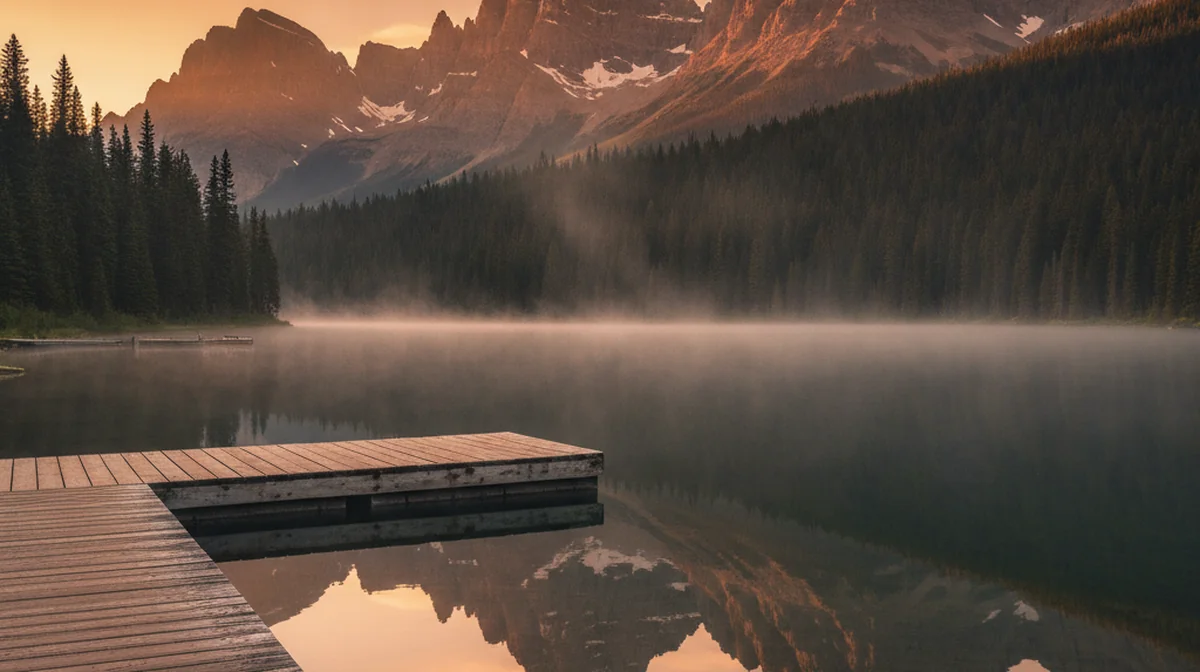
A few of the visual fingerprints we lean into when we shoot, brand and market a Whitefish property — courtesy of the open Wikimedia Commons archive.

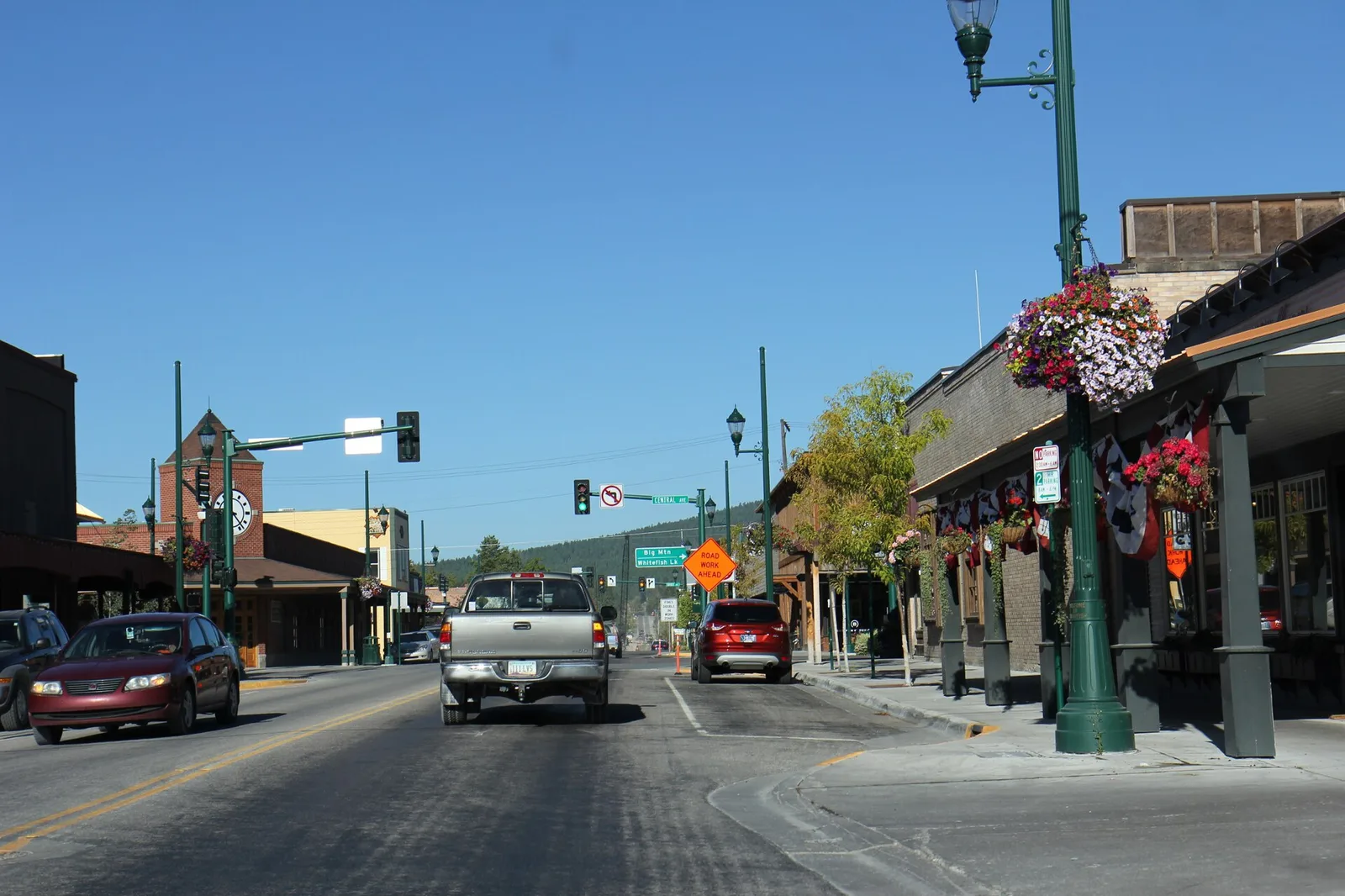
Whitefish Montana Downtown Looking North US93 — Whitefish airbnb marketing
Local Color
Whitefish Montana Downtown Looking North
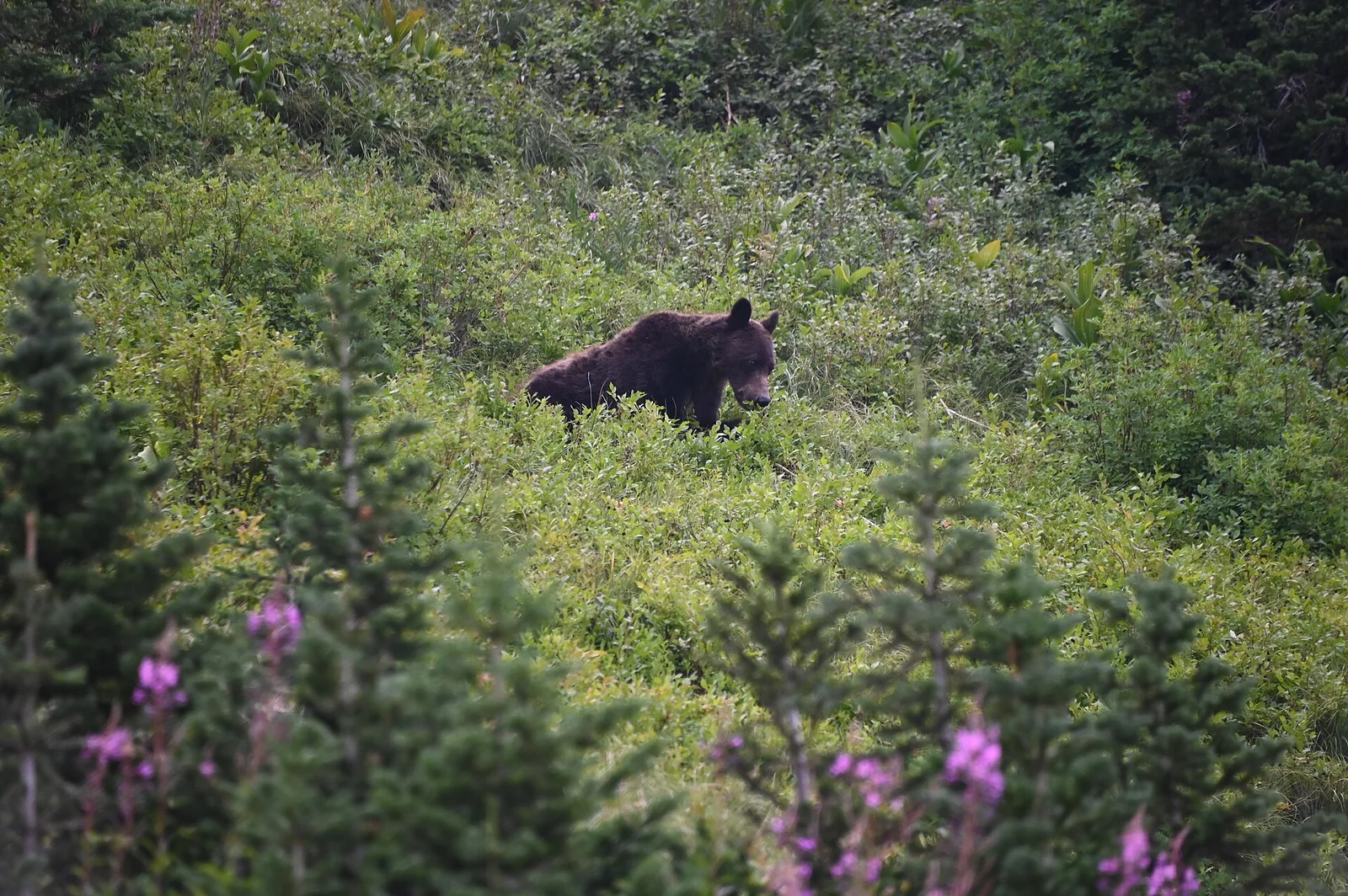
A Berry Hillside — Whitefish airbnb marketing
Local Color
Berry Hillside
2015 06 19 Glacier National Park — Whitefish airbnb marketing
Local Color
Glacier National Park
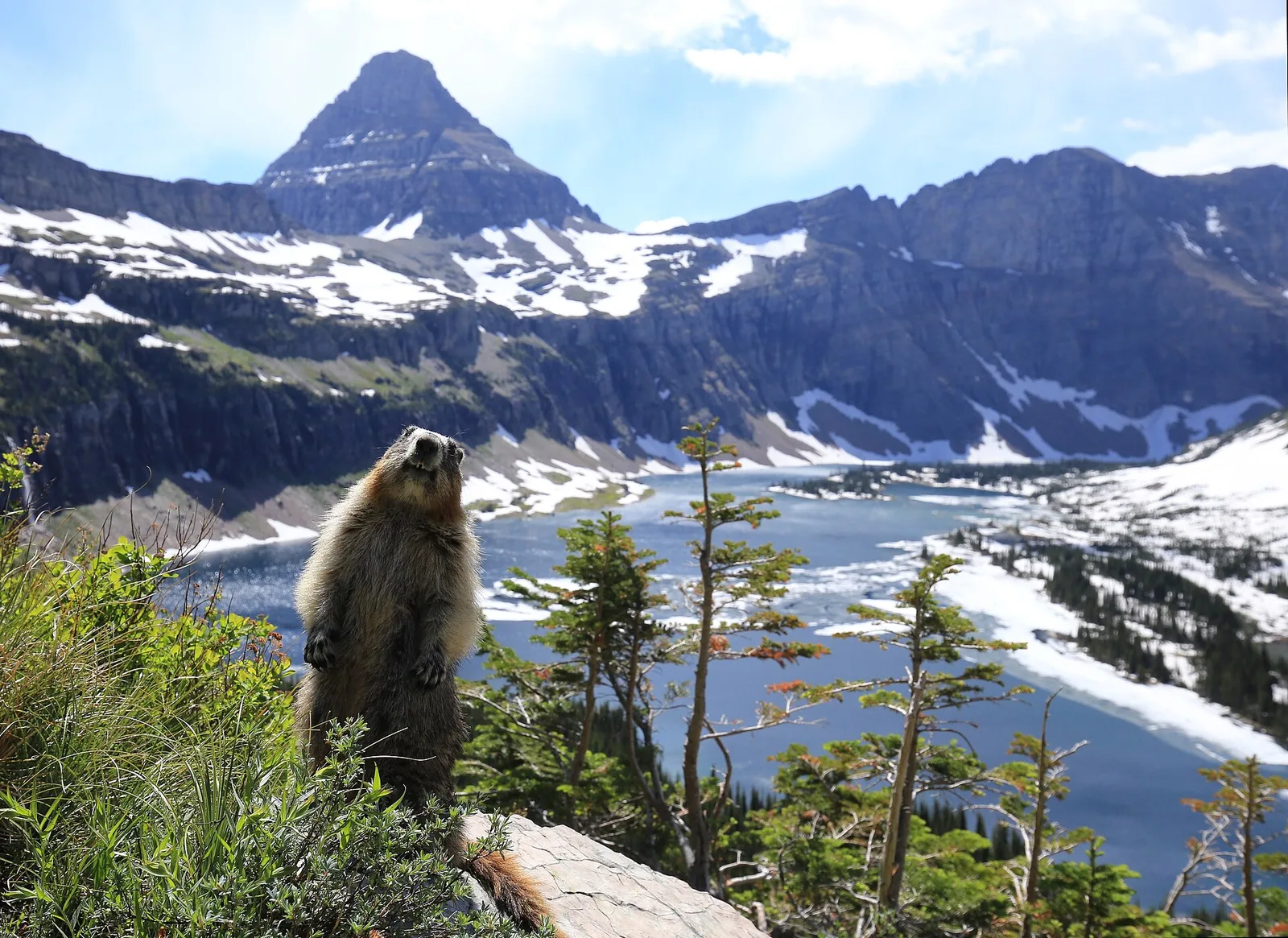
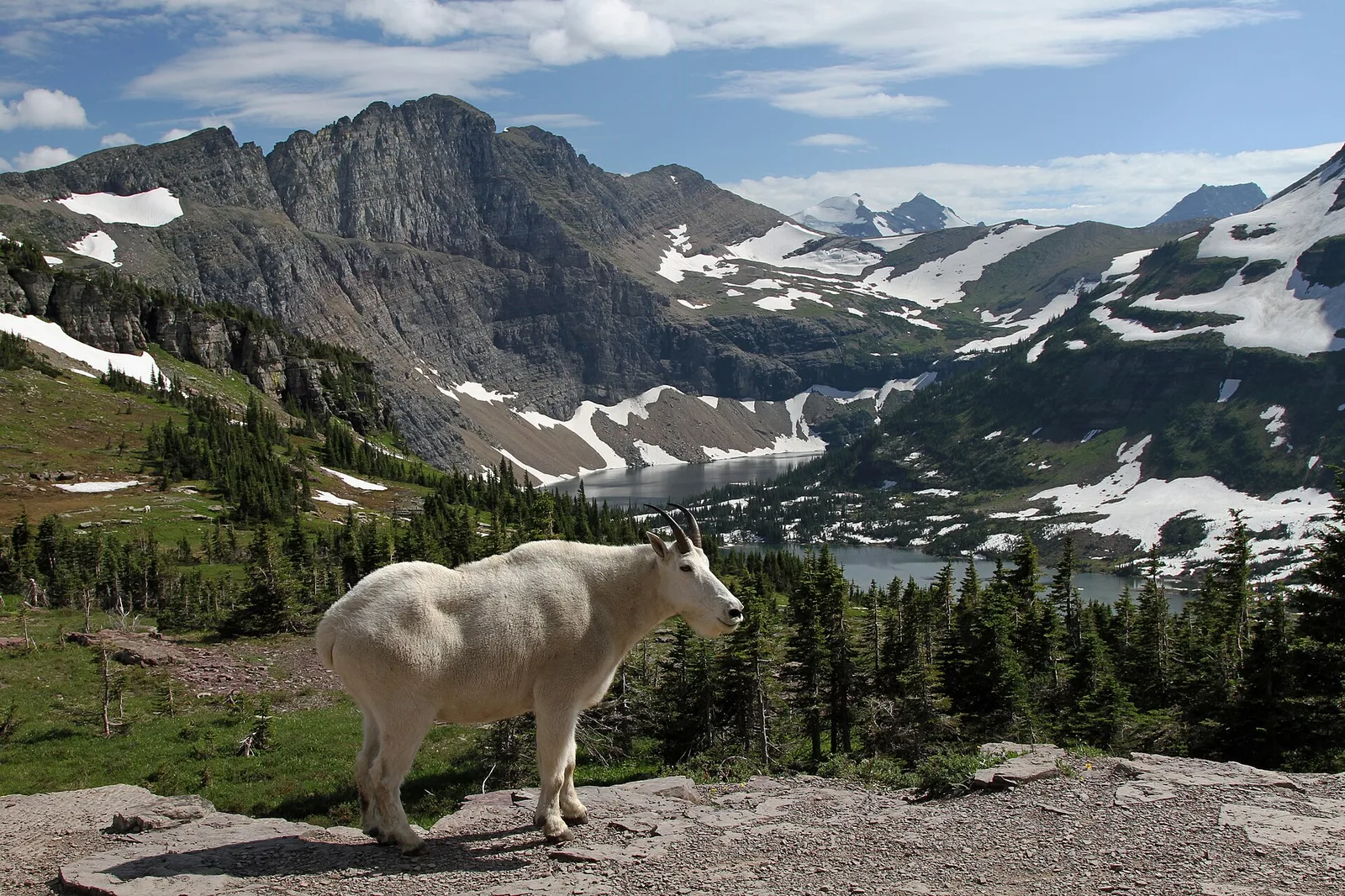
Mountain Goat at Hidden Lake — Whitefish airbnb marketing
Local Color
Mountain Goat at Hidden Lake
Why Cavmir

The Cavmir Advantage
in Whitefish

Cavmir wins in Whitefish because the zoning already restricted the competition and almost nobody markets against this town's actual calendar. If you hold a city permit in the resort or downtown zones, your position literally cannot be built against in the neighborhoods around you — but your summer photography, your winter story and your direct channel decide what that's worth. If you operate in the county, you're in a deeper pool and presentation is the whole game. We shoot the lake, the larch gold and the snow ghosts properly, write listings that answer the Glacier logistics guests actually worry about, and build direct-booking websites for cabins, lodges and inns so the families who return every summer book you, not a platform. We help position and market your property. We never manage it or touch your keys.

State of the Industry · History

The Whitefish STR Market — Past & Present

Whitefish exists because the Great Northern Railway needed a division point, and it got its personality from what the railroad left behind. When the line arrived in 1904, crews cleared the forested townsite so fast that the streets were left studded with stumps — and 'Stumptown' stuck as the nickname locals still use with affection. Glacier National Park was established just up the line in 1910, and the Great Northern marketed it hard, building the great lodges and chalets that taught America to vacation in its own Alps. Skiing followed the war: locals cut runs on Big Mountain and opened the ski area in 1947, and sixty years later it took the name Whitefish Mountain Resort. Amtrak's Empire Builder still stops downtown at the depot — the busiest station in Montana — which means some of your guests will step off a train from Chicago or Seattle a few blocks from their rental.

The modern market is a gateway town wearing a resort town's price tag. Glacier's visitation surged past three million a year, Flathead Valley boomed, and Whitefish answered the housing squeeze with some of Montana's firmest short-term-rental zoning: nightly rentals are banned in the city's standard residential neighborhoods and confined to the downtown business district and the resort-zoned areas, mostly on the mountain. Outside city limits, lightly zoned Flathead County absorbed the growth — which is why the area counts a thousand-plus listings while the city's legal map stays small. Layer on Montana's statewide public accommodation licensing, the town's self-remitted resort tax, and a 2025 property-tax overhaul that put short-term rentals in their own, higher tier, and you have a market that pays owners who do the homework and quietly retires the ones who don't.

Pricing Strategy & Seasonality

Pricing, Seasonality & When to Capture ROI

Pricing Strategy

The premium map has three lanes. Whitefish Mountain Resort — the resort-zoned condos, chalets and homes up Big Mountain Road — is the legal heart of the city's STR market and commands the strongest winter rates, with ski-in access the ceiling. Downtown's WB-3 district sells walkability: Central Avenue restaurants, the depot and City Beach within blocks, booking a broad year-round mix. Whitefish Lake frontage is the trophy tier — summer-peak lake houses at four-figure nightly rates — though legality depends entirely on the parcel's zoning. The volume lane is unincorporated Flathead County: farmhouses, cabins and new builds between Whitefish, Columbia Falls and the park entrance, cheaper to buy and looser to operate. Blended nightly rates run around $440 with occupancy near 40% — big homes, hard seasons, wide spreads between the marketed and the unmarketed.

Seasonality & ROI Windows

Summer is the crown: July and August, when Going-to-the-Sun Road is fully open, run at the year's highest rates and deepest occupancy. Winter is the second season — Christmas through Presidents' Day at the mountain, with February's Winter Carnival the hometown anchor. The shoulders are stark: late spring (April–May) and November are genuinely quiet, while September and early October are the connoisseur's window — the park open, the crowds gone, the larches turning gold late in October. The operators who market the shoulders and go monthly in the troughs beat the market by structure, not luck.

Regulation & Licensing · 2026

What the Law Requires in Whitefish

Whitefish is strict inside the lines and loose outside them — and the line is the city limit. Within the city, short-term rentals (under 30 days) are prohibited in the standard residential zones and permitted only in specific districts: WB-3 (the downtown general business district) and the resort-designation zones — WRR-1 and WRR-2 (resort residential) and WRB-1 and WRB-2 (resort business), which mostly map to the Big Mountain corridor. Legal operators need a city short-term-rental permit and business registration, must meet the land-use standards, and should expect real enforcement — the city employs a dedicated short-term-rental specialist. Outside city limits, much of Flathead County carries little or no zoning, which is where the region's rental growth actually lives; looser doesn't mean lawless, but the county lane is genuinely wider.

Two statewide layers apply everywhere. First, every Montana short-term rental needs a Public Accommodation License from the state health department (DPHHS) — an annual license, expiring December 31, with plan review covering water, wastewater and sanitation, plus a guest register requirement. Second, taxes: Montana has no general sales tax, but lodging carries a combined 8% in state lodging taxes, and Whitefish adds its 3% resort tax, which platforms do not collect — owners register with the city and remit monthly by the 20th. And a structural change owners must price in: Montana's 2025 property-tax overhaul phases in a tiered system that, by 2026, taxes short-term rentals and second homes at a substantially higher rate than primary residences. Rules and rates evolve — confirm your parcel's zoning and the current schedules with the city, county and your attorney.

Market-Specific Tips & Challenges

Local Tips & Unique Market Challenges

Tips That Actually Move Revenue in Whitefish

The Whitefish strategic tip: market the summer like a park concessionaire and the winter like a ski resort — because you're both. Most listings here pick one identity and go dark half the year. The property that answers Glacier logistics in July and sells snow ghosts in January books the twelve-month calendar its competitors treat as six.

Tactically: first, become the guest's Glacier briefing. Vehicle-reservation rules, Sun Road status, bear-spray basics, sunrise timing at Lake McDonald — the listing that handles these questions converts anxious planners and earns the five-star review before check-in. Second, shoot all four seasons for real: glassy morning water at City Beach, larch gold in October, rime-crusted snow ghosts on the summit. Third, build the direct channel — Glacier families and ski regulars repeat on a schedule, and Whitefish's guest loyalty is the strongest kind: annual. Fourth, respect the tax mechanics — the 3% resort tax is self-remitted monthly, and sloppy remittance is the fastest way onto the city's radar. Fifth, if you're buying, decide city versus county deliberately: the city's resort zones offer scarcity and walkability; the county offers freedom and volume. They're different businesses with different moats, and the marketing should match the choice.

Unique Whitefish Challenges

The headwinds: occupancy near 40% means the peaks must carry long quiet shoulders, the city's legal map is small and the county's supply keeps growing, and Montana's new property-tax tier raises the carry cost of every second home and rental. Wildfire smoke can cloud an August week without warning, winter operations are real work, and the resort tax adds an administrative rhythm the platforms won't handle for you.

A Curious Whitefish Fact
Whitefish's original name wasn't aspirational. When Great Northern Railway crews cleared the forested townsite in 1904, they left so many tree stumps standing in the mud streets that the settlement was known as Stumptown — residents reportedly dodged stumps the way other towns dodged potholes. The name never fully left: the local historical society calls itself Stumptown Historical, the ice rink is the Stumptown Ice Den, and February's Winter Carnival royalty still reign over a town that turned its scruffiest chapter into its fondest joke.
Finance Essentials — Whitefish
🛡️

Insurance

Standard homeowner's policies exclude paying guests, so plan on a proper short-term-rental policy with strong liability limits — then layer the Montana specifics. Wildfire underwriting has tightened across the northern Rockies; wooded county parcels face the hardest questions. Winter brings snow load, ice damming and hard-freeze pipe risk in homes that may sit empty between bookings. Lakefront properties add dock, watercraft and drowning liability; hot tubs are near-universal equipment and belong on the policy explicitly. Use a broker who writes Flathead Valley rentals specifically.

🧾

Property & Income Tax

Montana has no general sales tax, which keeps the stack simple: a combined 8% in state lodging taxes (the 4% lodging facility use tax plus the 4% lodging sales tax) applies to stays under 30 days, and platforms generally collect it on their bookings. Whitefish adds its 3% resort tax on lodging — collected by you and remitted to the city monthly by the 20th; the platforms do not handle it. The bigger line item is property tax: Montana's 2025 overhaul phases in a tiered system that by 2026 taxes short-term rentals and second homes at a markedly higher rate than owner-occupied homes — price it into every pro forma. Confirm the current schedules with the city and your accountant.

🏦

Mortgages & Financing

Expect second-home or DSCR underwriting, with two Whitefish-specific diligence items. First, zoning: a city parcel outside the five legal districts cannot host nightly rentals, so make the zoning check a financing contingency, not an afterthought. Second, the property-tax reclassification: lenders running debt-service math should use the new second-home/STR tier, not last year's bill. County properties on wells and septic get extra underwriting attention — and DPHHS licensing questions — so gather the documentation early. A documented rental history plus clean resort-tax remittance genuinely strengthens a file here.

Future Outlook · 2027 & Beyond

Where Whitefish is Headed Next

Glacier's demand is permanent — the park keeps setting visitation records and managing them with reservation systems that spread the season rather than shrink it, which quietly favors lodging that markets the shoulders. The city shows no appetite for loosening its zones, Montana's legislature keeps tinkering with resort-tax law, and the new property-tax tiers will cull the casual, unmarketed second-home listing from the supply. That's the opportunity: into 2027 and beyond, the owners who hold legal ground — resort-zone condos, downtown walk-ups, well-run county cabins — and pair four-season photography with a direct-booking base of returning Glacier families will take share from a thinning field. Gateway towns reward the operators who treat them as a calling, not a coupon.

From the Desk of Sofie Sinag

Why We Love Marketing in Whitefish

Whitefish gives us the two things we prize most in a market: scenery that does half the work, and structure that rewards the other half. The scenery part is obvious — a glacial lake at the edge of town, a ski mountain with rime-frosted snow ghosts, and the crown-of-the-continent national park up the road. The structure part is what outsiders miss: the city drew hard zoning lines around where rentals can legally operate, Montana added statewide licensing, and the new property-tax tiers are quietly retiring the casual, unmarketed second-home listing. Every one of those constraints raises the value of doing this properly — which is the business we're in.

What we love most is the calendar's honesty. Whitefish doesn't pretend to be a twelve-month market; it's a town with two magnificent seasons, two hard shoulders, and a connoisseur's window in the fall that almost nobody sells. That's a marketing problem with a known solution: photograph all four seasons like they deserve, answer the Glacier logistics that make anxious planners book the confident listing, and build the direct channel for the families who return every single summer — because in gateway towns, they do. Add a main street that still looks like the railroad built it, huckleberry everything, and a train that delivers guests from Chicago to a depot three blocks from downtown, and Whitefish becomes the kind of market we'd work for the stories alone. The returns just make it easier to recommend.

Why It Matters

A great property in Whitefish doesn't just want a listing — it wants a point of view, an audience, and a brand the city itself would recognise.

Cavmir's Whitefish Cheat Sheet

The Picks We Recommend for Your Welcome Book

A few honest, insider picks for Whitefish — the kind of specifics that make a listing read like a local wrote it, because one did. Real places, no filler.

Morning

City Beach on Whitefish Lake

Before the paddleboards launch, the lake goes to glass and the light comes up over the mountains across the water. It's a five-minute walk from downtown and the calmest hour in town. If your rental is within a mile, this is the morning ritual to hand your guests.

Golden Hour

The summit of Whitefish Mountain Resort

Ride up for the view that sells the region: Flathead Lake and the valley to the south, Glacier's peaks stacked to the east. In winter the summit's snow ghosts — trees encased in wind-blown rime — turn gold at last light and photograph like another planet.

Neighborhood Walk

Central Avenue and the depot

A false-front western main street that never went kitsch: outfitters, galleries, huckleberry shops and bars with elk mounts, ending at the historic Great Northern depot where the Empire Builder still stops daily. The Stumptown museum inside tells the town's whole story in twenty minutes.

Dinner That Photographs

The Boat Club deck at Whitefish Lake

A waterfront table as the sun drops behind the lake — boats swinging at their buoys, the mountains going violet. It's the golden-hour dinner guests screenshot, and the reservation to suggest for the first or last night of the trip.

Local Obsession

Huckleberries

August in the Flathead is huckleberry season, and the town commits: huckleberry shakes, jam, beer and bear claws, plus locals who guard their picking patches like fishing holes. It's the flavor of the trip — point guests to it and the reviews write themselves.

Shoulder Season Secret

Glacier in late September

The Sun Road usually stays open into October, the summer crowds evaporate after Labor Day, and the light turns long and gold. By late October the larches set whole hillsides glowing. This is the smartest Glacier trip on the calendar — sell it plainly to the crowd that hates crowds.

Weekend Escape

Polebridge and the North Fork

A dirt-road hamlet on Glacier's remote western edge, anchored by the Polebridge Mercantile and its famous huckleberry bear claws, with Bowman Lake's mirror water beyond. No electricity grid, no cell signal, all story. Flag the rough road honestly — that's part of the sell.

What Guests Ask For

Glacier reservations, bear spray and the train

Three answers to build into your guide: check the park's current vehicle-reservation rules before the trip (they've changed year to year); rent or buy bear spray and know how to carry it; and yes — the Empire Builder arrives downtown, and yes, they'll want a car for Glacier days. Confident logistics convert anxious planners.

Local Work · Composite Case Vignettes

What Cavmir Has Done for Whitefish Properties

A few composite engagements drawn from how Cavmir typically works in this market. The details are illustrative and consistent with Whitefish, not pulled from a single named client.

Resort-zone condo · Big Mountain
The Brief

A legally permitted condo in the resort residential zone marketed itself as a winter product only — ski photos in July, no mention of Glacier twenty-five minutes away, and a calendar that went dark from April to Thanksgiving.

What We Did

Cavmir rebuilt the listing as a four-season property: summer photography of the lake and the Sun Road corridor, a Glacier logistics guide that answered the reservation-system anxiety, winter reshoots of the snow ghosts, and pricing built around both peaks and the September window.

The Result

Summer became the condo's strongest season within a year, September weekends began booking at rates the old calendar never asked, and the permit-and-license compliance story converted the cautious families planning a once-in-a-decade park trip.

County farmhouse · toward the park
The Brief

A renovated farmhouse between Whitefish and the Glacier entrance sat in the deep county listing pool with nothing separating it — generic interior photos, no state-license visibility, and no answer to the only question its guests had: how do we do Glacier right?

What We Did

Cavmir positioned the house as the Glacier basecamp: photography built around the mountain views and evening porch light, a detailed park playbook in the listing and guest guide, huckleberry-season and larch-season windows priced deliberately, and a direct-booking page for returners.

The Result

The house pulled ahead of the county comp pool on both rate and occupancy, guests began booking the same summer week for the following year before checkout, and the shoulder months filled with September hikers and October photographers the old listing never reached.

Small lodge · near downtown
The Brief

A family-run lodge with decades of returning guests was paying OTA commissions on its own loyalty, remitting resort tax by hand from a shoebox of records, and presenting a 2010-era website that hid the lake, the depot and the town three blocks away.

What We Did

Cavmir rebuilt the brand and direct-booking website around the Stumptown-to-ski-town story, reshot the property across seasons, set up clean guest-data and email systems for the returning families, and ran search marketing for Whitefish lodging terms.

The Result

Direct bookings became the lodge's largest channel within a few seasons, longtime guests moved their annual reservations onto the lodge's own site, and the owners finally captured the margin their decades of hospitality had been giving away.

Ready to Grow in Whitefish?

Let's Put Your Whitefish
Property on the Map

Talk to Cavmir today. We'll show you exactly what your Whitefish property is leaving on the table — and how fast we can change that.

Book a Free Strategy Call