$565
Avg. Nightly Rate
56%
Avg. Occupancy Rate
$9,500
Avg. Monthly Revenue
4-7%
Est. Cash-on-Cash ROI
HIGH
Seasonality
MEDIUM
Regulatory Burden

* Market averages. Cavmir-managed properties typically exceed these figures by 25–45%. Data sourced from AirDNA, STR market reports, and Cavmir internal analytics.

The Market

Why Big Sky is One of the World's Premier STR Markets

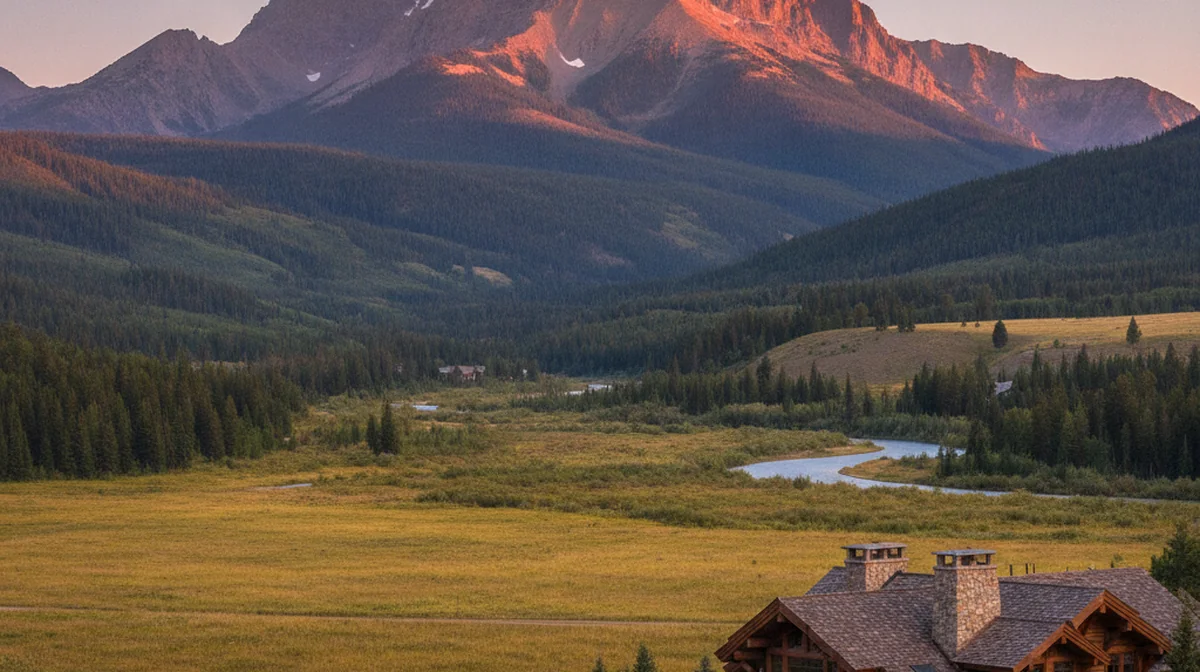
Big Sky sits 45 miles south of Bozeman in the Gallatin Canyon, an unincorporated sprawl of slopeside condos, log lodges and canyon homes built around the second-largest ski resort in the country. The 11,166-foot Lone Peak anchors everything. Below it, the village fans out into Mountain Village at the lift base, Meadow Village along the golf course, Town Center down on Ousel Falls Road, and the gated Spanish Peaks and Yellowstone Club enclaves for the truly private money. People come to ski a 5,800-acre mountain in winter and to use Big Sky as the quiet back door to Yellowstone in summer, an hour from the West entrance. They pay accordingly, and they expect a property that looks like the brochure.

Demand here runs on two engines. Winter is the headliner: December through March fills slopeside inventory at the highest rates of the year, with ski-in/ski-out units in Mountain Village and the Summit area commanding the steepest premiums. Summer is the sleeper, Yellowstone road-trippers and Gallatin River fly-fishers from June through August, and it's nearly as strong if you market it. The guest is affluent and group-driven, families and friend pods splitting a big house, so the homes that win are the ones with bunk rooms, hot tubs, real kitchens and a clear view of the mountain. Proximity to the lifts and to the canyon is the whole pricing conversation.

Top Attractions & Landmarks

  • Lone Peak (11,166 ft)
  • Big Sky Resort
  • Mountain Village
  • Ousel Falls
  • Gallatin River
  • Yellowstone National Park (West entrance)
  • Spanish Peaks & the Yellowstone Club

Nearby Markets: Jackson Hole  |  Sun Valley  |  Aspen

Airbnb marketing services in Big Sky, Montana, USA
Postcards

Big Sky through the lens

A few of the visual fingerprints we lean into when we shoot, brand and market a Big Sky property — courtesy of the open Wikimedia Commons archive.

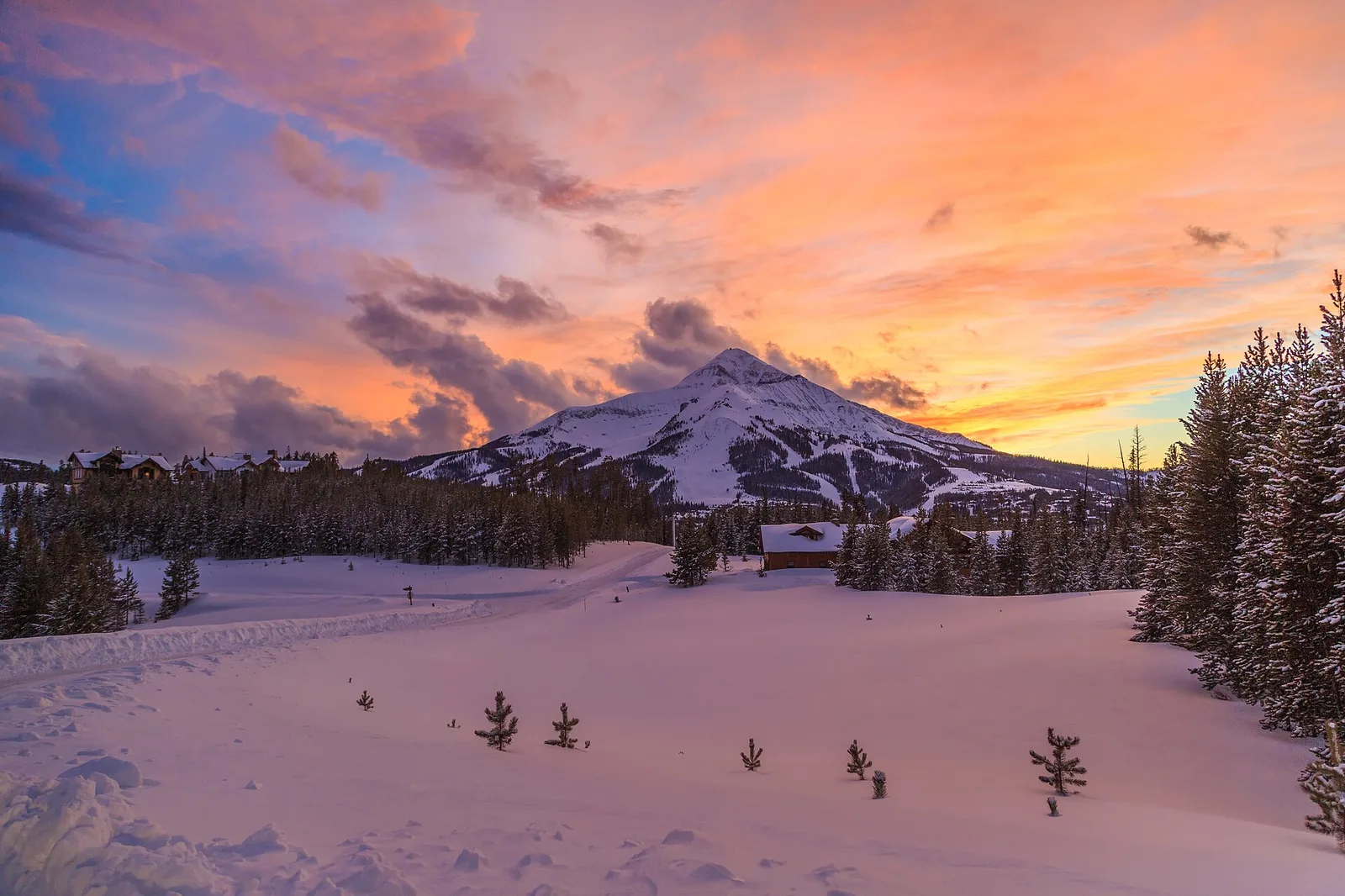
Lone Mountain Sunset — Big Sky airbnb marketing
Local Color
Lone Mountain Sunset
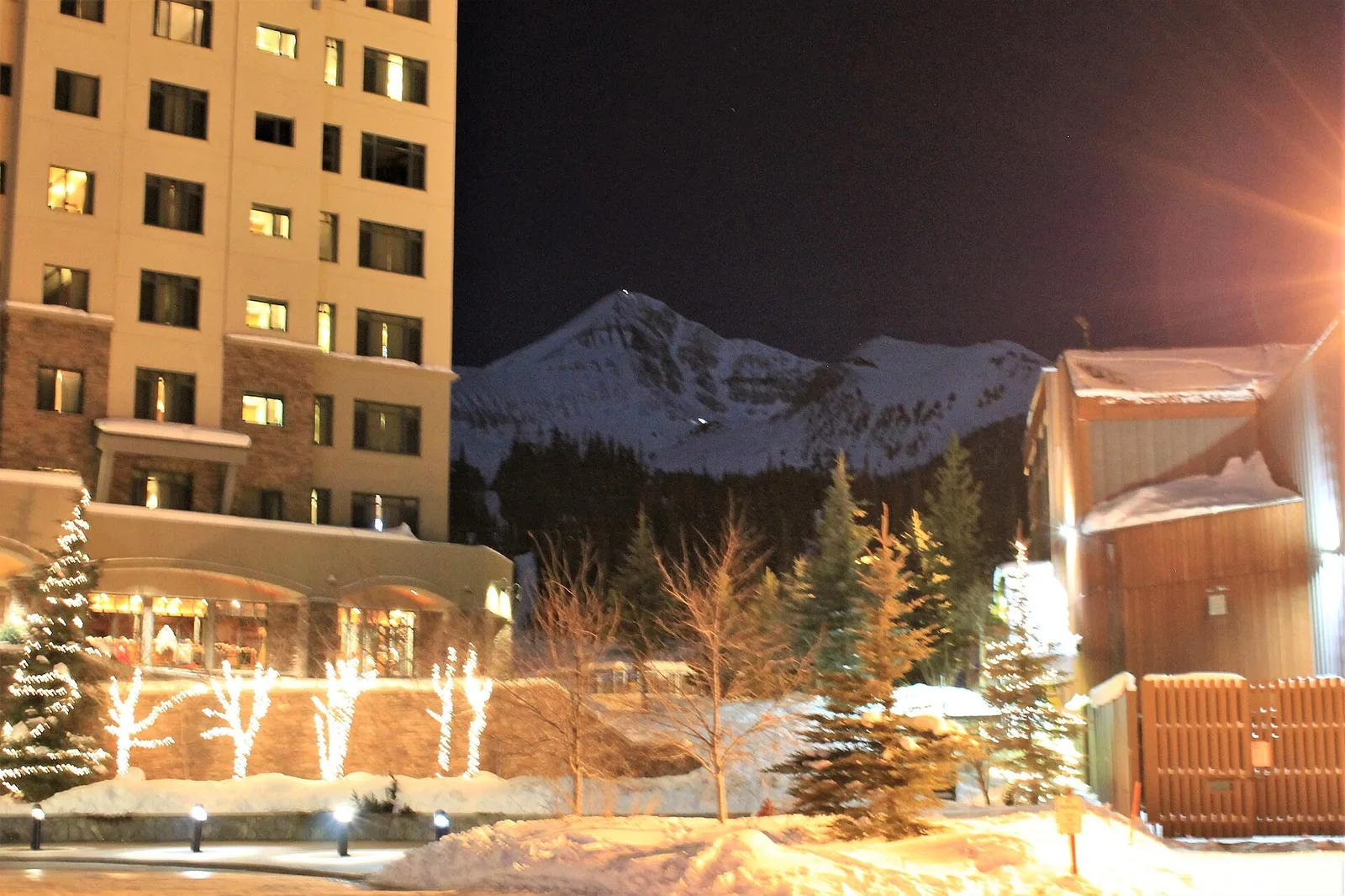
Lone Peak seen from Big Sky Resort, — Big Sky airbnb marketing
Local Color
Lone Peak seen from Big
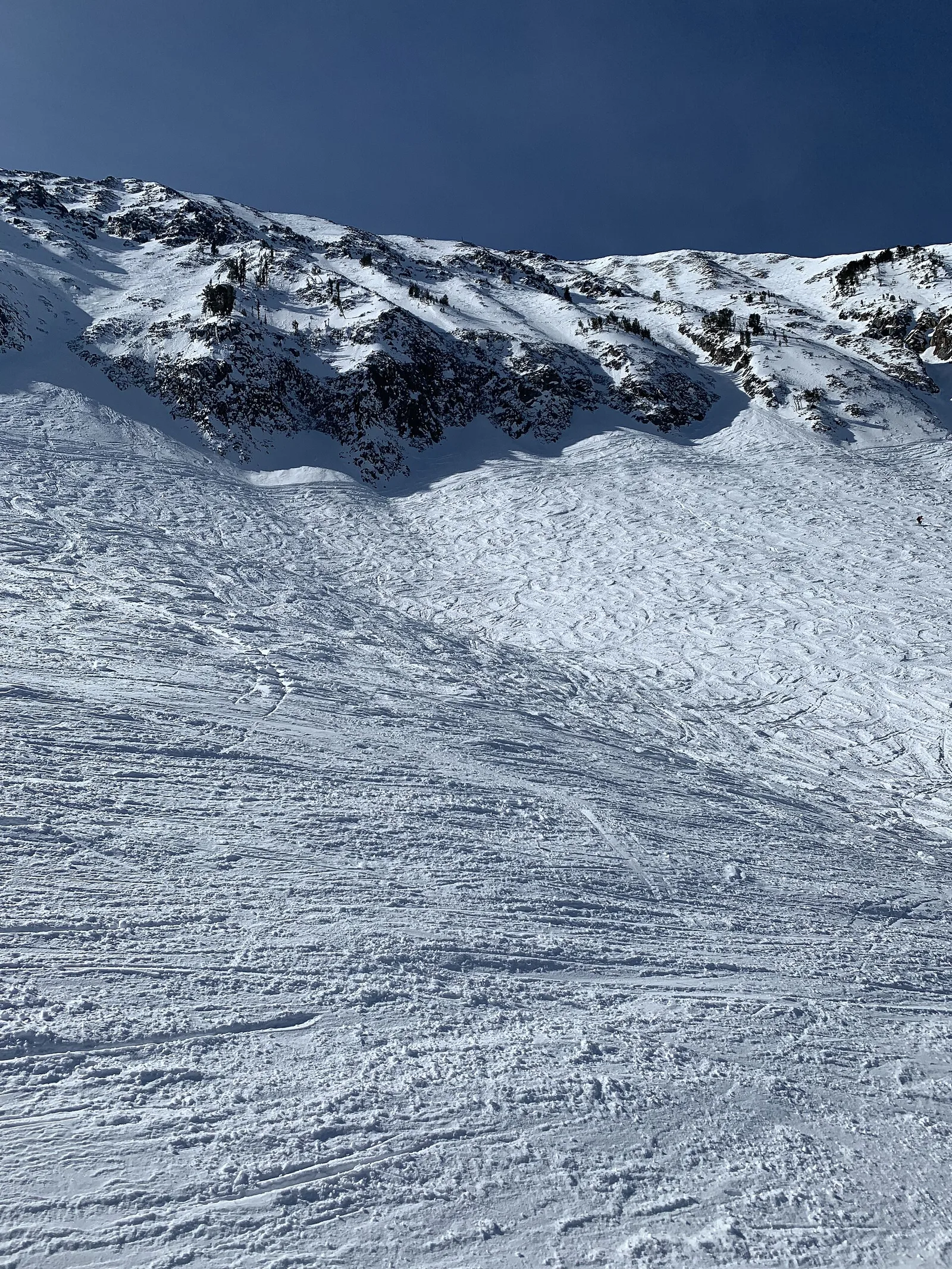
View of Big Sky Mountain Detail — Big Sky airbnb marketing
Local Color
View of Big Sky Mountain
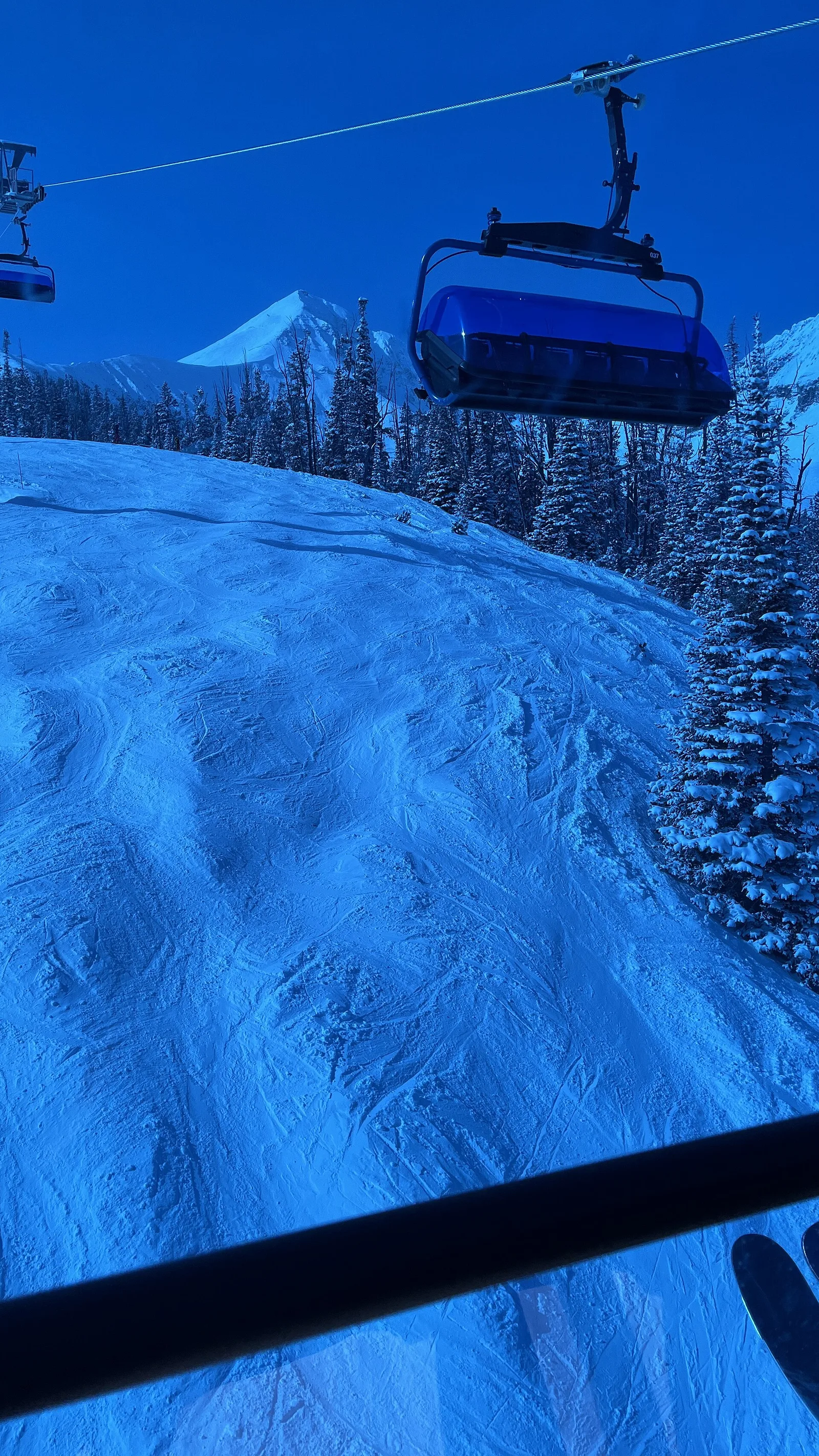
Swift Current 6 Lift at Big Sky Resort — Big Sky airbnb marketing
Local Color
Swift Current Lift at Big
Why Cavmir

The Cavmir Advantage
in Big Sky

Big Sky owners lose more money to empty shoulder weeks than to anything a regulator ever does. Cavmir's job is to fix that. We shoot your place so the snow and the peak actually read on screen, build a brand and a direct-booking site so you're not renting your margin back from the OTAs every winter, and build your spring and fall calendar around Yellowstone and the river instead of going dark. We position you for the guest already comparing you to the Yellowstone Club, and make the comparison flattering.

State of the Industry · History

The Big Sky STR Market — Past & Present

Big Sky exists because a national news anchor liked to fish. Chet Huntley, the Montana-born NBC newsman, dreamed up a four-season resort in the Gallatin Canyon and assembled the land in the early 1970s; the resort opened in late 1973, just weeks before he died. For its first two decades Big Sky was a respectable regional ski hill, big terrain, small crowds, a long drive from anywhere. Two things changed the trajectory. In 1997 the Yellowstone Club broke ground next door as a private members-only ski and golf community, importing a level of wealth the canyon had never seen and quietly resetting the ceiling on what land and homes here could fetch. And over the following decades the resort kept stitching itself to neighboring terrain, absorbing Moonlight Basin and the Spanish Peaks side, until it could credibly market itself as the biggest skiing in America, roughly 5,800 acres served from Lone Peak and crowned by a tram to the 11,166-foot summit. A purpose-built Town Center rose down in the meadow to give the place an actual heart, and direct flights into Bozeman put Big Sky within a day's travel of both coasts. A sleepy regional hill turned into a genuine national destination inside a single generation.

That combination, serious mountain plus serious money, reshaped the real estate. Today Big Sky's rentable inventory is overwhelmingly residential rather than hotel: ski-in/ski-out condos in Mountain Village, larger homes and townhomes in Meadow Village and along the golf course, canyon cabins down by the Gallatin, and trophy houses inside Spanish Peaks and the Club. AirDNA tracks well over a thousand active short-term rentals across the area. The place is also famously unincorporated, split between Gallatin and Madison counties with no city hall of its own, which means the rules that actually govern your rental are a patchwork of county zoning, a county health permit, and, more than anything, your HOA's covenants. It's a premium market with a small-town regulatory footprint, and that gap is exactly where a sharp operator makes money.

Pricing Strategy & Seasonality

Pricing, Seasonality & When to Capture ROI

Pricing Strategy

Location does the pricing here, and the gap between tiers is wide. True ski-in/ski-out condos in Mountain Village and the Summit sit at the top in winter, often $700-$1,500+ a night for a two- or three-bedroom in peak weeks. Meadow Village homes and townhomes along the golf course play the family-group middle, frequently $400-$900. Gallatin Canyon cabins trade access for character and river proximity, often $250-$550. The gated Spanish Peaks and Yellowstone Club tier is its own market entirely. Off-season rates soften hard across every tier, which is why the shoulders decide the annual math. A hot tub, a real mountain view and a short walk to a lift are the three levers that move the nightly number most; miss all three and you're stuck competing on price.

Seasonality & ROI Windows

Winter (December-March) is peak, anchored by the holidays and Presidents' Day weekend, with rates topping out around the powder months. Summer (June-August) is a strong second season on Yellowstone and Gallatin River demand. The money most hosts leave on the table is the shoulder, April-May mud season and the September-October golden window, when crowds thin but fall fishing, hiking and Yellowstone are arguably at their best. A dark October calendar is the most common unforced error here.

Regulation & Licensing · 2026

What the Law Requires in Big Sky

Here's the headline for Big Sky: there is no statewide Montana short-term-rental license, and Big Sky is unincorporated, split across Gallatin and Madison counties, so there's no city permit either. What you do answer to comes in three layers. First, county zoning: Gallatin County leaves most unzoned land open to STRs, but the Gallatin Canyon/Big Sky district is one of the few areas with zoning rules that name short-term rentals specifically. STRs are broadly allowed in the commercial and mixed-use zones (B2, B3, UMU and similar), while the residential zones place limits, Type 1 / owner-related restrictions in R1 and RS, and primary-residence rules in others. Confirm your exact parcel's zone before you list. Second, a county health permit: Montana regulates rentals as public accommodations, and the Gallatin City-County Health Department requires a Public Accommodation License with inspection for tourist homes in the area. Third, and most important in practice, your HOA and subdivision covenants, which in many Big Sky communities are stricter than any government rule and can cap or ban rentals outright. On the money side, operators collect the statewide Lodging Facility Sales and Use Tax of roughly 8% (a 4% use tax plus a 4% sales tax) and the local Big Sky Resort Area District resort tax, currently 4%, on lodging. Note that a 2026 Montana property-tax change (SB 542) raised the tax treatment of non-owner-occupied homes, which hits investor-owned rentals. None of this is legal advice, verify your zone, your covenants and current rates with the county, your HOA and your accountant before you book a guest.

Market-Specific Tips & Challenges

Local Tips & Unique Market Challenges

Tips That Actually Move Revenue in Big Sky

The Big Sky strategic move: run your property as a two-season business, not a ski rental that happens to be open in July. Most owners pour all their energy into the winter calendar and let summer and the shoulders coast, which is exactly backwards from a revenue standpoint, your winter weeks will sell almost regardless, but your annual return is decided by how full April through October is.

Tactically: first, build two distinct listing stories and two photo sets, snow-on-Lone-Peak for the ski audience, and river-fishing, Yellowstone-day-trip, porch-coffee-with-a-view for the summer and fall audience. The same house should look like two different vacations. Second, lean into the group-travel reality, spell out the bunk room, the sleeping capacity, the hot tub and the kitchen, because Big Sky books on headcount and amenities, not on square footage alone. Third, get a direct-booking site live and feed it with your past guests, winter repeat business here is gold, and paying OTA commission to rebook the same family every December is money set on fire. Fourth, set smart minimum stays and early-bird pricing around the marquee weeks, Christmas, New Year's and Presidents' Day reward owners who lock in long stays months ahead. Fifth, sell the canyon drive as a feature, not a caveat, the hour from Bozeman through the Gallatin is a scenic on-ramp to Yellowstone, and framing it that way turns a logistics question into a reason to book. And sixth, get specific about access in your copy, exactly how far you are from the nearest lift, the tram, the river and the West entrance, because in a market this spread out, vague directions cost you the booking to the listing down the road that just spelled it out.

Unique Big Sky Challenges

The headwinds are real: a long, deep low season in spring and fall, weather and canyon-road conditions that can scramble winter travel, rising HOA scrutiny of rentals, and a 2026 property-tax shift that raised the cost of holding an investor-owned home. Labor and cleaning turnover are tight and expensive in a resort town with a housing shortage, and competition at the top of the market is genuinely sophisticated.

A Curious Big Sky Fact
Big Sky owes its existence to a TV news legend. Chet Huntley, co-anchor of NBC's Huntley-Brinkley Report and a Montana native, conceived the resort and pulled together the land and investors in the early 1970s. Big Sky Resort opened in December 1973, and Huntley died of cancer just a few weeks later, in March 1974, barely seeing the place he'd built take its first runs.
Finance Essentials — Big Sky
🛡️

Insurance

Standard homeowner's policies generally won't cover commercial short-term renting, and Big Sky adds mountain-specific exposure, snow load, frozen pipes in deep cold, hot tubs, and wildfire risk in the canyon. Most owners carry a dedicated STR or landlord policy with liability limits sized to high-value guests, plus coverage for weather-driven damage. Confirm your HOA's master policy and exactly where it stops and yours begins, the gap between the two is where uninsured surprises live.

🧾

Property & Income Tax

Montana has no general statewide sales tax, but accommodations are taxed: operators collect roughly an 8% Lodging Facility Sales and Use Tax plus the 4% Big Sky resort tax on lodging, so guests see about 12% in lodging taxes layered on. Rental income is taxable, and Montana's 2026 property-tax change (SB 542) generally treats non-owner-occupied homes less favorably than primary residences, which matters if you don't live here most of the year. Treat all of this as a conversation with your accountant, not a do-it-yourself project.

🏦

Mortgages & Financing

Few rentals here are financed as primary residences. Most owners use second-home or investment loans, and many investor buyers lean on DSCR products that qualify on the property's projected rental income rather than personal W-2s. Rates run higher than owner-occupied, and lenders look hard at HOA rental rules before they fund. Talk to a Montana-based lender who actually understands resort STRs.

Future Outlook · 2027 & Beyond

Where Big Sky is Headed Next

Big Sky's moat is supply that can't easily grow. The terrain is finite, the best slopeside parcels are largely built out, the canyon constrains expansion, and a chunk of the highest-end inventory is locked behind the Yellowstone Club's gates and never hits the open rental market. That scarcity, paired with the biggest skiing in the country and a national park an hour away, keeps demand structurally strong. The watch items for 2027 and beyond are regulatory and fiscal rather than demand-side: HOAs across the resort keep tightening rental covenants, the county can revisit Big Sky-specific zoning, and Montana's 2026 property-tax overhaul has already nudged the math for investor owners. Expect the market to keep stratifying, professionally marketed, distinctive homes pulling ahead while generic units fight on price. Infrastructure investment funded by the resort tax, water, sewer and housing, should also keep the community livable as it grows. The owners who win the next few years are the ones who treat this as a real brand with a year-round calendar, not a ski condo they dust off every December.

From the Desk of Sofie Sinag

Why We Love Marketing in Big Sky

Marketing a Big Sky property is a rare luxury, the place sells itself in pictures, so your only real job is not to waste the shot. You've got an 11,166-foot peak, the kind of snow that makes skiers cry, a river out of a fly-fishing catalog, and Yellowstone over the hill. Almost no market hands a photographer this much. The trap is that everybody knows it, so half the listings here lean on the scenery and forget to say anything, page after page of the same blue sky and the same generic condo interior. The opening is in the specificity.

What we love is that Big Sky rewards a point of view. The winning homes pick a lane, this is the powder-day basecamp, or this is the multi-generational summer compound, or this is the quiet canyon hideaway for two, and then they commit, in the photos, the copy, the amenities, the whole pitch. Because the demand splits so cleanly between a roaring winter and a sleepy-but-strong summer, there's genuine creative room to tell two stories with one house and double the booked calendar. That's the fun of working here: the raw material is spectacular, and the difference between a good year and a great one comes down almost entirely to how well you tell the story. That's a marketer's market, and we're happy to live in it.

Why It Matters

A great property in Big Sky doesn't just want a listing — it wants a point of view, an audience, and a brand the city itself would recognise.

Cavmir's Big Sky Cheat Sheet

The Picks We Recommend for Your Welcome Book

A few honest, local picks for sharper photos and copy, and for the things guests actually ask about once they've booked your Big Sky place. Use them in your listing, or just steal them for your own next trip up the canyon.

Morning

Lone Peak Tram

First chair on a bluebird day, then the tram to the 11,166-foot summit for a 360 of three states and the Tetons. It's the money shot of the whole resort and the thing serious skiers come for; put it in your winter listing.

Golden Hour

Ousel Falls Trail

A short, easy 1.6-mile walk to a multi-tier waterfall on the South Fork, stunning in late light and family-friendly. It's the most accessible photogenic hike near Town Center and a perfect summer-listing image.

Neighborhood Walk

Big Sky Town Center

The closest thing Big Sky has to a downtown, shops, breweries, the plaza and summer concerts on Ousel Falls Road. Good for guests who want a walkable evening that doesn't require driving the canyon after dinner.

Dinner That Photographs

Olive B's / Town Center dining

Town Center's restaurants give you a proper night out with mountain light through the windows. Steer guests here for a real meal; it photographs far better than the same three resort-base options everyone shoots.

Local Obsession

Gallatin River fly-fishing

Blue-ribbon trout water runs right through the canyon, and a guided drift or wade day is the summer ritual here. Mention river access and a place to dry waders and your warm-season bookings climb.

Shoulder Season Secret

September in Yellowstone

The park an hour away empties out after Labor Day while the wildlife and the weather stay great. It's the single best argument for filling your quiet September calendar, so make it in your listing.

Weekend Escape

Yellowstone West entrance day trip

West Yellowstone and the park's West entrance are roughly an hour down the Gallatin. Frame the drive as a scenic feature and you turn a far-flung house into a viable Yellowstone basecamp for summer guests.

What Guests Ask For

Hot tub + ski/gear storage

After a day on the mountain or the river, guests want a hot tub, a warm mudroom and somewhere to stash skis, boots and waders. Show all three clearly; in Big Sky they're booking decisions, not nice-to-haves.

Local Work · Composite Case Vignettes

What Cavmir Has Done for Big Sky Properties

A few composite engagements drawn from how Cavmir typically works with Big Sky owners. The properties are representative rather than named, and the numbers are illustrative of this market, not promises, but the playbook below is exactly the one we run.

3-bed ski condo · Mountain Village
The Brief

Strong winter bookings but a near-dead summer calendar and tired, dim phone photos that buried the slopeside location. The owner was essentially running a four-month business and paying full OTA commission on every stay.

What We Did

We shot the unit in both seasons, rebuilt the listing around its ski-in/ski-out access, and launched a simple direct-booking site fed by past winter guests. Then we built a dedicated summer campaign around Yellowstone and river day trips.

The Result

Summer occupancy roughly doubled off a low base, the winter repeat guests began rebooking direct instead of through the OTA, and the property shifted from a seasonal rental to a year-round one with a healthier commission profile.

5-bed family home · Meadow Village
The Brief

A large golf-course home priced like its smaller neighbors because the listing never told the group-travel story, no clear bunk-room or headcount messaging, and the photos sold a house rather than a multi-family vacation.

What We Did

Cavmir gave it a real brand and reshoot, foregrounded sleeping capacity, the bunk room, the hot tub and the big kitchen, and re-positioned it for friend pods and multi-generational trips across both seasons with matching copy and distribution.

The Result

The home moved up into a higher nightly tier on the strength of the group positioning, lengthened its average stay, and started capturing the reunion and holiday-gathering bookings it had been missing entirely.

2-bed canyon cabin · Gallatin Canyon
The Brief

A characterful riverside cabin lost in a sea of look-alike listings, leaning on scenery photos with thin, generic copy and an empty shoulder-season calendar from April through mid-summer.

What We Did

We leaned hard into the fly-fishing and Yellowstone-basecamp angle, reshot the cabin with warm interior and river imagery, sharpened the listing voice around one clear point of view, and targeted warm-season anglers and park travelers.

The Result

Shoulder-season nights filled meaningfully, the cabin's average rate firmed up as it stopped competing purely on price, and direct repeat bookings from returning fishing guests began to build.

Ready to Grow in Big Sky?

Let's Put Your Big Sky
Property on the Map

Talk to Cavmir today. We'll show you exactly what your Big Sky property is leaving on the table — and how fast we can change that.

Book a Free Strategy Call