$310
Avg. Nightly Rate
52%
Avg. Occupancy Rate
$4,200
Avg. Monthly Revenue
5-7%
Est. Cash-on-Cash ROI
MEDIUM
Seasonality
HEAVY
Regulatory Burden

* Market averages. Properties marketed by Cavmir typically exceed these figures by 25–45%. Data sourced from AirDNA, STR market reports, and Cavmir internal analytics.

The Market

Why Bozeman is One of the World's Premier STR Markets

Bozeman sits at the north end of the Gallatin Valley with mountains on three sides and an airport that has grown faster than almost anyone planned for. It is a university town, a ski town, a fly-fishing town and a Yellowstone gateway all at once, and that combination is why it fills midweek in February and again in July when most mountain markets only manage one of the two. Montana State University keeps the restaurants open through the shoulder seasons. Bridger Bowl, fifteen miles up the road and run as a non-profit, gives the winter a local rhythm rather than a resort one. The Gallatin and Madison rivers put wading anglers in the valley from spring runoff through October. Big Sky is an hour south through the Gallatin Canyon, and Yellowstone's north and west entrances are both inside a two-hour drive. What makes Bozeman genuinely unusual for an owner is not the demand. It is the regulation. The City of Bozeman has closed the door on new non-owner-occupied short-term rentals, and it closes a little further every time one of the remaining properties changes hands. Meanwhile the unincorporated county around it is largely unzoned.

The single most important thing to understand about this market is which side of the city limits your property sits on, because the two sides are governed by completely different regimes. Inside Bozeman, Ordinance 2149 took effect in December 2023 and prohibits Type 3 short-term rentals, the category that covers a whole dwelling let by an owner who does not live there. Properties already holding a valid permit can keep operating as Legacy Type 3, but the permit is forfeited when the property transfers, so every sale permanently removes a rental from the city's supply. New permits are available only where the host occupies the unit as a primary residence. Outside the city, in unincorporated Gallatin County, large areas are unzoned, and in unzoned land the county imposes no use restriction at all; in zoned districts, a short-term rental is allowed only where that district's regulation specifically names it. That single distinction produces two markets a few miles apart with wildly different economics, and most listing copy in the valley never mentions it. Guests do not care about zoning, but the way you position a property, the length of stay you target and the guest you write for all change depending on which side of that line you are on.

Top Attractions & Landmarks

  • Bridger Bowl, the non-profit ski area fifteen miles north of town
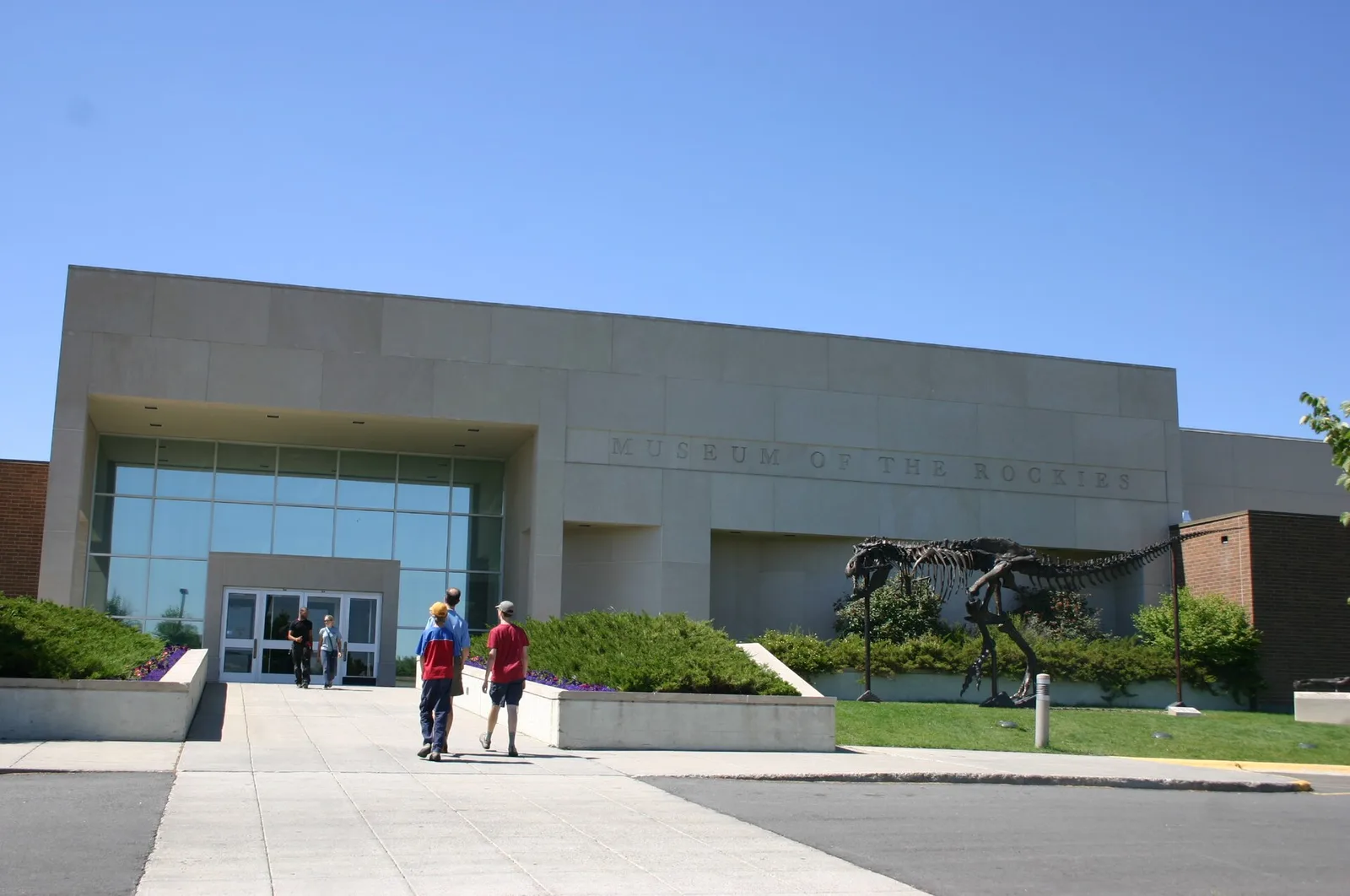
  • The Museum of the Rockies and its Cretaceous fossil collection
  • Hyalite Canyon, its reservoir and the ice-climbing routes above it
  • The Gallatin River through the Gallatin Canyon toward Big Sky
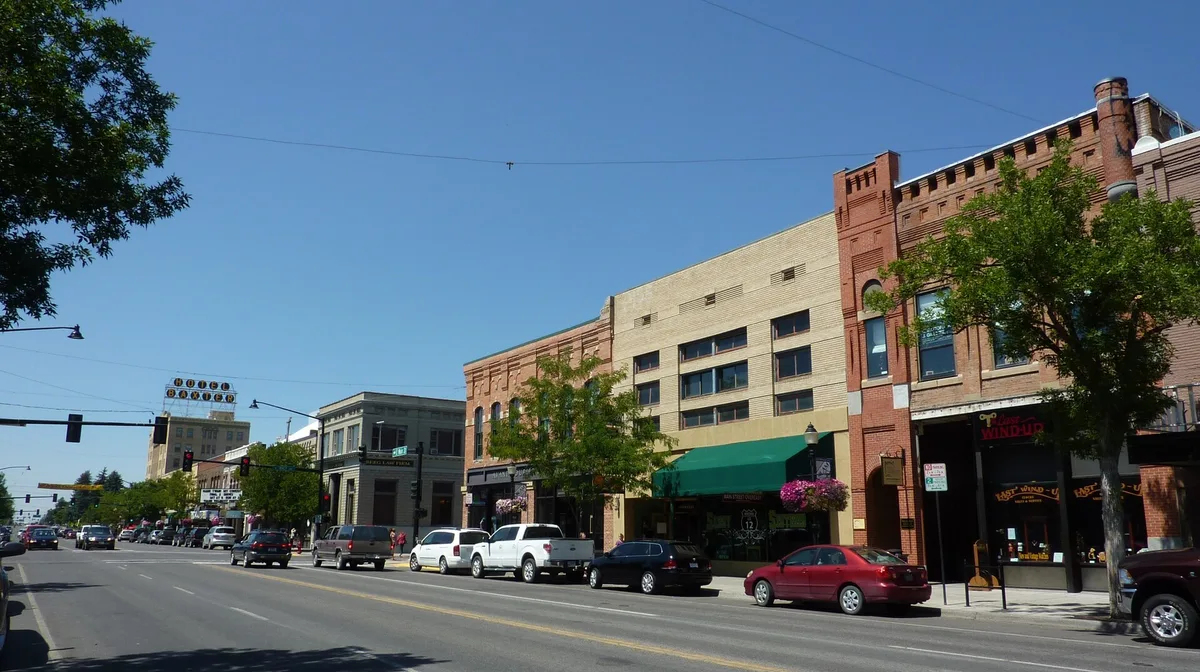
  • Downtown Main Street between Grand and Rouse
  • Montana State University and the Bobcat football calendar
  • The Madison River and the Bear Trap Canyon below Ennis Lake

Nearby Markets: Big Sky  |  West Yellowstone  |  Whitefish

Airbnb marketing services in Bozeman, Montana, USA
Postcards

Bozeman through the lens

A few of the visual fingerprints we lean into when we shoot, brand and market a Bozeman property — courtesy of the open Wikimedia Commons archive.

Museum of the Rockies — Bozeman airbnb marketing
Local Color
Museum of the Rockies
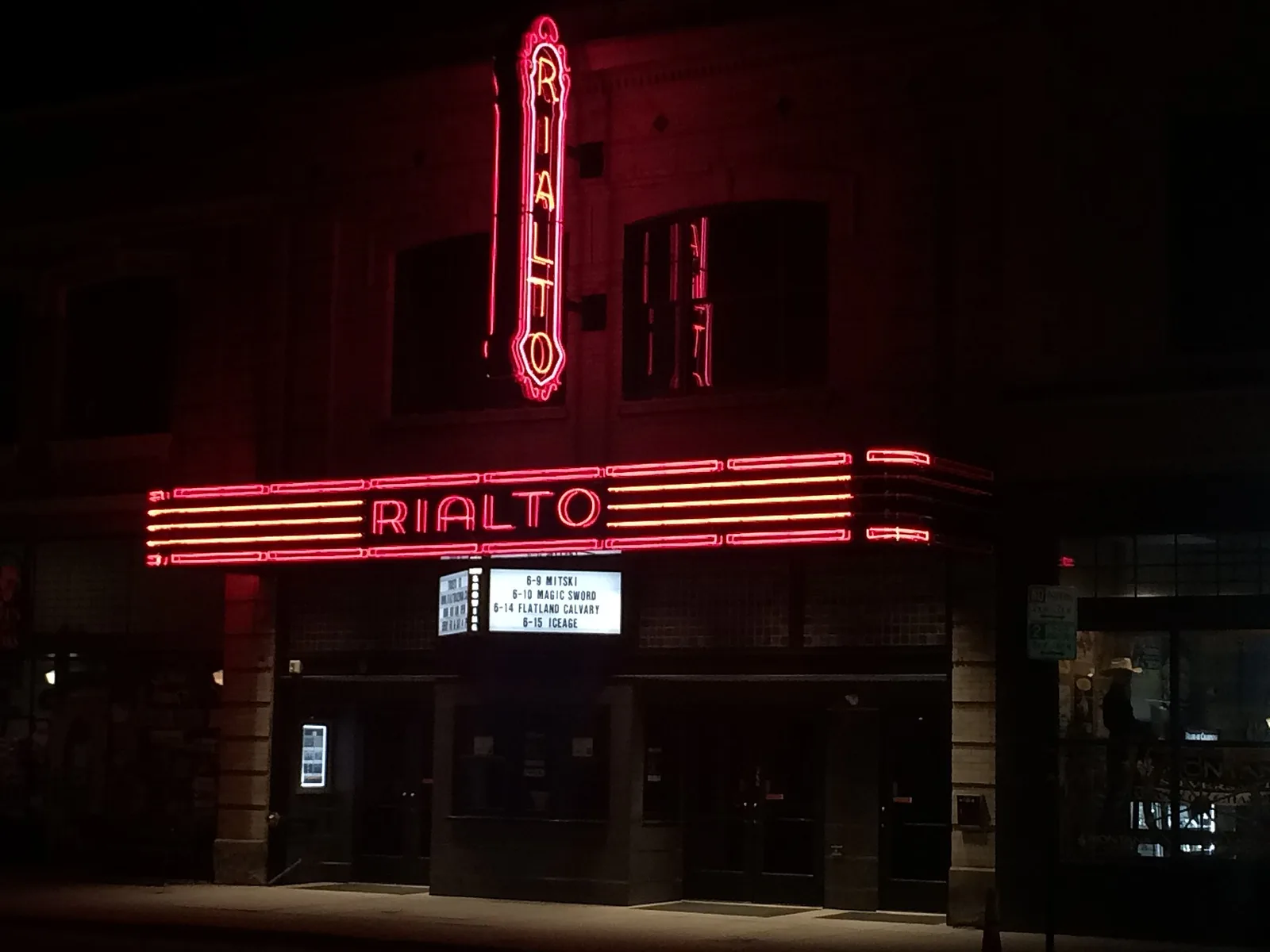
The Rialto at Night — Bozeman airbnb marketing
Local Color
The Rialto at Night
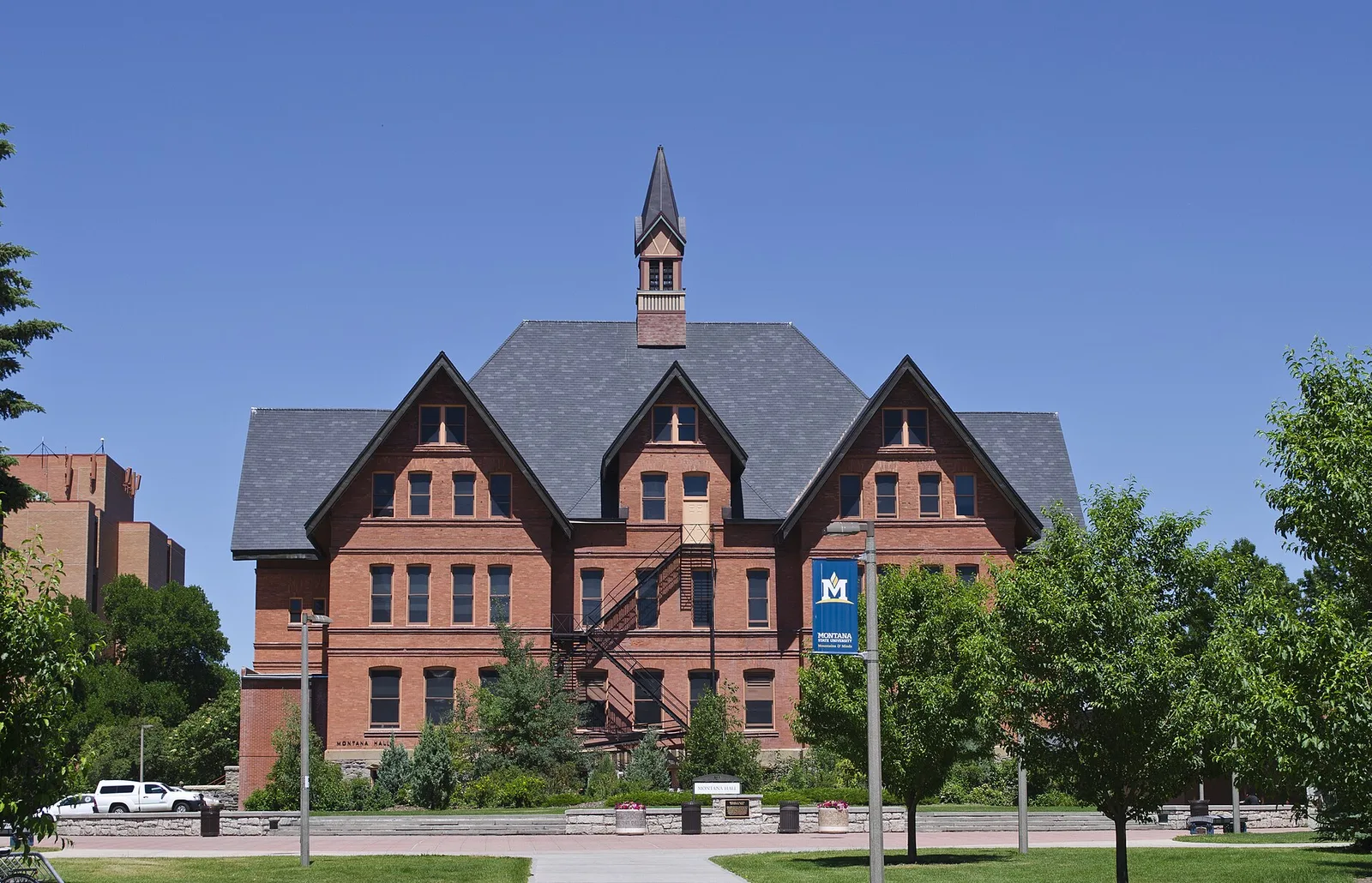
Looking N at Montana Hall Montana State University 2013 07 09 — Bozeman airbnb marketing
Local Color
Looking at Montana Hall Montana
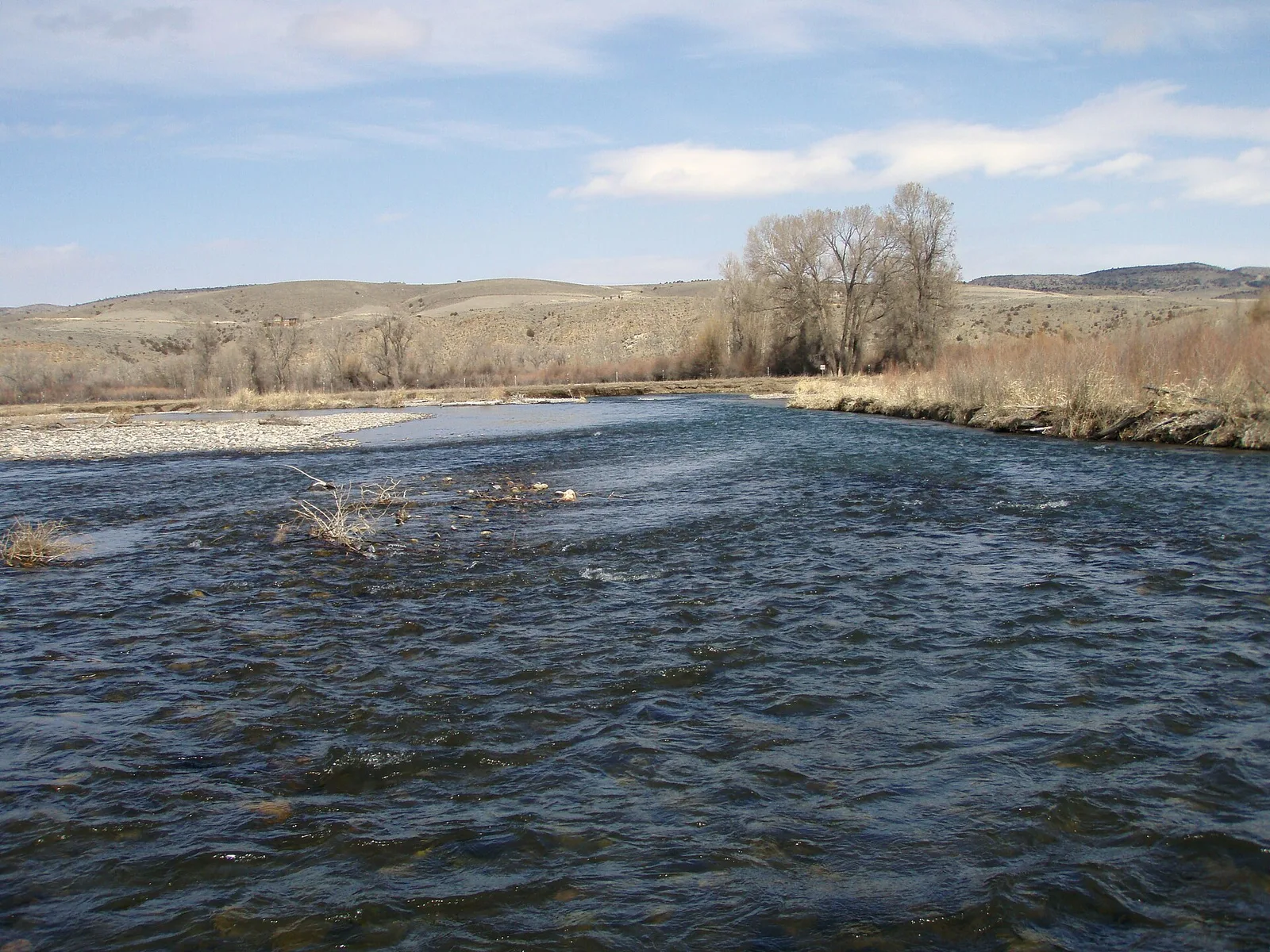
LowerGallatinRiverNearManhattan — Bozeman airbnb marketing
Local Color
Bozeman Local Landmark
Why Cavmir

The Cavmir Advantage
in Bozeman

Cavmir markets Bozeman properties around the reason someone is actually in the Gallatin Valley, which is rarely the town itself. It is a Bridger powder day, a float on the Madison, a graduation weekend, a wedding at a ranch outside Belgrade, a Yellowstone trip that starts here because the flights are better. Those are different guests with different lead times and different price sensitivity, and a single generic listing serves none of them well. We photograph the property properly in the season that sells it, write the listing so the drive times to Bridger, Big Sky and the park entrances are stated plainly instead of guessed at, and build a direct booking site that carries the whole story rather than the two hundred words a platform lets you keep. Then we work the local search terms that valley visitors actually type, run ads that respect the booking window rather than fighting it, and keep an email list of past guests who come back for the same week every year. If your property is a legal owner-occupied rental in town or a house on unzoned county land, the marketing is different and we treat it differently. We help position and market your property. We never manage it or touch your keys.

State of the Industry · History

The Bozeman STR Market — Past & Present

Bozeman is named for John Bozeman, who in the early 1860s cut a wagon route off the Oregon Trail toward the Montana goldfields and led parties through the Gallatin Valley. The trail was short-lived and violently contested, but the valley he crossed turned out to be the point: deep soil, water off three ranges, and a growing season long enough to feed the mining camps at Virginia City and Bannack. The town that grew here was an agricultural supply centre before it was anything else, and the wheat and cattle economy shaped the street grid, the grain elevators and the rail spur long before anyone thought of it as a destination.

The Montana Agricultural College opened in 1893 and became Montana State University, and that single institution is the reason Bozeman never emptied out the way other Montana towns did when agriculture consolidated. A university keeps a population of twenty-somethings in a place through every economic cycle, and it fills restaurants and rentals in September and January when a pure resort town is dead.

Skiing arrived on a different model than most of the Rockies. Bridger Bowl, founded in the 1950s, has been run as a non-profit for the benefit of the community rather than as a real-estate engine, and it still is. There are no condominiums at the base and no ambitions to build a village. Big Sky, an hour south through the Gallatin Canyon, took the opposite path in the 1970s and became a full destination resort. Bozeman ended up sitting between the two, which is why it functions as a lodging base for both.

The last fifteen years changed the pace of everything. Direct flights multiplied at Bozeman Yellowstone International, remote work brought people who had previously visited, and property values moved faster than local wages. The short-term rental ordinance the city adopted in 2023 came directly out of that pressure, and understanding it is not optional if you own here.

Pricing Strategy & Seasonality

Pricing, Seasonality & When to Capture ROI

Pricing Strategy

Bozeman has two real peaks and neither of them is where a first-time owner expects. Winter runs from late December through March, driven by Bridger Bowl, Big Sky day-trippers and a steady flow of people who ski here because it is cheaper than staying on the mountain. Summer runs from late June through Labor Day and is driven by Yellowstone, the rivers and weddings. Between them sit two shoulder seasons that are genuinely quiet — April and May, when the snow is going and the runoff is too high to fish well, and late October into early December, when the park roads close and the ski area has not opened.

The university adds a layer that pure resort markets do not have. Move-in weekend, family weekend, home football weekends and graduation each produce a hard, short spike in demand at rates well above the surrounding weeks, and those dates are published a year ahead. Owners who load the calendar with them are pricing against known demand rather than guessing. Graduation in particular fills the valley.

Minimum stays deserve real thought here. A three-night minimum through July is defensible. The same minimum in late April costs you the one-night business traveller and the family passing through toward the park, and there is no queue behind them. Most Bozeman calendars would earn more with a seasonal minimum that tightens in peak and relaxes hard in shoulder.

The one pricing mistake that shows up constantly is treating a February midweek like a July midweek. Winter here is a locals-and-skiers market with a short booking window and real price sensitivity. Summer is a planned-trip market that books months out and will pay for the right house. They are different businesses on the same address.

Seasonality & ROI Windows

Roughly: December through March is ski season, with January and February the strongest and a February midweek surprisingly resilient. April and May are the deep shoulder — runoff, mud, and a town that belongs to residents again. Late June through August is the Yellowstone and river peak, the highest-rate stretch of the year, and it books furthest ahead. September is excellent and underrated, with warm days, cold nights, no crowds and the best fishing of the year on the Madison. October brings the students' parents and the first snow. November is quiet until the ski area opens. The two university spikes to mark on any calendar are the autumn home-game weekends and graduation in early May, which lands in the middle of an otherwise empty month and prices accordingly.

Regulation & Licensing · 2026

What the Law Requires in Bozeman

This is the part of Bozeman that owners have to get right, because the rules changed materially and recently and a great deal of secondhand advice online is out of date.

Inside the City of Bozeman, short-term rentals are sorted into three types. Type 1 is the rental of one or more bedrooms in the host's primary residence with the host present in the same dwelling unit for the whole rental period. Type 2 is a rental of the host's dwelling unit where the host is not present during the stay. Type 3 is the category that covers a whole dwelling let by an owner who does not live there — the classic investment rental. Ordinance 2149, which took effect on 14 December 2023, prohibits Type 3 short-term rentals within the city.

Properties that already held an active, non-expired City hosting permit at that point may continue to operate as what the city calls a Legacy Type 3, for as long as that permit stays valid and the property remains code-compliant. The critical detail is what happens on a sale. A Legacy Type 3 permit does not run with the property. If the permit expires, is revoked, or is forfeited by transfer of ownership, the property is no longer eligible to operate as a Legacy Type 3, and a new owner would have to apply and qualify under the current rules — which means qualifying as Type 1 or Type 2. In practice, every transaction permanently retires a rental from the city's supply, and that number only moves in one direction.

To qualify for a new short-term rental permit inside the city, the host must occupy the dwelling unit as their primary residence, defined as residing there a minimum of 70% of the calendar year. Zoning matters on top of that: the city's development code determines which STR types are permitted in which districts, and not every district that once allowed a Type 2 still does.

Unincorporated Gallatin County is a different world. Large parts of the county are unzoned, and where there is no zoning the county imposes no use restriction, so a short-term rental is allowable from a county planning perspective. Where land is zoned, the logic inverts: if short-term rentals are not specifically mentioned in that zoning district's regulation, they are not permitted there, and where they are mentioned they may be permitted by right or require a conditional use permit. Separately, Montana requires local health-department review of these properties, which in Gallatin County runs through the Public Accommodations License process, and that applies in both zoned and unzoned areas.

Confirm current requirements with the City of Bozeman Community Development department and with Gallatin County Planning before you buy anything, and confirm the health-department step with the Gallatin City-County Health Department. Rules in this valley have moved more than once.

Market-Specific Tips & Challenges

Local Tips & Unique Market Challenges

Tips That Actually Move Revenue in Bozeman

Say which side of the city line you are on, early and plainly. It is the first thing a serious guest's host is asked about and the first thing a buyer checks, and being vague about it reads as evasive. A legal owner-occupied rental in town and a whole house on unzoned county land are both good products; they are just different ones.

Photograph the mountain view honestly. The Bridgers behind town are genuinely striking and half the listings in this market bury them in a wide shot taken from the wrong side of the house at midday. If your property sees the range, shoot it in the last hour of light and put it near the front of the set.

State the drive times as numbers. Bridger Bowl, Big Sky, the West Yellowstone gate, the North Entrance at Gardiner, the airport, downtown. Guests are building an itinerary and they will pick the listing that did the arithmetic for them. Add the caveat about the Gallatin Canyon in winter, because that road in a storm is a real thing and a guest who is surprised by it will say so in a review.

Anglers are a serious, repeat, high-value guest segment here and are largely unmarketed to. If your property has somewhere to hang waders, a garage that fits a drift boat trailer, a mudroom with a floor you can drip on, or river access within a short drive, say so specifically. Name the river and the access point. That single paragraph will pull bookings from people who currently scroll past you.

Handle the university calendar deliberately. Publish rates for graduation and home football weekends the moment the dates are out, and do not leave those weekends sitting at a default rate. Conversely, do not price a random April Tuesday as if it were one of them.

Give guests the winter driving briefing before arrival, not on arrival. Where to park, whether the driveway is plowed and by whom, what the road to Bridger is like at seven in the morning, and whether a rental car without snow tyres is going to be a problem. It costs you one email and saves the review.

Unique Bozeman Challenges

The obvious challenge is regulatory. If you are buying in the city with a rental thesis, the Legacy Type 3 you were told about does not transfer to you, and there is no route back to it. Get that confirmed in writing before closing.

The second is competition from Big Sky and West Yellowstone for the guests who want to be right at the mountain or right at the gate. Bozeman is rarely the closest option to anything; it is the best-served option, with the airport, the restaurants and the hospital. Sell it that way rather than pretending on distance.

The third is shoulder-season depth. April, May, November and early December are genuinely thin, and no amount of marketing turns mud season into a peak. The honest strategy is to earn well in the four strong months, keep the rate disciplined rather than panic-discounting in the empty ones, and use the quiet weeks for maintenance and photography.

The ski hill that refuses to become a resort
Bridger Bowl is a non-profit. It has been run for the benefit of the community since the 1950s, and there is no slopeside village, no branded hotel and no real-estate arm attached to it. The terrain above the lifts includes a stretch known as the Ridge, which is hiked rather than lifted and where the area requires you to carry an avalanche transceiver, shovel and probe and to travel with a partner. When there has been a significant snowfall overnight, a light goes on above town — locals call it the Bridger Bowl powder flag — and people rearrange their day around it. For an owner, this matters commercially as well as culturally. It means the ski demand in Bozeman is not captive to a resort's own lodging inventory the way it is at a purpose-built mountain. There is no base village competing with your house for the same guest, and skiers staying in town are staying in town by design rather than by compromise.
Finance Essentials — Bozeman
🛡️

Insurance

A standard homeowner's policy will not respond properly to short-term rental use, and in Montana you have a few specific exposures worth naming. Winter is the big one: freeze and burst pipes in a house left empty between bookings in January, ice dams on a roof after a heavy snow year, and slip-and-fall on a walkway that was not cleared between guests. Ask your carrier directly how the policy treats a vacant period in freezing weather, and whether a low-temperature alarm or an automatic shutoff device changes the terms.

Wildfire is a real and growing consideration in the valley and in the canyon corridors, and it affects both premium and availability. If your property is in or near the wildland-urban interface, expect underwriting questions about defensible space, roof material and access, and expect that answering them well changes the number.

Liability limits should reflect a house full of people using stairs, hot tubs and firepits in winter conditions. Talk to a broker who writes short-term rental policies in Montana specifically rather than adapting a residential form, and get the answer in writing before your first booking.

🧾

Property & Income Tax

Montana has no general statewide sales tax, which surprises visitors, but it does tax lodging. Short-term rentals are subject to the state lodging facility use tax of 4% and the lodging sales tax of 4%, giving a combined 8% state-level charge on accommodation. These are collected from the guest and remitted to the Montana Department of Revenue, and registration is required.

Some Montana communities also levy a local resort tax, which is a separate voter-approved charge that certain resort communities are permitted to impose. Big Sky and West Yellowstone both run one; Bozeman's posture is different, and you should confirm the current position with the City of Bozeman rather than assuming a neighbouring town's rate applies to you.

Booking platforms may collect and remit some of these on your behalf, but the obligation to be registered and to file correctly remains yours, and the coverage is not always complete — direct bookings in particular are generally your responsibility end to end. Property tax treatment can also change where a dwelling is used commercially rather than as a residence. Confirm the current rates and your filing obligations with the Montana Department of Revenue, and talk to your accountant about how the income and any change in classification affect your return.

🏦

Mortgages & Financing

Financing a Bozeman property that you intend to rent short-term requires a conversation the seller's agent may not raise. A conventional second-home loan generally comes with occupancy expectations that sit awkwardly with year-round short-term letting, and an investment-property loan prices differently and asks for more down. The gap between those two products is where most surprises live.

The Bozeman-specific complication is the ordinance. A lender underwriting projected rental income needs that income to be legally achievable, and inside city limits a non-owner-occupied whole-house rental is not permitted for a new owner. If your model relies on Type 3 income, and the Legacy permit does not transfer to you, the model and the appraisal are describing different properties. Lenders who work in this valley regularly know this; lenders who do not, sometimes learn it late.

Outside the city, on unzoned county land, the picture is cleaner, but the appraisal comparables get thinner and rural water, septic and access can each raise underwriting questions. Wildfire risk and insurance availability now feed into financing as well, because a lender needs the property insurable at closing.

Talk to a local lender who has actually closed short-term rental purchases in Gallatin County, and get the regulatory question settled before you get to the appraisal. This is general information, not financial advice — your mortgage broker and accountant should sign off on the specifics.

Future Outlook · 2027 & Beyond

Where Bozeman is Headed Next

Bozeman's direction of travel is fairly legible. The city has decided that whole-house short-term rentals owned by people who do not live here are not part of its housing future, and the Legacy mechanism means that decision executes slowly and permanently rather than all at once. Every year, some number of those properties change hands and stop being rentals. Nobody is issuing replacements. If you own one and it is genuinely legal, the scarcity value of that position increases with time — and the marketing implication is that you should not be competing on nightly rate with unlicensed or county inventory, because you are not selling the same thing.

The county side is the growth side, and it is not static either. Gallatin County has been revisiting how it plans for growth in a valley absorbing a lot of it, and 'unzoned' is a condition, not a guarantee. Owners buying rural land on the assumption that nothing will ever change should treat that as a live risk rather than a settled fact.

On the demand side, the fundamentals are strong and unusually diversified. The airport keeps adding service. The university is not going anywhere. Yellowstone visitation trends up over any long window. The rivers are a durable draw that does not depend on snowfall in a given winter. That mix is precisely what makes Bozeman less fragile than a single-season mountain town.

The competitive pressure worth watching is quality. As legal supply inside the city tightens and county supply grows, the market splits between well-presented properties with a clear story and a long tail of generic ones. The second group is where discounting happens. Presentation, photography and direct-booking relationships are what keep you out of it.

From the Desk of Sofie Sinag

Why We Love Marketing in Bozeman

Bozeman is the rare mountain town that is also a real town. There are people here in February who are not on holiday, which sounds like a small thing and changes everything about how a week feels. The coffee shops on Main have regulars. The bookshop is good. There is a hospital, a university, a hardware store that sells actual hardware, and a Wednesday farmers market in summer that is for the people who live here as much as for anyone visiting.

We like the geography for the same reason guests do. You can be at the base of Bridger in twenty-five minutes, standing in the Gallatin Canyon in forty, at the West Yellowstone gate in an hour and a half, and fishing the Madison below Ennis in about the same. Very few places let a guest build four completely different days out of one address without moving hotels.

The Gallatin Valley in September is one of the best-kept secrets in the American West. The tourists have gone, the aspens turn in Hyalite, the mornings are cold enough that the river steams, and the fishing is as good as it gets all year. Rates in most listings do not reflect any of that, which is an opportunity rather than a problem.

And we like the honesty the market forces on you. This is not a place where you can hand-wave. The regulation is specific, the seasons are real, the canyon road in a storm is genuinely serious, and the guests who come here are often outdoors-competent people who will notice if you are pretending. Properties that tell the truth clearly do better than properties that write brochure copy, and that is a market we enjoy working in.

Why It Matters

A great property in Bozeman doesn't just want a listing — it wants a point of view, an audience, and a brand the city itself would recognise.

Cavmir's Bozeman Cheat Sheet

The Picks We Recommend for Your Welcome Book

Eight things worth putting in a guest guide for the Gallatin Valley — the arrival details, the drive times and the two or three local facts that turn a good stay into a repeat booking.

Morning

Coffee and the Main Street walk

Downtown Bozeman between Grand and Rouse is genuinely walkable, with independent coffee, a good bookshop and the Emerson Center in a converted school. Tell guests to start here rather than driving somewhere on their first morning.

Snow Day

Bridger Bowl, and the Ridge above it

Twenty-five minutes north on Bridger Canyon Road. Non-profit, no base village, and terrain above the lifts that requires a transceiver, shovel, probe and a partner. Say plainly whether that terrain is for your guest or not.

Water

The Madison, the Gallatin and the East Gallatin

Three rivers, three different days. The Gallatin runs through the canyon toward Big Sky, the Madison below Ennis Lake is the famous one, and the East Gallatin is the one you can fish after work. Name access points, not just rivers.

Weather Day

Museum of the Rockies

One of the best dinosaur collections in the country, attached to the university, and the reliable answer when it rains or the wind comes up. Worth a full morning, not an hour.

Canyon

Hyalite Canyon and the reservoir

Fifteen miles south of town: hiking, paddling in summer, and one of the densest concentrations of ice climbing in North America in winter. The road up is plowed but not always early — warn winter guests.

Evening

The Bozeman dinner problem

The good restaurants fill on summer and event weekends and do not always take walk-ins. Tell guests to book two nights ahead in July and on any home-game weekend, and give them two names, not ten.

Drive

The Gallatin Canyon in winter

Highway 191 to Big Sky is beautiful and unforgiving in a storm — no shoulder in places, and it closes. If your guests are planning a Big Sky ski day, tell them to check conditions before leaving and to allow more time than the map says.

Shoulder

September, quietly the best month

Warm days, cold nights, thin crowds, turning aspens in Hyalite and the best fishing of the year. If your calendar has September sitting at shoulder rates, that is a pricing decision worth revisiting.

Local Work · Composite Case Vignettes

What Cavmir Has Done for Bozeman Properties

The following are composite, illustrative examples drawn from patterns we see repeatedly in mountain and university markets. They are not descriptions of specific clients or properties.

Three-bedroom house on county land — competing on the wrong axis
The Brief

A well-built house a few miles outside the city limits, priced and written as though it were competing with in-town listings, and losing to them on walkability while giving away its own advantages.

What We Did

Reshot the property to lead with the mountain view and the space, rewrote the listing around the drive-time arithmetic to Bridger, Big Sky and the park gates, and built a direct booking site that could carry the fishing and winter-access detail a platform listing has no room for.

The Result

The property stopped being an also-ran version of a downtown rental and started attracting the outdoor-trip guest it was actually suited to, with longer average stays.

Owner-occupied Type 2 unit — invisible in a crowded search
The Brief

A legal, well-run in-town rental that could not be distinguished from dozens of similar listings, and was defaulting to price cuts to hold occupancy through the shoulder months.

What We Did

Repositioned it around the university calendar and the walkable downtown, published rates against graduation and home-game weekends as soon as the dates were released, and added an email list so past guests heard about those dates first.

The Result

Peak-event weekends stopped being sold at ordinary rates, and shoulder-month discounting eased because the strong weeks were carrying more of the year.

River-adjacent property — the angler segment nobody was writing to
The Brief

A house with a garage that fit a drift boat trailer, a mudroom and river access ten minutes away, none of which appeared anywhere in its marketing.

What We Did

Wrote the fishing story properly — named rivers, named access points, described the practical amenities anglers actually check for — and photographed those spaces instead of skipping them as unglamorous.

The Result

A durable repeat-guest segment with long lead times and low price sensitivity started finding the property, and September filled ahead of the previous year.

Market Intelligence · Seasonality

Airbnb seasonality in Bozeman, month by month

Demand in Bozeman peaks around February, July and August and runs quietest around April, May and November. Here is how the year actually books — and what to do about each stretch of the calendar.

Peak demandSteadyQuiet

Peak season

Bozeman has two peaks rather than one, which is unusual and worth building the year around. Late June through Labor Day is the Yellowstone and river season and carries the highest rates with the longest booking windows. January through March is the ski peak, driven by Bridger Bowl and by skiers using town as a cheaper base than the resorts. Price and set minimum stays separately for the two, because they behave nothing alike.

The shoulders

September is the best month in the Gallatin Valley and the most under-priced. The tourists have gone, the fishing is at its best and the weather holds. October brings the first snow and the university's home game weekends. Both respond to email sent to last summer's guests rather than to a discount.

The quiet stretch

April, May, November and early December are genuinely thin. Nothing fixes mud season, so use it: longer-stay pricing for anyone who wants it, and the rest of the window for maintenance, reshoots and getting the listing dialed before the next peak.

Dates that fill first

Montana State University commencementMay
A hard spike in the middle of an otherwise empty month, and the dates are published a year ahead.
Sweet Pea FestivalAugust
Fills the town for a weekend at the height of the summer peak and should be priced well in advance.
Bobcat home football weekendsSeptember through November
Known dates that fill the valley and are routinely left sitting at ordinary rates.
Bridger Bowl powder cyclesJanuary through March
Storm-driven demand with a very short booking window that rewards being visible and instantly bookable.
Yellowstone summer seasonlate June through August
The longest lead times of the year, with families planning a park trip many months out.
Market Intelligence · Guests

Who books Bozeman Airbnbs — and how far ahead

Yellowstone families
Booking a base with a kitchen and parking. They care about drive times to the west and north entrances and want them stated plainly.
Anglers
Repeat, loyal and largely unmarketed to. They want somewhere to hang waders, a garage that fits a trailer and named river access.
Skiers using town as a base
Choosing Bozeman over the resorts on price and restaurants. They want the drive to Bridger and the parking situation spelled out.
University families
Graduation, family weekend and home games. Short stays, fixed dates, low price sensitivity.
Wedding and event groups
Ranch weddings outside town produce whole-house bookings with long lead times.

The booking window

Summer books furthest out, with park-trip families planning many months ahead and often before the previous season has finished. Winter is the opposite: a large share of ski demand is storm-driven and decides within days, so being instantly bookable matters more than long-lead visibility. University dates sit in between and are announced a year in advance.

Typical stays

Summer skews to longer stays as families build a park and river itinerary. Winter is shorter and weekend-weighted, and university dates are two and three nights. A seasonal minimum that tightens in peak and relaxes hard in shoulder earns more than a flat rule.

Where guests drive from

BillingsSalt Lake CityIdaho FallsMissoulaDenver

Where guests fly from

SeattleMinneapolisDallasChicagoLos Angeles
Bozeman Yellowstone International has grown a lot of direct service, so the fly market is broad rather than regional. Geo-targeting the cities with nonstop flights converts better than casting wide.
Market Intelligence · What Wins

The Airbnb that wins in Bozeman

Whole houses win here, particularly ones with parking, a mudroom and space for gear. Location matters less than being honest about it: walkable downtown suits the university and restaurant guest, while county properties with a view and a garage suit the outdoor trip.

Amenities that move bookings here

garage or gear parkingmudroom and boot storagehot tubfast wifiplowed drivewayfenced yard for dogsfull kitchen
Write the drive times to Bridger, Big Sky and both park entrances as actual numbers. Guests are building an itinerary and will pick the listing that did the arithmetic for them.
Straight Answers

Bozeman Airbnb marketing questions, answered

How do I market my Airbnb in Bozeman?

Start with photography that shows what a guest actually gets here, then write the listing around a real itinerary rather than a feature list. Build a direct-booking site so returning guests can come back without going through a platform, and keep an email list segmented by season so you can reach last year's visitors before the calendar opens. Local search matters more than people expect in a market this size, because guests search the destination and the attraction rather than the word rental. A marketing agency layer handles the photography, the listing copy, the direct-booking site and the local SEO as one system instead of four disconnected jobs.

When is peak season for Bozeman Airbnbs?

Two peaks. Late June through Labor Day is the Yellowstone and river season and carries the highest rates. January through March is the ski peak on the back of Bridger Bowl. September is quietly the best month of the year and the most under-priced. April, May and November are genuinely quiet and no rate strategy changes that.

How far in advance do guests book Bozeman Airbnbs?

Summer books furthest ahead, often many months out, because park trips get planned early. Winter is much shorter and frequently storm-driven, with skiers deciding within days of a good forecast. University dates such as graduation and home football weekends are published a year in advance and should be priced the moment they are.

Where do most Bozeman Airbnb guests come from?

A large drive market from Billings, Salt Lake City, Idaho Falls and Missoula, plus a broad fly market because the airport has added a lot of direct service. Seattle, Minneapolis, Dallas and Chicago are all realistic nonstop feeders and are worth geo-targeting specifically.

What amenities matter most for a Bozeman Airbnb?

Parking and gear space do more work here than luxury finishes. A garage that fits a drift boat trailer, a mudroom you can drip in, a plowed driveway in winter and a hot tub all convert. Fast wifi matters for the remote-work shoulder guest, and a fenced yard reaches the large share of visitors who travel with dogs.

Free Tools · Websites That Book

See what your listing in Bozeman is leaving on the table

Run your Airbnb, Vrbo, or website through Cavmir's free grader. It checks the things that decide whether guests book in Bozeman — photos, listing copy, page speed, local search — and shows you where bookings leak. Takes about a minute, and there's no sales call attached.

If the report says your booking engine is the weak link, that's fixable: a direct-booking website of your own means repeat guests stop paying platform fees to come back to you. That's the work Cavmir does — see Airbnb website design in Bozeman.

What the grader measures

  • Photos and the first-impression frame
  • Listing title and copy
  • Your direct-booking website (or the lack of one)
  • Page speed and mobile experience
  • Local search and Google visibility
Grade My Listing — Free
Ready to Grow in Bozeman?

Let's Put Your Bozeman
Property on the Map

Talk to Cavmir today. We'll show you exactly what your Bozeman property is leaving on the table — and how fast we can change that.

Book a Free Strategy Call