$185
Avg. Nightly Rate
65%
Avg. Occupancy Rate
$3,600
Avg. Monthly Revenue
4-7%
Est. Cash-on-Cash ROI
MEDIUM
Seasonality
MEDIUM
Regulatory Burden

* Market averages. Cavmir-managed properties typically exceed these figures by 25–45%. Data sourced from AirDNA, STR market reports, and Cavmir internal analytics.

The Market

Why Seattle is One of the World's Premier STR Markets

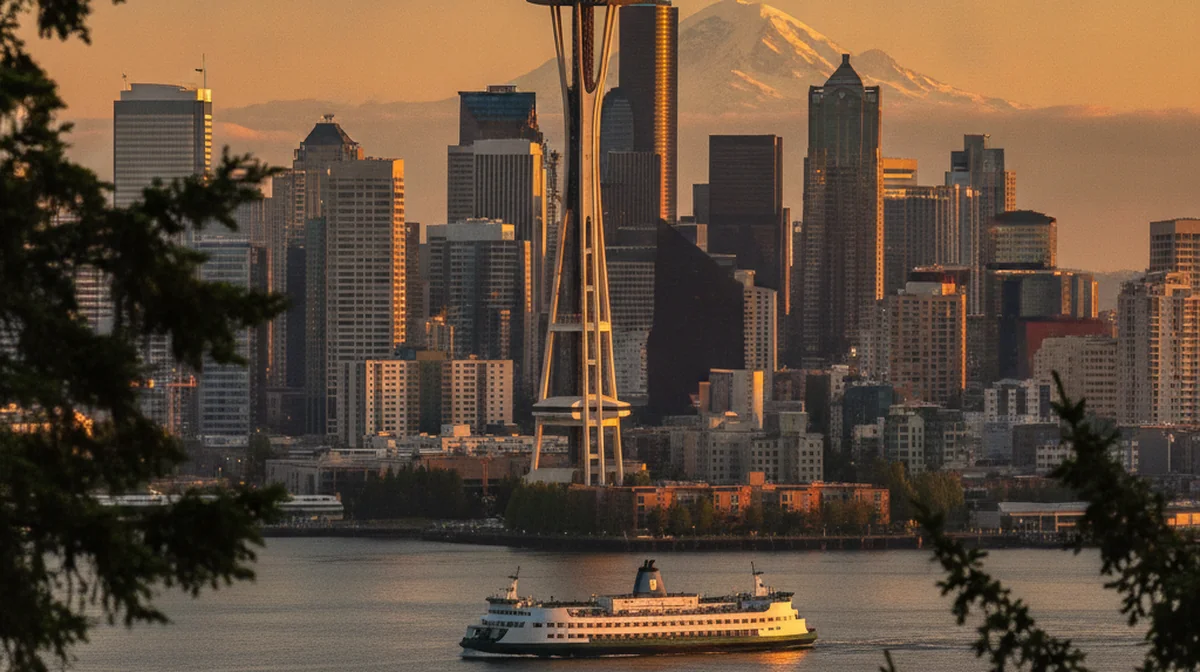
Seattle is a working city that happens to sit in one of the best-looking settings in the country — Elliott Bay on one side, Lake Washington on the other, the Cascades and Mount Rainier on the horizon. Guests come for Pike Place Market, the Space Needle, the Ballard Locks and the neighborhoods: Capitol Hill for nightlife, Ballard for brick storefronts and oyster bars, Queen Anne for the skyline view from Kerry Park. Demand is a mix you don't get in resort markets — tech business travel, Alaska cruise passengers, conference crowds and summer tourists — which means a well-marketed rental or boutique hotel here can run a genuinely steady calendar instead of living and dying on one season.

Seattle runs closer to year-round than almost any market we work in. Summer is the clear peak — July and August bring dry weather, cruise season and festival crowds like Seafair — but spring and fall stay busy with business travel, conferences at the Seattle Convention Center and visiting families. The Alaska cruise season, roughly April through October, pushes hundreds of thousands of travelers through the city who often book a night or two before and after sailing. Blended numbers land near $185 a night at around 65% occupancy, with the strongest performers in walkable neighborhoods: Ballard, Capitol Hill, Queen Anne, Fremont and downtown-adjacent buildings. Boutique hotels and licensed short-term rentals compete for the same guest here, and the one with better photography and a direct channel usually wins.

Top Attractions & Landmarks

  • Pike Place Market
  • Space Needle
  • Chihuly Garden and Glass
  • Ballard (Hiram M. Chittenden) Locks
  • Kerry Park, Queen Anne
  • Discovery Park
  • Alki Beach, West Seattle

Nearby Markets: San Juan Islands  |  Portland  |  Bend

Airbnb marketing services in Seattle, Washington, USA
Postcards

Seattle through the lens

A few of the visual fingerprints we lean into when we shoot, brand and market a Seattle property — courtesy of the open Wikimedia Commons archive.

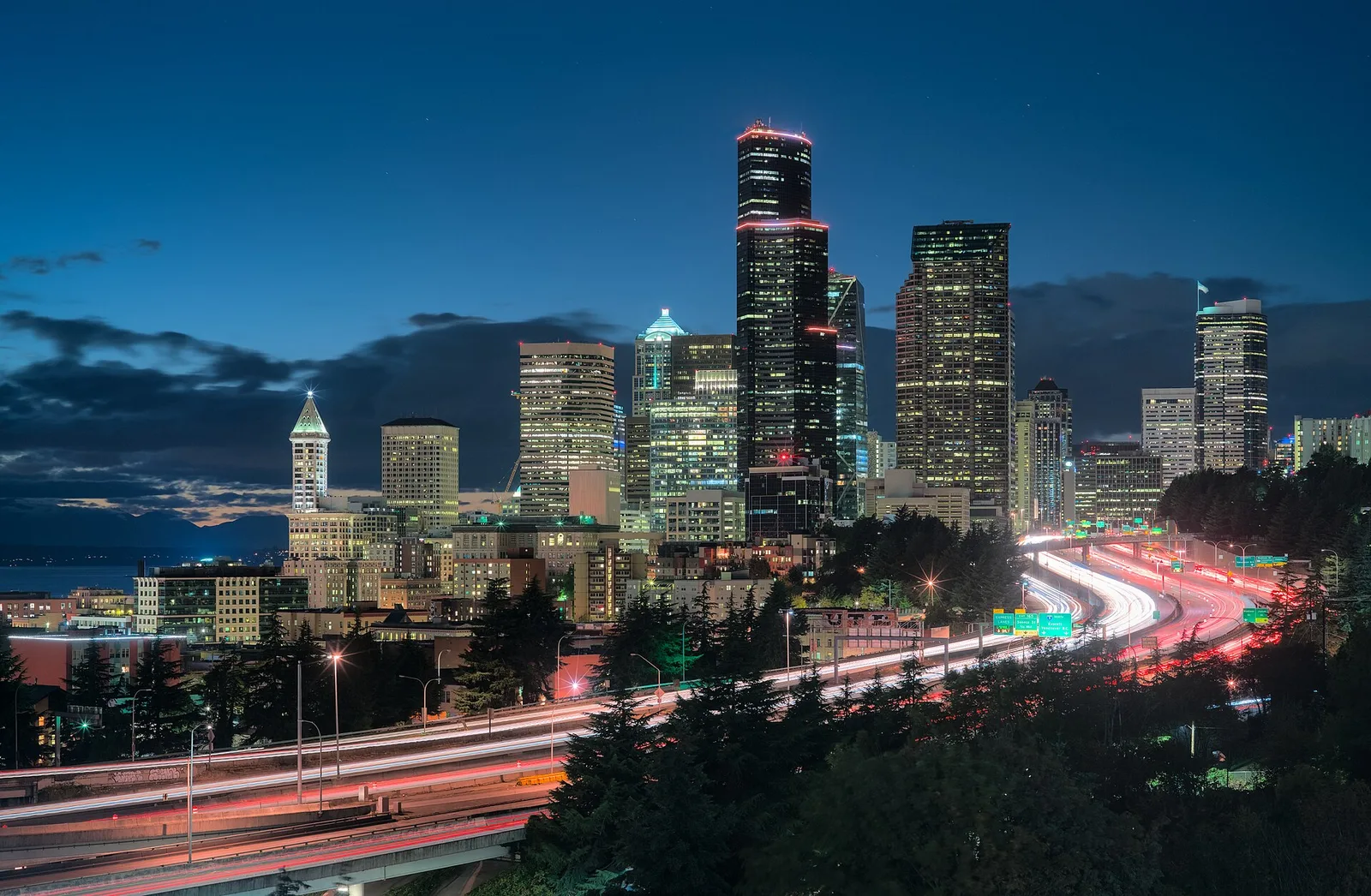
Seattle I 5 skyline dllu — Seattle airbnb marketing
Local Color
Seattle skyline dllu
Seattle skyline panorama from Kerry Park, June — Seattle airbnb marketing
Local Color
Seattle skyline panorama from Kerry
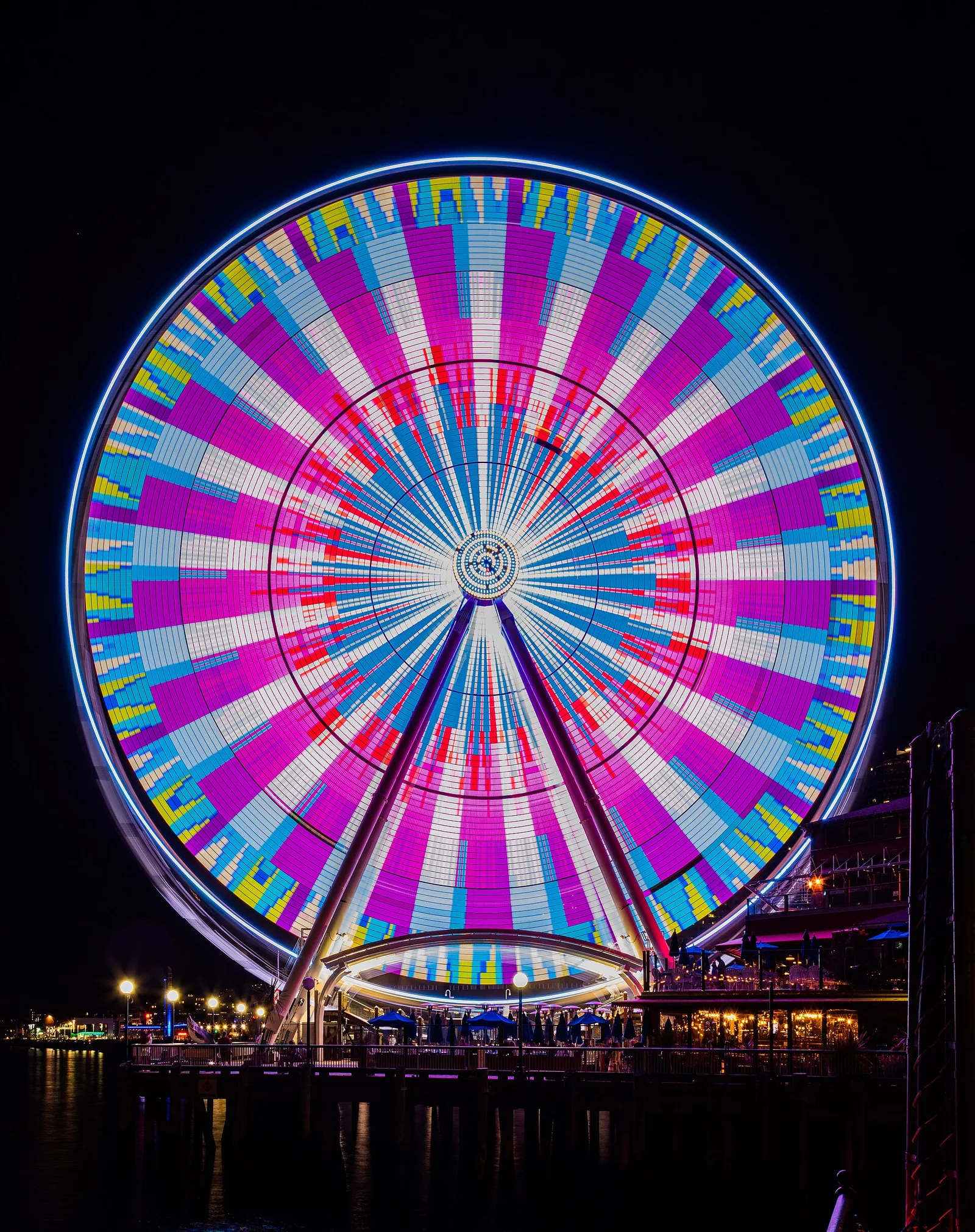
Seattle Great Wheel, Seattle, Washington, Estados Unidos, 2017 09 02, DD 16 — Seattle airbnb marketing
Local Color
Seattle Great Wheel, Seattle, Washington,
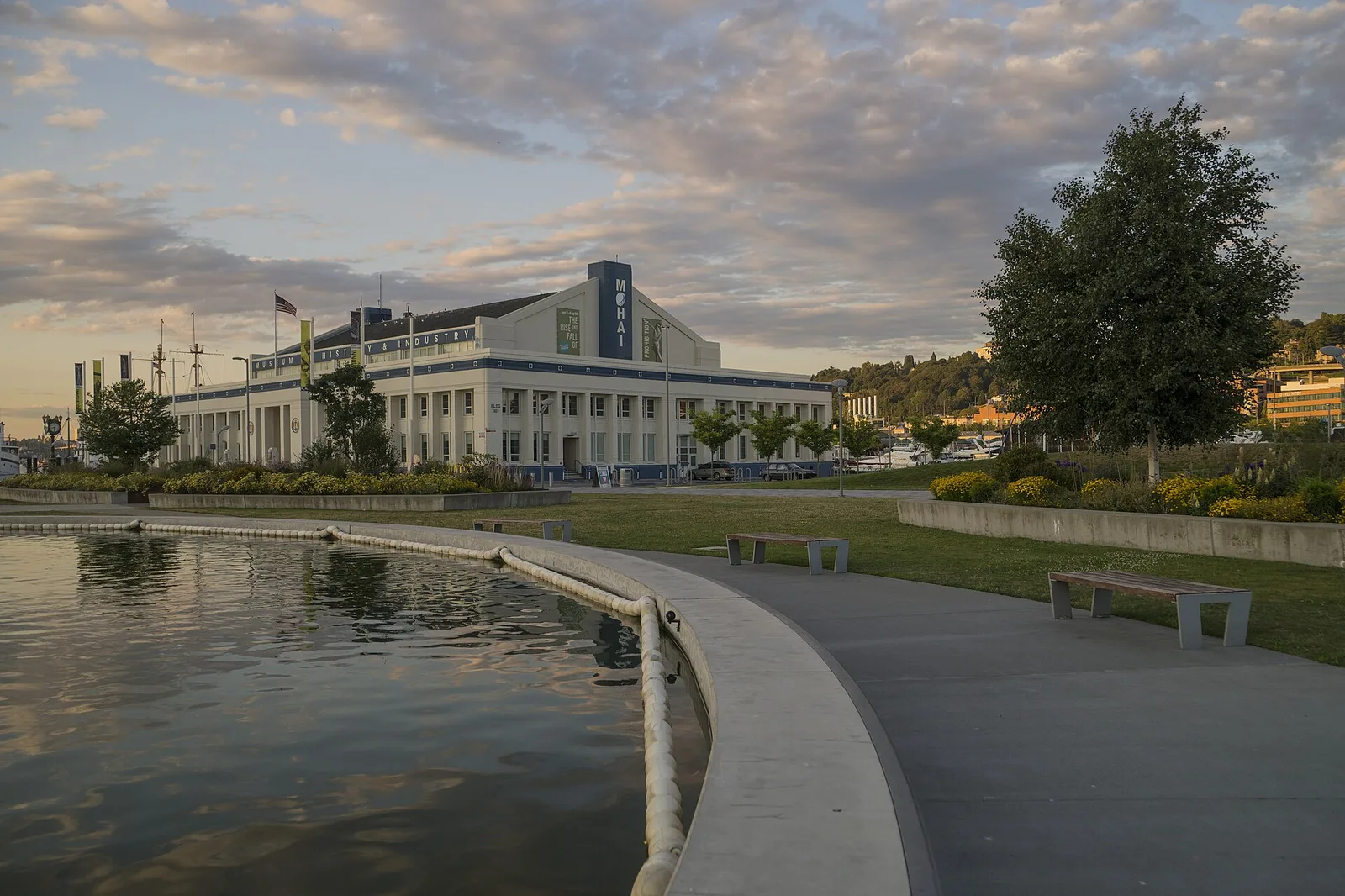
Lake Union Park — Seattle airbnb marketing
Local Color
Lake Union Park
Why Cavmir

The Cavmir Advantage
in Seattle

Seattle rewards operators who treat the license and the marketing as one job. The city caps most owners at two units, so every night matters — and most listings here are gray-sky phone photos that bury the water, the skyline and the neighborhood. Cavmir shoots the property in the light it deserves, writes listings around what Seattle guests actually search for, builds direct-booking website design so cruise and repeat business guests skip the platform fees, and markets boutique hotels with the same discipline. We help position and market your property. We never manage it or touch your keys.

State of the Industry · History

The Seattle STR Market — Past & Present

Seattle started in 1851 when the Denny Party landed at Alki Point and optimistically named the settlement New York Alki — 'New York by and by' in Chinook Jargon. The real economy was timber: logs skidded down what became Skid Road to Henry Yesler's sawmill on the waterfront. The Great Fire of 1889 burned the wooden downtown to the ground, and the city rebuilt in brick and stone one story higher — leaving the buried streets you can still tour today in Pioneer Square. Then came the jackpot: when gold was found in the Klondike in 1897, Seattle branded itself the gateway to Alaska and outfitted the stampede, a marketing coup that built the city more reliably than the gold built the miners.

Boeing arrived in 1916 and defined the twentieth century here; the 1962 World's Fair left the Space Needle and the monorail; the 1990s gave the world grunge and Starbucks; and Microsoft and Amazon turned the region into one of the wealthiest metros in the country. For rental owners the modern inventory reflects that layered economy: condo units downtown and in Belltown serving business and cruise travelers, craftsman houses and backyard cottages in Ballard, Fremont and Wallingford serving families, and a growing boutique-hotel scene in converted brick buildings. The city regulates short-term rentals firmly but predictably — a license, a two-unit cap, numbers in every ad — which filters out casual operators and leaves room for the ones who treat it as a real business.

Pricing Strategy & Seasonality

Pricing, Seasonality & When to Capture ROI

Pricing Strategy

Downtown, Belltown and South Lake Union units run steady mid-range rates on business and cruise demand. Ballard, Fremont and Wallingford houses pull families and longer summer stays at strong nightly rates. Capitol Hill books young travelers and event crowds nearly year-round, and Queen Anne trades on the Kerry Park skyline view. West Seattle and Alki Beach are the sleeper — beach-town pricing inside city limits in summer. Blended market estimates land near $185 a night at roughly 65% occupancy, but a well-marketed whole house in a walkable neighborhood clears well above both numbers, especially across the cruise season.

Seasonality & ROI Windows

July and August are the peak — dry, bright and busy with cruise passengers, Seafair crowds and vacationing families. The Alaska cruise season runs roughly April through October and cushions both shoulders. September is the underrated month: still dry, still warm, conference season restarting. November through February is the trough, carried by business travel, holiday visits and event weekends. The owners who win here price the summer aggressively and keep the winter calendar alive with 30-day-friendly and business-traveler positioning instead of letting it go dark.

Regulation & Licensing · 2026

What the Law Requires in Seattle

Seattle regulates short-term rentals firmly but workably. Every operator needs a short-term rental operator's license from the city — about $75 per unit per year through the Seattle Services Portal — plus a general Seattle business license tax certificate. Your license number must appear in every advertisement, and the platforms themselves must be licensed by the city.

The core constraint is the two-unit cap: you may operate at most two dwelling units as short-term rentals, and if you operate two, one must be your primary residence — the home you live in more than six months a year. A dedicated rental unit that isn't your primary residence must also be registered with the city's Rental Registration and Inspection Ordinance (RRIO) program and meet its safety standards. A small set of legacy operators who were running units lawfully before the 2017 ordinance have different limits under grandfathering rules.

Enforcement is real — unlicensed listings get flagged and fined — but the rules are stable and the path to compliance is clear, which is more than most West Coast cities can say. Rules and fees change; confirm the current requirements with the City of Seattle in writing before you list.

Market-Specific Tips & Challenges

Local Tips & Unique Market Challenges

Tips That Actually Move Revenue in Seattle

The Seattle strategic tip: market to the cruise calendar, not just the tourist calendar. Hundreds of thousands of Alaska cruise passengers move through this city from April to October, most of them booking a night or two on either side of the sailing — and almost no listings speak to them. Copy that mentions pier logistics, luggage-friendly check-in and the one-day Seattle hit list wins that guest over a prettier listing that says nothing.

Tactically: first, shoot for the gray. Seattle light is soft and beautiful, and it photographs wonderfully if you shoot at the right hours — golden-hour exteriors, warm interiors, the skyline or water in frame. Flat midday photos in this climate read as gloom. Second, build a direct-booking site and collect emails from day one; business travelers and cruise repeaters rebook the same convenient place year after year, and every direct booking skips platform fees. Third, keep the winter alive on purpose — position the listing for 30-day-friendly stays, relocations and business travel from November to February rather than discounting into emptiness. Fourth, put your operator's license number in every ad from the start; it's required, and it signals legitimacy in a city where guests know the rules exist. Fifth, if you're near a light-rail station, say so in the first three lines — the airport connection is a genuine selling point in a city where guests would rather not rent a car.

Unique Seattle Challenges

The two-unit cap keeps portfolios small, so every night on your one or two calendars has to count. Winters are long, gray and quiet outside business travel. License and tax compliance is genuinely enforced, and the buyer math is demanding — Seattle property is expensive, so returns depend on running the calendar well rather than banking on appreciation alone.

A Curious Seattle Fact
Downtown Seattle sits on top of itself. After the Great Fire of 1889 leveled the wooden business district, the city rebuilt in brick — and regraded the streets one story higher to fix its chronic flooding and plumbing problems. Shopkeepers kept trading at the old level while the new sidewalks went in above them, and for years pedestrians climbed ladders between street and storefront. The buried passageways under Pioneer Square are still there, and the underground tour of them is one of the city's oddest and best attractions.
Finance Essentials — Seattle
🛡️

Insurance

Standard homeowner's policies generally don't cover commercial short-term renting. Plan on a landlord or short-term-rental policy with strong liability limits, and ask specifically about earthquake coverage — it's excluded from standard policies in Washington and worth a real conversation given the region's seismic risk. If you're running a unit in a condo building, check the association's master policy and rules before you list. Talk to an agent who writes Seattle rental property; don't guess.

🧾

Property & Income Tax

Short-term rental stays in Seattle are taxed like lodging. Combined state and local sales tax runs a bit over 10%, and additional lodging-related taxes apply to short stays, pushing the effective rate on a nightly bill into the mid-teens. Platforms like Airbnb collect and remit much of this automatically, but you're responsible for what they don't — especially on direct bookings — and Washington's business and occupation (B&O) tax can apply to rental revenue. The good news: Washington has no state income tax. Treat these numbers as approximate and confirm your exact obligations with an accountant who knows Washington lodging taxes.

🏦

Mortgages & Financing

Seattle purchase prices push most investors toward conventional second-home or investment loans with 20–25% down, or DSCR loans underwritten on the property's rental income. Because the city caps operators at two units, lenders will look hard at the income story for the specific property — documented occupancy and a credible marketing plan genuinely help. Condo buildings add a layer: many associations restrict short stays, so verify before you write an offer, and talk to a local lender early.

Future Outlook · 2027 & Beyond

Where Seattle is Headed Next

Seattle's fundamentals are hard to argue with: a wealthy, growing metro, a cruise industry that keeps expanding its Alaska capacity, and a regulatory regime that has been stable since 2017 rather than tightening every year. The two-unit cap permanently limits supply growth from any single operator, which protects the compliant owners already in the market. Expect enforcement against unlicensed listings to keep improving as the city cross-references platform data, and expect the boutique-hotel segment to keep growing as investors look for scale the STR rules don't allow. The durable play here is unglamorous and effective: hold a licensed unit in a walkable neighborhood, market it properly to the cruise and business calendars, build a direct-booking base, and let the city's steady demand compound. Seattle doesn't spike like a resort market — it accrues.

From the Desk of Sofie Sinag

Why We Love Marketing in Seattle

Seattle is a photographer's city pretending to be a gray one. The knock on the weather misses what the weather does: soft, diffuse light that makes interiors glow, dramatic skies over the Sound, and golden hours that run long and warm when they land. Give us a Ballard craftsman with a garden, a Queen Anne view of the skyline, or a downtown unit with the ferries crossing below, and the material sells itself — the problem is that almost nobody here shoots it properly. Listings in this city are years behind the quality of the housing stock, which is exactly the kind of gap we like.

What we love most is the guest mix. Seattle isn't a one-note resort calendar; it's cruise passengers in June, a software team in October, grandparents at Christmas and a festival crowd in August, each bookable with different copy and different pricing. That makes marketing here a real craft — the listing that speaks to the pre-cruise couple and the direct-booking site that wins back the quarterly business traveler are doing different jobs, and both pay. Add a stable, navigable set of city rules and you get something rare on the West Coast: a market where doing things properly is rewarded instead of merely tolerated. We're in it for the owner who wants their one or two licensed units running like a real business.

Why It Matters

A great property in Seattle doesn't just want a listing — it wants a point of view, an audience, and a brand the city itself would recognise.

Cavmir's Seattle Cheat Sheet

The Picks We Recommend for Your Welcome Book

A few honest, insider picks for Seattle — the kind of specifics that make a listing read like a local wrote it, because one did. Real places, no filler.

Morning

Pike Place Market before 9 a.m.

Get there as the fishmongers set up and the flower stalls fill — the market at 8 a.m. belongs to locals and delivery carts, not crowds. It's the best two hours in Seattle and the detail that makes a downtown listing read like insider knowledge.

Golden Hour

Kerry Park, Queen Anne

The classic Seattle shot — skyline, Space Needle, Elliott Bay and, on a clear evening, Mount Rainier floating behind it all. It's a small neighborhood park, not a production; walk up with a coffee and watch the city light up.

Neighborhood Walk

Ballard Avenue and the Locks

Brick storefronts, oyster bars and the Sunday farmers market on Ballard Ave, then a stroll to the Ballard Locks to watch boats and salmon move between lake and Sound. Walk-to-Ballard is a premium worth marketing hard.

Dinner That Photographs

The Walrus and the Carpenter, Ballard

A marble-countered oyster bar that photographs like a postcard of the new Seattle — shucked platters, low light, a line out the door for a reason. Send guests early or late and they'll thank you in the review.

Local Obsession

Independent coffee roasters

Yes, the original Starbucks is at Pike Place — but Seattle's actual coffee culture lives in its neighborhood roasters and espresso bars. Naming the good one two blocks from your door is worth more in a listing than any adjective.

Shoulder Season Secret

September on the water

Locals know September is the best month: still dry, still warm, crowds gone, the Sound glittering. Conference season restarts too — the leisure-plus-business overlap makes it the smartest month on the calendar to own well-marketed nights.

Weekend Escape

The Bainbridge Island ferry

A 35-minute ferry ride from downtown with the skyline receding behind you, then a small-town main street, wineries and waterfront trails. It's the easiest big-payoff day trip in the city and it belongs in every guest guide.

What Guests Ask For

Light rail from the airport

The Link light rail runs from SEA-TAC into the city, and 'do I need a car?' is the most common question Seattle guests ask. Spell out the station, the walk and the transit logistics in your listing — carless guests book the place that answers first.

Local Work · Composite Case Vignettes

What Cavmir Has Done for Seattle Properties

A few composite engagements drawn from how Cavmir typically works in this market. The details are illustrative and consistent with Seattle, not pulled from a single named client.

Craftsman house · Ballard
The Brief

A licensed three-bedroom near Ballard Avenue ran strong summers but sagged badly from October through March, with photos that made a bright, characterful house look dim and generic. The listing said nothing about the neighborhood doing most of the selling.

What We Did

Cavmir reshot the house in the soft light it was built for, rewrote the listing around Ballard itself — the Locks, the Sunday market, the oyster bars — launched a direct-booking site, and repositioned the winter calendar for 30-day-friendly and visiting-family stays.

The Result

Winter occupancy firmed up meaningfully, summer weeks held stronger rates against comparable homes, and repeat guests began rebooking direct for the following year — the channel that quietly matters most in a two-unit-cap city.

View condo · Lower Queen Anne
The Brief

A one-bedroom with a genuine Space Needle view was invisible in search — buried under downtown hotel inventory, photographed in flat midday light, and priced identically in February and July. Cruise-season demand was passing it by entirely.

What We Did

Cavmir rebuilt the listing around the view and the cruise calendar — golden-hour photography, copy addressing pre- and post-cruise logistics directly, and a seasonal pricing structure with the license number displayed prominently in every ad.

The Result

The unit began capturing pre-cruise bookings it had never seen, occupancy across the April-to-October cruise window improved markedly, and the view — finally photographed properly — became the reason guests mentioned booking.

Boutique hotel · downtown-adjacent
The Brief

A twenty-room independent hotel in a converted brick building had loyal reviews but weak direct business — nearly all bookings arrived through commission-heavy platforms, and its website looked a decade old on a phone.

What We Did

Cavmir rebuilt the brand and direct-booking website design around the building's character, photographed the rooms and common spaces cinematically, and set up email capture and repeat-guest campaigns aimed at the business travelers already staying quarterly.

The Result

Direct bookings grew into a meaningful share of the mix within two seasons, commission costs eased, and the hotel's repeat business-traveler base — its best economics — finally had a channel that belonged to the house.

Ready to Grow in Seattle?

Let's Put Your Seattle
Property on the Map

Talk to Cavmir today. We'll show you exactly what your Seattle property is leaving on the table — and how fast we can change that.

Book a Free Strategy Call