

Coffee & First Light
The river path before the town wakes
Walk down to where the Chewuch meets the Methow early. The valley holds cold air overnight and the light coming down off the ridges at seven is the best part of the day.

Expert short-term rental marketing to grow your bookings and nightly rate in Winthrop, Washington, USA.
Sixteen services, one team. Everything below is built in-house and scoped to your property and market. Most owners start with the 12-Step System.
Every engagement is quoted to your portfolio. These are the ready-made scopes owners pick most — our Fall Special (55% off list or more) is already applied to the website, King Broker, Hotels and à la carte scopes. A clear proposal within 48 hours.
The work is public. Selected engagements and what changed — and reviews from the owners and managers behind them.
* Market averages from AirDNA and STR market reports. A single home's numbers depend on its size, its location and how it is marketed.
Cavmir is an Airbnb marketing agency. We build the brand, the direct-booking website and the marketing for short-term rentals in Winthrop.
Winthrop sits at the top of the Methow Valley in north-central Washington, on the eastern side of the North Cascades, and it is one of the more distinctive small towns in the state. In the early 1970s, facing the opening of the North Cascades Highway, the town agreed to rebuild its entire main street in a western frontier style, and it has held that look ever since — boardwalks, false fronts, hitching rails. Behind the theme is a genuinely serious outdoor valley. The Methow has the largest cross-country ski trail network in North America, world-class mountain biking, fly water on the Methow River, and Washington Pass thirty minutes up the highway with some of the best alpine scenery in the lower forty-eight. The catch, and it is a significant one, is that the highway over the pass closes for the winter, and that legal nightly rentals in this valley are genuinely scarce by design.
The Methow's demand is strong, loyal and constrained by supply in a way few American markets are. Summer, from June through September, is the peak — cycling, hiking, the river, the festivals and the drive over Washington Pass while it is open. Autumn through early October is excellent, with larch season in late September and early October drawing a specific and devoted crowd. Winter is a genuine second season built on the ski trail network, and it is unusual: with the pass closed, guests come the long way round through Wenatchee, which means they commit to multi-night stays rather than day trips. Spring is the difficult stretch. The constraint that shapes everything is the rental regulation. Inside Winthrop, nightly rentals are permitted only in specified zones and the number operating in town is small. Outside the towns, in most of the valley, a legal nightly rental generally has to sit within a planned development or hold grandfathered status from when the county revised its zoning. That means legal supply is limited, the barrier to new entry is high, and an owner who holds a permitted rental owns something genuinely scarce.
Nearby Markets: Lake Chelan | Leavenworth | San Juan Islands
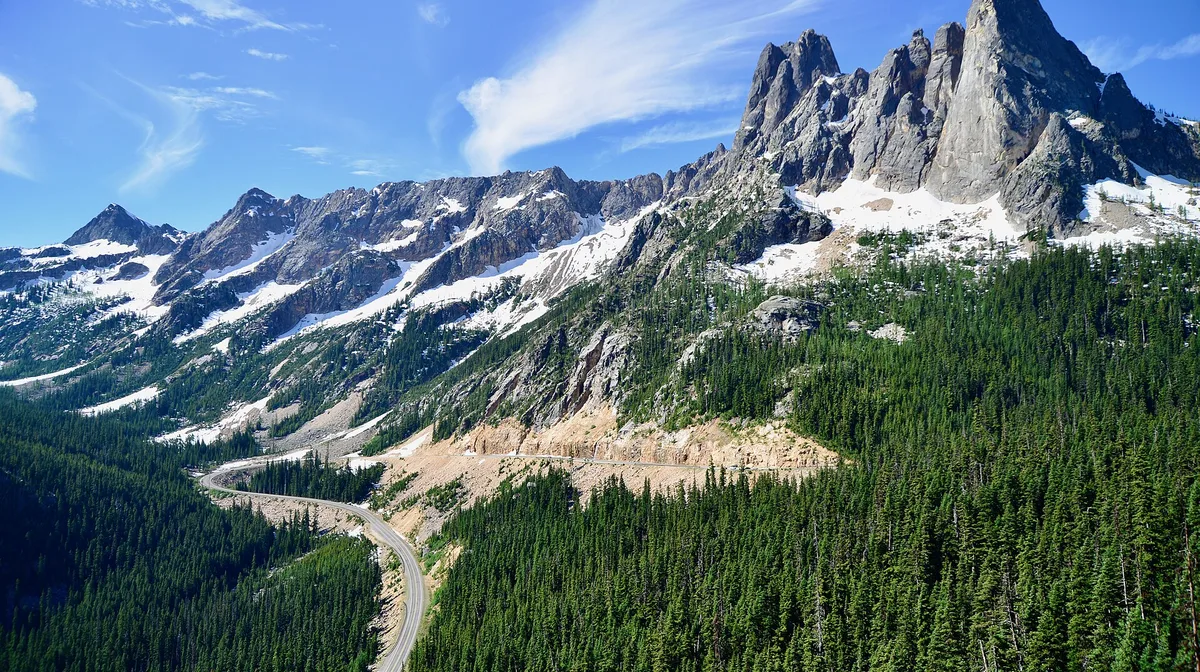
A few of the visual fingerprints we lean into when we shoot, brand and market a Winthrop property — courtesy of the open Wikimedia Commons archive.
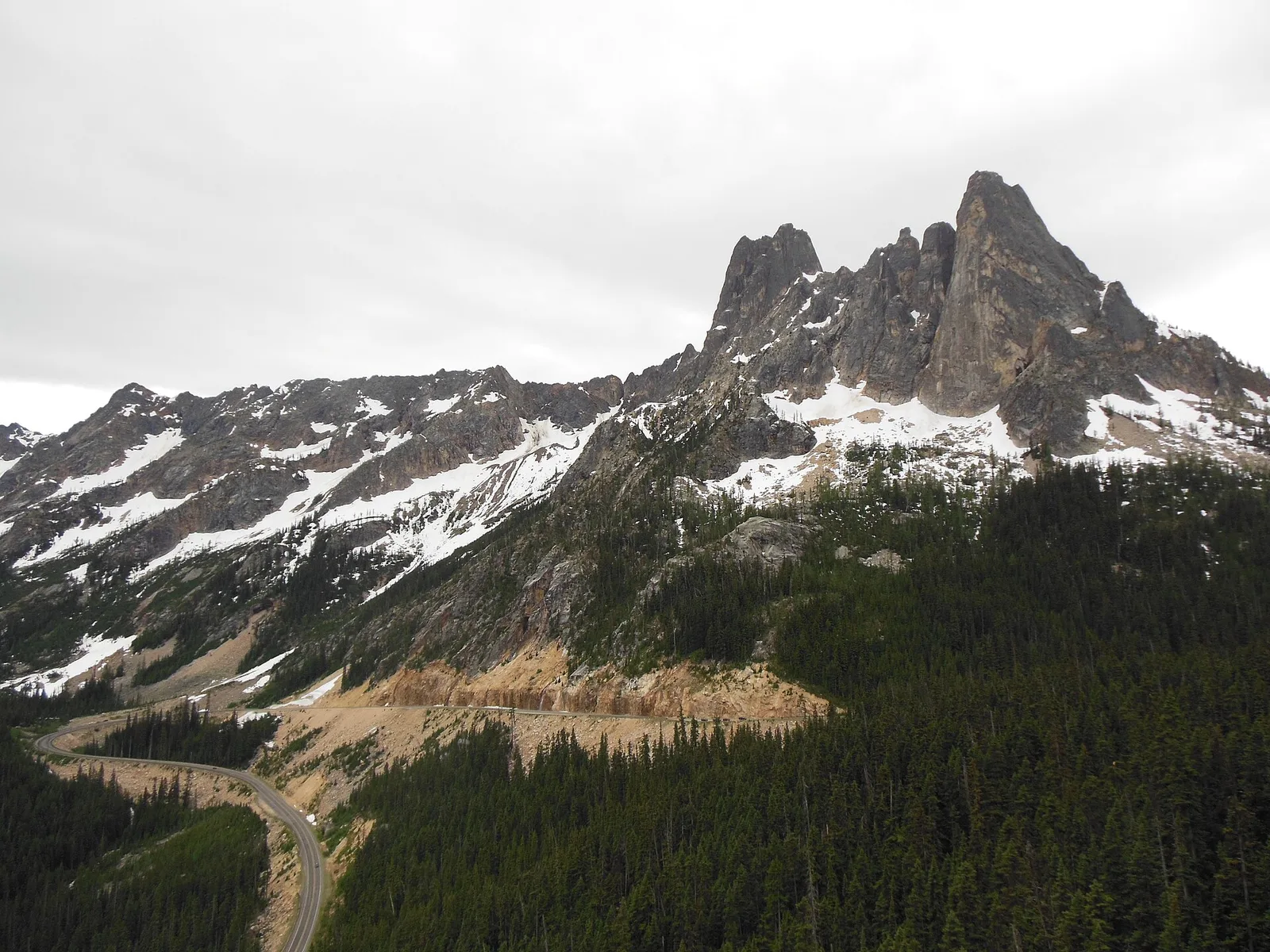
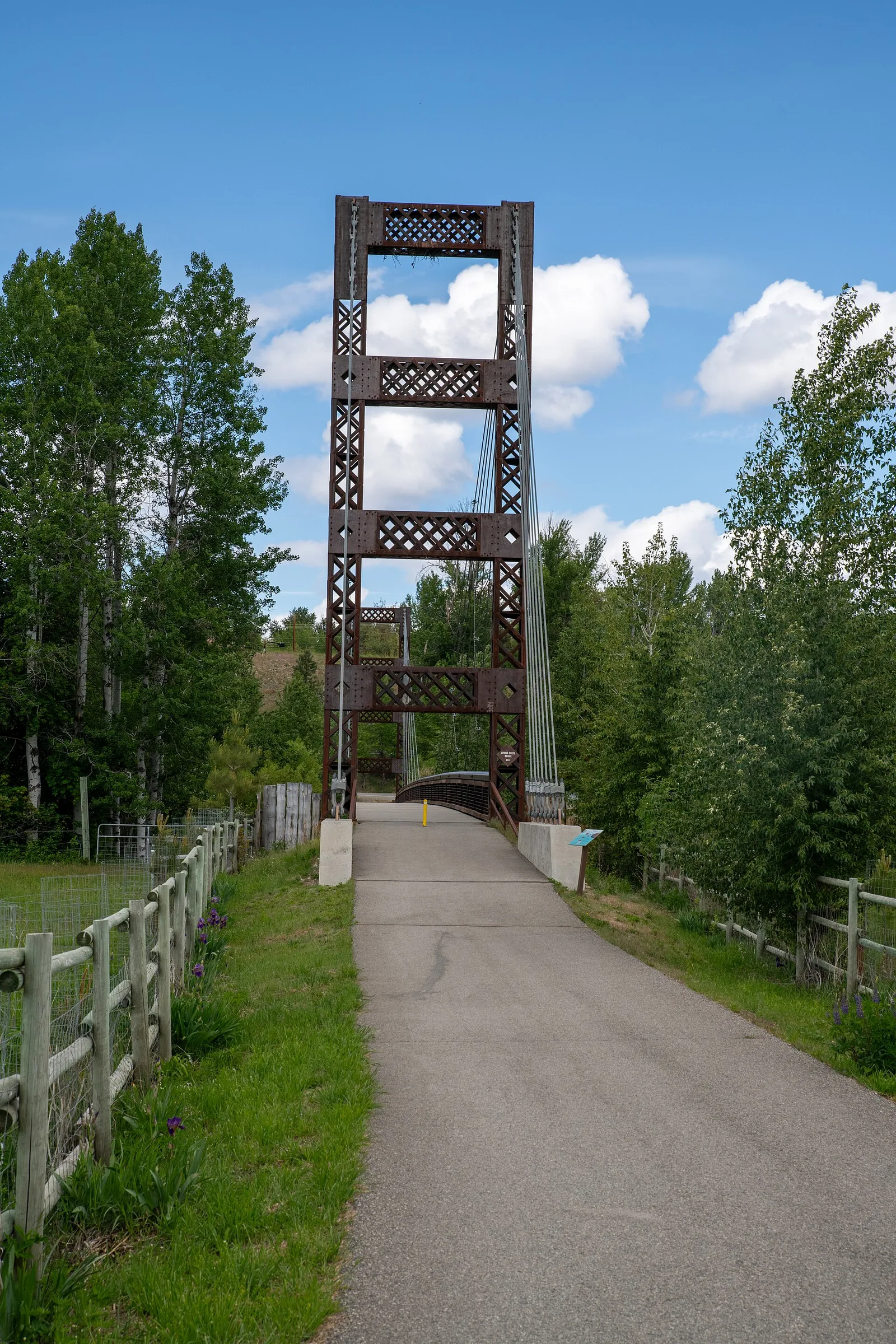
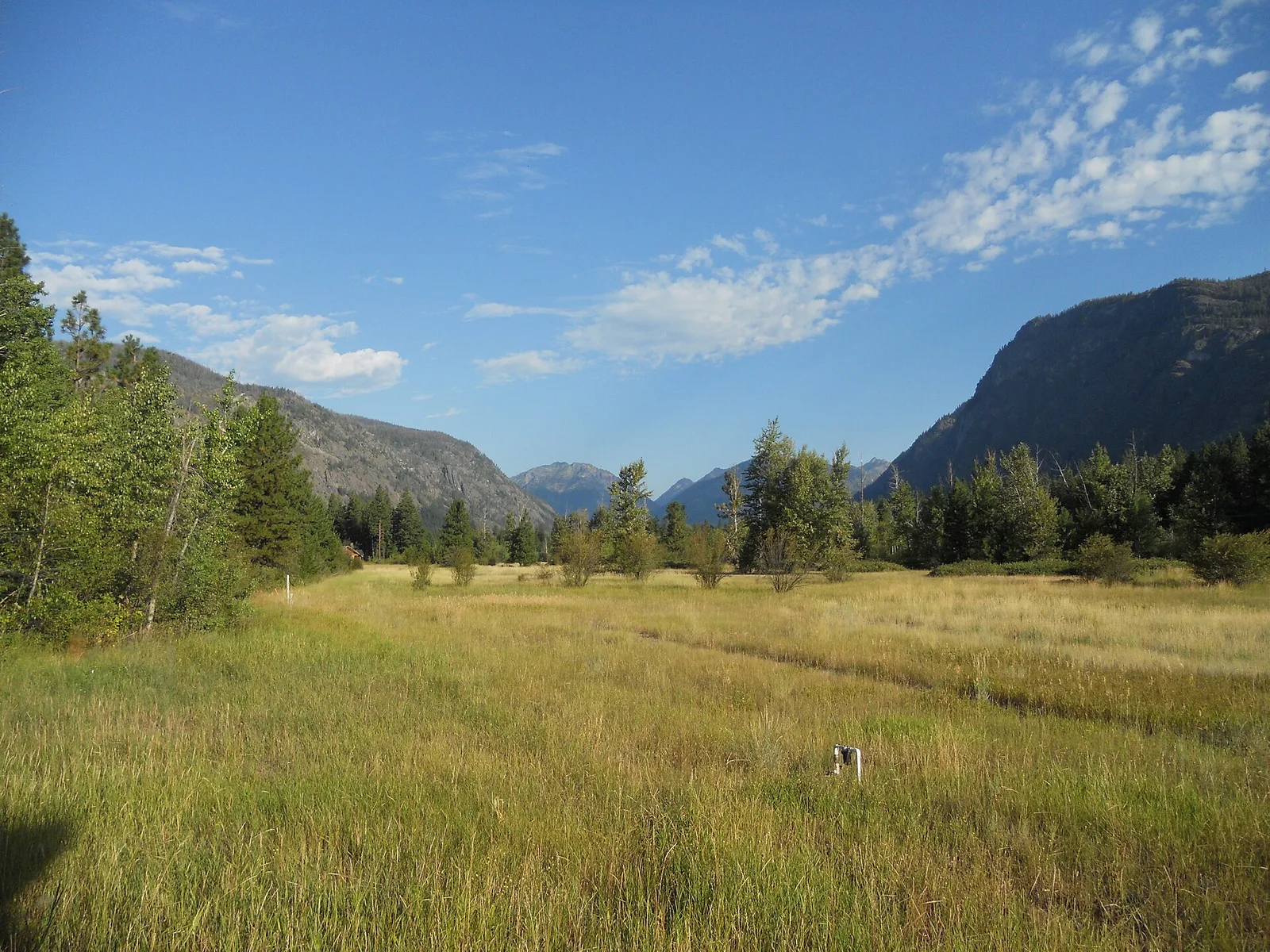
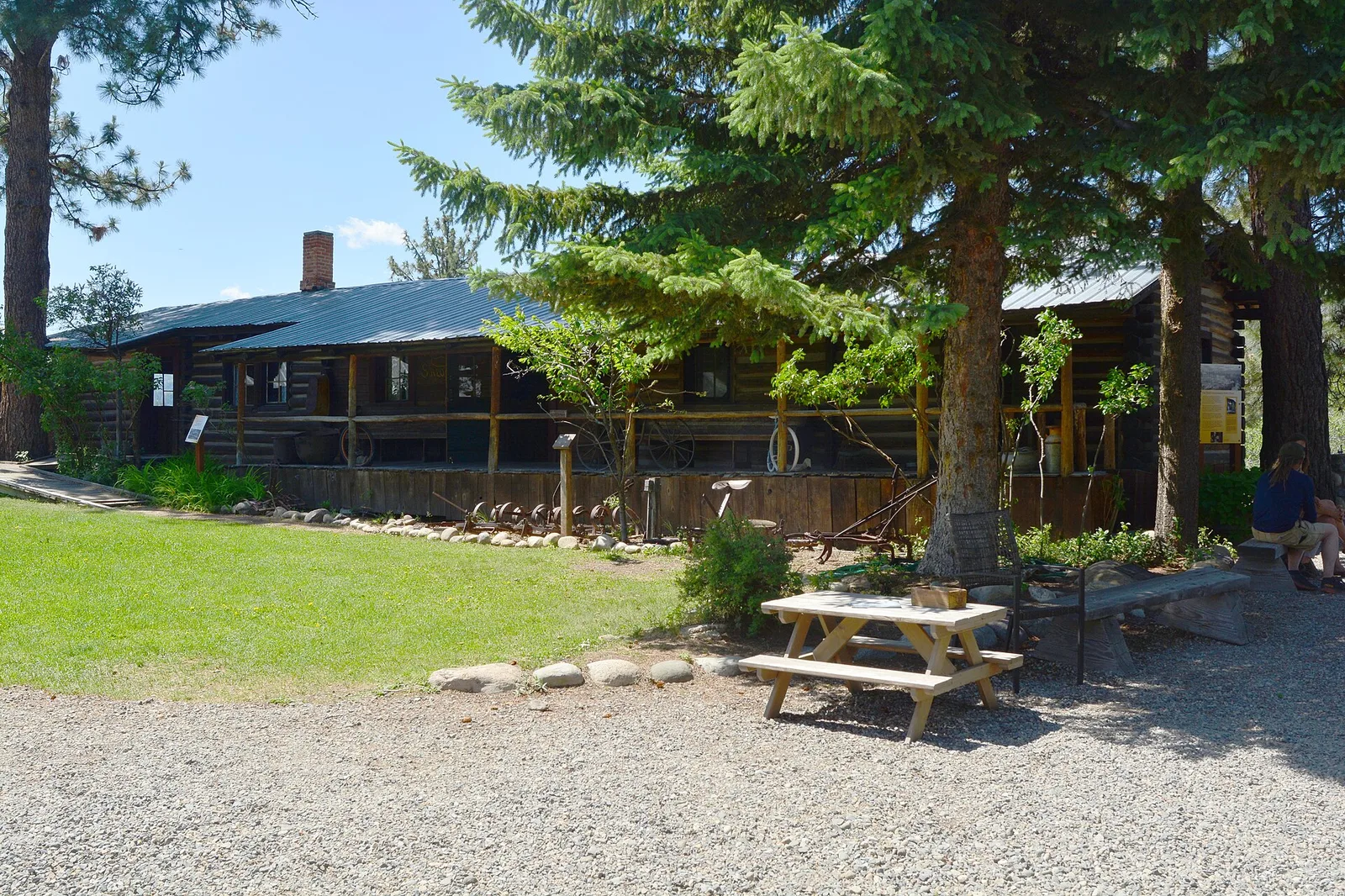
Cavmir markets Methow Valley properties on the strength of what makes them rare. We start with your permit position — which zone, which development, what your renewal date is — because in this valley that determines whether you have a business at all, and it should be reflected in how the property is priced. We photograph in summer and in winter, because a guest booking February needs to see snow and the trail network, not a July deck. We write copy with real distances to the trailheads, the ski trails, the pass and the river, and we say plainly what the highway closure means for a winter trip, because guests who understand it in advance become loyal and guests who discover it on the road do not. We build the direct-booking site, get it visible for the Methow Valley, larch season and cross-country ski searches, and build the email list that turns a summer cyclist into a January skier. We help position and market your property. We never manage it or touch your keys.
The Methow Valley was Methow people's country long before anyone else farmed it, and the upper valley stayed remote well into the twentieth century because there was no road over the mountains. Winthrop grew as a mining and ranching supply town at the confluence of the Methow and Chewuch rivers. Owen Wister, who wrote The Virginian, honeymooned here in the 1890s, which the town has never let anyone forget.
The turning point came in 1972, when the North Cascades Highway finally opened over Washington Pass and connected the valley to the western side of the state. Facing an influx of traffic, the town made a deliberate decision: it would rebuild its commercial core in a western frontier style — boardwalks, false fronts, wooden signage — and adopt design rules to keep it that way. Half a century later that is still the town's appearance, and while it sounds like a theme park in description, in practice it is a working small town that happens to look like 1890.
The valley's second identity is athletic and arrived a decade or so later. A proposed destination ski resort at Early Winters was fought over for years and never built; what emerged instead was a community-run cross-country trail system that grew into the largest network of its kind in North America, along with a mountain-biking scene, road cycling on quiet valley roads, and fly fishing on the Methow. The valley has also been shaped by fire — the Carlton Complex in 2014 was the largest wildfire in Washington's recorded history and burned across this county, and subsequent seasons have brought more fire and more smoke. The rental market grew through all of this within a regulatory framework that has kept legal nightly rental supply deliberately small.
Scarcity is the pricing story here. Legal nightly rentals in this valley are limited by zoning and by the planned-development requirement outside the towns, and there is no straightforward path to adding more. That means a permitted property has considerably more pricing power than a comparable house in an open market, and many owners here price as though they were competing with an unlimited supply that does not exist. Summer, from June through September, is the peak, with July and August strongest. Larch season in late September and early October is a short, intense spike — a specific and devoted crowd comes for a fortnight when the alpine larches turn gold, and those dates deserve their own rate and a minimum stay. Winter is the second season and behaves differently from anywhere else: with the North Cascades Highway closed over the pass, guests from Seattle must drive the long way round through Wenatchee, which turns day-trippers into three- and four-night bookings. Price winter for those longer stays rather than nightly. Spring is the genuine soft patch, between the ski season ending and the pass reopening, and it should be discounted honestly. Wildfire smoke in August is a real risk to occupancy and belongs in your cancellation policy rather than in a crisis conversation.
Two strong seasons separated by a soft spring. Summer, June through September, is the peak — cycling, hiking, the river, and the pass open for the drive over. Larch season in late September and early October is a short, high-demand spike. Late October through December is quiet until the ski trails open. Winter, from roughly late December through February, is a genuine second season built on the Methow Trails network, with longer average stays because the pass is closed and the approach is long. March and April are the hardest weeks of the year, after the snow softens and before the highway reopens over Washington Pass. That closure is the single most important operational fact in this valley and it shapes every season around it.
This is the most supply-constrained market in this wave and understanding why is essential before buying anything here. Inside the town of Winthrop, nightly rentals are permitted only in specified zones — the business districts and a tourist and recreation designation — rather than throughout the town, and the number of nightly rentals actually operating within the town limits is small, in the region of forty. Outside the incorporated towns, in the wider valley, Okanogan County's nightly rental provisions apply, and the practical effect is restrictive: a legal nightly rental in the valley generally must sit within an approved planned development, of which there are a handful, or must hold grandfathered status from when the county revised its zoning roughly a decade ago. A couple of dozen properties operate on that basis. There are limited geographic exceptions where land falls outside the Methow Review District and is treated differently. Permits are renewed annually, before the anniversary date of original issuance, and letting one lapse is not a clerical inconvenience in a market like this — it can be the end of the business.
The consequences for an owner or a buyer are stark and worth stating plainly. You cannot buy an ordinary house in the valley and expect to rent it nightly. The first question in any purchase here is not price or condition, it is whether this specific parcel has a current, valid nightly rental permit, whether that permit transfers, and what zone or development status underlies it. Get that answer in writing from the county or the town before you go under contract. Neighbouring Twisp has moved separately, lifting a moratorium and allowing a defined number of vacation rentals in town, which shows the picture across the valley is not uniform.
On tax, Washington State applies retail sales tax to lodging, and additional special hotel and motel and tourism promotion levies apply depending on the jurisdiction. Confirm the combination that applies to your address with the Washington Department of Revenue and the county.
Lead with the permit, at least internally. Knowing you hold something scarce should change how you price, how you present and how quickly you discount — which in this valley should be rarely. Second, tell guests about the pass. The North Cascades Highway closes for the winter and the drive from Seattle changes from three and a half hours to five and a half. Put it in the listing, not in an email after they book. Guests who understand it plan properly and come back; guests who discover it on the road do not. Third, build a proper winter product. The ski trail network is the largest of its kind on the continent and the guests who come for it stay longer than summer guests do. Photograph the drying room, the ski storage, the wood stove and the trail access. Fourth, treat larch season as an event. It lasts about two weeks, it draws a devoted and well-informed crowd, and it is routinely priced as an ordinary autumn weekend. Fifth, be clear about fire and smoke in August. A clear, fair cancellation policy stated up front earns more trust than any amount of optimistic silence. Sixth, use the town's look properly in photography — the boardwalks and the false fronts are genuinely photogenic and almost no listing uses them.
Supply constraint cuts both ways: it protects existing owners and it makes entry extremely difficult, and buyers regularly misunderstand it and purchase a property they cannot legally rent. The highway closure over Washington Pass removes the direct route from the state's largest market for roughly half the year. Wildfire and smoke are a genuine and recurring August risk that affects occupancy, air quality and sometimes evacuation. Spring is a real dead stretch. And the valley has an active, well-organised community conversation about housing and rentals, so an owner here should expect scrutiny and behave accordingly.
Get a dedicated short-term rental policy with real liability limits, then have a serious conversation about wildfire, because in this valley it is the defining risk. Insurers have tightened wildfire underwriting across the interior West, some have withdrawn from higher-risk areas, and premiums have risen sharply; get quotes on the specific address early in any purchase because the number can change whether a deal works. Ask specifically how smoke damage and loss of rental income during a wildfire event or evacuation order are treated, since smoke without flame is the more common August scenario and policies vary considerably on it. Winter brings snow load, ice and frozen pipes at valley elevations, and carriers will ask how an empty property is heated and monitored. Wood stoves are common and need declaring. If guests access rivers or trails from your property, or you provide bikes or skis, confirm how that is handled. Ask for guest injury, guest property damage and income loss to be confirmed in the policy language.
Washington State applies retail sales tax to lodging, and depending on jurisdiction additional special hotel and motel levies and tourism promotion charges apply on top. The combination differs between the town of Winthrop, the town of Twisp and unincorporated Okanogan County, so confirm what applies at your specific address with the Washington Department of Revenue and the county rather than working from a general state guide. Washington does not levy a personal income tax, which changes the overall picture for out-of-state owners, but business and occupation tax treatment of rental activity is a question for your accountant rather than an assumption. Booking platforms collect and remit portions of the lodging taxes on the reservations they process; direct bookings are yours to handle. Register before you begin driving direct traffic, keep platform and direct revenue in separate ledgers, and remember that in a market where your permit is renewed annually, a clean tax and compliance record is worth protecting.
In the Methow the financing question is secondary to the permit question, and buyers get this backwards constantly. Establish first, in writing, whether the property holds a valid nightly rental permit and whether it transfers, because a valley house without one is a second home and should be financed and modelled as one. Beyond that, the local mechanics: wildfire insurance costs can be high enough to affect a lender's debt-to-income calculation, so get real quotes early. Properties on well and septic need inspections scheduled early in a valley with a small pool of inspectors. Winter access and plowing arrangements on private roads can matter to both lenders and insurers. Properties inside planned developments carry association dues and rules that belong in the model. Second-home financing is cheaper than investment lending and the intended-use question matters. Debt-service-coverage lending is available, but model the actual calendar rather than an annual average — a market with a strong summer, a good winter and a genuinely empty spring does not average well.
The valley's scarcity story is covered elsewhere on this page; what trips people up is the paperwork itself, because the specific approvals differ sharply depending on which side of the town line your parcel sits. Inside the Town of Winthrop you deal with the town. A few minutes up-valley toward Mazama, in unincorporated Okanogan County, you deal with the county — and they ask for different things from different offices. Sort out which set applies to your exact address before you plan a single booking, because assuming the wrong one wastes a season.
The Town of Winthrop treats short-term rentals as “overnight rentals,” and it wants an overnight rental permit plus a town business license before you list — and that holds even when the owner lives on site. The permit is a land-use approval tied to zoning, not just a receipt, so where overnight rentals are allowed and on what terms is set by zone rather than left to the owner. Because the whole downtown carries a protected Western architectural theme, anything you build or change on a visible building meets that design expectation too. The business-license piece runs through Washington's Department of Revenue as a city endorsement. Start at town hall, confirm the current application and fee, and file before you accept a reservation, not after.
Outside the town limits, unincorporated Okanogan County runs its own nightly-rental chapter, and the approvals are concrete. County rentals have had to secure water and safety sign-off through Okanogan County Public Health, plus a certification from the county's planning or building department confirming the parcel actually sits in a zone that allows nightly rentals. That water-and-septic focus is real out here: many valley homes run on wells and septic systems, and the county wants proof the place can safely carry guests before it blesses the use. If your cabin is in Mazama, along the river, or anywhere past the town boundary, it's the county's chapter and the county's offices you're working through — and the town's rules simply don't apply to you.
On tax, expect the Washington layers plus a local lodging tax whose rate depends on your address. Unincorporated Okanogan County levies a lodging tax in the neighborhood of 4% that helps fund tourism marketing, while the Town of Winthrop carries its own lodging tax inside town — Winthrop is one of the places grandfathered above the standard rate from before the 1997 rules, so the town figure can differ, and you should confirm it directly rather than assume. Washington's retail sales tax and the state Business & Occupation tax apply on top, platforms collect and remit much of the sales and lodging tax on their bookings, and there's no state income tax. Check the exact combination for your parcel with the town, the county and your accountant.
The winter here belongs to skiers, and the page already tells that story. Summer is the broader, busier season, and it's won or lost on how well you sell three things the valley genuinely owns: its place at the edge of the North Cascades, its Old-West main street, and its rivers and lakes. A generic “cozy cabin” listing leaves all three on the table. A listing that names them beats the one next door.
When the North Cascades Highway is open — roughly late spring through mid-fall, once the pass is cleared — Winthrop is the eastern doorway to some of the most dramatic mountain country in the Lower 48. Guests drive the scenic route over Washington and Rainy passes, stop at the Washington Pass overlook, and use the valley as a basecamp for North Cascades trailheads and the long loop back toward Seattle. Very few listings position for that traveler on purpose. Say plainly that your place is a park-and-mountains basecamp, name the drive and the nearest trailheads, and give accurate guidance on whether the pass is open, and you catch the road-tripper and the hiker at the moment they're choosing where to sleep.
Winthrop's downtown is its own marketing asset, and it's no accident. Back in the 1960s, ahead of the highway punching through the mountains, local families led by the Wagners rebuilt the commercial core into an Old-West town, and the false-front storefronts and wooden boardwalks are still exactly what visitors photograph and remember. Most listings mention “charming Winthrop” and stop there. Put the boardwalk, the walk to the ice-cream shop and the smokehouse, and the town's genuine character into your copy and photos, and you give a family a reason to picture their trip in your place specifically. The themed main street is a differentiator a competing valley cabin two towns over simply can't claim.
The summer draw around town is water and dirt, and specifics sell it. The Methow and Chewuch rivers meet right at Winthrop, good for floating, casting a line and cooling off on a hot afternoon; Pearrygin Lake State Park just outside town gives swimming and camping; and the road and mountain riding the valley is known for runs in every direction. A listing that names the nearest put-in, the swimming spot down the road, or the trailhead you can pedal to from the door does far more work than one that says “outdoor activities nearby.” Match your property to the guest — the paddling family, the cyclist, the angler — and hand them the local detail they'd otherwise spend an evening searching for.
The supply constraint is the structural fact and there is little sign of it loosening in the county's rural areas. Twisp's move to permit a defined number of vacation rentals shows individual jurisdictions can shift, so watch the towns rather than assuming the whole valley moves together; any change there would alter the competitive picture materially. The second thread is fire. Wildfire seasons in the interior Northwest have grown longer and smokier, and the consequences show up in insurance costs, August occupancy and occasionally evacuation. Owners should build fire and smoke into their policies, their guest communication and their financial model rather than treating each season as an exception. The third is climate and snow: the winter economy here depends on a reliable snowpack for the trail network, and a warm winter shortens the second season. The counterweight is that the valley's summer and larch-season demand is strong, growing and constrained by supply — which is the most favourable position an existing permitted owner could be in.
Winthrop is a town that decided in 1972 to look like 1890 and then actually did it, and the strange part is how well it works. The main street has boardwalks and false fronts and wooden signs, and behind that facade it is a functioning small town in one of the best outdoor valleys in the country. The Methow runs through it. Thirty minutes up the North Cascades Highway is Washington Pass, which is as good as alpine scenery gets in the lower forty-eight. In winter the highway over the pass closes and the valley becomes something else entirely — the largest cross-country trail network in North America, groomed and community-run, with skiers coming the long way round through Wenatchee and staying four nights instead of two. In late September the alpine larches turn gold for about a fortnight and a very specific crowd arrives for it. What we like about marketing here, honestly, is the scarcity. This valley made a deliberate decision that there would not be very many legal nightly rentals, and it has held to it. If you hold a permit, you own something that cannot simply be replicated by the next buyer with money. Most owners in that position still price and present as though they were competing in an open market. They are not, and marketing that reflects the difference is worth real money.
A great property in Winthrop doesn't just want a listing — it wants a point of view, an audience, and a brand the city itself would recognise.
Eight things for the guest guide. Distances, seasons and honest warnings — the pass closure alone justifies a properly written guide here.
Walk down to where the Chewuch meets the Methow early. The valley holds cold air overnight and the light coming down off the ridges at seven is the best part of the day.
The valley's kitchens are few and July fills them. Tell guests to reserve, and give them the Twisp options too, since it is only ten minutes and less busy.
The largest cross-country ski network in North America, groomed and community-supported, running right through the valley. In summer the same corridors are mountain-bike and running trails.
The boardwalks and the frontier facades were a deliberate 1972 decision and the local history museum explains the valley before the highway. An hour, indoors, better than expected.
The alpine larches above the pass turn gold for roughly two weeks and it is one of the great sights in the Northwest. Go on a weekday, start early, and check whether the pass is still open.
Thirty minutes up the North Cascades Highway to one of the best roadside views in the country. Only when the highway is open — it closes for the winter, usually from November.
The road climbs out of town to a ridge with the whole valley below it and the North Cascades behind. Late afternoon, and it is ten minutes from Winthrop.
State both plainly. The highway closes for winter and the drive from Seattle changes accordingly, and August can bring wildfire smoke. Guests respect a clear cancellation policy far more than optimism.
Guests who find a Winthrop rental on Airbnb search its name afterwards, and the page they should land on is the owner’s own site. Cavmir builds vacation rental websites of 40 to 125 pages in the owner’s brand. For a home that only lists on Airbnb, that is a website for your Airbnb: your name and domain, your photos, your area guides and your reviews, with a button that sends guests to the listing. For homes on Hostaway, Guesty or Hospitable it is a direct booking website: live availability and prices from the PMS, the whole stay priced before checkout, and the booking completed in the PMS. Both start from the same vacation rental website design, run the TrollBuster™ compliance scan before launch, and are yours at launch: domain, code, content and photos.
The guide pages of a Winthrop site can start with the picks on this page: The river path before the town wakes, Dinner in Winthrop or Twisp in summer and Methow Trails. Each one is a search a guest makes before choosing a home, and each becomes a page that leads to the booking button.
Packages start at $1,475 for the Starter Website (40 pages, two to three weeks) and run to $3,732 for Full with Direct Booking (125 pages, booking synced with your PMS); the current prices are on the pricing page.
A few composite engagements, drawn from how Cavmir typically works with owners in a supply-constrained mountain valley. Illustrative rather than any one client's file.
A scarce permitted property discounting itself against the general Washington cabin market as though supply here were unlimited.
Rebuilt the positioning around walkability to the boardwalk town and trail access, reshot in summer and winter, and set a rate and minimum-stay structure that reflected constrained supply rather than an open field.
The property held rates through both seasons rather than discounting into a market it was not actually competing in, with more bookings arriving through the owner's direct site.
Strong summers and a winter treated as an off-season, despite the ski trail network being the valley's second economy and drawing longer stays.
Built a winter position with photography in snow, a ski-storage and drying story, and multi-night pricing aimed at the long drive around through Wenatchee, supported by a season-segmented email list.
Winter average stay length increased and the season shifted from discounted filler to a genuine second peak.
About to purchase an ordinary valley house intending to rent it nightly, without having established whether that was legally possible on that parcel.
Established the permit and zoning position in writing with the county before contract, and rebuilt the plan around properties where nightly rental was actually available.
A purchase that would have produced an unrentable asset was avoided, and the eventual marketing was built on a permit position that could withstand review.
Demand in Winthrop peaks around July through September and runs quietest around April and November. Here is how the year actually books — and what to do about each stretch of the calendar.
July through September is the peak, with the North Cascades Highway open and the valley at its best for cycling, hiking and the river. Larch season in late September and early October is a short, intense spike that deserves its own rate and minimum stay. Because legal nightly rentals here are genuinely scarce, price with confidence rather than benchmarking against an open market.
Winter is a real second season on the Methow Trails network, and because the pass is closed guests drive the long way round and stay longer, which makes it a multi-night product rather than a weekend one. June and late October are workable. Both reward marketing that explains the pass situation clearly.
March and April are the hardest weeks of the year, between the ski trails softening and the highway reopening over Washington Pass. Discount honestly, offer longer stays, and use the window for maintenance and a summer reshoot.
Summer weeks and larch-season dates book earliest, often months out, because legal supply is small. Winter fills through the autumn. The weeks right after the pass reopens book quickly. Spring is last minute.
Longer than most mountain markets. Three and four nights are common in winter because of the drive around the closed pass, and summer stays run three nights and up. Two-night weekends are less common here than in valleys closer to a city.
Any legally permitted nightly rental in this valley is scarce and should be positioned and priced accordingly. Cabins and houses sleeping four to eight with trail access, a wood stove and drying space are the core product. Properties inside the planned developments have a clear structural advantage and should say so plainly rather than competing on generic cabin language.
Start with photography that shows what a guest actually gets here, then write the listing around a real itinerary rather than a feature list. Build a direct-booking site so returning guests can come back without going through a platform, and keep an email list segmented by season so you can reach last year's visitors before the calendar opens. Local search matters more than people expect in a market this size, because guests search the destination and the attraction rather than the word rental. A marketing agency layer handles the photography, the listing copy, the direct-booking site and the local SEO as one system instead of four disconnected jobs.
July through September is the peak, with the North Cascades Highway open and the valley at its best. Larch season in late September and early October is a short, intense spike. Winter is a genuine second season on the cross-country trail network, with longer stays because the pass is closed. March and April are the hardest weeks of the year.
Summer weeks and larch-season dates book earliest, often months ahead, because the legal rental supply in this valley is genuinely small. Winter fills through the autumn. The weeks immediately after the pass reopens go quickly. Spring is last minute.
Seattle and the Puget Sound metros supply the large majority, with Wenatchee, Spokane and Bellingham behind them. The key detail is the drive: three and a half hours over Washington Pass in summer, and five and a half around through Wenatchee once the highway closes for winter. Saying so plainly in your marketing produces better-prepared guests.
Somewhere to dry ski and bike gear, a wood stove or fireplace, and genuine trail access. A hot tub does real work after a day out. Because winter guests come the long way and stay three or four nights, a kitchen worth cooking in matters more here than in a weekend market. Above all, be clear about the pass — it is the single most important practical fact about visiting this valley.
Run your Airbnb, Vrbo, or website through Cavmir's free grader. It checks the things that decide whether guests book in Winthrop — photos, listing copy, page speed, local search — and shows you where bookings leak. Takes about a minute, and there's no sales call attached.
If the report says your booking engine is the weak link, that's fixable: a direct-booking website of your own means repeat guests stop paying platform fees to come back to you. That's the work Cavmir does — see Airbnb website design in Winthrop.
Send us the listing and we'll tell you what we'd change. Not a pitch deck — a straight read on your photos, your title, your rates against the Winthrop comp set, and whether a direct-booking site would pay for itself.
You'll hear back from a person, usually inside one business day. If we don't think we can move your numbers, we'll say so. Cavmir is a short-term rental marketing agency — we position and market properties, we don't manage them.
Talk to Cavmir today. We'll show you exactly what your Winthrop property is leaving on the table — and how fast we can change that.
Book a Free Strategy CallPhotography via Wikimedia Commons (images resized and cropped): United States Washington Pass Highway 20 and Liberty Bell Mountain by Anthony Maw (CC BY-SA 4.0) · Washington Pass and Liberty Bell Mountain by Jsayre64 (CC BY-SA 3.0) · 2025-05-20-231905 USA Washington Winthrop Winthrop 520.2 by Hansueli Krapf (CC BY-SA 4.0) · Mazama, Washington by Jsayre64 (CC BY-SA 3.0) · Winthrop, WA - Shafer Museum 048 - Waring cabin by Joe Mabel (CC BY-SA 4.0).
