Spring Street coffee, then the ferry landing
Coffee up Spring Street, then down to watch the first boat slide in past Brown Island — the island's pulse, taken in ten minutes. Guests who start here understand the place before breakfast.
Expert short-term rental marketing to grow your bookings and nightly rate in Friday Harbor, Washington, USA.
* Market averages. Properties marketed by Cavmir typically exceed these figures by 25–45%. Data sourced from AirDNA, STR market reports, and Cavmir internal analytics.
Friday Harbor is the ferry-boat capital of the San Juans — the only incorporated town in an island county reachable by boat and seaplane, where the Washington State Ferries slide past Brown Island into a harbor of masts and the whole archipelago's business gets done in a few walkable blocks. San Juan Island earned its history sideways: in 1859 the United States and Britain nearly went to war here over a shot pig, then garrisoned opposite ends of the island for twelve years — the Pig War's American and English Camps are now a national historical park, and the only casualty remains the pig. The modern draw swims: the Salish Sea's orcas pass close along the island's west side, and Lime Kiln Point is called the best place on earth to watch whales from land. Around that anchor runs a proper island summer — Roche Harbor's marina village and its sunset colors ceremony, lavender fields at Pelindaba in July bloom, alpaca farms, oyster tides at Westcott Bay, the county fair in August, a film festival in the fall. The rental market is small, seasonal and genuinely regulated: San Juan County requires vacation-rental permits, capped their issuance after a 2022 rethink, and the Town of Friday Harbor runs its own separate rules — so legal inventory is bounded by ordinance as well as by water. For the permitted cottage, farmhouse or inn, that scarcity is the entire business case.
This is the most seasonal market in this wave, and the ferry writes the rhythm. July and August are the season — orcas working the west side, lavender in bloom, the fair, kayaks off Roche Harbor — and the summer books early and solid at the year's peak rates, with the ferry-reservation calendar acting as the real booking bell: when Washington State Ferries opens its seasonal windows, the island's lodging demand moves within days. June and September are the smart-money shoulders — whales still present, weather often finer than July's, crowds thinner — and the operators who price them as near-peak instead of afterthoughts collect a quiet advantage. October through April is honestly quiet: locals' island, storm light, a film-festival bump in the fall and a slow drip of remote workers and couples on off-season resets. Blended rates run around $330 with occupancy in the mid-40s — numbers shaped by a short season doing most of a year's work. The premium levers are island-specific: water view and west-side sunset exposure, walkability to the ferry landing and town, a hot tub under the firs, and honest, competent ferry guidance in the listing itself — the single most-asked question in the market. The guest base is Seattle and the Puget Sound cities overwhelmingly, with Vancouver and Portland behind them and a seaplane-and-Kenmore-Air crowd paying for the shortcut. They plan early, stay longer than mainland weekenders, and return on multi-year rhythms that reward a guest list.
Nearby Markets: Seattle | San Juan Islands | Lake Chelan

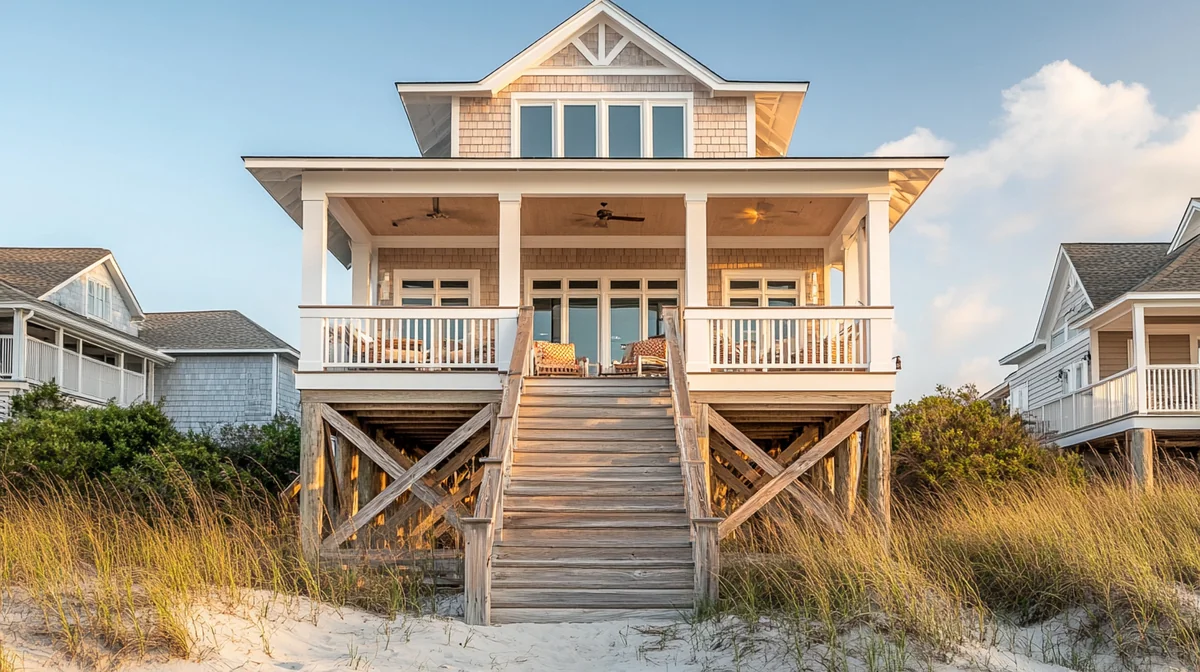
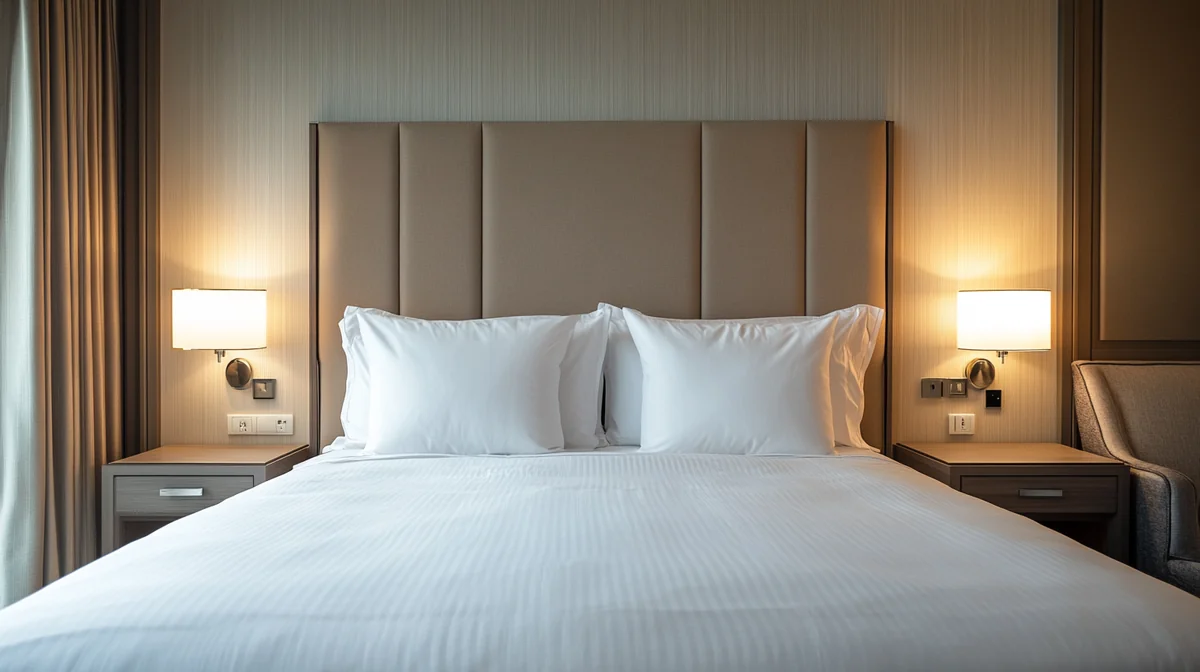
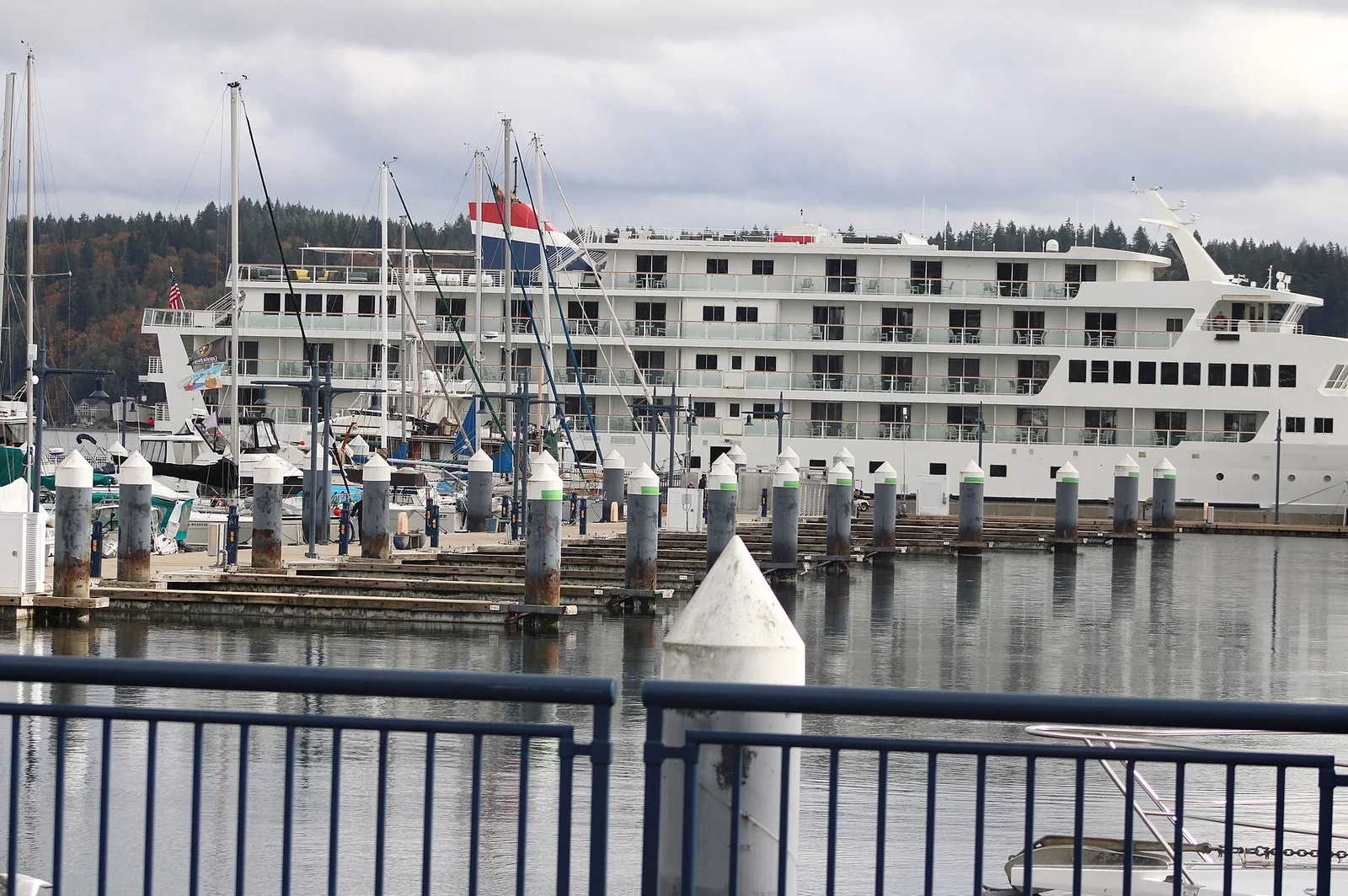
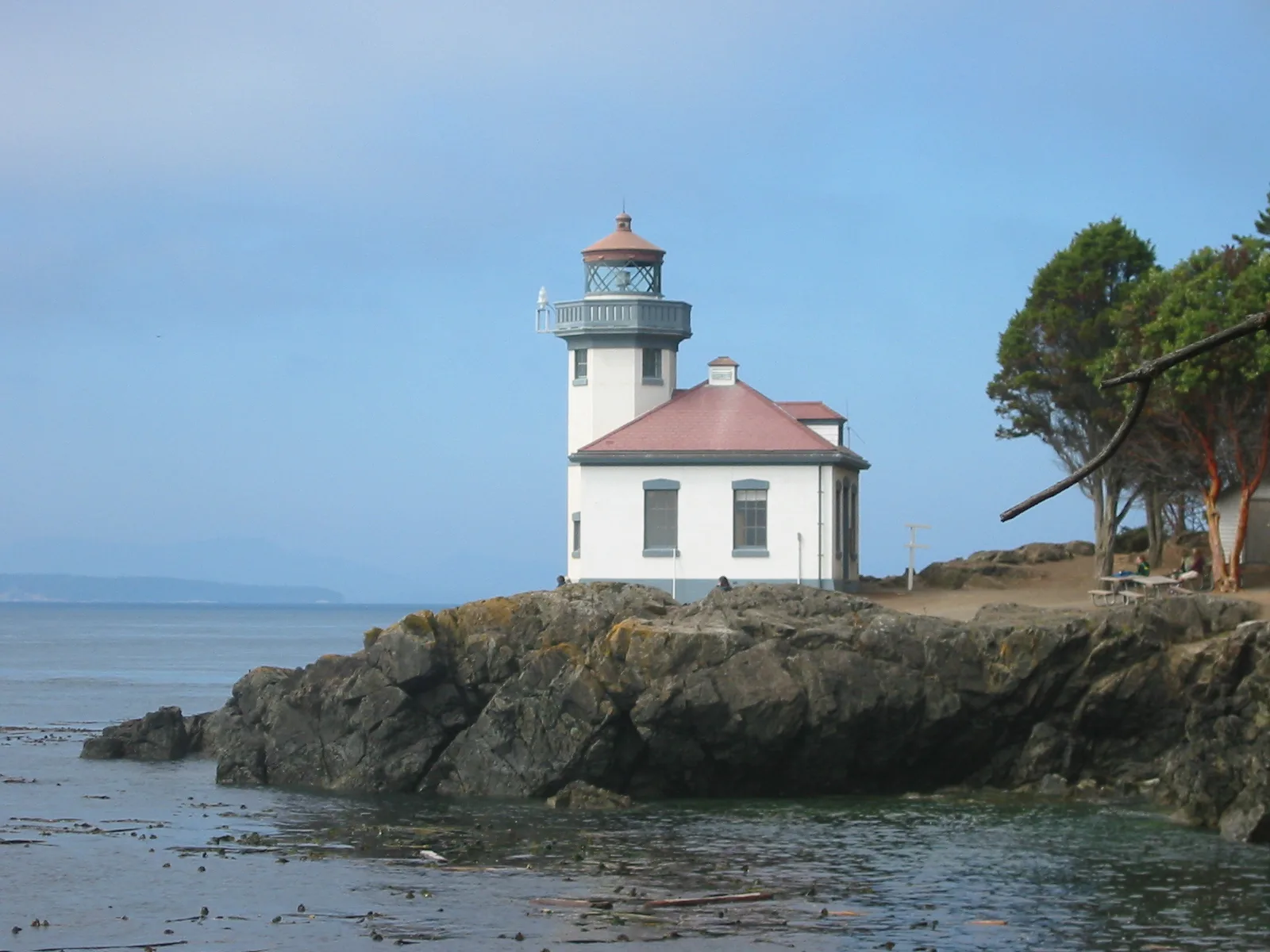
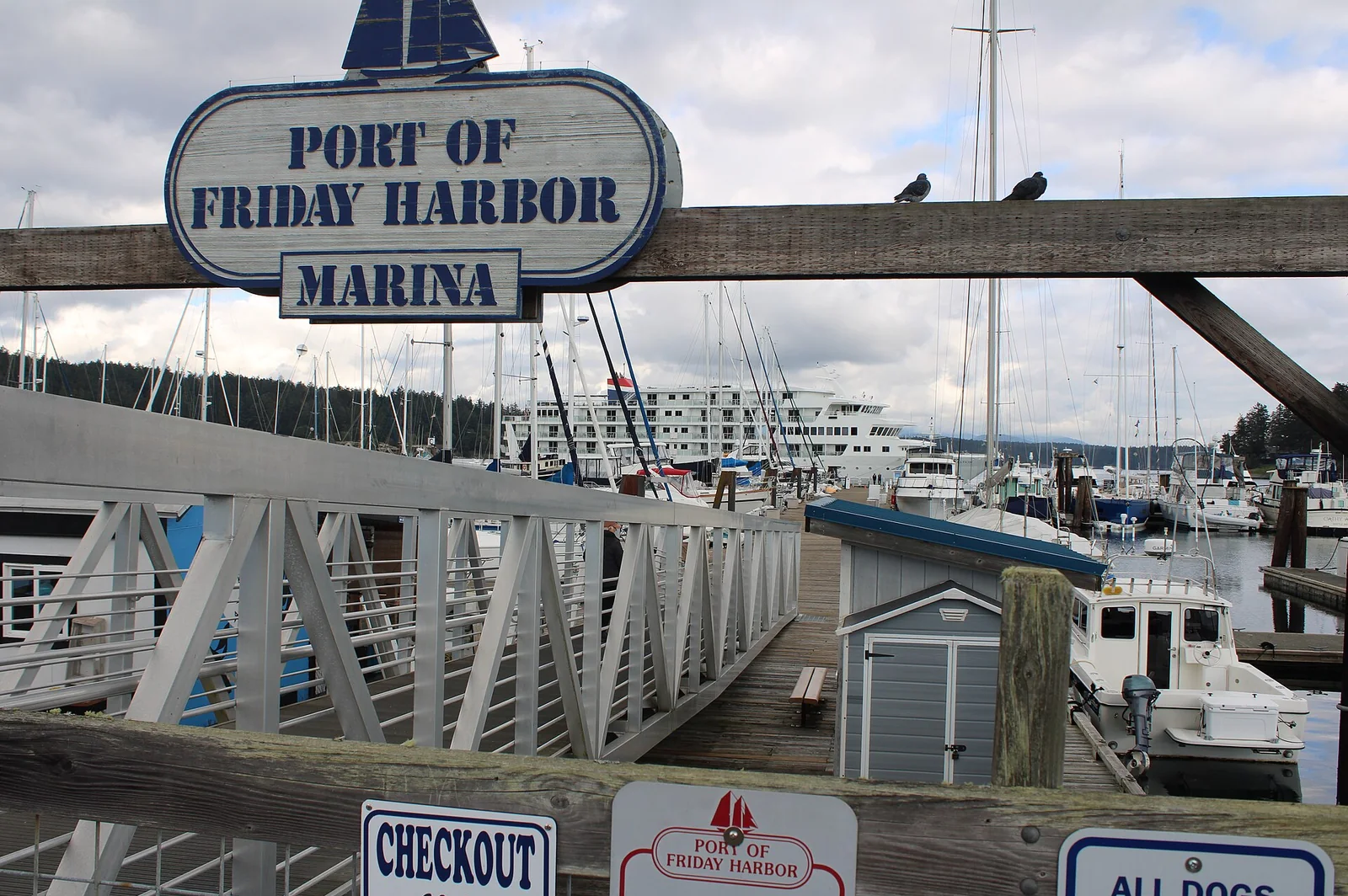
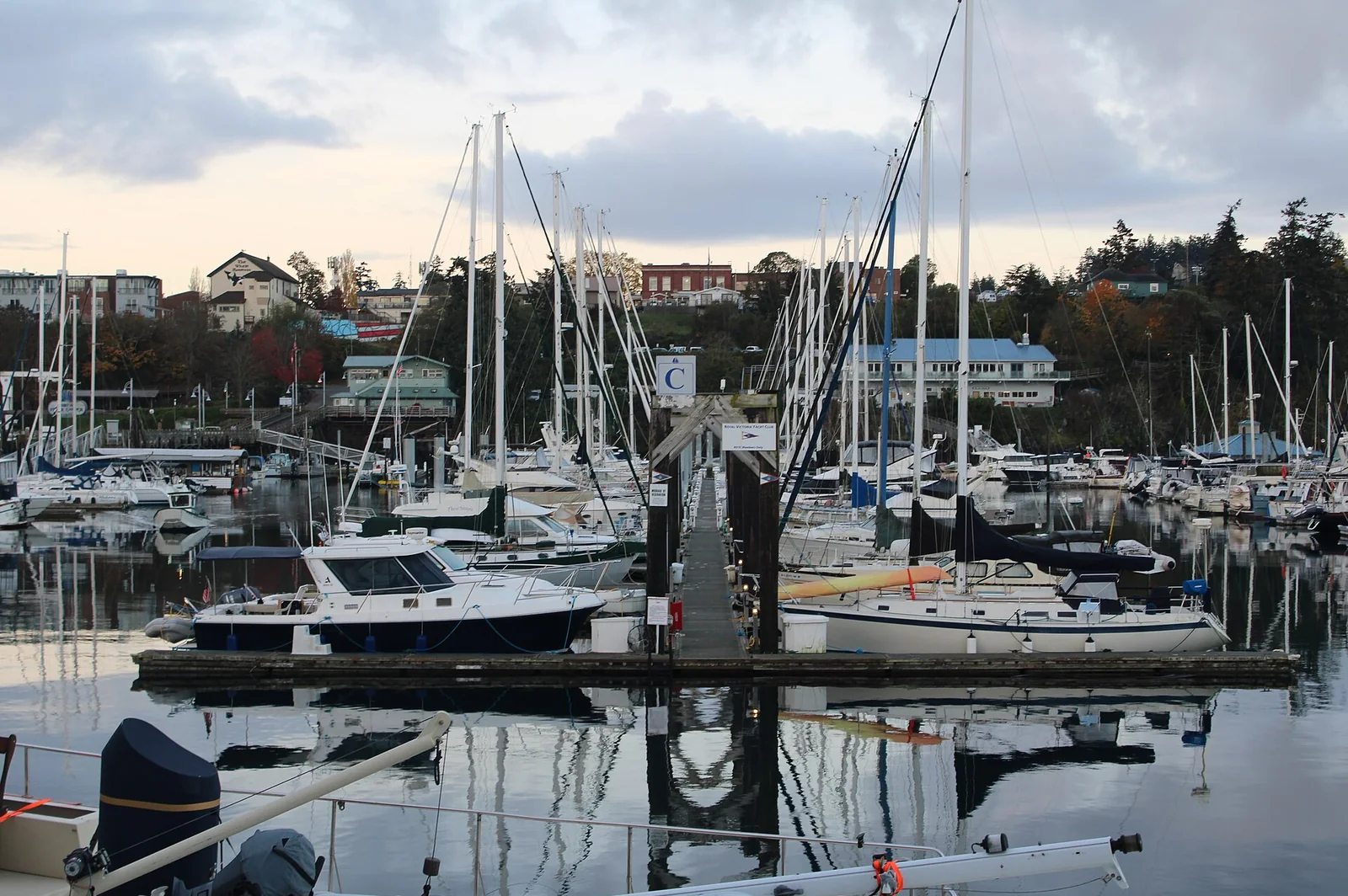
A few of the visual fingerprints we lean into when we shoot, brand and market a Friday Harbor property — courtesy of the open Wikimedia Commons archive.
Cavmir wins on San Juan Island because this market's whole funnel runs through logistics most listings ignore. The booking begins at the ferry: we write the reservation guidance into the listing itself — when the windows open, how walk-ons work, what the seaplane costs — because the operator who solves the crossing captures the guest at the planning stage, weeks before competitors even appear in a search. We price the real calendar: peak summer held at its value and booked early, June and September sold as the connoisseur seasons they are, orca months named, the quiet winter packaged for storm-light resets rather than discounted into noise. We shoot the island's actual products — the west-side sunset over Haro Strait, the harbor masts from the deck, the lavender rows, the tide out at the oyster beds — and we make the permit visible, because in a capped county, demonstrable legality converts the careful planner this island attracts. And we build the direct machine an island this repeat-prone deserves: fast sites for the inns and farm stays, guest lists segmented by season, a February email that lands exactly when the ferry calendar opens and the planning instinct fires. We help position and market your property. We never manage it or touch your keys.
San Juan Island's history is a comedy that ended well. When the 1846 Oregon Treaty drew the border through the strait's 'main channel' without saying which channel, both empires claimed the archipelago in between — and in June 1859 an American settler shot a Hudson's Bay Company pig rooting in his potato patch, the pig being British, and within weeks four hundred American soldiers faced five British warships over the carcass. Cooler heads garrisoned the standoff instead: for twelve years American Camp held the island's windswept southern prairie and English Camp its sheltered northern bay, the officers dining at each other's messes while the diplomats stalled, until Kaiser Wilhelm I, invited to arbitrate, handed the islands to the United States in 1872. The only casualty of the Pig War was the pig — and the two camps became a national historical park run jointly as a monument to disputes resolved without a shot. Around the garrison story the island lived its working life: Coast Salish peoples had harvested salmon here for millennia; lime kilns at Roche Harbor burned island limestone into the mortar that built Seattle and San Francisco, with John S. McMillin's company town — the Hotel de Haro, the church, the gardens — still standing at the marina; and Friday Harbor grew from a trading post into the county seat, its 1890s storefronts filling with fishermen, farmers and, eventually, ferry traffic. The modern era found its icon offshore: the Salish Sea's orca population made the west side famous, the Whale Museum opened in 1979 to study and defend them, and Lime Kiln's lighthouse point became the world's shorthand for watching whales from land. Tourism grew to fit the ferries; the county, watching its housing, decided the rental trade needed a ceiling — and drew one.
Price to the ferry and the whales. The core discipline is early-calendar: San Juan summer demand moves when the ferry reservation windows open, so the season's rates and minimums must be published and firm by late winter — the operator still adjusting prices in May has already lost the best bookings. Hold July and August at their full value with two- and three-night minimums; the island's capped supply does the defending for you. Price June and September as near-peak — whale presence, finer light, thinner crowds — and say why in the listing, because this market's guests respond to reasons. Lavender-bloom weeks, fair week and film-festival weekends earn named premiums. Winter needs a decision rather than a discount: either close and bank the maintenance window, or run a deliberate storm-light retreat product at self-respecting rates for the off-season couples trade. Water view and west-side sunset command the clear premiums; walkable-to-town earns its own tier for the carless ferry crowd — a real segment here. And keep the seaplane guest in mind at the top of the market: the Kenmore Air crowd books late, pays well and expects polish.
July and August are the season — orcas, lavender, the fair — booked early at peak rates. June and September are the connoisseur shoulders, often the island's finest weather. October through April is genuinely quiet: storm light, locals' island, a film-festival bump in fall. The ferry-reservation calendar is the market's true starting gun; the operator who's priced before it opens wins the year.
This is a genuinely capped market, and the cap is the business case. San Juan County requires a vacation-rental permit to operate a short-term rental, and after years of housing pressure the county rethought the program in 2022 — limiting the issuance of new permits, tightening compliance expectations, and leaving existing permitted operators holding a bounded asset; permit availability, transferability on sale, and annual requirements are exactly the kind of details that evolve, so verify the current rules with San Juan County community development before any purchase or listing decision. The Town of Friday Harbor is its own jurisdiction with its own approach to short-term rentals inside town limits — a separate map with separate answers, and the first question for any in-town property. Layered over both: Washington's ordinary lodging-tax registration through the state Department of Revenue, combined state and local taxes on short stays that the rate card should carry, septic and water realities that cap occupancy honestly on an island of wells and systems, and the island-logistics duties a mainland market never thinks about — guests briefed on ferry realities, quiet-hours respect in small neighborhoods where sound carries over water, and fire-safety diligence in a place where the response is volunteer and the hydrant may be a pond. The strategic read is the same as every capped market in this wave: the rules that make entry hard are what make the permitted operator's scarcity durable. Hold the permit, run it visibly, and the ordinance is your moat.
Answer the ferry question before it's asked — a short, competent paragraph on reservations, walk-on strategy and the seaplane option converts planners at the research stage and marks the listing as the work of someone who actually lives the logistics. Name your whale months and your watching spot; Lime Kiln by drive time belongs in the first lines of every west-side listing. Photograph water and light over interiors: the Haro Strait sunset, the harbor masts, the lavender rows in July, the fog lifting off the bay — this island is bought with the eyes. Sell June and September with reasons, not discounts. Court the carless: a walk-to-ferry cottage with bikes in the shed captures a real and growing segment, and saying so beats a parking spot. Brief guests like a neighbor — quiet hours, beach etiquette around wildlife, what the fair week is like — because a small island's goodwill is an operating asset. And build the February email: when the ferry windows open and Puget Sound starts planning, the operator whose guest list hears from them that week books the summer before the platforms feel it move.
The season is short and does a year's work — a fogged-out or ferry-disrupted August week is a real revenue event, and the winter needs either a deliberate product or a graceful close. The cap cuts both ways: it defends incumbents but makes entry parcel-specific and diligence-heavy. Island logistics tax everything — contractors, cleaners, supplies and guests all ride the same boats. And the audience's environmental literacy is high: wildlife-respectful, quiet-footed operations aren't just ethics here, they're reputation.
Insure for water, distance and season. The base is a commercial short-term-rental or innkeeper's policy at $1 million-plus liability; the island's specifics stack from there. Marine-adjacent risks lead: docks, beach access paths, kayaks and bikes that convey — each either insured and briefed or excluded in writing. Distance shapes the property file: volunteer fire response and well-and-septic infrastructure make documented maintenance, defensible clearances and smart water-leak monitoring genuinely valuable to underwriters, and vacancy clauses need reading closely for operations that close October through April. Storm and windstorm exposure on exposed west-side parcels deserves explicit confirmation, wood-stove documentation is standard island diligence, and the inn layer carries full hospitality coverage with liquor terms where wine is poured. Photograph systems and shorelines each spring; on an island, the adjuster's visit is a ferry ride you can pre-empt with a file.
Washington keeps the file orderly: register with the state Department of Revenue and collect the combined state and local taxes on short stays — the total on San Juan stays lands in the familiar Washington band north of 10%, and the rate card should carry it rather than absorb it. Platforms collect and remit on their own bookings in Washington's regime, but confirm the current arrangement per channel, and remember the direct bookings a good island website earns file through your own registration. There is no state income tax on the revenue — part of the island's out-of-state-owner math — but county property taxes on water-view valuations are real, and permitted-rental status can interact with assessment questions worth an accountant's hour. Lodging-tax dollars here fund the visitor infrastructure the island runs on; filing clean is both compliance and citizenship.
Island financing rewards preparation. The market's values are water-driven — view and frontage parcels price into jumbo territory while in-town cottages and farmhouses keep saner math — and the underwriting reality is that the permit is the business plan: a capped-county vacation-rental permit, its transferability confirmed in writing, is the difference between an income property and a second home, so the county conversation precedes the lender conversation on every acquisition. DSCR files work when the documented season is strong — a permitted west-side home's July-through-September can carry a twelve-month story — but lenders will want the seasonality explained, and regional Northwest banks read island files more fluently than national desks. Well, septic and access diligence belongs in every offer; insurance quotes belong in the debt-service math early. The inn-and-farm-stay layer routes commercial or SBA with the guest history attached. Finance the shoulder-season floor; let August be the upside it reliably is.
The island's future is arithmetic the county already did: bounded permits, finite ferries, an orca-anchored identity the region defends — supply is capped by ordinance and geography at once, while Seattle's money and appetite sit two hours and one reservation away. Expect the permit regime to keep evolving in its details — caps revisited, compliance tightened, transfer rules clarified — without changing direction; the annual county check-in is part of ownership here. Watch the ferry system's capacity and reservation mechanics, because they are the market's real throttle; watch the shoulder seasons professionalize as June and September get priced like the assets they are; and watch conservation politics, which shape everything from whale-watching rules to dock permits and reward operators who run visibly respectful businesses. The durable play through 2027: a permitted, well-documented property — west-side view home, walkable cottage or storied farm stay — priced early to the ferry calendar, presented with island fluency, and backed by a guest list that hears from you the week the reservation windows open.
Friday Harbor is the market where competence is the brand — an island whose guests plan like navigators, book when the ferry windows open and reward the operator who solves the crossing before they've asked. We love that the marketing here is genuinely useful: the listing that explains reservations, walk-ons and the seaplane isn't padding copy, it's winning the booking at the research stage, and every piece of island fluency we write converts measurably. The visual brief is the best in the Northwest — orcas off a lighthouse point, lavender rows in July, masts in a harbor that still works — and the calendar rewards intelligence, because June and September are the island's finest weather sold at shoulder prices by everyone who hasn't thought about it.
We love the structure of the market even more. The county capped the permits; the ferries cap the arrivals; the water caps everything else — and inside those lines, a permitted cottage or a storied farm stay holds scarcity that no capital can simply buy past. That turns compliance into positioning, and positioning is our trade. The guest base is Puget Sound's most loyal — the same families, the same August week, the same anniversary couples watching for whales — which makes the guest list and the February email the highest-ROI machinery an island operator can own. And the Pig War sits under it all, the best story in American park history, reminding everyone that this island's specialty has always been resolving pressure gracefully. A capped market, a planning guest, a place that sells itself to anyone who can see — we'd take this brief every season.
A great property in Friday Harbor doesn't just want a listing — it wants a point of view, an audience, and a brand the city itself would recognise.
A few honest, insider picks for Friday Harbor and San Juan Island — the specifics that make a listing read like a local wrote it. Real places, no filler.
Coffee up Spring Street, then down to watch the first boat slide in past Brown Island — the island's pulse, taken in ten minutes. Guests who start here understand the place before breakfast.
Friday Harbor's waterfront rooms fill fast in season — book the sunset table when you book the ferry. September diners get the same view with half the wait and better light.
Sightings move around the island like weather — which pod, which shore, headed which way — and locals track it all season. A listing that names its whale months and its watching spot reads instantly native.
The 1979 museum on First Street — skeletons, hydrophones, the science of the Southern Residents — is the island's rainy-hour institution. Pair it with a bookshop stop and the storm day earns its keep.
The crowds sail home after Labor Day and the island keeps its finest weather for the patient — whales still working the west side, golden light, ferry lines gone. Locals call it their summer.
Drive north for the marina village evening: gardens, the Hotel de Haro's porch, and the sunset colors ceremony when the flags come down to music. It's the island's daily small theater, and guests never forget it.
The lighthouse on its west-side rocks, Haro Strait going bronze, and — in season — orcas passing close enough to hear the blow. Called the best shore-based whale watching on earth, and the island's definitive photograph.
The questions never vary: how do reservations work, when are the whales most likely, is there a hot tub under the firs. Answer all three in the listing's first breath and the planner books without a call.
A few composite engagements drawn from how Cavmir typically works in this market. The details are illustrative and consistent with San Juan Island, not pulled from a single named client.
A county-permitted home above Haro Strait — sunset water, whale traffic offshore — ran interior-first photography, no ferry guidance and season pricing set in May, weeks after the island's real booking window had opened and closed.
Cavmir rebuilt the listing water-first — strait at golden hour, the deck at dusk, whale months named — wrote the definitive ferry-and-seaplane paragraph, published firm season rates before the reservation windows opened, and priced June and September as the near-peak they are.
The summer booked out earlier than it ever had at rates the old calendar never tested, the shoulders filled with couples who'd read exactly why to come in September, and inquiries started arriving with the ferry already reserved — planners, captured at the planning stage.
A permitted farmhouse with lavender rows and a long table marketed itself as a plain vacation rental — no farm story, no bloom-season strategy, and photography that could have been taken anywhere with grass.
Cavmir repositioned it as the island's farm stay: bloom-season hero photography, copy built on the rows, the fair week and the farmers-market mornings, a July premium window named for the lavender, and a direct site with a guest list that hears about bloom dates in February.
July went premium and booked out on the bloom, the fair week found the returning families it was made for, and the farmhouse stopped competing with view homes on their terms — it had its own, and the market paid them.
A tidy cottage three blocks from the landing undersold its best asset — competing on price against view homes while never mentioning that its guests could arrive without a car reservation at all.
Cavmir led the listing with the carless plan: walk off the ferry, bikes in the shed, town at the door — priced the convenience as its own tier, added the film-festival and fair weekends as named windows, and pitched winter storm-light weekends to the couples trade.
The cottage found the segment the island's ferry crunch creates every summer: walk-on guests who booked longer, reviewed warmer and returned on rhythm — and the price-versus-view contest it kept losing simply stopped being the game.
Demand in Friday Harbor peaks around June through August and runs quietest around January and November. Here is how the year actually books — and what to do about each stretch of the calendar.
July and August are the season — orcas working the west side, lavender in bloom, kayaks off Roche Harbor — and the island books early and solid at the year's peak rates. The ferry-reservation calendar is the true starting gun: when the seasonal windows open, demand moves within days, so be priced, photographed and live before it.
June and September are the connoisseur shoulders — whales still present, weather often finer than July's, ferry lines gone — and deserve near-peak weekend pricing with the reasons stated plainly in the listing. The county fair caps August, and the film festival gives fall's start a real bump.
October through April is the locals' island — storm light, quiet harbors, a slow drip of off-season couples. Either close gracefully for maintenance or run a deliberate storm-light retreat product at self-respecting rates. Use the deep quiet for the reshoot and the systems work an island property always needs.
The season books when the ferry windows open in late winter — within days for the best weeks. June and September fill inside two months, and winter decides late.
Summer stays run longer than mainland weekends — three nights to a week, ferry logistics rewarding patience — while shoulders run two to three nights and winter's rare trade books short.
The winner is west-side water view with sunset exposure and a hot tub under the firs — or the walk-to-ferry cottage that captures the carless crowd. Island fluency in the listing converts as hard as the view.
Solve the crossing first — a competent ferry-and-seaplane paragraph converts planners at the research stage — then sell the island's products: whale months by name, Lime Kiln by drive time, the west-side sunset from your deck. Price peak early, sell June and September with reasons, and time a February email to the ferry-window opening. That whole layer — photography, copy, direct booking and local search — is what Cavmir builds for hosts here.
July and August — orca season, lavender bloom and the county fair — booked early at peak rates. June and September are the connoisseur shoulders with often finer weather, and October through April is the locals' quiet.
The season moves when the ferry reservation windows open in late winter — the best weeks book within days. Shoulders fill inside two months, and the off-season decides late on weather and whim.
Seattle and Puget Sound overwhelmingly, riding the Anacortes ferry, with Vancouver a genuine northern feeder and fly-in guests connecting through Seattle to the seaplane. The audience plans early and returns on rhythm.
A water-view deck and a hot tub under the firs are the island's twin closers. Bikes serve the walk-on crowd, binoculars and field guides sell whale season from the window seat, and a fire pit extends the long northern evenings.
Run your Airbnb, Vrbo, or website through Cavmir's free grader. It checks the things that decide whether guests book in Friday Harbor — photos, listing copy, page speed, local search — and shows you where bookings leak. Takes about a minute, and there's no sales call attached.
If the report says your booking engine is the weak link, that's fixable: a direct-booking website of your own means repeat guests stop paying platform fees to come back to you. That's the work Cavmir does — see Airbnb website design in Friday Harbor.
Talk to Cavmir today. We'll show you exactly what your Friday Harbor property is leaving on the table — and how fast we can change that.
Book a Free Strategy Call