
Downtown
Tasting rooms you can walk between
A cluster of tasting rooms in and around Main Street, walkable from one another and from dinner. Where to send guests on their first afternoon, and the reason to leave the car.

Expert short-term rental marketing to grow your bookings and nightly rate in Walla Walla, Washington, USA.
Sixteen services, one team. Everything below is built in-house and scoped to your property and market. Most owners start with the 12-Step System.
Every engagement is quoted to your portfolio. These are the ready-made scopes owners pick most — the AI Efficiency Discount is already applied. A clear proposal within 48 hours.
The work is public. Selected engagements and what changed — and reviews from the owners and managers behind them.
* Market averages. Properties marketed by Cavmir typically exceed these figures by 25–45%. Data sourced from AirDNA, STR market reports, and Cavmir internal analytics.
Walla Walla sits in the south-east corner of Washington State, in a valley between the Blue Mountains and the Columbia Basin, and it has become the centre of gravity for Washington wine. The first vines went in during the 1970s, the appellation was established in 1984, and there are now well over a hundred wineries in the valley — some in restored buildings downtown, some in an airport district built into old Second World War hangars, some out on the Oregon side of a state line that runs through the middle of the appellation. Whitman College has been here since the 1880s and gives the town a year-round intellectual life that most agricultural centres do not have. Main Street is genuinely handsome and walkable. The sweet onion is a protected agricultural product with its own federal marketing order. The Blue Mountains behind the town have skiing at Bluewood and hiking in the Umatilla National Forest. It is a two-and-a-half-hour drive from the Tri-Cities airport or a short flight from Seattle, and unlike almost every other market in this wave, it has no single dominant season at all.
Walla Walla regulates short-term rentals under Chapter 20.139 of its municipal code, and the structure is worth understanding because it turns on where you live rather than on where the property is. A short-term rental is defined as temporary lodging for a charge at a dwelling for less than one month. Type 1 means a short-term rental at a dwelling that is the owner's principal residence, either where rooms are rented with the owner personally present during the stay, or where the entire dwelling is rented for no more than ninety total days in a calendar year. The other category covers the rest. For any unit that is not an owner-occupied short-term rental, a local contact must be provided who can respond twenty-four hours a day, seven days a week, and that contact must be within twenty-five miles of the Walla Walla city limits — a real constraint in a town whose nearest sizeable neighbour is across a state line. The city will not issue or renew a permit and licence if the owner is behind on lodging tax payments to the Washington Department of Revenue, which is an unusually direct enforcement mechanism. Confirm the current zoning, permit and fee position with Development Services before committing.
Nearby Markets: Leavenworth | Lake Chelan | Hood River
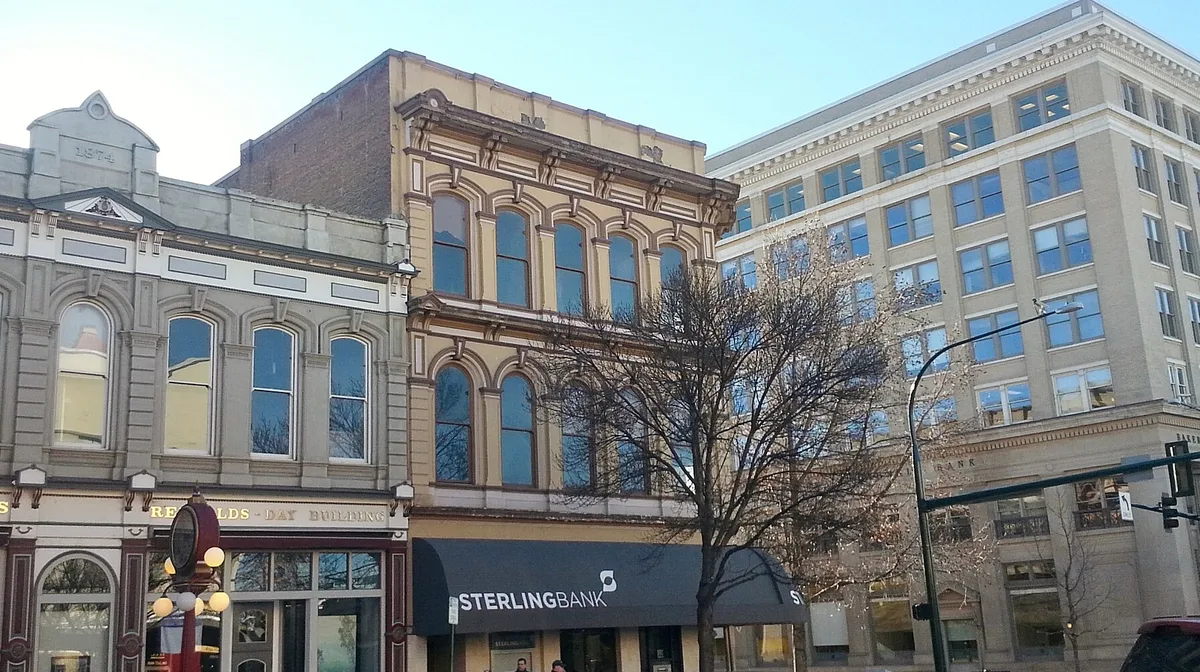
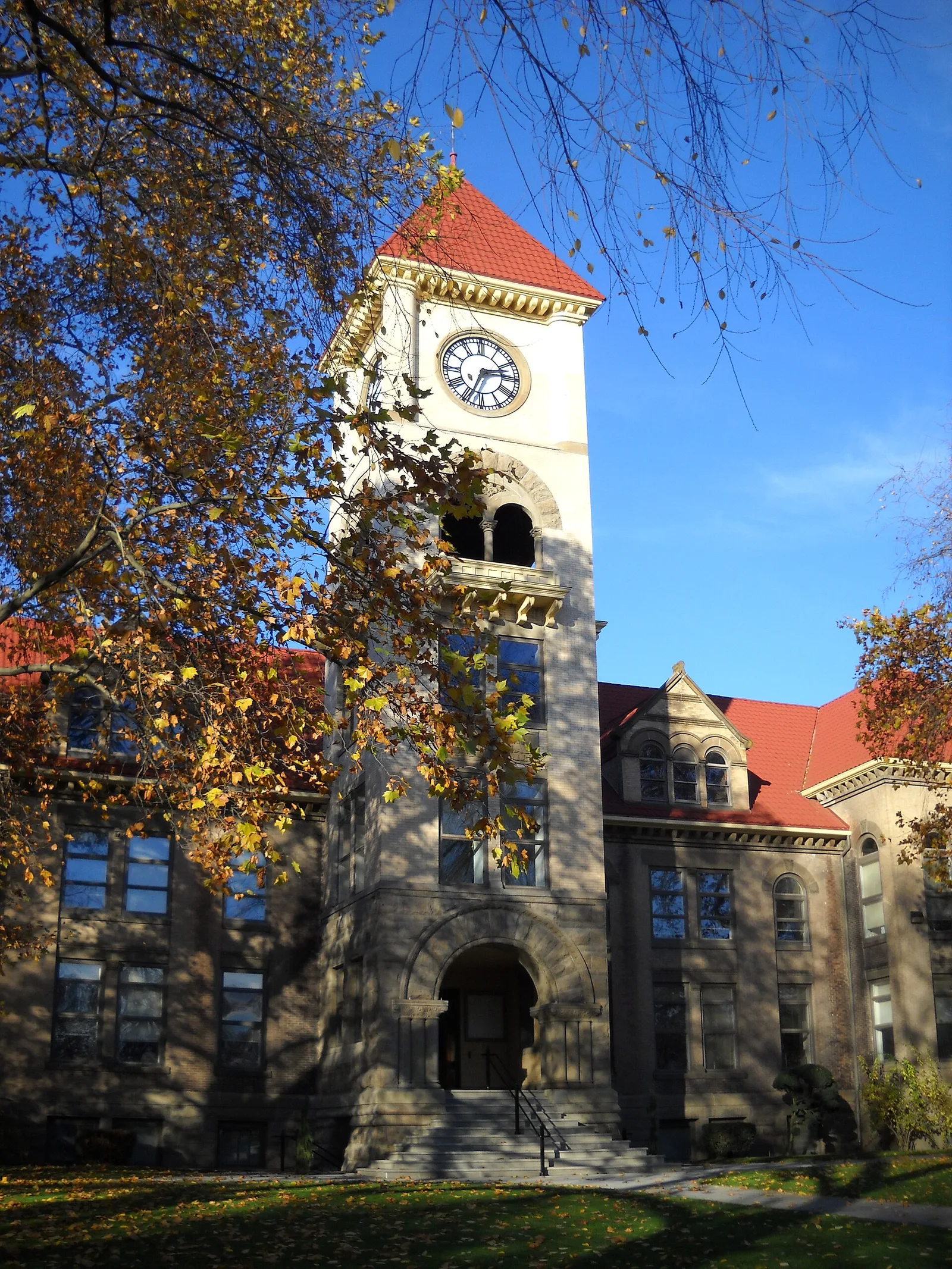
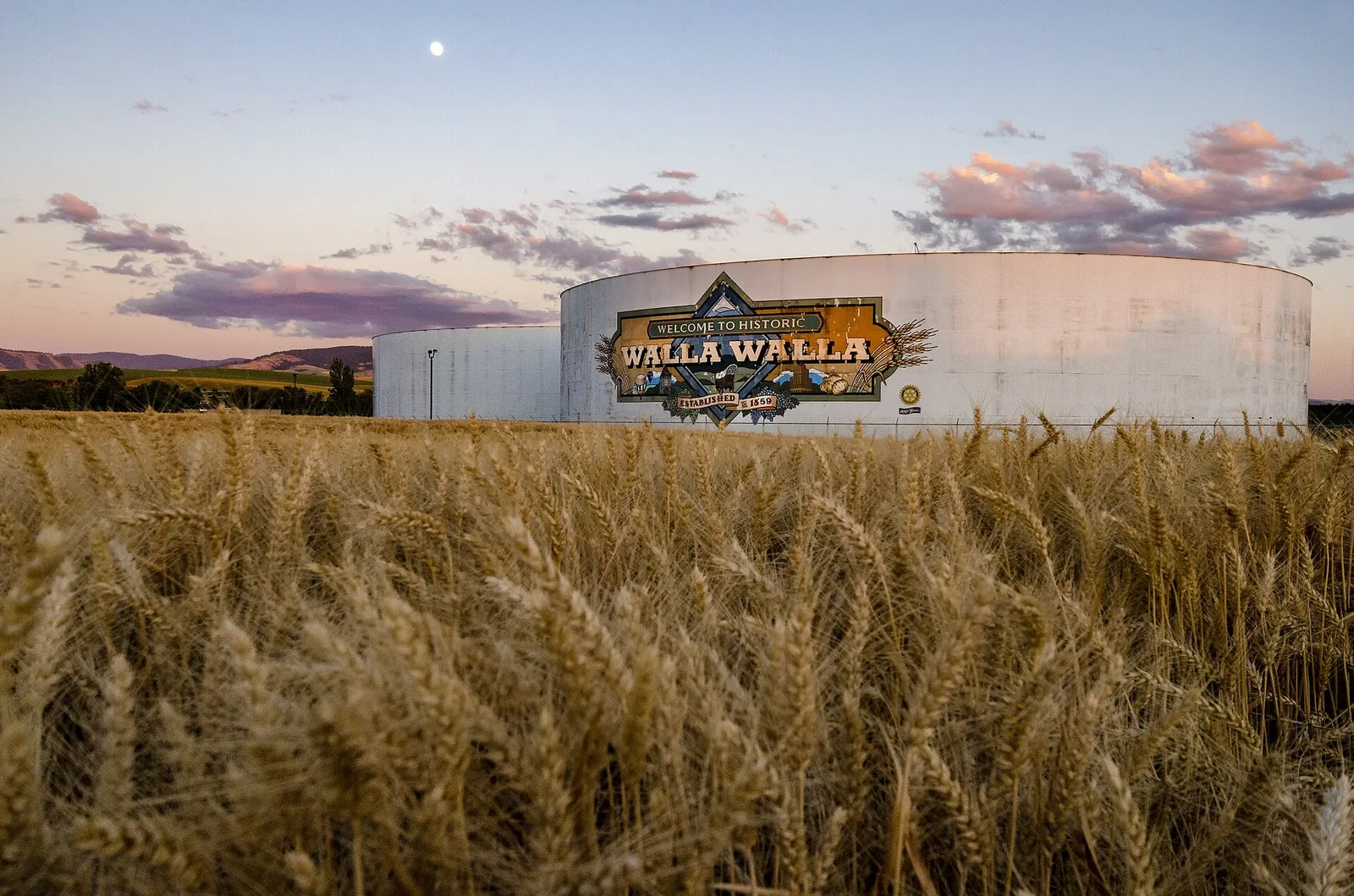
A few of the visual fingerprints we lean into when we shoot, brand and market a Walla Walla property — courtesy of the open Wikimedia Commons archive.
Cavmir markets Walla Walla properties on the valley's actual shape, which is a hundred-plus wineries spread across downtown, an airport district and both sides of a state line — not a single strip a guest can walk. We write that geography plainly, with drive times and clusters, because the couple planning a long weekend here is building an itinerary and the listing that does the work wins. We photograph the outdoor space and the kitchen, because wine-country guests cook, share bottles and sit outside in the evening, and those are the rooms that decide bookings. We are specific about the walk to Main Street, since walkability in a town this compact is a genuine premium. We build a direct booking site so the couples who come back every harvest book with you rather than through a marketplace each year, run local search that reaches people planning a Washington wine trip rather than a generic Northwest one, and market the release weekends and the harvest calendar that fill this town on specific dates. We help position and market your property. We never manage it or touch your keys.
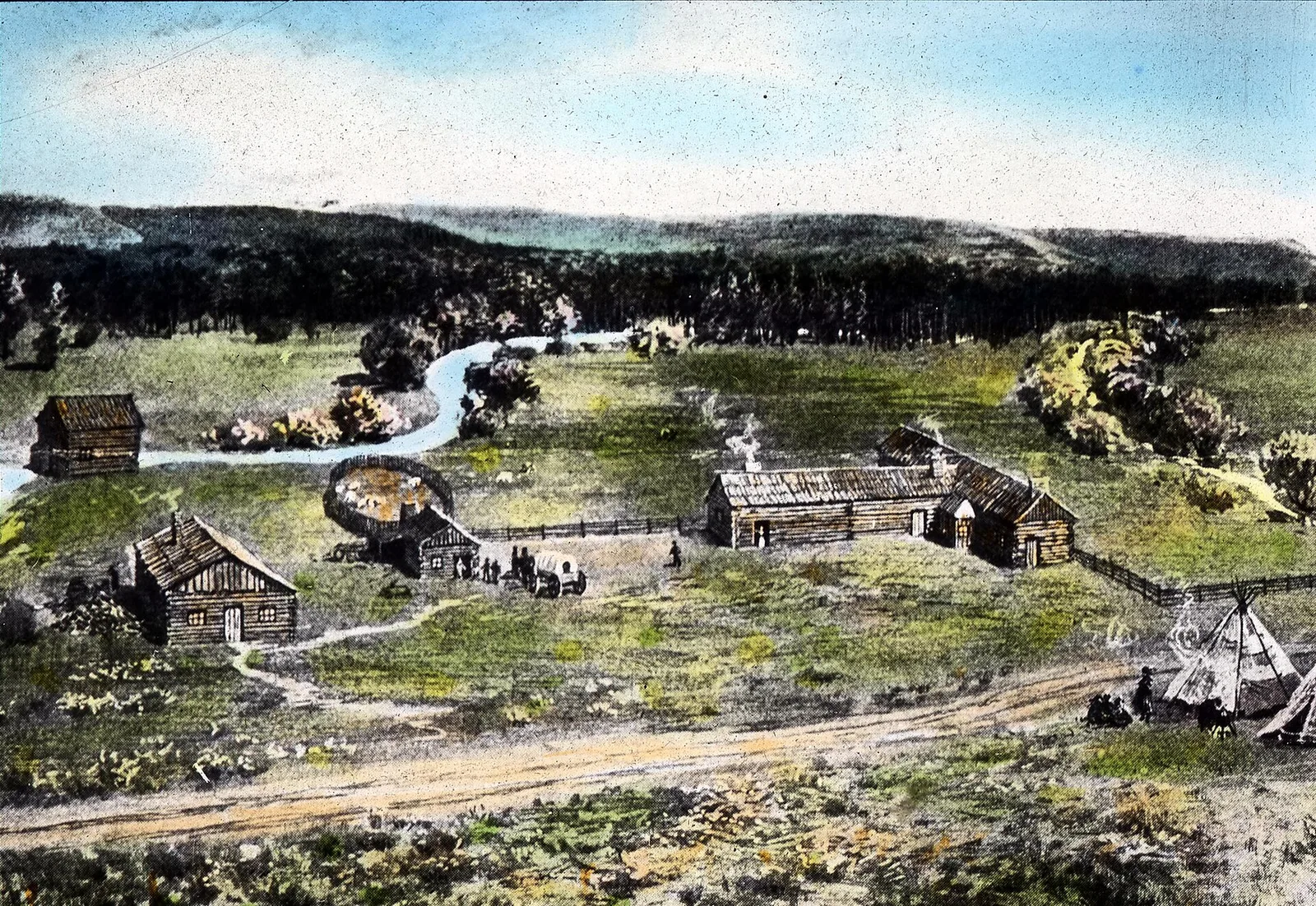
Walla Walla is one of the older non-native settlements in the Pacific Northwest and its early history is genuinely difficult. The Cayuse, Umatilla and Walla Walla peoples lived in this valley, and in 1836 Marcus and Narcissa Whitman established a mission near present-day Walla Walla. Eleven years later, following a measles epidemic that killed roughly half the local Cayuse population while sparing most of the settlers, Whitman and others were killed, and the resulting conflict shaped the region's history for decades. Whitman Mission National Historic Site preserves the location and the National Park Service has worked with tribal consultation to present the story more completely than it once was.
The town grew as a supply centre for the Idaho gold rush in the 1860s and was for a period the largest city in Washington Territory. Whitman College was founded as a seminary in 1859 and chartered as a college in 1883, and it remains one of the better small liberal arts colleges in the West.
Agriculture defined the twentieth century. Wheat on the surrounding hills, and the Walla Walla Sweet Onion, which arrived via Corsica in the late 1800s and now has a federal marketing order defining where it may be grown.
Wine started properly in the 1970s. Leonetti Cellar's first vintage was 1978, Woodward Canyon followed, and the Walla Walla Valley American Viticultural Area was established in 1984. Growth since has been substantial: well over a hundred wineries, an appellation that straddles the Oregon border, and a distinctive cluster in the old Second World War airbase where tasting rooms occupy former hangars and support buildings.
The state penitentiary has been here since 1886, which is a fact locals mention with more equanimity than outsiders expect. The town's identity is agricultural, academic and now vinous, in roughly that order of arrival.
Walla Walla has no dominant season and that is genuinely rare. It is a wine market with a college and a business base, which produces demand across the whole year rather than in a concentrated block.
The strongest stretches are spring release weekends, when the valley's wineries open new vintages and visitors come specifically for it, and harvest from late August through October, which is the best combination of weather and atmosphere in the year. Both are date-specific and should be priced accordingly rather than absorbed into a general season.
Whitman College adds reliable spikes: move-in, parents' weekend, and commencement in May. Those dates are published far in advance and are the easiest revenue in this market to capture and the most commonly missed.
Summer is warm — genuinely hot in July and August — and busy, though some wine visitors prefer the shoulders. Winter is the quietest period, with Bluewood skiing in the Blue Mountains and a small business travel base holding it up.
Weekends dominate. Most visitors drive from Seattle, Portland or Spokane, or fly into the small local airport or the Tri-Cities, and Friday to Sunday carries a disproportionate share. Midweek needs the business traveller or a genuine reason for a wine couple to shift their days.
The dominant guest is two to four adults on a wine trip, which means the kitchen, the outdoor space and somewhere to open bottles together matter more than bedroom count. Price on those, not on square footage.
Spring release weekends and harvest from late August into October are the two strongest stretches. May carries Whitman College commencement. Summer is hot and busy. Autumn is the best overall combination of weather, atmosphere and spend. Winter is quietest, supported by Bluewood ski traffic in the Blue Mountains and a steady business-travel base. Weekends carry a heavy share of demand year-round. There is no dead season in Walla Walla, which makes it one of the more forgiving calendars in this wave.
Walla Walla regulates short-term rentals under Chapter 20.139 of the Walla Walla Municipal Code, adopted through ordinances in 2017, and the structure turns on owner occupancy rather than on location alone.
A short-term rental is defined as temporary lodging for charge or fee at a dwelling for a period of less than one month, or less than thirty continuous days where the rental period does not begin on the first day of the month.
Type 1 means a short-term rental at a dwelling that is the owner's principal residence, and covers two situations: rooms rented with the owner personally present during the rental period, or the entire dwelling rented for no more than ninety total days in a calendar year. That ninety-day allowance is the important detail — it lets an owner-occupier let the whole house for a meaningful part of the year without leaving the Type 1 category.
For any unit that is not an owner-occupied short-term rental, a local contact must be provided who is able to respond twenty-four hours a day, seven days a week to complaints, and that contact must be within twenty-five miles of the Walla Walla city limits. In a town whose nearest substantial neighbours are the Tri-Cities an hour away and Milton-Freewater across the Oregon line, that radius is a real constraint for out-of-area owners and needs solving properly rather than nominally.
The city also uses tax compliance as an enforcement lever: a short-term rental permit and licence will not be issued if the owner is not current on lodging tax payments to the Washington Department of Revenue for an existing short-term rental, and for new rentals verification of lodging taxes paid is carried out at annual renewal.
Confirm the current zone allowances for each type, the permit and business licence process, any numeric limits, parking requirements and the fee schedule with the City of Walla Walla Development Services before committing to anything.
Explain the geography, because a first-time visitor gets it wrong. Walla Walla's wineries are in three or four distinct clusters — downtown tasting rooms you can walk between, the airport district in old hangars, the eastside toward the Blue Mountains, and the Oregon side of the appellation south of town. Give guests the clusters and the drive times and they will plan a better trip and stay an extra night.
Photograph the kitchen and the outdoor table. The guest here is two to four adults on a wine trip. They will buy bottles, cook one night, and sit outside. Those two spaces decide bookings and are routinely under-photographed in favour of bedrooms nobody chooses on.
Publish the Whitman dates the moment they are released. Commencement, parents' weekend and move-in produce hard demand at rates well above the surrounding weeks, and they are announced a year ahead. This is the single easiest revenue in the market and most owners leave those weekends at default rates.
Say how far you are from Main Street. Downtown Walla Walla is genuinely handsome and walkable, and being able to leave the car and walk to dinner and a tasting room is worth a premium to a guest who is drinking.
Solve the twenty-five-mile local contact requirement properly and mention that someone local will answer. Guests do not care about the ordinance; they care very much that a problem at nine on a Saturday evening gets dealt with.
Sell harvest specifically. Late August through October is the best time to be in this valley and the reason a wine visitor should choose those dates over spring. Write it as its own product.
Be honest about summer heat. July and August are genuinely hot here and guests expecting mild Pacific Northwest weather will be surprised. Say what cooling and shade the property has.
The twenty-five-mile local contact radius is the practical challenge for out-of-area owners. It is not satisfiable by a phone number in Seattle, and arranging genuine local coverage is a real cost that needs to be in the model.
The Type 1 structure means the most permissive category requires the property to be the owner's principal residence, and the ninety-day whole-dwelling allowance within it is a meaningful limit for anyone hoping to let a house they live in for most of the year.
Access is the third. Walla Walla has a small regional airport with limited service, and most guests drive four or more hours or connect through the Tri-Cities. That lengthens booking windows and limits spontaneous demand.
The fourth is that this is a relatively small visitor market competing with Napa, Sonoma and Willamette for the same wine tourist. The valley's wine quality is genuinely competitive; its name recognition is not, which means the marketing has to do more explaining than it would elsewhere.
Eastern Washington has a specific risk profile that differs sharply from the wet side of the state.
Wildfire is a real and increasing exposure in the dry hills and grassland around the valley, and underwriting reflects it. Properties closer to the wildland interface face harder questions about defensible space, vegetation clearance and access.
Winter freeze matters. Walla Walla gets genuinely cold, and a property empty between bookings in January is a burst-pipe risk. Carriers will ask about heating and monitoring, and the answers affect terms.
Wind and hail claims are routine in this part of the state, and roof age drives both premium and settlement.
Short-term rental use must be disclosed. Liability should reflect the actual guest profile, which here is frequently adults drinking wine — outdoor spaces, steps, hot tubs and evening use all deserve appropriate limits.
Older housing stock is common in the walkable neighbourhoods near downtown, and underwriters will ask about wiring, plumbing and heating systems.
If your compliance arrangement involves a local contact or a local manager, make sure the policy contemplates that relationship properly. Work with a broker who writes short-term rental policies in eastern Washington specifically.
Washington has no state income tax, and it taxes lodging through sales tax plus local lodging taxes rather than through a single statewide lodging levy.
Washington imposes state sales tax on short-term lodging — rentals of fewer than thirty days — at a state rate of 6.5%, with local sales tax components on top. Separately, Washington law allows cities and counties to impose a basic or state-shared lodging tax of up to 2%, which is taken as a credit against the state sales tax, so the guest does not see an increase from that component. Some jurisdictions also levy a special hotel-motel tax on top, which the guest does see.
The City of Walla Walla collects a 4% tax on the furnishing of lodging by hotels, motels, short-term rentals and other transient lodging, and the city runs a Lodging Tax Advisory Committee that recommends how those funds are used for tourism promotion.
Registration with the Washington Department of Revenue is required, and in Walla Walla it is more than a formality: the city will not issue or renew a short-term rental permit and licence if the owner is behind on lodging tax to the Department, and payment is verified at annual renewal.
Booking platforms collect and remit some components in Washington, but registration and correct filing remain your responsibility, and direct bookings are generally handled entirely by you. Confirm the current combined rate for your specific address with the Department of Revenue and the City, and speak to your accountant about the treatment of the income.
Financing in Walla Walla is generally straightforward, with a couple of local considerations.
The first is the regulatory category. Type 1 requires the dwelling to be the owner's principal residence, and within that category whole-dwelling letting is capped at ninety days a year. If your income model assumes year-round whole-house letting, the property needs to sit in the category that permits it, and that should be confirmed with the city before an appraisal leans on rental comparables.
The second is the local contact requirement. For non-owner-occupied units, a twenty-four-hour local contact within twenty-five miles is mandatory, and that is an ongoing operating cost that belongs in the model rather than a box to tick later.
Beyond those, standard considerations apply. Appraisal comparables in a small market can be limited. Older housing stock near downtown raises questions about systems and roofs. Wildfire insurability affects properties closer to the hills. Seasonality is milder here than in most markets in this wave, which actually helps an income presentation.
Second-home and investment-property loans differ in rate, down payment and occupancy expectation, and mixed personal-and-rental use should be described honestly at application.
This is general information rather than financial advice — confirm the specifics with your mortgage broker, your accountant and the City of Walla Walla.
Walla Walla's wine industry has been growing for fifty years and shows no sign of stopping. Well over a hundred wineries, an appellation with genuine critical standing, and a distinctive set of districts including the airport hangars give the valley a durable identity that does not depend on any single producer or trend. That underpins a visitor economy that is still smaller than its quality would justify — which is the opportunity here.
The regulatory framework has been in place since 2017 and is moderate by current standards. It has not been through the tightening cycle that Solvang, Bozeman and Petoskey have. That could change, and the twenty-five-mile local contact rule shows the city already thinks in terms of accountability, but there is no cap and no transfer restriction today.
Access is the variable most likely to move demand. Air service into the local airport and into the Tri-Cities determines how much of the Seattle and Portland market treats Walla Walla as a weekend rather than a long drive, and any expansion changes the arithmetic materially.
The competitive question is name recognition. Walla Walla wine competes with Napa and Willamette on quality and loses on familiarity, and the same is true of its accommodation market. Properties that explain the valley properly — the clusters, the hangars, the harvest, the walk to Main Street — will keep winning against those that assume a guest already knows why they should come.
Walla Walla is a town that got good at something and did not become insufferable about it. There are well over a hundred wineries in this valley, some of them making wine that competes with anywhere in America, and the tasting rooms are in old hangars at a decommissioned airbase and in brick buildings downtown rather than in architect-designed monuments to somebody's second career.
The airport district is our favourite thing here. B-24 crews trained on that field during the war, the base wound down, the buildings sat empty, and eventually winemakers moved in because a hangar is a very good place to make wine. You taste on the production floor with taxiways outside. It is unglamorous and completely genuine.
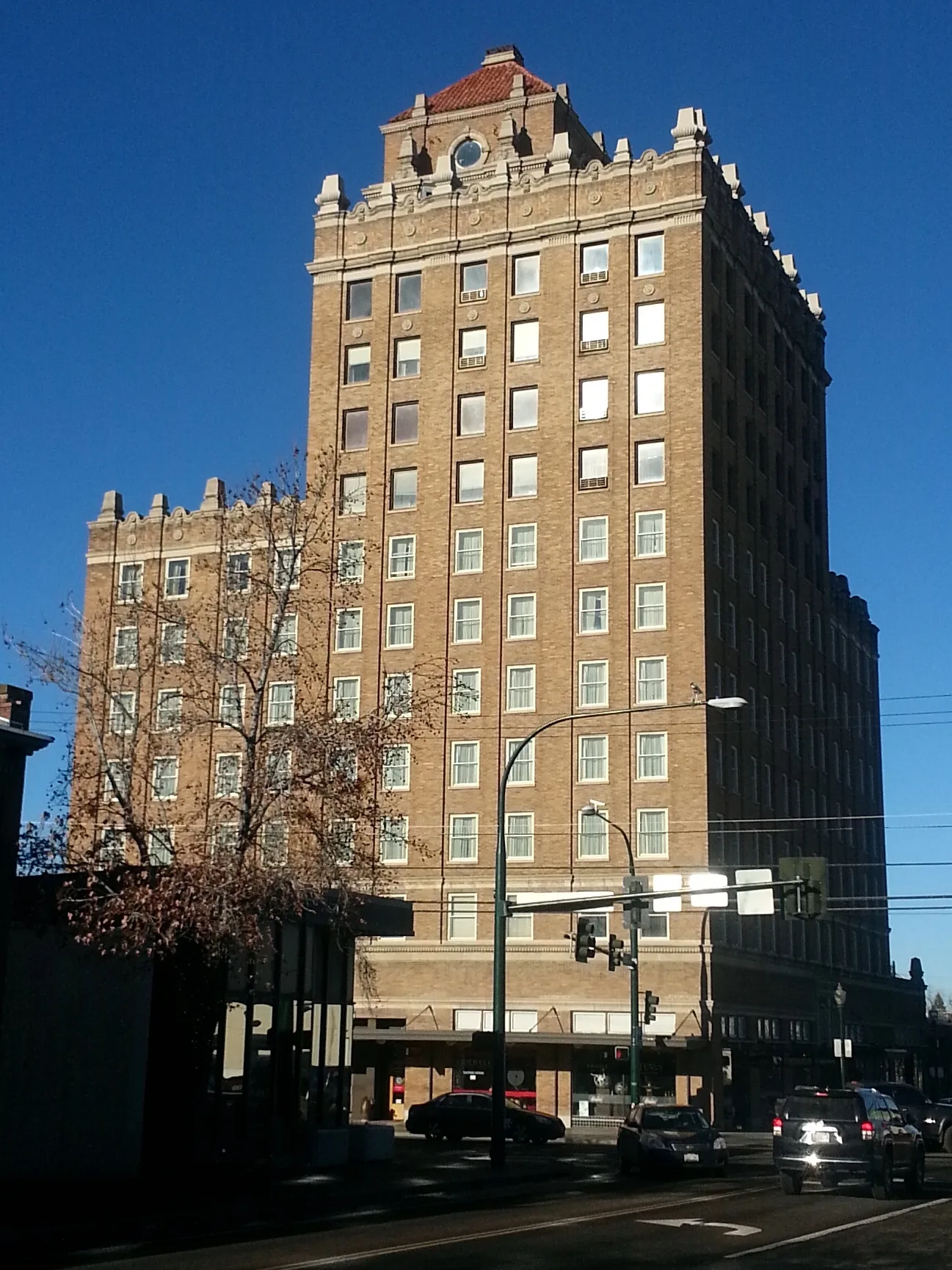
Main Street is genuinely handsome — a real walkable downtown with good restaurants, independent shops and Whitman College a few blocks away keeping a year-round intellectual life going in a farming town.
We also like that the valley is honest about its history. Whitman Mission National Historic Site tells a difficult story about a measles epidemic, the deaths that followed and the war that came after, and the Park Service has worked to present the Cayuse side of it rather than the nineteenth-century version.
And commercially, we like that there is no dead season. No snow to wait for, no water to warm up, a college calendar, a business base and a wine year that runs from spring release through harvest. It is the most forgiving calendar in this whole wave, and almost nobody here is marketing it properly.
A great property in Walla Walla doesn't just want a listing — it wants a point of view, an audience, and a brand the city itself would recognise.
Eight things worth telling a Walla Walla guest — the four wine districts, the hangars, the walk to Main Street and when harvest actually happens.
A cluster of tasting rooms in and around Main Street, walkable from one another and from dinner. Where to send guests on their first afternoon, and the reason to leave the car.
Dozens of tasting rooms in the buildings of a Second World War airbase, with production floors behind them. Unglamorous, genuine, and the most distinctive thing in the valley.
The Walla Walla Valley AVA crosses into Oregon south of town, and some of the best vineyard land is down there. Ten minutes and a different state — guests find that funny and worth doing.
The best time to be here: weather, atmosphere and a valley that is actually working. If your guests are flexible on dates, this is the answer.
Independent shops, good restaurants and Whitman College a few blocks away. Say how many minutes' walk you are and guests will plan around it.
West of town, telling a genuinely difficult story about the 1847 killings and the conflict that followed, with tribal perspective included. Worth a serious hour.
Behind the town to the east, with hiking in the Umatilla National Forest and a small ski area at Bluewood. It surprises guests that there is skiing here at all.
A genuine protected agricultural product with a federal marketing order defining where it can be grown. In season in summer, and worth buying at a roadside stand.
The following are composite, illustrative examples drawn from patterns common in wine-country markets. They are not descriptions of specific clients or properties.
A well-located property whose copy said 'wine country' and nothing else, leaving first-time visitors to work out for themselves that the wineries sit in four separate clusters across two states.
Wrote the geography properly with clusters, drive times and the walkable downtown ring, and added the airport hangar district as a specific recommendation.
Guests arrived with better plans and stayed longer, and the listing began converting the researching wine traveller rather than only the casual browser.
A property within walking distance of Whitman College that sold commencement and parents' weekends at ordinary rates because the calendar was priced before the dates were considered.
Built a process to publish and price the college calendar as soon as dates were released, and offered those weekends to returning families first.
The highest-demand non-wine dates of the year began earning at rates that reflected their demand, and booked earlier with less effort.
A non-owner-occupied rental whose only point of contact was a phone number several hundred miles away, failing both the twenty-five-mile local contact requirement and the practical needs of guests.
Established a genuine local response arrangement inside the required radius, and said so plainly in the listing as a service feature rather than a regulatory footnote.
The property came into line with the city's requirement and guests responded to the reassurance, with fewer issues escalating into reviews.
Demand in Walla Walla peaks around September through October and runs quietest around January, February and December. Here is how the year actually books — and what to do about each stretch of the calendar.
Harvest from late August into October is the strongest stretch of the year, with the best weather and a valley that is visibly working. Spring release weekends are the other genuine peak. Both are date-specific and worth pricing against rather than blending into a general season.
May carries Whitman College commencement, which is the easiest revenue in this market and the most commonly missed. Summer is warm and busy though genuinely hot in July and August, and some wine visitors prefer the shoulders. Weekends dominate year-round.
Winter is the quietest period, supported by Bluewood ski traffic in the Blue Mountains and a steady midweek business base. There is no dead season here, which makes this one of the more forgiving calendars anywhere and a good market for longer stays.
Moderate, with harvest and release weekends booking earlier and college dates booking as soon as they are announced. Because access is limited and most guests drive several hours, lead times run longer than the market's size would suggest.
Two to four nights predominantly, weekend-weighted, with longer stays over harvest. Because there is no dead season, longer remote-work and business stays genuinely work here rather than being a shoulder-season consolation.
Houses with a real kitchen, outdoor space for the evening and a short walk to Main Street. Walkability matters more than usual because guests are drinking wine and would rather leave the car parked.
Start with photography that shows what a guest actually gets here, then write the listing around a real itinerary rather than a feature list. Build a direct-booking site so returning guests can come back without going through a platform, and keep an email list segmented by season so you can reach last year's visitors before the calendar opens. Local search matters more than people expect in a market this size, because guests search the destination and the attraction rather than the word rental. A marketing agency layer handles the photography, the listing copy, the direct-booking site and the local SEO as one system instead of four disconnected jobs.
Harvest from late August into October is the strongest stretch, with spring release weekends the other real peak. May carries Whitman College commencement. Summer is hot and busy, and winter is quietest but never dead, supported by Bluewood skiing and midweek business travel. There is no dead season here at all.
Moderate, with harvest and release weekends booking earlier and college dates booking as soon as they are announced. Because most guests drive several hours, lead times run longer than a market this size would suggest.
A Pacific Northwest drive market led by Seattle, Portland and Spokane, plus air visitors through the Tri-Cities or the small local airport. Any change in air service moves demand here measurably, so it is worth watching.
Outdoor space for the evening and a kitchen worth cooking in matter most, because the guest here is two to four adults buying bottles. Wine storage converts. Walking distance to Main Street is a genuine premium when guests are drinking, and air conditioning is not optional in July.
Run your Airbnb, Vrbo, or website through Cavmir's free grader. It checks the things that decide whether guests book in Walla Walla — photos, listing copy, page speed, local search — and shows you where bookings leak. Takes about a minute, and there's no sales call attached.
If the report says your booking engine is the weak link, that's fixable: a direct-booking website of your own means repeat guests stop paying platform fees to come back to you. That's the work Cavmir does — see Airbnb website design in Walla Walla.
Send us the listing and we'll tell you what we'd change. Not a pitch deck — a straight read on your photos, your title, your rates against the Walla Walla comp set, and whether a direct-booking site would pay for itself.
You'll hear back from a person, usually inside one business day. If we don't think we can move your numbers, we'll say so. Cavmir is a short-term rental marketing agency — we position and market properties, we don't manage them.
Talk to Cavmir today. We'll show you exactly what your Walla Walla property is leaving on the table — and how fast we can change that.
Book a Free Strategy CallPhotography via Wikimedia Commons (images resized and cropped): Second and Main in Walla Walla by Squarestate7 (CC BY-SA 3.0) · Whitman college admin building by Squarestate7 (CC BY-SA 3.0) · Whitman hotel downtown ww by Squarestate7 (CC BY-SA 3.0).
