Start here Work with Cavmir in Hood River
Get a Proposal (786) 751-3426
$315
Avg. Nightly Rate
55%
Avg. Occupancy Rate
$5,000
Avg. Monthly Revenue
4-6%
Est. Cash-on-Cash ROI
MEDIUM
Seasonality
HEAVY
Regulatory Burden

* Market averages from AirDNA and STR market reports. A single home's numbers depend on its size, its location and how it is marketed.

The Market

Why Hood River is One of the World's Premier STR Markets

Cavmir is an Airbnb marketing agency. We build the brand, the direct-booking website and the marketing for short-term rentals in Hood River.

Hood River is the town where the Columbia River Gorge does its work — the only near-sea-level passage through the Cascades, a geographic accident that funnels wind, water, orchards and visitors through one compact riverfront town an hour east of Portland. The wind made it famous: every summer afternoon the pressure gradient pulls air up the Gorge in a reliable river of its own, and since the 1980s Hood River has been the windsurfing and kiteboarding capital of America, its sandbar and waterfront parks striped with sails while Mount Hood watches from twenty-five miles south. Around the wind sits a four-season valley economy that predates it: the Fruit Loop's orchards and fruit stands have run since pioneer days — pears above all, with cherry and apple harvests and an April blossom season the whole state drives for — and the town's 1900s downtown holds hotels that hosted Gorge tourists a century before anyone hung a sail. Timberline's year-round snowfields and Mount Hood Meadows put skiing forty-five minutes away; the brewery bench — pFriem, Full Sail, Double Mountain — gave the waterfront its après culture; and the WAAAM museum flies its antique aeroplanes on second Saturdays. The rental market lives inside one of Oregon's firmer rulebooks: the city permits short-term rentals with owner-occupancy rules shaping the residential zones, and Hood River County runs its own program in the orchard valley — bounded legal inventory in a town whose calendar rarely stops.

Hood River runs the steadiest calendar in the Gorge, with wind as its engine and fruit as its second season. June through August is the peak: the thermals blow, the sandbar fills, waterfront parks run all day and the town's restaurant and brewery benches turn over from lunch to dark — summer books early, prices highest, and skews toward week-long and long-weekend stays from Portland and Seattle. Spring opens with April's blossom weeks, when the orchards flower under Mount Hood and the valley photographs like a promise; fall answers with harvest — the Fruit Loop's busiest stretch, fresh-hop beer season and October color that fills weekends deep into the month. Winter is the shoulder, softened by ski traffic to Meadows and the passholder crowd that treats Hood River as base camp with better dinners. Blended numbers run around $315 a night with occupancy in the mid-50s — Gorge demand spread across a genuinely multi-season year. The premium levers: river view and walk-to-downtown first, garage and gear storage close behind — this guest travels with boards, bikes, skis and sails, sometimes all four — and hot tubs earn their keep in every season. The base is Portland overwhelmingly, then Seattle, with fly-in visitors through PDX adding a national windsports pilgrimage crowd. They're active, gear-laden, repeat-prone and loyal to the operators who understand what a quiver is.

Top Attractions & Landmarks

  • The Hood River waterfront and the summer sail scene
  • The Fruit Loop's orchards and fruit stands
  • Mount Hood and Timberline's year-round snowfields
  • pFriem and the waterfront brewery bench
  • The Historic Columbia River Highway and Mosier Twin Tunnels
  • WAAAM's flying antique aeroplane museum
  • Panorama Point's orchard-and-mountain view

Nearby Markets: Portland  |  Bend  |  Cannon Beach

Airbnb marketing services in Hood River, Oregon, USA
Postcards

Hood River through the lens

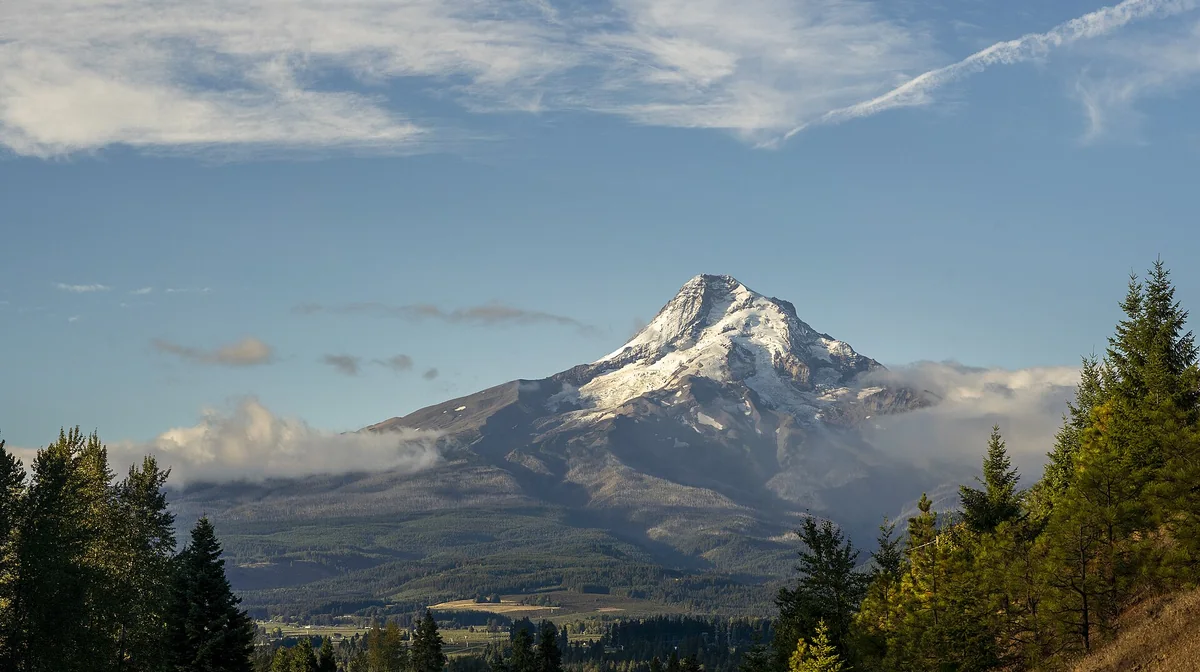
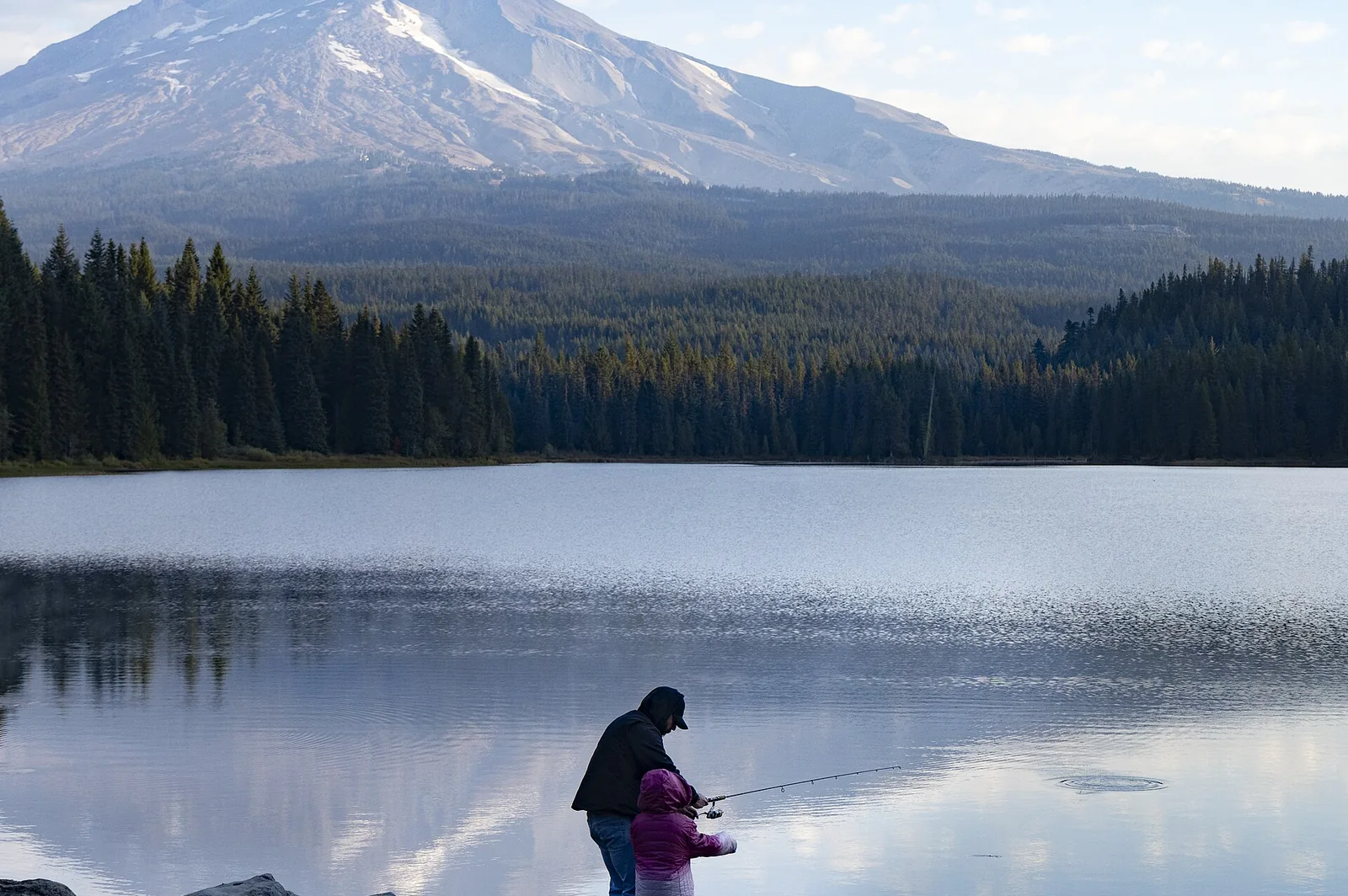
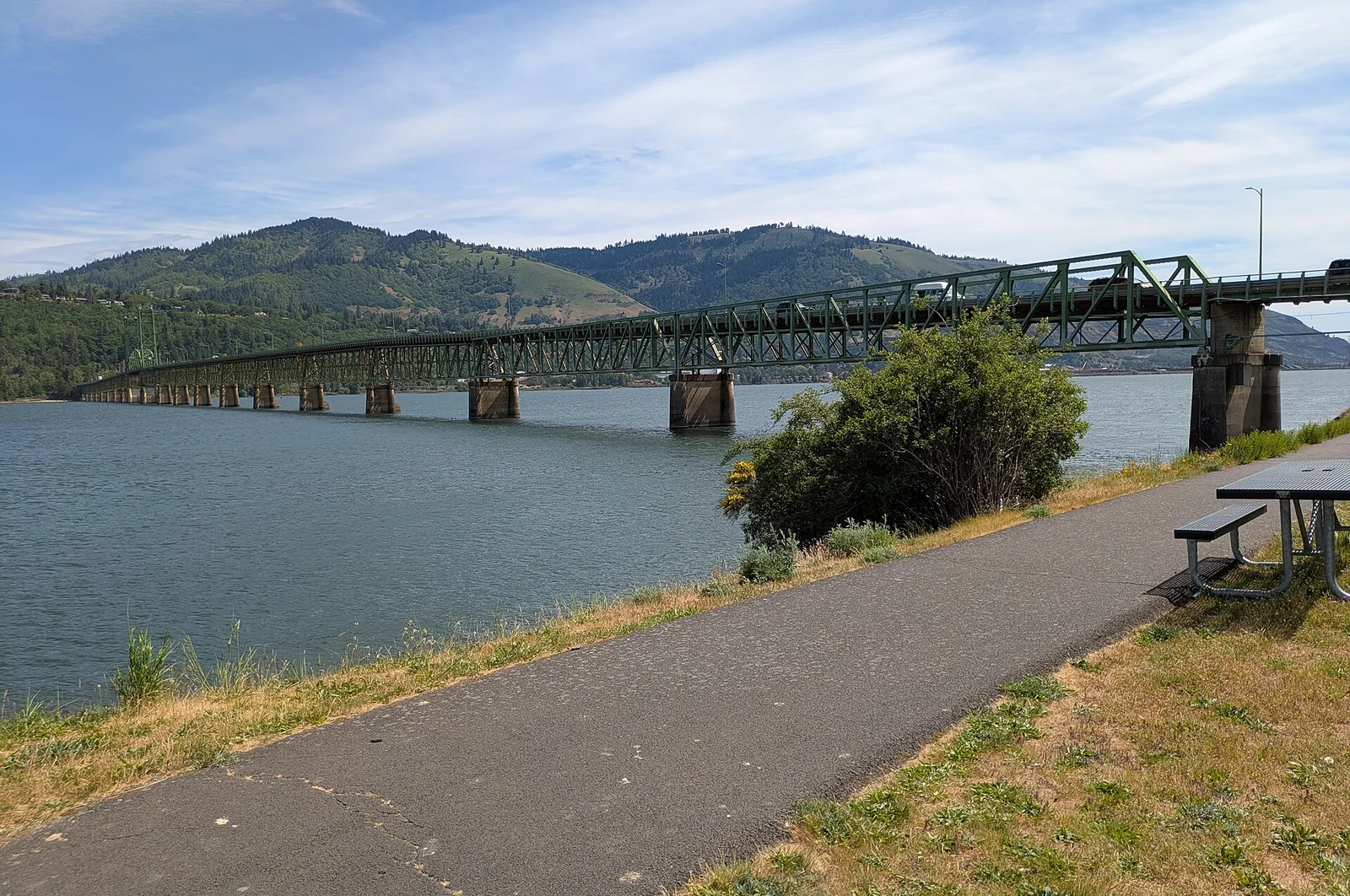
A few of the visual fingerprints we lean into when we shoot, brand and market a Hood River property — courtesy of the open Wikimedia Commons archive.

Oregon Mount Hood from Trillium Lake — Hood River airbnb marketing
Local Color
Oregon Mount Hood from Trillium
Columbia Gorge Hotel rear Hood River Oregon — Hood River airbnb marketing
Local Color
Columbia Gorge Hotel rear Hood
Hood River Bridge — Hood River airbnb marketing
Local Color
Hood River Bridge
ColumbiaRiverGorgePanorama — Hood River airbnb marketing
Local Color
Hood River Local Landmark
Why Cavmir

The Cavmir Advantage
in Hood River

Cavmir wins in Hood River because this market's guest is a specialist and most listings speak generic. We write gear-first: where the boards rinse and hang, whether the garage fits the trailer, how far to the Hook and the Event Site, what the wind does after two in the afternoon — copy that tells a kiter or a cyclist the owner understands the trip, which converts this audience faster than any interior shot. We price the real year: wind season held at its summer value, April blossom and October harvest sold as the named windows they are, ski-season midweeks pitched to the Meadows crowd, and the whole calendar tuned to a town that never fully sleeps. We shoot the Gorge's actual postcards — sails against the river from the deck, Mount Hood over the orchard rows, the downtown brick at dusk — and we make the permit status plain, because in a city that regulates firmly, legality is a conversion asset with the careful planners this market attracts. And we build the direct channel a repeat market this strong rewards: fast sites for the inns and view homes, a guest list split wind-summer from harvest-fall, and a February email that catches Portland planning its season. We help position and market your property. We never manage it or touch your keys.

State of the Industry · History

The Hood River STR Market — Past & Present

Hood River's fortunes have always ridden the Gorge's geography. The Columbia cut the only near-sea-level path through the Cascade Range, and everything since has followed the corridor: Native peoples fished and traded the river for millennia — Celilo Falls upstream was one of the continent's great salmon economies until the dams drowned it in 1957 — and the Oregon Trail's last miles ran the same water the barges use now. The town platted itself in the 1890s and planted fruit: the volcanic valley under Mount Hood proved perfect for pears above all, and by the early twentieth century Hood River fruit wore a national reputation, the orchards worked in large part by Japanese-American families whose wartime internment and postwar return is a permanent, honestly told chapter of the valley's story. The Columbia River Highway arrived in 1915 as America's first planned scenic road — its stone guardrails and waterfall pull-offs now a restored trail through the Mosier tunnels — and tourism ran on rails and roads long before wind. The wind era began in the early 1980s, when boardsailors discovered that the Gorge's summer thermals blow strong, warm and dead reliable against the river's current, and Hood River went from sleepy fruit town to the windsurfing capital of the world within a decade — sail lofts in old canneries, vans with quivers on every block, and eventually kites joining sails on the sandbar. The craft-beer bench grew up alongside, Full Sail brewing on the bluff from 1987 and pFriem anchoring the waterfront's modern era. When the platforms arrived, the compact town regulated early and firmly — owner-occupancy rules shaping the residential zones — and the valley's county drew its own lines. The result is today's balance: a working fruit valley, a world sports capital and a bounded rental market, all in a town you can walk end to end.

Pricing Strategy & Seasonality

Pricing, Seasonality & When to Capture ROI

Pricing Strategy

Price the wind like a season ticket and the fruit like a festival. Summer is the market's engine: June through August rates should hold firm at the year's top band with weekend minimums, because the thermals are as close to guaranteed demand as this industry offers — and week-long stays deserve structured pricing, since the serious windsports guest books seven days and brings the family. April blossom weeks and October's harvest-and-fresh-hop stretch are named windows that earn explicit premiums over their neighboring weeks; market them by name in the listing and the calendar. Winter pricing pitches to the mountain: Meadows-bound skiers book weekends solidly and midweeks thinly, so hold weekend rates, offer passholder-friendly midweek pricing, and remember chains-and-garage logistics in the copy. The premium levers are concrete — river view, walk-to-downtown, hot tub, and above all gear infrastructure: a garage that fits the trailer, racks, a rinse setup. The guest pays for logistics here. Shoulder honesty: November and March are the true quiet — price them gently, court the remote-work week, and use them for maintenance and the photo refresh.

Seasonality & ROI Windows

Summer is the engine — June through August thermals fill the town at peak rates. April's blossom weeks open the season with the valley in flower; October answers with harvest, fresh-hop beer and Gorge color. Winter runs a real ski shoulder on the Meadows and Timberline trade; November and March are the quiet. Almost nothing here is dead — the calendar just changes sports.

Regulation & Licensing · 2026

What the Law Requires in Hood River

Hood River regulates early, firmly and in two jurisdictions — and the map is the first fact of any acquisition. Inside city limits, short-term rentals require a city permit and operate under rules that tie most residential-zone rentals to owner occupancy — the city moved years ago to keep whole-home investor rentals from hollowing its neighborhoods, grandfathering some existing operations and pointing new whole-home activity toward the zones that allow it; the details of eligibility, caps and renewal are exactly what evolves, so verify current terms with city planning before you buy or list. Outside the city, Hood River County runs its own short-term-rental program for the orchard valley — Odell, Parkdale, the Upper Valley — with its own permitting and standards, and the same advice applies. Around both wraps Oregon's ordinary stack: the statewide transient lodging tax plus city or county lodging taxes registered and remitted from the first stay — platforms collect much of it on their bookings, but the direct bookings a good website earns file through your own registration — along with business licensing, occupancy and parking standards that a compact town enforces in practice, and the operational duties of a gear town: guests briefed on trailer parking, river-safety honesty in the listing, and neighborly conduct where sound carries uphill. The strategic read matches this wave's theme: firm rules bound the legal supply, and the permitted operator in a demand pool this deep holds scarcity the ordinance itself defends.

Market-Specific Tips & Challenges

Local Tips & Unique Market Challenges

Tips That Actually Move Revenue in Hood River

Write to the quiver. This guest chooses lodging on logistics — say where boards rinse and hang, whether the garage swallows a trailer, how many minutes to the Event Site and the Hook, what the afternoon wind means for a morning departure — and the listing that answers reads like it was written by someone who's carried a kite bag. Photograph the town's three postcards and rotate them: sails against the river in summer, blossom rows under Mount Hood in April, orchard gold in October — a January hero photo of July costs conversion every day it's up. Name the beer bench honestly; the brewery walk is half the evening economy and belongs in the guest book with your actual favorites. Sell winter to the mountain crowd with midweek passholder pricing and chains-and-garage practicality. Track the Gorge's event calendar every winter and lift the race and festival weekends before they book. Put the permit in the listing — a regulated town's careful guests notice. And build the direct rhythm this repeat market rewards: a February email when Portland starts planning wind season, a September note when the fresh-hop lists drop — two sends a year that fill the calendar's best weeks commission-free.

Unique Hood River Challenges

The rulebook is genuinely firm: owner-occupancy rules in city residential zones mean many properties simply aren't eligible for whole-home renting, so diligence decides everything and grandfathered permits carry real premiums. The wind guest is wonderful and hard on infrastructure — sand, sails and boards test floors and fixtures, and the house manual earns its keep. Winter midweeks run thin without a passholder strategy. And the town's compactness cuts both ways: walkability sells, but parking and noise standards are enforced because neighbors are close enough to care.

A Curious Hood River Fact
The wind that made Hood River famous is a geographic accident of exactly one gap. The Columbia Gorge is the only near-sea-level passage through the entire Cascade Range, so every summer afternoon the cool marine air of the Pacific Northwest pours east through the slot toward the hot interior — a pressure-driven wind machine that runs on a schedule, against the river's current, at exactly board-sailing strength. Sailors call it the only place on earth with a daily commute of world-class wind; the town below simply calls it summer. One notch in one mountain range, and a fruit town became the windsurfing capital of the world.
Finance Essentials — Hood River
🛡️

Insurance

Underwrite for water, gear and altitude. The base is a commercial short-term-rental policy at $1 million-plus liability, and the local file builds from the river: waterfront and bluff parcels confirm their flood and slide realities, any kayaks, SUPs or bikes that convey are either insured and briefed or excluded in writing, and the listing's river-safety honesty is itself a liability posture worth keeping. Gear infrastructure — racks, rinse stations, garages full of guests' equipment — wants theft and damage terms read closely. Hot tubs carry their standard riders; wood stoves want documentation; and the valley's orchard-country properties should quote wildfire-aware coverage early, because insurers price the county's east-side dryness even where the orchards run green. Winter adds mountain-road realities — guests in chains weather — that make clear guidance in the manual part of the risk file. Photograph systems, racks and shoreline access annually; the operator with a file wins every adjuster conversation.

🧾

Property & Income Tax

Oregon's stack is orderly and real: the statewide transient lodging tax plus city or county lodging taxes on short stays — register and remit from the first booking, with the combined load priced into the rate card rather than absorbed. Platforms collect and remit much of Oregon's lodging tax on their own bookings, but confirm the current arrangement per channel, and file the direct bookings — the commission-free ones your website earns — through your own registration. Oregon has no sales tax, which keeps the guest-facing math clean, but the state does tax income, so the revenue meets Oregon's ordinary income treatment and out-of-state owners should expect nonresident filing. Property taxes on view and waterfront valuations belong in the pro forma, and the fourteen-day federal rules and depreciation strategy reward a short-stay-literate accountant at this rate tier.

🏦

Mortgages & Financing

Financing in Hood River is permit-first arithmetic. The underwriting question that precedes underwriting: what may this parcel legally do — an owner-occupancy-zone house inside the city cannot be financed on whole-home STR income it will never legally earn, while a grandfathered permit or an eligible county-valley property leads its file with the paperwork. With the lane confirmed, the market lends normally: Portland-priced values put view and waterfront product into jumbo territory, conventional second-home and investment paper both operate, and DSCR lenders read a documented wind-season-plus-harvest year fluently — this is one of the Northwest's more persuasive twelve-month stories. Regional Oregon banks handle Gorge files with a fluency worth seeking out. Insurance quotes and any flood-zone realities belong in the debt-service math early, and the small-inn layer downtown routes commercial or SBA with its license history attached. Finance the March floor; let the thermals be the upside they reliably are.

Compliance · 2026

The Gorge permit rules, city and county apart

In Hood River, the first question isn't what your rental will earn — it's which government you're even talking to. The City of Hood River and Hood River County run separate short-term-rental programs with different rules, and a parcel a mile outside the city limits plays by a completely different book. Both have tightened over the past few years, both have survived legal challenges, and both now hold supply down on purpose. If you're buying here to rent, the jurisdiction and the zone of the specific address decide what's legal before any other number matters — so start there, in writing, with the right planning office, not with a pro forma.

Inside the city: you have to live there

The City of Hood River restricts residential-neighborhood rentals to people who actually live in them. In practice that means one of two arrangements: a hosted homeshare, where you rent a room or an ADU while you're on-site, or renting your own primary home while you're away, capped at roughly 90 nights a year. A whole-house, nobody-lives-here vacation rental simply isn't allowed in the residential zones — that use is pushed into the tourist-commercial areas downtown, where it competes for a limited pool of licenses the city holds to a fixed cap, with a waiting list when it's full and a rule against two rentals sitting side by side. The city's primary-residence approach was challenged and upheld in court in 2025, so this isn't a rule anyone expects to loosen. Confirm the current cap, the night limit and any waitlist with city planning before you count on whole-home income.

Outside the city: the county's orchard-country rules

Cross into unincorporated Hood River County — Odell, Parkdale, the Upper Valley — and you're under the county's program instead. The headline limit is time: a short-term rental there generally can't operate more than about 180 days a year, except in a commercial zone. On the farm and forest land that defines the valley, the rules are tighter still — renting is only contemplated on parcels not taking a farm or forest tax deferral, only within the primary dwelling rather than a barn conversion or ADU, and only with a conditional use permit, after a challenge from 1000 Friends of Oregon put the state's land-use law squarely in the picture. You also register for the county's transient room tax before you host. Treat the day count and the tax-deferral question as threshold issues and confirm both with county planning.

The taxes and the house rules everyone shares

Whichever side of the line you're on, the lodging tax stacks the same way: a local transient room tax — about 8% within the city — plus Oregon's 1.5% state lodging tax (2.75% for stays ending on or after January 1, 2027), registered and remitted from your first booking. The platforms collect much of it on the reservations they process, but your own direct bookings file through your registration, so confirm the split per channel and keep an accountant who knows Gorge returns. Both jurisdictions also cap overnight occupancy — the city's formula runs to roughly two guests per bedroom plus a couple more — and both enforce parking and quiet-hours standards a town this compact takes seriously. Put the exact numbers in your house manual once you've confirmed them, because in a place where neighbors are close and the rules were fought over, quiet compliance is part of keeping the permit.

Submarkets · Where to Buy

Where in the Gorge to buy, town or valley

Because the city and county rules are so different, in Hood River the “where” question is really a “what can this property legally be” question — and the answer changes block by block and mile by mile. A waterfront condo, a house up on the Heights and an orchard place in the Upper Valley are three different businesses with three different guests. Overlay the rulebook on the map and the market sorts itself into three clear lanes. It's the read Cavmir works from when we market a Gorge property, because the pitches for a downtown unit and an Upper Valley farmhouse have almost nothing in common.

Downtown and the waterfront

This is the compact heart of town — the Event Site, the Hook and the boat basin on one side, the brewery-and-restaurant grid on the other, all walkable. It's also where the city's tourist-commercial zoning lives, which makes it about the only place inside city limits a whole-home vacation rental can legally operate, if you can land one of the capped licenses. That scarcity is the whole story: a permitted waterfront or downtown place sells the wind by day and the walkable brewery evening by night, needs no car for the guest, and commands the top of the market precisely because the ordinance won't let many exist. If you're buying for whole-home renting in the city, this is the search, and the permit's status is the first line of due diligence, not the last.

The Heights and the residential benches

Climb the hill to the Heights and the surrounding residential streets and the rules flip: these are the primary-residence neighborhoods, so the legal path is a hosted homeshare — a room or an ADU rented while you live there — rather than a whole-house rental. That's not a dead end, it's a different product. A well-run garden studio or basement suite for a couple chasing wind and orchards, hosted by someone who knows the launches and the fruit stands, is exactly what a chunk of this market wants, and it books on the host's local knowledge as much as the room. Just go in clear-eyed that a house up here isn't a whole-home rental waiting to happen, and confirm what's allowed at the exact address before you buy rather than after.

Odell, Parkdale, and the Upper Valley

Out in the orchard country — Odell in the middle valley, Parkdale at the foot of Mount Hood, the Cooper Spur road climbing toward the ski area — you're under county rules, which means the roughly 180-day ceiling and the tighter farm-and-forest-land restrictions apply. The trade is space, quiet and the mountain: these are the Fruit Loop stays, the pear-and-cherry-harvest weekends, the Mount Hood basecamps with a view no in-town lot can match. The guest here wants stars, orchards and a soak after a day on Meadows, not a walk to the taproom. Watch the tax-deferral question closely on farm-zoned parcels, keep the day count legal, and sell the valley for exactly what it is — the slower, wider, more scenic half of the Gorge.

Future Outlook · 2027 & Beyond

Where Hood River is Headed Next

Hood River's future is a bounded town in a demand corridor that keeps deepening. The rulebook fixes residential supply while Portland grows an hour west, the windsports pilgrimage renews itself with every kite generation, and the valley keeps adding seasons to sell — blossom tourism bigger every April, fresh-hop October now a named event, the Gorge's trail and race calendar thickening annually. Expect the city and county programs to keep tuning — eligibility, caps, enforcement — without changing direction: this town decided early that neighborhoods come first, and the permitted operator benefits from exactly that discipline. Watch the waterfront's continued build-out, which keeps raising the town's baseline polish; watch ski-season volatility argue for the four-season positioning this market already rewards; and watch gear-town infrastructure — storage, rinse, trailer logistics — become the amenity war the next five years are fought over. The durable play through 2027: a legally squared property with real gear infrastructure, photographed to the Gorge's rotating postcards, priced to wind, blossom and harvest by name, with a direct list that hears from you in February and September.

From the Desk of Sofie Sinag

Why We Love Marketing in Hood River

Hood River is the market where the guest is a specialist and the town is a system — wind on a schedule, orchards on a calendar, breweries on a bench, everything runnable from a walkable grid with a volcano watching. We love writing for this audience because fluency converts instantly: say where the boards rinse, what the afternoon thermal means for a morning departure, which week the Anjous come off the trees, and the kiter or the harvest couple books on the spot — this is a town where competence is charisma. The visual brief never stops giving: sails against the river, blossom rows under Mount Hood, orchard gold in October — three rotating postcards that do more for conversion than any amenity list we've ever written.

We love the market's bones even more. The city drew firm lines early — owner-occupancy rules, real permits — and the county bounded the valley, so legal inventory is scarce in a corridor where Portland's demand only deepens; the permitted operator holds exactly the moat this wave keeps finding, and marketing legitimacy is part of the pitch. The calendar is a strategist's toy box: an engine season you can set a watch by, two named windows in April and October that most listings never price, and a ski shoulder waiting for anyone who'll write a passholder midweek offer. And the repeat rhythm is the Northwest's best — the same wind families every July, the same harvest couples every October — which makes two emails a year worth more than any ad budget. A specialist guest, a bounded supply, a town with this much to photograph: that's the brief we'd draw for ourselves.

Why It Matters

A great property in Hood River doesn't just want a listing — it wants a point of view, an audience, and a brand the city itself would recognise.

Cavmir's Hood River Cheat Sheet

The Picks We Recommend for Your Welcome Book

A few insider picks for Hood River — the specifics that make a listing read like a local wrote it. Real places, no filler.

Coffee & First Light

Oak Street coffee, then the waterfront empty

Coffee on Oak Street, then down to the Event Site before the wind wakes — river glass-calm, Mount Adams pink across the water. By eleven it's a carnival; at seven it's a secret.

The Table Worth Booking

pFriem at the golden hour

The waterfront's anchor taproom earns its reputation — book or arrive early on summer evenings when the sails come down and every table fills. The brewery bench behind it makes the walk home a tour.

Local Obsession

Reading the wind

The town checks the Gorge forecast the way farmers check rain — gradient, gusts, which launch works today. A listing that mentions what the afternoon thermal means for planning reads instantly native to the guest who matters.

Rainy Day

WAAAM's hangars

The antique aeroplane and automobile museum keeps a hundred years of machines in flying condition — and flies them on Second Saturdays. Rain on the hangar roof, propellers gleaming: the valley's best bad-weather hour.

Shoulder Season Secret

Blossom April

For two or three weeks the whole valley flowers under the mountain — pear whites, cherry pinks, farm stands opening — while summer rates are still asleep. Photographers know; so should your calendar.

Weekend Escape

The Fruit Loop, unhurried

Thirty-five miles of orchards, stands, cideries and lavender between town and Parkdale, with Mount Hood filling the windshield the whole way. Send guests with a cooler and no schedule — it's the valley's argument in one afternoon.

The View

Panorama Point at evening

Five minutes from downtown, the county's little overlook stacks the whole postcard — orchards, valley, volcano — in one frame. Blossom season and October color turn it into the photograph guests came for.

What Guests Ask For

Gear storage, river access, and the mountain report

The questions run to form: does the garage fit the trailer, where do boards rinse and hang, how far to the launch, what's the snow like at Meadows. Answer all four with specifics and the specialist books without a call.

Website Design · Hood River

A Website for a Hood River Vacation Rental

Guests who find a Hood River rental on Airbnb search its name afterwards, and the page they should land on is the owner’s own site. Cavmir builds vacation rental websites of 40 to 125 pages in the owner’s brand. For a home that only lists on Airbnb, that is a website for your Airbnb: your name and domain, your photos, your area guides and your reviews, with a button that sends guests to the listing. For homes on Hostaway, Guesty or Hospitable it is a direct booking website: live availability and prices from the PMS, the whole stay priced before checkout, and the booking completed in the PMS. Both start from the same vacation rental website design, run the TrollBuster™ compliance scan before launch, and are yours at launch: domain, code, content and photos.

The guide pages of a Hood River site can start with the picks on this page: Oak Street coffee, then the waterfront empty, pFriem at the golden hour and Reading the wind. Each one is a search a guest makes before choosing a home, and each becomes a page that leads to the booking button.

Packages start at $1,475 for the Starter Website (40 pages, two to three weeks) and run to $3,732 for Full with Direct Booking (125 pages, booking synced with your PMS); the current prices are on the pricing page.

Local Work · Composite Case Vignettes

What Cavmir Has Done for Hood River Properties

A few composite engagements drawn from how Cavmir typically works in this market. The details are illustrative and consistent with Hood River, not pulled from a single named client.

View home · Heights above downtown
The Brief

A permitted view home with a river panorama ran generic Gorge-getaway copy, one rate for all seasons and no gear story — losing wind-season weeks to listings that spoke kiter and harvest weekends to listings that spoke orchard.

What We Did

Cavmir rebuilt the listing bilingual: gear-first logistics for summer — garage, racks, rinse, minutes to the Hook — and blossom-and-harvest framing for spring and fall, with the three postcards rotating as the seasonal hero and rates named to wind, blossom and October by name.

The Result

Wind season booked out in week-long stays at the year's proper rates, April and October filled on their named windows for the first time, and the home stopped being a generalist losing to specialists — it became both specialists at once.

Downtown cottage · grandfathered permit
The Brief

A walk-everywhere cottage with a rare whole-home permit never mentioned the permit, priced like its unpermitted-lookalike competition and left the brewery bench, the ski shoulder and the event calendar entirely unworked.

What We Did

Cavmir put the permit in the first lines and priced the legality, built the walkability story around Oak Street and the waterfront path, added passholder midweek pricing for the Meadows winter, and lifted race and festival weekends off the Gorge calendar every season.

The Result

The cottage moved a full tier on the strength of paperwork it had always held, winter midweeks stopped flatlining on the passholder offer, and the event weekends — finally priced to their demand — carried shoulder months the old calendar wrote off.

Orchard guesthouse · Odell
The Brief

A county-permitted guesthouse among the pear rows marketed itself as a budget alternative to town — apologetic about distance, silent about the orchard, priced against downtown instead of positioned against it.

What We Did

Cavmir made the orchard the product: blossom and harvest hero photography, copy built on the Fruit Loop at the doorstep and the mountain over the rows, named premiums for April and October, and a quiet-week remote-work offer for the valley's gentle months.

The Result

The guesthouse stopped losing a contest it didn't need to enter: blossom and harvest booked premium on guests who wanted exactly the rows, the quiet months found their remote workers, and distance from town became what it always was — the point.

Market Intelligence · Seasonality

Airbnb seasonality in Hood River, month by month

Demand in Hood River peaks around June through August and runs quietest around January, February and November. Here is how the year actually books — and what to do about each stretch of the calendar.

Peak demandSteadyQuiet

Peak season

June through August is the engine — the Gorge's thermals blow on schedule, the sandbar fills with sails, and summer books early in week-long and long-weekend stays at the year's top rates. Hold firm weekend minimums, structure weekly pricing for the gear crowd, and have the calendar live by late winter when Portland starts planning.

The shoulders

April's blossom weeks open the season with the orchards flowering under Mount Hood, and fall answers with the Fruit Loop's harvest, fresh-hop beer season and Gorge color running deep into October — both are named windows that earn explicit premiums. Winter runs a real ski shoulder on Meadows and Timberline traffic, strongest on weekends.

The quiet stretch

November and March are the honest gaps — between color and snow, between snow and blossom. Price them gently, court the remote-work weeks, and use the lull for the gear-room maintenance and the seasonal photo swap this market's rotating postcards demand.

Dates that fill first

Hood River Valley Blossom TimeApril
The orchards flower under the mountain and the valley fills with photographers — spring's named premium window.
Hood River Valley Harvest FestOctober
The Fruit Loop's biggest weeks culminate in the waterfront festival — fall's family anchor.
Hood River Hops FestOctober
The fresh-hop celebration stacks the beer bench's biggest crowd onto harvest season.
Market Intelligence · Guests

Who books Hood River Airbnbs — and how far ahead

Windsports crews
The summer core — kiters and windsurfers booking weeks, choosing lodging on gear logistics and launch minutes.
Portland weekend couples
The year-round base — breweries, orchards and river walks; they book two to three nights on rhythm.
Blossom-and-harvest families
April and October Fruit Loop travelers; orchard photography and stand-by-stand tips convert them.
Ski-season basecampers
Meadows and Timberline visitors who prefer town dinners to mountain lodging; passholder midweek pricing wins them.

The booking window

Wind-season weeks book when Portland plans in late winter, the named windows fill weeks ahead, and ski weekends decide on the snow report. The event calendar drops bookable spikes worth lifting each season.

Typical stays

Summer runs week-long among the gear crowd and long weekends otherwise; the named spring and fall windows book two to three nights; winter is a weekend market with midweek passholder potential.

Where guests drive from

PortlandSalemSeattleTacomaBend

Where guests fly from

San FranciscoLos AngelesDenver
Portland owns the market an hour west, Seattle follows, and the national windsports pilgrimage flies into Portland with board bags — gear-literate copy is the conversion layer for all three.
Market Intelligence · What Wins

The Airbnb that wins in Hood River

The winner is gear infrastructure with a view: garage that swallows a trailer, racks and rinse station, river-view deck, walkable downtown. The specialist guest pays for logistics; the couple pays for the deck at golden hour — the winning listing sells both.

Amenities that move bookings here

garage gear storageboard racks and rinse stationhot tubriver-view deckbike storagefast wifi
The highest-leverage move is rotating the hero photo with the season — sails in summer, blossoms in April, orchard gold in October — because a stale postcard quietly costs conversion every day it's up.
FAQ

Hood River Airbnb marketing questions, answered

How do I market my Airbnb in Hood River?

Write to the quiver: where boards rinse and hang, whether the garage fits the trailer, minutes to the launches — then sell the valley's named windows, blossom April and harvest October, to the couples and families. Rotate the hero photo with the season, price wind season firmly, and pitch passholder midweeks in winter. A direct-booking site with two well-timed emails a year fills the best weeks commission-free. That whole layer — photography, copy, direct booking and local search — is what Cavmir builds for hosts here.

When is peak season for Hood River Airbnbs?

June through August, when the Gorge's daily thermals run and the sandbar fills — booked early in weeks and long weekends. April's blossom and October's harvest are named second windows, and winter rides the Meadows ski trade on weekends.

How far in advance do guests book Hood River Airbnbs?

Wind-season weeks book in late winter when Portland plans its summer. The blossom and harvest windows fill weeks ahead, ski weekends follow the snow report, and the Gorge's event calendar drops spikes worth pricing early.

Where do most Hood River Airbnb guests come from?

Portland overwhelmingly — the Gorge is its backyard — with Seattle behind it and a national windsports crowd flying into Portland with board bags. The audience is active, loyal and returns on seasonal rhythms.

What amenities matter most for a Hood River Airbnb?

Gear logistics win the specialist: garage storage, board racks and a rinse station convert kiters before interiors are even scrolled. A river-view deck and hot tub close the couples, bike storage serves everyone, and fast wifi keeps the shoulder-season remote trade.

Free Tools · Websites That Book

See what your listing in Hood River is leaving on the table

Run your Airbnb, Vrbo, or website through Cavmir's free grader. It checks the things that decide whether guests book in Hood River — photos, listing copy, page speed, local search — and shows you where bookings leak. Takes about a minute, and there's no sales call attached.

If the report says your booking engine is the weak link, that's fixable: a direct-booking website of your own means repeat guests stop paying platform fees to come back to you. That's the work Cavmir does — see Airbnb website design in Hood River.

What the grader measures

  • ✓Photos and the first-impression frame
  • ✓Listing title and copy
  • ✓Your direct-booking website (or the lack of one)
  • ✓Page speed and mobile experience
  • ✓Local search and Google visibility
Grade My Listing — Free
Free Property Review

What is your Hood River property actually worth per night?

Send us the listing and we'll tell you what we'd change. Not a pitch deck — a straight read on your photos, your title, your rates against the Hood River comp set, and whether a direct-booking site would pay for itself.

You'll hear back from a person, usually inside one business day. If we don't think we can move your numbers, we'll say so. Cavmir is a short-term rental marketing agency — we position and market properties, we don't manage them.

  • No obligation, and no automated call sequence
  • We market and position — we never manage your property or hold keys
  • Works whether you're on Airbnb, Vrbo, or direct

Ready to Grow in Hood River?

Let's Put Your Hood River
Property on the Map

Talk to Cavmir today. We'll show you exactly what your Hood River property is leaving on the table — and how fast we can change that.

Book a Free Strategy Call

Photography via Wikimedia Commons (images resized and cropped): Columbia Gorge Hotel rear - Hood River Oregon by Ian Poellet (CC BY-SA 3.0) · Waterfront walk in Hood River (7 May 2025) (75652) by Buidhe (CC BY-SA 4.0) · ColumbiaRiverGorgePanorama by Snottywong (CC BY-SA 3.0).