$265
Avg. Nightly Rate
35%
Avg. Occupancy Rate
$2,600
Avg. Monthly Revenue
6-8%
Est. Cash-on-Cash ROI
HIGH
Seasonality
LIGHT
Regulatory Burden

* Market averages. Properties marketed by Cavmir typically exceed these figures by 25–45%. Data sourced from AirDNA, STR market reports, and Cavmir internal analytics.

The Market

Why Pinetop-Lakeside is One of the World's Premier STR Markets

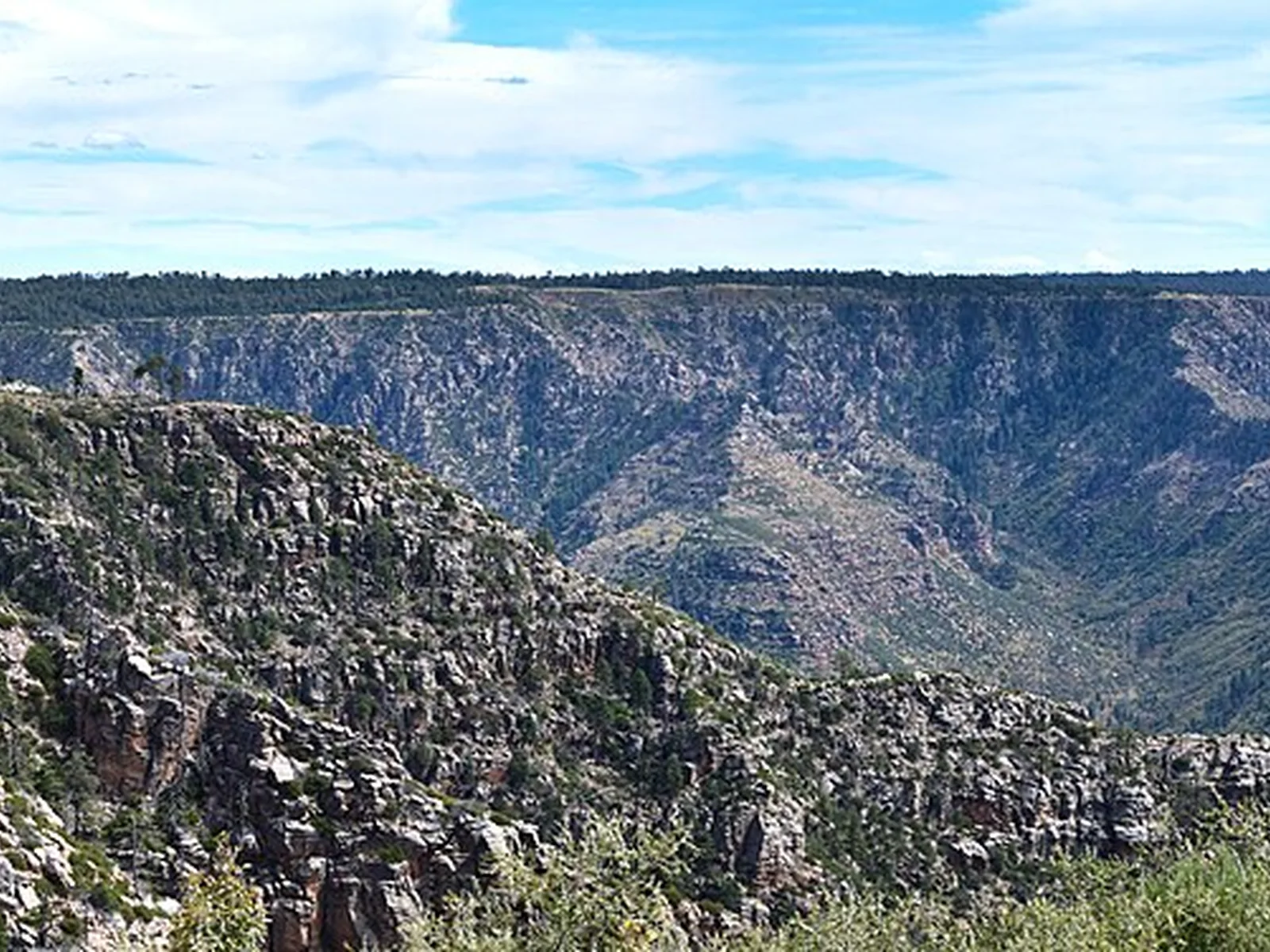
Pinetop-Lakeside is where Phoenix goes to cool off — two old settlements merged into one town in 1984, strung along Highway 260 at about 7,000 feet in Arizona's White Mountains, in the middle of one of the largest ponderosa pine forests on the continent. The name is a bartender's: Walt Rigney, the saloonkeeper who served Fort Apache's cavalry troopers in the 1880s, was nicknamed Pinetop, and the post office made it official in 1895. The physics is the business model: on a June afternoon the town runs twenty to thirty degrees cooler than the Valley, three and a half hours down the hill, and generations of Phoenix families have kept the same cabin week to prove it. Next door, the White Mountain Apache Tribe operates Sunrise Park Resort and the Hon-Dah casino, giving the town a winter season it would not otherwise have. The regulatory file is the Arizona standard: the state broadly preempted local STR restrictions in 2016 with SB 1350, returned limited tools to towns in 2022 with SB 1168, and Pinetop-Lakeside now runs a simple annual vacation-rental license — $250 per property, proof of insurance and a state TPT number required — with combined lodging taxes of about 12.4%. It is a light rulebook over a deep, loyal, under-marketed cabin market where nightly rates around $265 leave real room for the owners who present properly.

Pinetop-Lakeside is a heat calendar. The season opens at Memorial Day, peaks June through August when the Valley hits triple digits and the White Mountains hold in the 70s and 80s, and every listing's true competitor is the thermometer in Phoenix. July's monsoon afternoons — a thunderstorm at four, a porch to watch it from — are part of the product, not a bug. September has quietly become the second season: the Run to the Pines car show and the town's Fall Festival land on the same late-September weekend, aspen gold arrives on the high ridges toward Sunrise and Greer, and the weather is the year's best. Winter is modest but real — holiday weeks book the fireplace cabins, Sunrise Park Resort powder weekends pull Phoenix skiers up for two nights — and the deep trough runs January into April, with April the honest bottom. Blended figures run about $265 a night with occupancy in the mid-30s across a listing pool of several hundred, numbers that reflect a market full of part-time, under-photographed listings — which is precisely the opportunity. Rates peak around the December holidays and summer weekends carry the volume; midweek outside summer is soft and should be priced like it. The guest is a Phoenix, Mesa, Scottsdale, Chandler or Tucson driver, often booking the same weeks annually, choosing between cabins on shade, deck, fire pit, pet policy and drive time.

Top Attractions & Landmarks

  • Woodland Lake Park
  • White Mountain Trail System
  • Sunrise Park Resort
  • Rainbow Lake
  • Big Springs Environmental Study Area
  • Hon-Dah Resort Casino
  • Fool Hollow Lake Recreation Area

Nearby Markets: Flagstaff  |  Sedona  |  Scottsdale

Airbnb marketing services in Pinetop-Lakeside, Arizona, USA
Postcards

Pinetop-Lakeside through the lens

A few of the visual fingerprints we lean into when we shoot, brand and market a Pinetop-Lakeside property — courtesy of the open Wikimedia Commons archive.

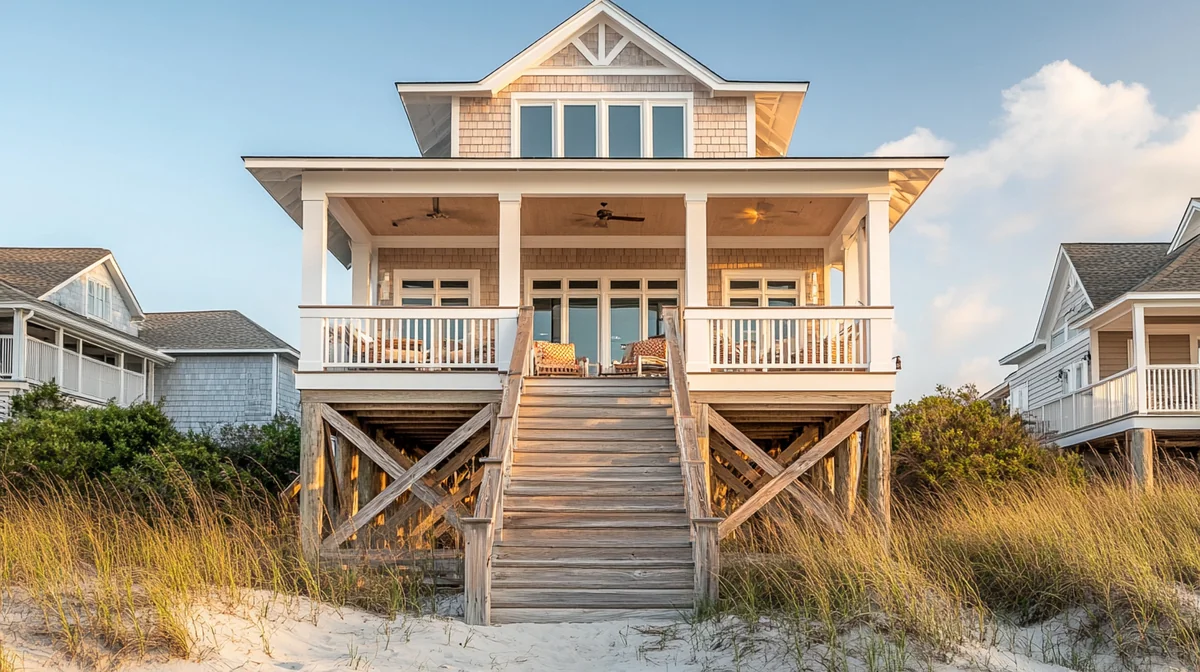
Lakeside, AZ — Pinetop-Lakeside airbnb marketing
Local Color
Lakeside, AZ
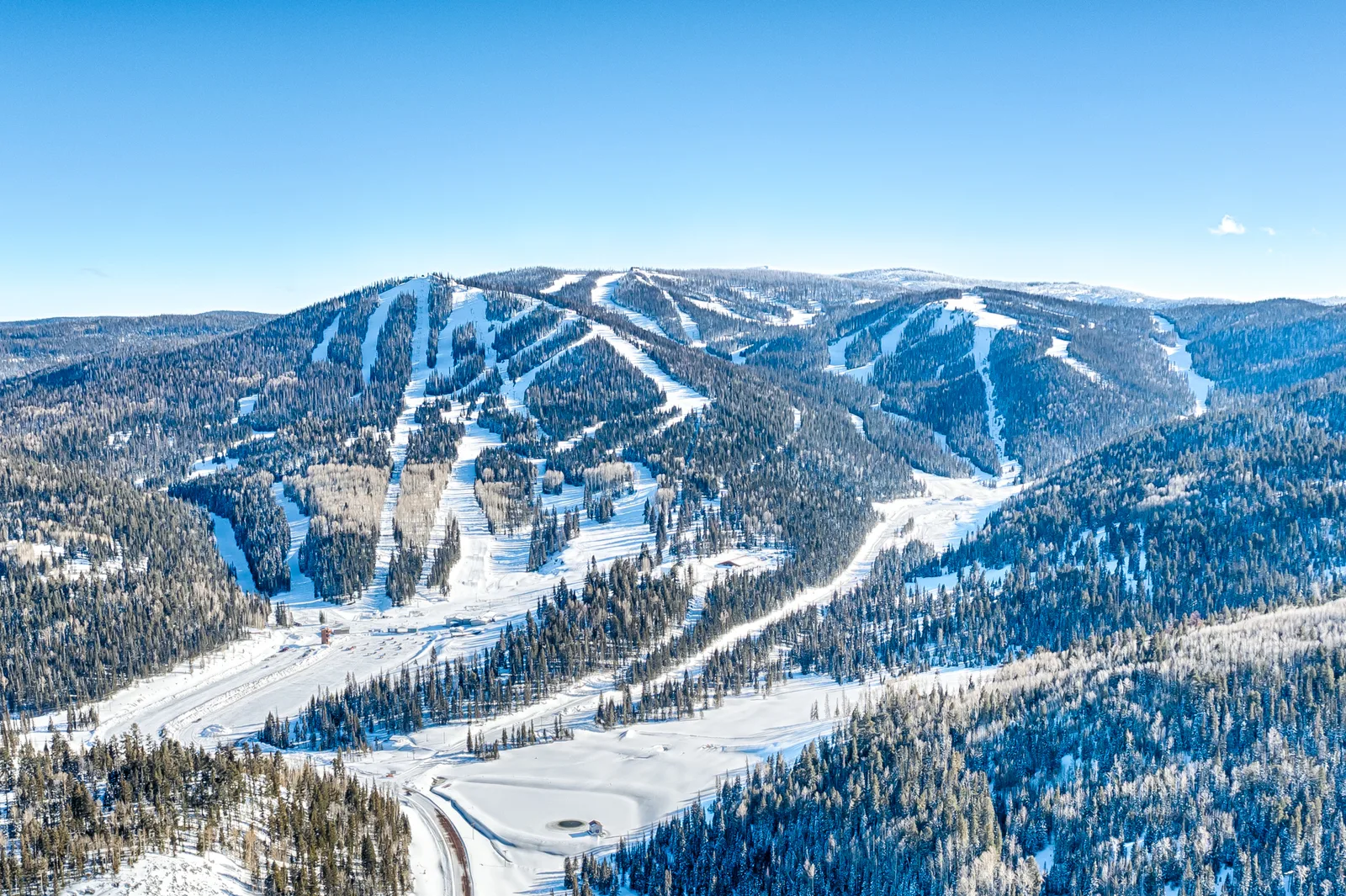
Sunrise Park Resort Aerial SWG Media 3 — Pinetop-Lakeside airbnb marketing
Local Color
Sunrise Park Resort Aerial SWG
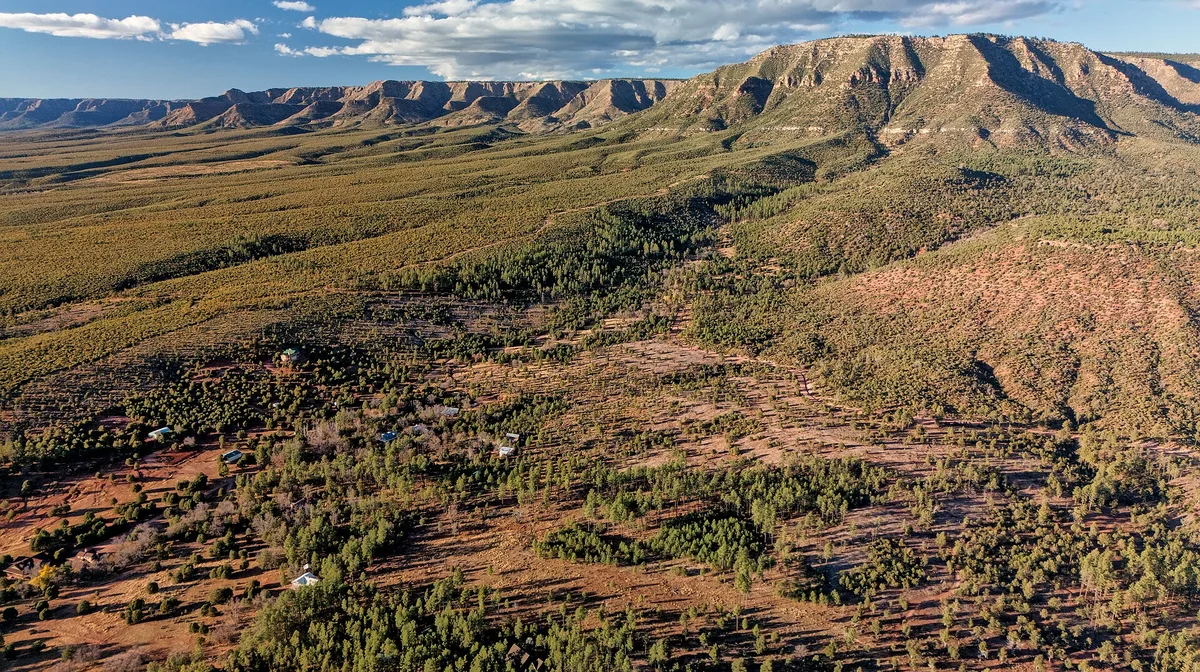
Apache Sitgreaves Nima2 — Pinetop-Lakeside airbnb marketing
Local Color
Apache Sitgreaves
Red Barn — Pinetop-Lakeside airbnb marketing
Local Color
Red Barn
Why Cavmir

The Cavmir Advantage
in Pinetop-Lakeside

Cavmir wins in Pinetop-Lakeside because this market sells relief and most listings sell square footage. The guest is hot; the cabin is cool; almost nobody's marketing says so. We build listings around the delta — evening-air photography on the deck, the fire pit under ponderosas, copy that names the drive time from the East Valley and what the porch feels like at seven on a July evening — because the Phoenix family scrolling through a 115-degree June makes this decision with their skin. We shoot the seasons the market forgets it has: September gold, first snow on the pines, the holiday fireplace. We price the published calendar — summer weeks at their real value, the stacked late-September festival weekend as the sellout it is, Sunrise powder weekends and holiday weeks instead of a flat winter rate. We put the town license and TPT number where they belong, cleanly in the listing, so compliance reads as professionalism. And we build the direct channel for a market with generational loyalty: the same families, the same weeks, every year — each one rebooked on your own site is a commission kept, and a January email to last summer's guests fills July before the platforms wake up. The town is under-marketed, the demand is structural, and the heat is not going anywhere. We help position and market your property. We never manage it or touch your keys.

State of the Industry · History

The Pinetop-Lakeside STR Market — Past & Present

The White Mountains were Apache country long before they were anyone's summer plan, and the modern towns grew up in the fort's orbit: Fort Apache was established in 1870, and the settlements that became Pinetop and Lakeside took shape in the 1880s along the military road north. Lakeside was a Mormon farming settlement, its founders digging the ditches and impounding the waters that became Rainbow Lake; Pinetop was the saloon stop, and its name is a barkeep's monument — Walt Rigney, who poured for the Black cavalry troopers riding up from Fort Apache, was called Pinetop, by most accounts for the pine-shock of hair on a tall frame, and when a post office opened in 1895 the nickname became the address. The twentieth century ran on timber: the great mill at McNary, a few miles east, was built in the 1920s when a Louisiana lumber company moved its operations — and hundreds of its workers and their families — west to the pines, creating one of Arizona's most distinctive company towns and cutting the forest that fed a state's growth. Highway 260 stitched the settlements together, and Phoenix, baking below, discovered what the elevation was worth.

The second half of the century turned cool air into an economy. Cabin tracts and country-club subdivisions filled the woods through the postwar decades; the White Mountain Apache Tribe opened Sunrise Park Resort around 1970, giving the region a genuine ski season, and later the Hon-Dah casino at the highway junction — the name is an Apache welcome. In 1984 the two towns incorporated as one, hyphen and all. The 2000s brought the fires that reset the region's sense of risk — Rodeo-Chediski in 2002 and the Wallow Fire in 2011, each the largest in Arizona history at the time, burning to the region's west and east while the towns themselves held — and brought Phoenix's relentless growth, which turned the second-home trickle into a short-term-rental economy. The state preempted local bans in 2016 with SB 1350, softened the preemption with SB 1168 in 2022, and the town added its simple license in 2023: a light rulebook over a town that has been selling the same product — twenty degrees of relief under the pines — since Rigney poured his first.

Pricing Strategy & Seasonality

Pricing, Seasonality & When to Capture ROI

Pricing Strategy

Pinetop-Lakeside pricing runs on shade, water and a country-club gate. The premium pockets are the golf communities — Pinetop Lakes and the club neighborhoods off the Buck Springs corridor — where newer builds with big decks, garages and HOA polish rent to families and golf groups at the market's top rates, and anything on Rainbow Lake's scarce waterline trades at a waterfront premium the rest of the region cannot match. In-town cabins along the Highway 260 corridor sell convenience — walk or short drive to restaurants, Woodland Lake's trails, the festival grounds — and run the dependable middle. The forest-edge tracts off Porter Mountain Road and the Lakeside back streets are the value entry: classic knotty-pine cabins at small-town prices, magical when presented properly and invisible when not. Blended, the market runs about $265 a night at mid-30s occupancy — averages weighed down by part-time and under-marketed listings, which is the professional's opening — with rates peaking around the December holidays and volume peaking in summer. The calendar discipline: summer weeks priced as the premium product from Memorial Day, the stacked late-September festival weekend held at event rates, holiday and Sunrise powder weekends priced separately from the flat winter, and the January-to-April trough priced honestly or used for maintenance. Owners who shape the calendar here out-earn flat-raters by seasons, not percentages.

Seasonality & ROI Windows

A heat-driven single peak with real second acts. Memorial Day opens the season; June through August is the market — Phoenix escaping triple digits for 70s-and-80s pine weather, monsoon thunderstorms as afternoon theater. September is the connoisseur's month: festival weekend, aspen gold toward Sunrise and Greer, the year's finest weather. October fades gracefully, then winter runs modest but genuine — Christmas-week cabins, Sunrise powder weekends — before the honest trough of January into April, with April the bottom. Price summer weeks early and firmly, sell September hard, flex winter weekends to snow, and let spring rest cheap.

Regulation & Licensing · 2026

What the Law Requires in Pinetop-Lakeside

Pinetop-Lakeside runs the Arizona standard, and the Arizona standard is one of the lightest in the mountain West — by state command. SB 1350, the 2016 preemption law, barred Arizona cities and towns from prohibiting or restricting short-term rentals, making vacation rentals a lawful use statewide; SB 1168, passed in 2022 after years of resort-town pushback, handed back limited tools — towns may require a local license with a modest fee, insurance minimums, emergency contacts and neighbor notification, and may fine bad operators, but still may not cap, ban or zone rentals out. Pinetop-Lakeside used exactly what the statute allows: Ordinance 23-461, adopted in 2023, added a short-term-rental chapter to the town code, and the practical file reads like this — an annual vacation-rental license of $250 per property, applied for through the town's online portal with proof of ownership, a designated emergency contact, evidence of liability insurance of at least $500,000 aggregate (coverage through a booking platform can satisfy it), and your state tax number. That state number is the other pillar: A.R.S. 42-5070 requires a transaction-privilege-tax license for every short-term rental, held per property, and Arizona law requires the TPT license number to appear in your advertisements — an easy compliance win most listings still miss.

The tax stack is meaningful even where regulation is light: combined transient-lodging taxes in Pinetop-Lakeside total about 12.4% — the state's 5.5% lodging rate, Navajo County's share, and the town's two 3% layers — applying to stays under 30 days, with platforms collecting as marketplace facilitators on their bookings and direct bookings filing through your own TPT account. Neighbor notification and the emergency-contact rules are enforced with the license, and HOA and country-club covenants — private law the preemption does not touch — still govern several of the town's best rental pockets. The regime is settled and navigable; verify the current fee schedule and code text with the town clerk before you list, and keep the license current on every channel.

Market-Specific Tips & Challenges

Local Tips & Unique Market Challenges

Tips That Actually Move Revenue in Pinetop-Lakeside

The Pinetop-Lakeside strategic tip: sell the temperature, because the temperature is the product. Every summer booking in this market begins with a Phoenix family staring at a forecast, and the listing that says what the deck feels like at seven on a July evening — and names the drive time from the East Valley — wins the scroll against the listing that says charming cabin with knotty pine. Write the delta into the title, the photos and the first line.

Tactically: first, shoot cool — evening deck light, shade and tall pines, the fire pit at dusk, the monsoon building over the treetops — and skip the flash-lit interior gallery that half this market still leads with. Second, claim September: the car show and Fall Festival stack one late-September weekend, the aspens turn toward Sunrise and Greer, and the weather is the year's best — a second season most calendars ignore. Third, run a real winter file if the cabin can take it: holiday weeks and Sunrise powder weekends book genuine money while the summer-only listings hibernate, and December posts the year's peak rates. Fourth, speak the market's hobbies fluently — golf-group capacity, trailer parking and gear space for the trail-riding crowd, pet policy up front, honest wifi speeds for the work-from-the-mountain week. Fifth, put the TPT number and town license in the listing cleanly; compliance reads as professionalism and the state requires the number anyway. Sixth, build the direct channel around generational loyalty: these families rebook the same weeks for decades, and a January email offering last summer's week ahead of the platforms is the highest-margin marketing this market allows.

Unique Pinetop-Lakeside Challenges

The honest trade-offs: blended occupancy sits in the mid-30s because the pool is full of part-time listings — real revenue lives in the summer weeks and event weekends, and a property financed against August will starve in March. The January-to-April trough is long, and midweek outside summer is soft. Wildfire is the structural risk — the 2002 and 2011 megafires bracketed this forest, and insurance underwriting reflects it. Monsoon afternoons can cancel outdoor plans, HOA and club covenants restrict rentals in several premium pockets, and the Highway 260 strip's traffic in July surprises guests promised wilderness — set expectations honestly.

A Curious Pinetop-Lakeside Fact
The town is named after a bartender's haircut. In the 1880s, Walt Rigney kept the saloon on the military road where cavalry troopers from Fort Apache — including the Black soldiers of the frontier regiments — stopped to drink on the ride north. Rigney was tall, and the unruly shock of hair on top of him reminded the soldiers of a wind-blown pine, so both the man and his bar became Pinetop. When the settlement needed a post office in 1895 the nickname went on the paperwork, and it proved more durable than everything around it: the saloon is gone, the fort is a historic park, but the name has outlasted them all — surviving even the 1984 merger with neighboring Lakeside, when the joined town simply kept both names and the hyphen. Few American towns are named for a man's hair; fewer still wear it this proudly.
Finance Essentials — Pinetop-Lakeside
🛡️

Insurance

Wildfire leads the file in the White Mountains. Rodeo-Chediski in 2002 and the Wallow Fire in 2011 — each Arizona's largest fire on record at the time — burned to this region's west and east, and carriers have priced the lesson since: defensible space, roof class, ember-resistant details and access now move premiums and appetite, so get quotes early, document mitigation annually, and expect inspections. On that base goes the short-term-rental layer: the town requires at least $500,000 in aggregate liability at licensing, but a proper STR policy with $1 million serves better, with hot tubs, fireplaces and fire pits declared, monsoon-season hail and lightning exposure understood, and winter vacancy protections — freeze sensors, documented winterization — for cabins that sit empty midweek in January. Pet-friendly operations, half this market, belong in the liability language. Use an Arizona broker who writes White Mountain cabins routinely; the local carriers know which drainages worry them.

🧾

Property & Income Tax

Short stays in Pinetop-Lakeside carry a combined transient-lodging burden of about 12.4% — Arizona's 5.5% state lodging TPT, Navajo County's share, and the town's two layers, a 3% local rate plus a 3% bed tax — applying to stays under 30 days per the state's rate tables. The mechanics run through the transaction-privilege-tax system: a TPT license per property is mandatory under A.R.S. 42-5070, the license number must appear in your advertising, platforms collect and remit as marketplace facilitators on their own bookings, and direct bookings file through your TPT account on the state's schedule. Stays of 30 days or more shift to different treatment, and Arizona income tax applies to net rental profits alongside the federal short-stay rules — the 14-day exemption, depreciation and fee treatment being worth a vacation-rental-literate accountant's hour. Rates adjust on the state's schedule, so treat these as planning figures and confirm the current tables with the Department of Revenue.

🏦

Mortgages & Financing

Pinetop-Lakeside offers some of the friendliest entry math in the mountain West: solid cabins trade at small-town prices well inside conforming limits, the listing pool is deep enough that appraisers can actually find comps, and both conventional investment loans and DSCR products close here routinely — with DSCR files reading well when documented summer weeks and holiday income anchor them. The frictions are manageable but real: insurance quotes belong in hand before rate lock in a wildfire-priced forest, HOA and country-club documents need reading for rental restrictions the state preemption does not override, wells and septic serve some forest-edge parcels, and the older knotty-pine stock can carry deferred maintenance that inspections should price. Arizona's regional banks and credit unions know these files, and the seasonal shape argues the strategic rule: finance against the long winter trough, treat summer as the upside it is, and let the low entry price — not leverage — do the work of the yield.

Future Outlook · 2027 & Beyond

Where Pinetop-Lakeside is Headed Next

Pinetop-Lakeside's future is Phoenix's thermometer, compounding. The metro below keeps growing by six figures a decade, its summers keep hardening, and every 115-degree June writes this town's advertising for free — structural demand no marketing budget could buy, feeding a market where the product is fixed at exactly the elevation the heat cannot reach. The rulebook looks stable: the SB 1350/1168 balance has held politically, the town's license regime is settled and modest, and the practical file should stay light while the tax stack funds the town. The watch items are physical: forest health and fire seasons — the thinning and restoration work across these woods is the region's quiet infrastructure project — water questions as the White Mountains' popularity grows, and the tribe's continued investment in Sunrise, which sets the ceiling on the winter season's growth. Watch September, too: the festival-and-aspen shoulder is professionalizing into a real second season. The durable play through 2027: a well-bought cabin with shade, deck and fire pit, licensed and TPT-clean, photographed for cool air and firelight, priced to the heat calendar with September and the holidays sold hard — and a direct channel working families who will rebook the same week for twenty years. Towns whose demand is written by physics age well, and this one has the thermometer on its side.

From the Desk of Sofie Sinag

Why We Love Marketing in Pinetop-Lakeside

Pinetop-Lakeside is the market where physics does the demand generation and nobody has hired the marketing department. Every June, Phoenix — one of the fastest-growing metros in America — hits 110 degrees, and three and a half hours up the hill sits a town at 7,000 feet in the largest ponderosa forest on the continent, running twenty to thirty degrees cooler. That is structural demand no ad budget could buy, feeding a market where the average listing is still a flash-lit knotty-pine gallery with no mention of the one thing every guest is actually purchasing: relief. When the product is the temperature and almost nobody's marketing says the temperature, the first professionals through the door take share embarrassingly fast.

We love the loyalty economics underneath it. This is a generational drive market in the Ruidoso mold — the same Valley families, the same cabin weeks, decade after decade — which makes a direct-booking site and a January email to last summer's guests the highest-margin play in the region. We love the September secret: a car show and a town festival stacked on one late-September weekend, aspens going gold toward Sunrise, the year's best weather, and half the market's calendars already closed for the season. And we love the town's texture, which writes copy for free — a name that honors a bartender's haircut, an Apache welcome on the casino at the junction, monsoon thunderheads building over the pines every July afternoon like scheduled theater. Light rules, low entry prices, structural demand and a presentation bar on the floor: that's not a hidden market, that's an unclaimed one.

Why It Matters

A great property in Pinetop-Lakeside doesn't just want a listing — it wants a point of view, an audience, and a brand the city itself would recognise.

Cavmir's Pinetop-Lakeside Cheat Sheet

The Picks We Recommend for Your Welcome Book

A few honest, insider picks for Pinetop-Lakeside — the kind of specifics that make a listing read like a local wrote it, because one did. Real places, no filler.

Coffee & First Light

Darbi's, then the Woodland Lake loop

Breakfast at Darbi's — the locals' default, get there early on summer weekends — then the easy mile-and-change loop around Woodland Lake while the water is still and the elk are sometimes out. The morning ritual that makes a first-time guest feel like a regular by Tuesday.

The Table Worth Booking

Charlie Clark's Steak House

The old roadhouse on the strip has been the White Mountains' occasion dinner for generations — steaks, western bones, a bar that remembers the logging days. It's the first answer to where should we eat and the safest one all year; name it in the listing and save guests the search.

Local Obsession

Checking the Phoenix temperature

The town's favorite pastime is looking at the Valley's forecast from a porch in the pines — every cafe conversation in July includes what it is down there today. A listing that states the typical summer delta in its first line is speaking the market's native language.

Rainy Day

Let the monsoon do the show

July and August afternoons build thunderheads over the pines on schedule — porch, coffee, thunder, done. Pair it with the White Mountain Nature Center's exhibits or an hour at Hon-Dah's tables, and a stormy afternoon becomes the part of the trip Phoenix guests miss most when they're home.

Shoulder Season Secret

The stacked September weekend

Late September lands the Run to the Pines car show and the Fall Festival on the same weekend, with aspen gold arriving on the high ridges toward Sunrise and Greer — the year's best weather and a townwide sellout most calendars have already closed for. Price it like the event it is.

Weekend Escape

Greer and the Sunrise loop

Forty minutes east, the meadow village of Greer sits at 8,300 feet on the Little Colorado's headwaters — a dozen streets, trout water, aspen hillsides. Loop past Sunrise Park on the way back for the high-country views. It's the half-day that shows guests how big the White Mountains really are.

The View

The Mogollon Rim pullouts

West on Highway 260, the road runs along the Rim's edge with pullouts staring two thousand feet down off the plateau and a hundred miles across Arizona. Sunset from the Rim is the photograph that explains the entire region in one frame — send every first-timer.

What Guests Ask For

AC, dogs, trailers, and the fireplace

The four eternal questions: is there AC (the honest answer — evenings cool fast at 7,000 feet — makes guests trust everything else), can the dog come, is there room for the trailer or side-by-side, and does the fireplace work for the holidays. Answer all four up front and the booking closes without a message.

Local Work · Composite Case Vignettes

What Cavmir Has Done for Pinetop-Lakeside Properties

A few composite engagements drawn from how Cavmir typically works in this market. The details are illustrative and consistent with Pinetop-Lakeside, not pulled from a single named client.

Knotty-pine cabin · Lakeside back streets
The Brief

A classic family cabin near Rainbow Lake ran flash-lit interior photos, a title that said cozy mountain charm and one rate for all twelve months — invisible in the scroll to the Phoenix families it was built for, and empty on the September weekend the whole town sells out.

What We Did

Cavmir rebuilt it around relief: evening-air photography on the deck and fire pit under the ponderosas, a first line naming the summer temperature delta and the drive time from the East Valley, weekly summer pricing from Memorial Day, and the stacked festival weekend priced as the sellout it is.

The Result

Summer weeks booked out by late spring at rates the flat calendar never asked, the September weekend sold at event pricing for the first time, and the cabin moved from mid-pack to the reference listing in its comp set within a season.

Country-club home · Pinetop Lakes
The Brief

A large golf-community home treated itself as a summer property and went dark from October to May — no winter photography, no Sunrise positioning, holiday weeks priced like January midweeks, and an HOA rulebook the owner had never checked against the listing.

What We Did

Cavmir squared the HOA and license file first, then built the winter product: fireplace-and-snow photography, copy naming the drive to Sunrise's lifts and the holiday sledding logistics, a rate card with Christmas week and powder weekends priced separately, and a Phoenix-facing December campaign.

The Result

December posted the year's best nightly rates — matching the market's true holiday peak — powder weekends began filling on forecast surges, and the home's annual revenue stopped depending entirely on fourteen summer weekends.

Three cabins · Highway 260 corridor
The Brief

A family with three rental cabins and twenty years of Valley regulars ran everything through the platforms — no TPT number in the ads, no guest list, commissions on families who had been coming since the kids were small, and no way to reach them when new competition arrived.

What We Did

Cavmir cleaned the compliance file — TPT numbers in every listing, town licenses current and visible — then built a small direct-booking site for the trio, organized two decades of records into an email list, and set the annual rhythm: a January email offering last summer's weeks, a late-August email for the festival weekend.

The Result

The January email refilled most of the summer direct and commission-free inside a month, the festival weekend sold out at event rates, and the family's oldest guests finally booked the way both sides always wanted: directly, year after year.

Market Intelligence · Seasonality

Airbnb seasonality in Pinetop-Lakeside, month by month

Demand in Pinetop-Lakeside peaks around June through August and runs quietest around April. Here is how the year actually books — and what to do about each stretch of the calendar.

Peak demandSteadyQuiet

Peak season

June through August is the market, when the Valley bakes and the White Mountains hold cool pine weather — the entire season is a referendum on the Phoenix forecast. Open strong at Memorial Day, sell summer as weekly product priced early, hold July 4 with firm minimums, and treat the monsoon's afternoon thunderstorms as porch theater in the listing, because that is exactly how guests experience them.

The shoulders

September is the quiet second season: the car show and Fall Festival stack the same late-September weekend, aspen gold arrives on the high ridges, and the weather is the year's best. Winter runs modest but real — holiday weeks book the fireplace cabins at the year's strongest nightly rates, and Sunrise powder weekends pull skiers up on storm cycles. Price both like they matter, because they do.

The quiet stretch

January through April is the long trough, with April the honest bottom. Use it for maintenance, forest-debris cleanup and a photography refresh, offer midweek and monthly value to snowbirds and remote workers, and hold rate discipline rather than training guests to expect the whole mountain on clearance. The heat below restarts the calendar every May without fail.

Dates that fill first

Run to the Pines Car Showlate September
One of the Southwest's big classic-car gatherings fills the country-club grounds and the town's beds on the same weekend as the Fall Festival — a stacked townwide sellout most calendars miss.
Pinetop-Lakeside Fall Festivallate September
The parade-and-festival weekend anchors the fall shoulder just as aspen color arrives, drawing Valley visitors up for the year's best weather.
Sunrise Park Resort ski seasonDecember through March
The tribe-run resort east of town gives the White Mountains a genuine winter, and fresh-snow weekends produce quick two-night booking surges from Phoenix.
Independence Day weekearly July
The mountain summer's biggest single week, when escaping the Valley's heat becomes a family tradition and the same cabins book year after year.
Market Intelligence · Guests

Who books Pinetop-Lakeside Airbnbs — and how far ahead

Phoenix heat-escape families
The core market, up from the Valley for a week of cool air. They book on shade, decks, sleeping capacity and drive time from the East Valley, and many repeat the same week annually.
Golf and country-club couples
The club neighborhoods draw golfers and retirees for long weekends and month-long summer stays. Garage parking, polish and quiet matter most.
Trail riders and outdoor crowds
The White Mountain Trail System and forest roads bring hikers, bikers and side-by-side riders who need trailer parking, gear space and honest house rules about mud and machines.
Winter cabin weekenders
Holiday families and Sunrise skiers book fireplace cabins for two-to-four-night stays, deciding on the fireplace photo, hot tub and plowed access.
Reunion groups
Big cabins host multi-generation family gatherings all summer. Long tables, bunk rooms, fire pits and parking for a convoy decide these bookings.

The booking window

Summer weeks fill months ahead, with repeat families claiming their dates as early as spring, and the stacked September weekend goes early to returning visitors. Winter is short-fuse, booking on holiday calendars and snow forecasts. Price summer early and firmly, and keep winter weekends flexible for the surges.

Typical stays

Summer runs on week-long family stays with strong weekends around them; the rest of the year is a weekend market of two-to-four-night trips. September's festival weekend and the winter holidays book longer, and midweek outside summer is soft.

Where guests drive from

PhoenixMesaScottsdaleChandlerTucson

Where guests fly from

San DiegoLos AngelesLas Vegas
The Valley is the market: Phoenix and the East Valley supply the overwhelming majority of stays on the drive up Highway 260, with Tucson adding steady traffic. The rare out-of-state guest lands at Sky Harbor and drives. Advertising belongs almost entirely on Phoenix-metro audiences, timed to the first triple-digit forecasts.
Market Intelligence · What Wins

The Airbnb that wins in Pinetop-Lakeside

The Pinetop-Lakeside winner is a true cabin under tall pines: shaded deck, fire pit, honest family capacity and a fireplace that earns the winter file. Rainbow Lake frontage is the market's rare waterfront premium, the country-club pockets carry the polish trade, and everywhere else a well-presented knotty-pine classic outperforms a bigger, badly photographed neighbor.

Amenities that move bookings here

shaded deck with a grillfire pitfireplacedog friendlyfast wifigame roomtrailer and side-by-side parkinghot tub
The single highest-leverage move is selling the temperature: evening-air photography on the deck and a first line that names how much cooler the pines run than Phoenix in July. The guest is making this decision with their skin, and almost no listing says so.
Straight Answers

Pinetop-Lakeside Airbnb marketing questions, answered

How do I market my Airbnb in Pinetop-Lakeside?

Sell relief. The guest is a Phoenix family staring at a hot forecast, so lead with cool evening photography, name the drive time from the East Valley, and put shade, deck and fire pit ahead of interior shots. Price the real calendar — summer weeks early and firmly, the stacked September festival weekend as the sellout it is, holiday weeks separately from the quiet winter. Because these families rebook the same weeks for decades, a direct-booking website and a guest list pay off unusually fast here. That marketing layer — photography, copy, direct site, local SEO — is what Cavmir builds for heat-escape markets.

When is peak season for Pinetop-Lakeside Airbnbs?

June through August is the peak, opening at Memorial Day and running on the Valley's heat, with July 4 the biggest week. Late September brings a stacked second act — the car show and Fall Festival share a weekend as aspen color arrives — and the winter holidays plus Sunrise ski weekends keep fireplace cabins earning. January through April is the quiet stretch.

How far in advance do guests book Pinetop-Lakeside Airbnbs?

Summer weeks fill months out — repeat families claim their dates in spring, and the first triple-digit Phoenix forecast sets off a booking wave. The September festival weekend goes early to returning visitors. Winter is the opposite: holiday weeks book on school calendars and ski weekends ride the snow forecast, so keep those rates nimble.

Where do most Pinetop-Lakeside Airbnb guests come from?

The Phoenix metro dominates — Phoenix, Mesa, Scottsdale, Chandler and the rest of the Valley ride Highway 260 up the Rim — with Tucson supplying a steady second stream. Out-of-state guests are the rare exception and usually land at Sky Harbor anyway. Advertising works hardest on Valley audiences timed to the first heat waves of June.

What amenities matter most for a Pinetop-Lakeside Airbnb?

The shaded deck is the market's signature amenity — it is where the entire trip happens — followed by a fire pit, a grill and honest family capacity. A fireplace and hot tub carry the winter file, dog-friendliness converts a market that travels with the dog, and trailer parking wins the trail-riding crowd most listings ignore.

Free Tools · Websites That Book

See what your listing in Pinetop-Lakeside is leaving on the table

Run your Airbnb, Vrbo, or website through Cavmir's free grader. It checks the things that decide whether guests book in Pinetop-Lakeside — photos, listing copy, page speed, local search — and shows you where bookings leak. Takes about a minute, and there's no sales call attached.

If the report says your booking engine is the weak link, that's fixable: a direct-booking website of your own means repeat guests stop paying platform fees to come back to you. That's the work Cavmir does — see Airbnb website design in Pinetop-Lakeside.

What the grader measures

  • Photos and the first-impression frame
  • Listing title and copy
  • Your direct-booking website (or the lack of one)
  • Page speed and mobile experience
  • Local search and Google visibility
Grade My Listing — Free
Ready to Grow in Pinetop-Lakeside?

Let's Put Your Pinetop-Lakeside
Property on the Map

Talk to Cavmir today. We'll show you exactly what your Pinetop-Lakeside property is leaving on the table — and how fast we can change that.

Book a Free Strategy Call