$270
Avg. Nightly Rate
53%
Avg. Occupancy Rate
$2,900
Avg. Monthly Revenue
3-5%
Est. Cash-on-Cash ROI
MEDIUM
Seasonality
LIGHT
Regulatory Burden

* Market averages. Properties marketed by Cavmir typically exceed these figures by 25–45%. Data sourced from AirDNA, STR market reports, and Cavmir internal analytics.

The Market

Why Flagstaff is One of the World's Premier STR Markets

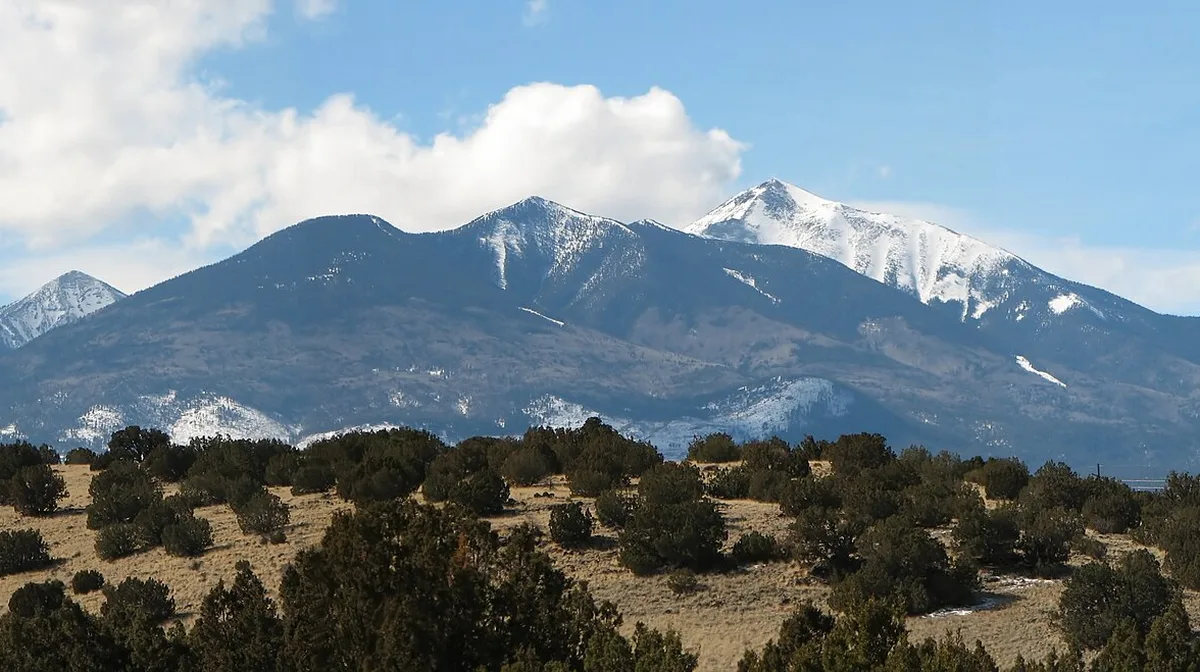
Flagstaff is the mountain town Arizona keeps for itself: 7,000 feet up in the largest contiguous ponderosa pine forest in North America, with the San Francisco Peaks behind it, Route 66 running through its brick downtown, the Grand Canyon eighty minutes north and a sky so deliberately dark the city became the world's first International Dark Sky City. The rental rules are the inverse of most markets this desirable. Arizona's 2016 preemption law bars cities from banning short-term rentals or zoning them out, so vacation rentals are legal in every Flagstaff neighborhood — but a 2022 state law handed cities licensing power back, and Flagstaff used it: since November 2023, every operator needs a city license at $250 a year, neighbor notification, real liability insurance and a state TPT license behind it. The result is a market that's easy to enter and increasingly professional — listings actually fell by double digits after licensing took hold — where the winners are decided by marketing, not permits. Around 2,700 listings share four genuine seasons, and most of them sell only one.

Flagstaff runs four demand engines on one calendar. Summer is the biggest: Grand Canyon traffic, monsoon-cooled hiking, and above all Phoenix — two hours south and 25 degrees hotter, sending heat refugees up I-17 every weekend from May through September. Winter belongs to Arizona Snowbowl, whose storm cycles fill the town with the state's only real ski trade, plus families who drive up just to touch snow. Fall is the aspen show on the Peaks in October, and threaded through everything is Northern Arizona University — move-in, graduation and parents' weekends that reprice the town on published dates. Blended nightly rates run around $270 with occupancy in the low 50s, annual revenue for a typical listing near $32,000, and the interesting recent story is supply: active listings dropped by double digits after the license era began, which means the remaining operators are competing against fewer, better rivals. The Festival of Science in late September and the Route 66 centennial in 2026 add published spikes most listings ignore.

Top Attractions & Landmarks

  • Lowell Observatory
  • Arizona Snowbowl
  • Walnut Canyon National Monument
  • Wupatki National Monument
  • Sunset Crater Volcano National Monument
  • Riordan Mansion State Historic Park
  • Historic Downtown & Heritage Square

Nearby Markets: Sedona  |  Scottsdale  |  Phoenix

Airbnb marketing services in Flagstaff, Arizona, USA
Postcards

Flagstaff through the lens

A few of the visual fingerprints we lean into when we shoot, brand and market a Flagstaff property — courtesy of the open Wikimedia Commons archive.

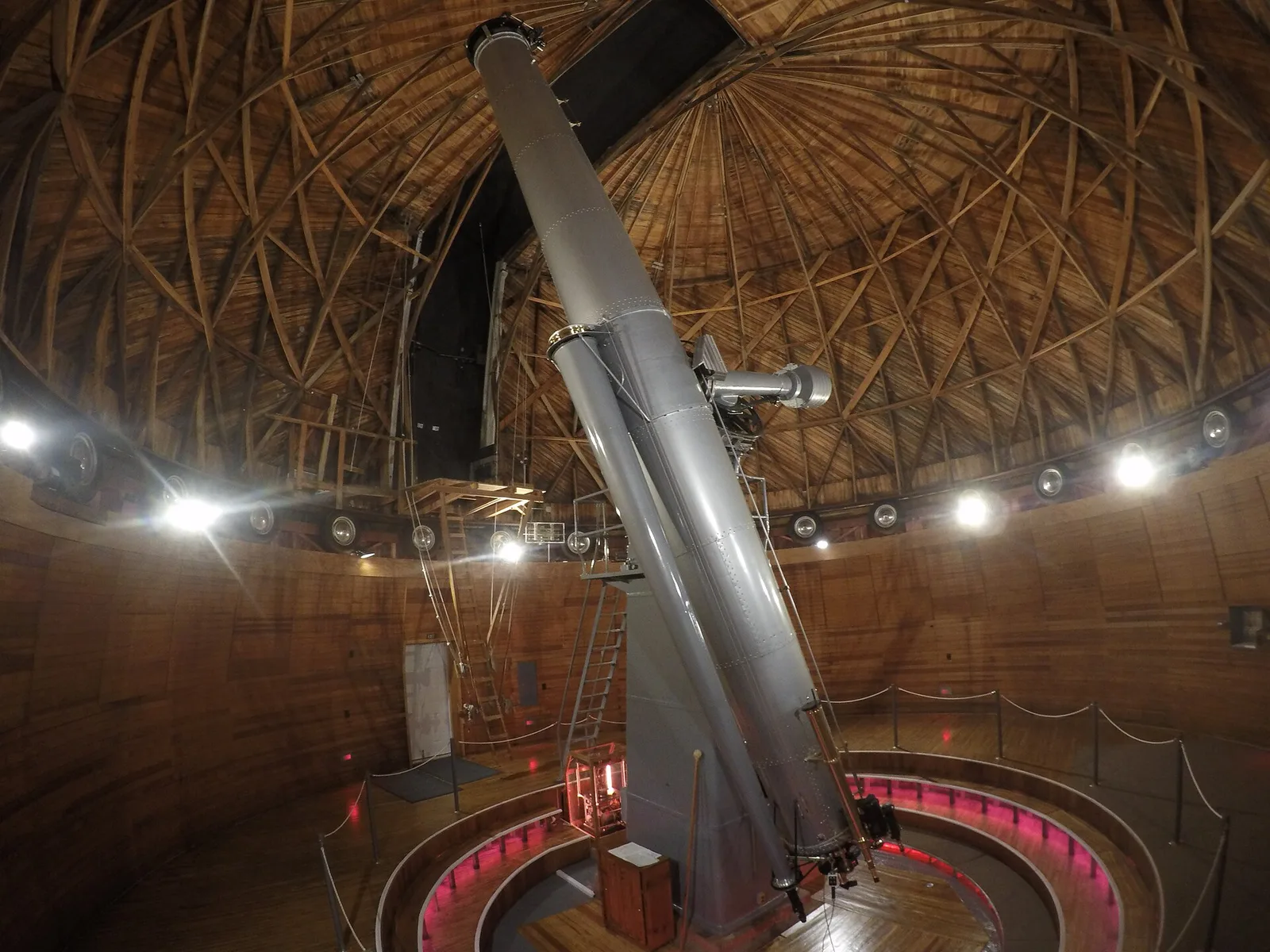
Alvan Clark Telescope Lowell Observatory — Flagstaff airbnb marketing
Local Color
Alvan Clark Telescope Lowell Observatory
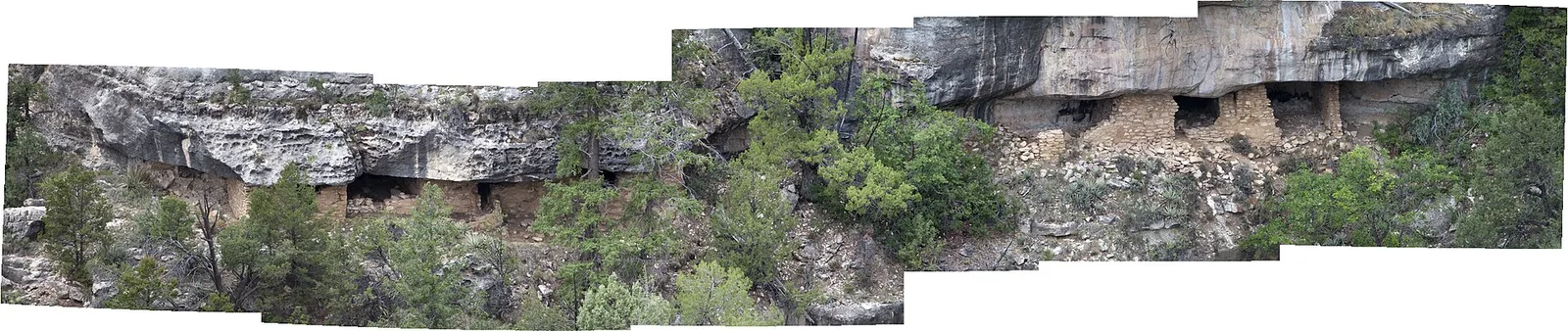
Panorama of the southern cliff dwellings at Walnut Canyon National Monument — Flagstaff airbnb marketing
Local Color
Panorama of the southern cliff
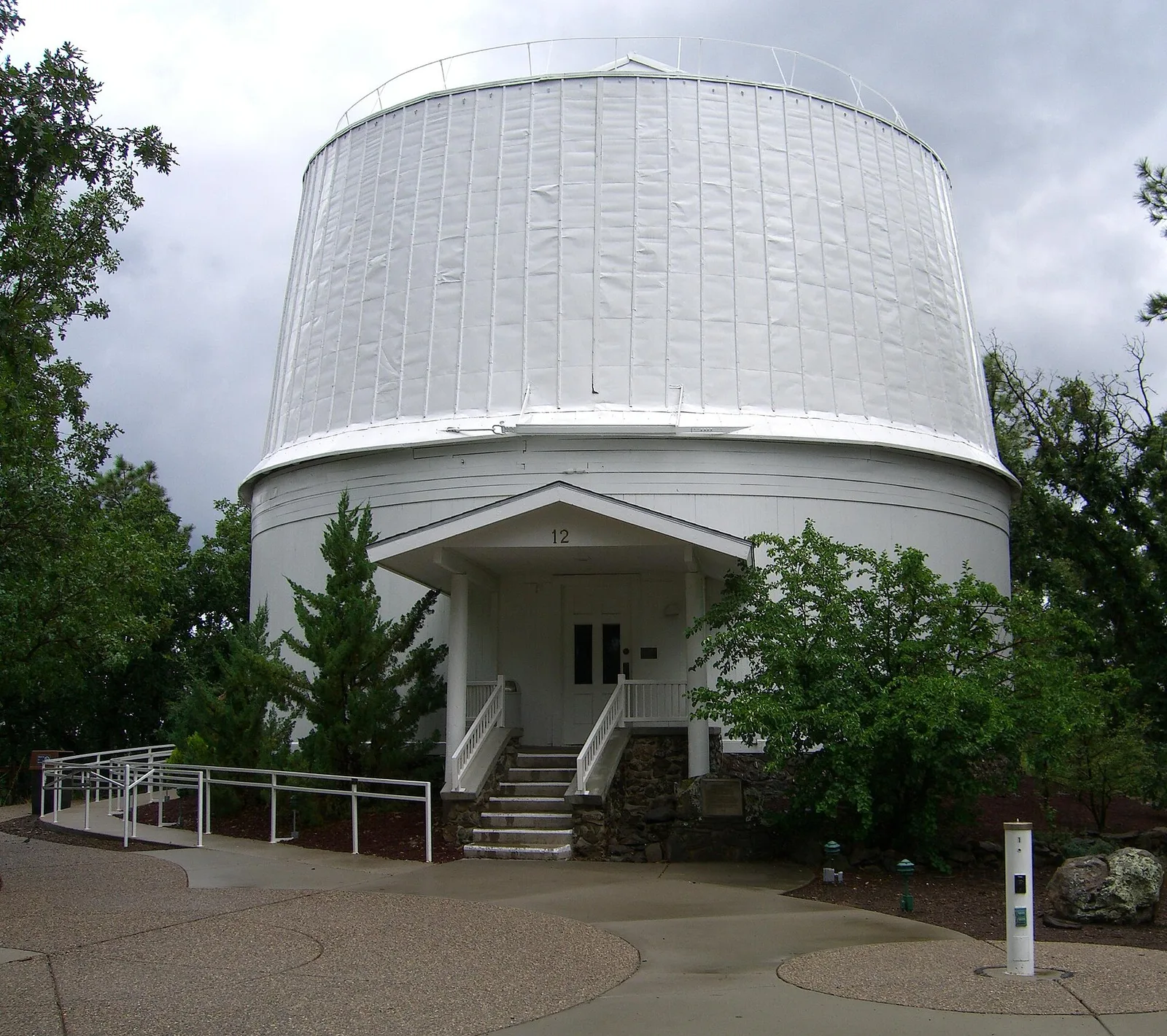
Clark dome — Flagstaff airbnb marketing
Local Color
Clark dome
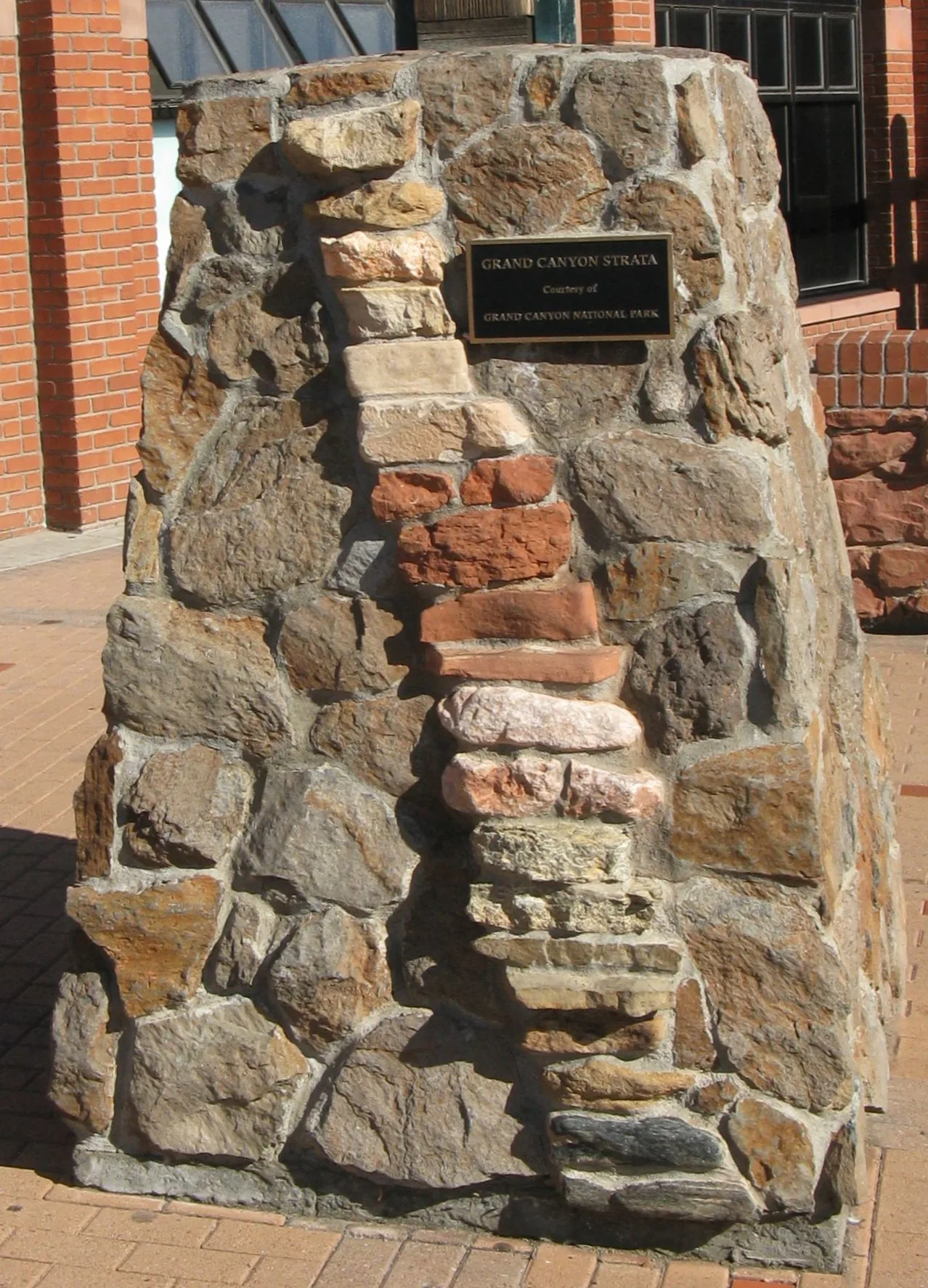
Grand canyon stones — Flagstaff airbnb marketing
Local Color
Grand canyon stones
Why Cavmir

The Cavmir Advantage
in Flagstaff

Cavmir wins in Flagstaff because this is a market where everyone can operate and almost nobody differentiates. The average listing sells beds and a sofa; the town's actual product is the night sky, the Peaks, the Canyon run and snow you can drive to from the desert — stories that justify rate and almost never appear in the photography. We shoot dusk and dark properly, fire pit under real stars, build the four-season calendar with pricing for powder weekends, NAU dates and the Festival of Science, and construct direct-booking websites aimed at the guest Flagstaff actually has: the Phoenix family that comes back eight times a year. For the motor lodges and small hotels along Route 66, we do full brand work ahead of the centennial. We help position and market your property. We never manage it or touch your keys.

State of the Industry · History

The Flagstaff STR Market — Past & Present

Flagstaff is named for a flag that lasted one afternoon. On July 4, 1876 — the nation's centennial — a party of settlers stripped a ponderosa pine and raised the flag on it near a spring below the San Francisco Peaks; the pole became a landmark on the wagon road, the name stuck, and when the Atlantic & Pacific Railroad arrived in 1882 the town grew where the tracks crossed the forest. Lumber built the first fortunes — the Riordan brothers' mansion still stands as a state park — and then the road did: Route 66 came through in 1926, stringing motor courts and neon along the tracks, and Flagstaff became the classic high-country stop on America's main street. Science arrived even earlier. Percival Lowell put his observatory on a mesa above town in 1894 to search for life on Mars; in 1930, a 24-year-old observer named Clyde Tombaugh discovered Pluto there, the only planet found from American soil.

The town has protected its sky ever since — a 1958 ordinance restricting searchlights was among the first lighting laws anywhere, and in 2001 Flagstaff became the world's first International Dark Sky City. Northern Arizona University grew from an 1899 normal school into a 20,000-student anchor, Arizona Snowbowl gave the state its ski industry, and the Apollo program used the surrounding cinder fields — blasted with explosives to mimic lunar craters — to train the astronauts who walked on the Moon. The rental era arrived with Arizona's peculiar legal settlement: the state's 2016 preemption law (SB1350) barred cities from banning or zoning out short-term rentals, making them legal in every neighborhood; a 2022 law returned licensing power to cities, and Flagstaff implemented it in November 2023 — an annual license, neighbor notification, insurance requirements. Listings dropped by double digits as the casual tier exited, leaving a deep but more professional market of roughly 2,700 operators sharing four real seasons.

Pricing Strategy & Seasonality

Pricing, Seasonality & When to Capture ROI

Pricing Strategy

The map runs on walkability, forest and elevation. Downtown and the Southside — the brick blocks around Heritage Square and the tracks — are the ceiling: walk-to-restaurants bungalows with Route 66 character book first and hold rate. University Heights and the NAU perimeter ride the campus calendar. Continental and Country Club sell space and garages to families, while Kachina Village and Mountainaire, ten minutes south in the pines, are A-frame country — the dark-sky, fire-pit product that photographs best in the whole market. Munds Park, twenty minutes down I-17, runs its own cabin economy on Phoenix weekenders. Blended nightly rates land around $270 with occupancy in the low 50s and a typical listing grossing near $32,000 a year — modest numbers by resort standards, but entry prices sit far below the California mountain towns, and the four-season calendar rewards operators who work all of it.

Seasonality & ROI Windows

Summer leads: May through September brings Grand Canyon traffic, monsoon-cooled afternoons and the Phoenix exodus — when the Valley hits 115, Flagstaff at 85 is the closest civilized weather. Winter spikes on storm cycles: Snowbowl powder weekends and snow-play demand from desert families who just want to touch the stuff. October is the aspen show on the Peaks, brief and heavily photographed. The soft spots are April — wind season, between snow and monsoon — and the November shoulder. NAU overlays it all with published spikes: commencement in May, move-in in August, family weekends through fall.

Regulation & Licensing · 2026

What the Law Requires in Flagstaff

Flagstaff operates under Arizona's preemption framework, with a real local license on top — light rules, but specific ones, so map them and confirm current requirements with the city and the Arizona Department of Revenue. The foundation is state law: SB1350 (2016) bars Arizona cities from prohibiting short-term rentals or restricting them through zoning, which makes vacation rentals legal in every Flagstaff neighborhood as a matter of state statute. A 2022 follow-on law (SB1168) let cities license and impose guardrails, and Flagstaff took the invitation: since November 2023, every short-term rental needs a city STR license — annual, per unit, at $250, the maximum the statute allows. The license comes with obligations: written notification to adjacent neighbors with an emergency point of contact, proof of liability insurance of at least $500,000 (or operation through a platform providing equivalent coverage), and the operating attestations the state framework requires. Unlicensed operation draws escalating fines, and the city stood up real enforcement — the double-digit drop in active listings after the ordinance took effect tells you it has teeth.

The tax side runs through Arizona's transaction privilege tax system: every operator needs a TPT license from the Arizona Department of Revenue, and state law requires the TPT number to appear in every advertisement. On short stays, the combined lodging load lands a bit over 11% as of recent rate charts — the state's 5.5% transient lodging rate, the city's 4.281% on lodging (which includes the 2% 'BBB' bed-board-and-booze tax), plus the county share. Platforms collect much of it; registration and anything they miss is yours. Two boundaries matter: stays of 30 days or more shift to different tax treatment, and state preemption does not override private covenants — an HOA can still prohibit rentals the city cannot. Confirm your building's CC&Rs, your license status and the current rate chart before you list.

Market-Specific Tips & Challenges

Local Tips & Unique Market Challenges

Tips That Actually Move Revenue in Flagstaff

The Flagstaff strategic tip: sell Flagstaff, not square footage — in a market where everyone can operate, the listing that explains the place wins the booking. The average competitor shows beds and a kitchen; the town's actual products are the darkest urban sky in America, snow two hours from the desert, the Canyon run, and a forest that smells like vanilla when the sun hits the ponderosa bark. Put those in the listing and the rate conversation changes.

Tactically: first, shoot dusk and dark — the fire pit under a real starfield, warm windows against the pines, snow at blue hour. Dark-sky imagery is Flagstaff's signature and almost no listing uses it. Second, build the Phoenix repeat channel: the Valley family that escapes the heat in July is a candidate for the aspens in October and Snowbowl in February — three trips a year on one two-hour drive — and a direct-booking site with an email list is the machine that captures them. Third, price the published calendar: NAU commencement and move-in, the Festival of Science, powder cycles and July 4 are known dates most owners flatten. Fourth, write the four-season itinerary into the listing — the Canyon at sunrise, the volcano-and-ruins loop through Sunset Crater and Wupatki, Lowell after dark, the sledding hills — because the guest planning from Phoenix or Dallas books the property that already planned their trip. Fifth, run winter operations like a mountain town: plowing arrangements, 4WD guidance for storm days, and honest notes about I-17 in weather. Desert guests are new to snow; the listing that manages that wins the reviews.

Unique Flagstaff Challenges

The frictions: competition stays deep even after the shakeout, snow years swing winter revenue hard, April and November run soft, and the license-insurance-TPT stack punishes sloppy paperwork. Wildfire smoke can cloud parts of some summers, HOA covenants quietly remove inventory from the legal pool, and statewide preemption — the market's foundation — is a legislative settlement that could someday be renegotiated. None of it is disqualifying; all of it rewards professionals.

A Curious Flagstaff Fact
Every astronaut who walked on the Moon trained in Flagstaff first. In the 1960s, the U.S. Geological Survey's astrogeology branch — headquartered in town — needed lunar terrain, so scientists dynamited hundreds of craters into the volcanic cinder fields east of the Peaks to replicate the Sea of Tranquility, then sent the Apollo crews across them in spacesuits and prototype rovers. The same small town had already found Pluto: Clyde Tombaugh, a 24-year-old Kansas farm kid hired to compare photographic plates at Lowell Observatory, spotted the moving dot in 1930. One mountain town of its size claims the only American-discovered planet and boot prints on the Moon — and it still turns its streetlights down so everyone can see where both happened.
Finance Essentials — Flagstaff
🛡️

Insurance

Start with the statute: Flagstaff's license framework expects at least $500,000 in liability coverage, carried directly or through a platform, and underwriters will want it documented. Beyond that, this is forest-and-winter underwriting: wildfire exposure in the ponderosa belt brings defensible-space questions (and has tightened some carriers), snow-load and frozen-pipe coverage matters for winter-gapped calendars, and wood stoves and fire pits — the amenities the market runs on — both raise liability stakes. Short-term rentals need proper STR or landlord policies, not homeowner's coverage. Use an Arizona broker who writes northern-Arizona mountain property, and document your mitigation work; it moves premiums here.

🧾

Property & Income Tax

Short stays carry Arizona's transaction-privilege stack: the state's 5.5% transient lodging rate, the city's 4.281% on lodging — which includes Flagstaff's 2% bed-board-and-booze tax — plus the county share, landing a bit over 11% combined as of recent rate charts. Every operator needs an ADOR TPT license with the number shown in all advertising; platforms collect and remit in many cases, but registration and direct-booking remittance stay yours. Stays of 30 days or more move to different treatment. Arizona then taxes the income at its flat 2.5% individual rate — one of the friendlier state stacks in this collection. Treat these as planning figures and confirm the current chart with ADOR and your accountant.

🏦

Mortgages & Financing

Flagstaff's financing story is friendlier than the coastal resorts: entry prices run well below California mountain towns, detached homes dominate, and — because state law makes rental operation legal everywhere — lenders underwrite the income story cleanly, which makes DSCR loans genuinely workable here. Second-home loans cover the Phoenix-buyer cabin trade in Kachina Village and Munds Park; conventional investment financing handles the rest. The diligence points are local: HOA covenants that ban rentals (fatal to the thesis), wildfire insurance quotes before offers, and honest winter-revenue modeling that doesn't assume every year snows. A lender who has closed northern-Arizona STRs will price the file properly.

Future Outlook · 2027 & Beyond

Where Flagstaff is Headed Next

Flagstaff's arc bends toward more demand and steadier rules. The 2026 Route 66 centennial puts a global spotlight on the town's main street; Snowbowl keeps investing in lifts and snowmaking; NAU anchors the calendar; and dark-sky tourism — a category Flagstaff invented — keeps growing as the rest of the country loses its stars. The license era's supply shakeout favors operators who treat this as a business, and the preemption framework has held through repeated legislative sessions, though it remains the market's one structural dependency worth watching. The durable play into 2027 and beyond: a licensed, insured, four-season operation with dark-sky photography, university-and-festival pricing and a direct channel aimed at the Phoenix repeat guest. In a market this legible, the owners who do the work collect the spread — under some of the best stars in America.

From the Desk of Sofie Sinag

Why We Love Marketing in Flagstaff

Flagstaff is the market whose product improves after sunset. Most destinations lose their best asset when the light goes; Flagstaff turned darkness into civic policy in 1958 and into a global title in 2001, which means every listing here sits under professional-grade stars — and almost none of them say so. A fire pit, a clear night and a camera on a tripod produce the single most differentiating image in northern Arizona lodging, and it's sitting unused in two thousand backyards. We love markets where the winning move is just lying around.

We also love the honesty of the demand. Nobody's pretending here: Phoenix is hot, Flagstaff is not, and two million people will keep driving up the hill every summer as long as physics holds. Add the Canyon, a university's published calendar, a ski mountain in the desert's backyard, aspens in October and a downtown that still hums with train horns and Route 66 neon, and you get four real seasons of reasons to visit — in a market where the state settled the legal questions and the city's license fee is $250, not a lottery. Everything that's hard elsewhere is easy here, which moves the entire contest onto our turf: photography, story, calendar and the repeat guest. That's a fight we like.

Why It Matters

A great property in Flagstaff doesn't just want a listing — it wants a point of view, an audience, and a brand the city itself would recognise.

Cavmir's Flagstaff Cheat Sheet

The Picks We Recommend for Your Welcome Book

A few honest, insider picks for Flagstaff — the kind of specifics that make a listing read like a local wrote it, because one did. Real places, no filler.

Morning

Buffalo Park

A two-mile loop on an open mesa above town with the San Francisco Peaks standing over the whole walk — locals run it, dogs parade it, and the morning light on the mountains is the town's daily overture. Five minutes from downtown; tell guests it's the acclimatization walk that doubles as the view.

Golden Hour

Aspen Corner, Snowbowl Road

The pullout partway up the mountain road where the aspen stands open onto meadow and the light goes long over the valley. In late September and early October it's wall-to-wall gold; the rest of the year it's simply the easiest great photograph in Flagstaff. The listing that names it reads like it knows the mountain — because it does.

Neighborhood Walk

Historic downtown and Heritage Square

Brick storefronts, trading posts, the great neon signs of the Route 66 era, train horns on the hour and coffee every second door. It's an hour that explains why people love this town, and 'walk to downtown' is the strongest location line in Flagstaff lodging — state the minutes honestly.

Dinner That Photographs

Josephine's Modern American Bistro

Dinner on the porch of a 1911 Craftsman bungalow — stone fireplace, low light, the kind of setting that makes a mountain-town evening feel occasioned. Close to downtown, better at dusk; tell guests to book the porch in summer.

Local Obsession

Macy's European Coffeehouse

The Southside institution that has caffeinated NAU and half the town since 1980 — roasting in-house, bakery case of legend, a room that hasn't needed to change in decades. Sending guests there is the fastest way to make them feel like locals by breakfast.

Shoulder Season Secret

Lockett Meadow and the Inner Basin (October)

The cinder road up to Lockett Meadow leads into the caldera of an extinct volcano lined with aspen — in the first weeks of October it's the best fall color in Arizona, and midweek it's nearly private. Rates sit at their autumn floor while the scenery peaks; the flexible guest just needs to be told.

Weekend Escape

The Grand Canyon, done properly

Eighty minutes to the South Rim makes Flagstaff the thinking traveler's Canyon base. The play: leave at dawn, watch sunrise from Mather or Hopi Point, walk a mile below the rim on Bright Angel, and drive the Desert View road out. A listing that includes that one-paragraph plan becomes the itinerary — and gets the booking.

What Guests Ask For

Snow-play and the winter drive

Desert families ask two things all winter: where the kids can sled (point them to the managed snow-play areas and away from highway pullouts) and what I-17 and the mountain roads are really like in a storm. Answer both plainly — conditions links, 4WD guidance, parking reality at Snowbowl — and your January reviews write themselves.

Local Work · Composite Case Vignettes

What Cavmir Has Done for Flagstaff Properties

A few composite engagements drawn from how Cavmir typically works in this market. The details are illustrative and consistent with Flagstaff, not pulled from a single named client.

Licensed bungalow · downtown-adjacent
The Brief

A craftsman two-bedroom a short walk from Heritage Square — licensed, insured, fully compliant — presented like a spare room: flash-lit interiors, no exterior or night photography, no mention of the license, and one flat rate through NAU commencement, the Festival of Science and powder season alike.

What We Did

Cavmir reshot the house at dusk and full dark — porch light, fire pit, winter stars — put the license and insurance quietly forward, rewrote the listing around the walk downtown and the four-season itinerary, and rebuilt pricing against the university and festival calendar.

The Result

The bungalow climbed its comp set on photography alone, published-date weekends began selling out well ahead at rates the owner had never tested, and the compliance-forward listing became the trusted choice for the parents and professionals the location was always right for.

A-frame · Kachina Village
The Brief

A classic pines A-frame ten minutes south of town ran a summer-only business — no winter photography, no dark-sky story, nothing aimed at the Phoenix family that could visit eight times a year — and sat dark from November to April beside a highway full of desert cars driving to the snow.

What We Did

Cavmir repositioned it as the year-round mountain base: night photography under the ponderosas, a winter set with the deck stacked in snow, honest 4WD-and-plowing guidance, sledding and Snowbowl logistics written like a local's advice, and a direct-booking page with an email list built for Valley repeaters.

The Result

Winter went from dark to reliably booked on storm cycles and holiday weeks, the dark-sky imagery became the listing's signature and its review magnet, and a core of Phoenix families began returning across seasons — booking direct, on a first-name basis with the house.

Route 66 motor lodge · east side
The Brief

A mid-century motor court with original bones and a neon-era story was invisible against the interstate chains — OTA-dependent, unbranded, photographed like a budget compromise instead of a piece of the Mother Road ahead of its centennial.

What We Did

Cavmir rebuilt the brand around the Route 66 story and the courtyard under the Peaks, reshot the property at dusk with the sign glowing, launched a direct-booking website with search marketing for Flagstaff lodging and Route 66 terms, and built packages for the centennial year, the Festival of Science and ski weekends.

The Result

Direct bookings grew into a durable share of revenue, the lodge found its audience — road-trippers and design-minded travelers who wanted exactly what the chains can't offer — and the centennial season arrived with the property positioned as a destination in its own right rather than a fallback.

Market Intelligence · Seasonality

Airbnb seasonality in Flagstaff, month by month

Demand in Flagstaff peaks around June through July and runs quietest around November. Here is how the year actually books — and what to do about each stretch of the calendar.

Peak demandSteadyQuiet

Peak season

Summer is the engine: Grand Canyon traffic, Route 66 road-trippers, and half of Phoenix driving up to escape the heat at seven thousand feet. June through August the calendar fills itself if the listing is right, and the afternoon monsoon storms don't slow it down. Have rates and minimums set by early May and hold firm on weekends — cool pines in an Arizona July are not a discount product.

The shoulders

May and September through October are strong and specific: NAU commencement fills a May weekend far in advance, the Festival of Science stretches across late September, and aspen color on the Peaks firms up early October weekends. The spring shoulder rides canyon traffic that starts before the summer crowds do. Price the known weekends individually and keep midweek attractive for road-trippers.

The quiet stretch

November before the snow arrives is the soft spot, and April can sag between ski season and canyon season. Winter overall is storm-driven — powder weekends at Snowbowl book fast and late, dry spells don't. The honest play: flexible winter pricing that rises with the forecast, longer-stay offers for remote workers and altitude-training athletes, and maintenance scheduled for November.

Dates that fill first

Arizona Snowbowl ski seasonNovember through April
Snow turns Flagstaff into Arizona's ski town, and demand follows the storms — powder weekends spike on a few days' notice. Keep winter pricing dynamic and mention your garage, because guests driving up from the desert rarely come prepared for snow.
NAU commencementMay
Graduation weekend fills every bed in town, and visiting families need real houses, not hotel rooms. It books extraordinarily far ahead — price it like the premium weekend it is.
Route 66 Mother Road Classic car showAugust
The Route 66 Car Club's charity show brings the classic-car crowd downtown at the height of summer. It stacks on top of already-strong canyon traffic rather than creating the demand alone.
Flagstaff Festival of Sciencelate September
A free festival that runs more than a week, with star parties, field trips and open houses pulling families in during shoulder season. The observatory crowd is real all year — this is its biggest moment.
Market Intelligence · Guests

Who books Flagstaff Airbnbs — and how far ahead

Grand Canyon travelers
The signature guest, using Flagstaff as basecamp for the South Rim, often one or two nights inside a bigger Southwest loop. Easy parking, early-departure coffee and a canyon-day plan in your guidebook win them.
Phoenix heat refugees
Summer weekenders from the Valley who come up purely for the temperature and the pines, and they repeat all season. They book on shorter notice than destination travelers and respond to escape-the-heat messaging.
NAU families
Commencement, move-in and campus-visit weekends bring parents who want multi-bedroom comfort near campus. They book early and review generously when the beds are real.
Winter snow-play families
Desert families chasing their kids' first snowman, plus Snowbowl skiers. A garage, a gear-drying spot and sleds in the closet are worth more than designer furniture.
Remote workers and altitude trainers
Flagstaff's running culture and cool summers draw week-plus stays from athletes and laptop workers. Fast wifi, a real desk and a sensible monthly rate keep the quiet months moving.

The booking window

Summer books moderately ahead, with canyon planners committing in spring, while Phoenix weekends and winter powder runs happen inside a couple of weeks or even days. NAU commencement is the outlier, reserved close to a year out. Have the listing polished by March, then let responsive weekend pricing do the work the rest of the year.

Typical stays

The rhythm is short: one-and-two-night canyon stopovers and two-night Phoenix weekends dominate, with summer stretching to three and four nights as road-trippers slow down. The counterweight is the week-plus segment — training stays, remote work, visiting families — that rewards listings set up for living rather than passing through.

Where guests drive from

PhoenixTucsonLas VegasAlbuquerque

Where guests fly from

Los AngelesDallasChicago
Phoenix is both the biggest drive feeder and the connecting airport for nearly everyone who flies, with direct service into Flagstaff's small airport from Phoenix and Dallas. Southern California road-trippers stream in on I-40 all summer. Aim ads at Phoenix and Tucson in May and June with the temperature contrast in the first line — it's the easiest sell in Arizona marketing.
Market Intelligence · What Wins

The Airbnb that wins in Flagstaff

The Flagstaff winner is a cabin-feel house in the pines — anywhere the ponderosas fill the windows — with a deck, a fire feature and a garage. Downtown bungalows near the brewery and restaurant blocks win couples and canyon stopovers on walkability. A-frames and true cabins photograph best and carry the mountain-town feel guests are buying; generic suburban builds end up competing on price.

Amenities that move bookings here

garage or covered parkingfireplace or wood stovedeck with a fire pitfast wifidedicated workspacegear and ski storagewell-equipped kitchenpet friendly
Sell the temperature. Your summer listing copy should tell a Phoenix reader in the first sentence that it's cool in the pines up here — it's the strongest motivator this market has, and most listings bury it.
Straight Answers

Flagstaff Airbnb marketing questions, answered

How do I market my Airbnb in Flagstaff?

Match the message to the guest: canyon travelers need to see easy logistics — parking, self check-in, the drive to the South Rim — while Phoenix weekenders are buying cool air and pine views, so show decks and shade and say the elevation out loud. Price the known spikes individually: NAU commencement, powder weekends, fall color. A Google Business Profile puts you in the map searches road-trippers actually use, and a direct-booking site captures the Phoenix regulars who come up every summer. That's the stack Cavmir builds for hosts here, and the repeat-guest piece matters more in Flagstaff than almost anywhere.

When is peak season for Flagstaff Airbnbs?

June through August is peak, driven by Grand Canyon tourism and Phoenix heat escape at the same time. May and September through October are strong shoulders — commencement, the Festival of Science, aspen color — and winter runs hot and cold with the snow: powder weekends at Snowbowl book like summer, dry spells don't. November is typically the quietest stretch.

How far in advance do guests book Flagstaff Airbnbs?

It's a short-window market by mountain-town standards. Summer canyon travelers book a few months out, Phoenix weekenders often inside two weeks, and winter demand moves with the forecast. The exception is NAU commencement, which is reserved close to a year ahead. Responsive pricing beats set-and-forget here.

Where do most Flagstaff Airbnb guests come from?

Phoenix dominates — it's the drive feeder, the connecting airport and the repeat-guest base all at once. Tucson, Las Vegas and Albuquerque round out the drive market, Southern California arrives on I-40, and fly-in guests from Dallas and Chicago connect through Sky Harbor or land direct from Dallas. Ads pointed at the Valley in early summer are the efficient spend.

What amenities matter most for a Flagstaff Airbnb?

A garage earns its keep twice: snowy mornings in winter, gear and shade in summer. Beyond that, guests choose on the mountain-feel package — fireplace, deck, fire pit, pines in the photos — plus fast wifi and a workspace for the remote-work and training crowd. In winter, a drying spot for snow clothes and a stash of sleds turns desert families into evangelists.

Ready to Grow in Flagstaff?

Let's Put Your Flagstaff
Property on the Map

Talk to Cavmir today. We'll show you exactly what your Flagstaff property is leaving on the table — and how fast we can change that.

Book a Free Strategy Call