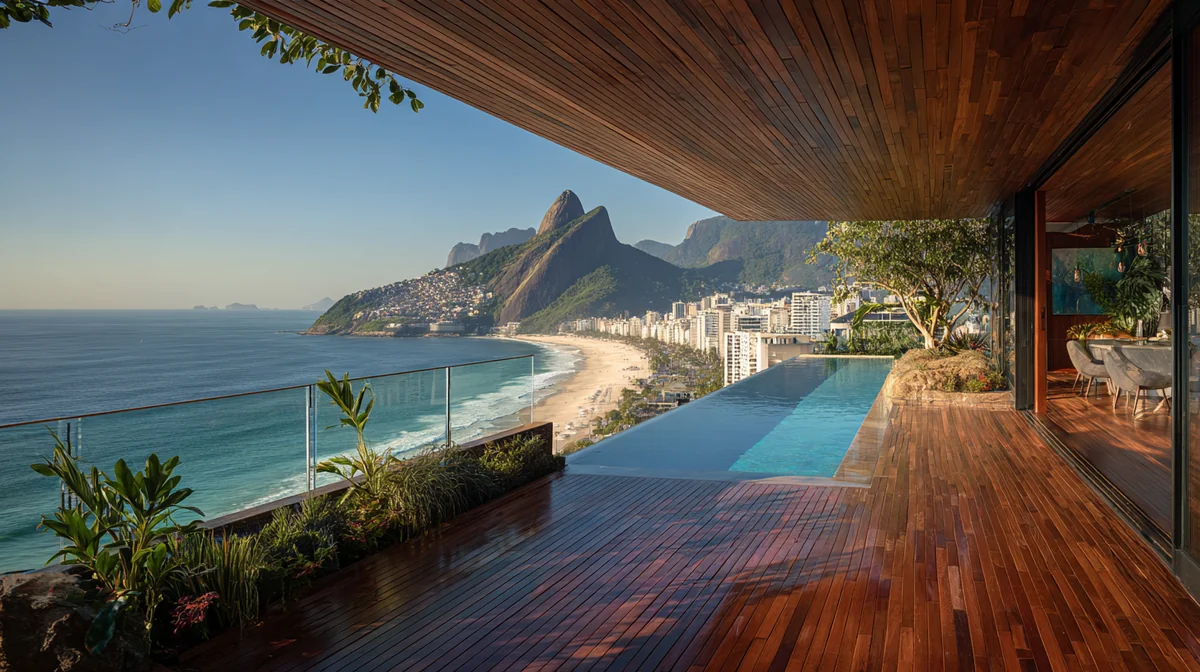


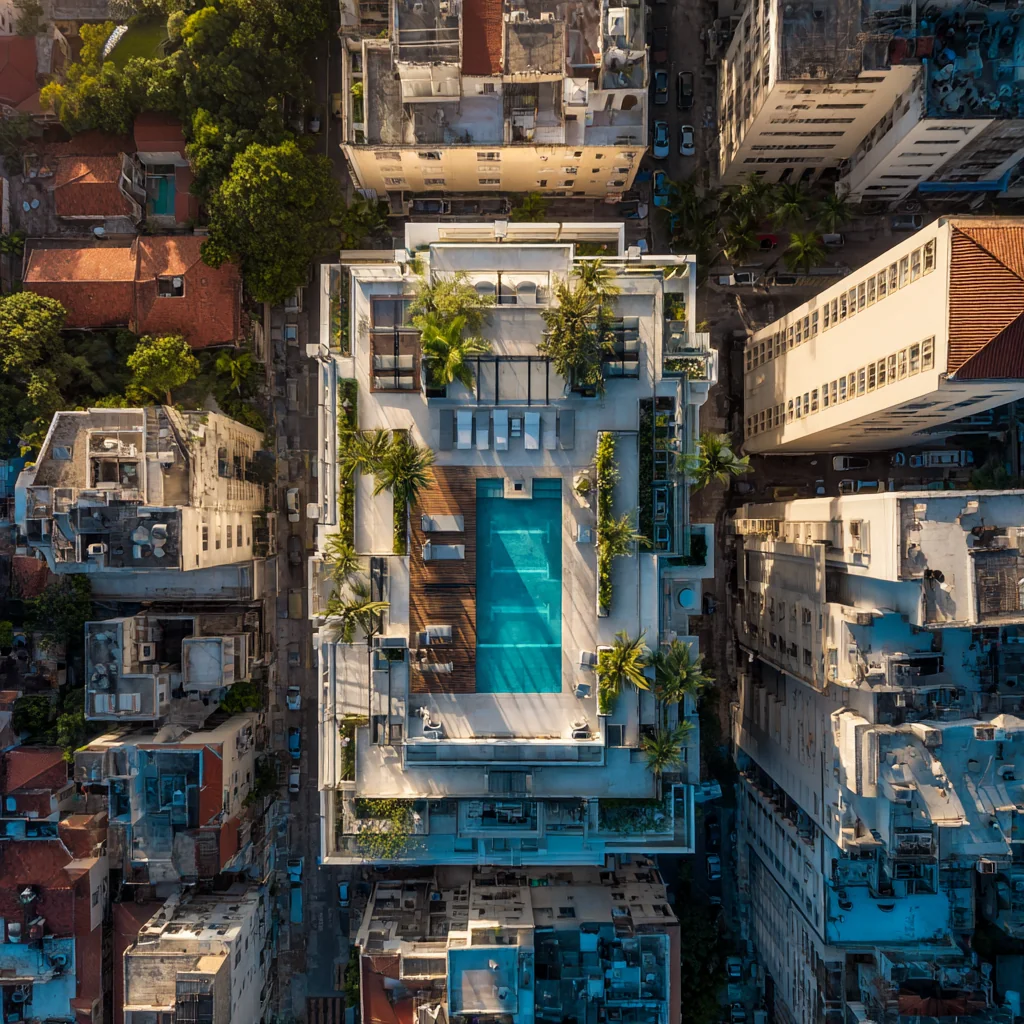
Coffee & First Light
Horseshoe Bend at sunrise
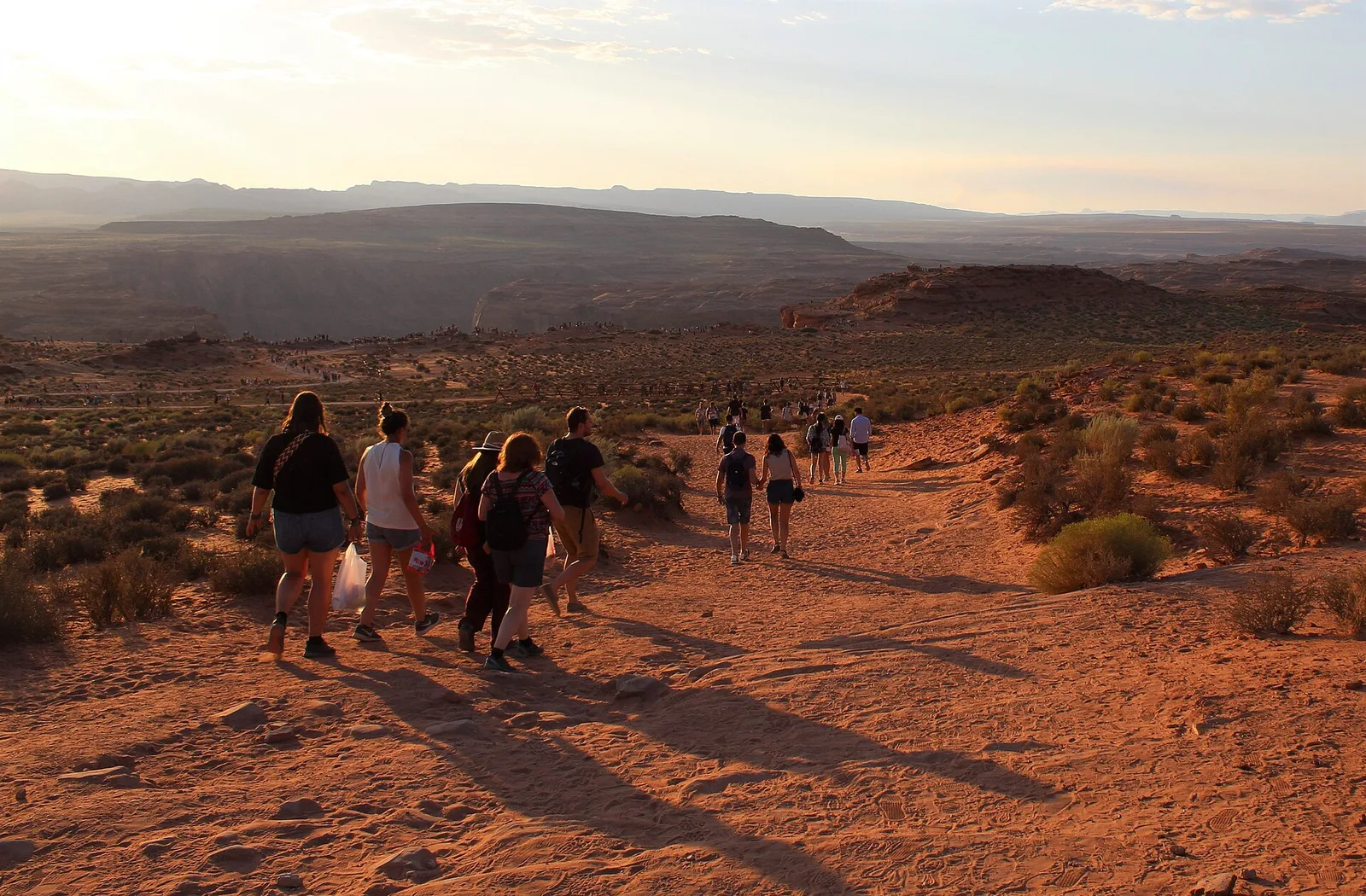
The car park is nearly empty at six, the light is behind you, and by ten it is hot and crowded. Tell guests the drive time, the walk, and that there is no shade.
Expert short-term rental marketing to grow your bookings and nightly rate in Page, Arizona, USA.
* Market averages. Properties marketed by Cavmir typically exceed these figures by 25–45%. Data sourced from AirDNA, STR market reports, and Cavmir internal analytics.
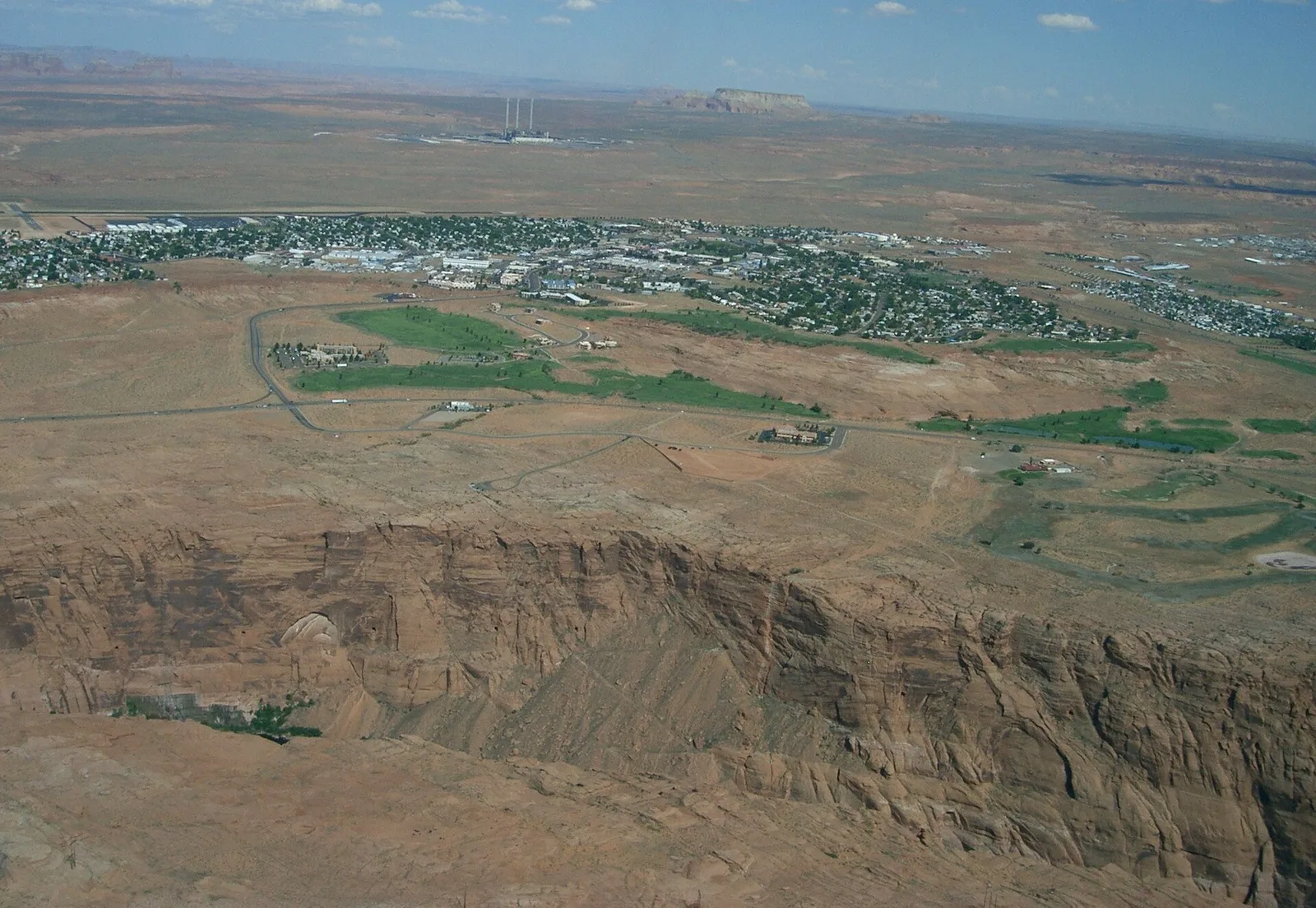
Page did not exist until 1957, when the Bureau of Reclamation needed somewhere to house the men building Glen Canyon Dam and put a town on a mesa above the Colorado River. The dam went in, Lake Powell filled behind it, and what was built as a construction camp became the base for one of the densest concentrations of famous landscape in the American West. Antelope Canyon is a few minutes east on Navajo Nation land. Horseshoe Bend is a short walk from a parking lot on the edge of town. Lake Powell, with something close to two thousand miles of shoreline once you count every side canyon, starts at the marina. The Grand Canyon's north rim, Monument Valley, Zion and Bryce are all within a day's drive, which means a large share of guests here are using Page as one stop on a longer southwest loop rather than as a destination in itself. That distinction matters more than anything else when you write a listing for this town.
Page runs on tours, and the marketing job follows from that. Almost nobody comes here to sit by a pool. They come with a slot canyon tour booked for a specific hour, a boat reserved, a sunrise plan at Horseshoe Bend and a drive to the next park the following afternoon. That produces short stays, early departures, tight schedules and a guest whose whole experience is shaped by logistics you can either help with or ignore. The two facts that most listings fail to explain are that Antelope Canyon sits on Navajo Nation land and can only be visited with an authorized Navajo guide — you cannot simply drive up and walk in — and that Lake Powell's water level has moved a great deal over the past decade, which changes launch ramps, marina access and what a boating day actually looks like. Owners who address both honestly convert better than owners who post a stock photograph of a slot canyon. Regulation is comparatively light: Arizona limits how far local governments can restrict vacation rentals, though cities are permitted to require a local licence and to enforce standards, and a state tax licence is mandatory.
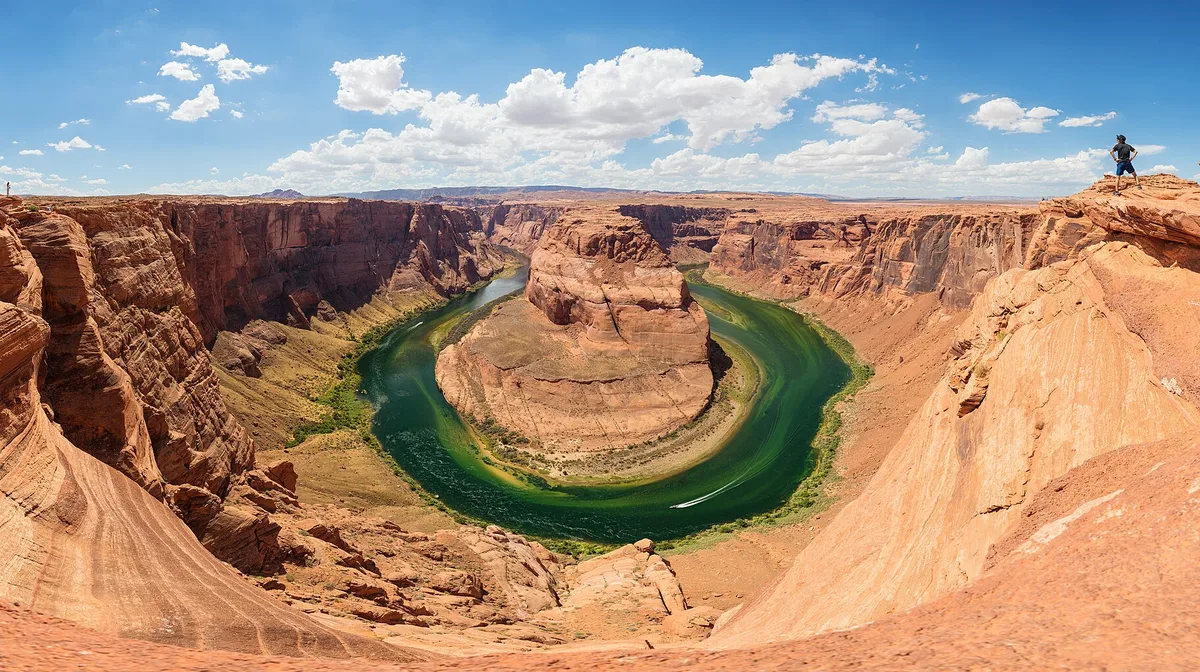
A few of the visual fingerprints we lean into when we shoot, brand and market a Page property — courtesy of the open Wikimedia Commons archive.
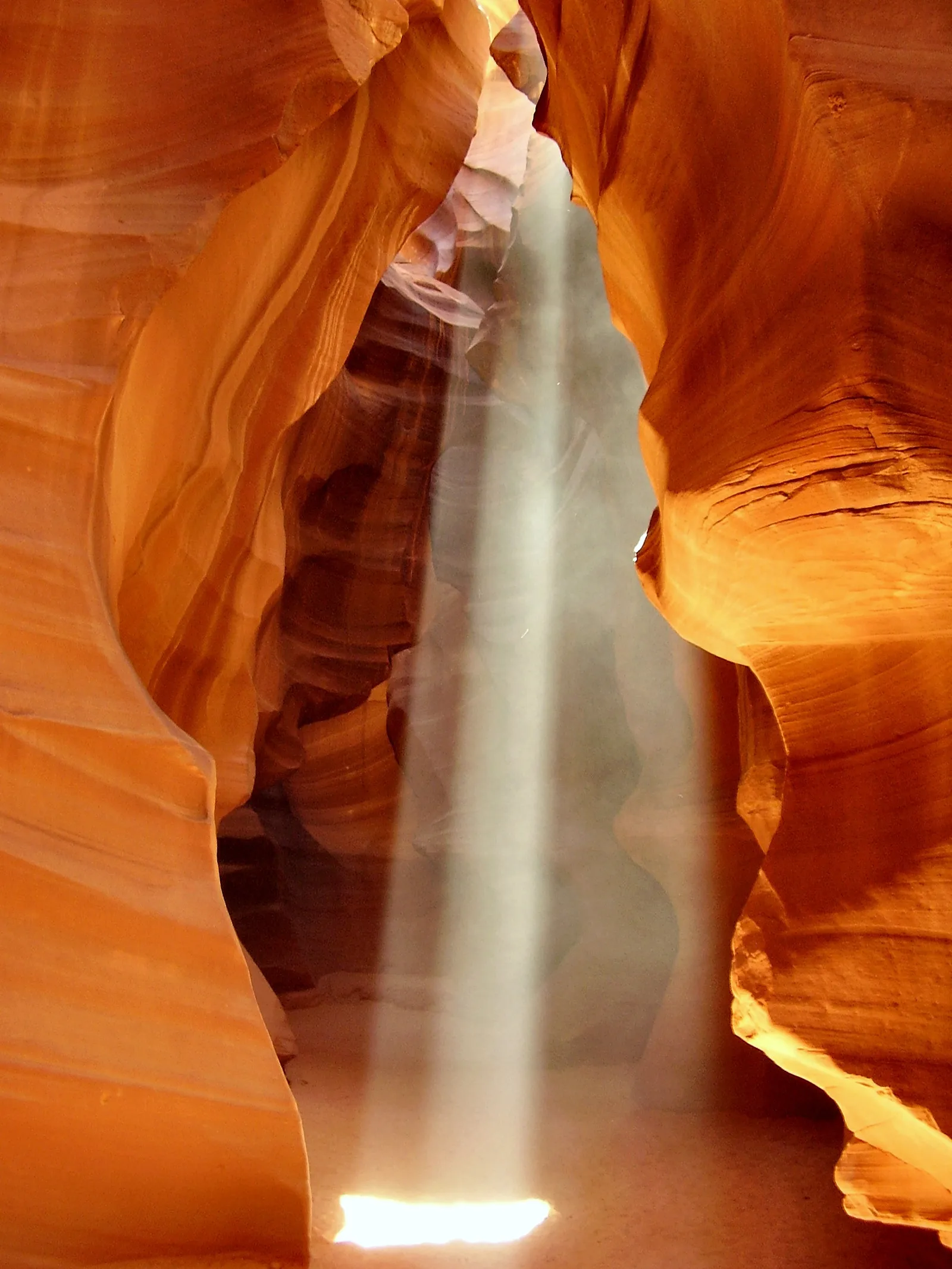
Cavmir markets Page properties around the itinerary, because that is what the guest is really booking. We photograph the house in the light this high desert actually gives — early and late, when the rock has colour — rather than at midday when everything goes white, and we build the image order around the practical things that matter on a tour trip: parking, the boat or trailer, the early breakfast, the space to spread out gear. We write the listing and the site around a real Page trip: how the Antelope Canyon tours work and why you cannot go alone, when to be at Horseshoe Bend, what the current lake conditions mean for a boating day, and how far the next park is. We build your direct-booking site and rank it for the Lake Powell, Antelope Canyon and southwest road-trip searches that bring people here, then set up an email flow so a one-night stop can become a return trip. We will confirm your city licence and state tax position before we write a word. We help position and market your property. We never manage it or touch your keys.
Page is one of the youngest towns in America. In 1957 the Bureau of Reclamation needed housing for the workforce building Glen Canyon Dam and put a construction camp on a mesa above the Colorado River, on land obtained from the Navajo Nation in an exchange. It was named for John C. Page, a former Commissioner of Reclamation. Streets, schools and a water system went in around a project rather than the other way round, which is why the town's layout still looks planned rather than grown.
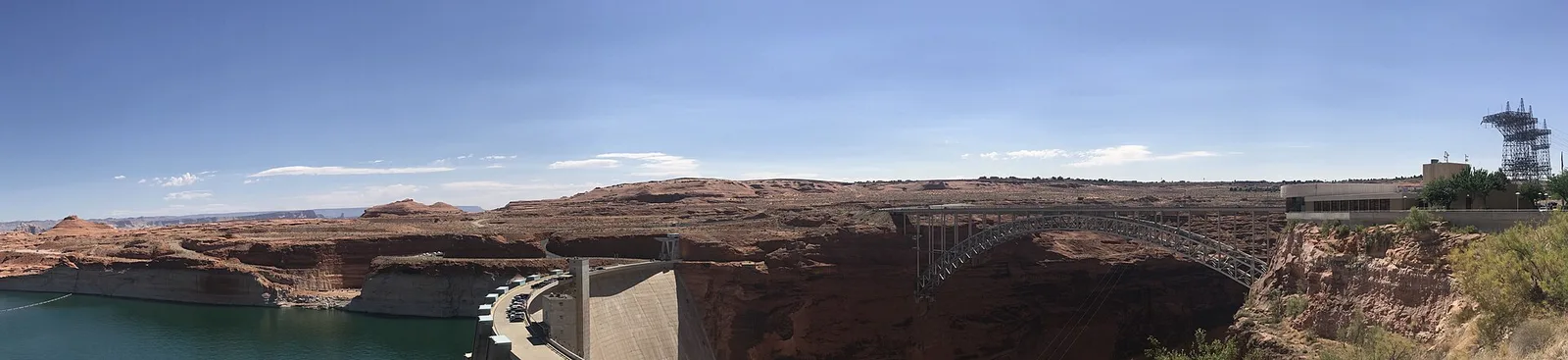
The dam itself is an enormous piece of engineering — a concrete arch more than seven hundred feet high, finished in the early 1960s — and the reservoir behind it, Lake Powell, took until 1980 to reach full pool. What it flooded was Glen Canyon, a stretch of side canyons, arches and river bottom that a small number of people had seen and that a good many still argue should never have been drowned. That argument has never really ended, and it is worth knowing that the lake in front of your guests is also one of the most contested pieces of water in the West.
Glen Canyon National Recreation Area was designated in 1972, and Page settled into its modern role as the base for it. The other half of the town's economy sits just outside its boundary, on the Navajo Nation: Antelope Canyon, the slot canyon that has become one of the most photographed places on earth, is Navajo land and is accessible only with an authorized Navajo guide. Horseshoe Bend, a few miles south, went from a locals' pull-off to a landmark with a purpose-built car park in about a decade, largely because of photographs shared online.
The most recent chapter is water. Lake Powell's level has moved dramatically over the past two decades of drought on the Colorado, dropping far enough to close launch ramps and change how the lake is used, and rising again in wetter years. Any honest description of a Page rental has to treat that as a live operating fact rather than a footnote.
Page has a long, flat-ish season with a genuinely hostile summer at the middle of it, which is unusual and which most rate cards get backwards. Spring, roughly March through May, and autumn, September through October, are the strongest and most pleasant months and should be priced as peak. Summer is busy because that is when families can travel and when the lake is at its most usable, but daytime heat is severe and the guest experience is harder work, so it is a volume period rather than a premium one. Winter is quiet, cold at night and often clear and beautiful, and it is the right window for longer stays and for photographers. The structural pricing fact in Page is stay length: because most guests are passing through on a southwest loop, one and two-night stays dominate, and a three-night minimum will simply refuse the market. Accept the short stays, price them accordingly, and make the turnover work. The second lever nobody uses is the tour calendar. Antelope Canyon's light-beam season in the middle of the day in summer, the sunrise window at Horseshoe Bend and boating weekends all concentrate demand into predictable patterns that can be priced against.
Peak is spring, March through May, and autumn, September and October, when the temperatures are workable and the light is good. Summer, June through August, is busy on school-holiday and boating traffic but hot enough that the good hours are early and late — treat it as volume rather than premium. November through February is the soft stretch: cold nights, short days, some marina and tour operations reduced, and the natural home for longer stays and lower rates. The overall curve is flatter than most of the desert southwest because Page has three separate demand engines — the lake, the slot canyons and the road-trip traffic between the national parks — and they do not all soften at the same time. That diversity is this market's quiet advantage.
Arizona sits at the permissive end of the national spectrum on short-term rentals, and that is the starting point for Page. State law limits how far cities and counties may restrict vacation rentals — they generally cannot ban them or cap their number simply because they are short-term rentals. What the state does allow, and what many Arizona cities have since adopted, is a local permit or licence requirement, an emergency contact obligation, and enforcement of health, safety, noise, parking and nuisance standards with escalating penalties for repeat problems.
What that means practically is that you should assume a local licence requirement rather than assume its absence. Contact the City of Page directly, ask whether a short-term rental permit or licence is currently required, what the fee and renewal cycle are, and what standards attach — and get the answer in writing. Do not rely on a summary of Arizona law in general, including this one, to tell you what Page requires today. Cities have adopted and amended these ordinances at different times and they continue to change.
Separately and without exception, every short-term rental operator in Arizona needs a Transaction Privilege Tax licence from the Arizona Department of Revenue. This is not optional and it is not replaced by a platform collecting on your behalf. Stays of under thirty consecutive days are treated as transient lodging and taxed accordingly, with state, county and city components stacking.
One final point specific to this market: Antelope Canyon and a great deal of the land east of town are on the Navajo Nation, which is a sovereign nation with its own laws, permits and tour authorization requirements. If any part of your offering touches Navajo land — a tour arrangement, a shuttle, an activity — that is a separate legal and permitting conversation and not one to improvise. Confirm everything with the City of Page, Coconino County and the Arizona Department of Revenue before you list.
Explain Antelope Canyon properly and you will out-convert most listings in this town on that one section alone. Guests routinely arrive expecting to drive to a slot canyon and walk in, and cannot, because it is on Navajo Nation land and requires an authorized Navajo guide. Say so clearly, explain that tours book out well in advance in peak months, and name the difference between the upper and lower canyons. Second, be honest about the lake. Water levels on Lake Powell have moved a great deal, which affects which ramps are open and what a boating day looks like, and a guest who plans around out-of-date information blames the host. Link to the current conditions rather than describing them. Third, handle the heat head-on: sell the sunrise at Horseshoe Bend, the early boat, the afternoon indoors, and make sure your cooling is unimpeachable. Fourth, expect and design for short stays — one-night road-trippers are the backbone of this market and a long minimum simply turns them away. Fifth, give real drive times to Zion, Bryce, Monument Valley and the North Rim, because half your guests are building a loop and the host who helps them plan it is the host they remember. Sixth, shoot early and late; midday light in this landscape is the enemy of every photograph.
Short stays mean high turnover, and cleaning cost per revenue dollar is worse here than in a week-stay market. Summer heat is punishing and a cooling failure in July is a refund and a bad review, not an inconvenience. Lake Powell's water level is outside your control and directly affects a share of your demand. The town is remote — trades, materials and staffing all cost more and take longer than in a metro area. Tour capacity constrains the guest experience in peak months, and a guest who could not get an Antelope Canyon slot is a disappointed guest regardless of your property. Arizona's permissive state framework means supply can grow, so a competitive position here rests on presentation rather than on scarcity. And any commercial arrangement touching Navajo land carries a permitting complexity that is easy to get wrong.
Insurance in Page is a desert-property conversation with a heat chapter. A standard homeowner's policy will not follow you into short-term rental use, so you need a short-term rental or commercial policy with real liability limits, and pools, hot tubs, decks, exterior stairs and any boat, trailer or watercraft stored on site should be named specifically. The heat is the operational risk that matters most: air conditioning is a life-safety system here in July, not a comfort feature, and its failure is both a guest-safety issue and a loss-of-income event, so raise it explicitly with your carrier in the context of business interruption and equipment breakdown coverage. Sun and heat are also hard on roofs, seals and exterior finishes, which shows up as water intrusion during the monsoon. Flash flooding is real in this landscape and standard policies exclude flood; if the property has any wash or drainage exposure, look at it. Wildfire is less of a factor here than elsewhere in Arizona but underwriting has tightened statewide. Get quotes during diligence, and have guest injury, guest property damage, loss of rental income and business interruption written into the policy in terms you can read.
Arizona taxes short-term lodging through the Transaction Privilege Tax system rather than a conventional sales tax, and every operator needs a TPT licence from the Arizona Department of Revenue before taking a booking. Stays of less than thirty consecutive days are transient lodging and taxable; longer stays are treated differently, which is worth knowing if you consider a monthly model in the quiet season. The rate a guest pays is a stack: the state transient lodging rate, a Coconino County component, and a city rate and bed tax where Page levies one. Confirm the current combined figure with the Department of Revenue and the city rather than relying on a published summary. Booking platforms collect and remit a good deal of this on the reservations they process, which is convenient until you start taking direct bookings, and direct bookings are exactly what good marketing produces — so understand precisely which taxes each channel remits, register first, and keep platform and direct revenue separated from the very first reservation. Arizona has a state income tax at a comparatively low flat rate, and out-of-state owners will generally have Arizona-source rental income to report; your accountant should look at how that, personal use days and depreciation interact for your structure.
Financing in Page is conventional in mechanics with a few local underwriting realities. Appraisal comparables can be thin in a town of this size and can swing on a small number of sales, particularly for anything unusual. Expect scrutiny of the roof, the HVAC system and the age of major mechanicals, because in this climate cooling equipment is not a minor line item and lenders and inspectors both know it. Insurability is a gate as everywhere; get quotes during diligence and ask specifically about flood exposure if the property sits near any drainage. If your pro forma depends on short-term rental income, present it honestly as a high-turnover, short-stay market rather than modelling week-long bookings that this town does not produce — a lender who understands the actual pattern is more likely to underwrite it. Second-home and investment loans carry higher rates and larger down payments; debt-service-coverage products underwritten on rental income are common in Arizona and are often the practical route for an investor, and those lenders will want documented rental history. Model cleaning and turnover costs at a short-stay market's rate rather than a lake house's, and build in summer cooling costs that an inland pro forma would not.
Two forces will shape Page over the next decade and neither is regulatory. The first is water. The Colorado River system is over-allocated and under drought pressure, and Lake Powell's operating levels are the subject of ongoing negotiation between states, tribes and the federal government. Boating demand, marina operations and even the lake's long-term role are genuinely uncertain, and an owner whose entire pro forma depends on the lake is carrying a risk that an owner marketing the canyons, the road-trip traffic and the landscape is not. Diversify what you sell. The second is visitation itself. Antelope Canyon and Horseshoe Bend have grown far faster than the infrastructure around them, and management responses — tour capacity limits, timed entry, parking controls — change the guest experience directly. On the regulatory side, Arizona's state framework limits how far cities can restrict rentals, which means supply is likely to keep growing here and competitive advantage will come from presentation and from owning your guest relationship rather than from scarcity. That is a reasonable position to be in, provided you build the direct channel while the market is still competing on stock photographs.
Page is a slightly odd town in an unreasonable landscape. The town itself is a 1957 grid on a mesa — schools, a supermarket, wide streets, nothing romantic about it — and then you drive four minutes in any direction and the ground opens up. South of town the Colorado River loops back on itself around a sandstone plug a thousand feet high, which is Horseshoe Bend, and the walk from the car park to the rim is fifteen minutes and does not prepare you at all. East of town, on Navajo land, water has cut passages through sandstone so narrow you turn sideways, and in the right hour of the right months a beam of light drops through a crack in the roof and lands on the floor like something staged. North is Lake Powell, which fills side canyons for a couple of thousand miles of shoreline and looks like nothing else in America — red rock going straight into blue water with no beach in between. Underneath all of it is an argument about whether the lake should be there at all, and a serious question about how much water will be in it. What we like about it commercially is that Page has three demand engines rather than one, which makes it steadier than it looks, and a listing set that mostly consists of the same stock slot canyon photograph.
A great property in Page doesn't just want a listing — it wants a point of view, an audience, and a brand the city itself would recognise.
Eight answers to put in your guest guide. These are the questions guests ask anyway, and getting them right in advance is the cheapest review insurance there is.
The car park is nearly empty at six, the light is behind you, and by ten it is hot and crowded. Tell guests the drive time, the walk, and that there is no shade.
Page is small and the kitchens close earlier than road-trippers expect. Name two options and say what time last orders realistically go in.
It is on Navajo Nation land and can only be visited with an authorized Navajo guide — you cannot drive up and walk in. Tours book out weeks ahead in spring and summer. Say this before guests arrive, not after.
A seven-hundred-foot concrete arch and the story of how the lake got here, indoors and air-conditioned. Also the right answer on a day too hot to be outside.
Warm days, cold clear nights, no queues, low rates and the best light of the year on the rock. The best weeks in Page and hardly anyone books them.
One of the largest natural bridges in the world, reachable only by water or a long hike on Navajo land. Tell guests the boat trip is most of a day and to check current conditions first.
Red rock going straight into blue water with the light going sideways. Five minutes from town, free, and most guests never stop there.
Half your guests are building a southwest loop. Give honest drive times to Zion, Bryce, the North Rim and Monument Valley. And point them at current lake conditions rather than describing them yourself, because they change.
A few composite engagements, drawn from how Cavmir typically works with owners in a short-stay, tour-driven road-trip market. Illustrative rather than any single client's file.
A minimum-stay policy built for a week-stay lake market, in a town where the dominant guest is passing through for one or two nights on a southwest loop.
Reset the minimum to match the actual market, rebuilt the pricing to make short stays work rather than merely tolerable, and rewrote the listing around a one-night stop with a sunrise plan and a morning departure.
The property stopped turning away the majority of its available demand, and occupancy rose without cutting the nightly rate.
A steady stream of disappointed guests who had assumed they could drive to Antelope Canyon and walk in, and who wrote about it in reviews of the property.
Built a clear explanation of the Navajo Nation guide requirement, the booking lead times and the difference between the upper and lower canyons into the listing, the confirmation email and a pre-arrival message timed to give guests time to book.
Guests arrived with tours already booked, and the reviews stopped being about a rule the owner did not write.
A listing built entirely on Lake Powell boating in a period when water levels had changed which ramps were usable, leaving the property exposed to a variable it did not control.
Broadened the positioning to the canyons, Horseshoe Bend, the dark skies and the road-trip loop alongside the lake, with separate site content for each, and replaced fixed claims about lake conditions with a link to current information.
Demand became less dependent on a single variable, and guests stopped arriving with expectations set by a description written in a different water year.
Demand in Page peaks around April, May and September and runs quietest around January and December. Here is how the year actually books — and what to do about each stretch of the calendar.
Spring from March through May and autumn in September and October, when the temperatures are workable and the light is at its best. Summer is busy on school-holiday and boating traffic but the heat makes it a volume period rather than a premium one. The overall curve is flatter than most of the desert southwest because there are three separate demand engines here.
Late October and early November are the best-value weeks of the year — warm days, cold clear nights, no queues and the best light on the rock. June is transitional. Both are usually discounted rather than repositioned, which is a missed opportunity in a market with as much fixed demand as this one.
December through February is the soft stretch, with cold nights, short days and some marina and tour operations reduced. It is the natural home for longer stays and for photographers, and it is genuinely beautiful. Use the window for maintenance and a spring reshoot.
Spring and autumn peak weeks fill a few months out, and canyon tours book earlier than the accommodation does. A large share of the market books inside three weeks, which makes search visibility and flexible minimums more valuable here than early pricing.
Short. One to three nights dominates because most guests are passing through on a loop, with longer stays from boaters and photographers. Turnover is high and should be costed as such rather than modelled on a lake-house pattern.
Because stays are short and itinerary-driven, practical properties beat luxurious ones — easy parking, a simple check-in, strong air conditioning and somewhere to spread out gear. For boating guests, trailer parking and a hose are decisive. A view over the lake or the rock is a genuine premium and is almost always photographed at the wrong hour.
Start with photography that shows what a guest actually gets here, then write the listing around a real itinerary rather than a feature list. Build a direct-booking site so returning guests can come back without going through a platform, and keep an email list segmented by season so you can reach last year's visitors before the calendar opens. Local search matters more than people expect in a market this size, because guests search the destination and the attraction rather than the word rental. A marketing agency layer handles the photography, the listing copy, the direct-booking site and the local SEO as one system instead of four disconnected jobs.
Spring from March through May and autumn in September and October, when the temperatures work and the light is best. Summer is busy on school holidays and Lake Powell boating but the heat makes it a volume period rather than a premium one. December through February is quiet, cold at night and genuinely beautiful during the day.
Spring and autumn peak weeks fill a few months out, and canyon tours book earlier than the accommodation does. A large share of this market books inside three weeks because guests are assembling a road trip, so search visibility and flexible minimum stays matter more here than pricing early.
Almost everyone arrives by car on a multi-park southwest loop, having flown into Las Vegas, Phoenix or Salt Lake City. Drive traffic also comes from Flagstaff and St. George. International road-trippers are a meaningful share, which is worth remembering when you write arrival and driving instructions.
Because stays here are short and itinerary-driven, the practical things win: easy parking that fits a trailer, self check-in, air conditioning that genuinely copes, blackout blinds for early departures and space to spread out gear. The most valuable thing you can offer is not an amenity — it is a clear explanation of how the Antelope Canyon tours work.
Run your Airbnb, Vrbo, or website through Cavmir's free grader. It checks the things that decide whether guests book in Page — photos, listing copy, page speed, local search — and shows you where bookings leak. Takes about a minute, and there's no sales call attached.
If the report says your booking engine is the weak link, that's fixable: a direct-booking website of your own means repeat guests stop paying platform fees to come back to you. That's the work Cavmir does — see Airbnb website design in Page.
Talk to Cavmir today. We'll show you exactly what your Page property is leaving on the table — and how fast we can change that.
Book a Free Strategy Call