



Coffee & First Light
The cliffs behind town at sunrise
The sandstone north and east of Kanab catches the first light before the town does. Take a coffee out to the edge of the valley and watch it come on. Ten minutes, no drive required.

Expert short-term rental marketing to grow your bookings and nightly rate in Kanab, Utah, USA.
Sixteen services, one team. Everything below is built in-house and scoped to your property and market. Most owners start with the 12-Step System.
Every engagement is quoted to your portfolio. These are the ready-made scopes owners pick most — our Fall Special (55% off list or more) is already applied to the website, King Broker, Hotels and à la carte scopes. A clear proposal within 48 hours.
The work is public. Selected engagements and what changed — and reviews from the owners and managers behind them.
* Market averages from AirDNA and STR market reports. A single home's numbers depend on its size, its location and how it is marketed.
Cavmir is an Airbnb marketing agency. We build the brand, the direct-booking website and the marketing for short-term rentals in Kanab.
Kanab sits in southern Utah a few miles from the Arizona line, and its position is close to unmatched in the American Southwest. Zion's east entrance is about forty minutes away. Bryce Canyon is an hour and a half. The North Rim of the Grand Canyon is about the same. Lake Powell is an hour and a half the other way. Grand Staircase-Escalante starts at the edge of town and the Vermilion Cliffs are just south, which is why the permit lottery for Coyote Buttes and the Wave is administered from here. Coral Pink Sand Dunes is twenty minutes out. On top of all that, Best Friends Animal Sanctuary — the largest no-kill animal sanctuary in the country — sits in a canyon north of town and brings a steady stream of volunteers and visitors who stay for days at a time and have nothing to do with national parks at all. Kanab spent decades as Little Hollywood, hosting Western film crews. Now it is a basecamp town, and it is one of the best-positioned rental markets in the region.
Kanab's calendar is longer and flatter than most Southwest markets, which is its structural advantage. Spring, from March through May, is the strongest run — the parks are open, the temperatures are right, and the permit lotteries and slot-canyon tours are in full swing. Autumn, September through early November, is nearly as good. Summer is busy on volume because of park traffic but genuinely hot, and the smart positioning is early starts and shaded canyons rather than pretending the heat is not there. Winter is the quiet season, but it is not dead: the North Rim closes, but Zion and Bryce stay open, Bryce in snow is spectacular, and the sanctuary north of town operates year-round. That last point is the most under-used fact in this market. Best Friends draws volunteers who book multi-night stays, travel outside peak season, often bring their own animals and are looking for pet-friendly properties — and almost no listing in Kanab is positioned for them. Meanwhile the standard listing here competes on being near Zion, which every other listing also says. Supply has grown, but the town regulates by zone and business licence rather than by hard cap, so the constraint here is competitive rather than regulatory.
Nearby Markets: St. George & Zion | Moab | Sedona
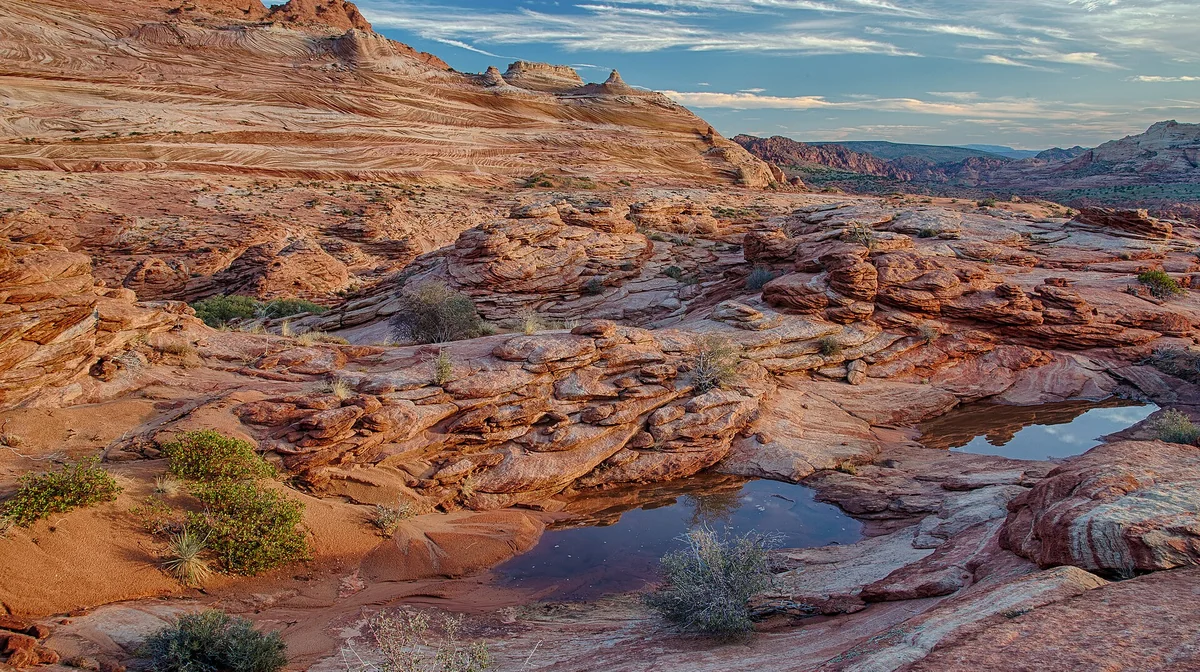
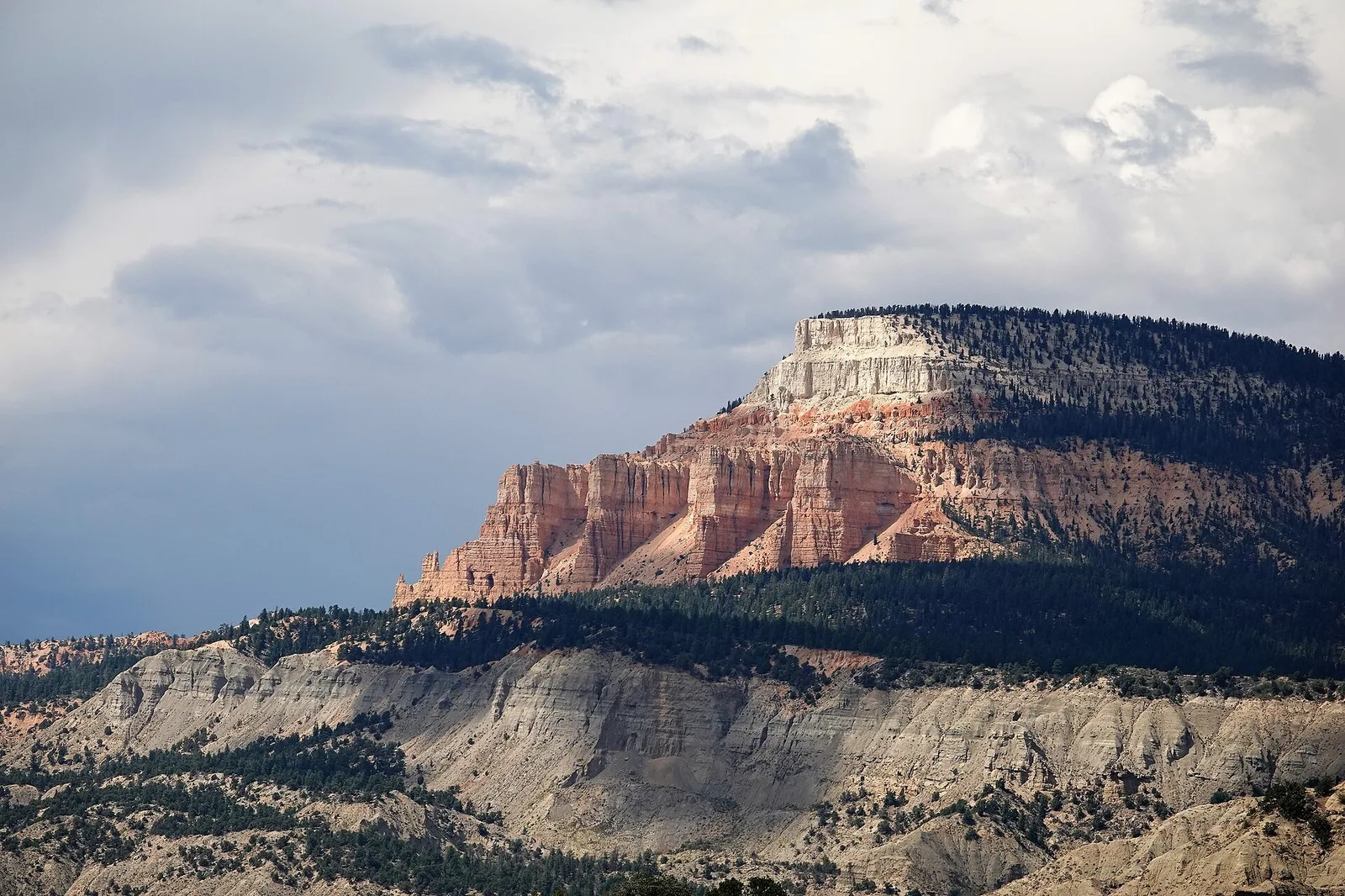
A few of the visual fingerprints we lean into when we shoot, brand and market a Kanab property — courtesy of the open Wikimedia Commons archive.
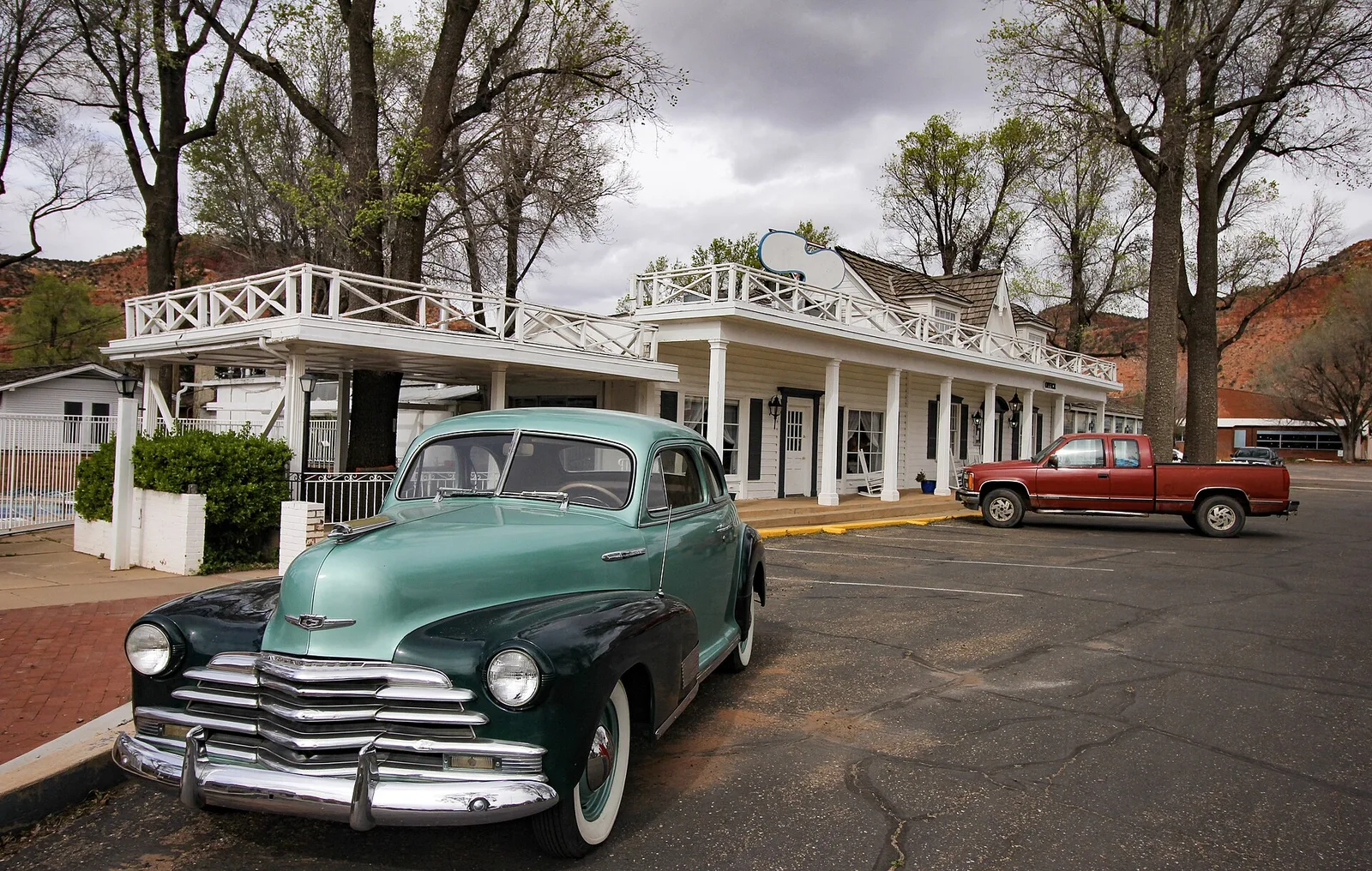
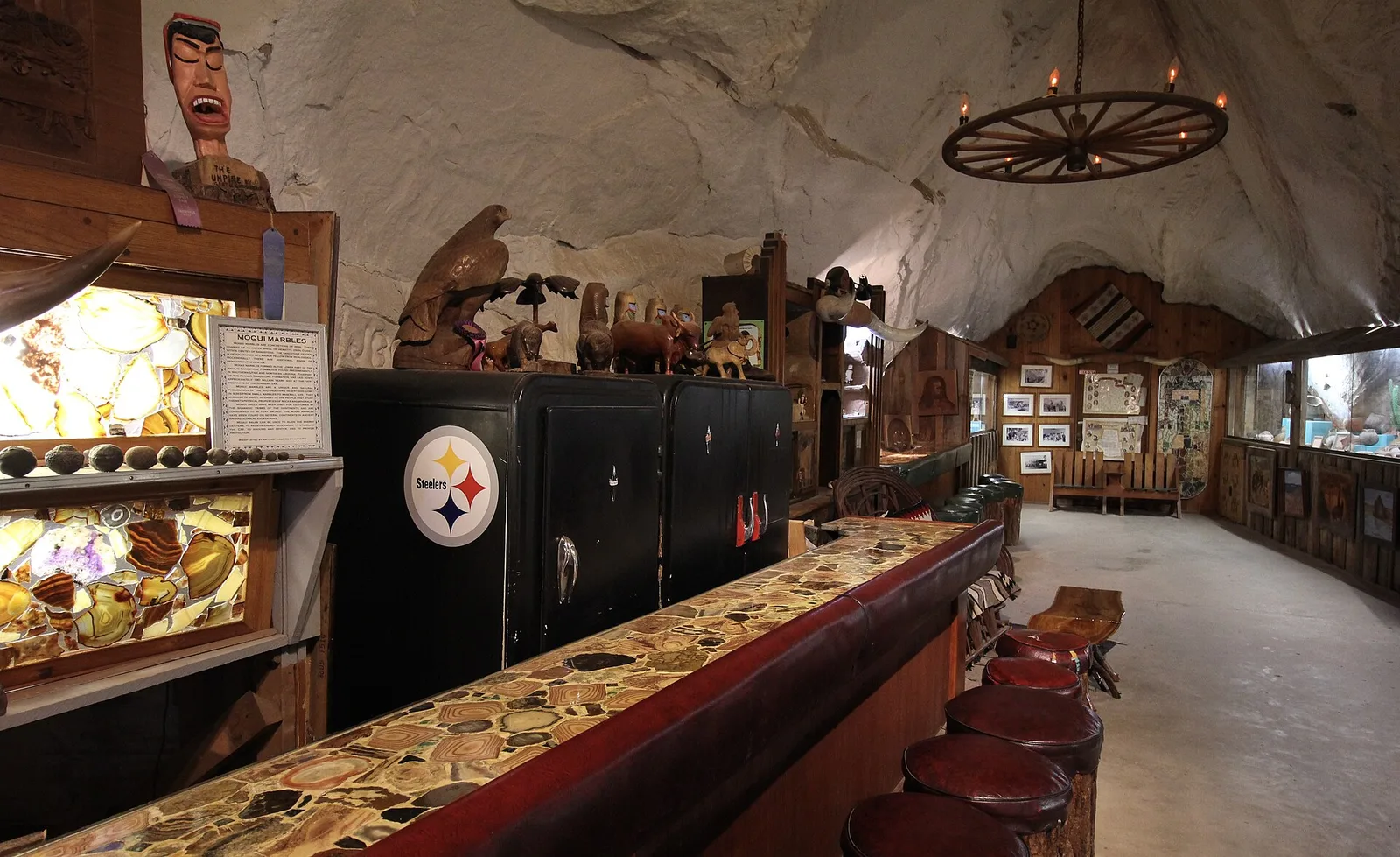
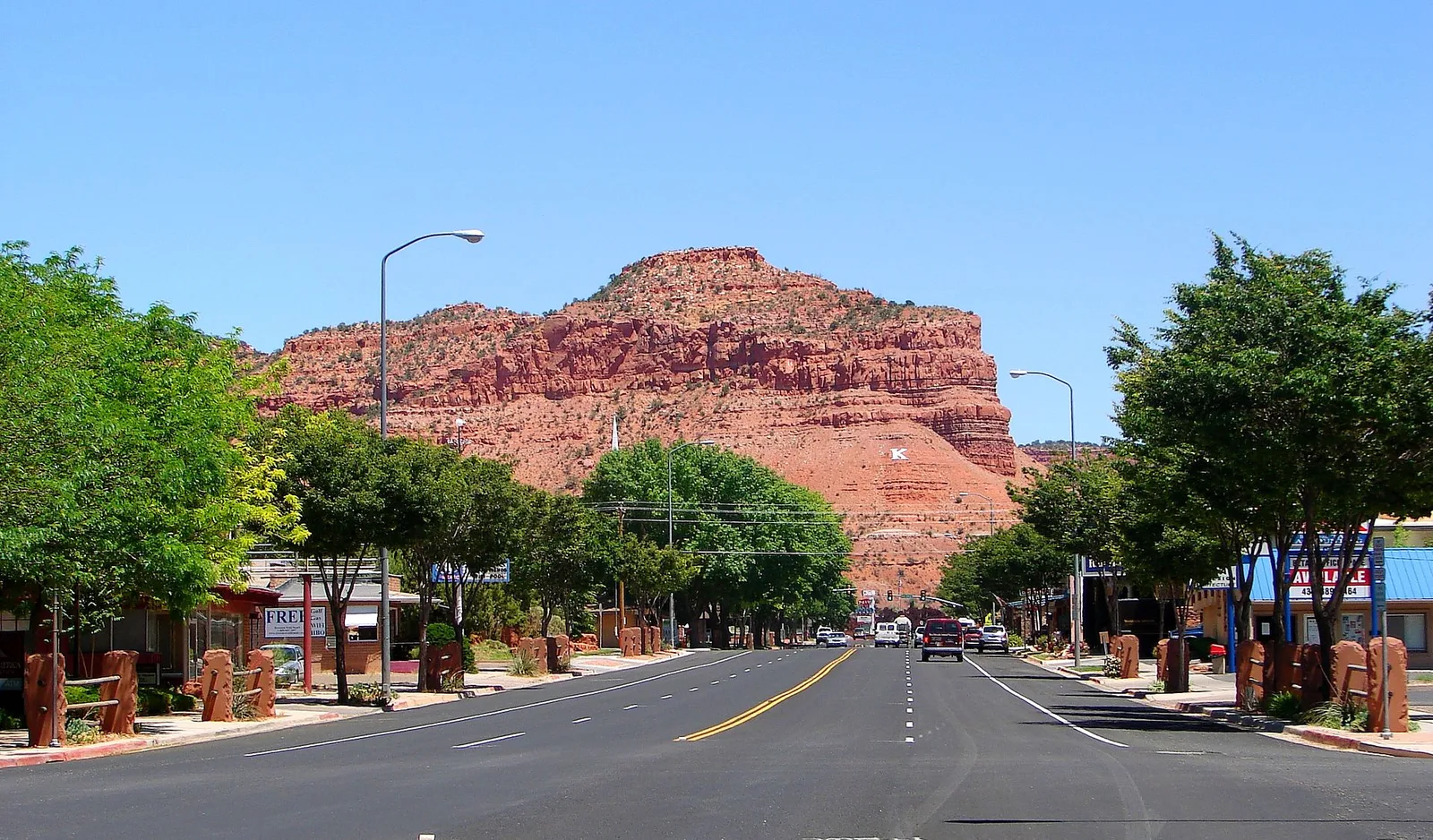
Cavmir markets Kanab properties on the thing that actually distinguishes them, which is rarely the house. We build the position around the trip a guest is planning — which parks, which order, which permits, how early they need to leave — and we write the copy with real drive times rather than the vague near Zion claim every competitor makes. We photograph the property in the light this landscape gets at the ends of the day, and we shoot the outdoor space properly, because in a desert basecamp the porch and the shade matter more than the sofa. We build the direct-booking site and get it visible for the searches that bring people here: Zion east entrance, the Wave lottery, Coral Pink, the slot canyons, and pet-friendly stays near the sanctuary. We build the email list that brings a spring guest back in autumn. And we go after the sanctuary audience deliberately, because it is real, year-round and almost entirely unmarketed. We help position and market your property. We never manage it or touch your keys.
Kanab was settled by Mormon pioneers in the 1870s in a valley of red sandstone at the edge of the Arizona Strip, and for its first fifty years it was a ranching town at the end of a very long road. What changed it was film. Beginning in the 1920s and accelerating through the 1940s and 1950s, Hollywood discovered that the country around Kanab looked exactly like the West audiences imagined, and hundreds of films and television episodes were shot in the canyons and dunes nearby. The lodge on the main street put up the stars, sets went up in the surrounding washes, and the town acquired the nickname Little Hollywood, which it still uses. Some of those sets are still out there, weathering.
The second transformation was public land. Kanab sits in the middle of one of the densest concentrations of protected landscape in the United States. Zion's east entrance is a short drive west, Bryce Canyon is north, the North Rim of the Grand Canyon is south across the Arizona line, and Grand Staircase-Escalante — designated in 1996 and the subject of repeated boundary changes since — begins at the edge of town. The Vermilion Cliffs and Coyote Buttes are just south, and the permit lottery for the Wave, one of the most sought-after hiking permits in the country, is administered from here. That geography turned a ranching town into a basecamp.
The third change is the one visitors do not expect. In the 1980s an organisation bought a canyon north of town and built what became the largest no-kill animal sanctuary in the country on it. It now draws a continuous stream of volunteers, adopters and visitors from across the United States, many of whom stay for several days, travel outside the peak park season, and bring animals with them. That single institution gives Kanab a demand stream that has nothing to do with national parks and that almost nobody in the local rental market markets to.
Kanab's season is longer and flatter than most Southwest markets, which means the pricing opportunity is in the edges rather than the middle. Spring, from March through May, is the strongest run: comfortable temperatures, every park open, and the permit lotteries and canyon tours in full swing. Autumn, September through early November, is nearly as strong. Summer is high volume but genuinely hot — a hundred degrees is normal — and the accurate positioning is early starts, shaded canyons, water and air conditioning rather than pretending the heat is not there. Winter is the soft season, but not a dead one: Zion and Bryce stay open, Bryce in snow is one of the great sights in the country, and the sanctuary north of town runs year-round. The most under-exploited pricing lever here is the length of stay. Park visitors book two or three nights; sanctuary volunteers, photographers working the slot canyons and lottery hopefuls waiting for a permit draw book four to seven. Building a rate structure that rewards longer stays, and marketing specifically to the audiences that take them, converts a two-night market into a four-night one. That is worth more than any nightly rate increase.
Two strong seasons, one hot one and one quiet one. Spring, March through May, is the peak for both weather and park access. September through early November is the second peak and often the more pleasant of the two. Summer is busy on volume — this is peak national-park season — but the heat is a real constraint and shapes what guests can do. Winter is the softest stretch, though Zion and Bryce remain open, snow on the hoodoos at Bryce draws photographers, and the animal sanctuary keeps a steady flow of volunteers coming all year. The North Rim of the Grand Canyon closes for the winter, which changes the trip a guest can build and should change your guest guide with it.
Utah leaves most of this to local government, and in Kane County the split is clean: the county does not regulate short-term rentals inside incorporated municipalities, so a property in Kanab City answers to the city and a property in the unincorporated county answers to the county. Establish which you are in before anything else.
Within Kanab City, short-term rentals operating in residential zones require a city business licence. The application process is more substantive than a form: expect to submit a site plan, satisfy parking requirements, and post the city-provided rental rules inside the property where guests will see them. The city also limits concentration in residential zones, with a maximum of two short-term rental units permitted on any single parcel. That last provision matters if you are considering a main house plus a casita or an accessory unit — it sets a ceiling on what one lot can produce. Confirm the current requirements with the city before you buy, particularly the zoning treatment of your specific parcel, because the zone determines whether a rental is permitted at all.
The tax stack here is layered and guests see all of it. Utah's statewide sales tax applies to short-term rentals. Kane County imposes a transient room tax on short-term lodging. Kanab City adds a municipal transient room tax on top of the county and state levies. Taken together, a guest booking in Kanab sees roughly twelve percent in combined taxes, which is worth knowing when you set a headline rate, because the number at checkout is meaningfully higher than the number in the search results. You will need a city business licence, a Utah state sales tax number and transient room tax registration with the Utah State Tax Commission. Booking platforms handle portions of this on the reservations they process; direct bookings are your obligation, and since a marketing programme grows those deliberately, register before you turn it on.
Stop saying near Zion. Every listing in three counties says it, and it tells a guest nothing. Say forty minutes to the east entrance, ninety to Bryce, ninety to the North Rim, twenty to Coral Pink — a table of real drive times is the single most useful thing you can put in a Kanab listing and almost nobody does it. Second, build the trip. Guests here are assembling a multi-park itinerary and the property that helps them sequence it, including which day to attempt the permit lottery and which canyons need a guide, becomes the obvious choice. Third, market to the sanctuary audience. Volunteers stay longer, travel off-peak, often bring pets and are choosing on pet-friendliness and quiet rather than on park proximity. If your property is genuinely pet-friendly, that is a distinct and almost unserved market segment. Fourth, photograph the outdoor space and the shade. In a desert basecamp the porch, the shaded seating and the outdoor shower matter more than the living room, and the red rock light at the ends of the day is the best asset you have. Fifth, be clear about the summer heat and give guests a plan for it — early starts, slot canyons, water, a rest hour. Sixth, price for length of stay rather than only per night, because the audiences worth chasing here stay four nights and up.
Competition is the main constraint rather than regulation. Kanab's position is so good that every listing claims the same thing, and differentiation is genuinely hard when a hundred properties all say near Zion. Summer heat limits what guests can do and generates disappointment when it is not disclosed. Water is a real long-term issue in this part of Utah and has affected development approvals across the region. Park access itself is increasingly managed — permits, shuttles and timed entry vary by park and by season, and guests who arrive without one are frustrated. And the North Rim's winter closure changes the product for months at a time in a way many owners never mention.
Get a dedicated short-term rental policy with real liability limits rather than relying on a homeowner's policy. In southern Utah the specifics are heat, water and the outdoors. Air conditioning failure in July is not a comfort issue here, it is a habitability issue and potentially a refund and a bad review, so ask how equipment breakdown and consequent loss of rental income are treated. Flash flooding is a genuine desert risk — properties near washes and drainages should be assessed honestly, and guests heading into slot canyons need warning about it in your guide. Pools and hot tubs are common and always a named consideration. If you accept pets, which is a real opportunity in this market, confirm how animal-related liability is treated rather than assuming. Wildfire risk applies in the higher country nearby. Older properties in town bring the usual wiring and roof questions. Ask for guest injury, guest property damage and loss of rental income after a covered event to be confirmed in the policy language.
Three layers and guests see the total. Utah's statewide sales tax applies to short-term rentals. Kane County imposes a transient room tax on short-term lodging. Kanab City adds its own municipal transient room tax on top of the county and state rates. Combined, a guest booking in Kanab typically sees somewhere around twelve percent in taxes at checkout, so build that into how you present your headline rate rather than letting it be a surprise. On the compliance side you will need a Kanab City business licence, a Utah state sales tax number and transient room tax registration with the Utah State Tax Commission — three separate registrations. Booking platforms remit portions of these on the reservations they process, but not on your direct bookings. Because direct booking is exactly what a marketing programme grows, get all three registrations done and your filing calendar set before you start driving that traffic. Confirm current rates with the city and county rather than a general Utah guide.
Kanab financing is mostly conventional with a few southwestern specifics. The market is small enough that appraisals on unusual properties — a house with a casita, an off-grid or partially off-grid build, a large acreage parcel — can be slow or unpredictable. Water rights and well capacity come up in this part of Utah more than buyers expect and should be established during due diligence rather than after. If your model depends on operating both a main house and an accessory unit as rentals, check the city's two-unit-per-parcel limit against your plan before you buy, because that constraint sits on the parcel rather than the building. Second-home financing is cheaper than investment lending and the intended-use question matters. Debt-service-coverage products are available for buyers scaling past one property. Model the summer honestly: the volume is there but the heat compresses what guests will pay for a property without proper cooling and shaded outdoor space, and cooling costs in July are a real line item.
The first thing to settle in this corner of Utah is which government your address answers to, and the list is short. Kane County's short-term rental page says the county doesn't regulate homes inside its five towns — Kanab City, Orderville, Glendale, Big Water and Alton — and each of those writes its own rules. Everything else, from the cabins on Cedar Mountain to the ranch roads east of Zion, falls under the county's land use ordinance, Title 9. That one line on the map decides your licence, your zoning test and who enforces against you if something goes wrong. The county also says vacation rentals there have grown fast, that it has started investigating homes operating illegally, and that it plans to keep at it. So pull the parcel record, confirm the jurisdiction and the zone in writing, and only then run the numbers on a purchase.
Outside the five towns, the county spells out the order. You register with the Utah State Tax Commission for a sales tax account and a separate transient room tax account, then apply to the county clerk for a Kane County business licence; the county wants you on the state's books before it takes the application. The zoning test is yours to pass, and the county's page warns that ignorance of the zoning law is no defence. County planning records show a second short-term rental on a residential or agricultural lot has needed a conditional use permit approved by the Planning Commission, and the county has been revisiting how many rental dwellings its residential zones allow, so read the current Title 9 text before you trust an older summary. Operating without the licence is a Class C misdemeanor, carrying fines of up to $200 a day and, under Utah law, up to 90 days in jail.
Inside Kanab, the city licence sits on top of the same two state accounts. Treat a seller's licence as the seller's: budget time to apply in your own name after closing, and ask the city what, if anything, carries over with the house. Ask early about the fire-safety step. The city's licence process has included a fire inspection, and the city has been reworking that step toward an owner's signed self-check against state, city and international building and fire codes, so find out which version applies at application and at renewal. Then read the covenants. An HOA's CC&Rs can bar nightly rentals the city would allow, and a city licence doesn't override them. If the house has a basement apartment or a casita, ask how the city treats renting both at the same time before you count on two incomes. Confirm the current fees and steps with Kanab City or the county's Land Use Authority before you list.
The tax stack moved in 2025. On May 27, 2025 the Kane County Commission voted two to one to add a quarter point to the county's transient room tax under the state's HB 456, which qualifies the county for state grant money for EMS, search and rescue, road maintenance and tourism promotion. The county rate went from 4.25% to 4.5% on October 1, 2025, and a tax-compliance summary from that month puts the statewide transient room tax at 1.07% after the same law. Both ride on top of Utah's combined sales tax, and in Utah they apply to stays of less than 30 consecutive days. Airbnb's Utah help page says it collects and remits the combined sales tax, the state transient room tax and the local county, municipal and tourism room taxes on reservations of 29 nights or fewer, and leaves every other obligation with you. On your direct bookings you collect and remit all of it yourself, so have an accountant who files Utah transient room tax returns set up both state accounts and your filing calendar before your own website takes its first reservation.
Guests search for Kanab, and the county around it holds several separate rental markets, each with its own guest, season and rulebook. Kanab town sells the multi-park basecamp. The ranch country east of Zion sells the park itself, about 10 minutes from the east gate. The Long Valley towns on US-89 sell a quieter cabin stay between Zion and Bryce. Duck Creek Village, up on Cedar Mountain at 8,400 feet, sells cool air and snow to people leaving the desert, and Big Water sells Lake Powell. Pick the area by the guest you want to win, then check the rules that come with that address, because a town line or a subdivision covenant can settle the plan before the house does. It's the area-by-area read Cavmir starts from when we market a home here.
The town wins the multi-park road-tripper, the Best Friends volunteer and the family that wants groceries, gas and dinner without a long drive at the end of a park day. The fit is a family-size house with room to park, because guests here arrive with trucks, trailers and rented SUVs, and a fenced yard opens the pet market the sanctuary feeds. The blocks near the main street and Parry Lodge sell the walk to dinner; the edges of town toward Jackson Flat Reservoir sell space and quiet. Every property inside city limits answers to Kanab City, so the questions before you buy are the zone of the parcel, whether the HOA allows nightly rentals, and whether the city's licence path is open on that lot at all. Get the city's answer in writing before you write the offer, and treat a listing line saying a house already rents nightly as a lead to check.
East of the park on the county side, the product is Zion itself. Zion Ponderosa Ranch Resort covers 4,000 acres along the park's east boundary, about 10 minutes from the east gate, and Zion Mountain Ranch runs cabins and lodges with a roaming buffalo herd; private cabins and group homes sit around them, some with resort access and some without. This ground wins the guest who wants the east-side trailheads at dawn and the drive into Zion Canyon through the 1.1-mile tunnel before the queue builds, plus the reunion group that wants a big house and a fire pit. Mount Carmel Junction, at the US-89 turnoff for the east entrance, adds motels and a few homes for the price-led guest, and all of it is unincorporated county land. Farther north on US-89, Orderville and Glendale sell quieter cabin stays between Zion and Bryce, with Alton closer to Bryce; each is its own town with its own rules. Before you buy anywhere out here, confirm whether resort amenities convey with the property, who plows the road and where the water comes from.
Duck Creek Village sits at 8,400 feet at mile marker 29 on Scenic Highway 14, reached by taking US-89 north to the SR-14 junction, with Navajo Lake at 9,200 feet near the top of Cedar Mountain and Brian Head Ski Resort and Cedar Breaks nearby. It wins the summer guest escaping the desert heat of Las Vegas and St. George, and a winter crowd on snowmobiles, skis and snowshoes; the product is the log cabin with a wood stove, a hot tub and a deck, sized for families and small groups. It's unincorporated county land, so the county path applies, and winter is the operating risk: plan for snow on the access roads, tell guests what vehicle to bring, and price the shoulder months when the high country sits between seasons. At the other end of the county, Big Water is an incorporated town near Lake Powell with its own rules, and it wins boaters and anglers who need room for a trailer and a boat. Read each town's ordinance before you buy, and confirm the current rules with the town or the county.
Three threads. The first is park management. Access to Zion, Bryce, the North Rim and the permitted areas south of town keeps getting more actively managed — shuttles, timed entry, permit systems — and each change alters how a guest plans a trip and therefore what your marketing and guest guide need to say. Staying current on that is a genuine competitive advantage, because most owners here do not. The second is water. Southern Utah's long-term water position affects development approvals, growth and eventually the cost of operating a property in the region, and it is the constraint most likely to shape what this town looks like in twenty years. The third is the demand mix. Park visitation to this corner of Utah has grown steadily and shows no sign of reversing, and Kanab's position between four major destinations is structurally excellent. But that same advantage is why every listing here sounds identical. The owners who will do best are the ones who stop competing on proximity — which everyone has — and start competing on the trip they help a guest build, the length of stay they attract, and the audiences, like the sanctuary's volunteers, that nobody else is bothering to speak to.
Kanab is a small red-rock town that happens to sit at the centre of the best two hours of driving in America. Zion's quiet east side is forty minutes one way. Bryce Canyon is ninety minutes north. The North Rim of the Grand Canyon is ninety minutes south, across the state line and up onto a plateau where the air smells like ponderosa. Grand Staircase-Escalante starts at the edge of town and the slot canyons in it are the kind of thing people plan a year around. Twenty minutes away there is a field of coral-pink sand dunes. And north of town, up a canyon, there is the largest no-kill animal sanctuary in the country, which brings a steady stream of people who came for reasons that have nothing to do with any of the rest of it. The town itself is one main street, a lodge that used to house Hollywood actors between takes, and a lot of very good light at the ends of the day. What we like about marketing here is the challenge, honestly. Every property in this town has the same advantage, which means none of them do. The listings all say near Zion and the guest cannot tell them apart. The owners who win are the ones who give real drive times, help the guest build an actual itinerary, and go after the audiences everyone else ignores — the four-night photographers, the permit-lottery hopefuls, the volunteers with a dog in the car. That is a solvable problem and almost nobody is solving it.
A great property in Kanab doesn't just want a listing — it wants a point of view, an audience, and a brand the city itself would recognise.
Eight things for the guest guide. Drive times, not adjectives — the whole value of staying here is what you can reach from it.
The sandstone north and east of Kanab catches the first light before the town does. Take a coffee out to the edge of the valley and watch it come on. Ten minutes, no drive required.
The restaurant count is small and March through May fills it with park traffic. Tell guests to eat early or reserve, and note which places close on Sundays.
Access to Coyote Buttes and the Wave is limited and allocated by lottery run from here. Tell guests how to enter and, more usefully, give them a genuinely good alternative for the days they do not win.
Hundreds of Westerns were shot around this town and some of the sets are still out there. The lodge on the main street housed the stars. It is a good hour when the weather turns.
Ninety minutes north, and the hoodoos with snow on them are one of the great sights in the country. Winter is the quiet season here and this is the reason to sell it.
Twenty minutes out, a field of genuinely pink sand against red cliffs. Best at the ends of the day. Warn guests that the sand is hot enough to burn bare feet in summer.
The drive west into Zion's east entrance, through the switchbacks and the tunnel, is one of the best roads in the park system. Go early, before the queue at the tunnel builds.
Give them the plan rather than the warning: out by six, slot canyons and shade at midday, back for a rest hour, out again at five. It changes their trip and they will thank you for it.
Guests who find a Kanab rental on Airbnb search its name afterwards, and the page they should land on is the owner’s own site. Cavmir builds vacation rental websites of 40 to 125 pages in the owner’s brand. For a home that only lists on Airbnb, that is a website for your Airbnb: your name and domain, your photos, your area guides and your reviews, with a button that sends guests to the listing. For homes on Hostaway, Guesty or Hospitable it is a direct booking website: live availability and prices from the PMS, the whole stay priced before checkout, and the booking completed in the PMS. Both start from the same vacation rental website design, run the TrollBuster™ compliance scan before launch, and are yours at launch: domain, code, content and photos.
The guide pages of a Kanab site can start with the picks on this page: The cliffs behind town at sunrise, Dinner on the main street in spring and The permit lottery. Each one is a search a guest makes before choosing a home, and each becomes a page that leads to the booking button.
Packages start at $1,475 for the Starter Website (40 pages, two to three weeks) and run to $3,732 for Full with Direct Booking (125 pages, booking synced with your PMS); the current prices are on the pricing page.
A few composite engagements, drawn from how Cavmir typically works with owners in a park-gateway market where everyone claims the same advantage. Illustrative rather than any one client's file.
Competing against a hundred listings all claiming to be near Zion, with nothing in the copy to help a guest tell them apart.
Replaced the proximity claim with a table of real drive times to five destinations, built an itinerary page on the owner's direct site, and reshot the property in late-afternoon red-rock light with the outdoor space as a lead image.
Enquiries improved in quality because guests could see how the property fitted their trip, and the listing began holding rate rather than discounting into a crowded field.
A genuinely pet-friendly property competing as a generic park rental, with the animal-sanctuary audience — longer stays, off-peak travel — entirely unaddressed.
Repositioned around pet-friendly, longer-stay visits with specific content for sanctuary volunteers, added a length-of-stay rate structure, and targeted that audience directly rather than through park-related search alone.
Average length of stay increased and the calendar began filling in months that had previously been soft, from a guest segment no local competitor was marketing to.
Plans to run both units as separate rentals without having checked the city's limit on short-term rental units per parcel.
Established the parcel-level position with the city first, then built the marketing around what the property could legally offer — including positioning the pair as a single larger booking for groups rather than two competing listings.
The property operated on a confirmed compliant basis and attracted larger group bookings instead of splitting demand between two listings on the same lot.
Demand in Kanab peaks around April, May and September and runs quietest around January and December. Here is how the year actually books — and what to do about each stretch of the calendar.
Spring from March through May and autumn from September through early November are the strongest runs, with comfortable temperatures and every park open. Set minimum stays through both and price them as the peaks they are rather than treating summer as the only season that matters.
Summer is high volume but genuinely hot, and the accurate positioning is early starts, shaded canyons and a property that handles the heat. The bigger shoulder opportunity is the animal sanctuary audience, which travels year round, stays longer and books on pet-friendliness rather than park proximity. Almost nobody in this market markets to them.
December through February is the quiet season, and the North Rim closes. Build the winter position around Bryce in snow and around long-stay visitors, price honestly, and use the window for maintenance and a spring reshoot.
Spring and autumn weekends fill on a four to eight week window, and peak-season weeks in the parks book earlier. Sanctuary and photography stays are often arranged months ahead. Winter is largely last minute.
Two to three nights for park road-trippers, four to seven for photographers, sanctuary volunteers and lottery hopefuls. Building for the longer-stay audiences is worth more here than raising the nightly rate.
Houses sleeping six to eight with real outdoor space, shade and effective cooling are the core product, because this is a basecamp market where the porch matters more than the living room. Genuinely pet-friendly properties with a fenced yard are a distinct and under-supplied product. Properties that can host a group of ten or more for a multi-park trip are the top of the market.
Start with photography that shows what a guest actually gets here, then write the listing around a real itinerary rather than a feature list. Build a direct-booking site so returning guests can come back without going through a platform, and keep an email list segmented by season so you can reach last year's visitors before the calendar opens. Local search matters more than people expect in a market this size, because guests search the destination and the attraction rather than the word rental. A marketing agency layer handles the photography, the listing copy, the direct-booking site and the local SEO as one system instead of four disconnected jobs.
Two peaks. Spring from March through May and autumn from September through early November have the best temperatures and full park access. Summer is high volume but genuinely hot, so the trip changes shape around early starts and shaded canyons. Winter is the quiet season, though Bryce in snow draws photographers and the North Rim closes.
Spring and autumn weekends fill on a four to eight week window, and peak park weeks book earlier. Photography and sanctuary stays are frequently arranged months ahead. Winter is largely last minute. Because the highest-value guests here are the ones who stay four nights or more, marketing to them earlier matters more than chasing every open night.
Las Vegas and Salt Lake City are the practical airports, and most guests drive in from one of them or from Phoenix, St. George, Flagstaff or southern California. That makes this a road-trip market where guests are choosing a basecamp rather than a destination, and the listing that helps them build the whole itinerary wins.
Effective air conditioning and shaded outdoor space, because in a desert basecamp the porch and the temperature matter more than the sofa. Parking for several vehicles, laundry for a longer trip and a fenced yard if you accept dogs, which opens up the animal sanctuary audience that almost no local listing serves. Fast wifi matters for the photographers and longer-stay guests.
Run your Airbnb, Vrbo, or website through Cavmir's free grader. It checks the things that decide whether guests book in Kanab — photos, listing copy, page speed, local search — and shows you where bookings leak. Takes about a minute, and there's no sales call attached.
If the report says your booking engine is the weak link, that's fixable: a direct-booking website of your own means repeat guests stop paying platform fees to come back to you. That's the work Cavmir does — see Airbnb website design in Kanab.
Send us the listing and we'll tell you what we'd change. Not a pitch deck — a straight read on your photos, your title, your rates against the Kanab comp set, and whether a direct-booking site would pay for itself.
You'll hear back from a person, usually inside one business day. If we don't think we can move your numbers, we'll say so. Cavmir is a short-term rental marketing agency — we position and market properties, we don't manage them.
Talk to Cavmir today. We'll show you exactly what your Kanab property is leaving on the table — and how fast we can change that.
Book a Free Strategy CallPhotography via Wikimedia Commons (images resized and cropped): Escalante, Grand Staircase, Utah by Tucker Kirby (CC BY-SA 4.0) · Kanab, Utah 04 Parry Lodge by Mramoeba (CC BY-SA 4.0) · Kanab, Utah 01 by Mramoeba (CC BY-SA 4.0) · Kanab UT 1 by P199 (CC BY-SA 3.0).
