




The count
1,864 islands
To qualify, an island must stay above water year round and support at least one living tree. Guests always ask, so know the answer.

Expert short-term rental marketing to grow your bookings and nightly rate in Thousand Islands, New York, USA.
Sixteen services, one team. Everything below is built in-house and scoped to your property and market. Most owners start with the 12-Step System.
Every engagement is quoted to your portfolio. These are the ready-made scopes owners pick most — the AI Efficiency Discount is already applied. A clear proposal within 48 hours.
The work is public. Selected engagements and what changed — and reviews from the owners and managers behind them.
* Market averages. Properties marketed by Cavmir typically exceed these figures by 25–45%. Data sourced from AirDNA, STR market reports, and Cavmir internal analytics.
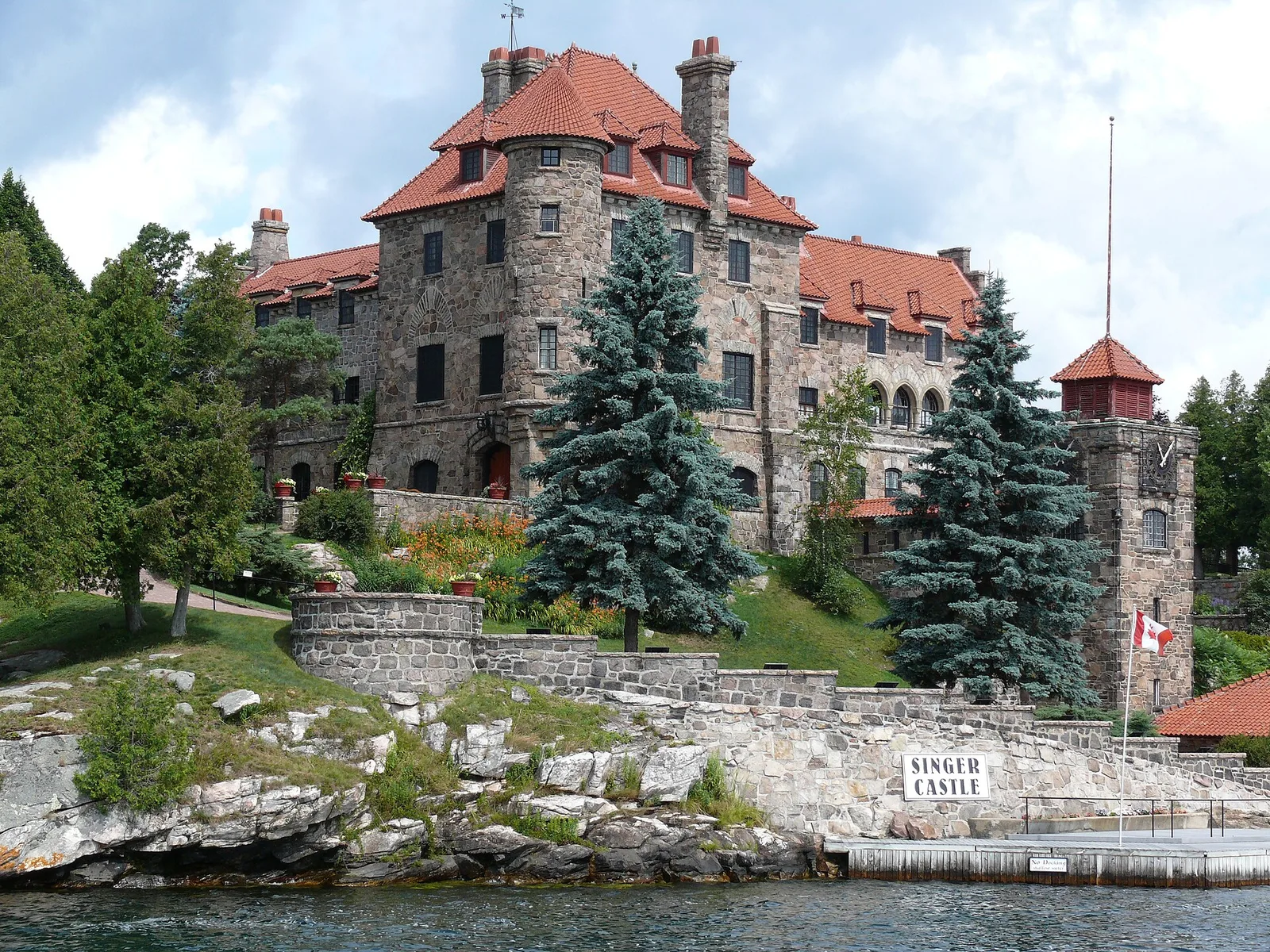
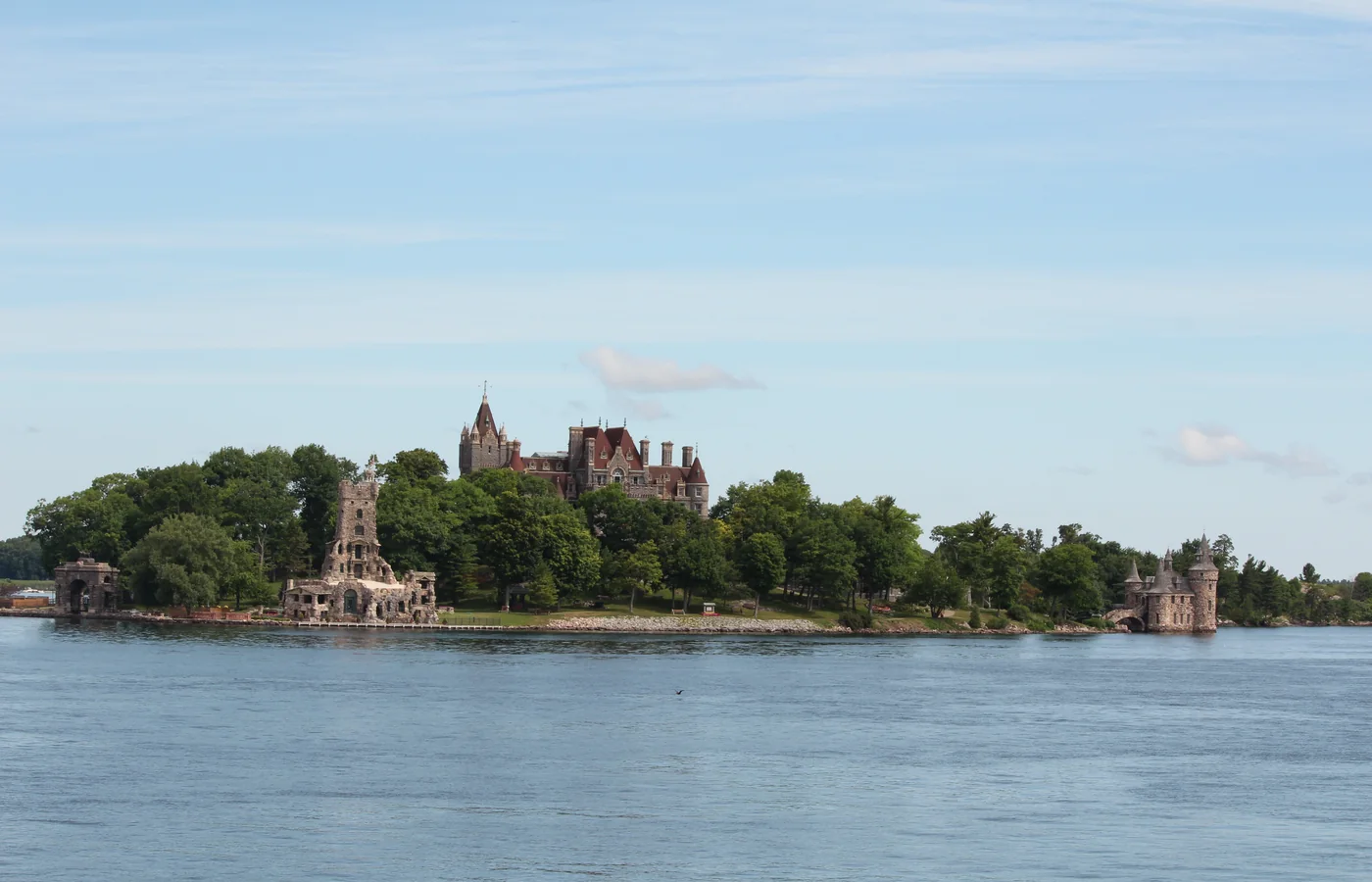
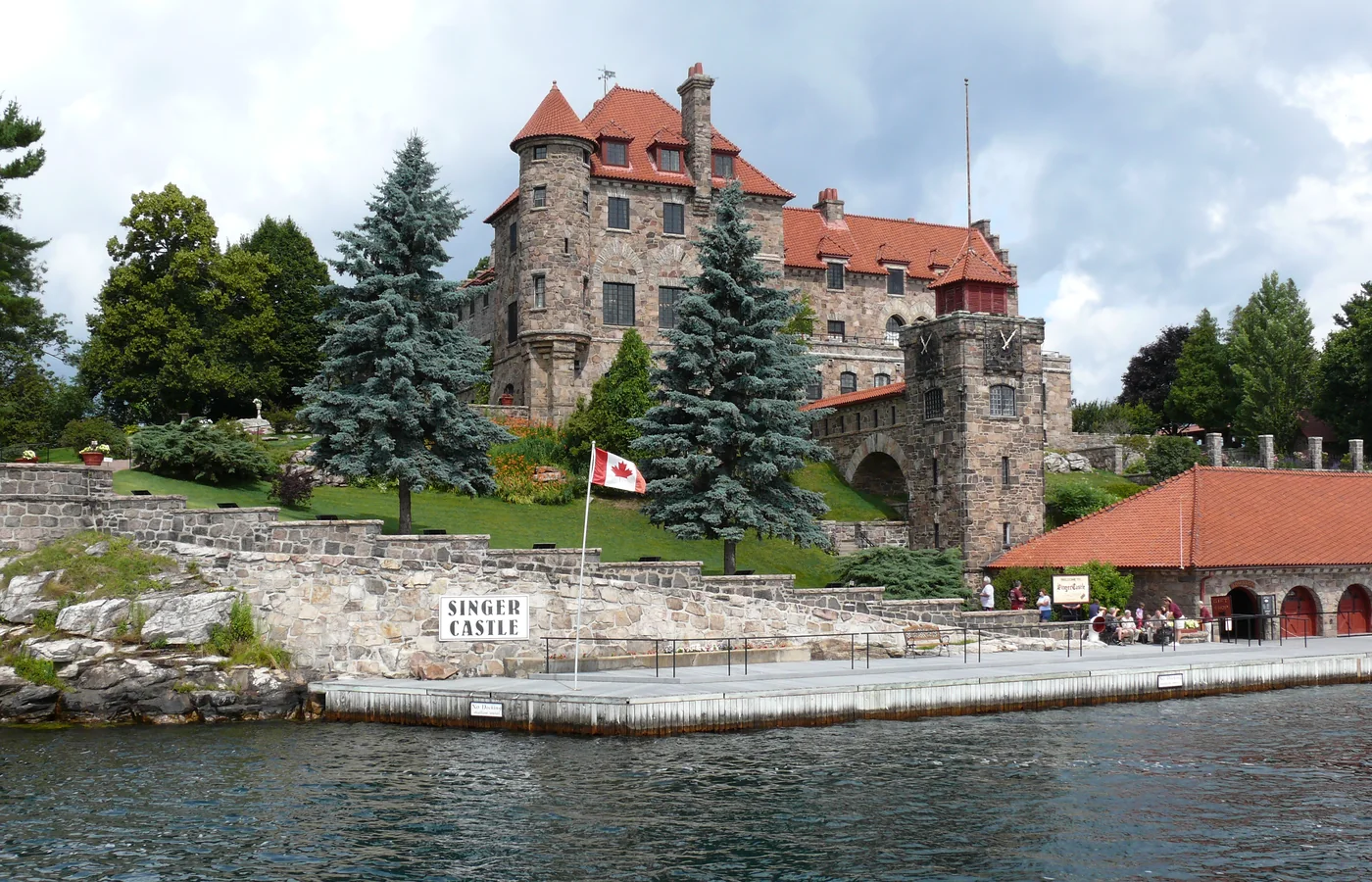
The Thousand Islands are strung along the St. Lawrence River where it leaves Lake Ontario, on the border between New York and Ontario, and there are 1,864 of them by the official count. The definition matters and is genuinely charming: to be counted, an island has to stay above water year round and support at least one living tree. Some are large enough to hold a village and some hold a single house and nothing else, built to the edge of the rock. The Gilded Age discovered this river in the 1870s and 1880s and never entirely left. George Boldt, who ran the Waldorf-Astoria in New York, started building a castle on Heart Island for his wife Louise and stopped everything in 1904 when she died, leaving the building open to the weather for seventy-three years. Frederick Bourne of the Singer Sewing Machine Company built another on Dark Island. Alexandria Bay and Clayton are the two towns that serve the American shore, and between them they run the boat tours, the marinas and a museum holding one of the great collections of freshwater recreational boats. The season is short and the freighters going up the seaway pass close enough to the shore that guests stop mid-sentence to watch.
This is one of the lighter regulatory pictures in the wave and the tax position is the thing to understand. Jefferson County levies an occupancy tax, commonly called a bed tax, at 3% of room-rate receipts with certain exemptions, and it has been extended to short-term rentals so that they sit on the same footing as hotels and motels. Roughly half the revenue goes to the county's tourism council and the other half returns to the town or city where the stay took place, which is an unusually direct arrangement and one worth knowing: the tax your guest pays partly funds the marketing of the destination you are selling. The towns of Clayton and Alexandria and the village of Clayton actively asked the county to extend the tax rather than resisting it. New York's statewide framework applies here as everywhere: the state short-term rental sales tax has applied since 1 March 2025 across all counties, and the Article 12-D registration and reporting regime began on 22 September 2025 with counties given until 25 June 2026 to decline to operate a registry. Confirm Jefferson County's current registry posture directly. Beyond tax, the real constraints on this market are physical rather than legal: island properties need docks, water and septic arrangements that mainland properties do not, and winter access is a genuine question.
Nearby Markets: Lake Placid | Old Forge | Lake George
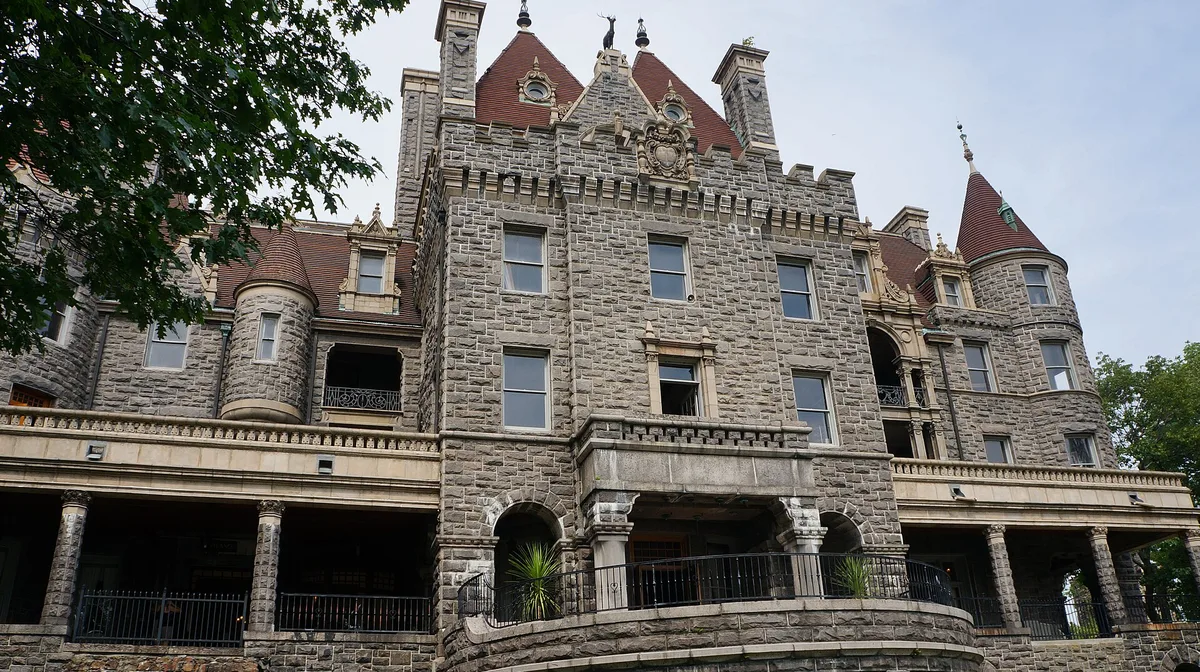
A few of the visual fingerprints we lean into when we shoot, brand and market a Thousand Islands property — courtesy of the open Wikimedia Commons archive.
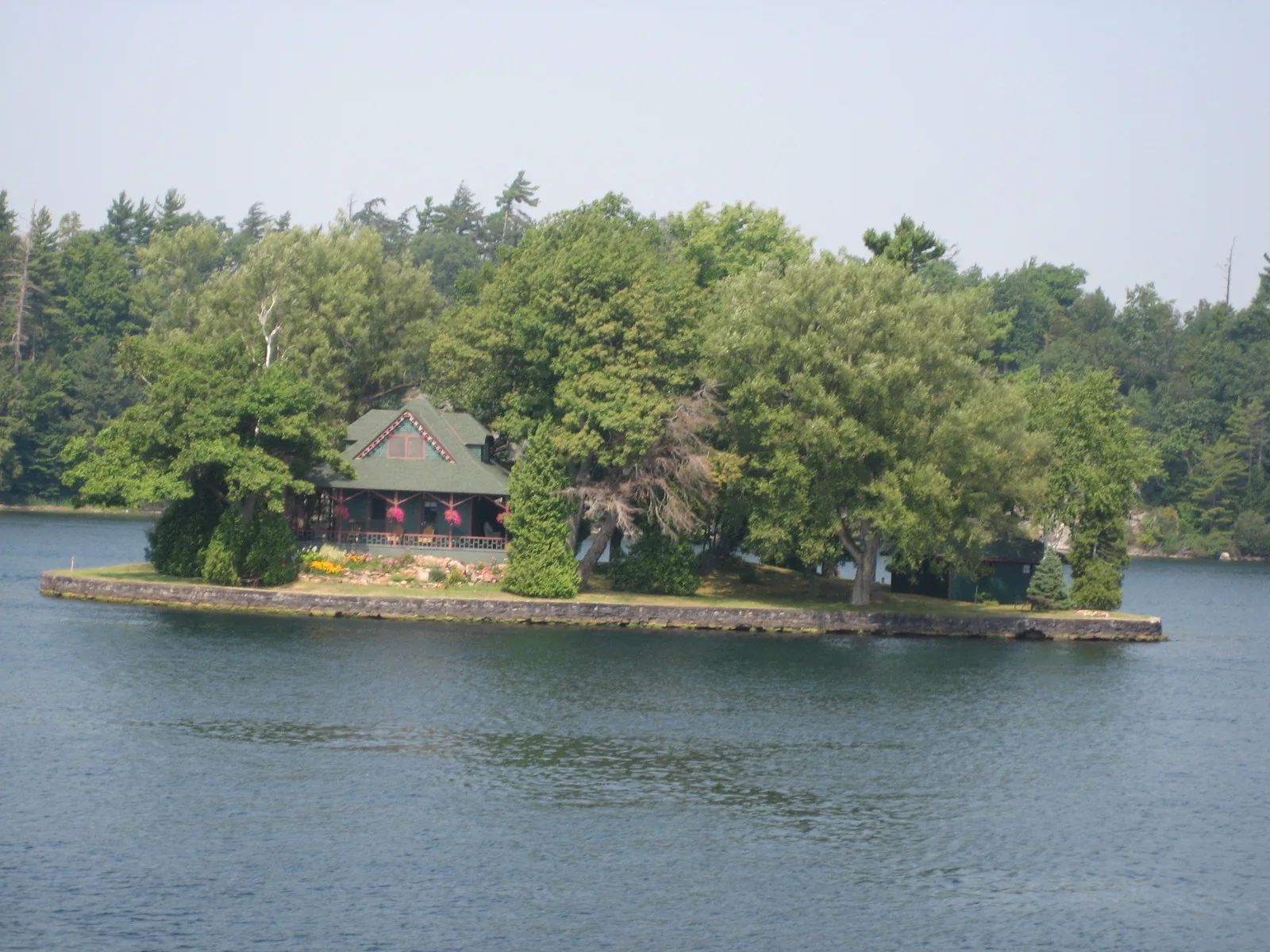
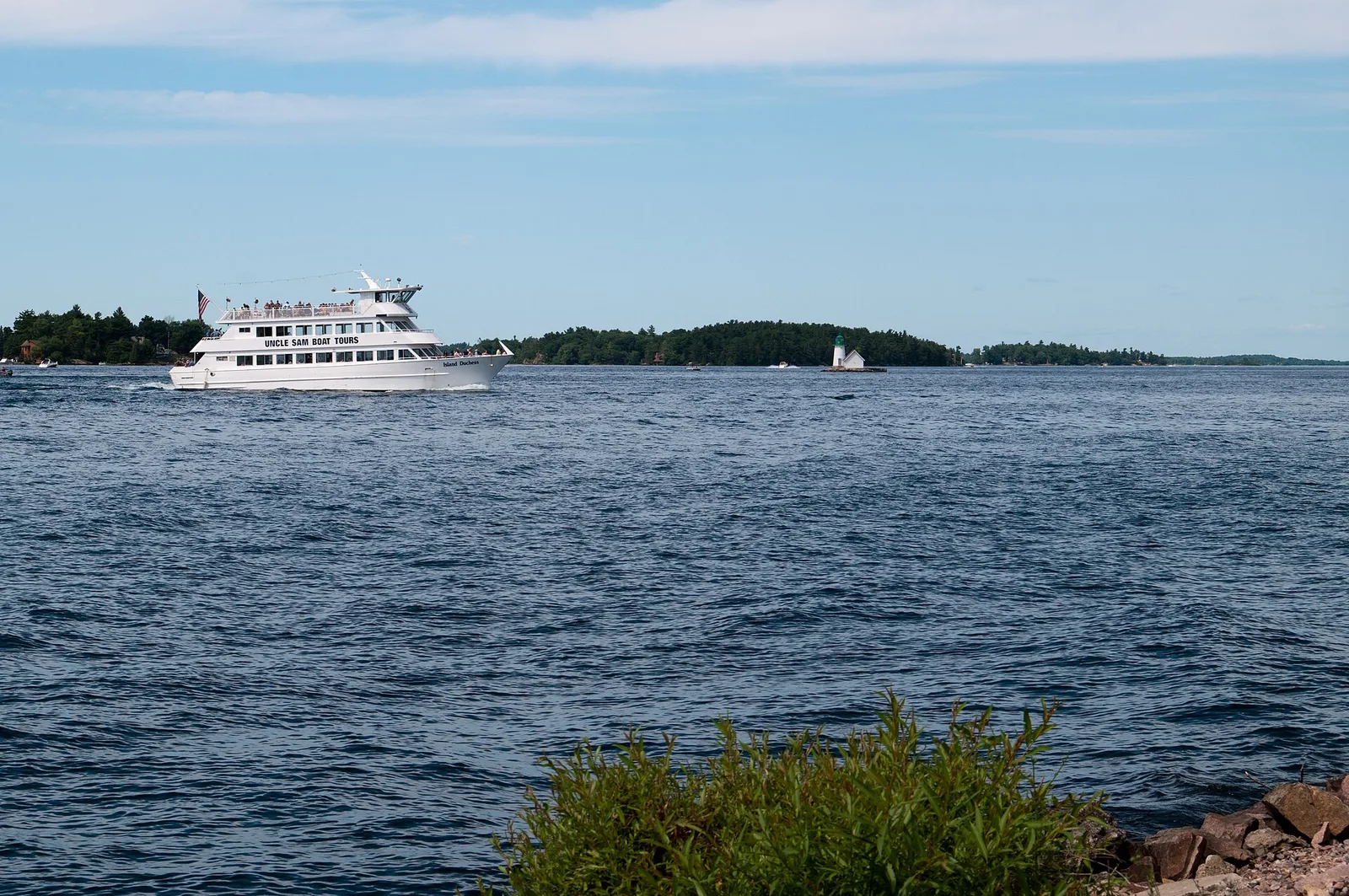
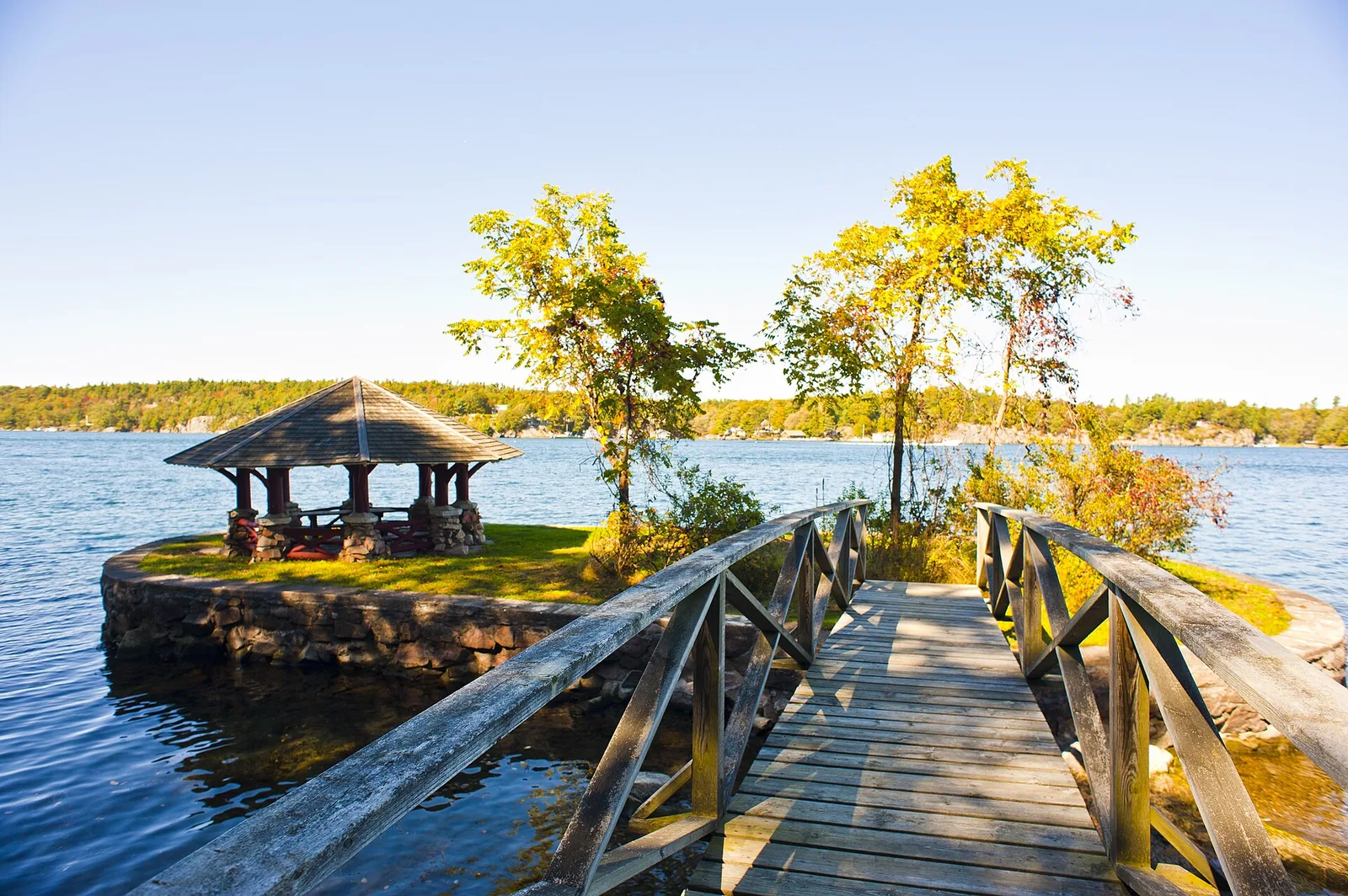
Cavmir markets Thousand Islands properties around the two things that decide a booking here, which are water access and the length of the season. Water access is not one thing: a mainland house with a view, a mainland house with a dock, a house on an island reachable by your own boat and a house on an island reachable only by arranged transfer are four completely different products, and a guest who books the wrong one has a bad week. We write that precisely, with the boat, the dock depth, the transfer arrangement and the parking on the mainland all stated. The season problem is the bigger opportunity. This market runs hard for about twelve weeks and most owners accept that. But Jefferson County also contains Fort Drum, and a steady flow of military families arriving on assignment, house-hunting or waiting on quarters needs somewhere to stay in months when nobody is touring castles. Almost nobody markets to them. We do, alongside the autumn colour on the river and the winter crossings that some owners never consider. We photograph the water properly, build a direct booking site that holds the whole itinerary, and keep the guest list that a twelve-week market depends on. We help position and market your property. We never manage it or touch your keys.
The proprietor of the Waldorf-Astoria kept his summer place on this river, and he built it as a castle. Cavmir writes the modern chapter of the St. Lawrence's hospitality.
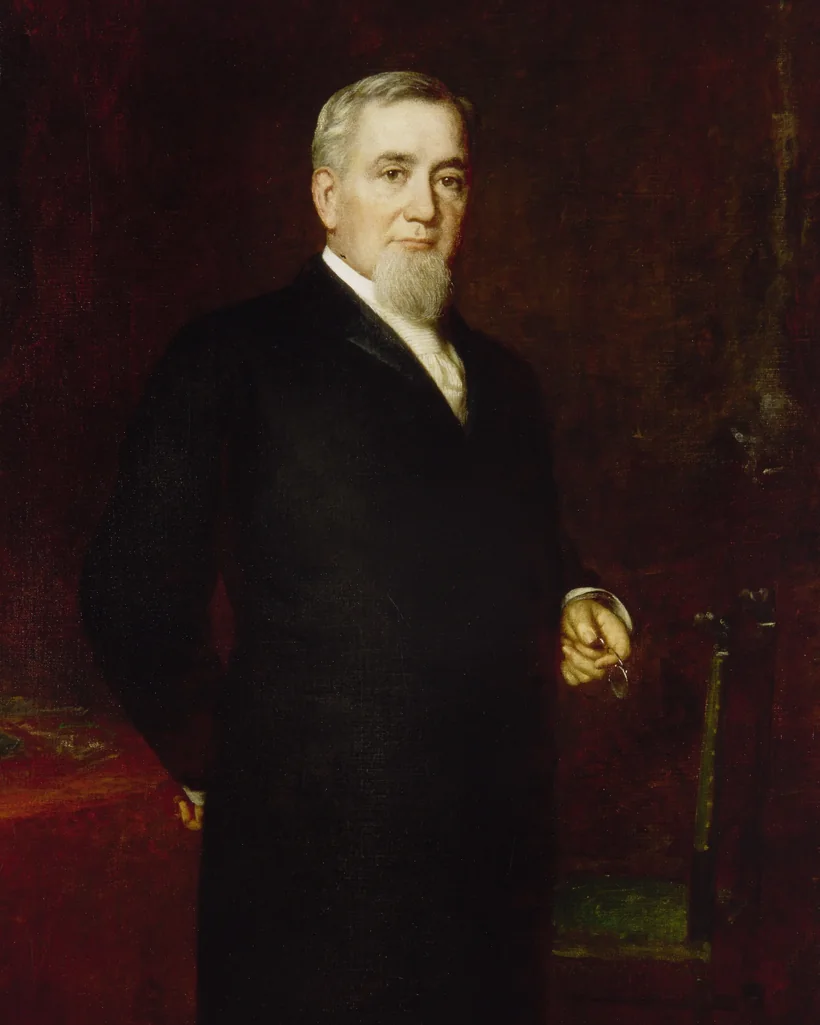
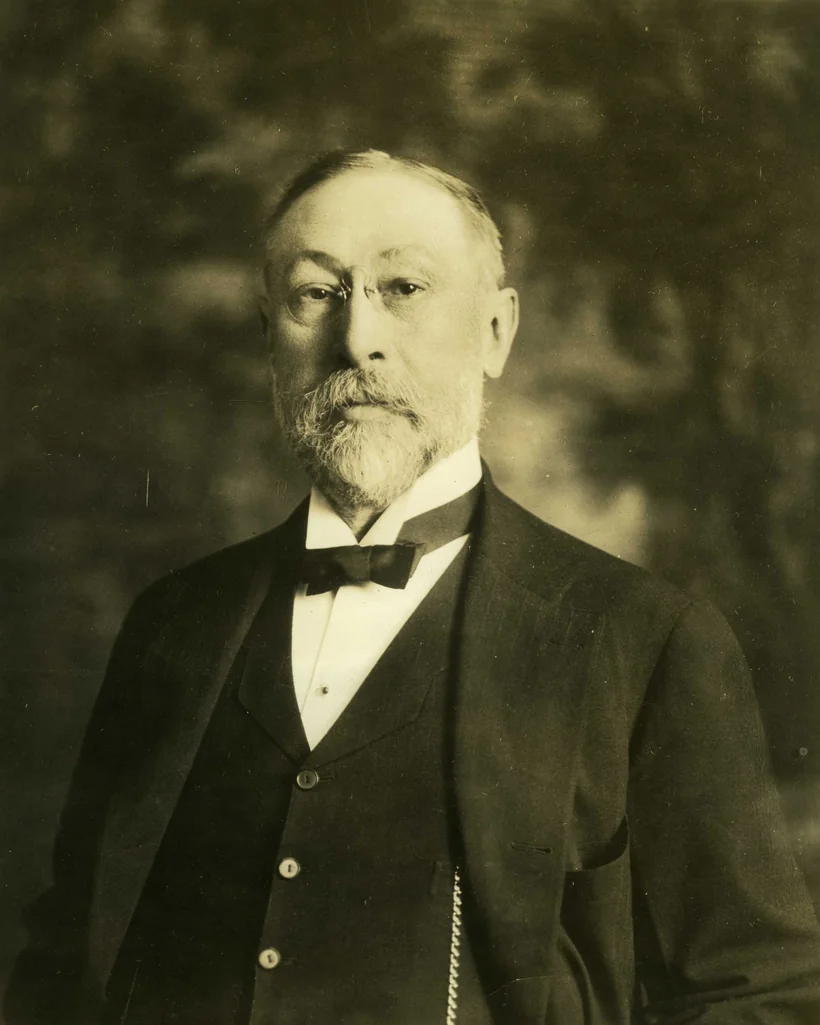
The Haudenosaunee knew this stretch of river long before Europeans arrived and the Onondaga name for it translates roughly as the garden of the great spirit. The French charted it, the British and Americans fought over it, and the border eventually ran through the middle of the archipelago, which is why some islands are Canadian and some American and one or two have a line drawn across them. The Gilded Age is what made this a resort. In the 1870s and 1880s wealthy families from New York, Philadelphia and the industrial midwest discovered the river and began building summer houses on the islands, and because each island was a private domain the architecture got competitive. George Boldt, who ran the Waldorf-Astoria hotel in Manhattan, bought Heart Island and began building a six-storey Rhineland castle as a gift for his wife Louise. In January 1904, with the structure largely up, Louise died suddenly. Boldt sent a telegram ordering all work to stop immediately, and he never set foot on the island again. The building stood open to the weather for seventy-three years before the Thousand Islands Bridge Authority acquired it in 1977 and began restoring it. Frederick Bourne, president of the Singer Sewing Machine Company, built another castle on Dark Island. The Thousand Islands Bridge opened in 1938. And the whole area gave its name to a salad dressing whose exact origins are argued about locally to this day.
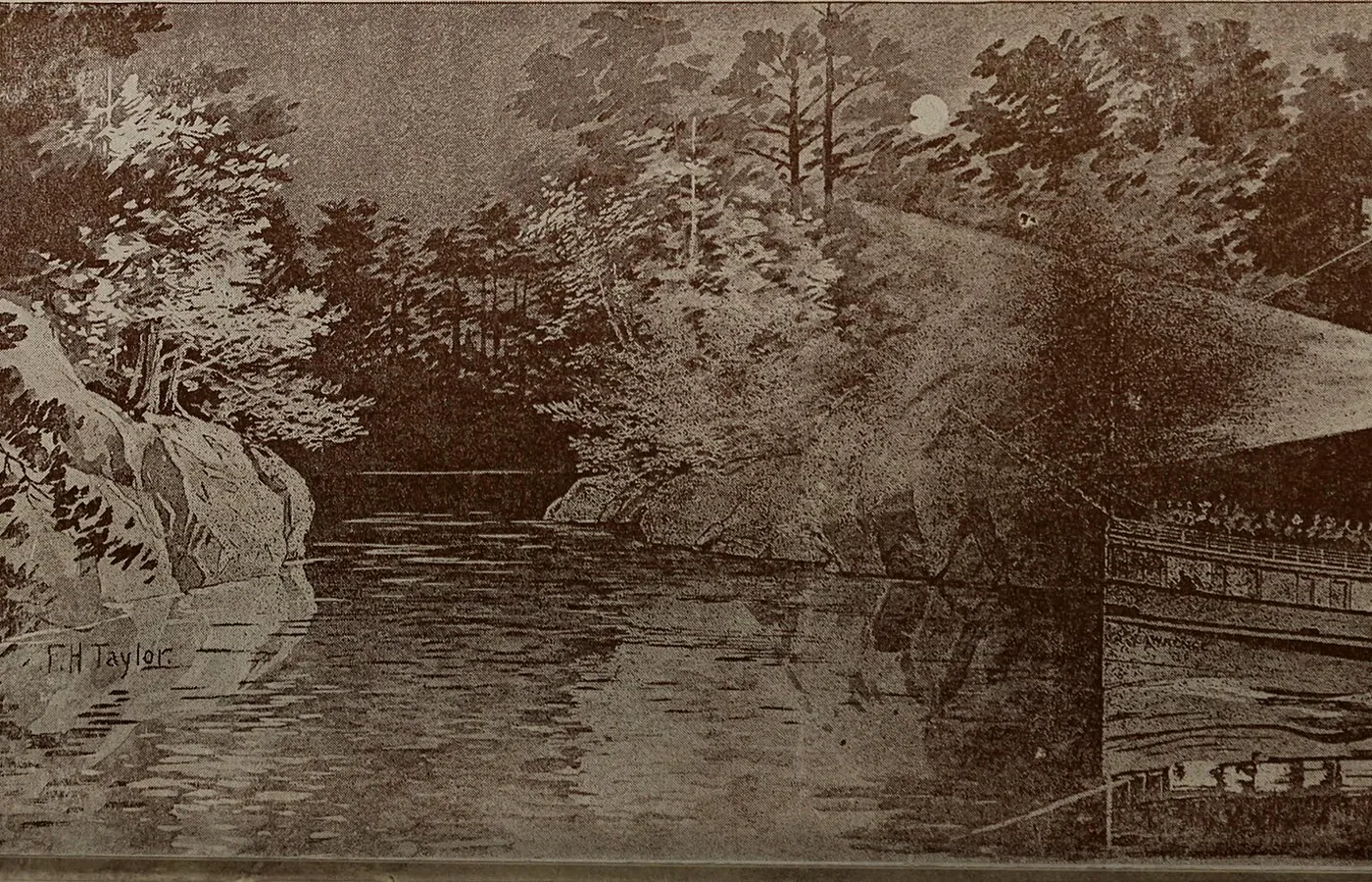
Before the platforms, excursion steamers ran tourists through the archipelago, grand hotels filled Alexandria Bay, and the castles on the islands were the best advertising the river ever had. The channel changed; the work is identical: presentation, positioning, and a private island's worth of privacy. It is the same business Cavmir is in today.
Historical images and photographs: public domain and Creative Commons via Wikimedia Commons — Detroit Photographic Co., Eastman Johnson, Bain News Service, Srikanth Prabhakar, Ad Meskens.
This is a genuinely short-season market and pricing has to reflect that honestly. The core runs from late June through Labor Day, roughly ten to twelve weeks, and those weeks have to carry a disproportionate share of the year. Waterfront and water access are the dominant rate variables, and the distinctions matter more here than almost anywhere: a mainland house with a river view, a mainland house with a dock, an island house you reach in your own boat and an island house reachable only by arranged transfer occupy four different price points and attract four different guests. Weekly bookings, Saturday to Saturday, are the traditional pattern and still the most efficient way to run a property here. Boat slips are worth real money and should be priced as an amenity rather than thrown in. September is the most under-sold month: the water is still warm, the freighters still run, the leaves start to turn along the river and rates typically collapse before demand does. Beyond the tourist season, the market that almost nobody prices for is Fort Drum. Jefferson County hosts a major army installation, and military families arriving on assignment, house-hunting or waiting for quarters need furnished accommodation in months when nothing else is moving. That is a thirty-day-plus business with different economics and it can fill an otherwise empty spring.
Very concentrated. July and August are the season, with late June and early September as genuine shoulders. Boldt Castle and the boat tours run roughly from mid-May to mid-October, which brackets the visitor year. October brings colour along the river and a short second wind. From November to April the river towns are quiet and cold, the St. Lawrence ices, and many businesses close. Winter weather in Jefferson County is severe, with heavy lake-effect snow, which affects access to island and rural properties and should be discussed with guests rather than discovered by them.
The Thousand Islands sit at the lighter end of this wave's regulatory spectrum, and tax is the main formal obligation. Jefferson County levies an occupancy tax, locally called a bed tax, at 3% of the money a property makes from room rates, subject to certain exemptions, and the county has extended it to short-term rentals so that they sit on the same footing as hotels and motels. The revenue split is unusual and worth knowing: roughly half goes to the county's tourism council, which markets the destination, and roughly half is returned to the town or city where the stay took place. The towns of Clayton and Alexandria and the village of Clayton actively asked the county to bring short-term rentals into the tax, which tells you something about the local politics here: the pressure came from municipalities wanting the revenue rather than from residents wanting restrictions. New York State's framework applies on top. The statewide short-term rental sales tax has been in effect since 1 March 2025 across all counties, and the Article 12-D registration and reporting regime began on 22 September 2025, requiring platforms to verify registration and file quarterly county-level reports; counties had until 25 June 2026 to decline to run a registry. Confirm Jefferson County's current position directly. Individual towns and villages along the river may have their own zoning provisions, so check the specific municipality rather than assuming the county position covers you.
Be exact about the boat. This is the single most consequential thing you can get right or wrong here. Say whether the property is on the mainland or an island, how a guest reaches it, whether they need their own boat, whether transfer is arranged and by whom, where they park a car if they are leaving one, and what happens if the weather turns. An island stay is a wonderful thing and an unexpected island stay is a disaster. Second, price and describe the dock properly. Depth, length, whether a boat can be left overnight and whether there is power and water on it are all things a guest bringing a boat will ask, and a property that answers them attracts a better booking. Third, sell the freighters. Ocean-going ships pass through the Seaway channel close enough to shore that watching them is a genuine activity, and hardly any listing mentions it; it is one of the strangest and best things about a week on this river. Fourth, tell the Boldt Castle story properly rather than linking to a ticket page. It is a remarkable story and it is why a lot of people come. Fifth, market September deliberately. Sixth, look at Fort Drum. A furnished property that can take a thirty-day-plus military booking in April has a completely different annual profile from one that sits empty for eight months, and almost nobody in this market has worked that out.
The season is the shortest in this wave and there is no marketing solution to a frozen river. Island properties bring real operational complexity: water, septic, power, waste removal, deliveries and emergency access all become harder, and a maintenance issue on an island is expensive to fix. Winter is severe, with heavy lake-effect snow, and unoccupied properties need proper winterisation. The market is also physically remote from major population centres, with the nearest large cities several hours away, which lengthens the booking window but shrinks the spontaneous market. And because a large share of the inventory is old summer housing, upgrading it to modern expectations is not cheap.
Insuring on the St. Lawrence means dealing with water in every direction and a cold climate on top. Name short-term rental use in the policy and set liability limits with the actual guest activity in mind, which here means boats, docks, swimming and children near deep moving water. Docks, boat lifts, boathouses and any watercraft supplied with the property need to be scheduled explicitly; ice movement in spring is a recurring cause of damage to shoreline structures and is not always covered by default. If the property is on an island, tell the insurer plainly, because response times for fire and emergency services are materially different and it changes the risk assessment. Winter freeze exposure is significant in a market where most properties sit empty from October to May, so read the vacancy and winterisation conditions in the policy closely and comply with them. Flood and high-water exposure is a real consideration along this river, and the water level is managed internationally rather than naturally, which has produced high-water years with genuine shoreline damage. Use a broker who writes north country waterfront regularly.
Jefferson County levies an occupancy tax at 3% of receipts from room rates, with certain exemptions, and short-term rentals now fall within it alongside hotels and motels. The split is worth understanding as a matter of business rather than civics: about half goes to the county tourism council that markets this destination and about half returns to the town or city where the stay occurred, so the tax funds both the promotion of the river and the municipality your guest actually stayed in. New York State's short-term rental sales tax, in effect since 1 March 2025, applies on top across every county, charging the state rate plus local add-ons. Under the state's Article 12-D framework a county that opted out of running a registry may collect sales tax but not occupancy taxes, so confirm Jefferson County's position before you assume the 3% applies to you, and confirm what your booking platform collects and remits versus what you must file yourself. Ask your accountant about the treatment of a seasonal property with a long vacant period, and about the personal-use rules if your family also uses the house in August.
Financing along the river divides sharply between mainland and island. Mainland waterfront is a conventional if specialised proposition: lenders will look at flood exposure, shoreline structures, septic and well, and the seasonal nature of the income. Island property is a different conversation entirely, and some lenders will not consider it at all. The questions are practical ones: how is the property reached, what happens in winter, how are water and waste handled, is there mains power or a generator, and how would emergency services attend. Appraisals are harder because comparable island sales are infrequent and idiosyncratic. Expect a larger deposit and a narrower field of lenders. On both sides of that divide, the short season shapes underwriting: a property that earns in twelve weeks needs a lender comfortable with concentrated seasonal income, and documentation of actual historic revenue matters more than a projection. Insurance cost is a meaningful input. Use a broker in Jefferson County who has closed on river property before, because the ones who have will tell you immediately which lenders take island files.
The Thousand Islands have a stable underlying proposition and a structural problem, and both are worth naming. The proposition is that the river, the castles, the Seaway and the archipelago are permanent, protected in large part by state park and bridge authority ownership, and cannot be replicated or built out. The problem is the length of the season, which no amount of marketing changes. The most likely direction of travel is more tax visibility rather than more restriction: Jefferson County has moved short-term rentals onto the same footing as hotels, New York State now requires registration and quarterly platform reporting, and local municipalities asked for the tax rather than resisting the rentals. That is a market being formalised, not squeezed. The interesting opportunity for owners over the next few years is the shoulder and the off-season, where Fort Drum's assignment cycles, autumn colour on the river and a genuine appetite for quiet waterfront in September all sit largely unmarketed. An owner who builds a direct relationship with returning summer families and adds a second, entirely different off-season business alongside it will out-earn one who simply waits for July.
There are 1,864 islands in this stretch of the St. Lawrence and the rule for counting them is that the land has to stay above water all year and grow at least one tree. That single detail tells you most of what you need to know about the place. Some of these islands are big enough for a village and some are a slab of granite with a house, a dock, a flagpole and the qualifying tree, and people have been summering on them since the 1870s. The Gilded Age families who found this river built competitively, which is why there is a six-storey castle on Heart Island that a hotel magnate started for his wife and abandoned mid-construction in 1904 when she died, leaving it open to seventy-three winters before anyone restored it. Another sits on Dark Island, built by the man who ran Singer sewing machines. What makes a week here genuinely strange and good, though, is the shipping. This is the St. Lawrence Seaway, and ocean-going freighters bound for Duluth or Cleveland come through the channel between the islands, close enough that you look up from a book and there is a six-hundred-foot ship going past the end of the dock. The water is clear, the granite is pink, the sunsets go on forever because you are a long way north, and in September the leaves start turning along the shore while the river is still warm enough to swim in.
A great property in Thousand Islands doesn't just want a listing — it wants a point of view, an audience, and a brand the city itself would recognise.
Eight things a guest needs settled before they book a river week, especially the ones about boats, because getting them wrong ruins a holiday.
To qualify, an island must stay above water year round and support at least one living tree. Guests always ask, so know the answer.
Mainland with a view, mainland with a dock, island by your own boat, island by arranged transfer. Say precisely which you are.
Begun by the Waldorf-Astoria's proprietor and abandoned in 1904 when his wife died. Left open to the weather for seventy-three years.
Built by the president of the Singer Sewing Machine Company. Reachable by tour boat and far less crowded.
Ocean freighters pass between the islands close to shore. It is one of the best things about a week here and almost nobody mentions it.
In Clayton, holding one of the great collections of freshwater recreational boats. A real rainy-day answer.
Jefferson County's occupancy tax now covers short-term rentals. Roughly half funds tourism marketing, half returns to your town.
July and August carry the year. September is warm, quiet and consistently under-priced. Winter closes the river down.
The three examples below are composite and illustrative. They reflect patterns common to short-season waterfront markets rather than any single Thousand Islands client, and no real business is described.
A guest booked what they understood to be a waterfront cottage and discovered on arrival that it was on an island, reachable only by a boat transfer they had not arranged, with nowhere obvious to leave the car.
We rewrote the access description as a step-by-step arrival, photographed the dock and the mainland parking, set out the transfer arrangement and cost, and added a plain statement of what happens if weather delays the crossing.
Bookings came from guests who wanted an island stay and knew what one involved. The mismatch complaints ended and the property's rate position improved.
A well-equipped mainland property earned everything it earned in July and August and sat empty from October to May, with the owner treating that as simply how the river works.
We built a second, entirely separate proposition for extended stays aimed at Fort Drum arrivals and relocating families, with monthly terms, a furnished-lease presentation and promotion outside the holiday channels.
The off-season began producing long, low-turnover bookings that changed the annual return without touching the summer business at all.
A property with a deep-water dock and overnight moorage listed it as one word in an amenity list, and was booked mainly by guests who arrived without a boat and never used it.
We photographed and described the dock properly, including depth, length, power and whether a boat could stay overnight, and repositioned the listing toward guests bringing or hiring a boat.
The property started attracting boating guests who valued the moorage, which supported a materially higher rate for the same weeks.
Demand in Thousand Islands peaks around July through August and runs quietest around January, February and March. Here is how the year actually books — and what to do about each stretch of the calendar.
July and August are the whole season and they have to carry the year. Weekly bookings running Saturday to Saturday are the traditional and most efficient pattern. Waterfront and water access are the dominant rate variables, and a boat slip is worth real money and should be priced as an amenity rather than included as an afterthought.
Late June and early September are genuine shoulders and September is consistently under-sold: the water is still warm, the freighters still run and the leaves begin turning along the river. October adds a short second wind of colour traffic before everything closes.
November through April the river towns are quiet and cold, the St. Lawrence ices and many businesses shut. The realistic answer is not a discount but an entirely different market: Fort Drum assignment cycles bring military families needing furnished accommodation on longer terms in months when nothing else is moving.
The summer weeks book a long way ahead because the season is short and returning families rebook early, often before leaving. Shoulder-season demand moves much later. Off-season military and relocation demand arrives on its own schedule and is usually found rather than waited for.
Weekly stays running Saturday to Saturday are the traditional summer pattern and remain the most efficient way to operate here. Shoulder-season trips are shorter. The off-season belongs to monthly and multi-month furnished arrangements.
Water access defines the product and the winners are the properties that describe it precisely. A dock with depth and overnight moorage is worth a genuine premium. Island properties can command more but need the access arrangement solved and stated. Whole houses that sleep a family group suit the weekly pattern better than small units.
Start with photography that shows what a guest actually gets here, then write the listing around a real itinerary rather than a feature list. Build a direct-booking site so returning guests can come back without going through a platform, and keep an email list segmented by season so you can reach last year's visitors before the calendar opens. Local search matters more than people expect in a market this size, because guests search the destination and the attraction rather than the word rental. A marketing agency layer handles the photography, the listing copy, the direct-booking site and the local SEO as one system instead of four disconnected jobs.
July and August are effectively the entire season, bracketed by Boldt Castle's operating window from mid-May to mid-October. Late June and early September are genuine shoulders, and September is consistently under-sold with warm water and quiet towns. From November to April the river ices and most businesses close.
Summer weeks book a long way ahead because the season is short and returning families rebook early, often before they leave. Shoulder-season trips decide much later. Off-season military and relocation demand runs on its own schedule and is usually found by approaching it directly rather than waiting.
A drive market that reaches well into Ontario as well as upstate New York, with Syracuse, Rochester, Ottawa and Toronto all realistic. Nearby airports are small, so almost everyone arrives by car. That lengthens booking windows and makes this market less weather-sensitive at short notice than a fly market would be.
A dock with stated depth and overnight moorage is the amenity that commands a premium, because boating guests are the highest-value bookings here. Clear arrival instructions matter enormously, especially on island properties. Outdoor dining with a river view, a fire pit, kayaks and a full kitchen all support the weekly family pattern.
Run your Airbnb, Vrbo, or website through Cavmir's free grader. It checks the things that decide whether guests book in the Thousand Islands — photos, listing copy, page speed, local search — and shows you where bookings leak. Takes about a minute, and there's no sales call attached.
If the report says your booking engine is the weak link, that's fixable: a direct-booking website of your own means repeat guests stop paying platform fees to come back to you. That's the work Cavmir does — see Airbnb website design in the Thousand Islands.
Send us the listing and we'll tell you what we'd change. Not a pitch deck — a straight read on your photos, your title, your rates against the Thousand Islands comp set, and whether a direct-booking site would pay for itself.
You'll hear back from a person, usually inside one business day. If we don't think we can move your numbers, we'll say so. Cavmir is a short-term rental marketing agency — we position and market properties, we don't manage them.
Talk to Cavmir today. We'll show you exactly what your Thousand Islands property is leaving on the table — and how fast we can change that.
Book a Free Strategy CallPhotography via Wikimedia Commons (images resized and cropped): Boldt Castle on Heart Island 01 by Geraldshields11 (CC BY-SA 3.0) · Thousand Islands House by Ilikepie2221 (CC BY-SA 3.0) · Alexandria bay saint lawrence uncle sam 05.07.2012 by Dirk Ingo Franke (CC BY 3.0) · Singer Castle by Ad Meskens (CC BY-SA 3.0) · Gazebo c by Shroha (CC BY-SA 3.0) · Boldt Castle-Heart Island by Srikanth Prabhakar (CC BY-SA 4.0) · Singer Castle 2 by Ad Meskens (CC BY-SA 3.0).
