$325
Avg. Nightly Rate
42%
Avg. Occupancy Rate
$4,200
Avg. Monthly Revenue
5-8%
Est. Cash-on-Cash ROI
HIGH
Seasonality
HEAVY
Regulatory Burden

* Market averages. Properties marketed by Cavmir typically exceed these figures by 25–45%. Data sourced from AirDNA, STR market reports, and Cavmir internal analytics.

The Market

Why Cooperstown is One of the World's Premier STR Markets

Cooperstown is a village of about eighteen hundred people at the south end of Otsego Lake in central New York, and for roughly ten weeks a year it is one of the most in-demand small lodging markets in the Northeast. The Baseball Hall of Fame is the reason most people know the name, but the engine of the rental economy is the youth baseball tournaments that run week after week through the summer and bring families here for seven nights at a time, plus induction weekend in late July, when the village population multiplies. Around that sits a quieter and genuinely good destination: an opera festival in a purpose-built theater on the lake, two serious museums, a brewery that draws people from three states, and Otsego Lake itself, which James Fenimore Cooper called Glimmerglass and which still looks the part. The rental stock is village houses, farmhouses out on the county roads and lake properties. The rules in the village are among the strictest you will find in a town this size.

This market has a shape unlike almost any other in the country. Demand is enormously concentrated: from mid-June through late August, whole houses rent by the week to baseball families who book many months and often more than a year in advance, and induction weekend in late July prices like a major-league event. Then the calendar drops off a cliff. September and October carry real leaf and museum traffic and the opera festival extends the summer, but from November through May the village is quiet and most rental inventory sits. That concentration means two things for an owner. First, the summer weeks are not something you can afford to price casually — those are the weeks that make the year, they are booked on a schedule set by the tournaments rather than by the weather, and the families booking them are comparing whole houses on sleeping capacity, kitchen, laundry and drive time to the fields. Second, the shoulder is where the upside is, because almost nobody markets it. A property that has a real autumn and holiday story, aimed at museum visitors, opera audiences, leaf traffic and Hall of Fame pilgrims who do not want the July crowds, is competing against very little. The supply side is constrained by design: the village requires an on-site operator, a special use permit and annual inspection, so new inventory inside the village is not easy to add.

Top Attractions & Landmarks

  • The National Baseball Hall of Fame and Museum
  • Otsego Lake, the Glimmerglass of Cooper's novels
  • The Glimmerglass Festival opera season on the lake
  • The Farmers' Museum and Fenimore Art Museum
  • Brewery Ommegang and its summer concerts
  • Doubleday Field in the middle of the village
  • Glimmerglass State Park and Hyde Hall

Nearby Markets: Catskills  |  Finger Lakes  |  Lake George

Airbnb marketing services in Cooperstown, New York, USA
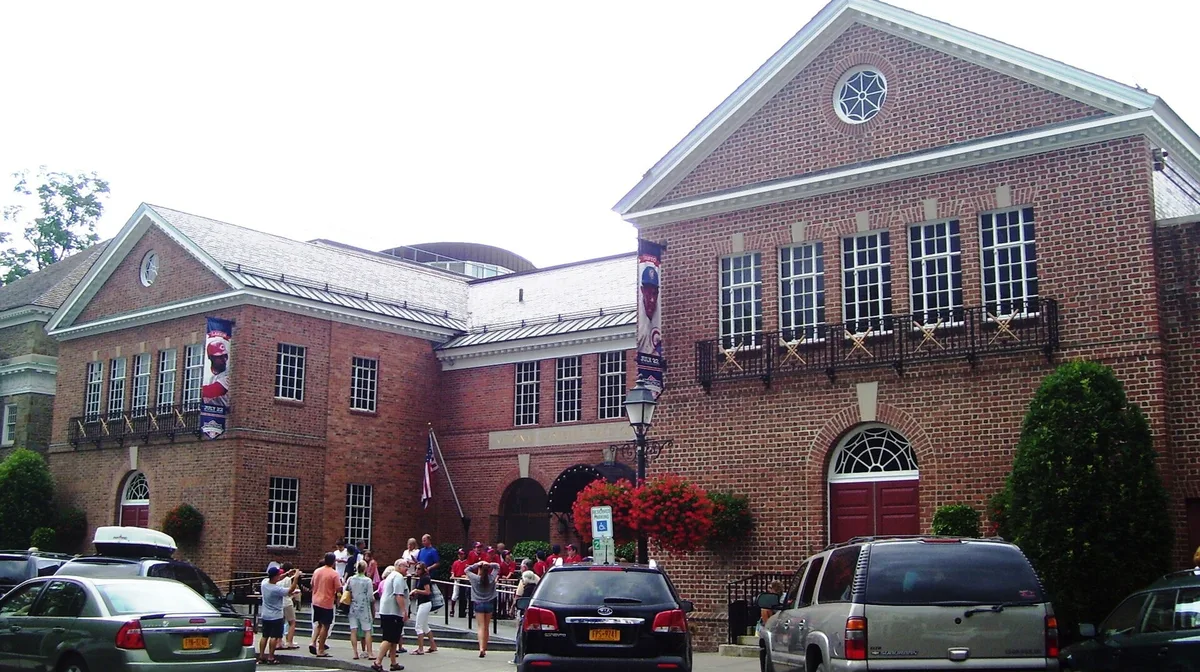
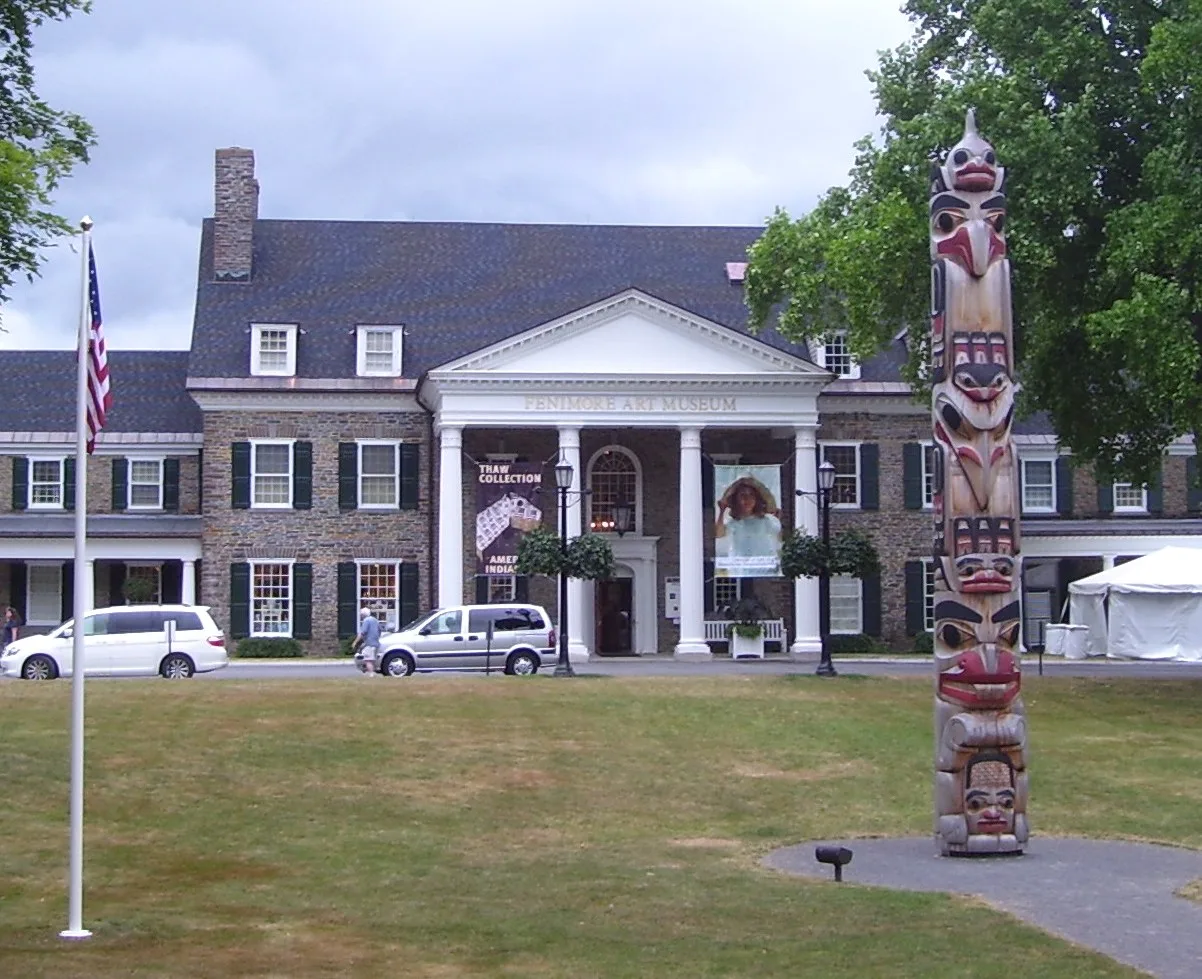
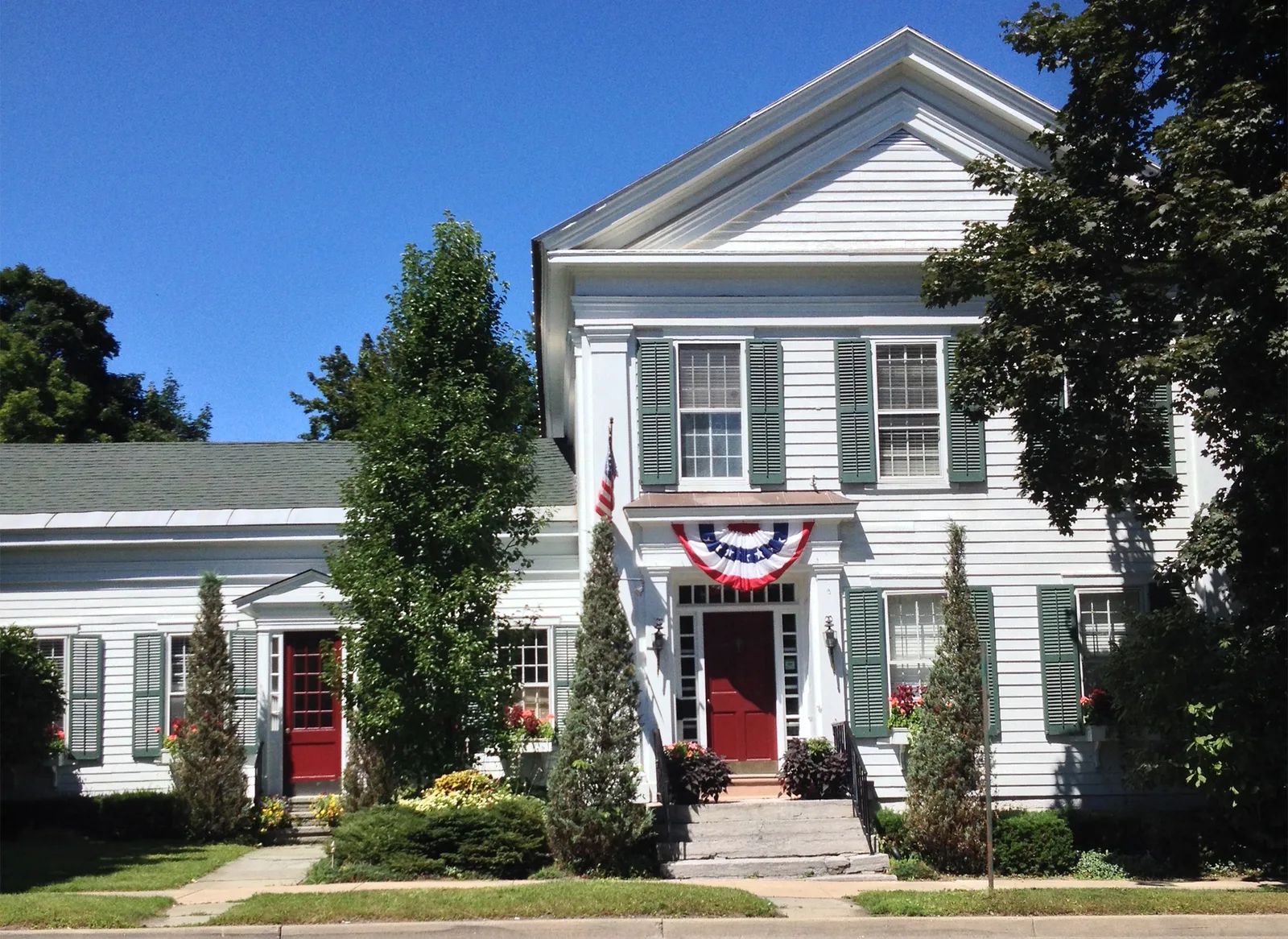
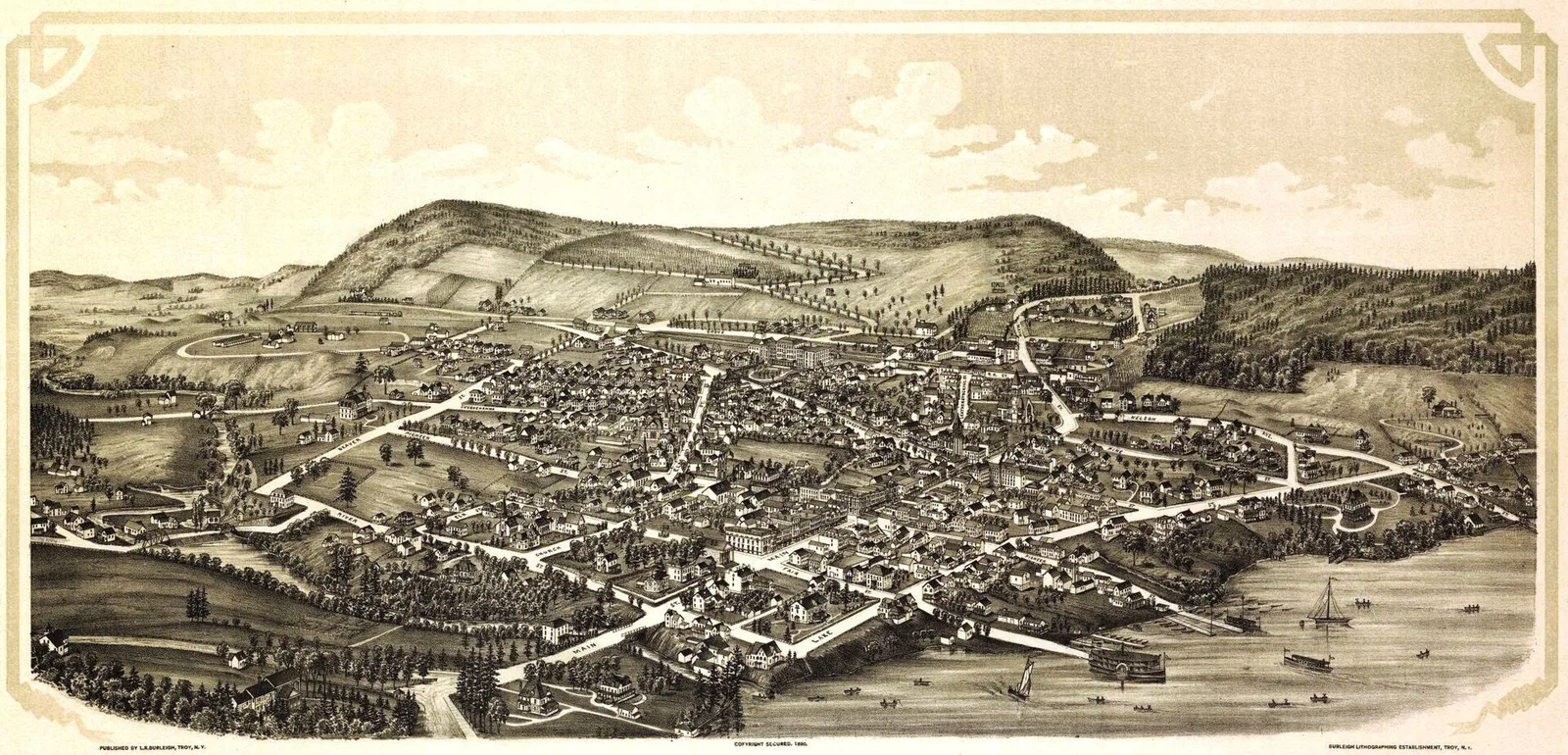
Postcards

Cooperstown through the lens

A few of the visual fingerprints we lean into when we shoot, brand and market a Cooperstown property — courtesy of the open Wikimedia Commons archive.

Fenimore Art Museum Cooperstown crop — Cooperstown airbnb marketing
Local Color
Fenimore Art Museum Cooperstown crop
The White House Inn — Cooperstown airbnb marketing
Local Color
The White House Inn
Cooper 1 crop — Cooperstown airbnb marketing
Local Color
Cooper crop
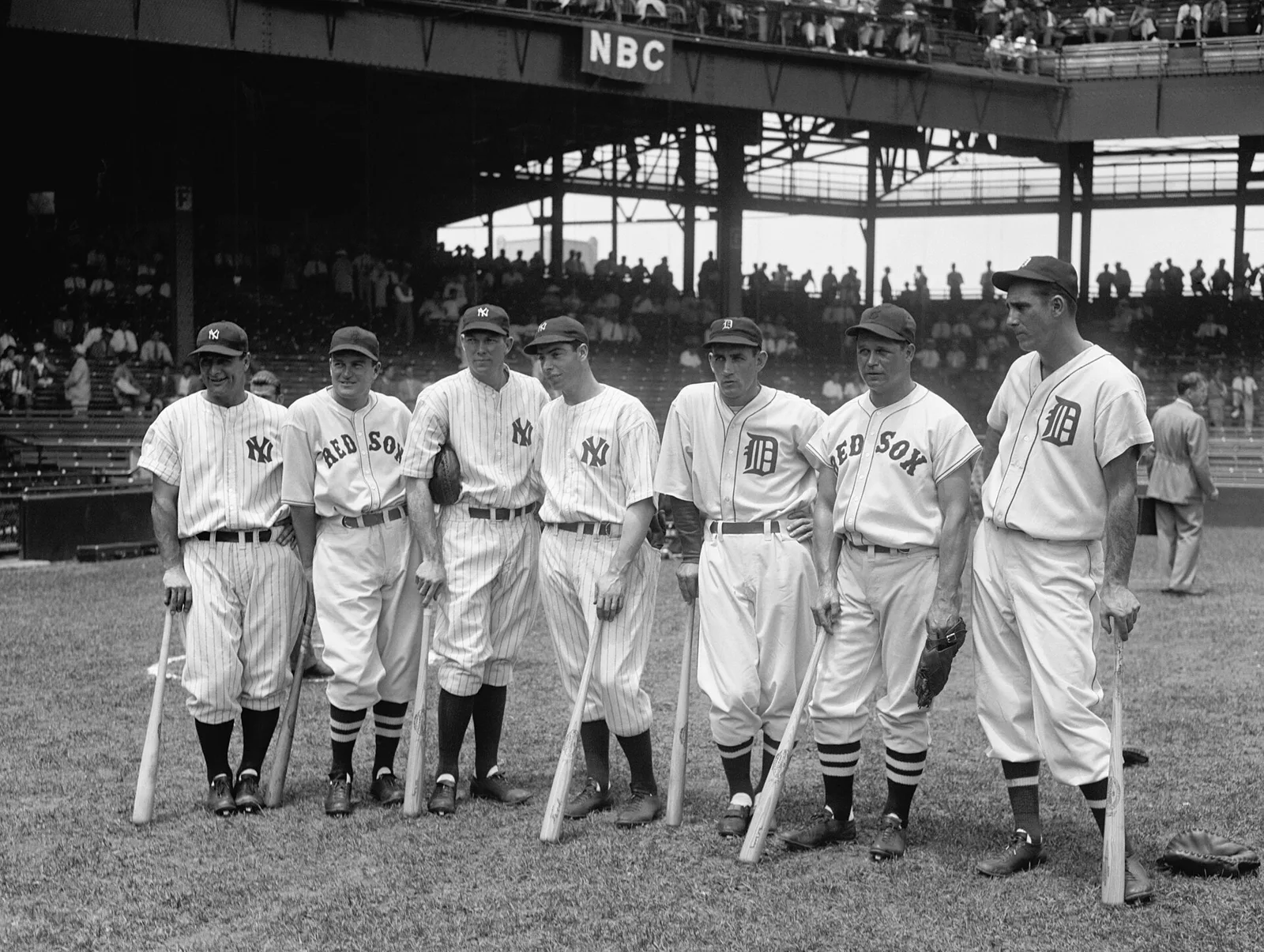
1937 all stars crop FINAL2 — Cooperstown airbnb marketing
Local Color
all stars crop
Why Cavmir

The Cavmir Advantage
in Cooperstown

Cavmir builds Cooperstown owners a two-season business instead of a ten-week one. For the summer, we make sure the listing and the site answer the questions a baseball family actually asks — how many beds, how many bathrooms, how far to the fields, is there laundry, can we park three cars — with photography that shows the kitchen and the sleeping arrangements rather than the porch. For the rest of the year, we build the positioning nobody else here bothers with: the opera weekend, the museums in October, the quiet week on the lake in September. We build your direct-booking website so a family that came for a tournament can rebook you for next year without going back through a platform, and we run local search and paid campaigns aimed at the drive markets that feed Otsego County. We get your village permit and registration status straight first, because in this village it determines what you can legally offer. We do not make revenue promises and we do not inflate numbers. We help position and market your property. We never manage it or touch your keys.

State of the Industry · History

The Cooperstown STR Market — Past & Present

William Cooper laid out a village at the foot of Otsego Lake in 1786, and his son James Fenimore Cooper made the lake famous by calling it Glimmerglass in the Leatherstocking Tales. For most of the nineteenth century that literary association was the village's claim on the outside world, along with a hop-growing economy that collapsed after Prohibition and blight. What replaced it was baseball, and the origin of that is worth being straight about. A commission convened in the early 1900s concluded that Abner Doubleday invented the game in a Cooperstown pasture in 1839. Historians have long since dismantled that story. But by the time the scholarship caught up, the National Baseball Hall of Fame had opened here in 1939, the village had built Doubleday Field, and the association was permanent regardless of its accuracy.

The modern rental economy is younger and it comes from a different direction. Youth baseball tournament complexes opened outside the village in the 1990s and 2000s, running week-long sessions all summer for teams that come from across the country with their families in tow. Those families need whole houses with beds for twelve, kitchens and laundry, and there are far more of them each summer than the village's hotels and inns can hold. That single fact created the short-term rental market in Otsego County. Meanwhile the cultural side of the village kept growing: the Glimmerglass Festival built a proper opera house on the lake, the Fenimore Art Museum and the Farmers' Museum matured into serious institutions, and Brewery Ommegang started drawing people who have never watched a game in their lives. The village responded to the rental boom the way small villages under pressure do — with a local law in 2018 that regulates transient rentals closely and has shaped the market ever since.

Pricing Strategy & Seasonality

Pricing, Seasonality & When to Capture ROI

Pricing Strategy

Cooperstown prices like almost nowhere else, and treating it like a normal seasonal market leaves serious money behind. The summer tournament weeks are the core: whole-house, Saturday-to-Saturday bookings by families who plan a year or more ahead, comparing properties on beds, bathrooms, kitchen, laundry and drive time to the complexes rather than on charm. Those weeks should be priced as weeks, listed early, and never left to a nightly algorithm. Induction weekend in late July is the single highest-rate event of the year and behaves like a championship game — when a popular player is being inducted, demand spikes, and when the class is quieter it does not. Watch the announcement, then price. The Glimmerglass Festival season overlaps summer and brings a different, older, higher-spending guest who books shorter stays. Autumn is the honest opportunity: September and October have leaf traffic, museum visitors and none of the summer chaos, and most owners price those months as leftovers. Winter is genuinely quiet and should be priced to attract anyone at all rather than held at a hopeful rate. A sensible structure is week-based rates for the summer, event-specific pricing for induction weekend, a real autumn tier, and honest winter discounting.

Seasonality & ROI Windows

Extremely concentrated. Mid-June through late August is the season, driven by tournament weeks and induction weekend, and it can account for the large majority of an owner's annual revenue. September and October are genuinely good — leaves, museums, the end of the festival season, and a village you can actually walk through. November through April is quiet, with a small bump around the holidays. That shape means two disciplines: get the summer exactly right, because there is no second chance at it, and treat autumn as the growth area, because it is the only part of the calendar with real unmet demand and almost no competition for it.

Regulation & Licensing · 2026

What the Law Requires in Cooperstown

The Village of Cooperstown regulates short-term rentals more tightly than almost any community of its size in New York, and the rules are the single most important thing to understand before buying here. The village adopted a local law in 2018 governing transient rentals. In residential districts it ties short-term rental use to owner occupancy and an on-site operator, which effectively rules out the absentee whole-house investment model inside the village. New short-term rentals require a special use permit approved by the Zoning Board of Appeals, with standards covering maximum occupancy, parking, access and circulation, and site lighting. There is a maximum occupancy for rentals in residential districts. Rentals are registered annually and are subject to inspection at application and on renewal, and a floor plan has to be submitted. In the business and commercial districts the rules are less restrictive as to building type, but the permit and registration process still applies.

What that means practically is a two-tier market. Inside the village, a compliant permitted rental is scarce, valuable and constrained in how many guests it may host — which matters enormously when the dominant summer guest is a family group of ten or twelve. Outside the village line, in the Town of Otsego and the surrounding towns, the environment is more open, which is where most whole-house tournament rentals actually sit. Buyers routinely misunderstand which side of that line a property is on. Confirm it before anything else. Otsego County levies an occupancy tax on lodging receipts, which the county board raised from four percent to five percent in 2021, and proof of compliance with the county bed tax is tied to rental registration renewal. New York State has also been standing up a statewide short-term rental registry, so expect an additional layer of state-level registration and confirm its current requirements. New York sales tax applies to short-term lodging as well. Verify all of this with the village clerk and the county treasurer directly.

Market-Specific Tips & Challenges

Local Tips & Unique Market Challenges

Tips That Actually Move Revenue in Cooperstown

Sell to the baseball family in their language. That guest is not reading your paragraph about the lake. They want beds, bathrooms, laundry, kitchen, parking and minutes to the complex, in that order, and they want a floor plan. Give them a sleeping-arrangement diagram and a plain table of what is where, and you will beat prettier listings that make them guess. Second, list your summer weeks a year out. Families book these trips absurdly early and a calendar that is not open yet simply loses them. Third, price induction weekend after the class is announced, not before. Fourth, build a completely separate autumn story. The guest who comes in October is a couple visiting the museums and the lake, and they need entirely different photography and copy from the July family. Most owners here run one listing for both and win neither. Fifth, use the lake if you have any claim to it. Otsego Lake is beautiful and underused in the marketing — swimming, paddling, the state park, Hyde Hall. Sixth, be scrupulously accurate about your occupancy limit. In a village that inspects annually and caps guest numbers, advertising more than your permit allows is the one mistake that can end the business rather than just cost you a booking.

Unique Cooperstown Challenges

The concentration is the risk. When most of the year's revenue arrives in ten weeks, anything that disrupts those weeks — a change to the tournament schedule, a weak induction class, a bad weather run — hits hard and there is no second season to absorb it. The village's rules make in-village investment difficult for anyone who does not intend to live there. Winter is genuinely dead. And the market is unusually dependent on a small number of institutions: two tournament complexes, one museum and one festival largely determine the demand curve, which is a lot of exposure to decisions made by other people.

The lake has a literary name older than the baseball
Otsego Lake appears throughout James Fenimore Cooper's novels as Glimmerglass, and the name has stuck for two centuries — the state park, the opera festival and half the businesses in the village use it. That literary association predates the baseball story by more than a hundred years and is, unlike the Doubleday legend, entirely genuine. Cooper grew up in the village his father founded, wrote the Leatherstocking Tales partly about this landscape, and is buried here. For an owner it is a useful piece of positioning: guests who arrive for a tournament and never leave the ballfields are missing the older and quieter reason people came to this lake in the first place, and a guest guide that points them at it is doing real work.
Finance Essentials — Cooperstown
🛡️

Insurance

A standard homeowner's policy will not carry you through paying-guest use, and in a village that inspects rentals annually you want your coverage to be exactly what you say it is. Get a proper short-term rental policy with meaningful liability limits. Cooperstown adds a few specifics. Occupancy is the first: if your property regularly hosts ten or twelve people, your carrier needs to know that, and underpricing the guest count on the application is the kind of thing that voids a claim. Water is the second — lakefront and lake-access properties bring docks, boats and swimming, and each of those should be explicitly addressed rather than assumed. The building stock is old, so wiring, heating systems and stairs come up. If guests use a dock, a canoe or any equipment you provide, ask directly how that is treated. And ask for loss of rental income to be included, because in a market where ten weeks carry the year, a covered event in June is a catastrophe that a policy without that provision will not fix.

🧾

Property & Income Tax

New York sales tax applies to short-term lodging, and Otsego County levies an occupancy tax on lodging receipts — the county board raised it from four percent to five percent in 2021. That county bed tax is not a side issue here: proof of compliance is tied to the renewal of village short-term rental registration, so falling behind on it can put your permission to operate at risk. Booking platforms collect and remit some of this on the reservations they process, and the county has been increasingly attentive to rentals booked outside the platforms. New York State has also been implementing a statewide short-term rental registry, which adds a registration layer beyond the county and the village; confirm its current requirements before you list. Because the summer weeks here are frequently booked directly by returning families, direct-booking tax compliance is more important in Cooperstown than in most markets. Set up the filing calendar first and have your accountant confirm how week-long rentals are treated.

🏦

Mortgages & Financing

Financing splits along the same village line that everything else here does. Outside the village, a whole-house rental in the surrounding towns finances as an ordinary second home or investment property, and the numbers work on the strength of the summer weeks. Inside the village, the owner-occupancy requirement changes the calculation entirely — if you must live there to rent it, this is a primary residence with rental income rather than an investment property, and it should be financed and taxed accordingly. That is a very different conversation with a lender. Older village housing brings the usual old-house appraisal items: heating systems, roofs, knob-and-tube remnants, and in lakefront cases, docks and shoreline structures. Buyers scaling past one property commonly use debt-service-coverage lending, but be careful modelling it here: an underwriter using an annual average will misread a market where the revenue arrives in ten weeks. Model the actual calendar, and have your accountant look at the structure before you close.

Future Outlook · 2027 & Beyond

Where Cooperstown is Headed Next

Watch the institutions, because in this market they are the economy. The tournament complexes set the summer calendar and any change to their format, capacity or schedule moves the whole rental market with it. The Hall of Fame's induction class determines the peak of the year. The Glimmerglass Festival's programming decides how much of the summer belongs to an older, higher-spending audience. None of those are things an owner controls, which is precisely why building a direct relationship with your own guests matters more here than in a market with diversified demand. The second thread is regulation. The village has already shown it will act, New York State is layering on a statewide registry, and the county ties its bed-tax compliance to your registration renewal. Expect more formality, not less. The third and most encouraging thread is the shoulder season. Autumn traffic to the museums and the lake has grown steadily and remains lightly marketed by rental owners. That is where the available growth is for anyone willing to build a second, entirely different marketing story for the same house.

From the Desk of Sofie Sinag

Why We Love Marketing in Cooperstown

Cooperstown is a village that got famous for a story that turned out not to be true, and then earned the fame anyway. The Hall of Fame is genuinely good — not a shrine so much as a serious museum — and the village around it has resisted becoming a strip of souvenir shops, mostly. Main Street still has a bookshop and a pharmacy and a couple of proper restaurants. Walk two minutes off it and you are on a residential street of nineteenth-century houses with the lake at the end. Otsego Lake is the part that surprises people. It is nine miles long, clean, ringed with hills, and on an evening in September with the light going flat across it, it is one of the prettiest pieces of water in New York. The Glimmerglass Festival built a real opera house on its shore. Hyde Hall sits at the north end. There is a brewery outside town that puts on concerts in a field. What we like about marketing here is the puzzle. This is a market with a ten-week revenue window and a highly regulated village, which sounds like a limitation until you notice that almost nobody is marketing the other forty-two weeks. The autumn product is excellent and unsold. The families who come every summer for baseball are a repeat audience nobody is emailing. There is more available upside in a market this concentrated than in a market that hums along evenly, precisely because so few owners are working the gaps.

Why It Matters

A great property in Cooperstown doesn't just want a listing — it wants a point of view, an audience, and a brand the city itself would recognise.

Cavmir's Cooperstown Cheat Sheet

The Picks We Recommend for Your Welcome Book

Eight things worth putting in the guest guide. Half your guests are here for baseball and half are not, so write for both.

Coffee & First Light

The lakefront at Lakefront Park before eight

Main Street runs straight down to the water. Get there early with a coffee and the lake is usually glass, with the hills on both sides still in shadow. Best free ten minutes in the village.

The Table Worth Booking

Dinner on Main Street in July

The restaurant count is small and the tournament families fill it every night of the summer. Tell guests to reserve for the whole week the day they arrive, not each evening.

Local Obsession

Brewery Ommegang

A Belgian-style brewery on a farm a few miles south with a real kitchen and a summer concert field. It is the thing locals send visitors to when they have already done the Hall of Fame.

Rainy Day

The Fenimore Art Museum and the Farmers' Museum

Two proper museums facing each other across the road north of the village. The art collection is far better than a village this size has any right to, and both are indoors.

Shoulder Season Secret

The lake in late September

The water is still warm enough to swim, the summer crowds are gone, the leaves are starting, and you can get a table anywhere. It is the best week of the year here and almost nobody books it.

Weekend Escape

Glimmerglass State Park and Hyde Hall

The north end of the lake, about twenty minutes up. A swimming beach, easy trails and an early nineteenth-century country mansion that runs tours.

The View

The lake from the east side road at sunset

Drive up the east shore and the light comes across the water toward you with the far hills behind. Ten minutes from the village and worth doing once every stay.

What Guests Ask For

How far it really is to the ballfields

Give the honest drive time to each complex, including what the traffic does at the start and end of a session. Baseball families plan their whole week around it and they will thank you for the specifics.

Local Work · Composite Case Vignettes

What Cavmir Has Done for Cooperstown Properties

A few composite engagements, drawn from how Cavmir typically works with owners in a highly seasonal, tightly regulated village market. Illustrative rather than any single client's file.

Five-bedroom house · town side, twelve minutes to the fields
The Brief

Excellent summer weeks priced as ordinary nights, with the calendar opening too late for families who book a year ahead.

What We Did

Converted the summer to week-based Saturday-to-Saturday pricing opened eighteen months out, added a sleeping-arrangement diagram and a plain amenities table aimed at team families, and built a direct-booking site with a returning-family email list.

The Result

Summer weeks began filling far earlier and at their proper rates, and a meaningful share of returning families started booking the next year directly rather than re-shopping.

Village cottage · permitted, owner on site
The Brief

A small, strictly capped property trying to compete for group bookings it could never legally host, so enquiries kept arriving and kept failing.

What We Did

Repositioned entirely toward couples and pairs visiting the museums, the opera and the lake, with autumn-specific photography and copy, and built landing content for the Glimmerglass and museum audience instead of the baseball one.

The Result

Enquiries started matching what the property could actually accommodate, and September and October filled with a guest the owner had not previously been marketing to at all.

Lakefront house · seasonal owner
The Brief

A genuinely special waterfront property presented with interior photographs and no sense of the lake, competing on bed count against inland houses.

What We Did

Reshot with the water and the dock as the hero, built the copy around swimming, paddling and evening light rather than proximity to the fields, and priced the shoulder weeks separately from the tournament weeks.

The Result

The property stopped being compared on bed count alone and started attracting guests choosing it for the lake, with stronger shoulder-season occupancy than the summer-only pattern it had before.

Market Intelligence · Seasonality

Airbnb seasonality in Cooperstown, month by month

Demand in Cooperstown peaks around June through August and runs quietest around January through February. Here is how the year actually books — and what to do about each stretch of the calendar.

Peak demandSteadyQuiet

Peak season

Mid-June through late August is the season, and it is extraordinarily concentrated. Youth tournament weeks book whole houses Saturday to Saturday, often more than a year ahead, and induction weekend in late July prices like a major event. List summer as weeks rather than nights, open the calendar early, and price induction weekend after the class is announced.

The shoulders

September and October are genuinely good and almost nobody markets them — leaf traffic, the museums, the end of the opera season and a village you can actually walk through. This is the only part of the calendar with real unmet demand, and it needs its own photography and copy aimed at couples rather than baseball families.

The quiet stretch

November through May is quiet outside the holidays. Take longer stays, market to museum and lake visitors, price honestly, and use the window for maintenance and an autumn reshoot ready for the following year.

Dates that fill first

National Baseball Hall of Fame induction weekendlate July
The single highest-demand weekend of the year; how high depends on who is being inducted, so price after the announcement.
Youth baseball tournament weeksJune through August
Saturday to Saturday whole-house bookings by visiting families, planned a year or more ahead. The core of the market.
Glimmerglass Festival seasonJuly and August
An older, higher-spending opera audience taking shorter stays and filling nights the tournaments do not.
Brewery Ommegang summer concertssummer
Concert dates draw from several states and fill rooms outside the baseball calendar.
Autumn leaf and museum weekendsOctober
The under-marketed second season, with real demand and almost no competition for it.
Market Intelligence · Guests

Who books Cooperstown Airbnbs — and how far ahead

Youth tournament families
Week-long whole-house bookings. They compare on beds, bathrooms, laundry, kitchen, parking and drive time to the fields, in that order.
Hall of Fame pilgrims
Couples and fathers-and-sons on two or three nights, peaking around induction weekend.
Opera and museum visitors
Older couples on shorter, higher-spending stays through summer and into autumn.
Autumn leaf and lake couples
September and October guests who want the village and Otsego Lake without the summer crowds.

The booking window

Tournament weeks book a year or more ahead, which means a calendar that is not open eighteen months out is losing business it will never see. Induction weekend fills as soon as the class is announced. Autumn runs on a four to eight week window and winter is last minute.

Typical stays

Summer is a week-long market, which is unusual in the Northeast. Everything else is two and three nights. The village's rules also cap occupancy in residential districts, so know what your permit actually allows before advertising capacity.

Where guests drive from

AlbanySyracuseNew YorkBostonPhiladelphiaBuffalo

Where guests fly from

New YorkBostonChicagoPhiladelphia
The tournament audience is genuinely national and arrives by car after a flight or a long drive, which is unusual for a village this size. Everything else is a Northeast drive market, so split your targeting accordingly.
Market Intelligence · What Wins

The Airbnb that wins in Cooperstown

Whole houses with five or more bedrooms, multiple bathrooms, laundry, a real kitchen and parking for three or four cars are the highest-value product, and they sit outside the village where the rules permit non-owner-occupied rentals. Inside the village, smaller permitted properties should be positioned for couples and museum visitors rather than chasing group bookings they cannot legally host. Lakefront is a distinct premium product that most owners under-sell.

Amenities that move bookings here

multiple bathroomswasher and dryerfull kitchenparking for several carsfast wifioutdoor spacelake or dock access
Publish a sleeping-arrangement diagram and a plain amenities table. Baseball families are comparing on logistics, and the listing that lets them stop guessing wins against prettier competitors.
Straight Answers

Cooperstown Airbnb marketing questions, answered

How do I market my Airbnb in Cooperstown?

Start with photography that shows what a guest actually gets here, then write the listing around a real itinerary rather than a feature list. Build a direct-booking site so returning guests can come back without going through a platform, and keep an email list segmented by season so you can reach last year's visitors before the calendar opens. Local search matters more than people expect in a market this size, because guests search the destination and the attraction rather than the word rental. A marketing agency layer handles the photography, the listing copy, the direct-booking site and the local SEO as one system instead of four disconnected jobs.

When is peak season for Cooperstown Airbnbs?

Mid-June through late August, and the concentration is extreme. Youth baseball tournament weeks book whole houses by the week, and induction weekend in late July is the highest-demand date of the year. September and October are genuinely good for leaf traffic and the museums, and the rest of the calendar is quiet.

How far in advance do guests book Cooperstown Airbnbs?

Further ahead than almost anywhere. Tournament families book a year or more in advance, so a calendar that is not open eighteen months out is losing bookings silently. Induction weekend fills as soon as the class is announced. Autumn runs on a four to eight week window and winter is last minute.

Where do most Cooperstown Airbnb guests come from?

The summer tournament audience is national — families travel from across the country for a week of youth baseball, usually flying into a regional airport and driving in. Everything else is a Northeast drive market: Albany, Syracuse, New York, Boston, Philadelphia and Buffalo. That split means your summer marketing and your autumn marketing should look nothing alike.

What amenities matter most for a Cooperstown Airbnb?

For the summer family, beds, bathrooms, laundry, a real kitchen and parking for several cars, in that order. A sleeping-arrangement diagram is worth more than another photograph of the porch. For autumn couples, the lake, walkability and quiet matter far more. Check what occupancy your village permit actually allows before you advertise capacity, because the rules here are strict.

Free Tools · Websites That Book

See what your listing in Cooperstown is leaving on the table

Run your Airbnb, Vrbo, or website through Cavmir's free grader. It checks the things that decide whether guests book in Cooperstown — photos, listing copy, page speed, local search — and shows you where bookings leak. Takes about a minute, and there's no sales call attached.

If the report says your booking engine is the weak link, that's fixable: a direct-booking website of your own means repeat guests stop paying platform fees to come back to you. That's the work Cavmir does — see Airbnb website design in Cooperstown.

What the grader measures

  • Photos and the first-impression frame
  • Listing title and copy
  • Your direct-booking website (or the lack of one)
  • Page speed and mobile experience
  • Local search and Google visibility
Grade My Listing — Free
Ready to Grow in Cooperstown?

Let's Put Your Cooperstown
Property on the Map

Talk to Cavmir today. We'll show you exactly what your Cooperstown property is leaving on the table — and how fast we can change that.

Book a Free Strategy Call