Compliance · 2026
Finger Lakes permits, registries and the lodging-tax stack
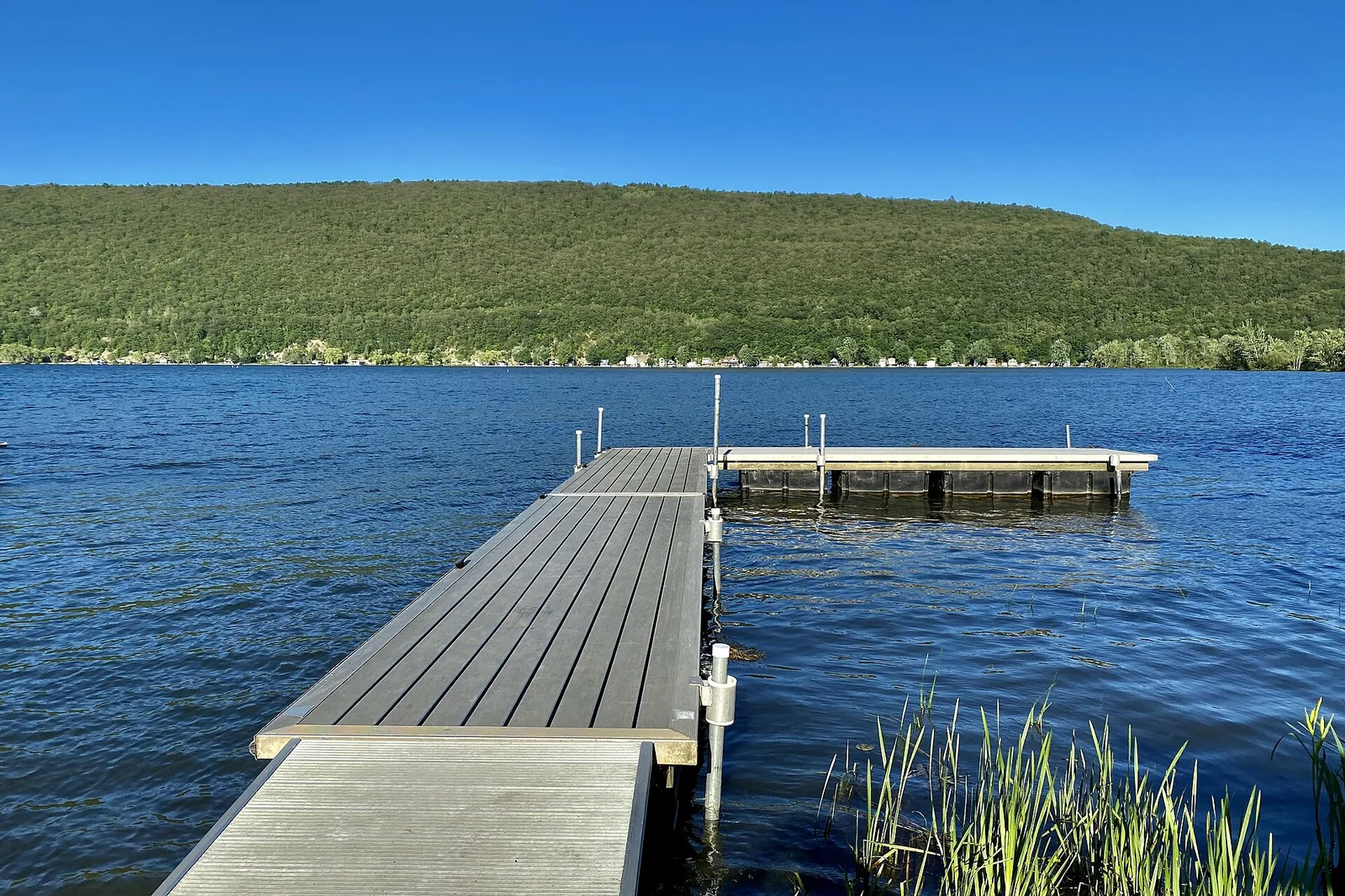
Since March 1, 2025, New York has charged state and local sales tax on short-term rental stays above $2.00 per unit per day, under Chapter 99 of the Laws of 2025. That one change reset the paperwork for every lake house in the region. You now answer to three layers that don't line up by lake: the state's sales tax, a county that may run a registry and its own room tax, and the town, village or city that decides whether you can rent the house at all. A dock on Seneca can sit under a different county and town than a dock a few miles up the same shore. Work out every layer for the exact parcel before you make an offer.
The state sales tax and who collects it
Booking services, the state's term for platforms like Airbnb and Vrbo, have to register with the Tax Department as sales tax vendors and collect the state and local tax on every stay they facilitate. Airbnb's New York tax page shows it collecting 7–8.875% on stays of 89 nights or fewer outside New York City. Your own duty ends only where the platform's starts: you're off the hook for a sale once the booking service gives you Form ST-155, its certificate of collection, so keep those certificates with your tax records. Everything else is yours. When your website, a repeat guest's phone call or a wine-club referral produces a booking, you register as a vendor, charge the tax and remit it yourself. The only carve-out is an owner renting their own place three days or fewer a year with no booking service involved, which describes almost nobody running a lake house. Set up your direct-booking checkout to add the tax from the first reservation, since it's far harder to collect after the guest has gone home.
County registries and the occupancy-tax map
Each county administers its own room tax, and the rates differ across a single lake. Airbnb's New York page lists the county taxes it collects on stays of 29 nights or fewer: 5% in Tompkins and Cayuga, 4% in Schuyler and Steuben, 7% in Onondaga, and 3% in Seneca on stays of 28 nights or fewer. Ontario and Yates counties don't appear on that list, so a house on Canandaigua Lake, in Geneva or around Penn Yan needs a call to the county treasurer to learn who files what. Tompkins County has already built its registry. Its December 1, 2025 notice opened registration at $125 per unit, with a separate Certificate of Authority for each unit, good for two years, and asked every operator to register by February 28, 2026. The certificate can't be transferred, so a buyer registers again, and skipping it exposes you to the penalties in the county's room-tax law. Registration also commits you to a posted evacuation diagram, a working fire extinguisher, posted police, fire and poison-control numbers, and at least $300,000 of liability coverage. Ontario County leaned the other way: an April 16, 2026 report had its supervisors leaning toward opting out of the state registry over administrative cost and the lack of occupancy-tax money to fund one, with a vote set for May. Check the outcome, because a county can opt in later and can't easily leave once it joins.
City and village permits that decide the deal
The rules that decide whether a purchase works sit with the municipalities. The City of Ithaca opened permit applications on January 1, 2025 and permits only hosts who live on the property at least 184 days a year; a second home on the next block can't qualify, though a backyard guest house on your own lot can. Since June 2025, a violation can cost up to $500 a day, repeat offenders can be barred from a permit for three years, and the city says its monitoring firm has identified over 98% of local units. The City of Geneva licenses each unit through its Code Enforcement Office before the first guest arrives, with a site plan showing parking, a statement that the house is on public sewer, a notarized statement and an inspection that counts the sleeping rooms. Recent fee schedules put the license at about $250 per bedroom per year, and each license covers two years. The Village of Watkins Glen requires a permit for every stay under 30 nights; Airbnb's guidance puts registration at about $500, with a $50 renewal every 24 months, and the permit number has to appear on your listing. Read any HOA, condo or lake-association rules too, because they can block a rental the town would allow. Confirm the current figures with each city, village and county, and have a local attorney and an accountant set up your permits and filings before the first booking.