The Mirror Lake loop
The 2.7-mile walk around Mirror Lake is the village's morning ritual — mist on the water, the High Peaks sharpening as the light comes up. Every listing within walking distance should say so in the first three lines.
Expert short-term rental marketing to grow your bookings and nightly rate in Lake Placid, New York, USA.
Sixteen services, one team. Everything below is built in-house and scoped to your property and market. Most owners start with the 12-Step System.
Every engagement is quoted to your portfolio. These are the ready-made scopes owners pick most — our Fall Special (55% off list or more) is already applied to the website, King Broker, Hotels and à la carte scopes. A clear proposal within 48 hours.
The work is public. Selected engagements and what changed — and reviews from the owners and managers behind them.
* Market averages from AirDNA and STR market reports. A single home's numbers depend on its size, its location and how it is marketed.
Cavmir is an Airbnb marketing agency. We build the brand, the direct-booking website and the marketing for short-term rentals in Lake Placid.
Lake Placid is a village of about 2,400 people in the Adirondack High Peaks that has hosted the Winter Olympics twice — 1932 and 1980 — and still runs on that legacy. Main Street wraps around Mirror Lake, the Olympic Center sits in the middle of town, the ski jumps rise over the valley, and Whiteface Mountain is ten minutes up Route 86. Summer brings hikers chasing the forty-six High Peaks and families on the lake; winter brings skiers, skaters and sliding-sport events at the Olympic venues. It's a genuine two-season market with premium rates, and it comes with one of upstate New York's most restrictive short-term-rental regimes: the Town of North Elba and the village cap and zone STR permits tightly, which makes an existing permit — or a village-center property — a real asset worth marketing properly.
Demand splits into two strong seasons with real shoulders. Summer — late June through Labor Day, extending into a serious fall-foliage window — is the bigger book: High Peaks hikers, lake families and event weekends around the Olympic venues. Winter runs from Christmas week through February on Whiteface skiing and the village's skating-and-sliding scene. Blended rates land near $475 a night at roughly 50% occupancy, and the premium stock — lakefront on Mirror Lake or Lake Placid itself, walk-to-Main-Street condos, big Adirondack-style lodges — carries the top of the market. The soft windows are April-May mud season and November. Because the permit regime restricts new unhosted rentals in residential zones, supply is structurally tight, and properties that can legally operate face less new competition every year.
Nearby Markets: Stowe | The Catskills | Portland
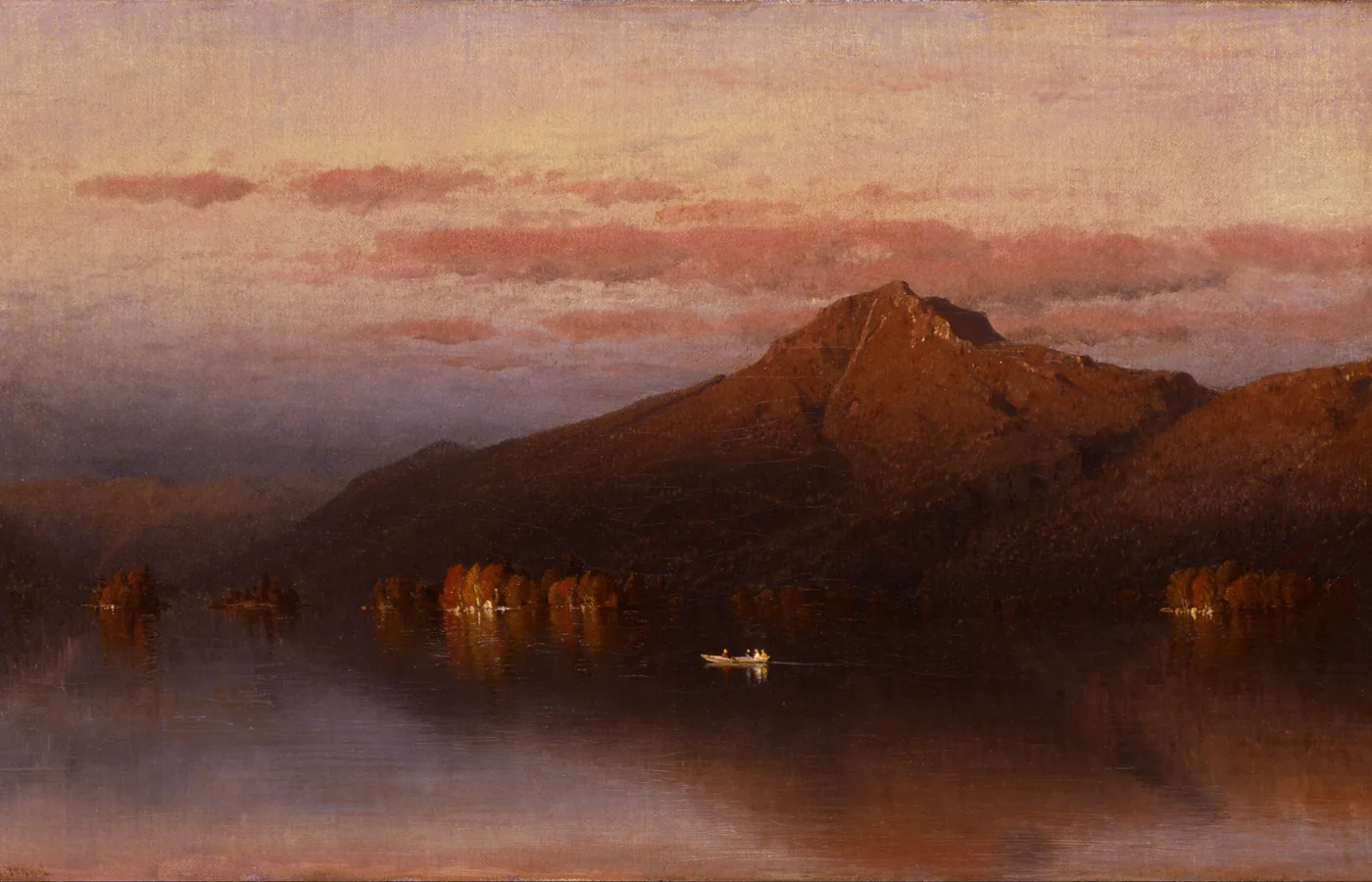
A few of the visual fingerprints we lean into when we shoot, brand and market a Lake Placid property — courtesy of the open Wikimedia Commons archive.
Cavmir works Lake Placid because a scarce permit deserves better than dim phone photos. We shoot the property in the light this place is famous for — alpenglow on the High Peaks, the lake at dusk, snow on the balsams — build a direct-booking website that captures the guests who return every summer or every ski season, and run vacation rental marketing into the June and late-September windows most owners leave empty. We help position and market your property. We never manage it or touch your keys.
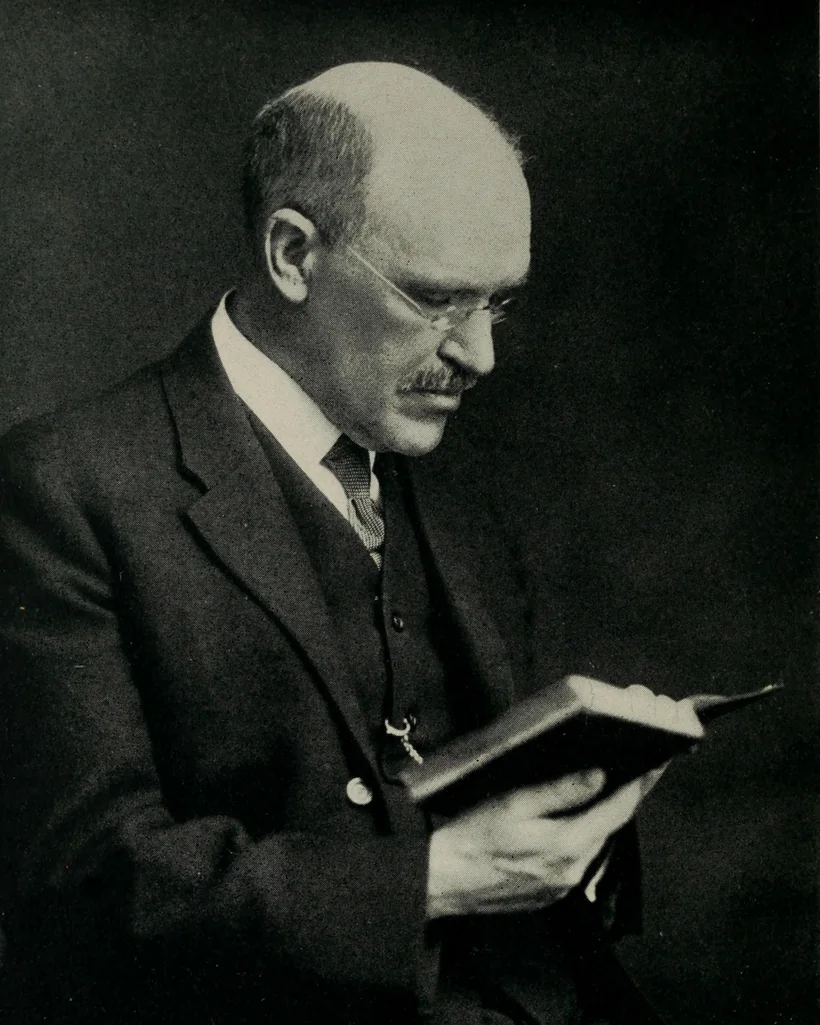
A librarian's club invented the American winter-sports vacation here, and a village of a few thousand people hosted the world twice. Cavmir writes the modern chapter.
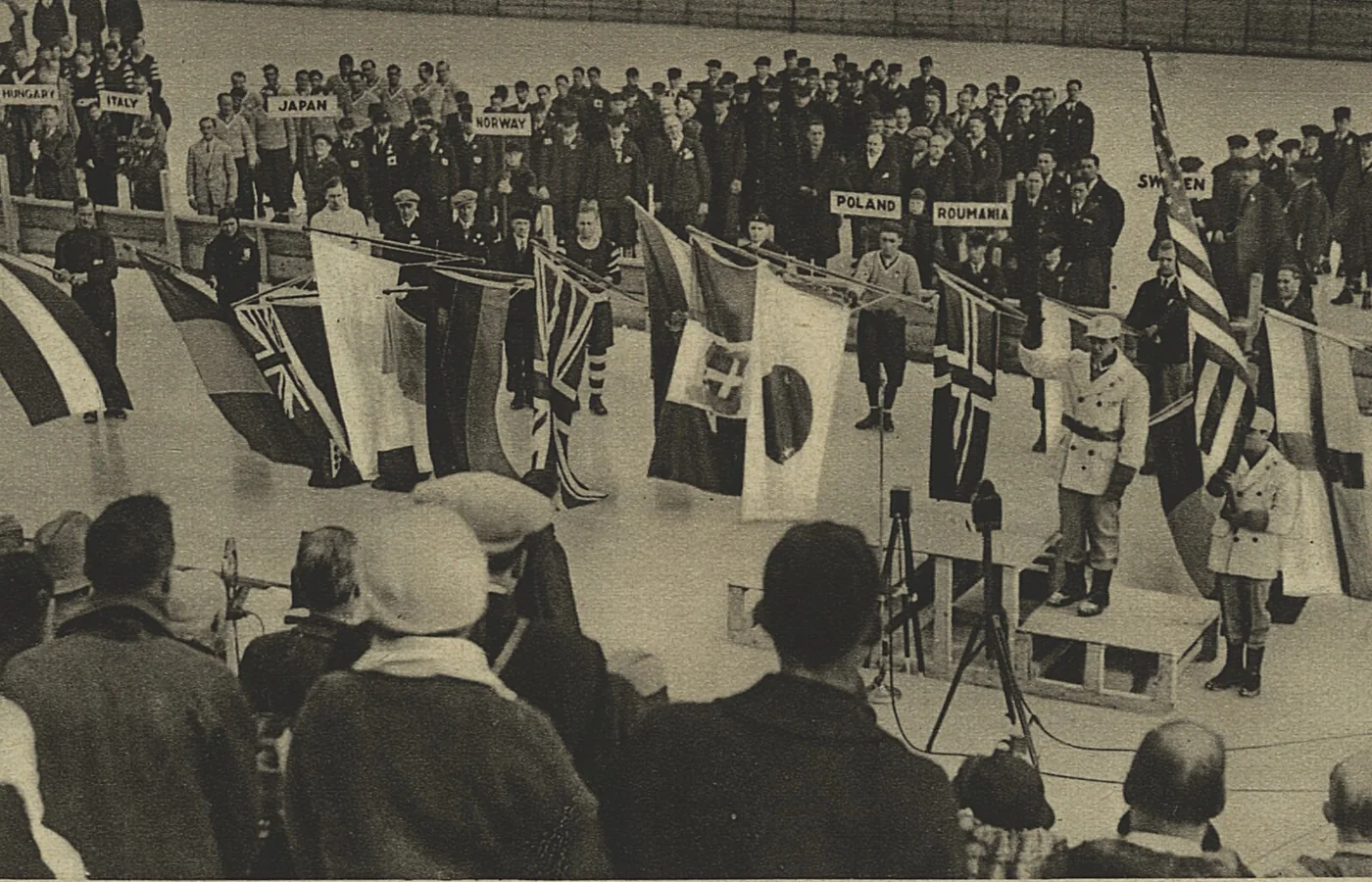
Lake Placid's improbable story is a village of a few thousand people that keeps landing on the world stage. It began as a health resort — the Lake Placid Club, founded in 1895, popularized winter sports vacations in America and gave the village its identity as a cold-weather destination when most resorts closed for the season. Abolitionist John Brown farmed here in the 1850s, and his farm and grave sit just outside the village, under the ski jumps. In 1932 the village hosted the Winter Olympics, an audacious act for a town its size, and built the bones of a sports infrastructure it never stopped using.
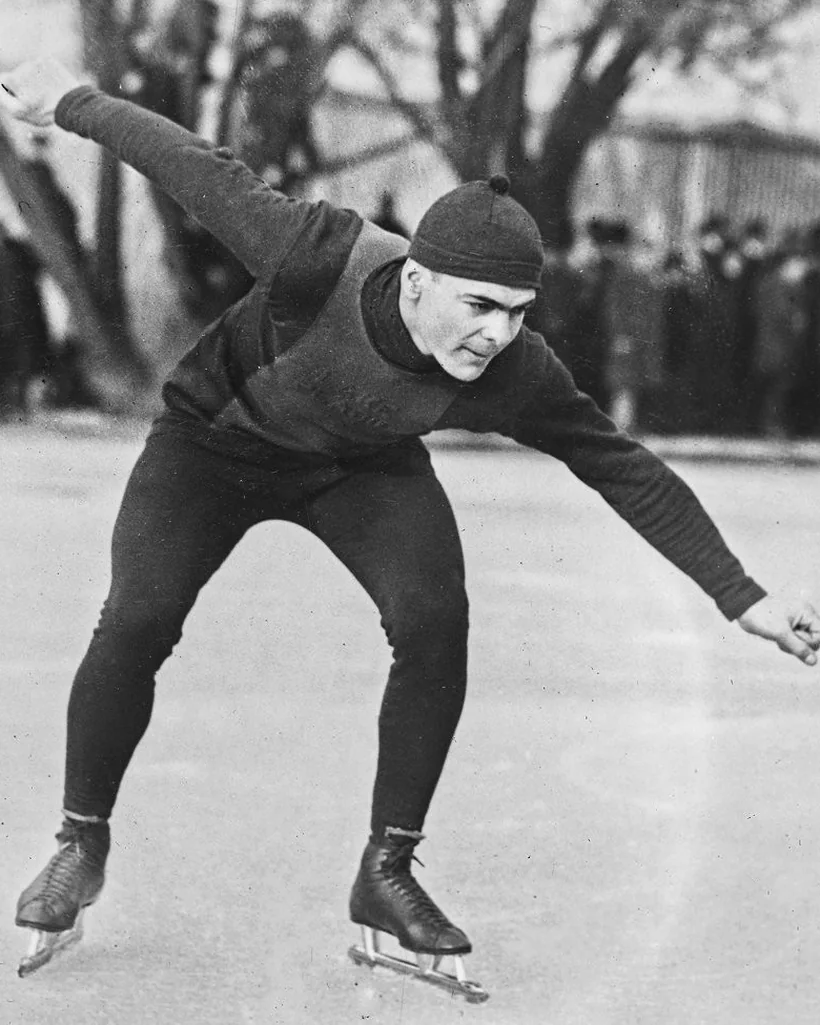
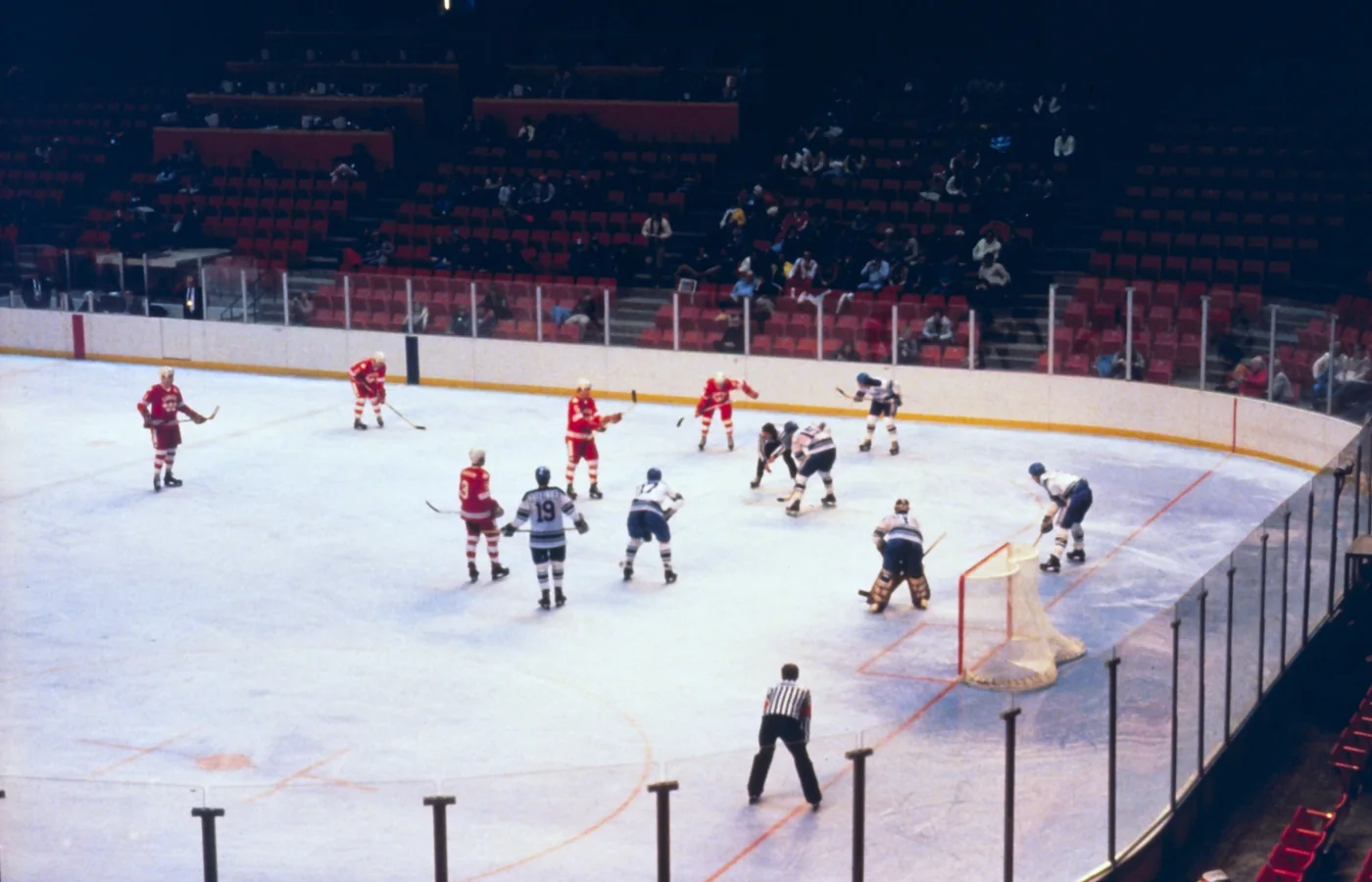
The 1980 Winter Games made the village permanently famous: the Miracle on Ice — the U.S. college hockey team beating the Soviet Union in the arena now named for coach Herb Brooks — remains one of the most replayed moments in American sports, and Eric Heiden's five speed-skating golds happened on the oval outside the high school. Uniquely, Lake Placid kept its venues alive: the ski jumps, the bobsled and luge track on Mount Van Hoevenberg, the arenas and the oval all still train athletes and host events, giving the village a year-round events calendar most mountain towns would kill for. The modern rental market grew up around that legacy and the High Peaks hiking boom — and when STR growth strained village housing, the Town of North Elba and the village answered with a joint permit regime, caps and zone restrictions that now make a legal, well-run rental here a scarce and defensible asset.
Before the platforms, a librarian's club sold the winter itself, and two Olympic Games turned a small Adirondack village into a name the whole world knows. The venues never closed and the calendar never emptied. The channel changed; the work is identical: presentation, positioning, and a winter product no competitor can copy. It is the same business Cavmir is in today.
Historical images: public domain via Wikimedia Commons — Pach Brothers, Agence Rol, Sanford Robinson Gifford (Google Art Project), NOAA, and others.
Water and walkability set the ceiling. Lakefront on Mirror Lake or Lake Placid itself is the trophy tier, commanding four-figure peak nights for larger homes. Walk-to-Main Street condos and townhouses earn premium rates on convenience across both seasons. Big Adirondack-style lodges toward Whiteface and along Route 86 sell the ski-house and family-reunion market, while inventory in neighboring Wilmington and Saranac Lake trades at a meaningful discount under different (and sometimes lighter) rules. Blended estimates run near $475 a night at roughly 50% occupancy — premium numbers for upstate New York, held up by capped supply and a two-season calendar.
Two real peaks. Summer — late June through Labor Day — is the bigger book: High Peaks hikers, Mirror Lake families and event weekends. Fall foliage extends it deep into October at strong rates. Winter runs Christmas through February on Whiteface skiing and the village's Olympic-venue events. The soft windows are April–May mud season and November — the price of a mountain calendar — and June and late September remain underpriced by owners who treat them as off-season when the weather says otherwise.
Lake Placid runs one of upstate New York's most restrictive short-term-rental regimes, administered jointly by the Town of North Elba and the Village of Lake Placid under their shared land use code. The essentials: every STR needs a permit, and since the 2023 overhaul, new permits for unhosted rentals are prohibited in most residential districts. Existing unhosted permits in those zones were grandfathered — but they don't transfer with a sale, so a house's rental history tells you nothing about what you'd be allowed to do after buying it.
Hosted rentals (owner on site) are allowed more broadly but capped in the town — on the order of a few dozen permits — with waitlists once caps fill. The village-center and gateway commercial districts are the exception: permits there haven't been capped the same way, which is why walk-to-Main-Street condos carry a regulatory premium on top of their location. The regime followed moratoriums on new permits while the rules were studied, and enforcement — inspections, occupancy limits, posted permit numbers — is active.
Neighboring towns run their own rules: Wilmington, Jay and Saranac Lake are separate jurisdictions with different regimes. On top of permits, Essex County levies a 5% occupancy tax, and New York State sales tax applies to short-term stays statewide. The code has been amended repeatedly and caps and district rules can shift — confirm the current rules for your specific parcel with the North Elba Building and Planning office in writing before you buy or list.
The Lake Placid strategic tip: your permit is the moat — operate like you intend to keep it forever. In a market where new unhosted permits can't be issued in most residential zones, a legal rental faces less new competition every year. The business plan isn't expansion; it's making one scarce asset perform like a boutique lodge and never giving the code office a reason to look at you twice.
Tactically: first, shoot both seasons. A listing photographed only in summer forfeits half its calendar — you need the lake at dusk and the snow on the balsams, and the winter shots are what sell December. Second, build a direct-booking website and a returning-guest list; this village runs on annual traditions — same family, same week on Mirror Lake; same crew, same ski weekend — and capturing them direct is worth more here than anywhere, because supply caps mean they have nowhere else to defect to. Third, market June and late September on purpose: full scenery, no crowds, and rates that reward the owner who bothers. Fourth, build the events calendar into your pricing a year out — Ironman weekend, World Cup dates and holiday weeks should never sell at base rates. Fifth, put the permit number in the listing and run visibly compliant; in a small village with active enforcement, your reputation with the town is a business asset.
The permit regime that protects incumbents is a wall for everyone else — and grandfathered permits dying at sale complicates both buying and exit values. Mud season and November are real dark windows, winter operations (plowing, freeze protection) are non-negotiable, and Ironman-scale event weeks bring wear along with revenue. Village politics on STRs remain active, so rules can tighten further; impeccable operation is the hedge.
A mountain rental with a wood stove, a lake dock and a snow-loaded roof is a specific underwriting conversation, and standard homeowner's policies don't cover short-term renting anyway. Get a purpose-built STR or landlord policy with strong liability limits, and disclose what matters here: waterfront and watercraft, fireplaces and stoves, hot tubs, and extended winter vacancy. Freeze and snow-load claims are the regional standards. An agent who writes Adirondack seasonal properties will price it properly; use one before your first booking.
Plan on Essex County's 5% occupancy tax on stays of 29 nights or fewer, plus New York State and local sales tax, which now applies to short-term-rental occupancy statewide. Platforms collect portions of this on their bookings; registration and remittance on direct bookings are yours. Add property tax — village rates reflect the resort premium — and income tax on earnings. The county has been active in updating its occupancy-tax law, so treat rates as current-as-of-2026 and confirm the details with your accountant.
Financing here has one question that outranks the rate: what is this parcel legally allowed to do after closing? Grandfathered unhosted permits don't transfer, so a lender's appraisal built on rental history can describe a business the buyer can't legally run. Resolve permit eligibility with the town before underwriting. Beyond that, expect second-home and investment terms — bigger down payments, reserves, DSCR options for strong income stories — and note that village-center condos, with their clearer permit path, are often the cleanest underwrite in the market.
Every short-term rental in the Town of North Elba and the Village of Lake Placid needs a permit from the town's Building and Planning Department, and that permit is tied to the owner on the deed. Sell the house and the permit ends. Move title into an LLC, or sell your shares in the LLC, partnership or corporation that holds it, and the code counts that as a change of ownership too, so an owner who restructures for liability reasons can lose the permit the same way a seller does. You're buying a parcel and its zoning, and your right to rent comes from the zone and the cap on the day you apply, whatever the seller's booking history shows. Applications, payments and renewals run through the town's Cloudpermit portal.
A hosted permit is for owners who live there: the home has to be your primary residence for at least 184 days a year, and you sleep on site every night it's rented. It's allowed in every district, and the town caps the count. An unhosted permit covers the whole-house rental with nobody home, and it's barred in the Town Residential and Village Residential districts and in four planned developments. Where it's allowed, the town caps it as well, and a mid-2026 snapshot of the count showed 4 unhosted and 16 hosted town permits left, with a waitlist for each. In the village, some unhosted permits carry a 90-day annual cap; in the town, an unhosted permit has to be rented at least 14 days a year, so nobody can sit on an idle one. The third type, the lodging permit, covers the Village Center, the resort planned districts, association condos and two pockets of the town, with no cap and no annual day limit. If your type is capped and full, you join the waitlist by email with the form and a copy of your latest deed. Slots go in order of receipt, only the owner of record can hold one, and you get 14 calendar days to apply once you're called.
Permits run for one year, and each renewal repeats the full application. Fees scale with bedrooms: recent fee schedules put a studio to two-bedroom at about $350 a year, three to five bedrooms at about $800, six to eight at about $1,400 and nine or more at about $1,700, after an increase reported for June 1, 2026. Confirm the current figure with the town before you budget. The file includes the vesting deed, a notarized affidavit, a site plan, a septic report and, for a hosted permit, proof of residence. The safety list is specific: a smoke detector in every bedroom plus one elsewhere, at least one carbon-monoxide detector, and a fire extinguisher in the kitchen and in every room with an open flame. Occupancy tops out at twice the code-compliant bedrooms plus two, and a small septic system can set it lower. Guests get one vehicle per bedroom, each in a 9 x 20 foot off-street space. Quiet hours run 9 p.m. to 7 a.m. in the town and 9:30 p.m. to 7 a.m. in the village, and your local contact has to answer a complaint within 60 minutes. Every online listing has to show the permit number and the allowed vehicle count and link to the town's Good Neighbor Guidelines. Fines start at no less than $1,000 for a first violation, $2,000 for a second within five years and $3,000 for a third, each week a violation continues counts as a new one, and a revocation bars every owner of the property from a new permit for a year.
Two taxes ride on every stay. Since March 1, 2025, New York State and local sales tax has applied to short-term rental occupancy, and Airbnb's New York tax page lists it at 7% to 8.875% depending on the locality, charged on the listing price including cleaning and guest fees. On top of that sits Essex County's Room Occupancy Tax, 5% on stays of 29 nights or fewer. Airbnb collects and remits both on the bookings it takes, and state law now makes every booking service register as a sales tax vendor and collect on its stays. Direct bookings are yours to handle: an owner renting without a platform has to register with the state as a sales tax vendor and file returns on the schedule the state assigns, even for a period with no sales, and the county tax is registered and filed with the Essex County Treasurer. In January 2025 the Town of Jay's supervisor warned owners that new county fines for unregistered rentals were on the way. Have an accountant who files Essex County returns set up both accounts before your first direct guest arrives, and bring in a local attorney for anything the code leaves unclear.

In most mountain towns the neighborhood decides the guest. In North Elba the zoning map decides first, because the same three-bedroom house can be an unhosted rental on one side of a district line and a hosted-only home on the other. So read this market in two passes: what the zone allows, then who books that block. It's the read Cavmir starts from when we market a home here, and it's the one to make before you write an offer, with the town's zoning map open and a call to Building and Planning about the exact parcel.
The village core is the cleanest route to a permit in the market. Lodging and Main Street permits there carry no cap and no annual day limit, which is why walk-to-everything condos and apartments above the shops hold a premium on top of their location. Two rules decide what you can buy. Between Brewster Park and Town Hall, street-level space facing Main Street has to stay commercial, so the rentable units are the ones upstairs or behind. And in a building with three or more units in the Village Center or the Gateway Corridor, one unit has to be a long-term rental for every two short-term ones, so a three-unit building nets you two rentals and a tenant. The guest here is the walker: couples who want dinner and the Mirror Lake loop without the car, event crowds for the Olympic Center, skaters on the oval in January and families who park once for the week.
Lodging permits also cover association condos, the village's resort planned districts and, in the town, the Whiteface Inn planned district by the lake and the Gateway Corridor frontage roads. That makes a resort-style condo or townhouse one of the few whole-unit rentals you can buy without entering the cap, and it suits families and groups who want a turnkey unit close to town. Read the association's bylaws as closely as the code, because they can be stricter. For a whole house with nobody home, the town allows unhosted permits in the Rural Countryside district, the North Lake and South Lake Residential districts, parts of the Old Military Road and Gateway corridors, and condos without an association, all under the cap. That's the zone set for the big lodge, the lake camp with a dock and the reunion house that sleeps the whole crew, the product Ironman week and the summer family trade book first. The catch is timing. Because no permit transfers, buying a house that rents today means applying into the same cap as everyone else, and with only a handful of slots open you may be buying into the waitlist.
The trap for buyers is the townhouse developments. MacKenzie Overlook, Fawn Valley, Fawn Ridge II and the Peaks at Lake Placid all bar unhosted rentals, and so do the Town Residential and Village Residential districts that cover most in-town streets. There the only route is a hosted permit, which means living in the house at least 184 days a year and sleeping there every rented night. That suits an owner with a spare suite, and the High Peaks hikers and couples who like a host who knows which trailhead lot fills first. Past the North Elba line, the joint code stops applying. Wilmington, at the foot of Whiteface, and Keene, home to the Keene Valley trailheads, are separate towns with their own rules, though Essex County's 5% occupancy tax still applies to both. Saranac Lake is its own village with its own rules, and it straddles Franklin and Essex counties, so the parcel decides which county you file with. Pull the current law from each town or village clerk before you price a house there.
Lake Placid's setup is scarcity with a marketing department. The permit regime holds rental supply roughly flat in the neighborhoods, the state keeps investing in the Olympic venues — which keep generating event weekends no comparable village can match — and the High Peaks hiking boom shows no sign of retreat. Demand grows against capped supply; that math favors rate, and it favors incumbents. Expect the regulatory posture to hold or tighten rather than loosen, expect village-center properties to keep carrying a premium for their cleaner permit path, and expect the two shoulders — June and late September — to keep filling in as remote work stretches trip timing. The durable play is the compliant, two-season, direct-booking operation with a returning guest list: in a village where new competitors legally can't appear next door, the owner who builds a brand is compounding on protected ground.
Lake Placid gives a marketer things money can't buy elsewhere: a two-time Olympic backstory, alpenglow on the High Peaks, and a village where the skating oval from 1980 is still open to the public on winter nights. The imagery here is almost unfair — mist on Mirror Lake at six a.m., the ski jumps against a fall hillside, snow settling on balsams outside a lodge window — and yet most listings run on daylight phone photos as if the setting were a rumor. Shooting this market properly is the closest our job gets to pure pleasure, and the rate gains that follow make the case for us.
What we respect most is how the village's rules changed the game. With new unhosted permits barred in most neighborhoods, this stopped being a market you can buy your way into and became one you operate your way up in — and that rewards exactly the owners we like working with: the ones holding a legal permit or a village-center property who want it run like a small alpine hotel. The two-season calendar means every property has two brands in one — the lake summer and the ski winter — and most owners only ever market the one they personally use. Finding the second season hiding in a property, pricing the Ironman and World Cup weekends like the events they are, and filling June and late September while neighbors sit dark: that's the work, and in a supply-capped village it compounds year after year.
A great property in Lake Placid doesn't just want a listing — it wants a point of view, an audience, and a brand the city itself would recognise.
A few insider picks in and around the village — the specifics that make a Lake Placid listing read like a local wrote it. Real places, no filler.
The 2.7-mile walk around Mirror Lake is the village's morning ritual — mist on the water, the High Peaks sharpening as the light comes up. Every listing within walking distance should say so in the first three lines.
In season you can drive nearly to the summit of New York's fifth-highest peak; late light across the High Peaks and Lake Champlain is the view of the region. The castle at the top is granite from the road's own excavation.
An Olympic village's main street that wraps a lake — outfitters, chocolate shops, the speed-skating oval at one end. In winter the lake becomes the front yard: skating, dog sleds, toboggans onto the ice.
A table over the water as the sun drops behind the peaks — the casual lakeside classic guests photograph before the food arrives. Send them at golden hour and tell them to expect a wait in August; it's part of it.
Climbing all forty-six High Peaks is the region's lifetime scorecard, and Cascade — trailhead minutes from the village — is where most people start. A listing that speaks to 46ers (early checkout coffee, boot room, trailhead notes) books a devoted crowd.
Foliage arrives here earlier than the rest of the Northeast, the summer crowds are gone, and the lake is still warm enough for the brave. The village's most beautiful fortnight is also its most underpriced.
The jumps' glass elevator, the bobsled experience at Mount Van Hoevenberg, the 1980 rink where the Miracle happened — a full day of Olympic sites most guests don't realize are open to the public. Put the passport in your guidebook.
The first question from hikers: where do we park for Cascade or the Loj, and how early? High Peaks trailheads fill before dawn on fall weekends. A listing with straight answers — shuttles, reservation lots, backup hikes — reads instantly local.
Guests who find a Lake Placid rental on Airbnb search its name afterwards, and the page they should land on is the owner’s own site. Cavmir builds vacation rental websites of 40 to 125 pages in the owner’s brand. For a home that only lists on Airbnb, that is a website for your Airbnb: your name and domain, your photos, your area guides and your reviews, with a button that sends guests to the listing. For homes on Hostaway, Guesty or Hospitable it is a direct booking website: live availability and prices from the PMS, the whole stay priced before checkout, and the booking completed in the PMS. Both start from the same vacation rental website design, run the TrollBuster™ compliance scan before launch, and are yours at launch: domain, code, content and photos.
The guide pages of a Lake Placid site can start with the picks on this page: The Mirror Lake loop, Whiteface Veterans' Memorial Highway and Main Street around Mirror Lake. Each one is a search a guest makes before choosing a home, and each becomes a page that leads to the booking button.
Packages start at $1,475 for the Starter Website (40 pages, two to three weeks) and run to $3,732 for Full with Direct Booking (125 pages, booking synced with your PMS); the current prices are on the pricing page.
A few composite engagements drawn from how Cavmir typically works in Lake Placid. The details are illustrative and consistent with the market, not pulled from a single named client.
A five-bedroom Adirondack-style lodge held a grandfathered unhosted permit — a scarce asset under the current code — but earned like ordinary inventory: summer-only photos, flat pricing through event weekends, and a dark calendar from mid-October to Christmas.
Cavmir shot the property in both seasons, built event-aware pricing for Ironman, foliage and holiday weeks a year out, stood up a direct-booking website for the returning ski and hiking groups, and kept the permit number visible and the operation cleanly compliant.
Winter revenue grew to genuinely complement summer, event weekends stopped selling at base rates, and repeat groups began rebooking direct for the following year — the permit finally earning like the moat it is.
A two-bedroom in the village's commercial core — the district with the cleanest permit path — was presented with no seasonal identity and no mention that guests could walk to the oval, the arena and dinner, so it priced like a drive-to property.
Cavmir rebuilt the listing around village-center life in both seasons — skating on Mirror Lake in January, the lakefront in July — photographed the walk to Main Street, and positioned the condo against hotel rates rather than outlying houses.
The condo established a walkability premium across both peaks, shoulder weekends began filling on event and foliage demand, and the owner's regulatory position in the village center became a marketing asset instead of a footnote.
An owner operating hosted rentals under one of the town's capped hosted permits offered real Adirondack hospitality — but the listing buried the host, the breakfast and the local knowledge that were its actual advantages over unhosted houses.
Cavmir made the host the brand: photography with the property's personality intact, copy built on trailhead advice and race-week logistics only a resident can offer, and positioning aimed at 46ers and event travelers who value a local over a lockbox.
Occupancy firmed up across both seasons with a clientele that books earlier and reviews better, the hosted format became the differentiator rather than the compromise, and the capped permit's value showed up in the rate.
Demand in Lake Placid peaks around July through August and runs quietest around April and November. Here is how the year actually books — and what to do about each stretch of the calendar.
July and August are the money months. Ironman week alone books the town solid, the horse shows run late June into early July, the Summit Classic lacrosse crowd takes over late July into August, and underneath all of it sits the classic Adirondack family vacation trade around Mirror Lake and the High Peaks. Have pricing and minimum stays set by early spring, because the event dates sell themselves and the surrounding weeks fill in behind them.
June and fall are the smart-money stretch. The horse shows pull two weeks of equestrian families starting in late June, September brings hikers chasing cooler trail weather, and foliage peaks in early-to-mid October with the Flaming Leaves Festival at the ski jumps. Price weekends with confidence, keep midweek flexible, and pitch the shoulder explicitly in your listing copy — empty trailheads and no summer traffic is a real sell.
November and the early-spring mud season are the honest lulls: the lake isn't frozen enough, the trails are sloppy, and the town catches its breath. Winter itself is a working secondary season, with Whiteface skiers, sliding-sport fans and youth hockey tournaments at the Olympic Center keeping weekends alive. Use November and April for maintenance, photo refreshes and locking in summer pricing before the calendar wakes up.
Ironman week and the lacrosse Classic fill close to a year out, almost the moment dates are posted. Summer lake weeks and foliage weekends book a few months ahead, while winter ski stays run shorter and watch the snow report. Get summer pricing right by March; the early birds are event regulars who know exactly what they want.
Summer trades in week-long family stays and long event weekends, while hikers keep two-and-three-night weekends moving in June and September. Winter runs on weekends plus school-vacation weeks. Event weeks — Ironman, the horse shows, the lacrosse Classic — skew to five nights or more.
The winner here is a classic Adirondack house — timber, stone fireplace, big porch — either walkable to Main Street or sitting on genuine water or mountain views outside town. Larger sleeps-the-whole-team places clean up during event weeks, while couples' cabins with hot tubs carry the winter. What loses is anything that photographs like a suburban rental; guests come here for camp character.
Anchor your listing to the calendar: Ironman week, the horse shows, the lacrosse Classic and foliage season each have guests searching months out, and your copy and pricing should speak to them by name. Beyond the platforms, a direct-booking site earns its keep here because event guests rebook the same week every year — give them a way to skip the fees the second time. Sharp photography of gear storage, water access and your actual walk to Main Street does more than adjectives ever will. That listing-copy, photography and direct-booking stack is exactly the work a marketing agency like Cavmir does for hosts.
July and August, when Ironman, the horse shows, the Summit Classic and lake-vacation families stack on top of each other. Early-to-mid October is a short second peak around foliage and the Flaming Leaves Festival, and winter runs as a steady secondary season on Whiteface ski weekends and Olympic Center events. November and April mud season are the honest lulls.
Event regulars book the furthest out — Ironman and lacrosse families often lock housing close to a year ahead. Summer family weeks and foliage weekends fill a few months in advance, while winter stays run on shorter notice and follow the snow. Your calendar should be priced for summer by March, well before casual shoppers show up.
It's a Northeast drive market: Albany and the Northway corridor, metro New York and Boston, plus a real Canadian contingent from Montreal and Ottawa. Fly-in guests are mostly event travelers connecting through Albany, Burlington or Montreal. If you run ads, the drive metros are the efficient targets, timed to event registration seasons.
A hot tub and a wood-burning fireplace do the winter selling, and gear storage does the rest of the year: bikes for Ironman crowds, boots and packs for hikers, skis in winter. Covered parking matters more than guests admit, and anything on the water — a dock, a canoe, even lake access on foot — jumps you up the search results.
Run your Airbnb, Vrbo, or website through Cavmir's free grader. It checks the things that decide whether guests book in Lake Placid — photos, listing copy, page speed, local search — and shows you where bookings leak. Takes about a minute, and there's no sales call attached.
If the report says your booking engine is the weak link, that's fixable: a direct-booking website of your own means repeat guests stop paying platform fees to come back to you. That's the work Cavmir does — see Airbnb website design in Lake Placid.
Send us the listing and we'll tell you what we'd change. Not a pitch deck — a straight read on your photos, your title, your rates against the Lake Placid comp set, and whether a direct-booking site would pay for itself.
You'll hear back from a person, usually inside one business day. If we don't think we can move your numbers, we'll say so. Cavmir is a short-term rental marketing agency — we position and market properties, we don't manage them.
Talk to Cavmir today. We'll show you exactly what your Lake Placid property is leaving on the table — and how fast we can change that.
Book a Free Strategy CallPhotography via Wikimedia Commons (images resized and cropped): Lake Placid from McKenzie Mountain by Mwanner (CC BY-SA 3.0) · North Elba Showgrounds by Mwanner (CC BY-SA 3.0).