



The rule
184 days
An operating permit is only issued for your primary residence, and you must live there more than half the year. Enforcement began June 2025.

Expert short-term rental marketing to grow your bookings and nightly rate in Ithaca, New York, USA.
Sixteen services, one team. Everything below is built in-house and scoped to your property and market. Most owners start with the 12-Step System.
Every engagement is quoted to your portfolio. These are the ready-made scopes owners pick most — the AI Efficiency Discount is already applied. A clear proposal within 48 hours.
The work is public. Selected engagements and what changed — and reviews from the owners and managers behind them.
* Market averages. Properties marketed by Cavmir typically exceed these figures by 25–45%. Data sourced from AirDNA, STR market reports, and Cavmir internal analytics.
Ithaca sits at the southern tip of Cayuga Lake, the longest of the Finger Lakes, in a bowl of hills with water coming down every side of it. The local slogan is that Ithaca is gorges, which is a bad pun about a real geological fact: the retreating glaciers left hanging valleys whose streams now drop into the main trough, so there are waterfalls inside the city and within a few miles of it in almost every direction. Taughannock Falls, ten minutes up the west shore, has a single drop of 215 feet, which is taller than Niagara. Cornell University sits on the hill above town with a gorge on either side of the campus, and Ithaca College sits on the opposite hill looking back at it. Between them they bring in tens of thousands of students, and with the students come parents, and with the parents comes a lodging economy that predates every booking platform by about a century. This is a town of inns, bed and breakfasts and small hotels, and it always has been, because a college town with a graduation weekend needs beds it does not need in February. That inherited infrastructure is exactly why Ithaca is a market worth being in, and exactly what the city's short-term rental law was written to protect.
Ithaca adopted a short-term dwelling rental law in May 2024 and began full enforcement on 1 June 2025, and its central requirement is unambiguous: an operating permit is issued only for a property that is the host's primary residence, and the host must live there at least 184 days a year. More than half the year, in the house. Short-term rentals are permitted in single-family homes, two-unit homes and owner-occupied units. There is no version of this where an out-of-state investor buys a house near campus and rents it by the night. On top of the city rules sits New York's statewide framework, which has moved a great deal recently. The state short-term rental sales tax took effect on 1 March 2025 and applies across all sixty-two counties regardless of anything a county decides locally. Real Property Law Article 12-D added a statewide registration and reporting regime from 22 September 2025, under which booking platforms must verify registration and file quarterly county-level reports. Counties were given the option to decline to run a registry, with a final deadline of 25 June 2026, and a county that opted out can still collect sales tax but not occupancy taxes. Confirm Tompkins County's current position with the county directly rather than relying on a secondary summary, because this file has been moving for eighteen months.
Nearby Markets: Finger Lakes | Cooperstown | Saratoga Springs
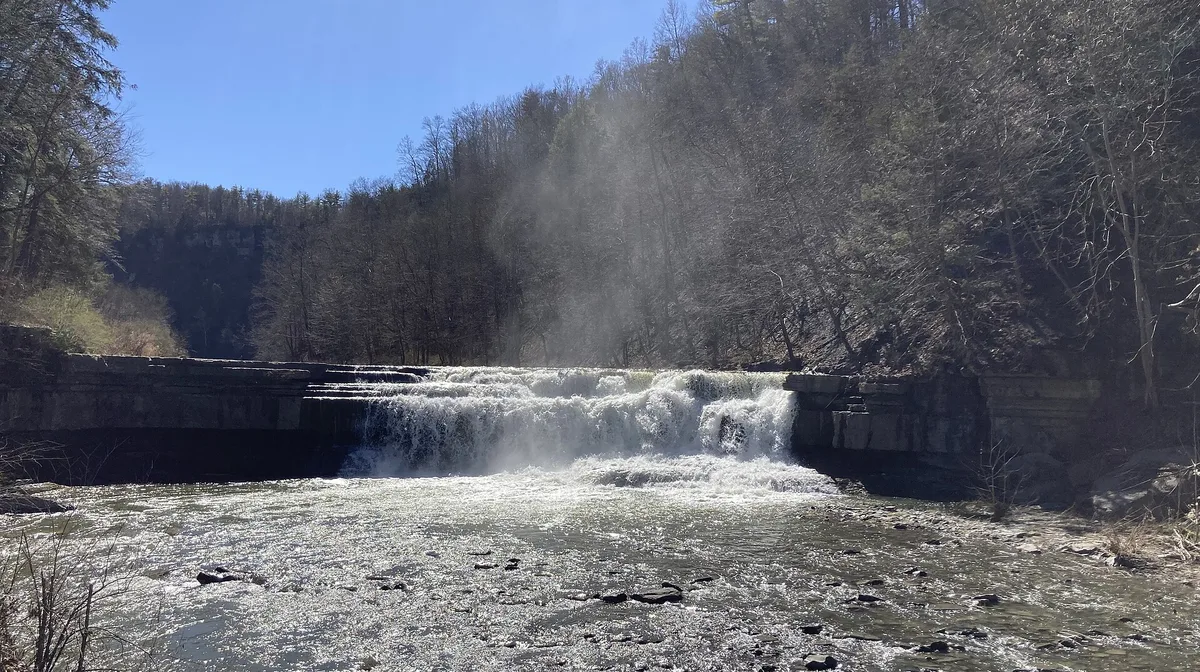
A few of the visual fingerprints we lean into when we shoot, brand and market a Ithaca property — courtesy of the open Wikimedia Commons archive.
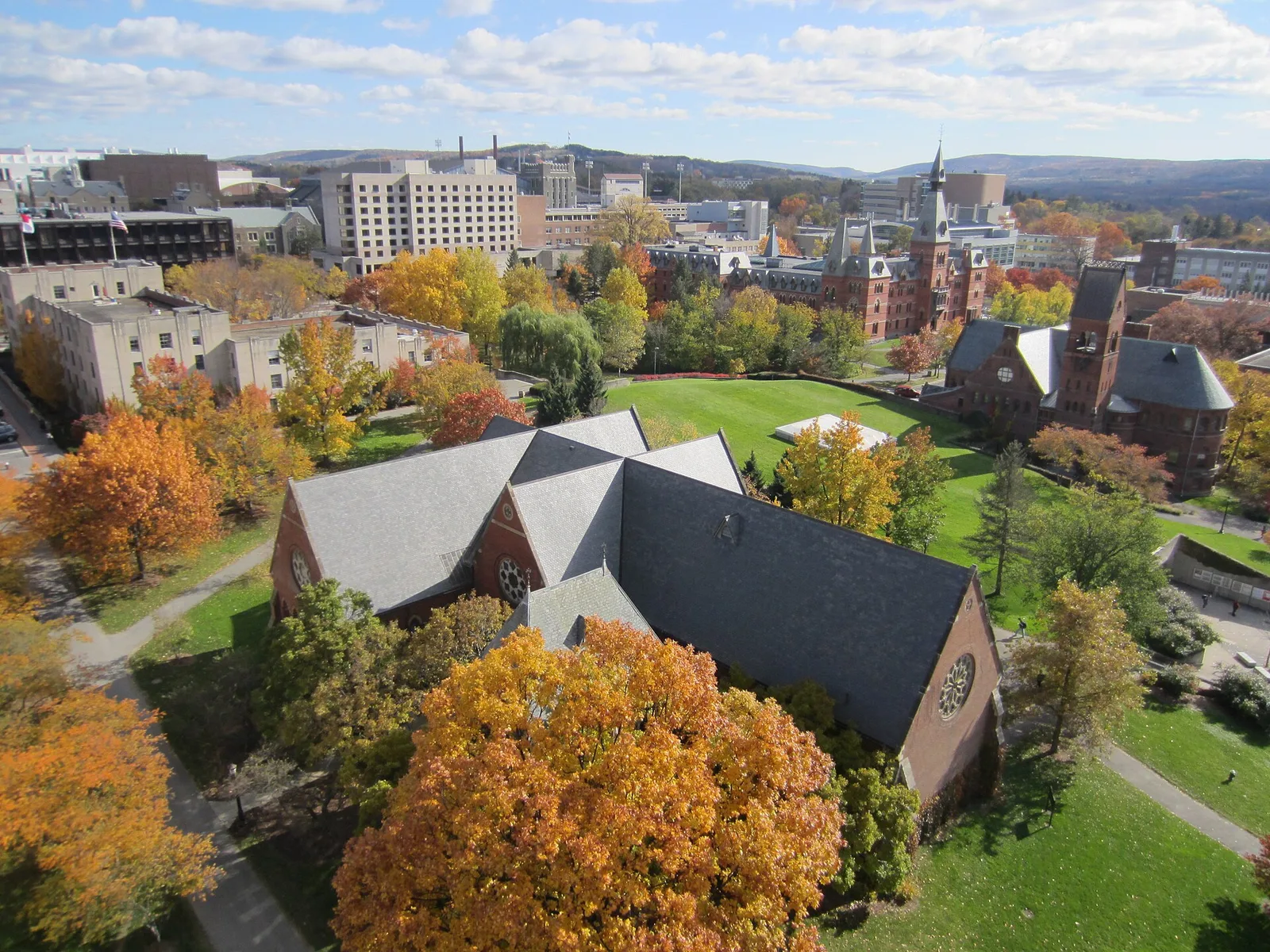
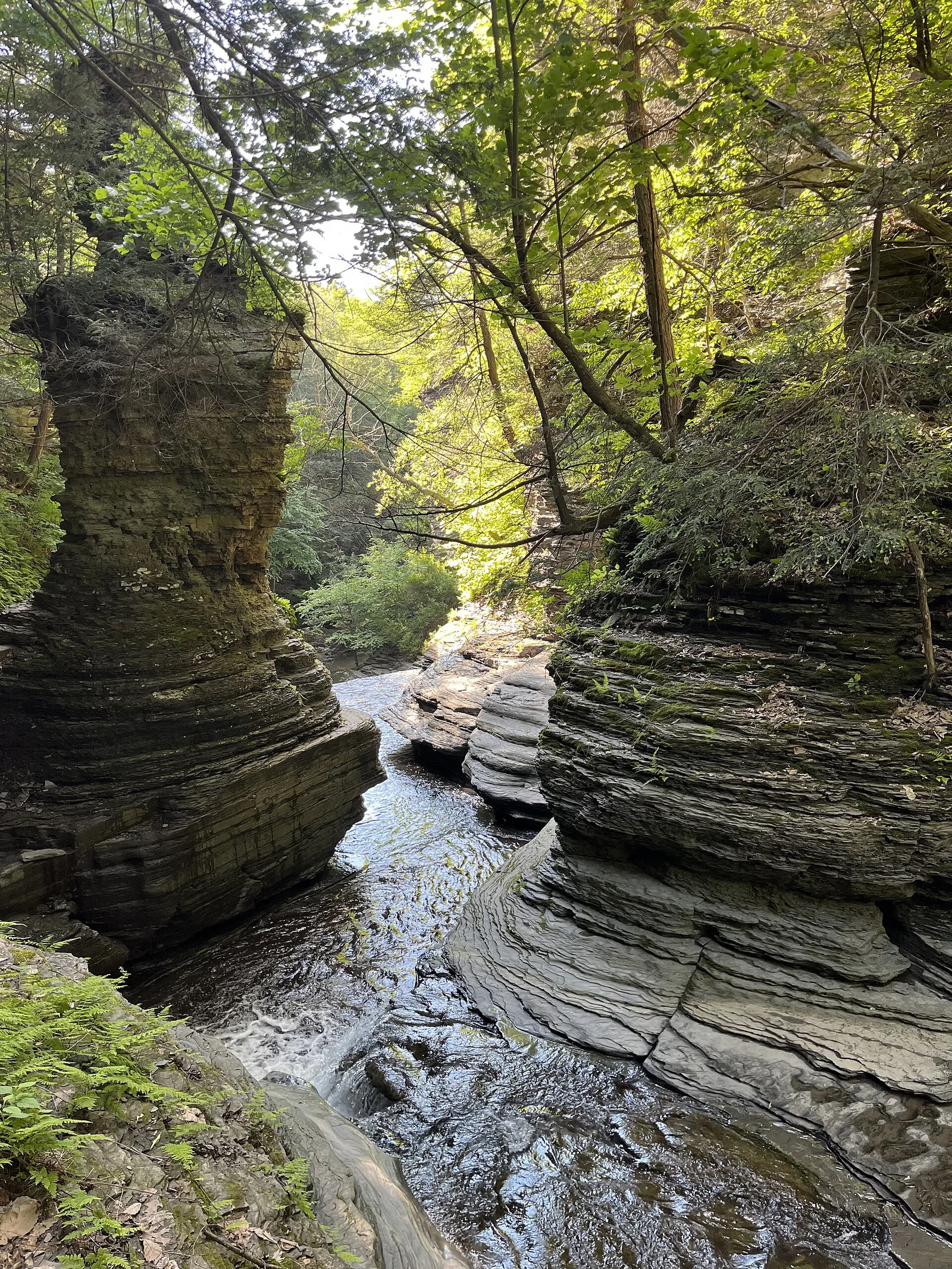
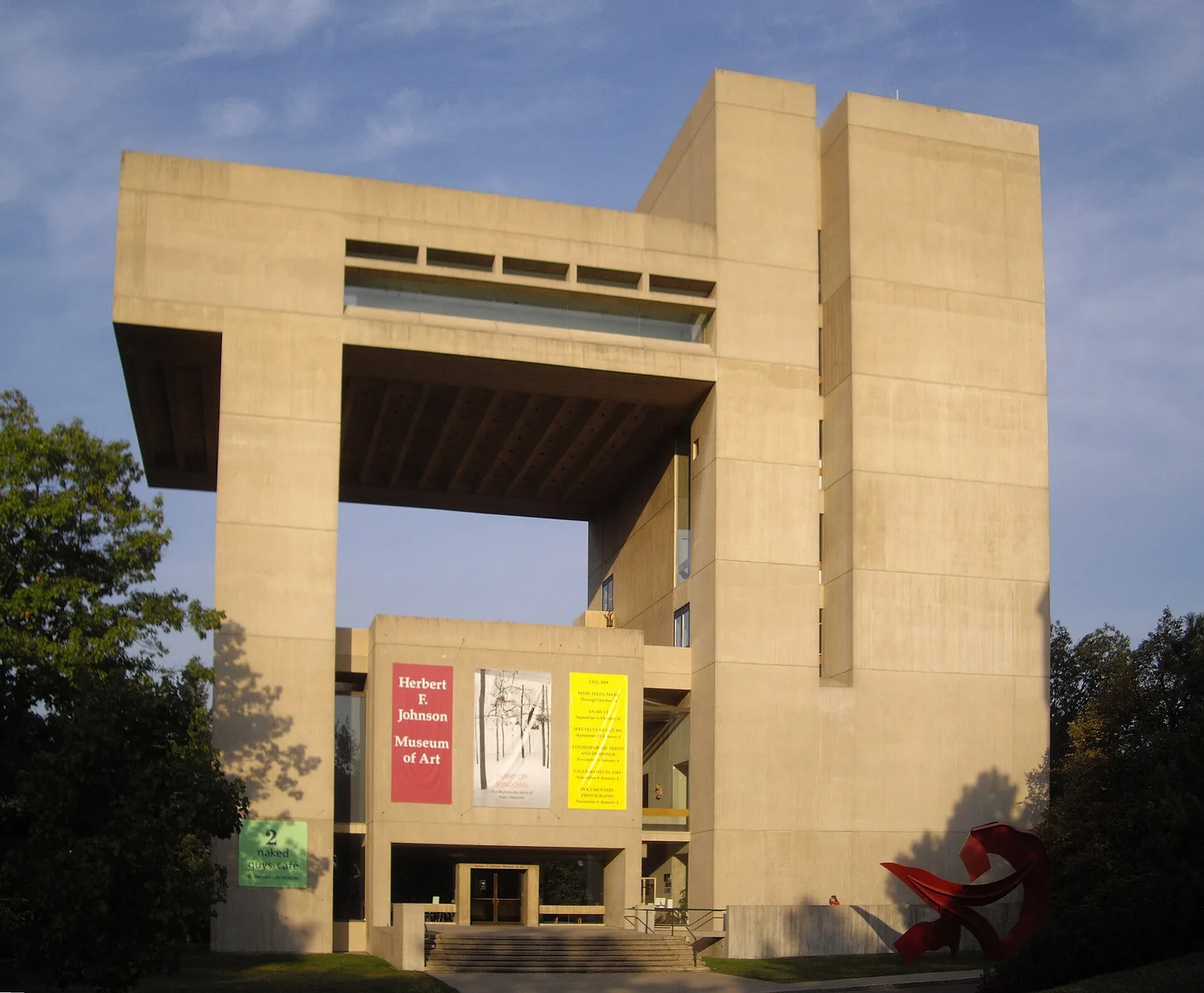
Cavmir markets Ithaca properties against an academic calendar, which is the most predictable demand pattern in this entire portfolio. Commencement weekend, move-in, family weekend, homecoming, reunion and the graduate school visit season are all published far in advance and they produce hard, price-insensitive demand into a town that does not have enough rooms for them. Most owners here treat those dates as ordinary weekends. We do not. We build the year around them, get rates and minimum stays set before the university calendar is even widely known, and write copy aimed at the person who is actually booking, which is usually a parent planning six months out and not a leisure traveller. Because the law requires you to live in the property, we lean into that rather than hiding it: an owner-occupied stay in a college town is a genuinely better product for a nervous parent than an anonymous rental, and it should be sold that way. We photograph the property with the gorges and the walk to campus in the frame, write the waterfall and wine-trail itinerary that fills the non-academic weekends, build a direct booking site that keeps the repeat parent relationship out of a marketplace, and run local search against terms that carry real intent here. We help position and market your property. We never manage it or touch your keys.
Cornell created Ithaca's guest calendar in the 1860s and the movie business found its gorges in 1914. Cavmir writes the chapter guests book now.

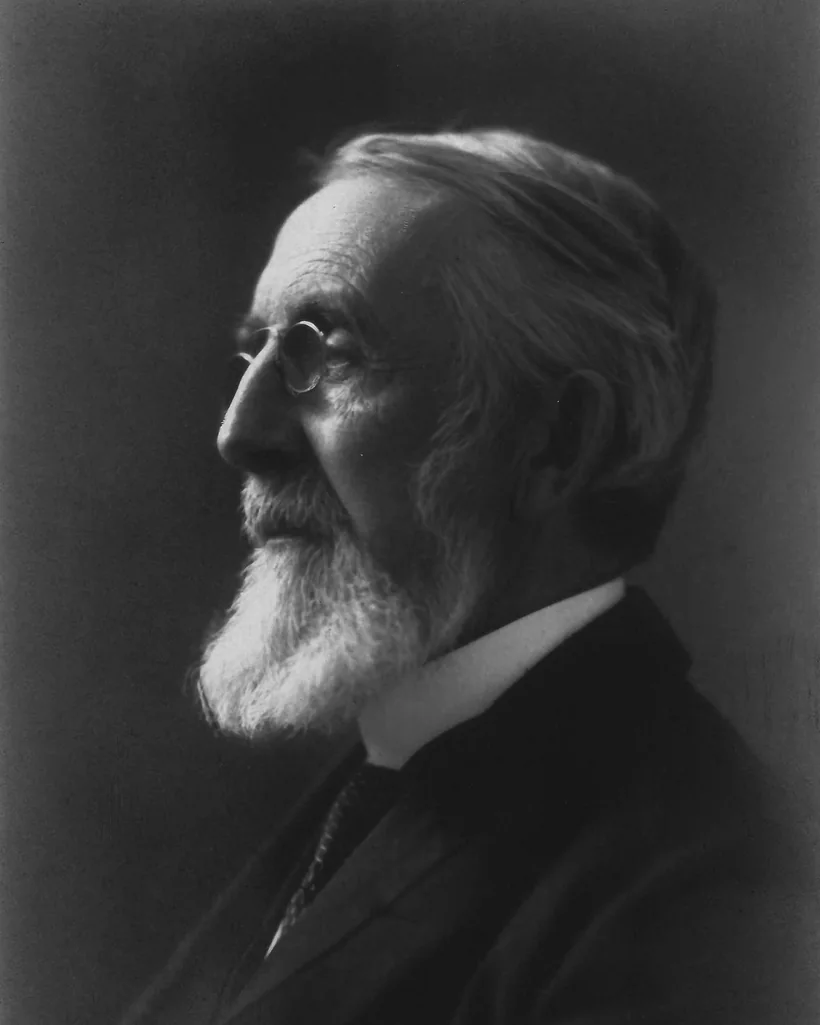
Ithaca was laid out at the head of Cayuga Lake in the early 1790s on land that had been Cayuga territory, taken after the Sullivan campaign of 1779 destroyed the Haudenosaunee settlements of the region. Like several central New York towns it was given a classical name by a surveyor with a taste for antiquity. Its early economy was water: mills on the gorges, a canal connection to the Erie system, steamboats down the lake and a salt trade. The thing that made Ithaca permanent arrived in 1865, when Ezra Cornell, who had made a fortune stringing telegraph wire, put up the money and the land for a university and Andrew Dickson White gave it a founding idea unusual for the time, that it should teach any person any study. Cornell University opened in 1868 on the hill above the town with gorges on both sides, and it changed everything below it. Ithaca College followed in 1892 as a conservatory of music and eventually moved to the opposite hill. The two institutions did something to this town that is easy to underestimate: they created, more than a century ago, a permanent seasonal demand for beds that the town itself did not need. Parents came for commencement. Alumni came for reunion. Visiting scholars came for a term. So Ithaca built inns and boarding houses and, later, bed and breakfasts, and that lodging tradition has been continuous ever since. The waterfalls, the gorges and the wine that came later were added to a visitor economy that already existed.
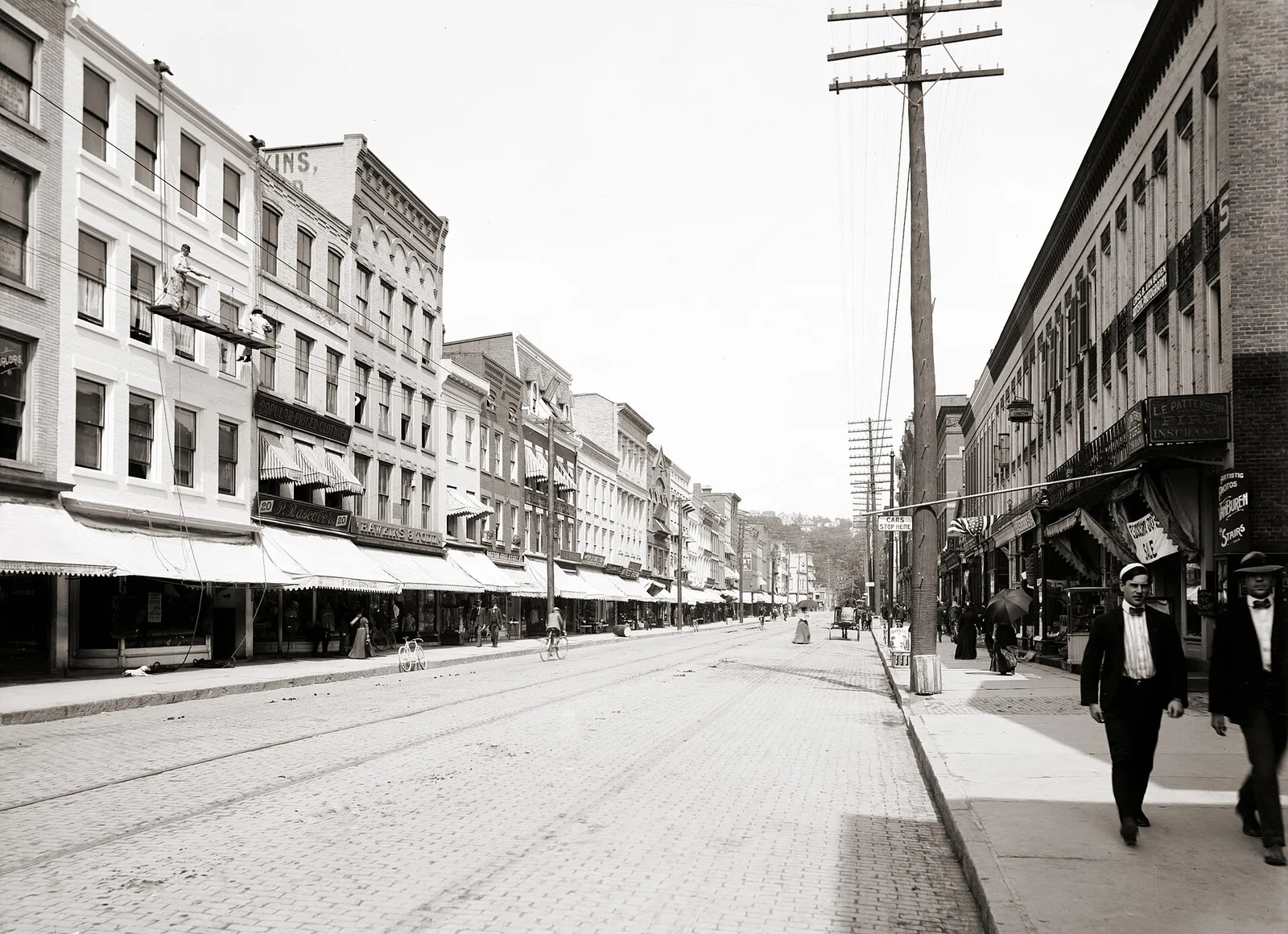
Before the platforms, Detroit Publishing sold the campus on postcards, the Wharton brothers put the gorges in every movie house in America, and a three-word slogan finished the job from bumper stickers. The channel changed; the work is identical: presentation, positioning, and scenery that photographs well. It is the same business Cavmir is in today.
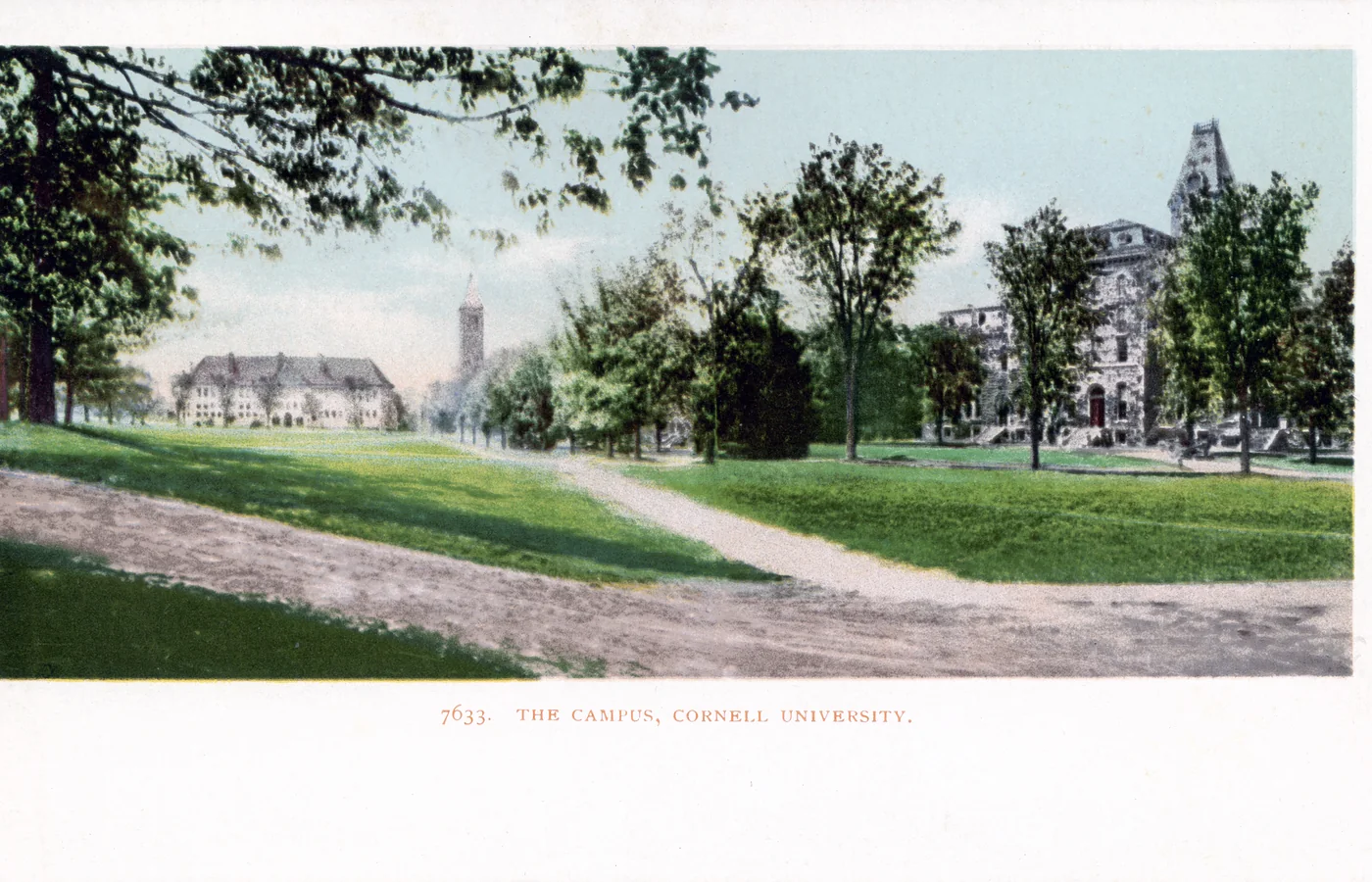

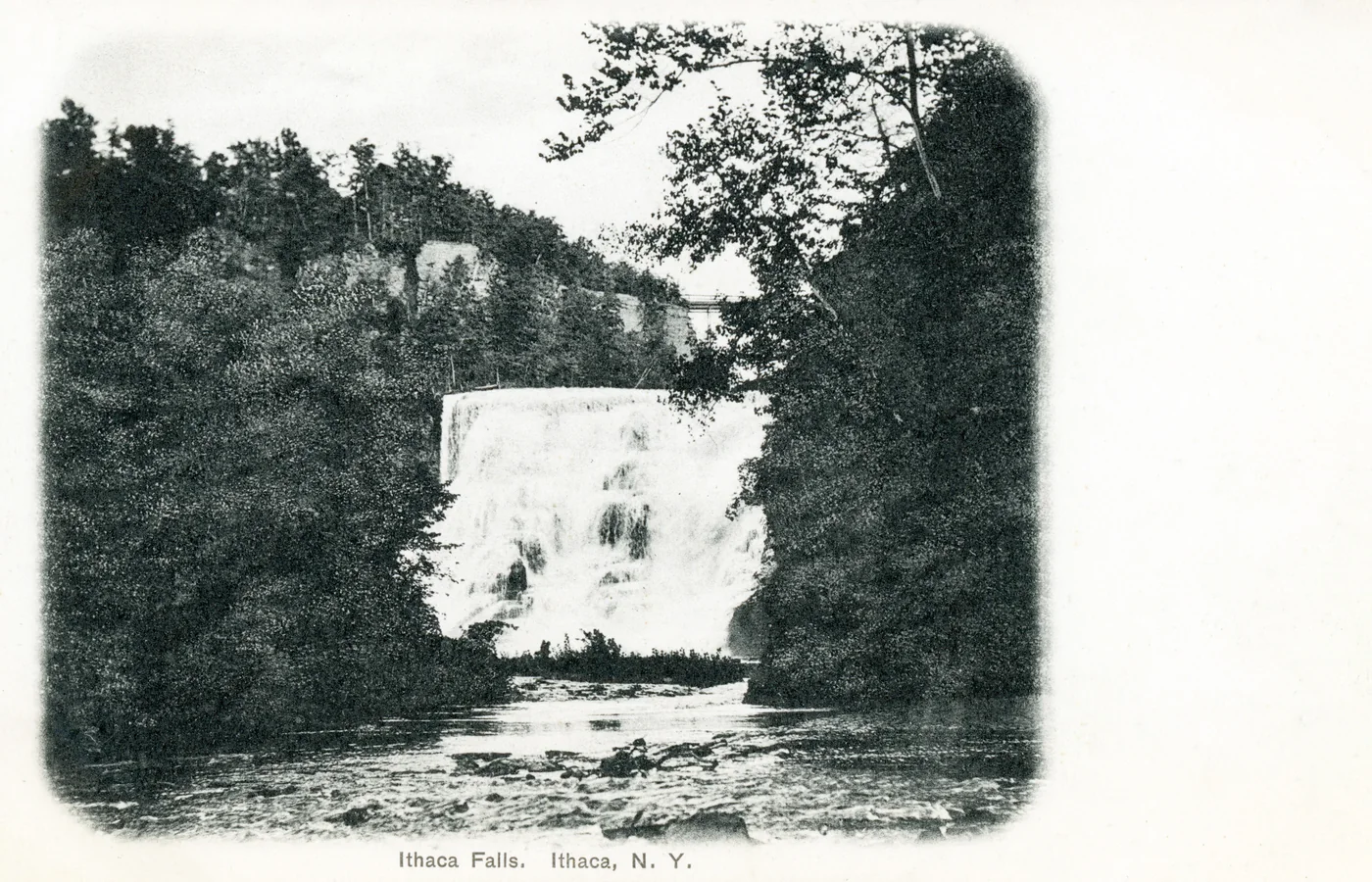
Historical images: public domain via Wikimedia Commons — Detroit Publishing Co., Rochester News Company, Wharton Studio, Robinsons of Ithaca.
Ithaca prices to an academic calendar and everything else is secondary. Commencement weekend in late May is the single most valuable stretch of the year and behaves almost like a different market: demand is enormous, supply is fixed, guests are parents rather than tourists, and price sensitivity is close to nil because the alternative is a hotel forty minutes away. Move-in, family weekend, homecoming, reunion and the graduate admissions visit season all produce the same pattern in smaller form. Those dates are published a year ahead and should be priced and minimum-stayed the moment they are. The autumn is the second season: the gorges and the state parks are at their best in early October, the wine trail along Cayuga is busy, and leaf traffic fills the weekends. Summer is pleasant and moderately busy with waterfall and lake visitors. The genuinely quiet stretch is January through March, when the students are back but nobody is visiting, and the honest answer there is longer stays, visiting academics, medical and university-related placements and anyone who needs a month. Do not discount commencement to fill February; those are different guests and the discount teaches your best customers to wait for one.
The academic calendar sets the year. Late May commencement is the hardest peak, followed by move-in in August, family weekend and homecoming in the autumn, and reunion in June. Early October is the second season, with fall colour in the gorges and the wine trail busy. Summer is steady on waterfalls and the lake. January through March is genuinely quiet. Winters are grey, snowy and long in this part of New York, and the gorge trails close seasonally for safety, which is worth telling guests before they arrive expecting a waterfall hike in February.
The City of Ithaca adopted its short-term dwelling rental law in May 2024 and moved to full enforcement on 1 June 2025. The core rule is a primary-residence requirement: an operating permit will only be issued for a property that is the host's primary residence, and the host must live there for at least 184 days in the year. Short-term rentals are allowed in single-family homes, two-unit homes and any owner-occupied unit. The practical effect is that Ithaca has closed the door on non-resident investor ownership of nightly rentals inside the city, while keeping the door open for people who actually live here, which is close to the opposite of how most college towns have handled the question. Above the city sits New York State's framework, which has changed substantially in the last two years. The statewide short-term rental sales tax took effect on 1 March 2025 and applies in all sixty-two counties regardless of local decisions. Real Property Law Article 12-D created a statewide registration and reporting regime effective 22 September 2025, requiring booking platforms to verify that a listing is registered and to file quarterly county-level reports on occupancy nights, guest numbers and taxes collected. Counties were given an option to decline to operate a registry, with the last date to do so being 25 June 2026; a county that opted out may still collect sales tax but may not impose occupancy taxes. Confirm Tompkins County's current posture with the county, and confirm the city permit process with the city, because both have changed recently and third-party summaries lag behind.
Build the year around the university calendar before you do anything else. Commencement, reunion, move-in, family weekend and homecoming are published far in advance, they are the most valuable nights you will sell, and most listings in this town are still sitting at ordinary rates on those dates. Set them first and set them early. Second, write for a parent, not a tourist. The person booking is often nervous, usually organising several family members, and cares about parking, distance to campus, whether there is somewhere to put a grandparent who cannot manage stairs, and whether they can check in late after a long drive. Answer all of that. Third, use the owner-occupancy requirement as a selling point rather than a constraint. A house where the owner lives, in a town the guest does not know, with someone who can tell them where to eat before a ceremony, is a better product than an anonymous rental and should be positioned that way. Fourth, own the waterfalls in your copy. Taughannock's single drop is taller than Niagara and a startling number of visitors do not know it. Name the parks, give the walking times, say which trails close in winter. Fifth, sell the wine trail west up the lake for the weekends that are not academic. Sixth, keep the parent list. A family that comes for move-in will come back four or five times over the following years, and that relationship should not live inside a marketplace.
The primary-residence rule is a hard barrier: this is not a market you can enter passively, and anyone modelling an investment purchase here should stop and read the law first. Winters are long, grey and quiet, and January through March is genuinely difficult. The demand peaks are extraordinary but narrow, so annual returns depend heavily on what you do with ordinary weeks. Hotel supply has grown in and around the city, which competes directly for the parent booking. And gorge safety is a real issue that the community takes seriously; the trails close in winter and guests who go looking for waterfalls in icy conditions are a genuine risk rather than a hypothetical one.
Because Ithaca requires the host to live in the property, most short-term rentals here are genuinely owner-occupied, and that is a category standard policies handle badly. Tell your insurer plainly what the arrangement is: your primary residence, in which paying guests stay for part of the year. You want short-term rental use named, liability limits appropriate to guests on the premises, and cover for your own belongings alongside the rental activity. The Finger Lakes bring specific exposures. Winter is long and freeze damage is a routine claim. Ice dams on older roofs are common. Many of Ithaca's most attractive properties are nineteenth-century houses with the wiring, plumbing and chimney histories that implies, so expect the survey to matter and be ready to document upgrades. If your property sits near a gorge rim, ask about that directly, because slope stability and liability for guests wandering toward an edge are real questions here rather than theoretical ones. A broker who writes upstate New York bed and breakfasts will already know the ground.
New York's short-term rental sales tax has applied since 1 March 2025 across every county in the state, charging the state rate plus local add-ons on all short-term rental bookings, and it applies regardless of whether a county participates in the registration system. That is the baseline and it is not optional. The county-level occupancy tax picture is the part that has been moving: under the state framework, counties that declined to operate a registry may continue collecting sales tax but may not impose occupancy taxes on short-term rentals, while counties that did not opt out may authorise local occupancy taxes on them. The deadline for a county to opt out was 25 June 2026, so the position should now be settled, and you should confirm Tompkins County's specifically rather than relying on a general guide. Booking platforms handle some of this collection and reporting and not all of it, and they are now required to verify registration and file quarterly county reports, so assume your activity is visible. Ask your accountant about how an owner-occupied property that generates lodging income is treated for federal and New York purposes, because the personal-use apportionment is where most hosts here get into difficulty.
The primary-residence requirement actually simplifies financing in Ithaca, because most hosts here are buying a home rather than an investment property and can access ordinary owner-occupied mortgage terms, with better rates and lower deposits than an investor would face. The complication is on the income side: lenders vary considerably in how much short-term rental income from a primary residence they will count toward serviceability, and some will not count it at all, so do not build a purchase around an assumption there. If the property is a two-unit home, which the city's law permits, the picture changes again and some lenders will treat rental income from a second unit more favourably. Ithaca's housing stock skews old and the surveys reflect it: knob-and-tube wiring, slate roofs, stone foundations, oil tanks and chimneys all come up regularly. Properties on the steep slopes above town can raise drainage and stability questions. Get an insurance quote early, since older houses in a cold climate are not cheap to cover. Use a broker who works Tompkins County and understands the university-driven rhythm of this market.
Ithaca has made a deliberate choice that is unusual among American college towns. Rather than banning short-term rentals or letting them run, it tied them to residency, which preserves the town's long tradition of people letting rooms in the houses they live in while shutting out speculative buying of housing stock in a market where students already strain supply. There is no sign of that being loosened, and the enforcement date has now passed, so the rule should be treated as settled rather than provisional. The state-level picture is the one still moving: registration, reporting and county-level occupancy tax authority all changed within the last two years and platforms now report activity quarterly, which means the era of quiet, unregistered operation in New York is over. For an owner who lives here, this is a good environment. The competition is limited to people in the same position, the demand calendar is published a year in advance by two universities that are not going anywhere, and the guests are parents who return repeatedly across four years and then keep coming back for reunion. That is a durable business, and it rewards building a direct relationship far more than it rewards chasing a ranking.
Ithaca is a town in a bowl with water falling into it from every direction, and the bad pun on the bumper stickers happens to be geologically accurate. Glaciers gouged out Cayuga Lake and left the side valleys hanging, so the creeks that feed it now drop hundreds of feet to get there, right through the middle of town and through the campus above it. You can walk from a coffee shop on the Commons into a gorge trail and be under a waterfall in fifteen minutes. Taughannock, ten minutes up the west shore, falls 215 feet in one go, which is a longer drop than Niagara, and most people have never heard of it. Above all that sits Cornell, founded in 1865 by a man who made his money stringing telegraph wire and who wanted a university that would teach any person any study, and across the valley sits Ithaca College, which started as a conservatory. Between them they have been bringing parents to this town for well over a century, which is why Ithaca has inns and bed and breakfasts and a lodging culture that long predates anything with an app. What we like about it as a market is the honesty of the demand. Nobody has to invent a reason for people to come. There is a graduation in May and a reunion in June and a homecoming in the autumn, the dates are published a year ahead, and every one of those weekends there are more families than beds.
A great property in Ithaca doesn't just want a listing — it wants a point of view, an audience, and a brand the city itself would recognise.
Eight things worth knowing about a market run by an academic calendar, where the city has decided that only residents may rent by the night.
An operating permit is only issued for your primary residence, and you must live there more than half the year. Enforcement began June 2025.
Late May is the hardest peak of the year and the least price-sensitive. The date is published a year ahead. Price it accordingly.
A single 215-foot drop ten minutes up the west shore, taller than Niagara. A remarkable number of visitors do not know it exists.
Cascadilla climbs from downtown to campus. Buttermilk and Treman are minutes away. The trails close in winter for safety.
The longest of the Finger Lakes, with a wine trail up the western shore that fills the weekends the university does not.
Not a tourist. Usually organising several family members, worried about parking, stairs and a late arrival after a long drive.
Statewide STR sales tax since March 2025, registration and quarterly platform reporting since September 2025.
Students are back, nobody is visiting. Longer stays, visiting academics and placements rather than discounted nights.
The three examples below are composite and illustrative. They describe patterns common across university towns rather than any single Ithaca client, and no real business is described.
An owner-occupied property near campus had strong reviews and left its most valuable weekend of the year at an ordinary rate with a one-night minimum, filling months in advance to a single guest.
We built the year around the published academic calendar, set commencement, reunion, move-in and homecoming first with appropriate minimum stays, and wrote copy aimed at families rather than couples.
The academic weekends became the financial backbone of the year, and the rest of the calendar was priced against them rather than the other way round.
A host required by law to live on the property treated that as an awkward disclosure buried at the bottom of the listing, and competed unsuccessfully against hotels on anonymity and price.
We repositioned the owner's presence as the product: someone who lives here, knows the town, can advise on ceremony logistics and restaurant timing, and is there if something goes wrong.
The property started attracting exactly the nervous first-visit parent it was best suited to, and repeat bookings across a student's four years became the norm.
January through March produced almost nothing, and the owner's response was progressively deeper discounting aimed at leisure travellers who were never going to come to a grey upstate town in winter.
We built a separate long-stay proposition aimed at visiting academics, medical placements and university-related short assignments, priced monthly and promoted through entirely different channels.
The winter filled with a small number of long, low-maintenance bookings, and the discounting that had been eroding the property's rate position stopped.
Demand in Ithaca peaks around May, June and August and runs quietest around January through March. Here is how the year actually books — and what to do about each stretch of the calendar.
The academic calendar sets everything. Commencement weekend in late May is the hardest peak and behaves like a separate market, with demand far exceeding supply and almost no price sensitivity. Reunion in June, move-in in August, family weekend and homecoming in the autumn all repeat the pattern in smaller form. Those dates are published a year ahead and should be priced the moment they are.
Early October is the second season, with fall colour in the gorges and the Cayuga wine trail busy. Summer is steady on waterfall and lake visitors. Both respond well to itinerary-led copy and to email sent to past guests rather than to discounting.
January through March is genuinely quiet: the students are back but nobody is visiting, the weather is grey and the gorge trails close for safety. The answer is longer stays for visiting academics, medical and university placements and short assignments, not discounts aimed at leisure travellers who are not coming.
Unusually predictable. Academic dates are published a year ahead and the families who know the calendar book very early, sometimes as soon as a place is confirmed. Leisure demand fills a few weeks out. The gap between those two behaviours is where most owners leave money.
Two and three night stays around academic dates, longer for reunion and commencement when families travel further. Summer leisure stays are shorter. Winter belongs to monthly and multi-week bookings, which suit an owner-occupied property well.
Because the law requires the host to live in the property, the winning format is an owner-occupied home near campus or downtown run by someone who knows the town. Parking, a ground-floor bedroom for older relatives and a genuinely quiet room matter far more to a graduation-weekend family than styling does.
Start with photography that shows what a guest actually gets here, then write the listing around a real itinerary rather than a feature list. Build a direct-booking site so returning guests can come back without going through a platform, and keep an email list segmented by season so you can reach last year's visitors before the calendar opens. Local search matters more than people expect in a market this size, because guests search the destination and the attraction rather than the word rental. A marketing agency layer handles the photography, the listing copy, the direct-booking site and the local SEO as one system instead of four disconnected jobs.
The academic calendar decides it. Commencement in late May is the hardest peak, followed by reunion in June, move-in in August and family weekend and homecoming in the autumn. Early October is the second season for gorge colour and the wine trail. January through March is genuinely quiet.
Very early for the academic dates, which are published a year ahead and booked by families as soon as plans are confirmed. Leisure travellers fill in a few weeks out. The gap between those two behaviours is where most owners lose money, by pricing graduation weekend as though it were an ordinary Saturday.
A strong northeast drive market, with New York City and Philadelphia the largest sources, plus Rochester, Syracuse and Boston. The fly market comes through Ithaca's small airport or Syracuse, and international university families travel much further, which lengthens their booking window considerably.
Parking is the amenity parents ask about first, followed by whether there is a bedroom without stairs for an older relative. Being able to walk to campus or downtown matters enormously on ceremony weekends. Fast wifi, laundry and a quiet workspace do the work for the longer winter stays that fill the off-season.
Run your Airbnb, Vrbo, or website through Cavmir's free grader. It checks the things that decide whether guests book in Ithaca — photos, listing copy, page speed, local search — and shows you where bookings leak. Takes about a minute, and there's no sales call attached.
If the report says your booking engine is the weak link, that's fixable: a direct-booking website of your own means repeat guests stop paying platform fees to come back to you. That's the work Cavmir does — see Airbnb website design in Ithaca.
Send us the listing and we'll tell you what we'd change. Not a pitch deck — a straight read on your photos, your title, your rates against the Ithaca comp set, and whether a direct-booking site would pay for itself.
You'll hear back from a person, usually inside one business day. If we don't think we can move your numbers, we'll say so. Cavmir is a short-term rental marketing agency — we position and market properties, we don't manage them.
Talk to Cavmir today. We'll show you exactly what your Ithaca property is leaving on the table — and how fast we can change that.
Book a Free Strategy CallPhotography via Wikimedia Commons (images resized and cropped): Cornell University from McGraw Tower by Maeshima hiroki (CC BY-SA 3.0) · Buttermilk Falls, June 2022 by NP824 (CC BY-SA 4.0) · Johnson-museum-of-art-cornell by Dmadeo (CC BY-SA 3.0).
