




Morning
Cafecito at Versailles or Ball & Chain
A ventanita cafecito is Miami's real breakfast. Versailles on Calle Ocho is the tourist landmark; Ball & Chain next door is the one guests remember.

North America · Airbnb Marketing
Expert short-term rental marketing to grow your bookings and nightly rate in Miami, Florida, USA.
Sixteen services, one team. Everything below is built in-house and scoped to your property and market. Most owners start with the 12-Step System.
Every engagement is quoted to your portfolio. These are the ready-made scopes owners pick most — our Fall Special (55% off list or more) is already applied to the website, King Broker, Hotels and à la carte scopes. A clear proposal within 48 hours.
The work is public. Selected engagements and what changed — and reviews from the owners and managers behind them.
* Market averages from AirDNA and STR market reports. A single home's numbers depend on its size, its location and how it is marketed.
Cavmir is an Airbnb marketing agency. We build the brand, the direct-booking website and the marketing for short-term rentals in Miami.
Miami is one of the most competitive short-term rental markets in the world — and one of the most rewarding for property owners who position themselves correctly. From the iconic Ocean Drive in South Beach to the sleek towers of Brickell and the murals of Wynwood Arts District, every Miami neighborhood has its own identity. Coconut Grove delivers a lush, bohemian feel, while Coral Gables offers Mediterranean-inspired luxury. Guests don't just book a place to sleep — they book a Miami experience.
The Miami STR market is driven by year-round warm weather, a thriving nightlife scene, Art Basel, Ultra Music Festival, and a growing digital nomad population. Properties near South Beach, Brickell, and the Design District command premium rates. Properly marketed properties in Miami routinely outperform the market average by 30–45%.
Nearby Markets: Fort Lauderdale | Florida Keys | Orlando
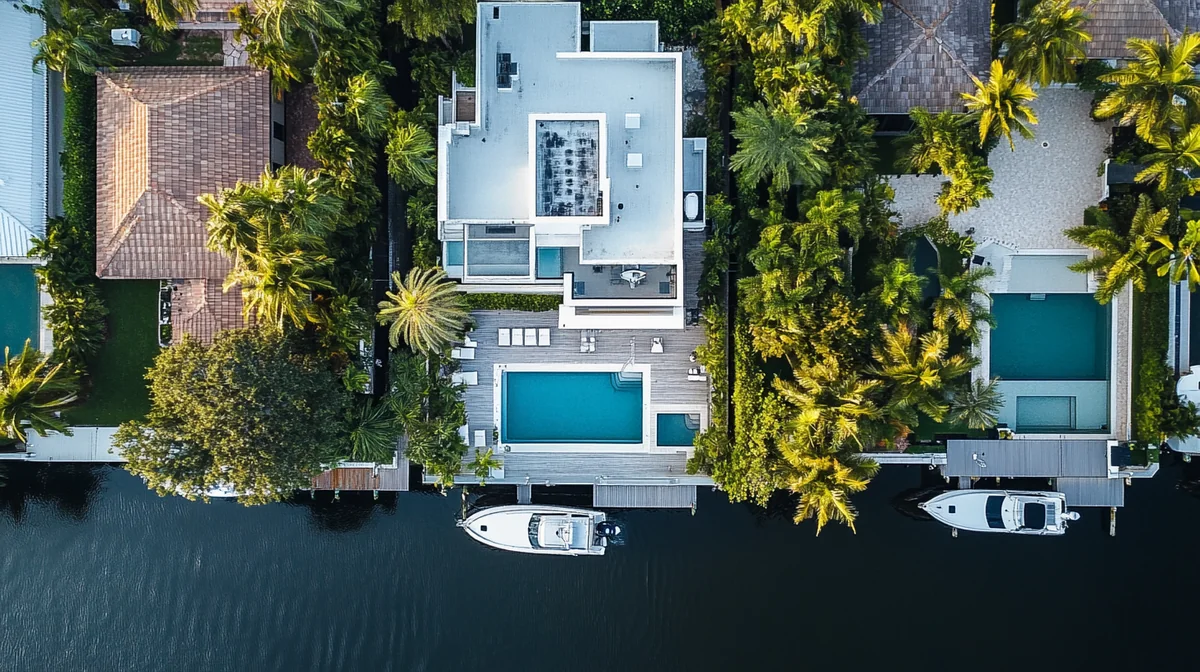
A few of the visual fingerprints we lean into when we shoot, brand and market a Miami property — courtesy of the open Wikimedia Commons archive.
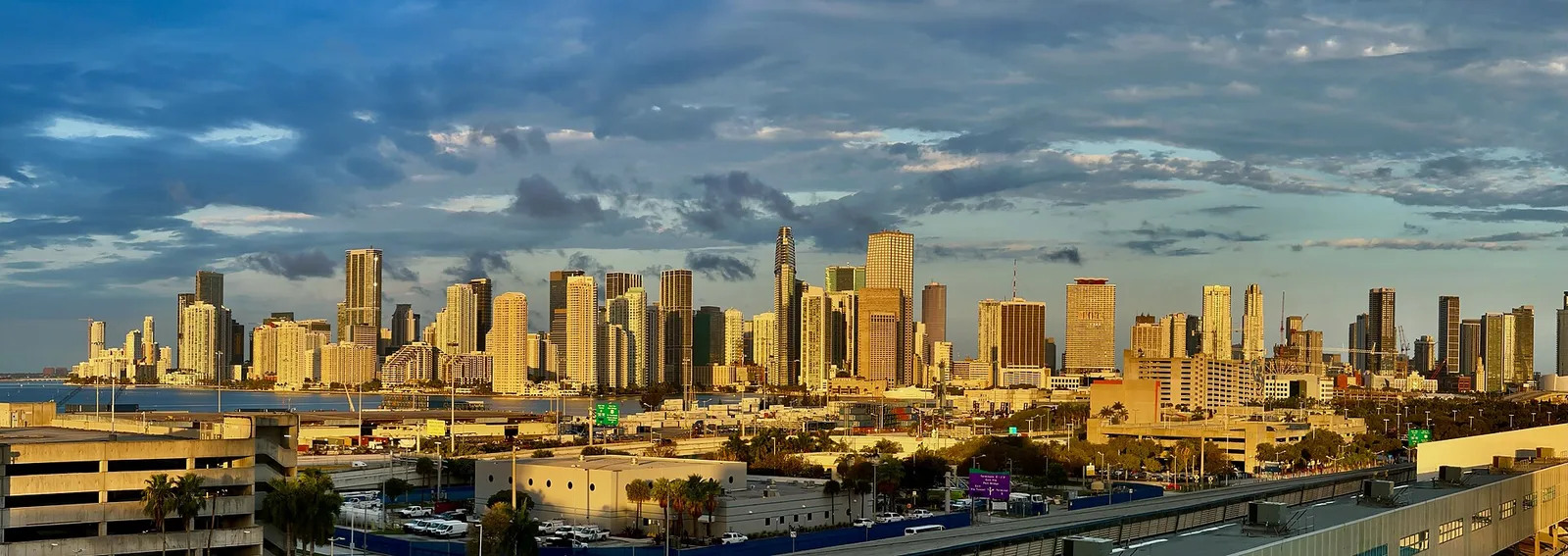
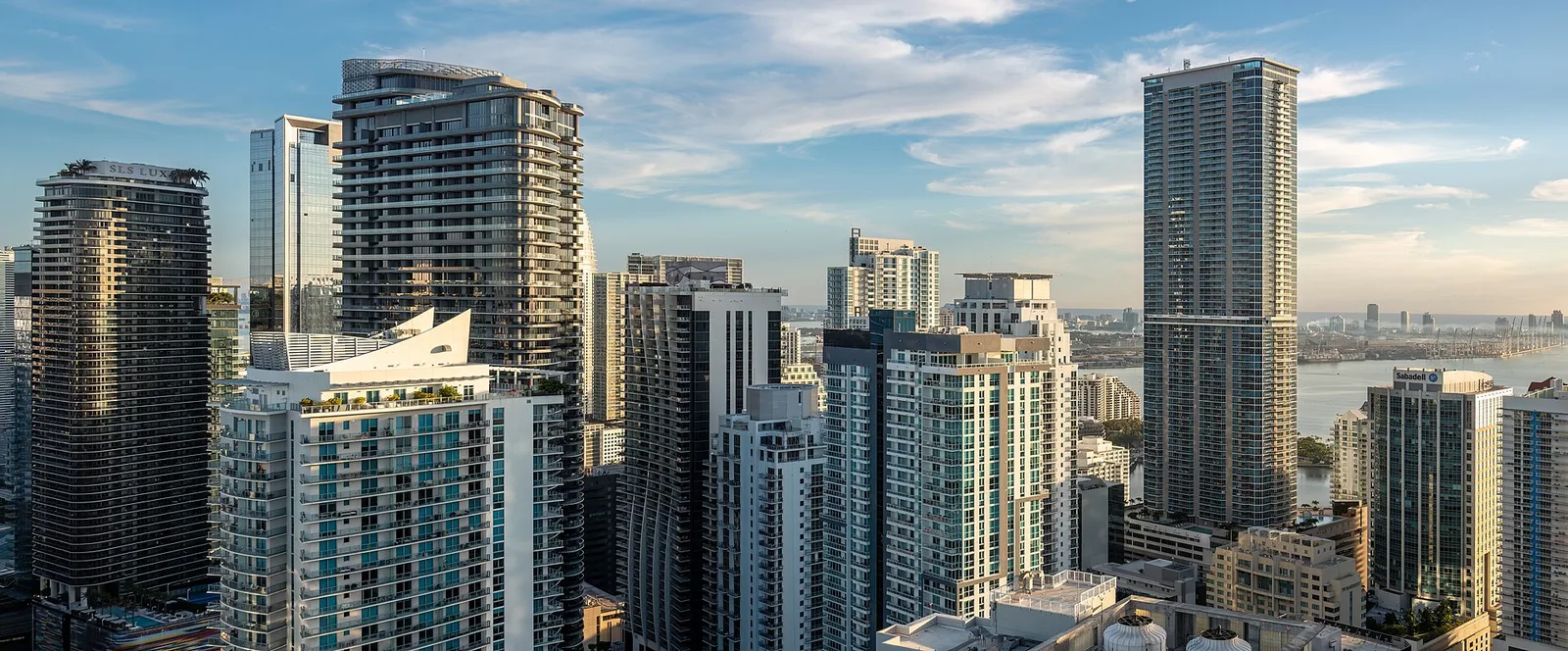
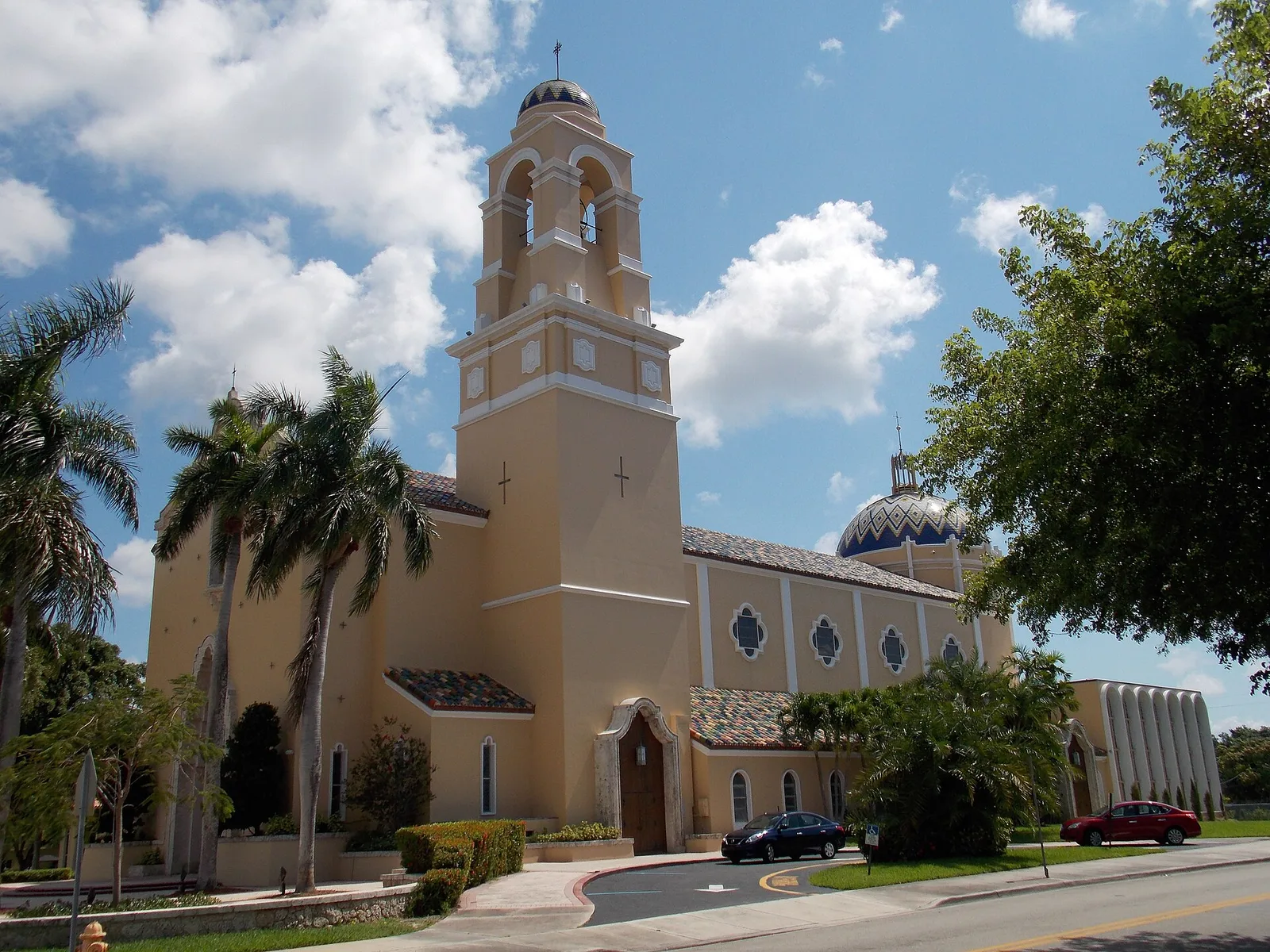
Cavmir has deep market knowledge across all Miami neighborhoods. We build listings that stand out against thousands of competitors — combining cinematic photography, algorithm-engineered launches, and multi-channel distribution to fill your calendar at the rates your property deserves.
Miami's short-term rental story didn't start with Airbnb — it started with a railroad, a dredge and a nationwide ad budget. Cavmir simply writes the modern chapter.



Miami's short-term rental story didn't start with Airbnb. It started with Henry Flagler's Florida East Coast Railway reaching Miami in 1896, the Biltmore Hotel opening in 1926, and the Art Deco building boom along Ocean Drive in the 1930s that gave South Beach its identity. For most of the 20th century, Miami's short-term lodging market belonged to hotels. Private-home vacation renting existed in the Keys, on Miami Beach, and in the Hispanic communities of Coral Gables and Coconut Grove, but it was informal — word of mouth, classified ads, and handshake deals.
The platform era changed everything. Airbnb entered Miami in 2010, and by 2015 the city had one of the densest STR markets in the country. The post-2020 remote-work surge, combined with Miami's zero-state-income-tax appeal and tech-industry inflows, pushed nightly rates to record highs. What's unusual about Miami compared to most American cities is the international demand layer — roughly half of Miami's visitors come from outside the US, with heavy booking volume from Brazil, Argentina, Colombia, and Europe. That internationalization means Miami STRs have to compete globally, not just regionally, which rewards owners who invest in multilingual marketing and professional presentation.
Before the platforms, the railroad hotels, the beach developers and the Art Deco boom sold this city to the country — on grand hotels like Flagler's Royal Palm, on Coral Gables' Biltmore, and on the neon of Ocean Drive. The channel changed; the work is identical: presentation, positioning, and the promise of the winter city. It is the same business Cavmir is in today.
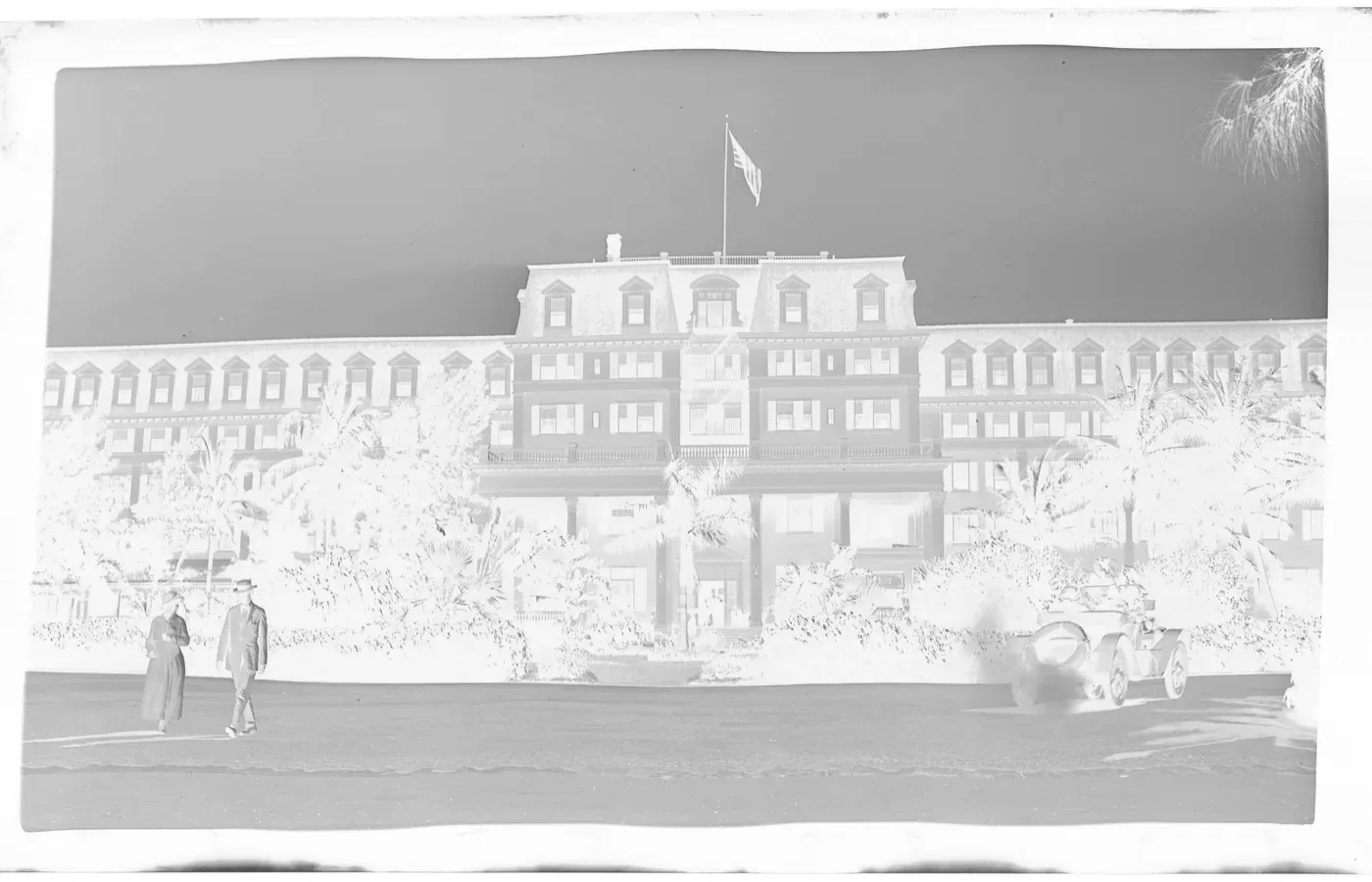
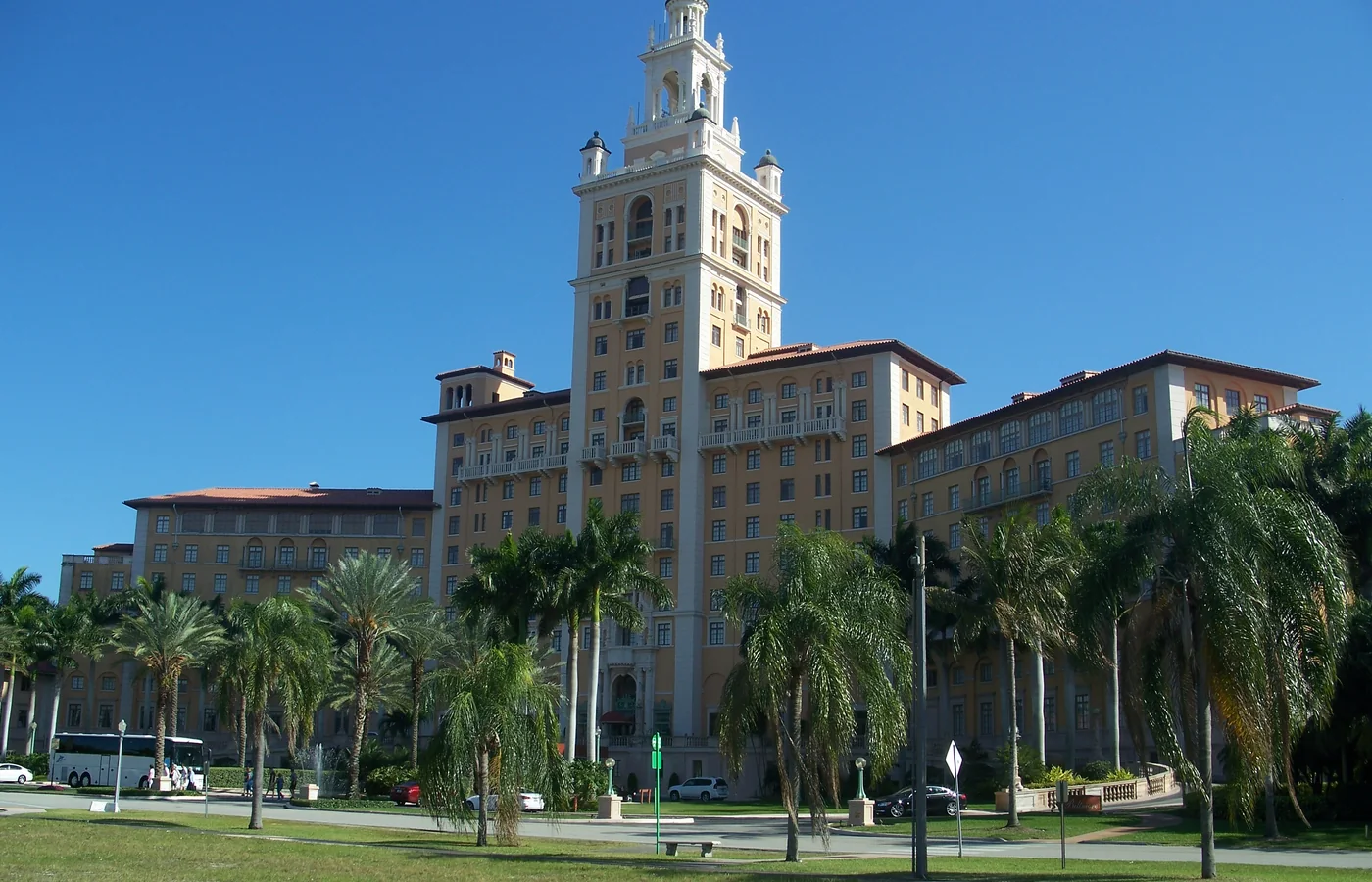
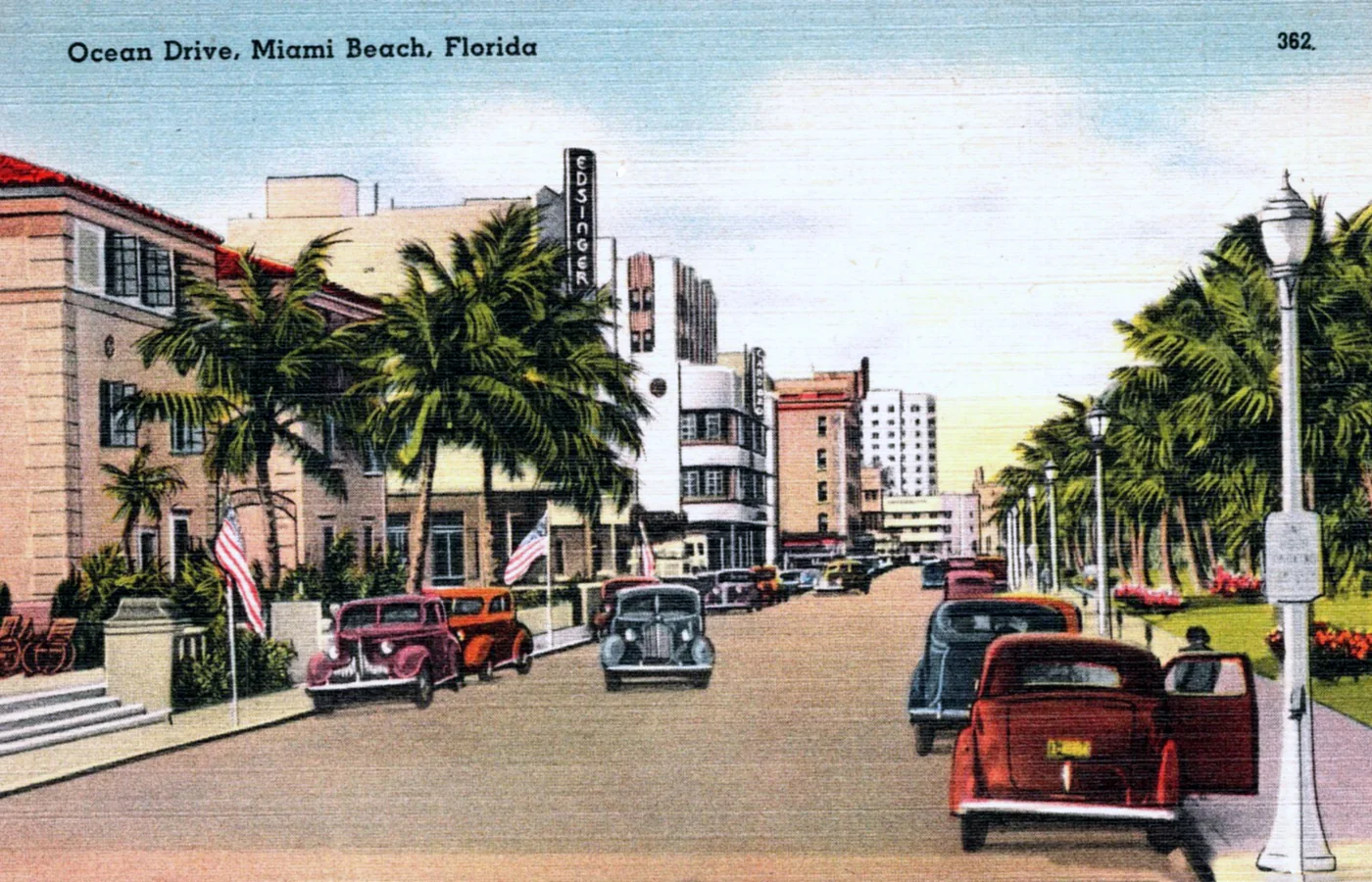
Historical images: public domain and Creative Commons via Wikimedia Commons — Detroit Publishing Co., Tichnor Brothers, and others.
Miami pricing is brutally neighborhood-specific. A two-bedroom in South Beach at Art Basel week (early December) will clear $800–$1,400 per night; the same property in August sits at $200–$300. Brickell performs inversely — its tower inventory earns from corporate travel Monday through Thursday, then drops weekends. Wynwood and the Design District command design-premium rates year-round. The pricing mistake most Miami owners make is setting a flat rate by season instead of by event. Dynamic pricing anchored to major events — Art Basel, Ultra, F1 Miami, Formula 1 Grand Prix, the Miami Open, Rolling Loud — can add 30–60% annual revenue over static seasonal pricing.
For owners competing on the open platform market, minimum-stay strategy is the other lever. Three-night minimums during peak events prevent weekend-only bookings that block the full event. Outside events, two-night minimums keep cleaning costs manageable while preserving weekend-trip demand from the Southeast drive market.
Miami is classified as medium-seasonal because demand never truly dies — even August maintains 55–65% occupancy on well-marketed listings. The real revenue inflection is December through April, when northern-US snowbirds and European travelers pile in. The biggest missed-ROI window for most Miami owners is the shoulder period (late April, May, October, early November) — rates drop 20–30% but occupancy can hold above 70% if marketing targets the remote-worker and digital-nomad segments who specifically chase shoulder-season value.
Miami is genuinely one of the most regulated STR markets in America, and the rules vary dramatically by jurisdiction. The City of Miami Beach bans short-term rentals (under 6 months and 1 day) in most single-family zones and in large portions of its multi-family zones — enforcement is active, though a 2020 commission vote cut the illegal-rental fine from $20,000 to $1,000, and code fines now run up to $1,000 a day for a first offense. The City of Miami treats single-family homes and duplexes in T3 and T4-R zones as ineligible for short-term rental, citing City of Miami v. Airbnb, and where lodging is allowed it requires a Certificate of Use, a Business Tax Receipt and a state lodging license. Miami-Dade County requires a separate Tourist Tax Account for any rental of six months or less, with the county's tourist taxes remitted monthly.
On top of municipal rules, Florida state law requires every vacation rental to hold a license from the Department of Business and Professional Regulation (DBPR). Then there's tax: Miami-Dade charges a 3% convention development tax plus 2% tourist development and 1% sports facility taxes (the last two not in Miami Beach) on stays of six months or less, Florida charges a 6% state sales tax plus 1% surtax, and platforms like Airbnb now collect and remit most of these automatically — but compliance is still the owner's responsibility. Condo associations are the unseen third regulator: many Miami luxury buildings prohibit STRs entirely in their bylaws, and the 2022 Florida condominium law strengthened HOA enforcement rights.
The Miami-specific tip most new owners miss: check the condo bylaws before you close on the property. A Brickell or South Beach unit with a 6-month minimum-stay restriction in its declaration can't be Airbnb'd no matter what the city allows. Many buildings updated their rules between 2020 and 2024 specifically to block STRs, so the fact that the building next door allows them means nothing.
Second — market for the international traveler. Miami is a global city, and listings with English-only descriptions leave 30–40% of the booking pool on the table. Portuguese and Spanish descriptions, currency-aware pricing, and WhatsApp-ready communication protocols materially improve conversion. Third — invest in hurricane-season content. June through November is when guests fear Miami; a property with modern impact windows, a generator, and a transparent cancellation policy can charge premiums over competitors even during historically weak weeks.
The signature Miami challenge is regulatory whiplash. Ordinances change, lawsuits flip outcomes, and enforcement waves come in cycles. A listing that's compliant in January may need adjustments by October. Add to that the climate reality: insurance premiums in Miami-Dade have risen substantially since 2022, and properties without up-to-code roofs and impact glass can be uninsurable or priced out of affordability. The third real challenge is saturation — some neighborhoods (South Beach, parts of Brickell) have listing density so high that discovery depends almost entirely on professional photography, paid placement, and direct-booking relationships.
Standard homeowners policies typically exclude short-term rental use. Miami owners need either an STR-specific policy (CBIZ, Proper, Steadfast) or a commercial landlord policy with rental endorsement. Windstorm coverage is the biggest line item — often 40–60% of total premium — and separate flood insurance through the NFIP or a private carrier is effectively mandatory for any property near the coast. Budget $3,500–$9,000 per year for a typical coastal 2-bedroom.
Florida has no state income tax, which is a structural advantage. Miami-Dade property tax runs roughly 1.9–2.2% of assessed value annually, and homestead exemption doesn't apply to properties used primarily as STRs. Expect TRIM notices (August) and tax bills (November). Non-homestead properties are subject to the 10% annual cap on assessment increases under Save Our Homes extended provisions.
Most US lenders treat STR-purpose properties as second homes (slightly higher rates than primary residence, 10% down minimum) or investment properties (20–25% down, rate premium of 0.5–0.875%). DSCR loans — underwritten against the property's projected rental income rather than personal income — are popular for Miami investors. Budget roughly 0.75–1.5% above primary-home mortgage rates, and factor higher escrow for insurance.
In Miami-Dade, the first question about any address is which government's code covers it. Brickell, Downtown, Edgewater, Wynwood, Little Havana and Coconut Grove all sit inside the City of Miami. South Beach, Mid-Beach and North Beach answer to the City of Miami Beach. Kendall and the county's other unincorporated suburbs answer to Miami-Dade itself, and towns like Surfside, Coral Gables and Key Biscayne write their own rules. All of them sit on top of the state layer. Florida treats a home or unit as transient lodging when it's rented more than three times a year for periods of less than 30 days, and that takes a vacation-rental license from the Department of Business and Professional Regulation (DBPR). What follows is each rulebook as the city and county publish it in 2026. Get the answer for your exact address in writing before you sign anything.
The City of Miami treats single-family homes and duplexes in its T3 and T4-R zones as ineligible for short-term rental or lodging use, and its own guidance points to the City of Miami v. Airbnb ruling as the reason. Everywhere else the city approves lodging one building at a time, and where there's a condo or homeowners association, the process starts with it. The Short-Term Rental/Lodging Evaluation Form has to be certified by the association, and the Operational Management Plan, written on the city's template, has to carry the association's signature too. Then comes a building permit filed under a lodging category such as apartment hotel or condo hotel, a plan review that includes Fire, inspections, a new certificate of occupancy, a state lodging license, a new Certificate of Use for lodging units and a Business Tax Receipt, plus any county environmental (DERM) sign-off. If more than 25% of a building's units are used as transient lodging, the whole building has to meet R-1 standards. The CU and the BTR renew every year, the plan's 24-hour contact has to stay current, and Code Enforcement or Fire Prevention can inspect without notice. The city's page publishes no fees, so confirm the current figures with the city.
Miami Beach defines a short-term rental as a stay of less than six months and one day, and it prohibits them in all single-family homes and in many multifamily buildings in certain zoning districts. Where they're allowed, you need a vacation-rental Business Tax Receipt and a resort tax account, and both numbers have to appear in every advertisement or listing. The fines have changed. In October 2020, after the city lost a homeowner's lawsuit, the commission voted to cut the illegal-rental fine from $20,000 to $1,000, and the city's code-compliance page now puts fines at up to $1,000 a day for a first offense and $5,000 a day for a repeat within five years. Unincorporated Miami-Dade runs a Certificate of Use program instead. You need the CU before you list or advertise, the home is inspected when you apply, the CU renews every year, and outstanding fines or liens block it. Occupancy is capped at two people per bedroom plus two more, up to 12, not counting children under three. On land designated Estate or Low Density Residential, the responsible party has to live in the home more than six months a year. You keep a guest register open to the county, confirm through a nationwide search that guests aren't registered sex offenders (within 2,500 feet of a school, a registered offender can't stay four or more days in a month), and post the CU where guests can see it. Fines run $100 for a first offense, $1,000 for a second within 24 months and $2,500 after that, and a citation adds a $231.90 violation fee. Airbnb asks hosts there for the 10-digit CU number.
Florida's 6% transient rental tax and the county's discretionary surtax apply to stays of 182 nights or fewer, cleaning fee included. Miami-Dade then adds a 3% convention development tax, a 2% tourist development room tax and a 1% professional sports franchise facility tax. In Miami Beach the 2% and the 1% don't apply and the city's own 4% resort tax does, on rentals of six months or less, and Surfside, next door, charges a 4% resort tax of its own. Airbnb's Florida tax page says it collects the state tax, the surtax, all three county taxes and Surfside's resort tax, and it lists no Miami Beach resort tax. So on the Beach you file the 4% yourself, monthly by the 20th, and the city's resort tax page tells operators to report sales made through Airbnb on those returns. On direct bookings from your own website nobody collects anything for you. You register with the Florida Department of Revenue, open the county's tourist tax account and remit the convention and tourist development taxes monthly, and file resort tax where it applies. The state license fee depends on how many listings you license, plus a $50 one-time application fee, and a unit in a three-story building needs DBPR's HR-7020 balcony inspection certificate unless it's exempt. At the state level, the 2026 vacation-rental pool-safety bill, CS/CS/SB 658, passed the Senate 37-0 on February 19 and died in the House on March 13, so it isn't law. Tax treatment depends on how you own and run the property, so set it up with a Florida accountant, and have a local land-use attorney read the zoning before you buy.
Miami's submarkets split two ways at once: by the guest each one draws, and by the code that decides whether you can host that guest at all. The beach towns sell sand, Art Deco and the event calendar. The towers across the bay sell skyline, business travel and festivals. The house neighborhoods sell pools and room for groups. In most of the county, the building's or the parcel's paperwork settles the legal question before the neighborhood's reputation enters into it. So buy the unit or house whose legal status you can prove, then market it to the guest that block already draws. It's the read Cavmir starts from when we market a home here, because a listing that can't legally operate has nothing to sell.
South Beach is the event and nightlife market: Art Week, the wine and food festival, Ocean Drive, and guests who walk everywhere and price by distance to the sand. Mid-Beach along Collins Avenue draws families and couples who want the beach without the noise, and North Beach is the value end of the island, where longer winter stays and repeat guests carry the calendar. The rule is the same in all three. Every single-family home is out, and a multifamily unit is in only where the city allows it. The city's list of apartment buildings authorized for short-term rental runs through its commercial and mixed-use districts, the South Pointe districts below Fifth Street, North Beach's town-center districts and some multifamily zones, so check the building on that list and the unit on the city's Practice Safe Renting lookup before you write an offer. For condos, Miami Beach issues the transient-rental Business Tax Receipt only to the unit's owner, which rules out a tenant subletting one. Budget the 4% resort tax as a return you file yourself, and run guests through the city's check-your-renter tool, which shows past short-term rental violations.
Across the bay the towers sell the skyline: weekday business travelers in Brickell, cruise passengers bookending a sailing from PortMiami, Ultra and Art Week crowds downtown, and design-minded couples in Edgewater's newer buildings. Here the legal question is the whole building, because the City of Miami approves lodging building by building and needs the association's signature to start. The risk is live. In August 2026, WLRN reported that the city had told The Club at Brickell Bay, a 43-story complex where the Miami Herald counted roughly 85% of 643 units as Airbnb listings, to cease vacation rentals immediately, and the listings were still up 12 days later. Buy into a building that already holds a lodging Certificate of Use as a condo hotel or apartment hotel, and get the CU, the association's rules and its rental record in hand before closing. Then check the money side. Florida's condo law HB 913, signed June 23, 2025, extended the structural reserve study deadline by a year, allowed a two-year pause in reserve contributions to fund milestone-inspection repairs, and lengthened a buyer's window to review association financials from three days to seven. Read the reserve study and the latest milestone inspection before you sign, because a large special assessment changes the math on any rental.
Groups who want a pool and a yard are the house market, and inside the City of Miami that's where zoning bites hardest. Before you fall for a Coconut Grove bungalow, a Little Havana duplex or a house near Wynwood, look up its transect on the city's GIS zoning map, because a single-family home or duplex in T3 or T4-R can't operate as a short-term rental. Wynwood and the Design District work better as apartment plays in mixed-use buildings that clear the city's lodging process, sold to Art Week and gallery crowds. The cleaner house play is in unincorporated Miami-Dade, in suburbs like Kendall, where the county allows vacation rentals on land designated Residential Communities, Business and Office or Office Residential once you hold a CU. Its occupancy formula means a four-bedroom house tops out at 10 guests, so write the listing for families and reunion groups, and confirm the current figures with the county. In Estate or Low Density Residential areas, the rule that the responsible party live there more than half the year closes the door on a pure investment home. North of the Beach, Surfside, Bal Harbour and Sunny Isles Beach are separate towns with their own codes, and so are Coral Gables and Key Biscayne, so get each town's rules in writing before you make an offer.
Looking past 2026, Miami's STR regulatory trajectory is clearly tightening, not loosening. Miami Beach has signaled further enforcement expansions through 2027, and the City of Miami is studying caps on density in specific zones. What's unlikely is a full phase-out along the Hawaii/Barcelona model — Miami's economy depends too heavily on tourism. Expect more granular zone-specific rules, stricter platform-data sharing (similar to California's SB 346), and mandatory licensing number displays on every listing by 2027.
Competition will intensify. Miami's hotel pipeline adds thousands of rooms through 2028, and new construction condo towers in Edgewater, Downtown, and North Beach are often sold partly on their STR-friendly HOA terms. The owners who win past 2027 are the ones who invested early in brand, direct-booking channels, and truly differentiated properties — because undifferentiated listings will keep getting compressed on rate.
Miami has a visual vocabulary no other American city shares. Flamingo pink at sunrise, Art Deco white at noon, neon reflected on wet pavement after a six-minute storm, the specific turquoise of Biscayne Bay when the light tips west. It's a city that rewards anyone who photographs it honestly and punishes anyone who photographs it lazily. Every block is a different film set — Wynwood's muralists, Little Haiti's botanicas, Coral Gables' Mediterranean revival, Key Biscayne's boat-church quiet, Coconut Grove's mango-heavy sidewalks. The mistake most STR listings make is flattening all of that into "beaches and nightclubs." That framing leaves about ninety percent of the emotional territory unclaimed.
What we love about marketing in Miami is how multilingual the audience really is. A single listing will get booking requests from São Paulo, Bogotá, Montréal, Milan and Long Island in the same week. The guest has already been stylised by Instagram before they arrive — they expect a property that matches the city's tempo, not a condo unit staged like a suburban Airbnb. Our job is to identify which Miami your property actually lives in, then document it like editorial — with a point of view, a palette, and a sense of place. That's the difference between a listing that ranks on price and a listing that ranks on desire.
The picks we recommend our Miami clients include in their welcome book — the kind of specifics that make a guest feel like a local, not a tourist.
A ventanita cafecito is Miami's real breakfast. Versailles on Calle Ocho is the tourist landmark; Ball & Chain next door is the one guests remember.
West-facing view of the cruise channel with the Art Deco skyline behind you. Every Miami welcome book should include a golden-hour recommendation — guests expect it and Instagram rewards it.
A one-hour loop from the Wynwood Walls through the mural district into the Design District. It reads more like a gallery than a walk — no two blocks look the same.
Coyo's hidden speakeasy behind the taqueria photographs like a film still. Kyu in Wynwood does the wood-fire aesthetic that guests have already seen on their feed and want to recreate.
Joe's Stone Crab operates on a seasonal calendar most guests don't know. A welcome book that flags the season window saves guests from a wasted trip.
A grounded, low-humidity activity that works in May and October when beaches are hot and the city feels less electric. Guests remember the small moments.
Ninety minutes south, glass-bottom boats and snorkel reefs. Sells itself as an extended-stay reason to book a second or third night.
Brickell to South Beach at 11pm is $40; same trip at 1am is $90 with surge. A host who pre-explains surge times wins a five-star review before the guest even arrives.
A few representative engagements — property types Cavmir has worked with in Miami, with identifying details removed. Numbers are composites drawn from our internal analytics and cross-referenced against AirDNA market ranges.
Occupancy stuck at 54% against a Wynwood market averaging 71%. ADR was tracking $30 below the submarket median. Original photography read suburban — soft lighting, neutral palette, no relationship to the street-art context three blocks away.
We rebuilt the listing around the neighborhood rather than the unit. New photography placed the property in its Wynwood frame — mural walls as context, a rooftop shot that included the Wynwood skyline, interior stylings that echoed the Design District palette. Copy was rewritten for the art-tourist and Art-Basel-week guest archetype. We launched a direct-booking micro-site with a Basel-week rate ladder and ran a 30-day paid campaign against visual-arts and design interest audiences.
Occupancy moved from 54% to 79% over two quarters. ADR climbed 22%. Art Basel week 2025 cleared a full calendar at a 4.1× multiplier over baseline nightly rate. Direct-booking share now 28% of revenue, insulating the property from platform-fee compression.
A luxury building where the HOA added an STR addendum in 2023. Owner needed to reposition from 30-night minimum to a compliant six-month corporate-stay product without losing revenue.
Cavmir treated the pivot as a full brand rebuild. We identified the high-value corporate relocation and executive-travel audience moving to Miami through the finance-industry migration. The listing was rewritten around "executive residence" rather than vacation rental. Photography emphasised workspace, sleep quality, and a neutral palette that suited a six-month tenant. We built out LinkedIn and relocation-agency distribution and partnered with two corporate housing platforms.
First placement within 11 days at $8,900/month — above the owner's previous annualised STR net revenue. Subsequent placements booked directly through the agency channel at a blended ADR equivalent of $297/night with zero cleaning turnover cost.
Beautiful 1920s Mediterranean home with the wrong marketing. Previous photos flattened the architecture. Listing copy read like a real-estate brochure. Property was losing to generic new-build competitors 40% of its price.
We rebuilt the entire editorial around the Grove's bohemian-meets-old-Florida identity. Architectural photography at golden hour, a short-form video of the jasmine-covered courtyard, a welcome book framed around literary Grove history (Tennessee Williams, the sailing club, the banyan trees). We pitched a regional lifestyle publication and landed coverage. Added an influencer placement with a design-focused creator whose audience skewed Latin American.
ADR climbed from $640 to $1,125. Booking pace for peak winter tripled year-over-year. A substantial share of bookings now come from Brazil and Colombia as direct repeat guests.
Demand in Miami peaks around January, February and March and runs quietest around August through September. Here is how the year actually books — and what to do about each stretch of the calendar.
Winter is Miami's money season. December through April stacks Art Week, boat season, the festival calendar and every cold-weather escape from the Northeast on top of each other, and sharp listings hold premium rates for months at a stretch. Have photography, pricing rules and minimum stays locked by early November, because the guests who fund your year start booking before Thanksgiving. Marquee weeks like Art Basel and the Grand Prix deserve their own pricing and their own minimum-stay rules.
May, June, October and November still move if you work them. May carries Grand Prix momentum and early-summer Latin American travel, and the fall shoulder is when domestic couples chase deals on the same beaches that cost real money in February. The play is precision: price the strong weekends individually, court midweek business travelers heading to Brickell, and keep the calendar flexible enough to catch last-minute bookings.
August and September are the low: peak heat, peak hurricane season, and the thinnest visitor traffic of the year. Lean into longer stays for remote workers and Latin American families who travel then anyway, loosen minimum stays, and use the lull for deep cleans, photo refreshes and listing copy updates before the winter ramp. A flexible cancellation policy earns bookings other hosts scare off in storm season.
Marquee weeks book furthest out: Art Basel and Grand Prix regulars lock rooms months ahead, and winter as a whole fills earlier than most hosts expect. Summer and fall move on a much shorter fuse, often inside a few weeks. Practically, your listing needs to look its best by late fall for the winter wave, while staying priced to catch the short-window bookings that carry the off-season.
The core booking is a three-to-five-night beach trip, with winter stays running noticeably longer as snowbirds and international guests settle in. Cruise bookends run one or two nights, event stays cluster tight around their dates, and there's a real month-plus segment of remote workers and seasonal residents worth configuring for.
The Miami winner is either a condo with a real water view and building pool in South Beach, Brickell or Edgewater, or a house with a pool in Wynwood, the Grove or Little Havana that gives groups space the towers can't. Design does heavy lifting in this market: guests are choosing between thousands of similar floor plans, and the listing that looks like Miami feels, with color, light and a styled outdoor space, wins the screenshot. Parking is scarcer than visitors expect, so a deeded spot or garage is a genuine differentiator.
Start with what Miami guests actually shop on: photography that captures light, water and outdoor space, a listing title written around your neighborhood and view, and pricing that moves with the event calendar instead of sitting flat through Art Basel. From there, the compounding wins are a Google Business Profile so you surface in map searches, and a simple direct-booking site so repeat winter guests and event groups can skip platform fees. That's the stack Cavmir builds for Miami hosts, and it matters more here than most markets because the competition is enormous and largely generic.
December through April is the clear peak, when winter escapes, Art Week, the festival run and the boat-show crowd stack on top of each other. Early May extends the season with the Grand Prix, and late March is its own surge with Ultra and the Miami Open. August and September are the quietest stretch of the year.
Event weeks fill furthest ahead, with Art Basel and Grand Prix travelers locking stays months out, and general winter demand building earlier than most hosts expect. Summer and fall bookings move on a shorter fuse, often inside a few weeks. The takeaway: be polished and priced by late fall, and stay flexible the rest of the year.
The Northeast dominates winter, with New York the single heaviest feeder, while Orlando, Tampa and Fort Lauderdale drivers fill in-state weekends. International guests from Latin America and Europe arrive year-round through the airport and keep the summer from going quiet. If you run ads, the Northeast in fall and early winter is usually the efficient target.
Pool access and a water view carry the most weight, because they're what guests picture when they picture Miami. After that: parking, which is scarcer than visitors expect, fast wifi for the remote-work crowd, beach gear that saves guests a rental, and blackout curtains for the group that got home late. Self check-in is close to mandatory for cruise and event guests on tight schedules.
Run your Airbnb, Vrbo, or website through Cavmir's free grader. It checks the things that decide whether guests book in Miami — photos, listing copy, page speed, local search — and shows you where bookings leak. Takes about a minute, and there's no sales call attached.
If the report says your booking engine is the weak link, that's fixable: a direct-booking website of your own means repeat guests stop paying platform fees to come back to you. That's the work Cavmir does — see Airbnb website design in Miami.
Counted from the Florida DBPR vacation rental license file, deduplicated by permit number — real registry data, not an estimate. See the full Florida permit data →
As of July 2026, the Florida DBPR vacation rental license file shows 1,666 current licenses on file in Miami. A license is not always one listing — some licenses cover multiple units — so treat this as a verified floor for the size of the legal market.
Miami ranks number 5 of Florida's tracked markets by records on file, holding about 3% of the 50,295 records we compiled for Florida. Every one of those operators shows up in the same searches your guests use — which is why presentation, photography, and a direct-booking path decide who gets seen.
The number above comes from the Florida DBPR vacation rental license file, an official public source, pulled and deduplicated in July 2026. Rules and requirements change — always confirm current licensing requirements with the program directly before you buy or list.
Send us the listing and we'll tell you what we'd change. Not a pitch deck — a straight read on your photos, your title, your rates against the Miami comp set, and whether a direct-booking site would pay for itself.
You'll hear back from a person, usually inside one business day. If we don't think we can move your numbers, we'll say so. Cavmir is a short-term rental marketing agency — we position and market properties, we don't manage them.
Talk to Cavmir today. We'll show you exactly what your Miami property is leaving on the table — and how fast we can change that.
Book a Free Strategy CallPhotography via Wikimedia Commons (images resized and cropped): Downtown Miami skyline 20100305 by Dori (CC BY-SA 3.0) · Brickell neighborhood skyline (60062p) by Rhododendrites (CC BY-SA 4.0) · Cathedral of Saint Mary - Miami 08 by Farragutful (CC BY-SA 4.0) · Coral Gables FL Biltmore01 by Ebyabe (CC BY-SA 3.0).
