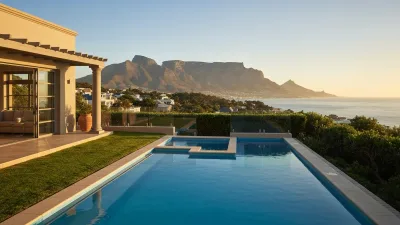
There are more than 35,000 active STR listings on Airbnb across Bali. For context, that's roughly one listing per 120 residents on an island roughly the size of Delaware. The market isn't just competitive — it's so saturated that mediocre listings are genuinely invisible. If your Bali villa doesn't stand out in the first three photos, you don't exist. Not metaphorically. You don't appear in search results often enough to matter.
The properties generating $165+ per night consistently in this market share one characteristic above all others: exceptional photography. Not good photography — the kind that makes a guest stop scrolling, spend four minutes exploring your listing, and hit Book. In Bali more than almost any other market, photography isn't a marketing asset. It's the product.
The Numbers: Competition and Opportunity
Source: AirDNA Asia Pacific Report 2024, Bali Tourism Board
Bali's peak seasons are July–August (European and Australian summer holidays) and December–January (New Year, Australian summer, and the surge of digital nomads transitioning locations). Shoulder periods (April–June, September–November) still have demand but at lower rates and occupancy. The challenge for most Bali hosts is that the shoulder months expose all the weaknesses that peak season demand hides.
Seminyak vs Ubud vs Canggu vs Uluwatu: Zone Positioning
Bali's STR market isn't one market — it's four or five distinct guest ecosystems with different booking drivers:
Seminyak: The luxury beach zone. High-end villas, beach clubs, fine dining. Guest profile: 35–55, couples and small groups, mix of Australian, European, and increasingly Middle Eastern guests. ADRs of $180–$350/night for quality villas. Competition is intense but the price ceiling is high. Photography needs to communicate luxury — pool, outdoor entertaining spaces, design details.
Ubud: The wellness and culture epicenter. Rice terrace views, yoga retreat energy, jungle aesthetics. Guest profile: 30–50, wellness-focused, longer stays (5–10 nights). ADRs of $120–$220 for well-positioned properties. The rice terrace premium here is real — properties with rice terrace views consistently outperform comparable properties without. This is Bali's version of Tulum's cenote premium.
Canggu: The digital nomad and surf culture zone. The most active short-term rental market for 20–35 year olds. Strong long-stay demand from remote workers, surfers, and creatives doing 30–90 day visits. ADRs of $80–$150/night, but monthly stays can generate better net revenue than peak-season short bookings. WiFi is everything in Canggu.
Uluwatu / Bukit Peninsula: The cliff-top surf and luxury zone. Dramatic ocean views, boutique luxury positioning, younger demographic than Seminyak. Properties with cliff-edge pools here can command $200–$400/night during peak. The visual storytelling advantage is enormous — these properties photograph spectacularly and consistently win on Instagram-driven booking behavior.
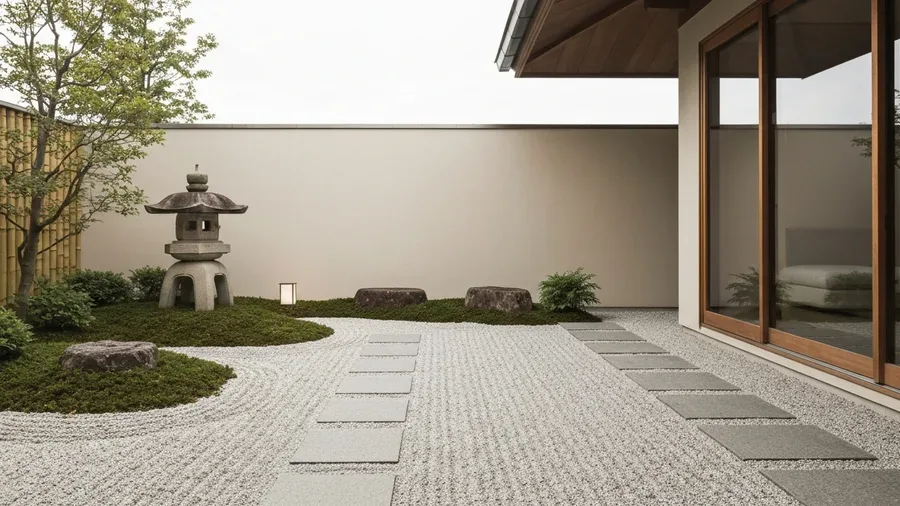
Ubud villas with rice terrace access command a premium that applies across guest segments — the terrace photo is the cover image that drives listing clicks in this zone.
Foreign Ownership: The Indonesian Nominee Structure
is the primary foreign ownership structure available in Indonesia — a right-to-use title (25-year renewable) that allows foreign nationals to legally hold property and operate STRs through a properly structured arrangement.
Indonesian law prohibits foreign nationals from holding Hak Milik (freehold) title. The legal structures available to foreigners are: Hak Pakai (right to use, 25 years renewable), a foreign-owned company (PT PMA), or a nominee arrangement through an Indonesian citizen. Each has different risk profiles, tax implications, and operational implications.
The nominee structure — where an Indonesian citizen holds title on behalf of a foreigner under a power of attorney arrangement — is common but legally precarious. Indonesian courts have ruled against foreigners in nominee disputes, and the nominee's death, divorce, or financial difficulties can create title problems that are expensive and slow to resolve.
The PT PMA structure (a foreign-owned company) is the safest path for serious investors: it allows the company to hold property for business purposes, run STR operations legally, and provide a clean legal structure for ownership and management. Setup costs are higher (typically $2,000–$5,000) but the security is substantially better. If you're considering Bali property for STR purposes, this is worth the investment in proper legal setup.
Influencer Stays: Bali's Primary Marketing Channel
No other STR market uses influencer stays as a primary booking acquisition channel as effectively as Bali. The reason is structural: Bali's guest base is highly Instagram and TikTok-influenced, and the properties are inherently visual. A well-executed influencer stay with a photographer who has 100K followers in your target demographic can generate more bookings than six months of standard Airbnb platform optimization.
The mechanics of influencer stays in Bali are relatively standardized: provide a complimentary or heavily discounted 3–5 night stay in exchange for a defined content deliverable (typically 3–5 Instagram posts, 2–3 Reels or TikToks, and Instagram stories during the stay). The content deliverable should be specified in writing before the stay and reviewed for quality before posting.
Target influencers whose audience matches your guest profile: travel photographers (any zone), wellness and yoga accounts (Ubud specifically), surf lifestyle (Canggu/Uluwatu), luxury lifestyle (Seminyak/Uluwatu). Follower count matters less than engagement rate — a 50K account with 6% engagement outperforms a 500K account with 0.8% engagement for booking conversion.
See our complete influencer stays guide for the vetting process, contract template, and content brief framework.
Guest Differences: Australian vs European vs Chinese Travelers
Bali's three primary international guest segments have meaningfully different expectations and behaviors:
Australian guests (the largest international segment by volume) are experienced Bali travelers who know the market well. They're value-conscious at the mid-tier but don't negotiate on quality at the luxury tier. They respond to familiarity, reliable staff, and operational consistency. They're also the most review-active segment — you'll get more reviews per booking from Australian guests than any other nationality.
European guests (UK, French, German, Dutch) tend toward longer stays (10–14 nights), higher spend per stay, and stronger design consciousness. They respond to authentic Balinese aesthetic elements more strongly than the other segments. European guests also have higher base expectations for bathroom quality and linen standards.
Chinese guests have grown significantly as a Bali segment post-pandemic. They have specific requirements: Chinese language capability in the listing or host communication, WeChat payment options, proximity to Chinese restaurants or familiar food options, and strong WiFi for social media. If you're in Seminyak or Nusa Dua and not reaching this segment, you're missing a meaningful demand pool.
For your Bali listing cover photo, always lead with the pool at golden hour (6–7am or 4–6pm). Every other listing is doing pool photos at midday — flat, harsh light, no atmosphere. The golden hour pool shot is the single highest-conversion photo change you can make in a Bali listing.
Bali STR Market Snapshot
Key Insights
- 35,000+ listings make Bali one of the most competitive STR markets globally — photography quality is the primary differentiator between visible and invisible listings
- Influencer stays are the highest-ROI marketing channel in Bali — the market's Instagram-driven booking behavior makes content creation a direct revenue driver
- Foreign ownership requires a proper legal structure (PT PMA or Hak Pakai) — nominee arrangements are common but legally risky for serious STR investors
The Bottom Line
Bali is the hardest STR market in the world to be average in — because average is invisible. With 35,000+ listings competing for a defined pool of guests, the properties that win do so through exceptional photography, clear zone positioning, a differentiated visual identity, and active content marketing through influencer channels. These aren't optional strategies for Bali operators. They're the baseline requirement for consistent bookings.
The foreign ownership and legal structure side also deserves serious attention. The PT PMA route is more expensive upfront but it protects your investment in a market where property values and rental income are genuinely substantial. Don't take legal shortcuts in a market where property law is complex and enforcement is inconsistent.
Start with the Bali market guide for zone-level pricing data. Review our photography service for how we approach Bali villa photography specifically, and see the foreign property buying guide for the legal due diligence framework.