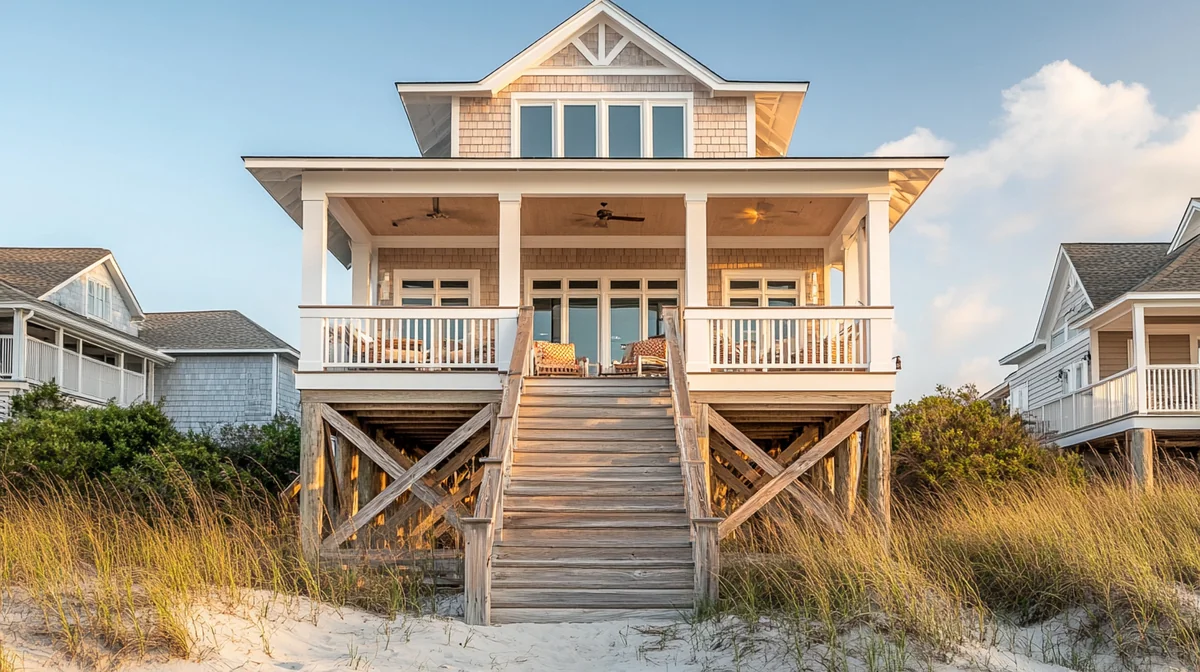

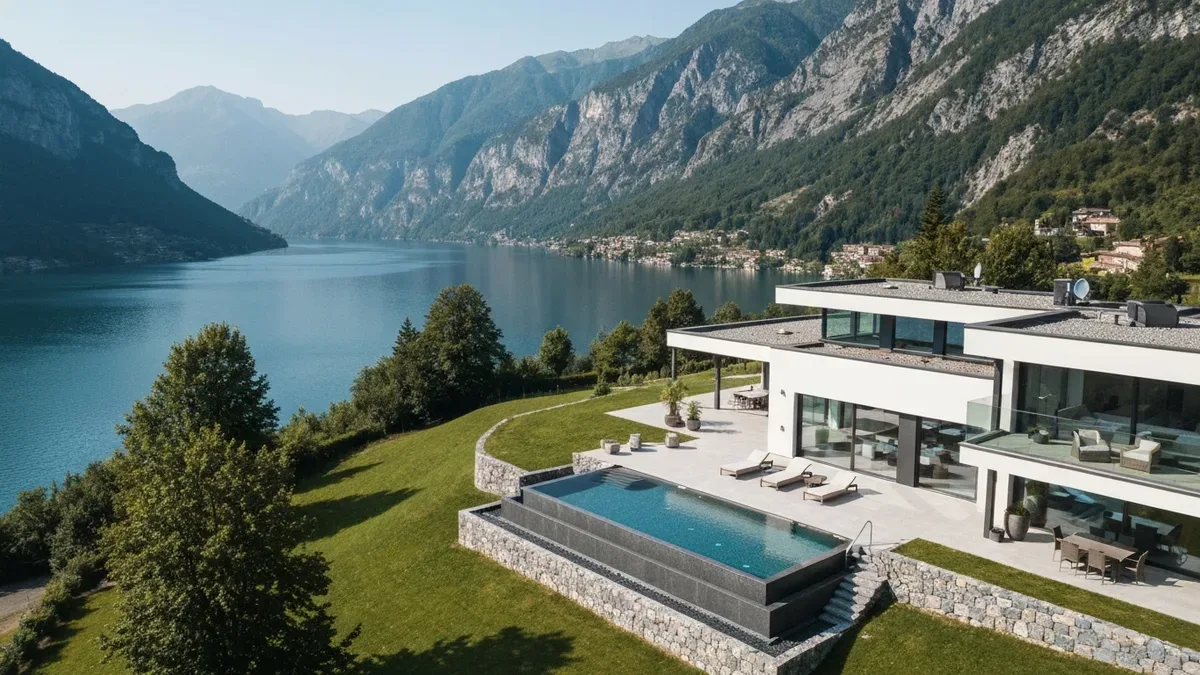
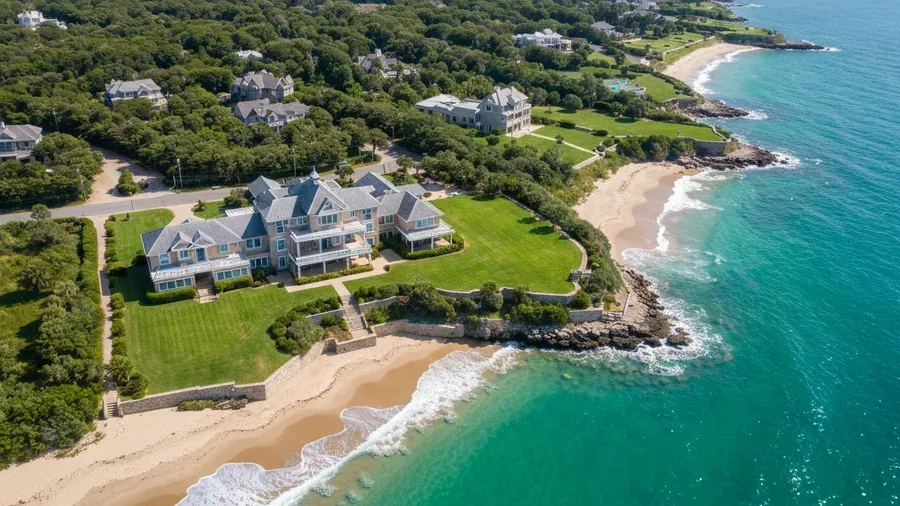
A drone shot of a beachfront property at sunset isn't just beautiful — it communicates something that no ground-level photo can: the surroundings are the product. When guests are booking a $600/night oceanfront villa, they're not just booking four walls. They're booking the view, the context, the feeling of being in that specific place on earth. Aerial footage proves all of that in three seconds.
But here's the honest truth: for a ground-floor studio apartment in a dense Miami neighborhood, drone footage adds almost nothing. It might even hurt you by showing how close you are to the neighboring building's rooftop. Drone is a tool, not a default. Knowing when it works — and when it doesn't — is what this piece is about.
When Drone Is Worth the Investment
Drone footage earns its price when the property's surroundings are a primary booking driver. If a guest can look at an aerial shot and think "I didn't realize how incredible this location was," you've added real value. If the shot would just show a roof and some cars, skip it.
Source: Cavmir property audit data, 2024
The strongest use cases for drone are: oceanfront and waterfront properties — where the proximity to water is the whole point; mountain-view homes where guests can see the full landscape panorama; large estates with meaningful acreage, pools, and outdoor spaces that simply don't read from the ground; and properties with distinctive architecture that looks spectacular from above. A good rule of thumb: if the aerial shot would appear in a travel magazine, shoot it. If it would look like a Google Maps screenshot, don't.
For markets like Turks and Caicos, aerial is almost non-negotiable. The turquoise gradient of the water, the shape of the shoreline, the property's relationship to the beach — none of that comes through in ground-level shots. The aerial context is the product.
When to Skip Drone Entirely
Urban apartments. Small city lots. Properties where the view from above is parking lots and adjacent rooftops. Properties in regulated airspace near airports (more on that below). Condos where you don't control the grounds. Any property where the immediate surroundings detract rather than add.
Drone footage in the wrong context doesn't just waste money — it can actively undermine your listing. Guests who see an aerial shot of your property surrounded by dense urban development may feel misled by your description of being "close to nature" or "a quiet retreat." Only show what helps.
Hire a Pro vs. DJI Mini 4 Pro: Making the Right Call
A licensed drone operator brings FAA Part 107 certification, liability insurance, and the editing skill to make footage look cinematic rather than documentary.
The DJI Mini 4 Pro is a genuinely excellent consumer drone — stabilized, compact, capable of 4K footage, and it weighs under 249 grams (which exempts it from many FAA registration requirements). If you're comfortable learning to fly it and you have time to practice, the $760 investment pays back across multiple properties and multiple seasons.
But there are three situations where you should hire a professional instead. First, if you're in a complex airspace near an airport, helipad, or restricted zone — a Part 107-certified pilot understands how to legally operate there. Second, if you need usable footage fast (a professional will deliver edited clips and stills within 24–48 hours; learning on your own takes weeks to get to that standard). Third, if your listing is positioned at the luxury end — guests paying $500+ per night will notice the difference between cinematic professional footage and shaky self-shot video. The hire cost is $150–600 for most markets; for a high-end property, that's one booking's worth of insurance.
FAA Part 107 basics you should know regardless of who's flying: commercial use of drone footage (which includes marketing a rental) requires a Part 107 certification from the pilot. Flying under 400 feet AGL is standard. LAANC authorization is required near controlled airspace and can be obtained through apps like AirMap or Aloft in minutes. Don't skip this — fines start at $1,100 per violation.
If you're hiring a drone pilot, ask specifically for golden hour slots — the 45 minutes after sunrise or before sunset. Midday light is flat and unflattering for aerial work. The difference in color, shadow, and texture between noon and golden hour is the difference between a shot that converts and one that doesn't.
The 3 Must-Capture Shots for STR Properties
Whether you're hiring a pro or flying yourself, walk into every drone session with these three shots as non-negotiables:
Shot 1: The Approach. A low, slow forward-tracking shot that begins at the road or entrance and pushes toward the property. This mimics the feeling of arriving — and arrival is an emotional moment for guests. Done well, it builds anticipation. It also functions as excellent social media video content.
Shot 2: The Top-Down Reveal. Begin at altitude directly above the property and slowly descend while rotating slightly. This shows the full scale of outdoor spaces — the pool, the deck, the landscaping, the footprint of the building. For properties with meaningful outdoor space, this single shot often does more selling work than a dozen interior photos.
Shot 3: The Context Pull-Back. Start tight on the property and pull back slowly while ascending, revealing the surrounding landscape — the water, the mountains, the forest, whatever makes the location special. This is the "you won't believe where this place is" shot. It sets price expectations and filters in the right guests.
Edit for Emotion, Not Documentation
The edit is where drone footage either becomes a conversion asset or a liability. Most self-shot footage fails at this stage — not because the flying was bad, but because the editing defaults to documentation rather than storytelling. You're not producing a survey of your property. You're producing the first chapter of your guest's vacation fantasy.
Keep the final video between 60 and 90 seconds. Any longer and you lose the viewer. Use a warm color grade that makes the landscape feel lush and the sky feel inviting. Select a royalty-free music track that matches the property's personality — ambient and minimal for a luxury retreat, upbeat and bright for a family beach house. Move cuts on the beat. Let shots breathe.
Once you have the footage, it works across multiple channels: Airbnb video (if they allow it), Instagram Reels, direct booking website hero video, and email campaigns. One well-shot drone session can generate content for 12 months.
For a full picture of how aerial fits into your overall photo strategy, read the complete Airbnb photography guide. And if you want professional photography and drone work handled for your property, Cavmir's photography service includes aerial as part of full-property shoots in destination markets.
The Bottom Line
Drone footage is worth the investment for properties where the surroundings are the selling point. For those properties, it's one of the highest-ROI marketing assets you can produce — a single session typically pays for itself within one or two additional bookings.
For urban or suburban properties with unremarkable surroundings, skip it. Put that money into better interior photography instead — that's where your conversion actually happens. Know the difference between what makes your property compelling and what just adds visual noise.