
Every new property faces the same quiet danger, and it's not competition — it's the empty calendar. A brand-new listing has no reviews, no booking history, and no trust from the platforms that decide who gets seen. Left to sort itself out, that means a slow, discouraging first few months while you burn cash on a property that isn't earning. The opening you want — steady bookings from week one at a rate you're proud of — doesn't happen by luck. It happens because the marketing was built before the doors opened.
The single biggest advantage a new property has is that you get to do it right from the start, with no bad habits to undo, no nameless-listing history to overcome, no cheap photos already circulating. That advantage is only real if you use the runway. The properties that launch strong treat the weeks before opening as the most important marketing period they'll ever have — brand, website, photography, and a demand-building campaign all in place so that opening day meets an audience that's already waiting, not an empty internet.
This is how I'd plan a launch — whether it's a single new vacation rental, a new boutique hotel, or a new resort — from the pre-opening runway through the first ninety days. Where the plan touches your construction timeline, permits, or budget, coordinate with the people running those; my job is to make sure that when you're ready to open, the demand is ready too.
Build the brand before you open
The brand work should be underway while the property is still being finished, because it takes time and because everything else depends on it. Name the property, decide its positioning and who it's for, and build the identity — the mark, the palette, the type, the voice. Doing this early means that the moment the property is photograph-ready, you have a brand to shoot for, a site to fill, and a story to tell, rather than scrambling to invent all of it in the chaos of opening.
Starting from scratch is a genuine gift here. You're not retrofitting a brand onto a property that's been a nameless listing for two years; you get to make every first impression deliberately. Use that. Decide the guest you're perfect for and commit the whole brand to them, choose the name and look with care, and get the positioning sharp before a single photo is taken. The properties that launch with a clear, confident brand look established from day one — and looking established is exactly what earns those crucial first bookings from guests who have no reviews to reassure them yet.
Getting the brand right early also spares you the most expensive kind of rework: relaunching. Change a property's name, look, or positioning after it's already live and you scatter your reviews, your links, and your search presence, and you confuse the guests who found you the first way. Deciding well before opening — who you're for, what you're called, what you promise — means you build once and compound from there, instead of paying twice to fix a rushed first version.
Website and listings, live before the first guest
Your website and your platform listings need to be live and polished before your first bookable date, not thrown together in opening week. The site is where early demand lands — the people who hear about the property before it opens, the waitlist you build during the runway, the guests your pre-launch content sends. If they arrive and there's nothing there, or a half-finished page, you've wasted the anticipation you worked to create.
Build the launch site the way you'd build any direct-booking site — a home page that sells the property, a real property page, a local area guide, a book-direct path, the trust and compliance basics — but with an early emphasis on capturing interest before you're open: a way to join a waitlist or register for opening availability, so the demand you build in the runway is captured rather than lost. Get the listings ready in parallel, fully built with the launch photography, complete amenities, and sharp copy, so that the moment you open the calendar they're ready to perform. Everything polished, everything live, before day one.
Hold the launch site to the same standard you'd hold an established one — fast, flawless on mobile, and visibly professional. A brand-new property has no reviews to fall back on, so the site is doing extra work to signal that you're real and the stay will be as good as the photos. A slow or unfinished-looking site at launch undercuts exactly the credibility a new property most needs, at the moment it can least afford to.
Photograph it the moment it's ready
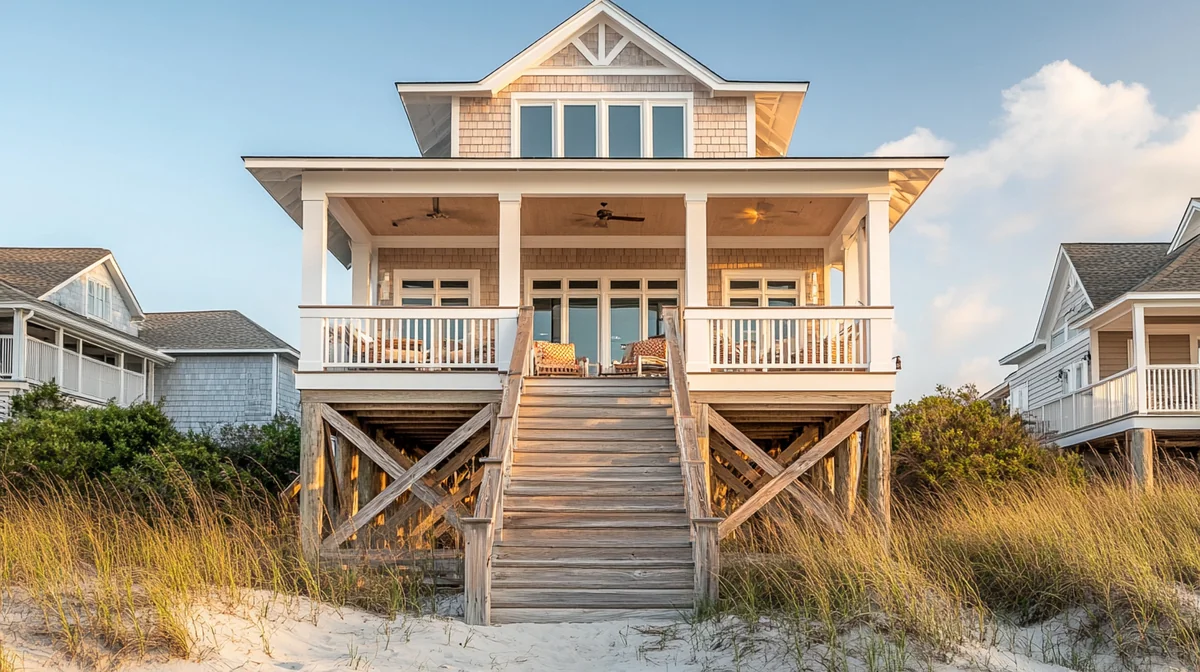
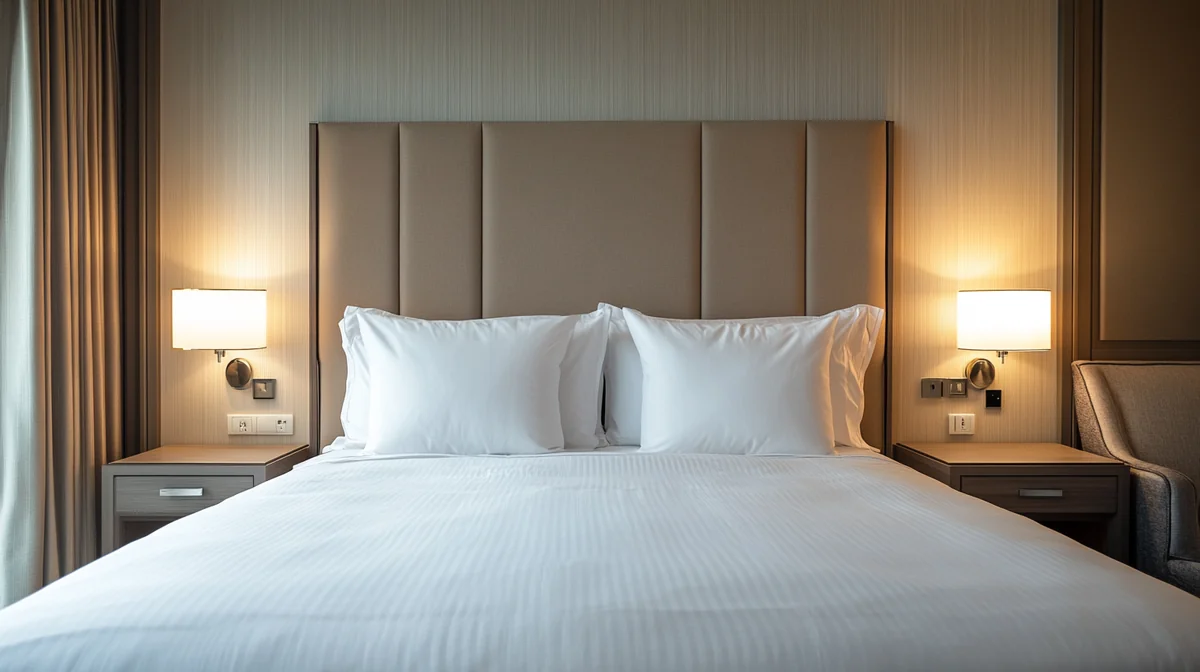
The photography is the highest-leverage thing you'll do at launch, because for a property with no reviews yet, the photos carry almost the entire burden of convincing a first guest to book. Schedule the shoot for the moment the property is truly finished and styled — furnished, dressed, every detail in place — and get it done properly: an interiors and short-term-rental photographer, the best light, full styling, the complete set of hero, every room, the outdoor spaces, and the details that make the property specific. Capture film and vertical clips in the same session; you'll lean on them heavily during the runway and at launch.
Resist the temptation to launch with placeholder or phone photos "to get going" and reshoot later. First impressions at launch are the ones circulating when the property most needs to impress, and a weak initial image set caps your rate and slows your first bookings at the exact moment momentum matters most. If the property isn't ready to photograph beautifully, it isn't ready to launch — better to hold the opening a short while than to open with images that undersell it. The launch image set is the foundation everything else is built on.
Shoot for every channel while everything's styled and new. The launch needs a hero for the listings, a full set for the website, vertical clips for social, and a short walkthrough film for the home page and the runway content — and it's far cheaper to capture all of it in one session than to keep restaging a property that's now occupied by guests. Brief the photographer on the whole list up front so a single shoot arms the entire launch.
The pre-launch runway
The runway is the stretch of weeks before opening where you build demand so that day one meets an audience instead of silence. It's the part most new properties skip, and it's the part that separates a strong launch from a slow one. A few things fill it.
Build anticipation and capture it. Start telling the story before you open — the property coming together, the design choices, the setting, the people behind it — and give interested people a way to raise their hand: a waitlist, an "opening soon, register for first availability" capture. You're assembling an audience of warm prospects who'll book in the first days, which is exactly the early demand that solves the cold start.
Seed local and press awareness. Let the right local people, and where relevant the travel press, know something worth visiting is opening. A new property is genuinely newsworthy in a way an established one isn't — use the opening as the story. Early relationships with local businesses, tourism contacts, and journalists pay off in word of mouth and coverage right when you need it.
Line up partnerships and the soft open. Consider a friends-and-family or soft-opening period before the public launch — it lets you shake out operations, generate the very first content and testimonials, and create a sense that the property is already alive when you open to the public. Any influencer or press stays for the launch window should be booked during the runway, not scrambled for after.
Length matters here. A runway that's too short can't build real anticipation, and one that's too long goes stale before you open. A stretch of several weeks is usually enough to shoot the property, stand up the site, seed some awareness, and gather a waitlist without losing momentum. What you're aiming for is a small crescendo that peaks at opening — enough warm demand primed to move that day one has energy behind it rather than silence.
What the runway is for
- Brand, website, and listings finished and live before opening
- Launch photography and film shot the moment the property is ready
- An audience built and captured — a waitlist of warm prospects for day one
- Local and press awareness seeded using the opening as the story
- A soft open or friends-and-family period to shake out ops and create first content
- Launch-window press and creator stays booked in advance
A launch timeline, week by week
It helps to see the runway as a countdown, working backward from opening day, so nothing important gets left until it's too late to matter. The exact spacing flexes with your build schedule, but the sequence holds.
About twelve weeks out: lock the positioning and start the brand — name, identity, the story. This runs alongside the final stretch of construction or furnishing, because it has the longest lead time and everything else depends on it.
Around eight weeks out: shoot the property the moment it's finished and styled, and begin building the website and drafting the listings around the new images. Start the runway content — the story of the property coming together — and stand up a way to capture early interest.
Around six to four weeks out: the site and listings go live and polished, the waitlist and "opening soon" capture are collecting warm prospects, and local and press awareness is being seeded. Book any launch-window press or creator stays now, not later.
Opening: open the calendar early into the booking window, price the opening to win first bookings and reviews, point your warm audience at the live calendar, and turn on a small targeted paid push. Run the soft opening just before if you can.
The first sixty days: protect the reviews. Over-deliver on every early guest, ask each one for a review, and step the rate up as they accumulate. Watch the momentum start to build.
The value of the countdown is that it forces the long-lead items — brand, photography, site — to start early enough that they're ready when the property is. A launch runs late not because the work is hard but because it's started too close to opening, and the runway collapses into a scramble that shows.
Filling the opening calendar
When you open, a few deliberate moves compress the cold start that would otherwise drag on for months. Open the calendar early — into the real booking window for your market, so guests planning ahead can actually book you before you're live. Price the opening period to move: a launch rate set below your eventual target, aimed at winning those first bookings and, more importantly, those first reviews. This isn't discounting your brand; it's an opening strategy with an end date, and you step the rate up as proof accumulates.
Point your warm audience at the open calendar the day it goes live — the waitlist you built, your local contacts, your early social following. That initial burst of bookings from people already interested is what gets the property off zero and signals to the platforms that there's demand worth ranking. Pair it with a small, targeted paid push to reach beyond your warm audience while organic ranking is still nonexistent. The combination — warm demand plus a modest paid seed plus launch pricing — is what fills the opening weeks instead of leaving them to trickle in.
Sequence it so the warm demand hits first and the paid push extends the reach. On the day the calendar opens, go to your waitlist, your local contacts, and your early followers before you spend a dollar on ads — those are the bookings most likely to convert and to become your first reviewers. Then let the paid campaign widen the net to travelers who don't know you yet. Leading with the warm audience gets you off zero cheaply; the paid push is there to carry it further, not to do the whole job.
Winning the first reviews
The first sixty days of reviews matter more than almost anything else a new property does, because review velocity early on shapes how the platforms rank you for months afterward and gives every subsequent guest the reassurance a brand-new listing can't otherwise offer. Treat your opening guests as the most important marketing investment of the whole launch.
That means over-delivering on the early stays, deliberately. The property is new and you're still finding your operational rhythm, so put extra care into making those first guests' experiences flawless — attentive communication, a spotless property, thoughtful welcome touches, quick and generous handling of anything that goes wrong (and in a new property, something will). Then ask each of them for a review, warmly and every time. A cluster of strong, recent, specific five-star reviews in the first two months is worth more than any amount of paid promotion, because it's the trust that lets you raise your rate and rank higher, and it compounds from there.
Make the review ask part of the checkout, not an afterthought. A warm, specific message thanking each early guest and letting them know a review genuinely helps a brand-new property — sent when the good feeling of the stay is still fresh — converts far better than a generic prompt weeks later. In the launch window especially, every review is worth chasing gracefully, because the first cluster is what the platforms and every future guest read as proof that the new property delivers.
The launch channel mix
Each channel plays a specific role at launch, and the mix is weighted toward solving the cold start:
The OTAs give you cold-start reach. They put a brand-new, unknown property in front of active searchers, which is exactly what you lack at launch. Have the listings fully built and ready to open the moment you go live, and lean on them for discovery in the early months.
Your direct site captures the warm audience. The waitlist, the pre-launch interest, the local word of mouth — all of it lands on the site you own, converting the anticipation you built into bookings that keep the commission. Direct matters from day one, not "later."
Paid seeds demand while organic is zero. A targeted campaign around the opening reaches beyond your warm audience during the exact window when you have no organic ranking and no reviews to attract discovery. It's a launch tool you turn up for the opening and taper as real demand builds.
Social and PR build the story. The runway content, the opening announcement, the local and travel press, the launch creator stays — these create the narrative and the buzz that make a new property feel like an event rather than another listing. They're also the start of the long-term brand presence that will carry the property well past launch.
Weight the mix toward the cold-start problem early, then rebalance. In the opening weeks you lean hardest on the OTAs for discovery and the paid push for reach, because you have neither reviews nor ranking yet. As reviews accumulate and organic demand builds, the balance shifts toward your direct channel and content, where the margins and the ownership are better. The launch mix isn't the forever mix — it's tuned to get a brand-new property seen, and it should evolve as the property earns its own visibility.
What a launch costs and where to put it
Most of the launch spend is one-time and front-loaded, which is exactly why it belongs in your opening budget rather than your ongoing marketing line. The big items are the brand and identity, the launch photography and film, and the website — the foundation the whole opening stands on. Treat them like part of getting the property ready to earn, on the same footing as the furniture, because they do the same job of making it rentable at the rate you're aiming for.
The ongoing launch spend is lighter and time-boxed: a modest, targeted paid push around the opening to seed demand while organic ranking is still zero, tapering as reviews and word of mouth take over, plus the tools to run a direct-booking site and capture emails. The temptation to spread a launch budget thin across every possible channel is the thing to resist — the return comes from doing the foundational pieces properly and concentrating the paid push on the opening window, not from being everywhere at once.
Where the actual numbers land depends on the property, its market, and its tier, and how it all nets against your returns is a question for your accountant, not for me. What I can say plainly is where the money does the most work: the brand, the photography, the site, and a focused opening push. Get those right and the property opens strong; skimp on them to save a little up front and you usually pay it back several times over in a slow first season.
Avoiding the slow, empty start
It's worth being clear about what's at stake, because the cost of a weak launch is bigger than a few slow weeks. A property that opens to an empty calendar doesn't just lose that early revenue — it starts the review flywheel late, ranks lower for longer, and carries the drag of a cold start well into its first year. Momentum compounds in both directions. A strong opening builds reviews, which build ranking, which build bookings, which build more reviews; a weak one leaves you climbing out of a hole for months while the property sits half-empty and the debt or the carrying costs run regardless.
The whole argument for the runway and the launch plan is that this is avoidable, and cheaply relative to the cost of a slow year. The work of building the brand, the site, the photos, and the demand before you open is modest next to the revenue difference between a property that fills from week one and one that limps through its first season. Doing it right from the start isn't the expensive option — the slow, unplanned open is.
Momentum compounds — start it on purpose
A strong opening builds reviews, which build ranking, which build bookings, which build more reviews. A weak one leaves you climbing out of a hole for months. The runway exists to make sure day one starts the loop in the right direction, while the carrying costs are running either way.
After the launch: keeping momentum
The most common way a strong launch is wasted is dropping the marketing the moment the opening weeks fill. The launch push and the steady-state marketing are different jobs, and the handoff between them is where momentum quietly leaks away. A property that fills its first month and then goes quiet on content, email, and reviews watches its ranking and its bookings soften right when it should be compounding.
Plan the transition deliberately. As the launch pricing steps up and the paid push tapers, the ongoing rhythm takes over: a steady drip of social content, the email list you started building during the runway put to work, the review system running every stay, and the seasonal marketing that keeps the calendar full past the opening novelty. The audience and the momentum you built in the launch are assets — the post-launch job is to keep feeding them rather than letting them go cold.
This is also when the property settles into whatever it's going to be, so it's the moment to lock in the habits that compound: capturing every guest's email, asking for every review, keeping the content and the direct channel alive. The launch gets the property off zero; the months after are where a good opening turns into a genuinely established property with its own demand. Treat the end of the launch not as the finish line but as the start of the steady work that makes the opening pay off.
Mistakes I see at launch
No runway. Opening cold, with the brand and site and demand all left until after the doors are open, guarantees the slow start the whole plan exists to avoid. Build demand before you open.
Launching on placeholder photos. "We'll reshoot later" means your worst images circulate during the moment the property most needs to impress. Shoot it properly the moment it's ready, and launch on that set.
Deferring the brand. Treating naming and identity as a post-opening task wastes the one-time advantage of a clean start. The brand should be built while the property is being finished.
Opening the calendar too late. Guests plan ahead; a calendar that opens the week you launch misses the booking window entirely. Open early, into the real planning horizon for your market.
Ignoring the first reviews. Treating opening guests as ordinary rather than as the most important marketing investment of the launch squanders the review velocity that shapes your whole first year.
No demand capture during the runway. Building anticipation without a waitlist or a way to register interest lets all that warm demand evaporate. Capture it, and point it at the calendar on day one.
How Cavmir works on launches
Cavmir is a marketing team you hire — not a management company, and we don't run the property or take a cut of bookings. For a launch we build the brand and identity, the website and listings, the photography and film direction, and the pre-launch runway and opening campaign that fill the calendar from week one. The ideal time to bring us in is before you open, while the property is being finished, so the brand and the demand are ready when the doors are — but we can also step in for a property that's opened cold and started slow, and rebuild the momentum.
If you're launching something new and you want it to open to an audience instead of an empty internet, that's precisely the work.
Frequently Asked Questions
What owners and operators launching a new property ask us most.
When should I start marketing a new property?
Before you open — while the property is still being finished. The brand, website, and launch photography take time, and the pre-launch runway is where you build the demand that fills your opening calendar. Properties that wait until they're open to start marketing get the slow, empty start the whole plan exists to avoid.
How do I avoid an empty calendar when I open?
Build and capture demand during the runway — a waitlist and "register for opening availability" so you have warm prospects ready. Then open the calendar early into the booking window, price the opening period to win first bookings and reviews, point your warm audience at it on day one, and add a small targeted paid push. Warm demand plus a paid seed plus launch pricing is what fills the opening weeks.
Can I launch with phone photos and reshoot later?
It's a costly shortcut. For a property with no reviews yet, the photos do almost all the convincing, and weak launch images cap your rate and slow your first bookings exactly when momentum matters most. Shoot the property properly the moment it's finished and styled, and launch on that set. If it isn't ready to photograph beautifully, it isn't ready to open.
Should I do a soft opening?
Usually yes. A friends-and-family or soft-opening period before the public launch lets you shake out operations, generate the first content and testimonials, and make the property feel alive when you open to the public. It also produces your earliest reviews and word of mouth in a lower-stakes setting, so the public launch starts with some proof already in place.
Why do the first reviews matter so much?
Review velocity in the first sixty days shapes how the platforms rank a new listing for months, and a cluster of recent, specific five-star reviews gives every later guest the reassurance a brand-new property otherwise lacks. Treat opening guests as your most important marketing investment: over-deliver on their stays and ask each one for a review. It compounds into ranking and rate from there.
Is a launch rate the same as discounting my brand?
No — a launch rate is a temporary opening strategy with an end date, set to win first bookings and reviews, and you step it up as proof accumulates. Ongoing discounting to fill dates is a different thing that trains the market to wait for deals. The launch rate is an investment in momentum; you're buying reviews and ranking, not devaluing the property.
Does this apply to a new hotel or resort, not just a rental?
Yes. The principles — build the brand before opening, launch on real photography, use the runway to create and capture demand, protect the first reviews, and start the momentum loop deliberately — apply whether you're opening a single vacation rental, a boutique hotel, or a resort. The scale and channels differ, but the danger of a cold, empty start and the value of a planned launch are the same.
Does Cavmir manage the property after launch?
No. Cavmir is a marketing partner — we build the brand, website, photography, and the launch and demand campaign, and we don't run the property, handle guests, or take a cut of bookings. You keep full control; we make sure the property opens to a waiting audience and keeps the momentum going after launch.
How long before opening should we start marketing?
Give yourself a runway of several weeks at least, working backward from opening day. The long-lead items — brand, photography, and the website — need the most time, so start the brand around twelve weeks out, shoot the moment the property is finished, get the site and listings live a few weeks before opening, and use the final stretch to build and capture a waitlist. A launch runs late mostly when it's started too close to opening.
What does a launch cost, and where should the money go?
Most of it is one-time and front-loaded: the brand, the launch photography and film, and the website — the foundation the opening stands on. The ongoing piece is lighter and time-boxed: a modest paid push around the opening plus the tools to run a direct-booking site. Put the money into the foundational pieces and a focused opening push rather than spreading it thin. Where the numbers net against your returns is a question for your accountant.
The opening weeks filled — can we ease off the marketing now?
That's the most common way a strong launch gets wasted. The launch push and steady-state marketing are different jobs, and dropping everything once the first weeks fill lets ranking and bookings soften right when they should compound. Transition deliberately: as the paid push tapers, keep the social, email, and review systems running, and put the audience you built during the launch to work. The launch gets you off zero; the months after are where it pays off.
