Mercier Orchards
Get there when the bakery opens and the fried pies are still warm. A family orchard since 1943, and in apple season the U-pick mornings are the trip's anchor memory. Every Fannin County guest guide should open here.
Expert short-term rental marketing to grow your bookings and nightly rate in Blue Ridge, Georgia, USA.
* Market averages. Cavmir-managed properties typically exceed these figures by 25–45%. Data sourced from AirDNA, STR market reports, and Cavmir internal analytics.
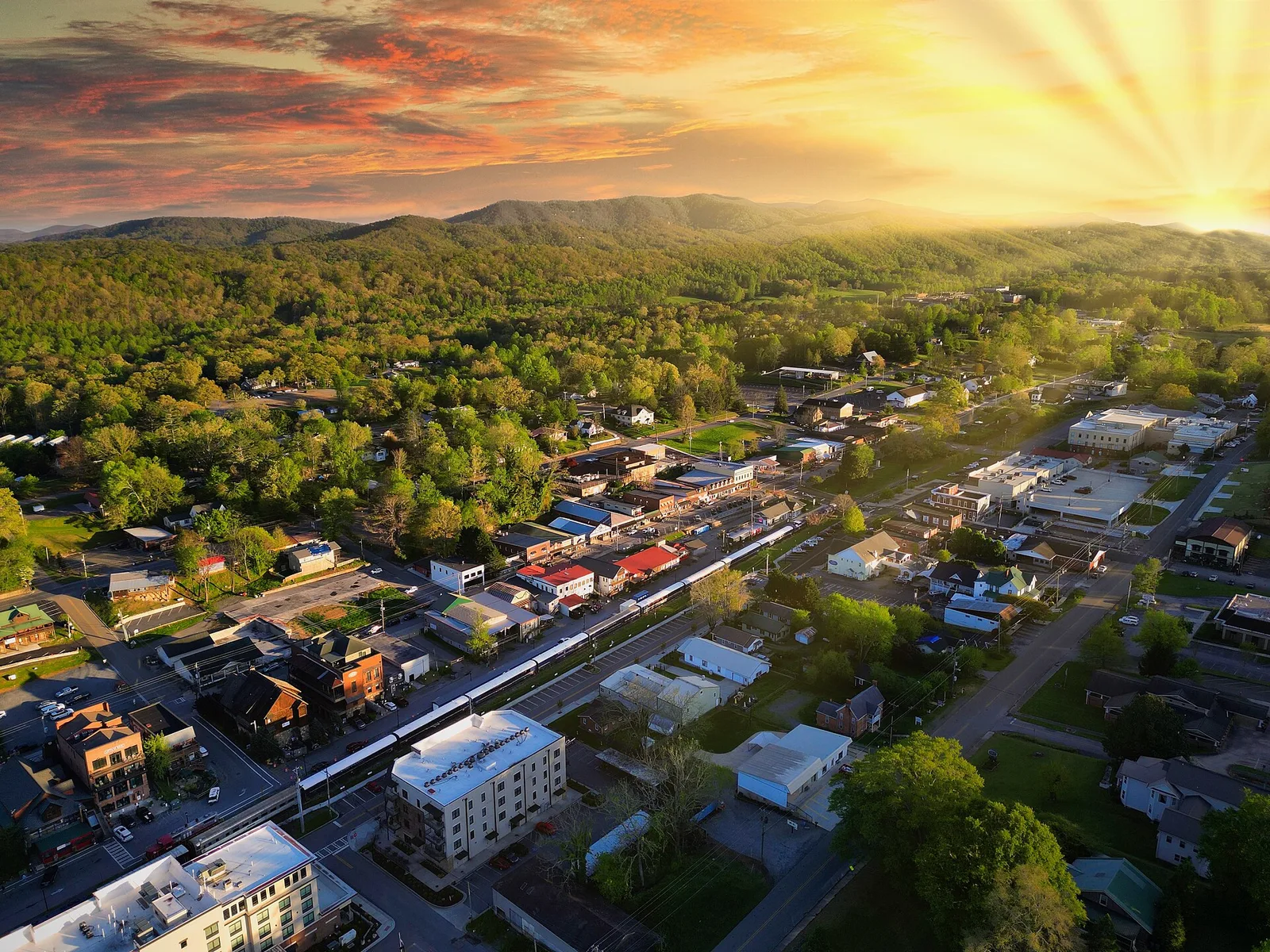
Blue Ridge is North Georgia's cabin country — a small mountain town in Fannin County about ninety minutes north of Atlanta, wrapped in the Chattahoochee National Forest. The town itself has a walkable Main Street built around the Blue Ridge Scenic Railway depot, and the hills around it hold a couple thousand rental cabins: creekside places on the Toccoa River, big view lodges in the Aska Adventure Area, and family cabins near Lake Blue Ridge. Atlanta is the engine — metro Atlanta's six million people treat Fannin County as their default mountain weekend — and the market has matured fast from bare-bones cabins to design-led builds with hot tubs, game rooms and view decks.
Blue Ridge runs around $310 a night in the mid-40s occupancy range, with big variation by property: a new-build view cabin with a hot tub and strong photography books weekends year-round, while an older cabin in the trees fights for scraps. October is the crown — leaf season packs the town and the Scenic Railway — followed by summer on the lake and river, apple season at Mercier Orchards, and a genuinely good holiday season, since a decorated mountain cabin at Christmas is exactly what an Atlanta family wants. Weekends book themselves in peak months; the money problems are weekdays, January, and standing out among two thousand cabins that all claim a mountain view.
Nearby Markets: Atlanta | Chattanooga | Asheville

A few of the visual fingerprints we lean into when we shoot, brand and market a Blue Ridge property — courtesy of the open Wikimedia Commons archive.
Cavmir wins in Blue Ridge because this market has raced upmarket and most listings haven't noticed. Guests now compare your cabin to new builds with pro photos and full brands, and the gap shows. We shoot cabins the way this scenery deserves — golden hour on the deck, fog in the valley, the fire pit lit — write copy around the trip your guest is actually planning, and build a direct-booking website so your best repeat guests stop paying platform fees to come back. Cabin rental marketing here is presentation plus repeat capture. We help position and market your property. We never manage it or touch your keys.
Fannin County was Cherokee homeland until the removals of the 1830s cleared it for settlers; the Toccoa River valley then spent decades as remote Appalachian farm country. Blue Ridge itself is a railroad town — founded in 1886 when the Marietta & North Georgia Railroad came through — and for a stretch around the turn of the century it marketed itself as a health resort, drawing visitors to drink from its mineral springs. Copper mining across the line in McCaysville and Copperhill shaped the area's economy and, for a time, stripped the surrounding hills bare with smelter fumes before the forests recovered.
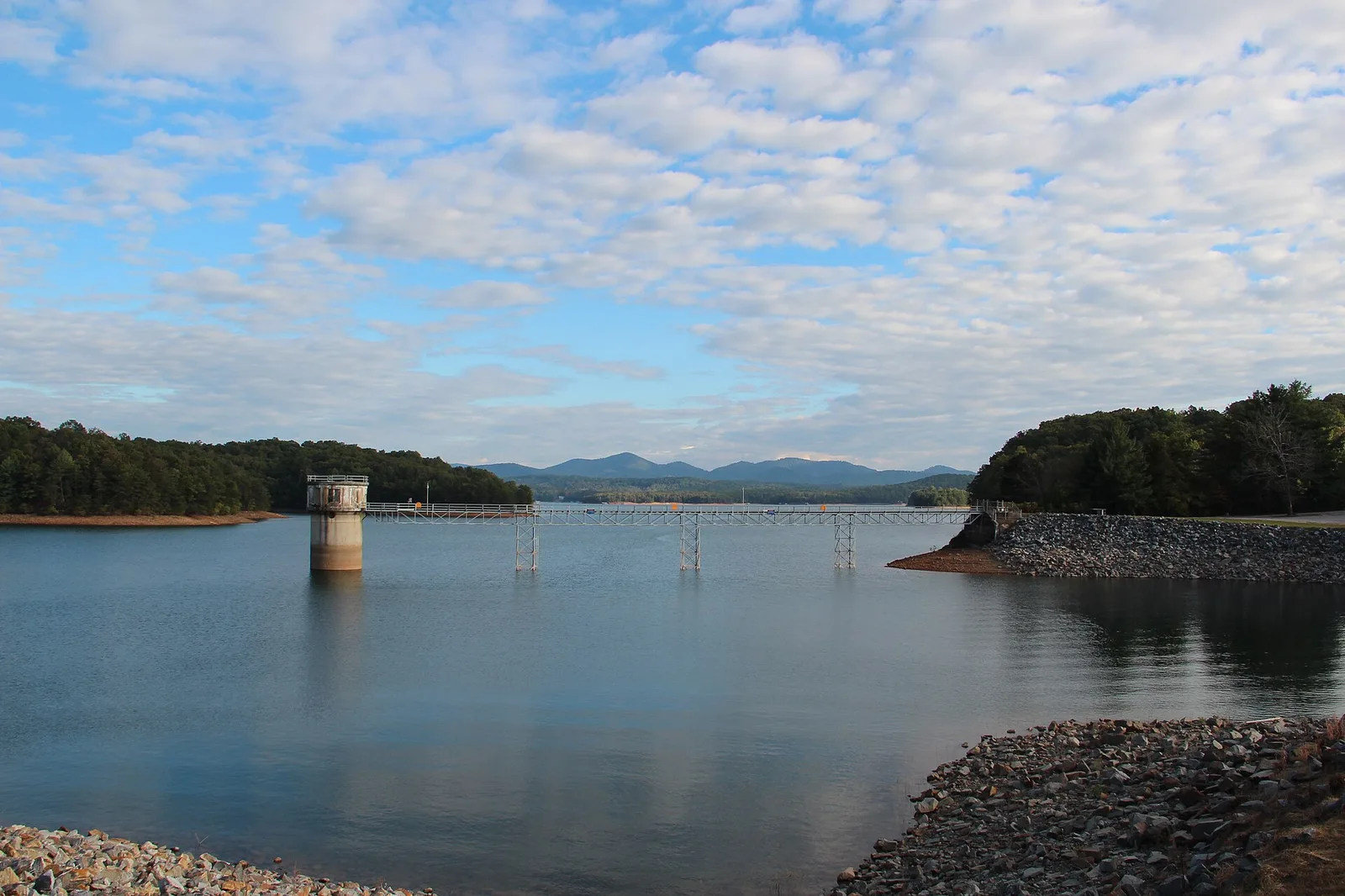
The modern chapter began when the railroad stopped hauling freight and started hauling tourists: the Blue Ridge Scenic Railway began excursion runs along the Toccoa River in 1998, and downtown reinvented itself around the depot with galleries, restaurants and outfitters. The Tennessee Valley Authority's Blue Ridge Dam, finished in 1930, had already created Lake Blue Ridge, and the Chattahoochee National Forest wrapped the county in protected woods — the ingredients for a cabin economy were all sitting there when metro Atlanta got rich enough to want mountain weekends. From the 2000s on, cabin construction accelerated from simple log boxes to architect-designed view lodges, and Fannin County became North Georgia's default answer to 'let's get a cabin this weekend.' Today's inventory is a couple thousand rentals strong, owned heavily by Atlanta-based individuals — many of whom self-manage from ninety minutes away, which is precisely why presentation quality across the market is so uneven, and why good marketing stands out so sharply here.
Blue Ridge runs around $310 a night blended at occupancy in the mid-40s, with the spread driven by build quality and view. Aska Adventure Area cabins put you on trails and the Toccoa River and command steady premiums; Lake Blue Ridge proximity sells itself in summer; walk-to-downtown places are scarce and win the no-car crowd; and the big long-range-view new builds on the ridges are the top of the market, with large cabins clearing $100,000+ a year while older, viewless two-bedrooms sit in the $30,000s. October weekends price like small events. The gap between a marketed cabin and an unmarketed one is wider here than almost anywhere in this region.
October is the peak — leaf season fills the town, the Scenic Railway and every view cabin in the county. Summer runs strong on the lake and river, fall apple season keeps Mercier Orchards packed, and the Christmas weeks book beautifully because a decorated mountain cabin is exactly what an Atlanta family pictures. The soft floor is January through early March and midweeks generally. With Atlanta only ninety minutes away, the shoulder plays are couples' midweek escapes and winter fireplace weekends — demand that exists but has to be marketed to, not waited for.
Blue Ridge is the light end of the regulatory spectrum, which is a real part of the investment case — but 'light' doesn't mean 'nothing,' and the county and the city run different regimes. In unincorporated Fannin County, where most cabins sit, the county operates a short-term-rental ordinance and a lodging-tax program: operators register with the county, obtain a short-term-rental certificate, renew it annually (the county asks for an updated cabin information worksheet at renewal), and collect and remit the local hotel-motel excise tax — currently around 8% — along with state taxes.
Inside the City of Blue Ridge, the rules are tighter: the city's short-term-vacation-rental ordinance requires a rental certificate, a 24-hour local contact, onsite signage showing the 911 address, and annual renewal — and a number of single-family residential zones are not eligible for new permits, so a house in town needs its zoning checked before anything else.
The honest read: this is one of the friendlier regulatory environments in the Southeast, and that's exactly why supply has grown so fast. Rules like these tend to tighten as neighbors organize — Georgia mountain counties have been debating STR ordinances for years — so build compliance habits now and confirm the current requirements for your specific parcel with the county or city in writing before you buy or list.
The Blue Ridge strategic tip: this market has moved upmarket faster than its listings have. The new builds coming online have designer interiors, pro photography and full brand identities, and they're resetting guest expectations for everyone. The owners getting hurt aren't the ones with older cabins — they're the ones presenting older cabins badly. Close the presentation gap and a solid mid-tier cabin competes fine.
Tactically: first, buy the photography before anything else. Golden hour on the deck, morning fog in the valley, the fire pit lit at dusk — Fannin County's scenery does the heavy lifting if you actually capture it. Second, name the cabin and build a simple direct-booking website around it. Atlanta guests come back — this is a habit market, not a bucket-list market — and every returning family you keep off the platforms compounds. Third, market the drive: 'ninety minutes from Atlanta' is the single most persuasive line in your listing, and the midweek couple's escape is an underworked segment sitting right on top of it. Fourth, own your season windows deliberately — October and Christmas price like events and should be set months out, while January needs a fireplace-weekend story and a rate that respects reality. Fifth, keep the county paperwork clean and the lodging tax current; light regulation is a privilege that tightens the moment operators get sloppy, and the compliant owner is the one positioned best whenever it does.
Straight talk: supply growth is the big one — cabins keep coming online faster than demand grows, and occupancy has drifted down market-wide, squeezing undifferentiated inventory first. Midweeks and deep winter are genuinely soft. Mountain roads, wells and septic systems add operating friction that city investors underestimate. And the light regulatory regime is a variable, not a constant — mountain counties across Georgia keep revisiting their ordinances as cabin counts climb.
A homeowner's policy won't cover a commercial rental cabin, so plan on a short-term-rental or landlord policy with real liability limits. In Fannin County, ask your agent specifically about hot tub liability, wood-burning fireplaces and stoves, tree-fall and wind damage on forested lots, and loss-of-income coverage for peak weeks. Creekside and riverside cabins should price in flood coverage, which is separate. Use an agent who writes North Georgia cabins regularly — the risks here are specific and a generic policy tends to miss them.
Plan on layered lodging taxes: Georgia state sales tax plus local sales taxes (roughly 7% combined in Fannin County), the county's hotel-motel excise tax of around 8%, and Georgia's $5-per-night state hotel-motel fee. Platforms collect some of this; you're responsible for the rest and for all of it on direct bookings. Income from the cabin lands on your federal and Georgia returns. Rates change and the platform-collection split changes more often than that — confirm the current stack with your accountant before you set prices.
Second-home loans (often 10% down) and investment or DSCR loans are the standard paths in Fannin County, with DSCR increasingly common because the market's rental data is now deep enough to underwrite against. Lenders will look at documented performance for a cabin already operating — which is another quiet return on good marketing. Mountain properties add their own diligence: wells, septic capacity and gravel-road access all show up in appraisals. Use a lender who already closes North Georgia cabins; they'll see problems and value where a generalist won't.
Blue Ridge's fundamentals hold: metro Atlanta keeps growing past six million people, the national forest guarantees the scenery, and the town has built a real four-season identity rather than a one-month leaf show. The pressure point is supply — cabin construction hasn't slowed, and per-cabin occupancy will likely stay under pressure until demand catches up. That sorts the market into two tiers: branded, well-photographed cabins with direct repeat business, and commodity listings competing on price. Regulation is the wildcard worth watching; light regimes in fast-growing mountain counties rarely stay light forever, and the owners with clean compliance records are the ones grandfathered kindly when rules tighten. The five-year play is simple to say and rare to do here: present the cabin like the new builds do, own your guest list, and treat October like the annuity it is.
Blue Ridge is the market where good marketing is most visibly missing. The scenery is carrying two thousand listings on its back — fog in the Toccoa valley, October fire on the ridges, a swimming hole under a canopy of green — and most cabin listings reduce it to a dark interior shot and the word 'cozy.' Hand us a decent cabin here and a photographer who'll get up before dawn, and we can change its year, because the bar is that low and the raw material is that good.
We also love what this market is: a habit. Atlanta doesn't visit Blue Ridge once — it comes back, same cabin, same porch, three times a year, for a decade. That's the dream customer base for direct booking, and almost nobody here is capturing it; owners pay platform fees on the same family's eighth visit. Building a cabin's brand, getting its guests onto its own list, watching the returns compound — that's the most satisfying work in this business, and Fannin County is full of owners who need exactly that and don't know it yet.
A great property in Blue Ridge doesn't just want a listing — it wants a point of view, an audience, and a brand the city itself would recognise.
Honest picks from Blue Ridge and Fannin County — the specifics that make a listing and a guest guide read like a local wrote them. Real places, no filler.
Get there when the bakery opens and the fried pies are still warm. A family orchard since 1943, and in apple season the U-pick mornings are the trip's anchor memory. Every Fannin County guest guide should open here.
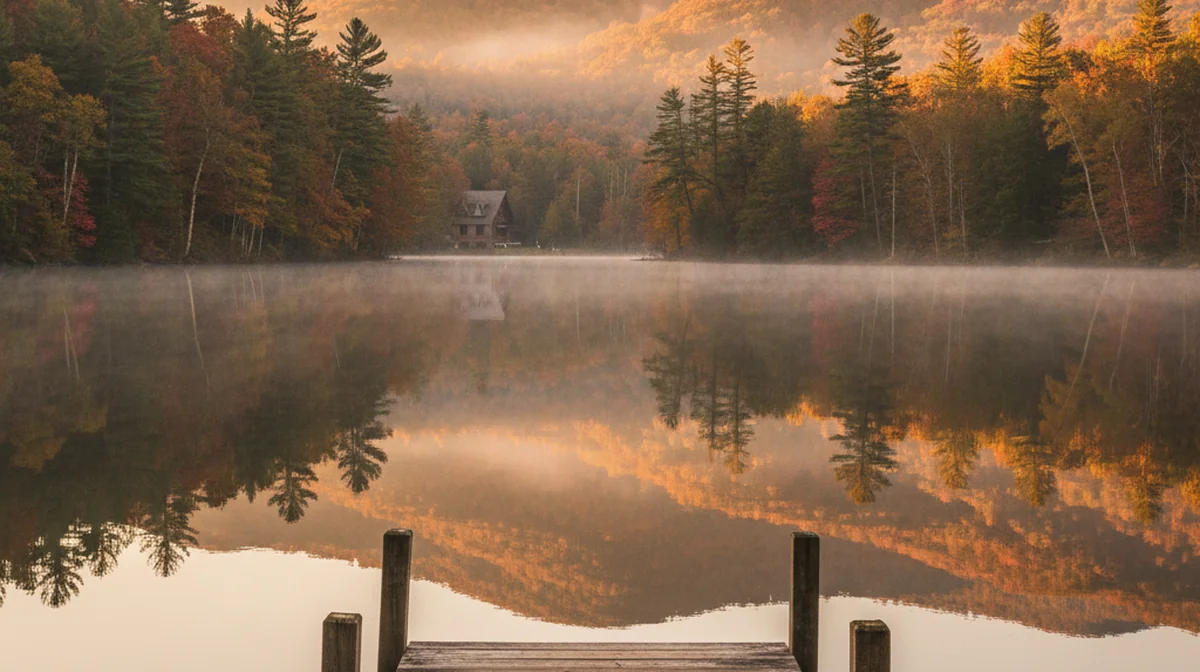
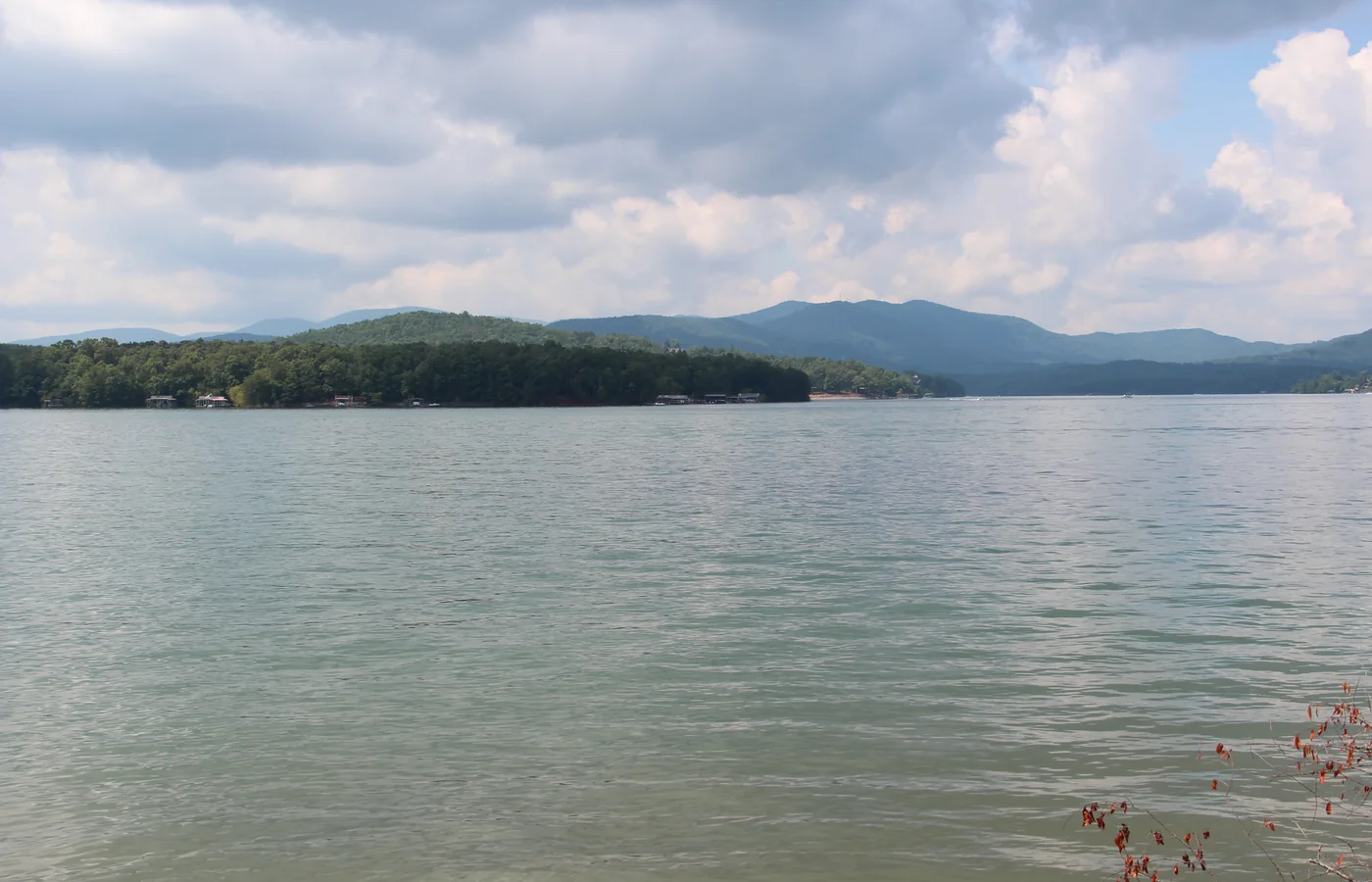
The lake goes glassy as the light drops behind the ridges of the Chattahoochee National Forest. If your cabin is anywhere near the water, this is the hour that earns your hero image.
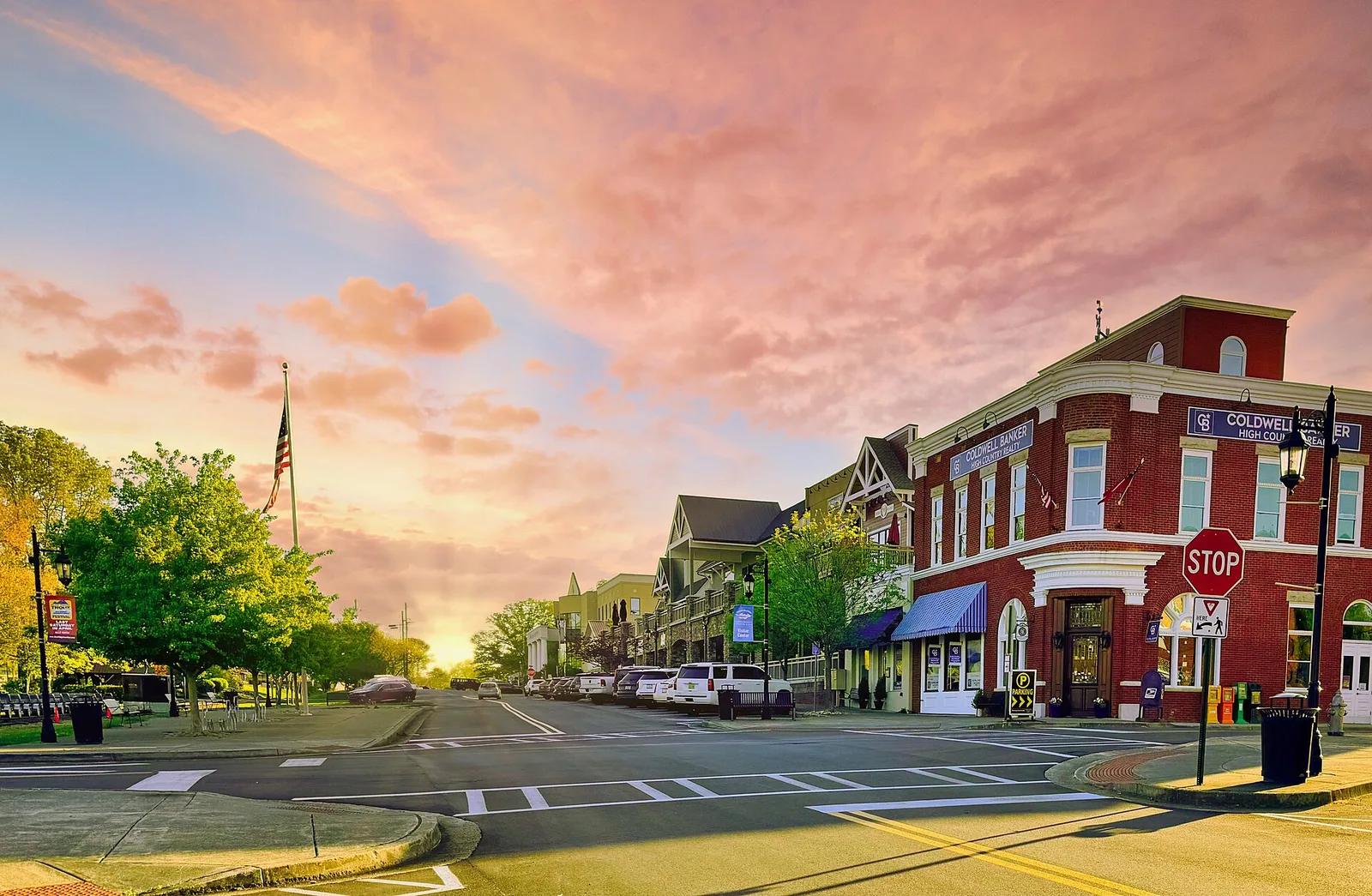
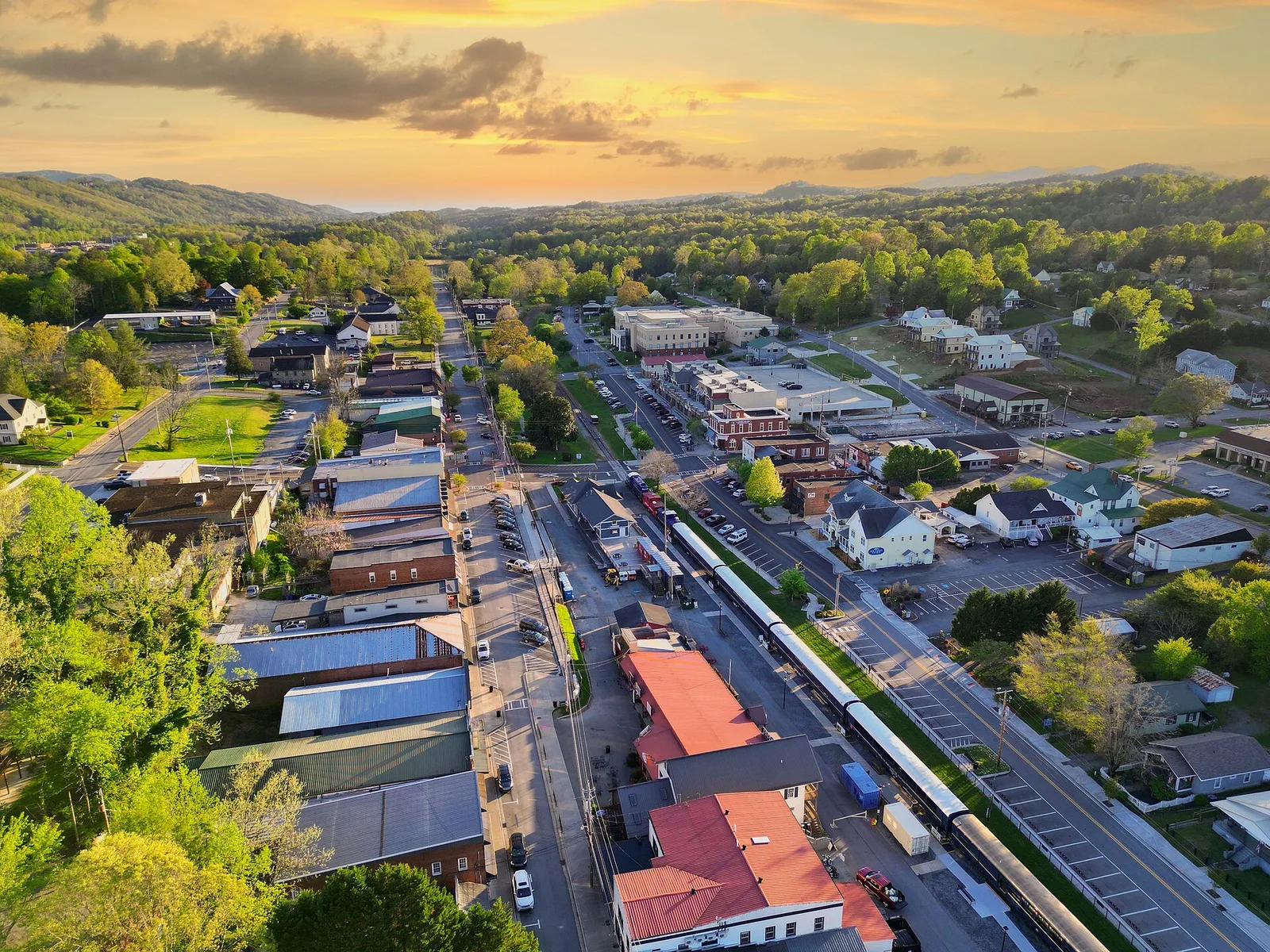
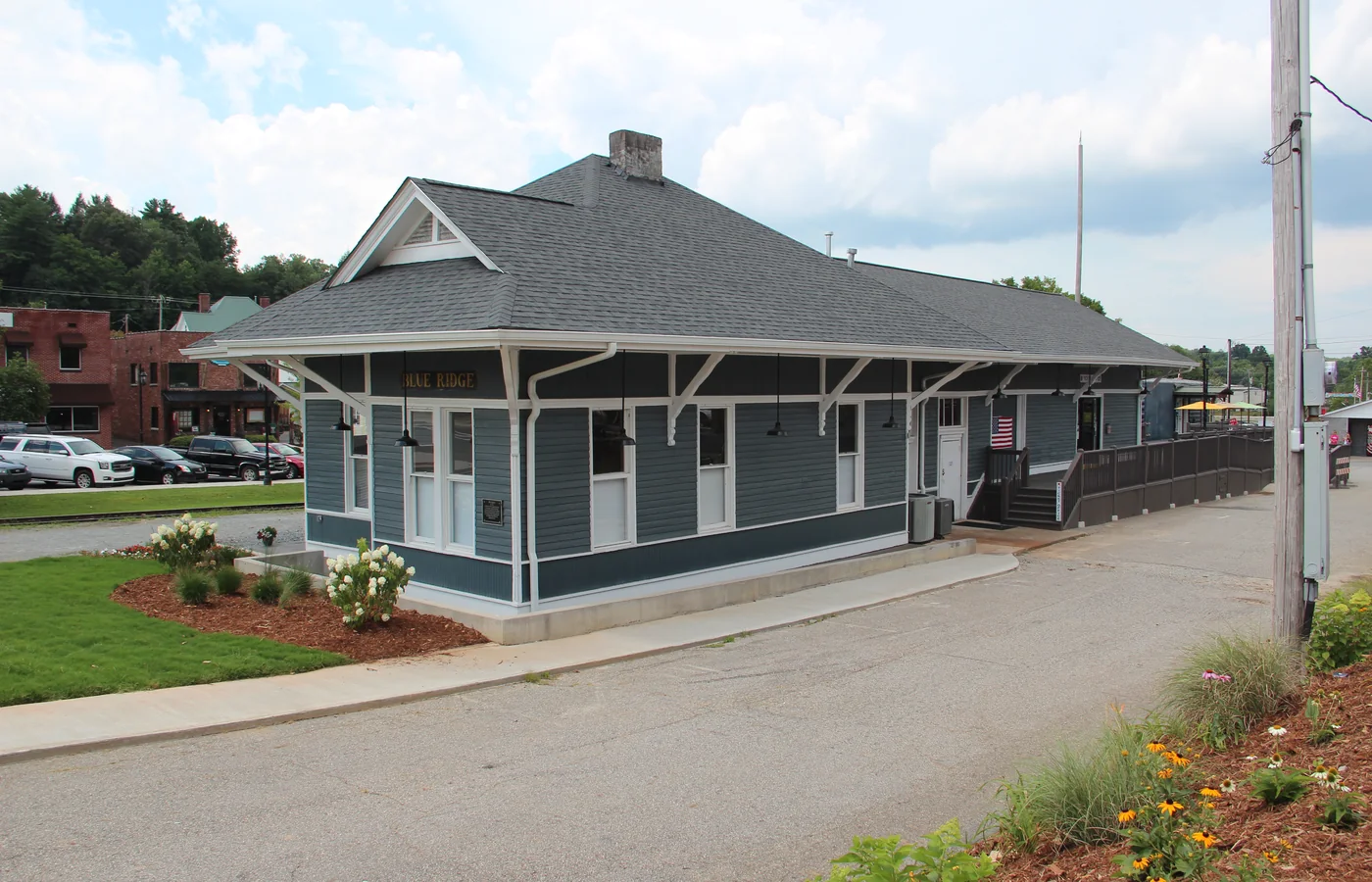
Main Street around the 1905 depot — galleries, outfitters, restaurants and the Scenic Railway loading up. It's compact, walkable and photographs like a postcard; 'ten minutes from downtown' is a line worth proving with a photo.
Farm-driven Southern cooking in a timber-framed dining room that looks like the mountains it feeds from. It's the anniversary-dinner recommendation in town, and the kind of specific your guest guide needs instead of 'many great restaurants.'
One of Georgia's last drive-in theaters, showing movies under the mountain sky since 1955. Locals guard it jealously and guests can't believe it exists. A movie-night tip that instantly makes your guide feel local.
The delayed-harvest stretch of the Toccoa fishes beautifully from fall through spring — exactly the months most cabins go quiet. An owner who mentions wader storage and the nearest fly shop owns a guest nobody else is talking to.
Seventeen miles of trail between the ridgeline and the river, plus tubing and kayak put-ins on the Toccoa. Cabins in the Aska corridor should name it in the first sentence — the outdoors crowd searches for it specifically.
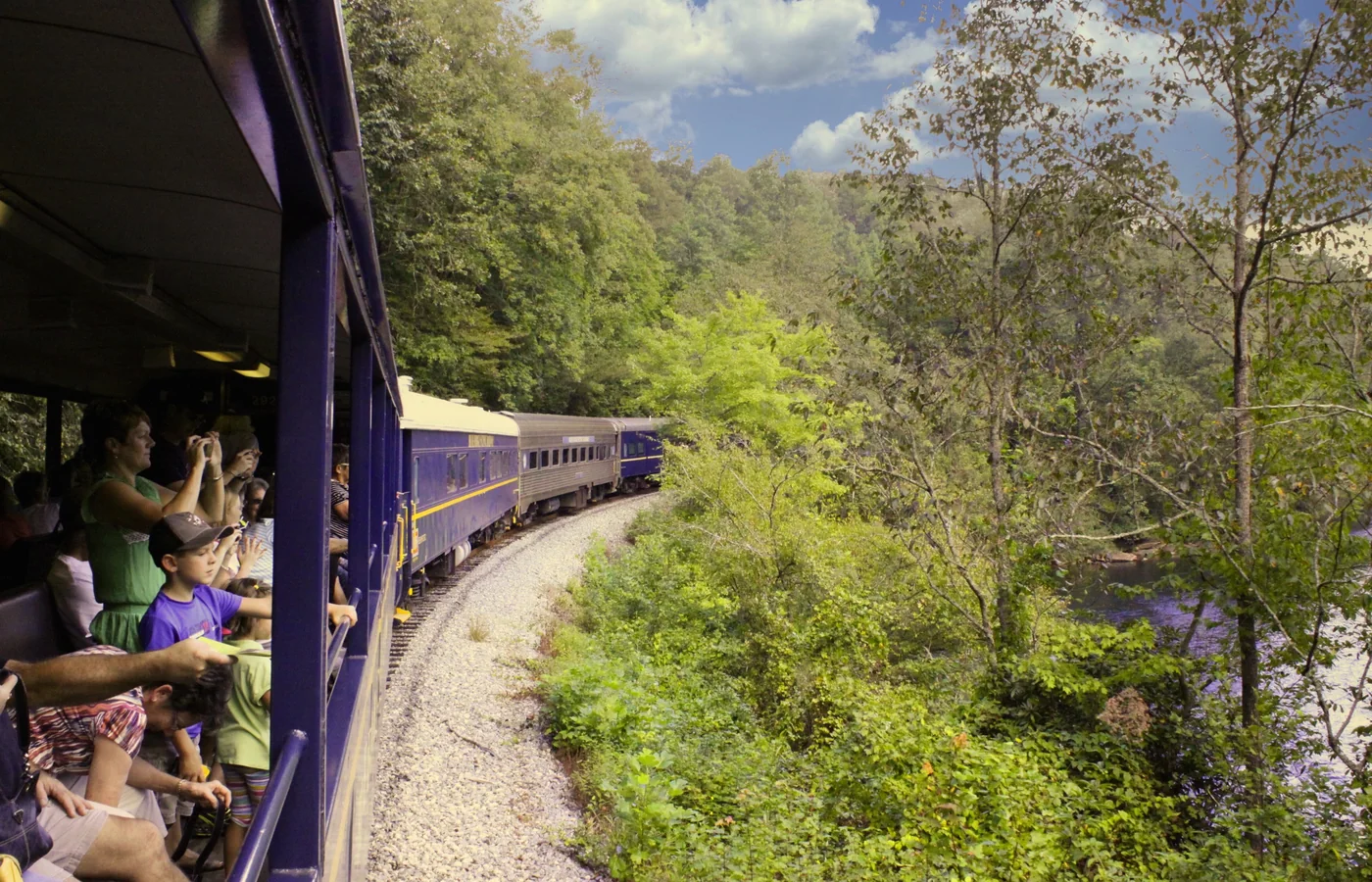
The vintage train from the downtown depot along the Toccoa to McCaysville, where the state line runs painted through town. It's the most-asked question in every Fannin County inbox — put times, seasons and the stand-in-two-states photo op in your guide.
A few composite engagements drawn from how Cavmir typically works in Fannin County. The situations are illustrative and consistent with this market, not pulled from a single named client.
A well-built three-bedroom with a long-range view was photographed on a phone in July shade — the view unreadable, the deck dark — and was losing October weekends to inferior cabins with better pictures.
Cavmir reshot the cabin across a fall weekend at dawn and golden hour, led the listing with the ridgeline and the firepit, rewrote the copy around Aska's trails and the Toccoa, and rebuilt the October and holiday pricing calendar months in advance.
Leaf-season weekends sold out early at rates the owner hadn't dared set before, the new photography lifted click-through on every channel, and the cabin entered winter with a bookings cushion instead of a cliff.
A 1990s cabin without designer finishes was drifting down the results as new builds flooded the county, and the owner was cutting price to compete — the fastest way to lose money against inventory that can always cut deeper.
Cavmir repositioned the cabin around what new builds can't buy: mature woods, a real stone fireplace, walkable lake access. Photography made age read as character, and the copy targeted couples and small families instead of chasing the group-trip market.
The cabin stopped competing on price, held a steady rate through the shoulder months, and built a repeat-guest core that booked it for the porch and the water rather than the countertops.
A large new lodge had strong peak weekends but no identity — one of dozens of similar builds — and every booking arrived through platforms, with the owner paying full fees on repeat visits from the same Atlanta families.
Cavmir named and branded the lodge, built a direct-booking website with group-weekend photography, set up email capture on every stay, and ran pre-season campaigns to past guests before the October and Christmas windows opened.
Returning families started booking direct within the first year, peak windows filled earlier at stronger rates, and the lodge began each season with its own demand rather than renting all of it from the platforms.
Talk to Cavmir today. We'll show you exactly what your Blue Ridge property is leaving on the table — and how fast we can change that.
Book a Free Strategy Call