



This guide is for hosts and landlords who want to rent a furnished home to travel nurses. A staffing agency places each nurse at one hospital for a set number of weeks, often 13, so they need a furnished place near that building, dates that match the contract, and terms that bend if the contract ends early or gets extended.
By the end you'll be able to compare a 13-week lease with nightly bookings for your own home, price the stay against the federal per diem rates that cap tax-free housing stipends, pick where to list, and send a lease and messages that are ready to use. For other midterm guests, such as corporate travelers and relocating families, start with our midterm rental strategy guide.
- The average travel nurse contract runs 13 weeks, with some as short as 8 and some as long as 26, so plan your calendar in quarter-year blocks and quote a monthly rent with clear extension terms.
- GSA lodging rates, $113 a night in most of the continental U.S. for fiscal 2027, cap the tax-free housing stipend an agency can pay. They don't cap your rent: nurses keep what they don't spend.
- Furnished Finder charges $199 a year per listing and no booking commission. Airbnb's host-only fee is 15.5% for most hosts, and Vrbo moves hosts to a 12% commission from October 29, 2026.
- Past 30 nights the rules change: in California, Illinois and New York a tenancy may start after 30 consecutive days, and lodging tax varies (Texas exempts stays of 30 days or more; Florida taxes rentals up to six months).
- Use the calculators below to find the nightly occupancy you'd need to beat a 13-week lease and the list price that keeps your rent, then work through the lease checklist and templates.
What Travel Nurses Look For in a Rental
Core Medical Group, a staffing firm, puts the average travel nurse contract at 13 weeks, with some as short as 8 weeks and some as long as 26, and says many nurses renew for another 13 weeks. That shapes everything below: one workplace, one commute, and a fixed end date that can still move.
Nurse.com's housing guide for travel nurses tells them to weigh their stipend, the distance to the facility, safety, lease flexibility, and whether Wi-Fi, laundry and parking are included.
Airbnb's guidance on hosting monthly stays says long-term guests look for a well-equipped kitchen, laundry and stable Wi-Fi. Here's how those needs turn into listing copy.
| What they need | Why it matters | What to write in your listing |
|---|---|---|
| A short drive to the facility | They make the same trip before and after every shift | The drive time in minutes to the hospital, measured at shift change |
| Fully furnished | They move for a few months and don't bring furniture | The beds, desk, kitchen kit and linens, listed plainly |
| One all-in monthly price | One number is easier to budget against a stipend | Utilities and Wi-Fi included up to a set dollar cap, plus the Wi-Fi speed in Mbps |
| Laundry | Work clothes get washed after shifts | Washer and dryer in the unit, or exactly where the shared machines are |
| A dark, quiet bedroom | Night-shift nurses sleep during the day | Blackout curtains, a white-noise machine, a bedroom away from the street |
| Parking | A dependable spot close to the door after a late shift | One assigned space, or the street-parking rules |
| A desk | Paperwork, video calls and online courses | A real desk and chair, named in the first lines |
| Safety | Nurse.com tells nurses to weigh it | Lighting from parking to door, keyless entry, smoke and carbon monoxide detectors |
| Flexible end dates | Contracts can end early or be extended | Monthly stays matched to 13-week contracts, and your early-termination terms |
Furnishing for a 13-Week Stay
Furnish for an ordinary weekday in month two. Airbnb's monthly-stay guidance says to stock enough essentials for the whole reservation, and our design guide for 30-day stays goes deeper on workspaces and layout.
- Bedroom: a good mattress with a protector, two sets of sheets, blackout curtains, a fan or white-noise machine, empty drawers and hangers.
- Kitchen: pots and pans with lids, a sharp knife, cutting boards, dishes and cutlery for four, food-storage containers, a coffee maker and a microwave.
- Laundry and bath: a washer and dryer or clear directions to machines, two towel sets per guest, detergent, an iron or steamer and a drying rack.
- Work: a desk, a chair you can sit in for hours, a lamp and outlets within reach.
- Safety and arrival: smoke and carbon monoxide detectors, a fire extinguisher, a first-aid kit, keyless entry, outdoor lighting, and a house manual with trash days, parking and a repair contact.
Time the drive from your door to the hospital's staff parking at the start and end of both a day shift and a night shift, then put the longer time in your listing. A listed 10-minute drive that takes 25 at shift change is the kind of surprise that ends talk of an extension.
Where Travel Nurses Find Housing
Nurse.com's list of housing sites for travel nurses names Furnished Finder, Airbnb, Apartments.com, HouseStay, Vrbo, the Travel Nurse Housing website and Facebook groups. Hosts also ask about Zillow, Blueground and Extended Stay America. Here's how each one works for you as the owner, with what it costs where the company or a reliable source publishes it.
What listing costs you
Per listing per year since January 2, 2026, with no booking commission.
What most hosts pay under Airbnb's single-fee model.
Per booking, from October 29, 2026.
Sources: Hostfully on Furnished Finder pricing, Oct 2026; Airbnb Help Center, Oct 2026; Rental Scale-Up, Sept 2026
| Channel | What you pay | Who collects the rent | Whose terms apply |
|---|---|---|---|
| Furnished Finder | $199 a year per listing, $149 per add-on unit at the same address, no commission | You | Your lease |
| Airbnb monthly stays | 15.5% host-only fee for most hosts | Airbnb, monthly | Airbnb's terms, your long-term cancellation policy and House Rules |
| Vrbo | 12% per booking from October 29, 2026 | Vrbo | Vrbo's host terms and your rules |
| Blueground Partner Network | 7% commission, per Blueground's partner page | See Blueground's partner terms | Blueground's partner terms |
| Zillow, Apartments.com | Check each site's current landlord pricing | You | Your lease |
| Facebook groups, referrals | Nothing | You | Your lease |
| Agency-placed housing | Nothing to list | The agency | Your lease with the agency |
| Extended-stay hotels | Your price comparison | Not applicable | Not applicable |
Furnished Finder
Furnished Finder is a listing site for furnished monthly rentals. According to Hostfully's October 2026 rundown of Furnished Finder's fees, a listing has cost $199 a year since January 2, 2026, add-on units at the same address cost $149, there's no booking commission, and tenants pay no guest service fee. Hostfully sells software to hosts, so confirm the price on Furnished Finder's own pricing page when you sign up.
Furnished Finder doesn't process bookings or hold money. You and the tenant arrange payment, and Hostfully says tenants can pay rent online through Furnished Finder's payment partner, Baselane. You do the landlord work: answer inquiries, screen, sign your own lease and collect rent. The optional tenant screening costs $44.99 per applicant, paid by the applicant unless you choose to cover it.
The fit: Furnished Finder suits you if you want to keep the full rent and you're ready to run your own lease and screening.
Airbnb Monthly Stays
Airbnb treats any reservation of 28 nights or more as a monthly stay. For monthly-stay payouts, Airbnb charges the guest for the first month upfront and, for most reservations, releases your first payout by the end of the business day after check-in, then pays monthly. Hosts with fewer than two completed stays who haven't verified their listing location wait until 28 days after check-in.
Airbnb's service fee page says hosts who use property management software must use the host-only fee, most hosts on it pay 15.5%, and Airbnb is moving all home hosts to that single fee as the 3% split fee is phased out. On a $2,200 month, 15.5% is $341.
Run your own numbers with our Airbnb fee calculator.
The fit: Airbnb gives you reach, payment handling and a cancellation policy you choose. The trade-offs are the fee, Airbnb's rules on deposits and extensions, and terms written by Airbnb rather than by you. The lease-or-platform section below compares the two side by side.
Vrbo
Vrbo is moving hosts to a single 12% commission per booking from October 29, 2026, according to Rental Scale-Up's report on Vrbo's notice to hosts. Its new host terms also include a clause, section 4.5.7, that requires your content and extras on Vrbo to be at least as complete, current and favorable as on other channels.
Our breakdown of the Vrbo 12% fee and its parity clause covers what that means for your prices on every channel.
Blueground
Blueground runs a Partner Network for hosts who want business stays of 30 days or more. Its page lists a 7% commission and says you join by creating an account, connecting your property management software and adding payout details. Read the partner terms for who collects payment and what service standards apply before you list.
The fit: worth a look if your home already runs on property management software and you want corporate as well as medical tenants for monthly stays.
Zillow and Apartments.com
Zillow Rental Manager and Apartments.com are long-term rental marketplaces, so they reach nurses who search the way renters do. Check each site's current landlord pricing and lease options before you list. Set the lease term to match a contract, say plainly that the unit is furnished and utilities are included, and expect inquiries from people who want a 12-month lease too.
Extended Stay America and Other Extended-Stay Hotels
Extended-stay hotels such as Extended Stay America are the price a nurse can compare you with: a room booked by the week, with no lease and no screening. Before you set your rent, look up the weekly and monthly rates at the two or three extended-stay hotels closest to the hospital for the dates a contract would cover. Your case against them is space, a full kitchen, private laundry, quiet and parking, so put those in your first lines.
Facebook Groups, Referrals and Agency Housing
Facebook housing groups cost nothing, but Nurse.com warns nurses to watch for scammers there. Make yourself easy to verify: real photos, a live video walk-through on request, your full name, and a written lease before any money changes hands.
Some nurses take agency housing instead of the stipend. Nomad Health's stipend guide says the agency then handles the lease and pays the rent directly, and the nurse gives up the housing stipend. That makes the agency your tenant on paper and its housing team a contact worth having. There's an email for them in the templates below.
If a nurse found you on Airbnb, the booking stays there. Airbnb's Off-Platform and Fee Transparency Policy bans asking or encouraging guests to move current, future or repeat bookings off Airbnb, and it names reservation extensions. It also bans payments outside Airbnb and using guest contact details for marketing, and repeated or severe violations can lead to suspension or deactivation.
Direct tenants come from Furnished Finder, your own site, referrals and agencies. Our direct booking guide covers building that channel within the rules.
How to Price a 13-Week Stay
How Housing Stipends Work
Travel nurse pay usually has two parts: a taxable hourly wage and stipends for housing, meals and incidentals that can be tax-free. Nomad Health's guide says the General Services Administration (GSA) sets the maximum per diem rates for lodging, and that agencies don't have to pay the full GSA rate and can't legally go above it. Stipends are typically prorated by contracted shifts and paid weekly with the paycheck.
Nurses who find their own housing keep what they don't spend. Nomad's example is a $3,000 stipend against a $1,500 rental, which leaves the nurse $1,500. The same guide warns that an agency may deduct a prorated part of the housing stipend for missed shifts, so a nurse's housing money can shrink in a month with sick days.
Tax-free treatment depends on the nurse keeping a tax home and paying for it while on assignment. IRS Publication 463 sets out the tax-home rules. None of this is yours to judge: never call your rent "stipend-approved" or "tax-free." That's between the nurse, the agency and their accountant.
Stipends Are Not a Rent Cap
The GSA rate caps what an agency can pay tax-free. It doesn't cap what you can charge, and it doesn't set what a nurse will pay. A nurse can spend less and keep the rest, or spend more and cover the difference from taxed wages. Treat the GSA figure as the most a nurse's tax-free housing stipend can be in your area, and set your rent from furnished comparables near the hospital.
GSA Lodging Rates for Fiscal 2027
GSA sets lodging rates for federal employees on official travel. For travel from October 1, 2026, GSA raised the standard lodging rate by $3 to $113 a night, kept the standard meals and incidentals rate at $68 a day, and set higher lodging rates for 295 non-standard areas. Here are fiscal 2027 lodging rates for a few metro areas, multiplied out to a month and to a 13-week contract.
| Per diem area, fiscal 2027 | Lodging per night | 30 nights | 91 nights (13 weeks) |
|---|---|---|---|
| Standard rate (most of the continental U.S.) | $113 | $3,390 | $10,283 |
| Houston, TX (Harris, Fort Bend, Montgomery counties) | $133 | $3,990 | $12,103 |
| Rochester, MN (Olmsted County) | $139 | $4,170 | $12,649 |
| Tampa and St. Petersburg, FL (October to January, May to September) | $155 | $4,650 | $14,105 |
| Tampa and St. Petersburg, FL (February to April) | $212 | $6,360 | Seasonal rate, not a full contract |
| Cleveland, OH (Cuyahoga County) | $167 | $5,010 | $15,197 |
The city rates come from GSA's per diem lookup. Your rent doesn't need to reach these figures. Price from comparables and use the ceiling as an upper bound on the nurse's tax-free budget.
Look up your own ZIP code at gsa.gov/perdiem and choose fiscal year 2027. Some areas change rate by season, like Tampa, so check the months your stay covers.
Set Your Monthly Rent in Six Steps
- Pull comparables: furnished monthly listings on Furnished Finder and Airbnb within a short drive of the hospital, for the dates a contract would cover, plus the weekly rates at the nearest extended-stay hotels.
- Check the GSA ceiling for your ZIP code and those months.
- Add up what you carry each month: utilities, internet, supplies, the move-out clean spread over the stay, listing or platform fees, and any lodging tax due where you are.
- Set a monthly rent and turn it into a 13-week quote with a daily rate for partial months.
- Set platform prices from your target payout: divide the rent you want to keep by one minus the fee rate.
- Decide extension terms now: the rent you'll hold for a second contract and the date you need an answer by.
Check your rent against the stipend ceiling
Enter your area's GSA lodging rate, the rent you want to keep and where the nurse books. Nothing leaves your device.
Example inputs only, except the $113 standard GSA lodging rate for fiscal 2027. Agencies may pay less than the GSA rate. Vrbo also charges guests a service fee, so a nurse booking there pays more than this list price. The move-out clean is spread over three months.
Example: a one-bedroom ten minutes from a hospital in a standard-rate area, with made-up numbers. Comparable furnished monthly listings run $1,950 to $2,350, so you set the rent at $2,200. You carry $250 a month in utilities, internet and supplies, and a $120 move-out clean spread over three months is $40 a month. That leaves $1,910 a month before mortgage, taxes and insurance.
- The 13-week quote: three monthly payments of $2,200, or $6,600, with extra days prorated at $72.33 a day ($2,200 times 12, divided by 365).
- The Airbnb price: to keep $2,200 after the 15.5% host-only fee, list at about $2,604 a month ($2,200 divided by 0.845).
- The Vrbo price: to keep $2,200 after 12%, list at $2,500 ($2,200 divided by 0.88).
- Against the GSA ceiling: 30 nights at $113 is $3,390. Even the Airbnb price of $2,604 is 77% of it, which leaves the nurse room to keep part of the stipend.
On Airbnb, your monthly discount applies to stays of 28 nights or more, so check the price guests will see before you save it.
Our guide to minimum stay settings covers running 28- or 30-night minimums for part of the year only, so a block of weeks can wait for a nurse while the rest of the calendar takes nightly guests.
Ask about an extension four to six weeks before the end date. If the nurse says yes, holding the same rent for a second contract saves you a vacancy and a turnover.
Lease or Nightly Bookings for the Same 13 Weeks
If your home already takes nightly guests, the question is whether a 13-week lease beats 13 weeks of nightly bookings in the same season. The lease brings one move-in, one move-out and rent you can count on. Nightly stays bring a higher rate per night, platform fees, a turnover every few nights and empty nights between bookings.
The calculator puts both on the same footing for 91 nights. Enter the monthly rent a nurse would pay, then your nightly numbers for those weeks: average rate, occupancy, how long a typical booking lasts, what each turnover costs you, and the platform fee.
A 13-week lease against 13 weeks of nightly stays
Same home, same 91 nights. Change the numbers to match yours. Nothing leaves your device.
Example inputs only, not market data. Utilities, insurance and the mortgage cost about the same either way, so both sides leave them out, and lodging tax is left out too. The lease is billed as three monthly payments. Fee rates come from the sources at the end of this guide.
Example: the same made-up one-bedroom, with a nurse offering $2,200 a month. On the nightly side: $165 a night with the cleaning fee spread in, 60% occupancy, three-night average stays, $120 per turnover and Airbnb's 15.5% host-only fee. Over 91 nights that's 54.6 booked nights on average, $9,009 booked, $1,396 in fees and about 18 turnovers costing $2,184, which leaves $5,429. The lease leaves $6,480 after the move-out clean, or $1,051 more. To match it, nightly stays would need about 72% occupancy over those weeks.
Watch the highlighted tile. If your own calendar for those weeks usually runs above that occupancy, nightly stays may still win on money. Weigh the rest too: the lease means one turnover instead of 18 and far fewer guest messages, but it also brings tenant-law exposure past 30 nights and an empty gap if no nurse is lined up for the next block.
Signs the Lease Will Come Out Ahead
- Your nightly occupancy in those weeks of the year is low, or your nightly rate drops in that season.
- Turnovers are expensive or hard to staff where you are.
- Your HOA, condo rules or city permit limit short stays but allow stays of 30 nights or more.
- You live far from the home and every turnover needs a cleaner and a check.
Signs Nightly Stays Will Come Out Ahead
- The 13 weeks fall in your peak season, when rate and occupancy both run high.
- Your nightly guests already book long stays, so turnovers are few.
- Local events or holidays in those weeks fill your calendar at higher rates.
Direct Lease or Platform Booking
A stay booked through a platform runs on that platform's terms. A stay you arrange yourself, through Furnished Finder, your own site, a referral or an agency, runs on your lease. Here's what changes.
Airbnb's terms, your long-term cancellation policy and your House Rules apply.
- First month charged upfront, then monthly
- Full refund under Firm if the guest cancels 30 or more days before check-in
- After that, you're paid for nights stayed plus the next 30, or all remaining nights if fewer are left
- Most hosts can't charge a security deposit
- Extensions and payments stay on Airbnb
Your lease and your state's landlord-tenant law apply.
- You collect the first month and the deposit before move-in
- A deposit is allowed within your state's limits
- Your early-termination clause decides what a cancelled contract costs
- Extensions by written addendum
- Your own screening, with the applicant's consent
Airbnb has two long-term cancellation policies for stays of 28 nights or more. Under Firm, guests get a full refund if they cancel at least 30 days before check-in. Under Strict, they must cancel within 48 hours of booking and at least 28 days before check-in. Once those windows pass, you're paid for the nights already stayed plus the next 30, or for all remaining nights if fewer than 30 are left.
If you want an Airbnb guest to sign a rental agreement, Airbnb's monthly-stay article says to decide that up front and state it in your House Rules before a booking is final.
Contracts do end early. BluePipes, a travel nursing blog, notes that hospitals sometimes cancel contracts without good cause and advises nurses to ask whether a lease has an early-termination clause. On a direct lease, a fair clause, such as a set notice period with proof of the cancellation, helps you get chosen and keeps a cancelled contract from turning into a dispute. There's a draft clause for your attorney in the lease checklist section.
Tenant Rights and Lodging Tax Past 30 Nights
Crossing 30 nights can change three things: whether the guest becomes a tenant, whether your short-term rental permit rules apply, and whether lodging tax is due. Each depends on your state, county and city.
Tenant Rights
Airbnb's guidance on monthly stays says guests who stay a month or longer may establish rights as a tenant, with the exact number of days set by each jurisdiction. In California, Illinois and New York, a residential tenancy may be created after 30 consecutive days. Local laws can differ from state law, and some places add rent control.
The practical point: once someone is a tenant, you may not be able to remove them without an eviction in court. That's why screening and a written lease matter even for a 13-week stay, and why Airbnb tells hosts to talk to a landlord-tenant attorney who knows local law.
Short-Term Rental Permits
Some city permit rules only cover shorter stays. New York City's registration law, for example, exempts rentals of 30 consecutive days or more. Other cities draw the line differently, so read your own city's definition of a short-term rental.
Our overview of short-term rental rules in U.S. cities is a starting point.
Lodging and Sales Tax
The thresholds differ by state. Here are two that show how far apart they can be.
| State | Rule | A 13-week stay |
|---|---|---|
| Texas | Hotel occupancy tax covers houses and apartments rented for less than 30 consecutive days. A guest who gives written notice of a stay of 30 days or more, and stays, is exempt from the notice date; without notice, the exemption starts on day 31 (Texas Comptroller) | Generally exempt; get the written notice up front |
| Florida | The 6% state sales tax, any county surtax and local transient rental taxes apply to rentals of six months or less. A bona fide written lease for continuous residence longer than six months is exempt (Florida Department of Revenue) | Still taxable |
| Other states | Check the state, county and city rules separately, since each can set its own threshold | Ask your accountant before the first booking |
The tax answer for your address is one to settle with a professional before the first booking. Our directory of short-term rental tax CPAs is a place to start.
Lead Paint Disclosure for Older Homes
The federal lead disclosure rule applies to most housing built before 1978. The EPA's disclosure page says landlords must give tenants the "Protect Your Family From Lead in Your Home" pamphlet, disclose any known lead-based paint and hazards, share available records, and include a lead warning statement in or attached to the lease, then keep a signed copy for three years.
There's an exemption for leases of 100 days or less, such as vacation and short-term rentals, but only where no lease renewal or extension can occur. A 13-week lease is 91 days. If yours allows an extension, and a nurse lease usually should, plan on giving the disclosure.
Insurance and Building Rules
Ask your insurer in writing whether your policy covers furnished stays of 30 nights or more, and check your HOA or condo rules and any lease you hold on the unit. Our guide to insurance for hosts lists the questions to ask. For legal and tax questions, confirm with a local attorney, your accountant or your city or county office before the first booking.
The 13-Week Lease Checklist
Have a landlord-tenant attorney draft or review your lease template once, then reuse it for every nurse. Use the checklist to brief the attorney and to check each new lease before you send it.
What your 13-week lease should cover
Tick items off as your lease template covers them. Your progress stays on this device.
- Parties and dates
- Money
- Changes to the stay
- Living in the home
- Rules and disclosures
Two clauses cause most of the friction with travel nurses: what happens when the assignment is cancelled, and who pays when the utility bills run high. Here are plain-language drafts to hand your attorney. They are starting points, not legal advice, and your state may require different wording.
Early-termination clause, a draft for your attorney
Early termination for a cancelled assignment. If Tenant's travel assignment at [facility name] is cancelled or ended early by the facility or the staffing agency, Tenant may end this lease by giving Landlord [number] days' written notice, with a copy of the cancellation notice. Rent is due through the last day of the notice period, prorated by the day. [Optional: Tenant pays an early-termination fee of $amount.] Landlord returns the security deposit as set out in Section [number].
Utility cap clause, a draft for your attorney
Utilities. Rent includes electricity, water, gas, trash and internet up to a combined $[cap] a month. If the bills for any month total more than $[cap], Landlord will send Tenant copies of those bills, and Tenant will pay the difference within [number] days.
Screening a Travel Nurse and Collecting Rent
Write your criteria down before the first inquiry and apply them the same way to everyone. The federal Fair Housing Act prohibits discrimination based on race or color, religion, sex, national origin, familial status and disability. Check your state and city rules too.
- Talk first. A 15-minute call or video tour covers the facility, the shift, the contract dates, who's moving in, pets and parking.
- Verify the assignment. Ask for the agency's assignment confirmation or offer letter showing the facility and dates, and the recruiter's contact. The nurse can cover the pay details.
- Check identity. The name on the ID should match the confirmation and the person paying.
- Ask for a previous landlord's reference. A nurse who has done earlier assignments may have several.
- Run a screening report with written consent. Furnished Finder's optional screening costs $44.99 per applicant, paid by the applicant unless you cover it, according to Hostfully. Use the same report for every applicant.
If you deny someone, or ask for a larger deposit, based partly on a consumer report, the FTC's guidance for landlords says you must send an adverse action notice. It names the company that supplied the report and explains the applicant's right to dispute it and to get a free copy within 60 days. Dispose of reports securely when you're done, and don't keep ID scans longer than you need them.
Collecting Rent
Collect the first month and the deposit before you hand over keys, then set rent on a fixed monthly date. Use an electronic method that leaves a record; Hostfully notes that Furnished Finder tenants can pay through its payment partner, Baselane. Stipends arrive weekly with the paycheck, according to Nomad Health, while rent is usually monthly, so put the due date and amount in the lease and send a reminder a few days before.
For agency-paid housing, the agency signs and pays. Put the agency on the lease as the tenant, as your attorney advises, and name the nurse as the occupant.
Never send money back from a check that overpays the deposit or rent. The FTC's fake check guidance warns that seeing the funds in your account doesn't mean the check is good, that it can take weeks for a bank to discover a fake, and that you'd be stuck paying the money back to the bank.
On Airbnb bookings, collection is Airbnb's job. Payments and any extension go through Airbnb, and you don't ask for money or deposits outside it.
Message Templates for Travel Nurse Inquiries
These are for direct inquiries through Furnished Finder, your own site, referrals and agencies. If the guest booked on Airbnb, keep every message on Airbnb and follow its rules on links, contact details and payments. Replace the parts in brackets and keep the tone plain.
Listing opening lines for Furnished Finder or your own site
Furnished 1-bedroom, [number] minutes by car to [hospital name]. Monthly stays of 1 to 6 months, with dates matched to 13-week contracts and extensions welcome. Utilities and [speed] Mbps Wi-Fi included up to $[cap] a month. Washer and dryer in the unit, blackout curtains, a desk and one assigned parking space.
First reply to a direct inquiry
Hi [First name],

Thanks for reaching out. [Start date] to [end date] is open. Rent is $[amount] a month, with utilities included up to $[cap] and a $[amount] deposit. The drive to [hospital name] is about [number] minutes.

Could we do a 15-minute call or video tour this week? I can send a walk-through video first if that helps.

[Your name]
[Phone number]
Screening call questions
1. Which facility and unit will you work at, and which shift?
2. What are your contract start and end dates? Do you expect an extension?
3. Who will live here with you? Any pets?
4. Is your agency paying the rent, or are you?
5. Do you need parking, and for how many cars?
6. Can you share your assignment confirmation and a previous landlord's contact?
Verification and screening request
Thanks for the call, [First name].

To hold [start date] to [end date], please send:
- Your assignment confirmation showing the facility and dates (you can cover the pay details)
- A previous landlord's name and phone number

I'll also send a screening request through [screening service]. Once those are back, I'll send the lease for you to review.

[Your name]
Lease and payment instructions
Hi [First name],

Here's the lease for [address], [start date] to [end date]. Please read the utility cap and the early-termination section before you sign.

Once it's signed, the first month ($[amount]) and the deposit ($[amount]) are due by [date] to hold the unit. After that, rent is due on the [day] of each month by [payment method].

[Your name]
Move-in details, one week before
Hi [First name], see you on [date]. Check-in is from [time], and your door code goes live then. Your parking space is [location]. The Wi-Fi details and appliance instructions are in the house manual on the counter. For anything urgent, call or text me at [phone number].
Extension offer, four to six weeks before the end date
Hi [First name], your lease ends on [date]. If your contract is extended, I can hold the same rent of $[amount] a month for another [number] weeks. Let me know by [date] and I'll send a one-page extension addendum.
Move-out reminder, one week before
Hi [First name], checkout is [date] by [time]. Please strip the beds, run the dishwasher, take out the trash and leave the keys [where]. I'll do the walk-through and return the deposit, less any deductions the lease allows, by [date].
Email to a staffing agency's housing team
Subject: Furnished 1-bedroom near [hospital name], available [month]

Hi [Name],

I rent a furnished 1-bedroom [number] minutes from [hospital name], and I'd like to offer it to your travelers. It's available from [date] for stays of 13 weeks or more.

- Rent: $[amount] a month, utilities and [speed] Mbps Wi-Fi included up to $[cap]
- Washer and dryer, blackout curtains, desk, one parking space
- Written lease with an early-termination clause for cancelled assignments
- Photos and a video walk-through: [link]

If your housing team places travelers directly, I'm happy to lease to the agency. Could we set up a short call?

[Your name]
[Phone number]
Declining an inquiry
Hi [First name], thank you for your interest. I'm not able to offer the unit for these dates. I hope you find a good place for your assignment.
What to Do This Week
You can be ready for your first travel nurse inquiry in five working days.
- Day 1Look up your fiscal 2027 GSA lodging rate, pull five furnished monthly comparables near the hospital, and note the weekly rates at the nearest extended-stay hotels.
- Day 2Run both calculators with your own numbers and decide whether your next 13-week block goes to a nurse or stays nightly.
- Day 3Check lodging tax, permit, HOA and insurance rules for stays of 30 nights or more, and book a landlord-tenant attorney to review your lease against the checklist.
- Day 4Rewrite your listing's first lines with the drive time, parking, laundry, blackout curtains and desk, and on Airbnb, set 28-night minimums for the weeks you want filled by a monthly stay.
- Day 5List on Furnished Finder or your own site, send the agency email to the housing teams of two or three staffing agencies, and save the templates where you can paste them fast.
Once inquiries start, keep a note of what each nurse asked about before booking. Those questions tell you what belongs in your listing's first lines.
If nurses view your listing but few of them inquire, start with the first lines, the photos and the price. Our free listing grader is a quick first check.
A full review of the listing itself is part of what Cavmir™ covers in its listing optimization work.
Sources
Every figure in this guide comes from these sources, checked in October 2026.
- General Services Administration, "Maximum Per Diem Reimbursement Rates for the Continental United States, FTR Bulletin 27-01," Federal Register, September 2026: federalregister.gov
- General Services Administration, "Per Diem Rates," fiscal 2027 lookup, October 2026: gsa.gov
- Core Medical Group, "Length of Travel Nurse Contracts," October 2026: coremedicalgroup.com
- Nomad Health, "How Travel Nursing Stipends Work," March 2026: nomadhealth.com
- Internal Revenue Service, "Publication 463: Travel, Gift, and Car Expenses," October 2026: irs.gov
- Nurse.com, "Top 6 Best Sites for Traveling Nurse Housing," June 2024: nurse.com
- Hostfully, "Furnished Finder Fees: What Hosts Pay in 2026," October 2026: hostfully.com
- Airbnb Help Center, "Airbnb Service Fees," October 2026: airbnb.com
- Airbnb Help Center, "Payouts for Monthly Stays," October 2026: airbnb.com
- Airbnb Help Center, "Cancellation Policies for Your Home," October 2026: airbnb.com
- Airbnb Help Center, "Things to Consider Before Hosting Monthly Stays," October 2026: airbnb.com
- Airbnb Help Center, "Host Monthly Stays," October 2026: airbnb.com
- Airbnb Help Center, "Off-Platform and Fee Transparency Policy," October 2026: airbnb.com
- Airbnb Resource Center, "Setting a Price for Longer Stays," October 2026: airbnb.com
- Rental Scale-Up, "Vrbo Moves All Hosts to a Single 12% Commission: What Changes on October 29," September 2026: rentalscaleup.com
- Blueground, "Partner Network," October 2026: theblueground.com
- BluePipes, "Travel Nursing Contract Cancelled," October 2026: bluepipes.com
- NYC Mayor's Office of Special Enforcement, "Short-Term Rental Registration," October 2026: nyc.gov
- Texas Comptroller of Public Accounts, "Hotel Occupancy Tax Frequently Asked Questions," October 2026: comptroller.texas.gov
- Florida Department of Revenue, "Sales and Use Tax on Rental of Living or Sleeping Accommodations," GT-800034, revised October 2025: floridarevenue.com
- U.S. Environmental Protection Agency, "Real Estate Disclosures About Potential Lead Hazards," October 2026: epa.gov
- Federal Trade Commission, "Using Consumer Reports: What Landlords Need to Know," October 2026: ftc.gov
- Federal Trade Commission, "How To Spot, Avoid, and Report Fake Check Scams," June 2025: consumer.ftc.gov
- U.S. Department of Justice, "The Fair Housing Act," October 2026: justice.gov
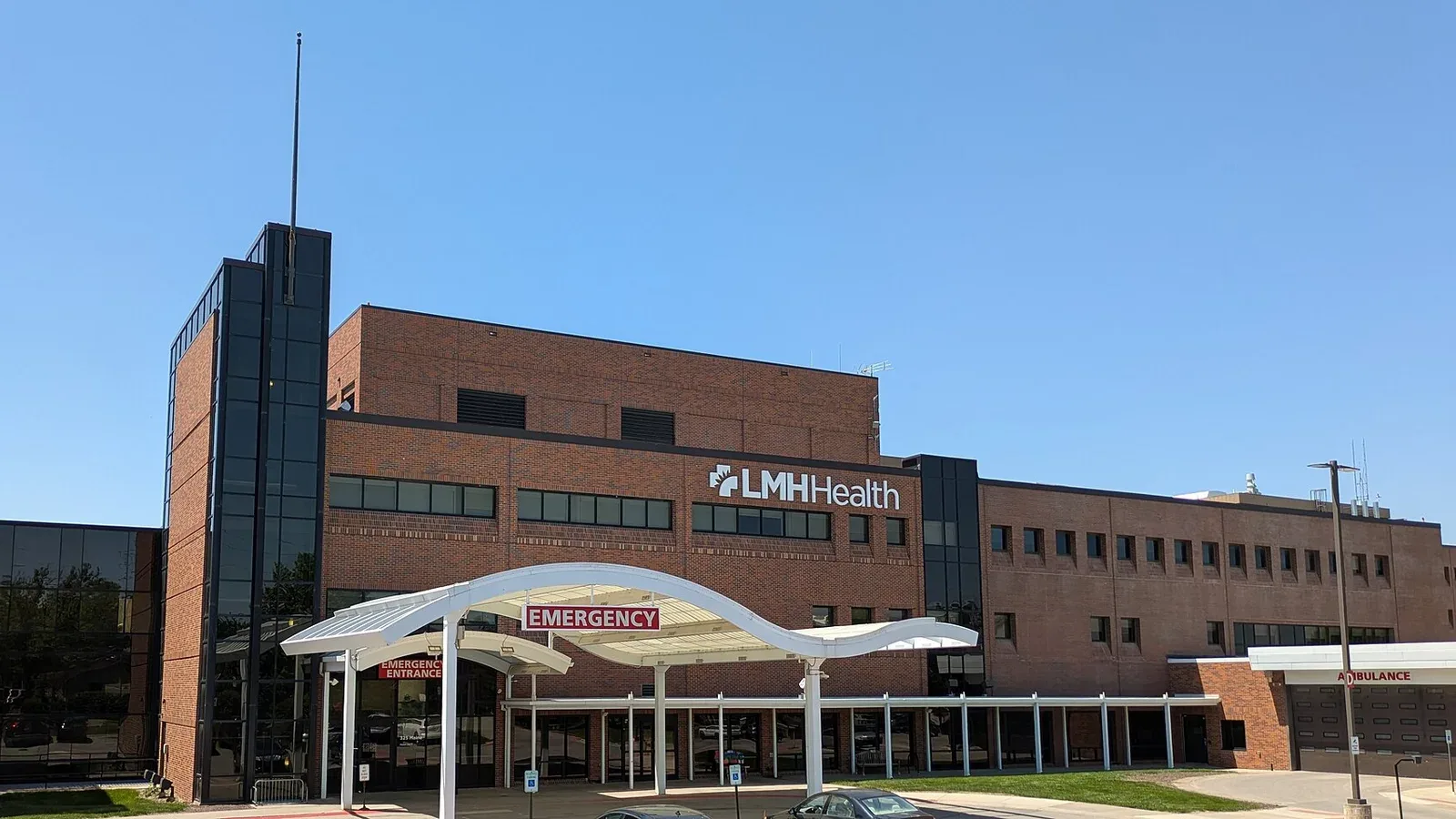
Photography via Wikimedia Commons, resized and cropped: hero, LMH emergency entrance (2025)1 by Wikipedialuva (CC BY 4.0).




1.jpg)