01 · Services
Services
Branding, websites, listings and marketing from one team you hire.
Core services
- Website DesignYour own site, in your brand: direct booking, or one that sends guests to your Airbnb.
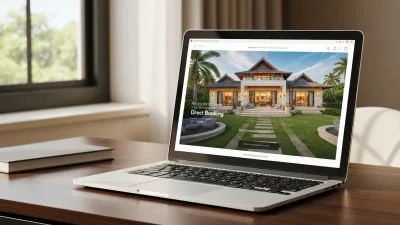
- Direct booking websiteLive rates from your PMS, checkout in your PMS.
- Website for your AirbnbYour own site that sends guests to your listing.
- Monthly PlansSocial, SEO, email and reports, from $290 a month.
- PMS IntegrationsLive rates and booking from Hostaway, Guesty or Hospitable.
- 12-Step SystemOur framework for turning a listing into a brand.
Brand & Design
Listings & Search
Social & Video
Ads & Growth
 Flagship
The Cavmir 12-Step System
Our proven framework for turning a listing into a brand that fills its own calendar.
See how it works
Book a strategy call
Flagship
The Cavmir 12-Step System
Our proven framework for turning a listing into a brand that fills its own calendar.
See how it works
Book a strategy call
02 · Locations
Locations
Every market in the United States and abroad. Search yours, or browse by region.
03 · Clients
Clients
The property types we market, and the professionals we work alongside.
Destinations
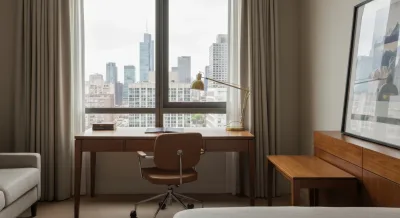
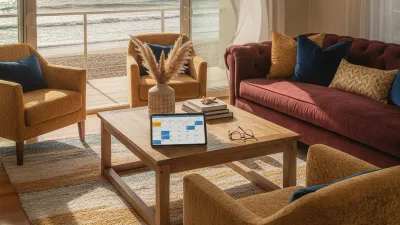
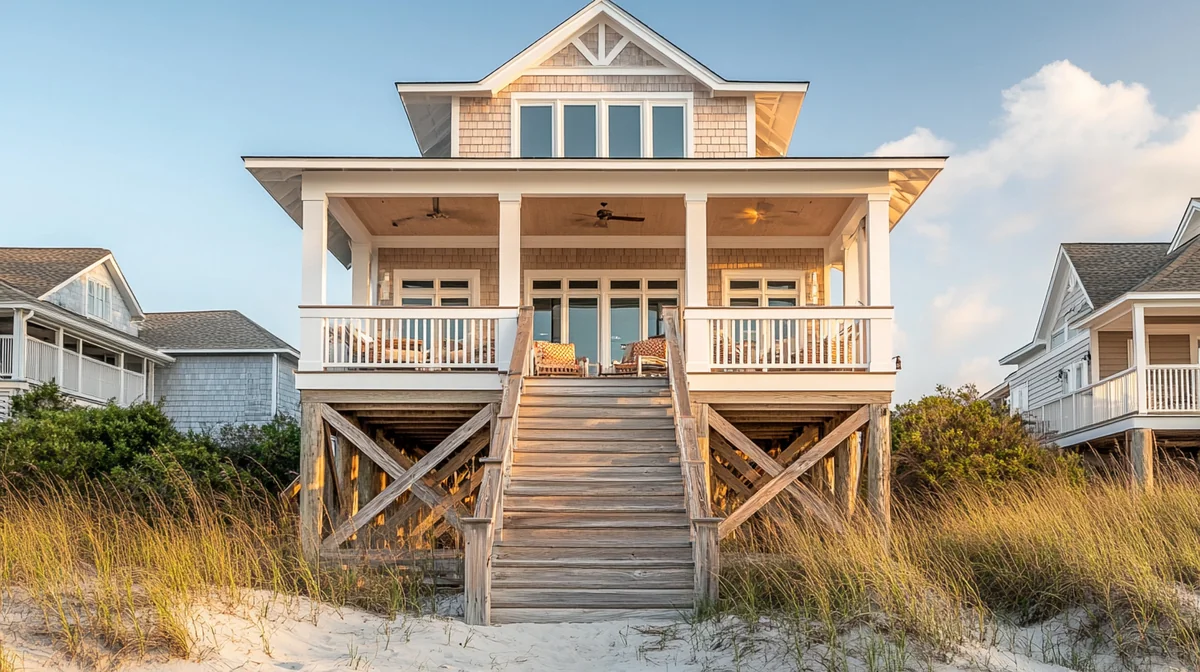
- Beach HousesWaterfront and oceanview stays.
- Cabins & Mountain RetreatsAlpine cabins and lodges.
- Luxury Ski ChaletsCatered chalets in the top resorts.
- Boutique HotelsIndependent, design-led hotels.
- Glamping & Eco RetreatsSustainable, off-grid experiences.
- Vineyard StaysWine-country estates and villas.
Character
- Bed & BreakfastsHosted, intimate small inns.
- Farm StaysAgritourism and ranch rentals.
- Historic & Heritage PropertiesHaciendas, manors and heritage homes.
- Themed & Designer PropertiesConcept stays and designer homes.
- HouseboatsFloating homes and river stays.
- Unique & Container HomesTiny, container, and modular stays.
Estates & Collections
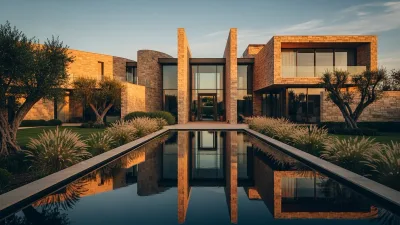
- Private Estates & Villa CompoundsWalled compounds and staffed mega-villas.
- Castles & ChâteauxCastles, châteaux and palazzos hired whole.
- Private IslandsFully private island hideaways.
- Penthouses & Trophy ResidencesTrophy residences on the top floor.
- Yachts & Superyacht StaysCrewed charters and dockside yacht stays.
- Fly-In Estates, Airparks & Helipad HomesRunways, hangars and helipads.
- Safari Lodges & Private ReservesSole-use villas and private reserves.
- Ranches & Sporting EstatesBuyout ranches and Highland estates.
Professionals
 Featured work
See the results
Real properties, real revenue lifts. Selected case studies from the Cavmir portfolio.
View case studies
Is my property a fit?
Featured work
See the results
Real properties, real revenue lifts. Selected case studies from the Cavmir portfolio.
View case studies
Is my property a fit?
Knowledge
- Blog60+ deep-dives on hosting, marketing, and STR strategy.
- STR Permit Data129,000+ permit records from 21 official registries, free.
- City Permit ResearchPermit trends city by city, from public registers.
- AI-Search ResearchOriginal data on how AI engines cite STR brands.
- GuidesFree launch + optimization manuals from STR operators.
- PMS Platforms32 property management systems compared.
- Booking PlatformsWhere to list — Airbnb, Vrbo, Booking.com & beyond.
Operators
- Management Companies40 leading STR managers across the US, UK, Europe and beyond.
- Vendors13 STR vendors — pricing, ops, smart locks, insurance.
- LendersDSCR & STR loans that qualify on the property, not your W-2.
- Tax & Cost SegSTR-savvy CPAs and cost-segregation firms.
- Investment AgentsAgents, marketplaces & data for buying STR property.
- InsuranceSTR policies + damage protection homeowner cover skips.
Tools
New · Free tool
Grade your Airbnb listing
Answer 12 quick questions and get a scored audit with the exact fixes that move bookings.
Grade my listing
Need a recommendation?