


Revenue Strategy
What the Presidential Suite Can Teach You About Pricing a Luxury Rental
Grand hotels don't price their signature suites by accident. There's a discipline behind that headline rate, and luxury short-term-rental hosts can borrow every bit of it.
The most expensive room in the hotel isn't priced to sell out. It's priced to make every other room look reasonable.
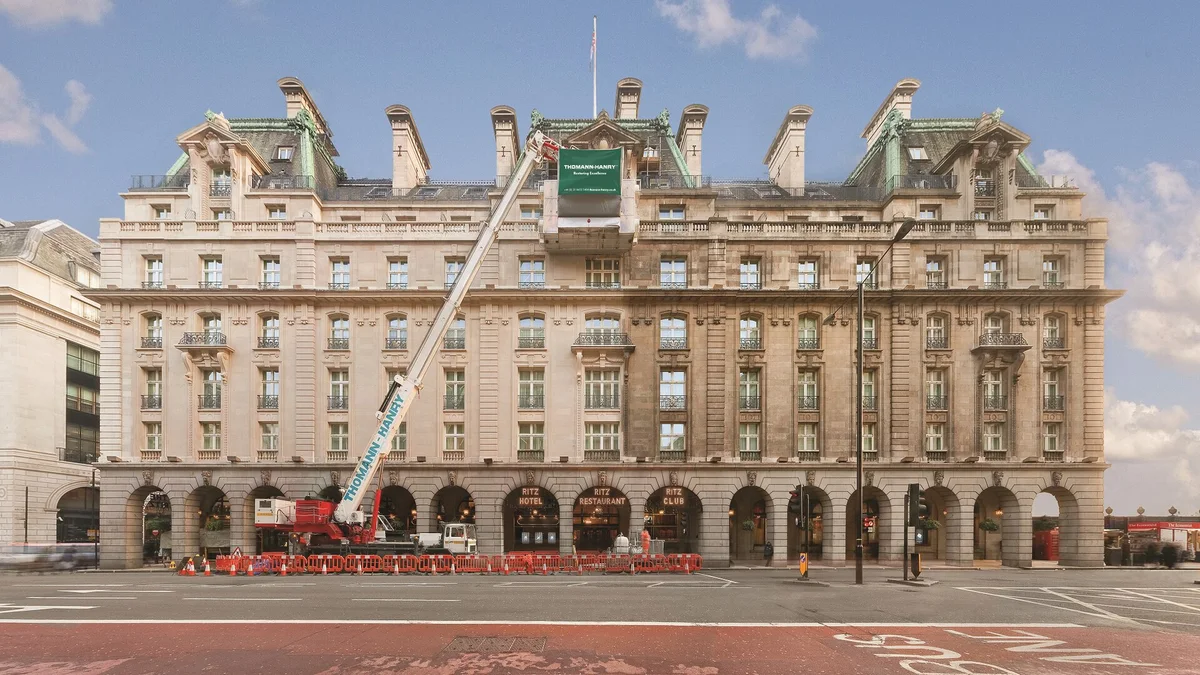
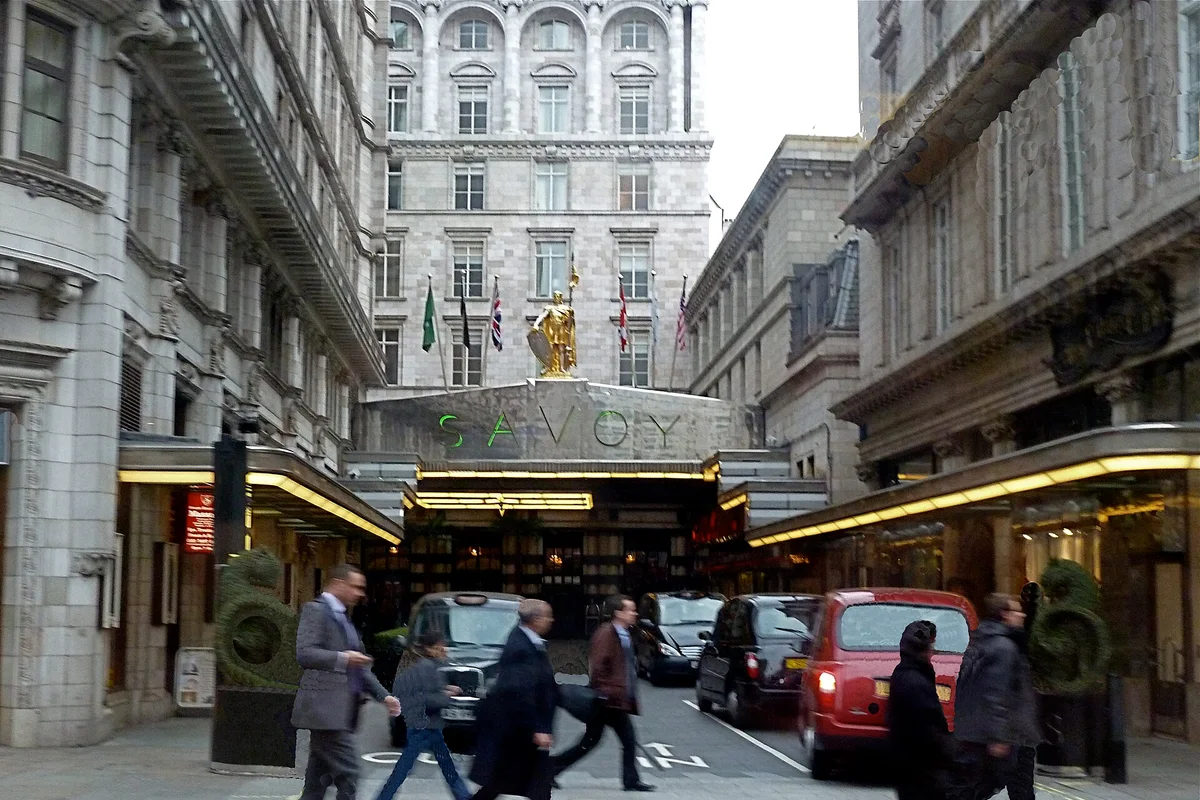
Walk into a landmark like The Ritz in London or The Savoy and you'll find a signature suite carrying a rate that can stop a first-time guest cold. It's meant to. That number is doing a job, and the job isn't only to book. Good luxury rental pricing starts with the same idea every grand hotel already understands: the top of your rate card sets the tone for everything beneath it, and confidence at the top pays for itself. If you host a premium property, the presidential suite is the best pricing teacher you never hired.
None of the numbers below are market data or promises. They're illustrative examples, the kind you'd sketch on a napkin to see the math, and you should confirm your own rates, taxes, and fees with your advisor and your local rules. What travels across every example is the thinking, not the figure.
The suite you never sell still earns its keep
Hotels have known this for a century: the presidential suite doesn't need high occupancy to be worth having. Its main job is to anchor. When a guest sees the very top of the price range first, every option below it reads as a relative bargain, even at rates that are objectively steep. Behavioral pricing research and revenue-management practice both lean on this: the first number a buyer sees shapes how they judge the next one.
For a luxury Airbnb pricing strategy, that means your listing should never hide its best foot. If your property has a standout feature, a top season, or a whole-estate configuration, put a confident premium on it and let it do the anchoring. You want the shopper who lands on your calendar to encounter your peak before they encounter your floor.
Price to value, not to cost
Amateur pricing works upward from cost: mortgage, cleaning, supplies, add a margin. That math keeps a business alive, but it caps you at your own expenses and it invites a race to the bottom the moment a nearby host undercuts you. Grand hotels price the other direction, from the value the guest receives. A presidential suite isn't priced at the cost of the marble; it's priced at what a certain kind of stay is worth to the kind of guest who wants it.
Value-based pricing asks a different question. Not "what did this cost me," but "what is a rare, private, beautifully run stay worth to someone who has options?" For a well-positioned property that number is usually higher than a cost-plus model would ever suggest. Getting there is less about spreadsheets and more about presentation, which is why listing optimization and photography so often move the ceiling more than a rate tweak ever will.
Two ways to arrive at a nightly rate
Scarcity and occasion are part of the number
There is exactly one presidential suite. That scarcity is the point, and it's baked into the rate. A luxury rental has the same structural advantage most hotels envy: you have one of it. One villa, one estate, one particular view on one particular weekend. When demand collides with a fixed supply of one, the rate should reflect it, and the guest who books understands why.
Occasion works the same way. A holiday week, a festival, a wedding weekend, a marquee sporting event nearby, these are moments when the same property is simply worth more, because the alternative for that guest is not staying at all. Grand hotels don't apologize for their rates during a coronation or a grand prix, and you shouldn't flatten your calendar to a single number that ignores the peaks. This is where revenue management for a short-term rental earns its name.
A ladder, not a flat line
The clearest way to picture confident luxury villa pricing is a ladder of tiers, each one a deliberate step, topped by a rate you'd only expect to book a handful of times a year. Here's an illustrative ladder for a single high-end property. Every figure is an example to show the shape of the thing, not a going rate.
Illustrative only · not market data · confirm your own rates and rules
The point of the ladder isn't the top rung, it's the distance between the rungs. That spread tells a guest the property is priced with intent. A single flat rate all year says the opposite: that nobody's paying attention, which is the last thing a discerning guest wants to feel.
Package the service into the price
A presidential suite is never four walls. It's a butler, a stocked bar, priority everything, a car waiting. Guests at that level don't want a checkout line of add-on fees; they want it handled. The rate absorbs the extras, and that seamlessness is a large part of what the rate is buying.
Luxury hosts often leave money and goodwill on the table by nickel-and-diming: a cleaning fee here, a linen surcharge there, a resort-style charge that lands like a surprise at checkout. The grand-hotel move is to fold the meaningful services into one confident number. A private chef on arrival night, a stocked kitchen, an airport transfer, a concierge who actually answers, these read as generosity when they're included and as friction when they're billed separately. Included, they justify the premium. Itemized, they undercut it.
What the confident rate quietly includes
Seasonality and the confident minimum stay
Hotels raise the presidential rate for peak dates and often attach conditions to it, minimum nights over a holiday, a non-negotiable rate during a signature event. That's not greed; it's matching supply to the moments demand is highest and protecting the calendar from being carved into low-value one-night stays. For a luxury rental, a dynamic pricing posture and a smart minimum-stay policy do the same work.
The mechanics are simple to reason about with an example. Say your peak nightly rate is around a certain figure and you set a four-night minimum over a holiday week. You're trading a bit of theoretical occupancy for a much higher, cleaner block of revenue and a guest more likely to be the right fit. Say instead you leave that same week open to single nights at a shoulder rate. You'll fill it, but you'll have traded your best inventory for your weakest price. The presidential suite never makes that trade, and neither should your prime weekend. Where you set the exact minimums and rates is a judgment call for your market, and worth confirming against your own booking history.
Discounting a rare property to win the booking teaches your best guests that the price was never real.— The one rule the presidential suite never breaks
Never compete on being the cheapest
Here's the trap the presidential suite exists to keep you out of. The moment you price to beat the property down the road, you've entered a race you can't win and shouldn't want to. Someone can always go lower, and every dollar you shave signals to a luxury guest that the experience might be a dollar less special. In this class, the low price is not a selling point, it's a warning.
Confidence in the rate is itself part of the product. A guest paying a real premium wants to feel that the number was set on purpose by someone who knows exactly what they're offering. Waffling, over-discounting, or apologizing for the rate does more damage than a high number ever could. If the property genuinely delivers, the confident price is the honest one. If it doesn't yet, the fix isn't a lower rate, it's raising the experience to meet the number, which is where positioning, presentation, and demand-building come in. The best premium pricing is earned, then held.
- Anchor high: let your peak rate frame everything below it.
- Price to value, not to cost, so your ceiling isn't your expenses.
- Charge for scarcity and occasion; you have one of it.
- Build a ladder of tiers, not one flat year-round number.
- Fold real services into the rate instead of billing them piecemeal.
- Protect peak dates with minimum stays and a rate you won't blink at.
- Never win on price. Win on being unmistakably worth it.
If you want to go deeper on where these rates hold up, our look at the best luxury short-term-rental markets in the USA for 2026 pairs naturally with this, and the whole approach starts with a listing that earns the number. That's the work behind listing optimization, and it's where confident pricing becomes credible pricing. Browse more in the Cavmir Learn library when you're ready.
