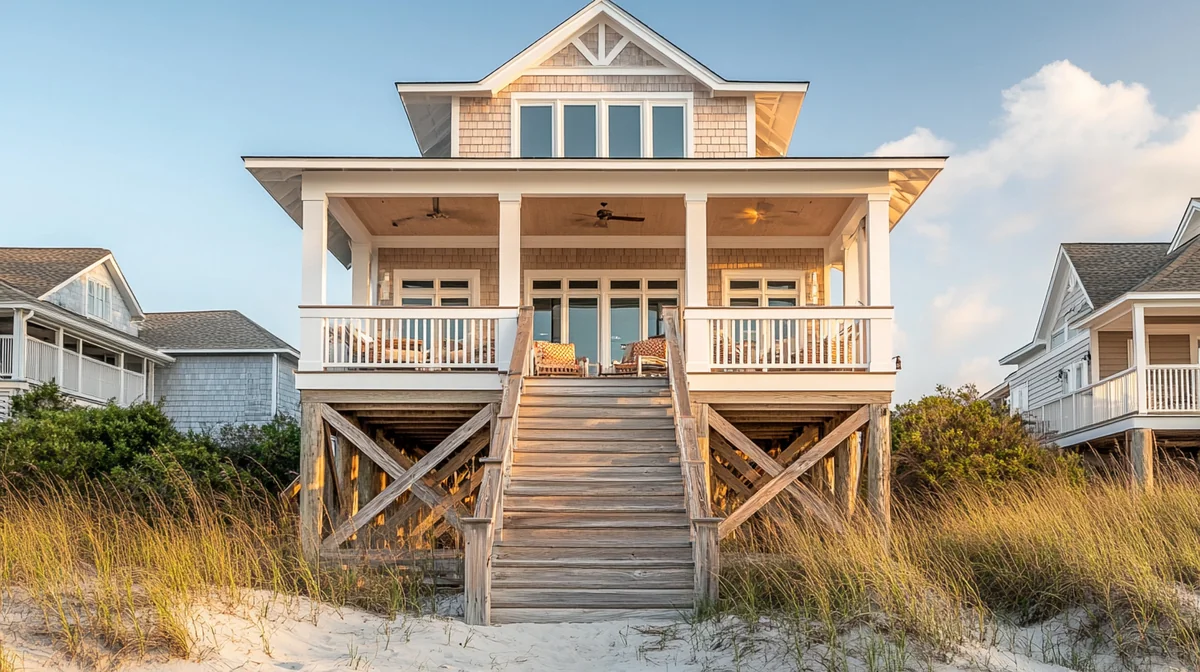


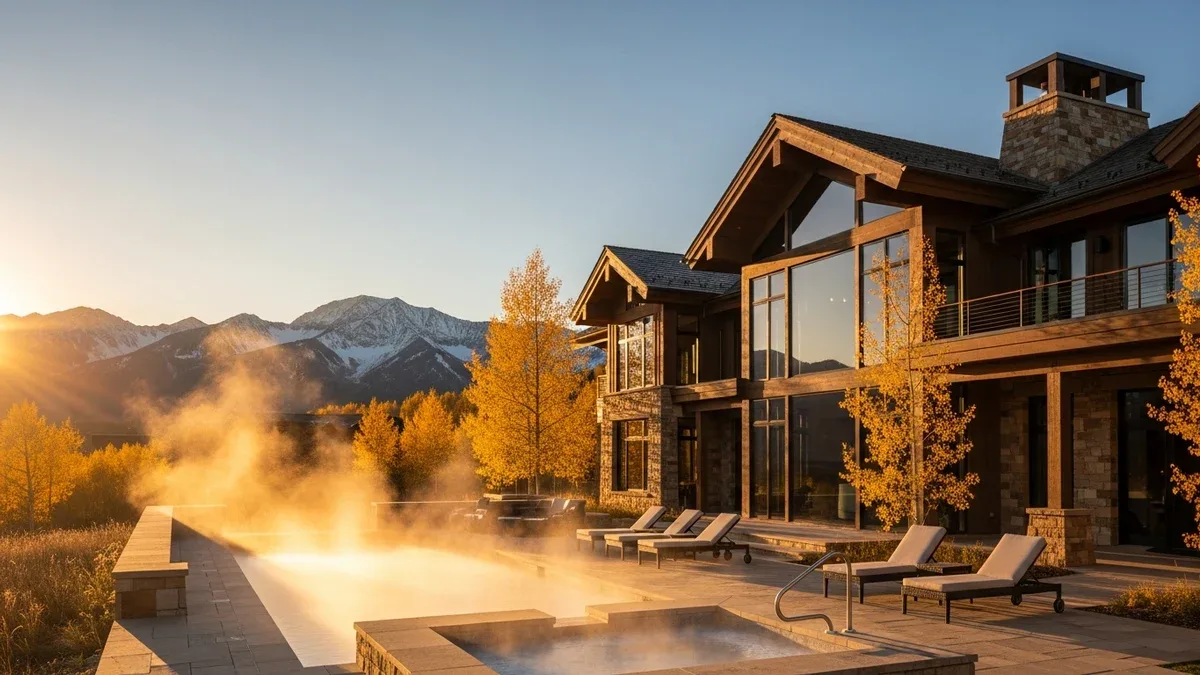
Not every expensive market is a luxury short-term rental market. Plenty of towns have big houses and big price tags but no real base of guests willing to pay $3,000 a night. If you're buying to position a Luxe-tier rental, you want to read the demand before you read the listing photos. That's the difference between a trophy home that sits empty half the year and one that books the calendar out.
For the current numbers and an ROI-first take that adds five international markets, see the newer companion guide: the best-ROI luxury Airbnb markets in the US and abroad for 2027.
So what actually makes a market "luxury" in a way that pays? A few things have to line up. First, a genuine high-net-worth demand base, people who travel for weeks at a time and don't blink at the rate. Second, scarcity of trophy inventory, meaning there simply aren't many homes that can host a family of ten with a chef's kitchen and a view. Third, strong average daily rates paired with an event calendar that gives guests a reason to come and a reason to pay peak. And fourth, rules you can actually live with, because the friendliest market on paper can turn hostile the moment the town council decides short-term rentals are the problem.
Reading a market before you buy is mostly about honesty. Look at the seasonality, not the annual average. A place that books at $8,000 a night for eight weeks and sits dark the rest of the year is a very different investment than one that hums along at $1,200 most of the year. Check the regulatory trend, not just today's rules. And talk to your attorney and accountant before you sign anything, because STR ordinances are tightening in a lot of places, and the tax picture varies by state and by how you hold the property. Directionally, groups like AirDNA and STR Global track these luxury-tier markets closely, and the pattern is consistent: the strongest returns cluster where scarcity, wealth, and a fixed reason to visit all overlap.

Aspen, Colorado
Aspen is the market most people picture when they say luxury ski rental, and it earns that. The guest here is a family or a group of friends renting a whole home for a week around the holidays, or a professional in for the festival calendar. They're not price shopping. They want ski-in access, a lot of bedrooms, a hot tub, and a place that photographs like a magazine spread without feeling like a hotel.
The rhythm is driven by winter. The stretch from Christmas through New Year's is the single most valuable week on the calendar, and Presidents' weekend and the March powder run right behind it. Summer has quietly become a real second season, with music, food events, and hikers filling homes at rates that would headline most other towns. The property that wins in Aspen is a genuine trophy: a well-built home close to the mountain, sleeping eight to twelve, finished at a level that matches the rate. During peak weeks, whole-home rates often run $2,000 to $10,000-plus a night, and the very top of the market goes well beyond that.
The honest caution is entry cost. Aspen has some of the highest per-square-foot real estate in the country, and the STR permitting rules have gotten stricter, with caps and classifications that affect how many nights you can rent and at what tax rate. Verify the current permit tier before you buy, and ask your attorney to confirm exactly what you'd be allowed to operate.
In ski markets, the holiday-week rate does most of the heavy lifting. Before you fall in love with a listing, price out just those eight to ten peak weeks and see if the numbers work on their own. If they do, the rest of the year is upside.
The Hamptons, New York
The Hamptons is a summer market with a very specific guest: affluent New Yorkers escaping the city from Memorial Day through Labor Day, often renting for a full month or the whole season rather than a weekend. That changes how you think about the property. You're not optimizing for turnover, you're optimizing for a long, high-value booking and a guest who expects the home to feel like their own for the summer.
The season is short and intense. June through August is the whole game, with the shoulder weeks of May and September adding some cushion. The homes that win are the ones with privacy, a pool, proximity to the beach, and enough space to host. Seasonal rates in the top villages can reach well into six figures for the summer, and prime full-season homes are their own category.
The caution here is seasonality, plain and simple. This is a market that makes most of its money in about fourteen weeks. If your model depends on strong off-season bookings, the Hamptons will disappoint you. Buy it as a summer machine, and let the winter be quiet. Also check the town-by-town rental registration rules, since each village handles short-term rentals a little differently.
Malibu, California
Malibu guests are chasing the ocean and the address. You get entertainment-industry travelers, international visitors, and families who want a beachfront home with real design credibility. The demand is less about a single event week and more about year-round desirability, which is a nice change from the ski and summer markets where everything rides on a handful of dates.
Rate here tracks the calendar loosely, with summer and the awards-season months in the winter both strong, and the beachfront homes commanding a premium regardless. The property that wins is oceanfront or ocean-view, architecturally distinct, and private. Malibu guests notice design, so a home that looks like everyone else's rental will underperform one with a point of view. Peak beachfront nights often land in the $2,000 to $10,000-plus range.
The honest caution is regulation and risk. California coastal rules, local STR ordinances, and Coastal Commission considerations all come into play, and enforcement has been getting more serious. Wildfire and insurance costs are also real factors on this stretch of coast. Have your attorney and your insurance broker both weigh in before you commit.
Source: Industry estimates; AirDNA / STR Global luxury-tier analysis
Palm Beach, Florida
Palm Beach flips the calendar. Here the season runs through the winter, when the wealthy Northeast crowd comes south for warmth, and the guest is often an older, established traveler renting for weeks or months at a time. No state income tax and a long-standing high-net-worth community make this a steady, serious market rather than a boom-and-bust one.
The rate rhythm peaks from roughly December through April, with the holidays and the winter social calendar driving the strongest weeks. Summer is genuinely slow, which is fine because the season is long enough to carry the year. The property that wins is a well-located home with a pool, ideally walkable to the water and the shops, finished in a way that reads timeless rather than trendy. This guest values quiet quality over flash.
The caution is the reverse-seasonality trap: if you're used to summer markets, budget for a dead summer here and don't fight it. Also, Florida's short-term rental landscape has been an active area for state and local rulemaking, so confirm the current local ordinance and licensing requirements with your attorney before buying.
Napa Valley, California
Napa Valley sells an experience, and the guest knows it. You get couples and small groups in for wine, food, and a slower pace, often celebrating something, willing to pay well for a private estate with a view of the vines. Weddings and harvest events add real weight to the calendar, and the year is more balanced than the ski or beach markets.
Rate builds toward the fall harvest season, roughly late summer through October, with a strong spring and steady demand around events and weddings the rest of the year. The property that wins is a private home or estate with outdoor space, a good kitchen, and either vineyard views or genuine quiet. Napa guests are there to relax, not to be near a highway. Estate-level homes on peak weekends can command premium rates well into the thousands per night.
The honest caution is regulation, and it's significant. Napa County and its towns have some of the tighter short-term rental rules in wine country, with limits on where non-owner-occupied STRs are even permitted. This is a market where "it's zoned residential" is not enough. Confirm exactly what's allowed at the specific address with your attorney before you write an offer.
In experience-driven markets like Napa, the home is only half the sale. Guests are buying the trip. Homes that get local recommendations, a clean guide to the best tables, and a genuinely thoughtful arrival tend to earn better reviews and hold higher rates than identical properties that hand over a lockbox code and go quiet.
Jackson Hole, Wyoming
Jackson Hole pairs serious skiing with national-park summers, which gives it two strong seasons instead of one. The guest is often a family renting a large home for a ski week or a summer trip to the Tetons and Yellowstone, and Wyoming's lack of a state income tax makes it attractive to owners as well. This is a market with real staying power.
Winter peaks around the holidays and the deep ski season, and summer fills with park visitors and outdoor travelers, so the shoulder seasons are really the only soft spots. The property that wins is a mountain-modern home with space, a hot tub, and easy access to either the resort or the town, finished to a level that matches the setting. Peak whole-home rates commonly run into the several-thousand-per-night range in the strongest weeks.
The caution is supply and access. Teton County has limited buildable land and specific rules about where short-term rentals are permitted, with much of the county off-limits and rentals concentrated in certain zones. Entry cost is high and inventory is genuinely scarce, so verify the STR overlay for any address with your attorney before assuming you can rent it at all.
Park City, Utah
Park City is one of the more operator-friendly luxury ski markets, which is part of its appeal. It has a major resort, a strong festival season, and an easy airport connection, and the guest ranges from festival travelers to families in for a ski week to summer visitors escaping the heat. The demand is broad, which softens the all-or-nothing feel of some ski towns.
Winter and the January festival stretch drive the strongest rates, with the holidays at the top, and summer adds a real second season around mountain biking and events. The property that wins is a ski-in or near-resort home with room for a group, a hot tub, and mountain finishes. Peak-week whole-home rates in the best locations often reach into the thousands per night.
The honest caution is that operator-friendly can still change. Some parts of the greater Park City area allow nightly rentals freely and others restrict them by zone or HOA. The rules vary block to block, so confirm that a specific address permits nightly rental, and check the HOA, before you buy. Your attorney can pull the exact restrictions.
Lake Tahoe
Lake Tahoe is really two seasons and, depending on the shore, two sets of rules. The guest is a family or group in for skiing in winter or the lake in summer, and the true luxury demand concentrates on the lakefront and the near-resort homes. It's one of the few markets that genuinely delivers a winter and a summer peak with a real reason to visit in both.
Winter fills around the resorts and the holidays, and summer fills around the lake, with the best homes booking both. The property that wins is lakefront or ski-adjacent, with a view, outdoor space, and enough beds to host a group. Peak whole-home rates on prime lakefront run well into the thousands per night in the strongest weeks.
The caution here is the rules, and they're genuinely complicated. Different jurisdictions around the lake have taken very different approaches to short-term rentals, from permit caps to outright limits in certain areas, and the situation has been actively changing. Which side of the lake and which town you're in matters enormously. Do not assume a home can be rented short-term based on the listing alone; verify the current local ordinance with your attorney for that exact address.
How to Position and Win in Any of Them
Once you've picked a market and cleared the rules, the property itself is only half the job. The other half is positioning, and this is where a lot of trophy homes leave money on the table. Two identical estates can earn very differently based on how they're presented, priced against the calendar, and marketed to the guest who's actually searching.
Winning in the luxury tier comes down to a few plain things. Your photography and story have to match the rate, because this guest scrolls fast and decides in seconds. Your branding and listing need to feel like a real place with a point of view, not a generic rental. Your pricing has to respect the calendar, leaning hard into the peak weeks and staying flexible in the shoulders. And your search presence, your own site and the way the home shows up when someone looks for it, has to hold up, because the highest-value bookings often start with a direct search rather than a browse. This is the part Cavmir helps with: getting a luxury home found, presented, and booked at a rate that matches what it actually is.
If you're weighing one of these markets, do the boring work first. Read the seasonality honestly, confirm the rules for the specific address, and talk to your attorney and accountant before you buy, because STR regulations are tightening in a lot of these towns and the details vary by state and by how you hold the property. Get those right, position the home like it deserves, and any one of these markets can carry a serious luxury rental. Pick the one that fits how you actually want to own it.