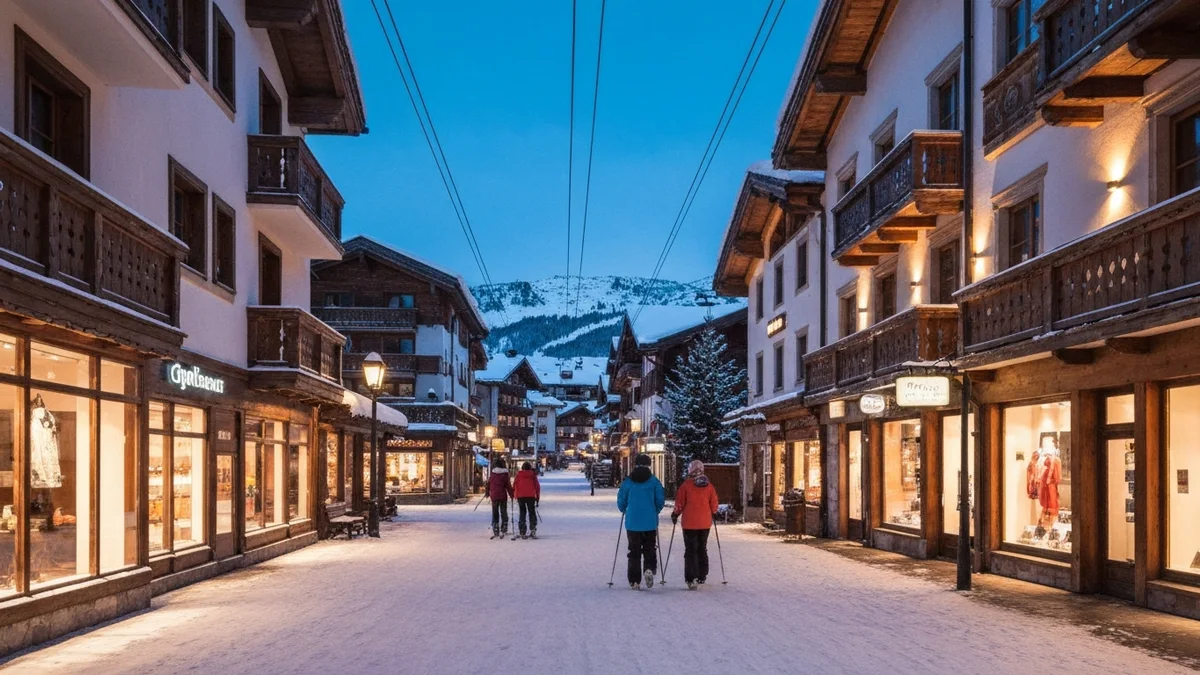
A ski cabin makes almost all of its money in a handful of cold weeks, and most of those weeks are already spoken for by demand before you do anything smart. That's the trap. The calendar looks full on paper, so you assume the marketing is working, when really you're just riding the season and leaving real money on the table around it. Good ski cabin rental marketing isn't about shouting louder during the holidays when everyone's already looking. It's about capturing the guest who's planning in September, pricing the peak weeks so you don't undercut yourself, and pulling in enough summer and shoulder demand that your cabin isn't a one-season asset with an eleven-month mortgage.
You're competing against professionally run condos, resort-managed inventory, and hundreds of other owner listings in the same town. The winners aren't always the fanciest cabins. They're the ones that show up first in search, describe the ski access honestly, photograph the snow, and give repeat guests a reason to book direct next year. This guide walks through the whole winter revenue playbook for US mountain-town rentals, with real markets as examples and no invented numbers.
Cavmir helps hosts market and optimize short-term rentals, so most of what follows is the same thinking we bring to a listing audit. Take what fits your cabin and your town.
Understand the winter demand calendar before you touch a price
You can't market a season you don't understand. Winter demand in US ski towns isn't a smooth curve. It's a few sharp spikes with slower water in between, and the whole revenue strategy starts with knowing which weeks sell themselves and which weeks you have to work for.
Here's the rough shape of a typical season, though exact dates shift each year:
- Early season (late November to mid-December): Quiet. Snow's uncertain, schools are in session, and most guests are waiting. This is a booking-window period, not a stay period. People are looking now for later.
- Christmas through New Year (roughly Dec 26 to Jan 4): The single biggest window of the year. Peak crowds, peak pricing, and equipment rented solid. If your cabin isn't booked here by early fall, something's wrong with your visibility or your rate.
- Early-to-mid January: Often the quiet sweet spot. Good snow, thinner crowds, softer prices. A soft week you can fill with the right offer.
- MLK weekend (mid-January): A three-day spike. Short, sharp, and easy to underprice because it sits next to a slow stretch.
- Presidents' Week (mid-to-late February): One of the strongest stretches of the whole season, driven by school breaks across much of the country.
- Spring break (late February through March): Strong but staggered, because school districts break at different times. Less of a single spike, more of a rolling wave.
- Late season (April): Slows down as snow gets slushy, though bluebird spring days still sell in the right market.
Undercover Tourist's ski season breakdown lays out these same peak windows, and it matches what booking data shows across most Western resorts. The point isn't to memorize dates. It's to recognize that your pricing and your minimum-stay rules should look completely different across these buckets. A flat nightly rate all winter is the most common and most expensive mistake owners make.
Build your season calendar in September, not December. Block out the four or five peak windows, mark the soft weeks between them, and set different rate tiers for each before the booking wave hits. By the time holiday shoppers show up in October, your prices should already reflect what each week is worth. Reacting in real time means you're always a step behind the guest.
Ski cabin rental marketing that captures the early booker
The guest who books your Christmas week in September is worth more than the one who books it in November, because you got the reservation before your competitors even set their rates. Early capture is the quiet engine of good ski cabin rental marketing, and most owners ignore it because early-fall calendars feel far away.
Booking windows for peak ski weeks run long. Serious families planning a Christmas or Presidents' Week trip start looking months out, especially for larger cabins that sleep a group. If your listing isn't live, priced, and optimized by late summer, you miss the first and most valuable wave of shoppers.
What early capture actually requires
- Open your calendar early. If guests can't book December in August, they book someone else's December. Make sure your rates and availability are loaded well ahead of the shopping wave.
- Price peak weeks first. Set your holiday and Presidents' Week rates before anything else, because those are the reservations that arrive earliest.
- Front-load your best photos. Early shoppers compare fast. Your first five images decide whether they click or scroll past.
- Answer the search intent. People searching in September use different words than December bookers. They're planning trips, comparing towns, and reading. Your title and description should speak to a planner, not just a last-minute searcher.
Listing optimization is where most of this early advantage is won or lost. If your title, photo order, and amenity tags aren't tuned to how the platforms rank listings, you're invisible during the exact months when the highest-value guests are shopping. Our listing optimization service exists for this reason, and it pairs naturally with a strong pricing plan.
Pricing the holidays without underpricing yourself
The holidays are where owners leave the most money on the table, and it's almost always by pricing too low, not too high. When demand is this concentrated, a cabin that "always books" at a given rate is usually a cabin that could have booked at more.
Think about what's really happening over Christmas and Presidents' Week. Equipment rents solid, hotels fill, and every comparable cabin in your town is fielding inquiries. That's the definition of a market where you can hold a firm price. If your peak weeks book the instant you open the calendar, that's not a win. That's a signal you priced under the market.
How to price peak weeks with more confidence
- Anchor to your own comps, not last year's fear. Look at what similar cabins in your town, with similar access and amenities, charge for the same week. Aggregators like AirDNA describe market rates qualitatively for exactly this. Price to the real market, not to a number that felt safe in a slower year.
- Treat each peak window separately. Christmas week and MLK weekend and Presidents' Week are not the same event. They deserve different rates. MLK is a short spike that sits next to a slow stretch, so it's the one owners most often underprice by accident.
- Watch your pace, then adjust. If a peak week is filling far faster than the same week filled last year, you have room to raise. If it's lagging with the window closing, that's when a targeted drop makes sense, not before.
- Don't fear a few open peak nights. An empty peak night at a strong rate stings less than a season of holidays booked at a discount. Holding price is a strategy, not a mistake.
Dynamic pricing tools help here, but they're a starting point, not an autopilot. They react to the market; they don't know your cabin has a new hot tub or a view the comps don't. Read our complete guide to dynamic pricing for how to use these tools without handing over your whole strategy.
Minimum-stay strategy over peak weeks
Nightly rate gets all the attention, but minimum-stay rules quietly decide how much of your peak season you actually capture. Set them wrong and you either leave orphan nights stranded or you turn away the exact bookings you want.
The core idea: over the biggest weeks, longer minimums protect you from getting your calendar chopped into unbookable one- and two-night gaps. A three- or four-night minimum over Christmas or Presidents' Week keeps your peak inventory whole and pushes your average booking value up, because holiday travelers are staying multiple nights anyway.
Where minimums help and where they hurt
- Peak weeks: Raise minimums. Guests over Christmas and Presidents' Week plan full-week or long-weekend trips. A longer minimum matches how they already travel and prevents your calendar from fragmenting.
- MLK and Presidents' weekends: A three-night minimum captures the holiday Monday, which is the whole reason the weekend exists as a spike.
- Soft midweek stretches: Drop minimums, sometimes to one or two nights. In slow January weeks, a rigid four-night minimum just leaves your cabin empty. Flexibility fills gaps.
- Orphan nights: When a peak booking leaves a single night stranded, allow a one-night stay for that gap rather than losing it entirely. Some owners even discount orphan nights to move them.
The mistake is setting one minimum-stay rule for the whole winter and forgetting it. Your minimums should flex with the same calendar buckets as your prices. Tight over peaks, loose over the quiet weeks.
US ski markets and what they teach you
You don't market a cabin in a vacuum. You market it inside a specific town with its own demand pattern, competition level, and guest profile. A few real US markets show how different those patterns can be, and what each one asks of your marketing.
Park City, Utah
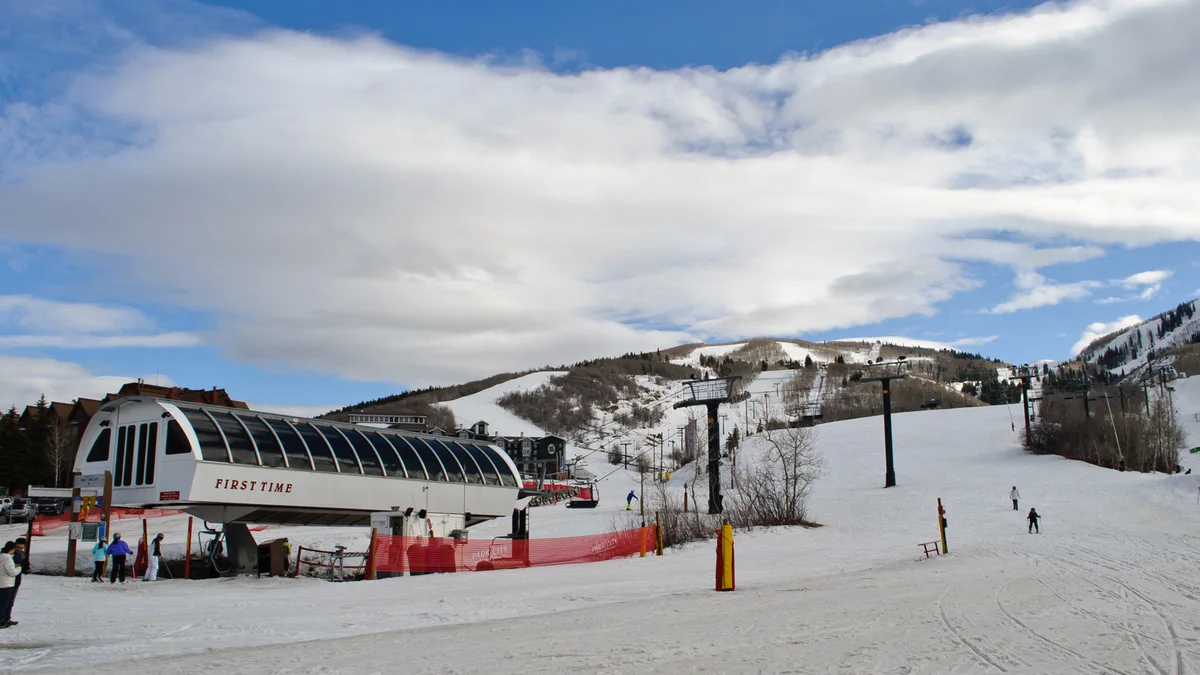
Park City combines accessibility and visibility in a way few towns match. It's about forty minutes from the Salt Lake City airport, which widens your pool of potential guests to anyone who can grab a short flight and a rental car. That accessibility, plus the town's Sundance and Olympic profile, keeps winter occupancy strong for well-run listings. For an owner, the lesson is that a broad, fly-in guest base rewards a listing that reads clearly to someone who's never set foot in Utah. If you host here, our Park City marketing page gets into the local specifics.
Breckenridge, Colorado
Breckenridge is a case study in seasonality. Winter occupancy runs high through the peak months, then falls off a cliff in the shoulder weeks, with February and May sitting at opposite extremes. If your cabin is here, your entire revenue problem is the gap between those two numbers. The February money is nearly automatic; the challenge is what you do the rest of the year. See our Breckenridge marketing notes for how that shapes a listing strategy.
Aspen, Colorado
Aspen sits at the luxury end, with some of Colorado's most restrictive short-term rental rules, including caps and licensing requirements. Here, marketing is less about volume and more about matching a premium guest's expectations exactly. The permitting reality also matters: rules like these vary sharply by town, and Aspen is a reminder to confirm what's actually allowed before you build a plan around a cabin. Our Aspen page covers the high-end positioning.
Big Bear Lake, California
Big Bear is the drive-to market. It pulls heavily from Southern California, which changes the booking window and the guest mindset. Drive markets book shorter, plan later, and think of a trip as a weekend impulse rather than a flights-and-logistics production. That means faster response times and last-minute-friendly minimums matter more here. Our Big Bear Lake page reflects that drive-market rhythm.
Other strong markets, Steamboat, Winter Park, and Stowe among them, each have their own version of this story. The takeaway is the same: fly-in markets reward broad, early-planning marketing, while drive markets reward speed and flexibility. Know which one you're in before you copy anyone else's playbook.
Ski-in/ski-out vs. honest distance to the lifts
Nothing burns your reviews faster than fudging your ski access, and nothing builds trust faster than describing it plainly. "Ski-in/ski-out" has been diluted by owners who stretch it to mean a three-minute walk, and guests have caught on. Being the honest listing in a town full of exaggerations is a marketing advantage, not a weakness.
Here's how to describe access without either lying or underselling:
- True ski-in/ski-out: You click into your skis at the door and ski to the lift, then ski back to the door at the end of the day. No walking, no carrying, no shuttle. Only claim this if it's literally true. It commands a real premium, often meaningfully more than a comparable walk-to-lift property, precisely because it's rare.
- Walk to lifts: A short, plowed walk, often a few minutes, sometimes with stairs, usually carrying your gear. This is genuinely convenient and a strong selling point on its own. Say "a flat two-minute walk to the lift" instead of dressing it up as ski-in/ski-out. Specifics build trust.
- Shuttle distance: If a guest needs the town or resort shuttle to reach the slopes, say so, and treat it as a feature, not a flaw. Note the shuttle frequency and the stop's distance from your door. "Free resort shuttle stops 100 feet away, runs every 15 minutes" is honest and reassuring.
- Drive to lifts: Some great cabins are a ten-minute drive from the base. That's fine. Mention parking at the resort, your 4WD-friendly driveway, and the tradeoff of more space or a better view for a short drive.
Write the distance, not the dream
The best-performing listings put the real number in the description and let it do the selling. A guest who reads "a flat 400-yard walk on a plowed path, about five minutes carrying skis" knows exactly what they're getting and shows up happy. A guest who reads a vague "ski-in/ski-out" and then hauls gear across a parking lot leaves a one-star review that costs you the next ten bookings. Honesty is the cheaper long-term strategy every time.
Put a walking-time-to-lift line in your first two sentences and again as its own bullet in your amenities. Guests scanning a dozen listings are hunting for exactly this number, and burying it costs you clicks. If your access is a genuine walk or shuttle rather than true ski-in/ski-out, own it confidently. A clearly described five-minute walk outbooks a suspiciously vague "slopeside" every single time.
Must-have winter amenities and how to market them
Winter guests book on comfort as much as location. After a cold day on the mountain, the amenities that make the evening warm and easy are the ones that close the booking and earn the five-star review. The same features show up again and again across the listings that win.
The amenities winter guests actually search for
- Hot tub: The single most-requested ski-rental amenity. Sore muscles and a snowy soak sell themselves. If you have one, it belongs in your title, your first photo, and your amenity tags. If you're considering adding one, few upgrades pay back faster in a ski market.
- Boot and glove dryers: A small, cheap amenity that photographs well and signals you understand skiers. Dry boots the next morning is a detail guests remember and mention in reviews.
- Gear storage and a mudroom: Somewhere to stash skis, boards, and wet gear without tracking snow through the living room. Ski cubbies and a real mudroom read as "built for skiers."
- Fireplace: The photo that says "cozy" better than any adjective. Gas or wood, it's the centerpiece of your evening shots.
- 4WD-friendly, plowed parking: Winter guests worry about the driveway. Tell them it's plowed, tell them how many cars fit, and note if a 4WD or chains are wise. Removing that worry closes bookings.
- Fast, reliable wifi: More guests work remote mid-trip than you'd think, and a slow connection in a remote cabin becomes a complaint. If your speed is genuinely good, post the number.
Having the amenity is only half the job. The other half is making sure it's tagged, photographed, and mentioned in the description, because platforms filter and rank on those tags. A hot tub that isn't checked in your amenity list is a hot tub that doesn't show up in the "hot tub" filtered search. For a deeper breakdown, our guide on amenities that increase bookings covers which ones move the needle and how to present them.
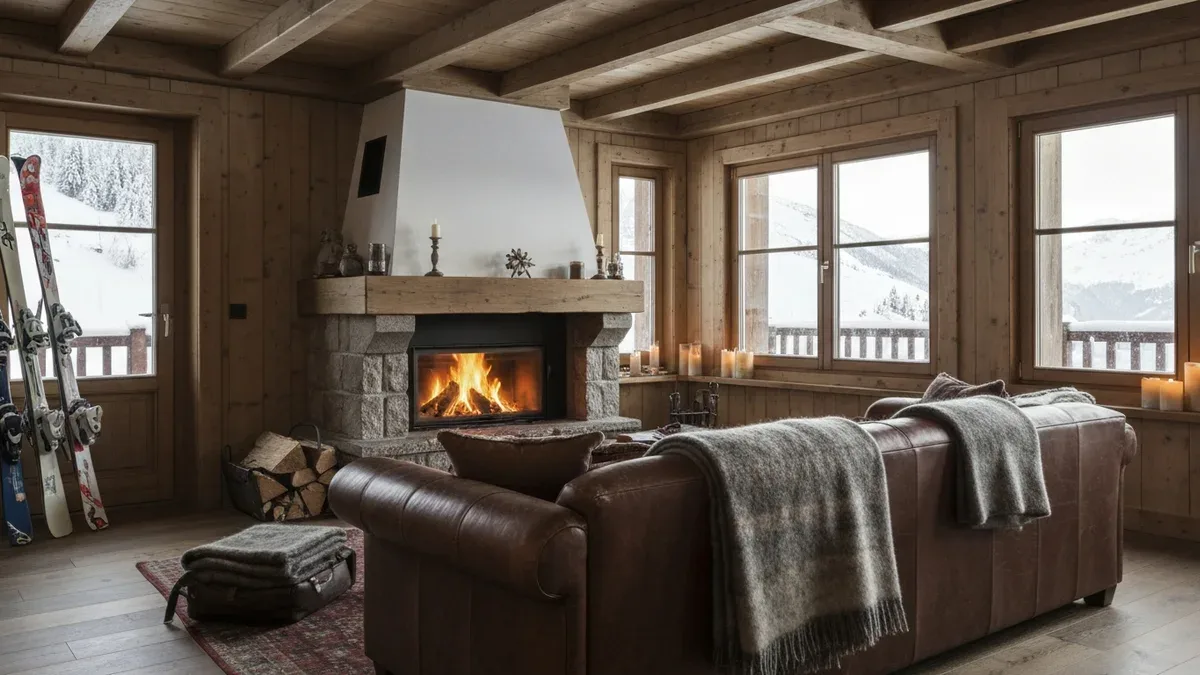
If your cabin's interior feels dated next to the competition, that's a marketing problem, not just a decor one, because your photos are your storefront. A warm, well-styled interior photographs better and rents higher. Our interior design service helps hosts turn a tired cabin into one that stops the scroll.
Snow-season winter photography that sells the fantasy
Guests are booking a feeling, and in a ski cabin that feeling is snow. The listings that win the winter are shot in winter, with real snow on the trees and warm light in the windows. Summer photos on a ski listing quietly tell the guest you didn't bother, and it costs you.
What a strong winter photo set includes
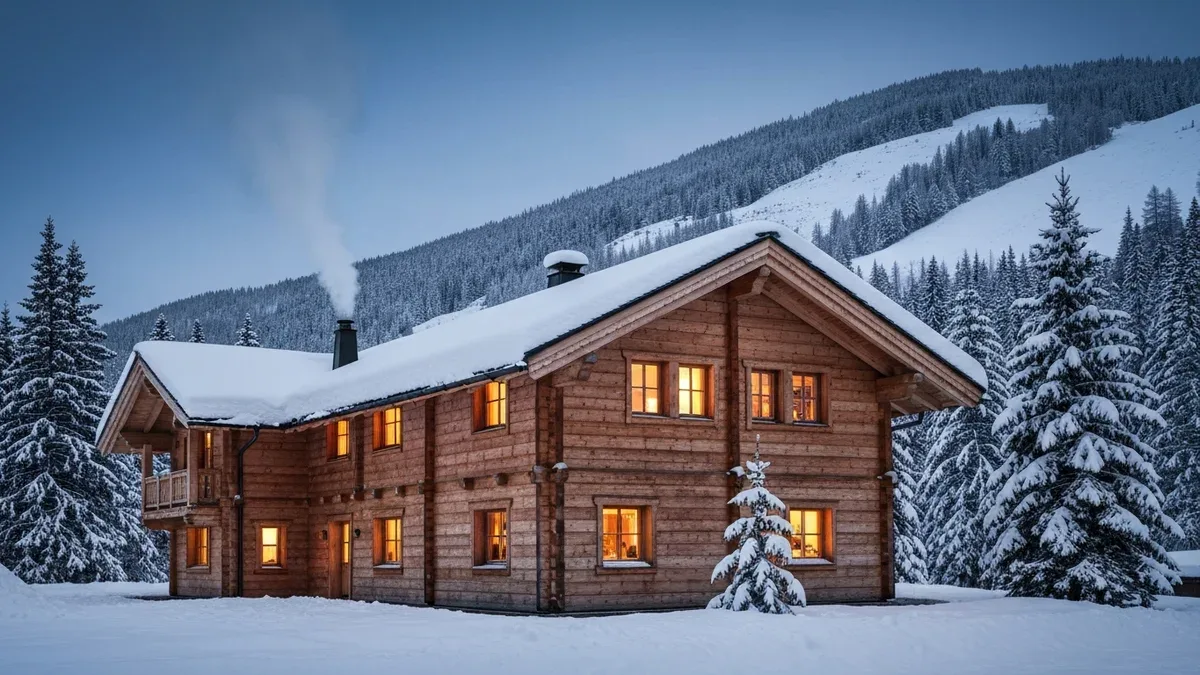
- A snowy exterior hero shot: Your cabin with fresh snow, ideally at dusk with the interior lights glowing. This is the image that stops the scroll and earns the click.
- The cozy evening interior: Fireplace lit, throws on the couch, warm lamps. Shoot in the golden hour, not harsh midday, so the room feels like the end of a good ski day.
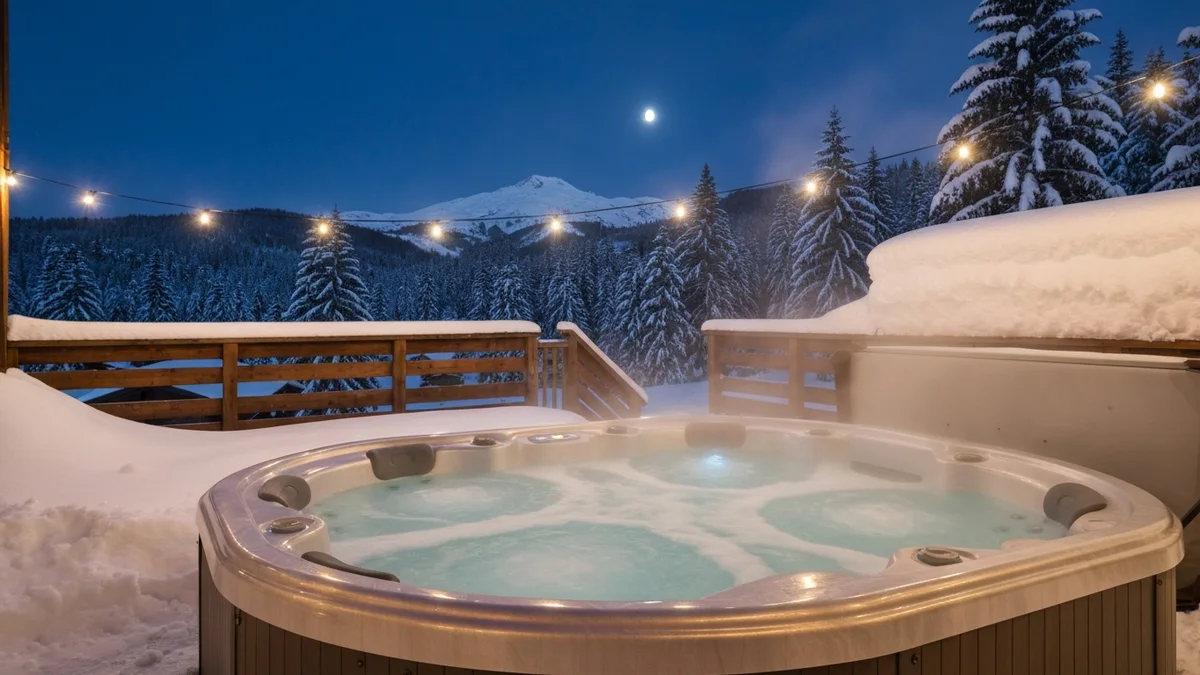
- The hot tub, steaming: A hot tub photographed cold and empty does nothing. Photographed steaming against snow at dusk, it's one of your strongest images.
- The mountain view, in winter: If you have a view of the slopes or peaks, shoot it white. A snow-covered view is a completely different sell than the same view in summer green.
- The practical shots: The mudroom with gear cubbies, the boot dryers, the plowed driveway. These reassure the skier that you thought about the logistics.
Timing matters. You get a narrow window each winter to capture your snow photos, so plan the shoot for a fresh-snow day early in the season rather than scrambling for it later. One good winter shoot carries your listing for years, and it's one of the highest-return marketing spends you can make on a ski cabin.
Fighting single-season dependence with summer and shoulder demand
A cabin that only earns in winter is a cabin working at a fraction of its potential. The owners who do best treat the mountain as a year-round destination, because most of them are. The same peaks that draw skiers draw hikers, festival-goers, and leaf-peepers the rest of the year, and that demand is yours to capture if you market for it.
The other seasons that fill a mountain cabin
- Summer: Hiking, biking, lake time, and cooler mountain air pull families and outdoor travelers. Summer rates run well below peak ski rates, but the demand is real and the season is long. A cabin that sits empty from May to November is throwing away half its earning potential.
- Festivals and events: Mountain towns run summer calendars full of festivals, and each one is a compression event that spikes demand for a weekend. Telluride's summer festival lineup is the classic example. Know your town's event calendar and price those weekends like the mini-peaks they are.
- Fall: Leaf season is a quiet moneymaker in many ranges, drawing a slower, older, longer-staying guest. It's a shoulder period, but a bookable one with the right marketing.
- Mud season: Spring and late fall are genuinely slow almost everywhere. This is where you either accept the dip or get creative with longer stays, remote workers, and steep-enough discounts to move nights that would otherwise sit empty.
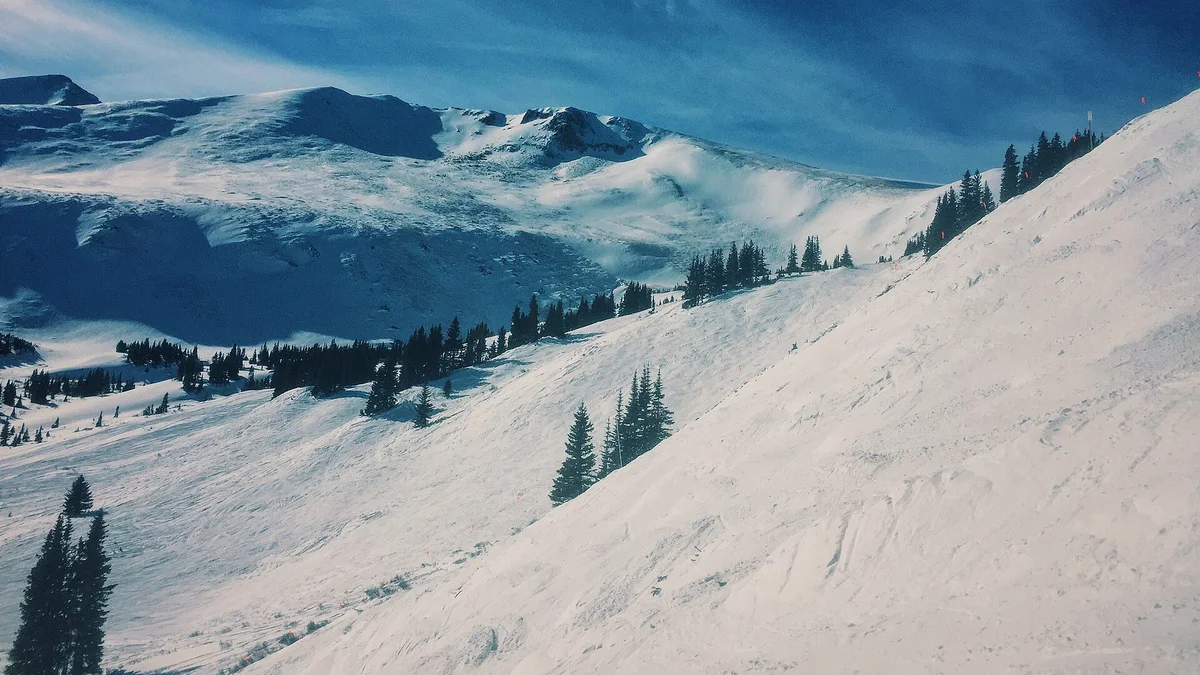
The marketing shift is real: a ski listing and a summer-hiking listing are almost two different products, with different photos, different titles, and different guest language. The owners who win the full year swap their hero photos and rewrite their titles seasonally instead of running a snowy listing in July. Our guide on off-season revenue and the shoulder months gets into exactly how to do that swap.
Keep two separate photo sets and two separate listing titles, one for snow season and one for green season, and swap them on a calendar. A guest searching for a July hiking trip who lands on a snowbound cabin photo assumes you're closed or careless and books elsewhere. The swap takes an hour twice a year and it's the difference between a two-season cabin and a one-season one.
Direct booking and turning one winter into many
The platforms are great at bringing you a first-time guest and terrible at letting you keep them. Every booking that runs through a marketplace costs you a fee and, worse, hands the guest relationship to someone else. The owners who build real winter income shift as much repeat business as they can to direct bookings, where the margin is theirs and the guest is theirs to bring back.
Ski guests are unusually loyal to a cabin they liked. A family that had a great Presidents' Week will happily book the same cabin next year, often the same week, if you make it easy. That repeat booking is the cheapest reservation you'll ever get, and it's the whole reason a direct channel is worth building.
Building a direct channel that actually works
- Have a real website. A simple, clean site for your cabin gives past guests somewhere to rebook without the platform in the middle. It's also where your snow photos and honest access description can shine without a marketplace template flattening them. Our direct booking website service builds exactly this.
- Capture the guest, within the rules. A welcome book, a checkout note, a business card by the coffee maker, all point returning guests to your direct channel for next year. Respect each platform's rules, but there's nothing wrong with being memorable.
- Reach out before the season. A short, friendly note to last year's holiday guests in early fall, before they've booked elsewhere, captures rebookings at the exact moment they're planning. Repeat guests plan early, so reach them early.
- Reward the return. A modest repeat-guest rate or a small perk costs you far less than a platform fee and makes the loyalty explicit.
Paid ads can accelerate a direct channel, especially for a distinctive cabin in a competitive town, by putting your own site in front of searchers who'd otherwise only see the marketplace. Used carefully, targeted ads bring high-intent guests straight to your booking page. Our paid ads service handles that, and our guide on getting more direct bookings covers the organic side. A direct strategy is a slow build, but every winter it compounds.
Putting the winter playbook together
None of these pieces works alone. Early capture without honest access descriptions earns you cancellations. Great photos without smart pricing just means you're beautifully underbooked. The revenue comes from running the whole system: understand the calendar, price the peaks with nerve, flex your minimums, describe your access plainly, market the amenities skiers search for, shoot the snow, chase the summer, and bring your best guests back direct.
A simple order of operations
- Late summer: Build your season calendar, set peak-week rates and minimums, open your booking window, and make sure your winter photos and title are live.
- Fall: Refine pricing as the booking wave arrives, watch your pace week by week, and reach out to last year's guests before they book elsewhere.
- Winter: Hold your peak prices, fill soft midweek gaps with flexible minimums and targeted offers, and deliver a stay good enough to earn the rebooking.
- Spring: Swap to your green-season listing, plan around summer festivals and events, and start the summer booking push while there's runway.
The cabins that fill their winter calendars aren't lucky. They're run by owners who treat marketing as a year-round system instead of a December scramble. Get the system right once and it pays every season after.
Frequently asked questions
When should I open my winter booking calendar?
Late summer, ideally by August, so you catch the earliest peak-week planners. Serious families book Christmas and Presidents' Week months ahead, and if your rates aren't loaded when they're shopping, you lose the highest-value reservations to whoever was ready first.
How do I know if I'm underpricing my holiday weeks?
If your peak weeks book the instant you open the calendar, you're probably priced under the market. Reservations that arrive too easily are a signal to raise, not celebrate. Compare against similar cabins in your town for the same week, and watch your booking pace against last year.
Can I say "ski-in/ski-out" if it's a short walk?
No, and it'll cost you in reviews. Reserve that phrase for literal door-to-lift access. If it's a walk or shuttle, describe the real distance and time. A clearly stated five-minute walk builds more trust and books better than a vague claim that disappoints on arrival.
What's the single best amenity to add to a ski cabin?
A hot tub, in most markets. It's the most-requested ski-rental feature and one of the fastest-paying upgrades in a winter market. Boot dryers and real gear storage are cheaper additions that signal you understand skiers and earn mentions in reviews.
How do I keep my cabin earning outside ski season?
Market it as a summer and shoulder-season destination with its own photos and title. Hikers, festival-goers, and fall travelers fill mountain cabins the rest of the year, but only if your listing speaks to them instead of showing snow in July. Swap your hero images seasonally.
Do local permit and tax rules affect my marketing plan?
They can affect whether you can rent at all. Short-term rental permits, caps, and lodging taxes vary sharply by town, and some markets have waitlists or night limits. Confirm the rules locally before building any plan around your cabin, because "allowed nearby" doesn't mean "allowed here."
Where Cavmir fits
If your ski cabin is booking the holidays but going quiet the rest of the winter, or if you suspect your peak weeks are priced under the market, that's the kind of thing a listing audit sorts out quickly. Cavmir helps hosts market and optimize short-term rentals, from tuning your listing and photos to building a direct booking channel that brings your best guests back each season. If you'd like a straight read on where your cabin is leaving money on the table, start with a listing optimization review and we'll take it from there.