
Every host does the math eventually. You look at a year of payouts, add up what the platforms kept, and realize you paid a very large marketing bill to companies that also promote your competitors on your own listing page. That's the moment the phrase "direct bookings" stops sounding like jargon and starts sounding like a raise.
Here's the good news: building direct-booking demand is absolutely doable, and most of the playbook costs more effort than money. Here's the honest news: it's a system, not a trick, and it works guest by guest over seasons, not overnight. This article walks through every channel that actually produces direct bookings for vacation rentals — and closes with the limits nobody selling you a "quit Airbnb" course will admit.
Why Direct Bookings Are Worth the Effort
Three reasons, in order of importance. First, margin: platform service fees take a real bite out of every reservation, on your side, the guest's side, or both. A direct booking keeps that money in the deal — you can pocket it, or split it with the guest as a lower price and still come out ahead. Second, ownership: a direct guest gives you their email, their phone number, and a relationship. A platform guest belongs to the platform. Third, resilience: hosts who lived through sudden algorithm shifts, policy changes, or account suspensions will tell you what it feels like when 100 percent of your revenue flows through a login you don't control.
The goal isn't to leave the platforms. It's to make them one channel among several instead of the whole business. With that framing, here's the playbook.
Channel 1: Your Own Website — the Foundation
Everything else on this list routes people somewhere, and that somewhere has to be a website you own. Not a linktree, not your Airbnb listing, not a Facebook page. A real site at your own domain where a guest can see the property, trust it, and book it.
What a direct-booking site actually needs to do its job:
- A real booking engine. Live calendar, real prices, instant confirmation, card payment. If booking requires an email exchange, you'll lose the majority of would-be bookers at that step. Most channel managers and PMS tools offer a booking widget that syncs your calendar across platforms so you never double-book.
- Your best photography, full size. The site is the one place with no platform cropping and no competitor thumbnails in the sidebar. Let the property breathe.
- Proof. Guests trust platforms partly because of reviews. Bring your reviews with you — quote them, screenshot them, link them. A direct site with zero social proof feels like a risk; one with forty glowing reviews feels like a find.
- Speed and mobile-first design. Most guests will arrive on a phone from a social link or a QR code. If the site takes six seconds to load, they're gone before the hero photo renders.
- A clear reason to book direct. Best-rate guarantee, early check-in when available, a small welcome perk — give guests a visible answer to "why not just book on Airbnb?"
You can build this yourself with the website tools most PMS platforms include, or have it built properly. It's the core of what we do at Cavmir — our direct booking website service exists because this one asset does more for direct revenue than everything else combined. Whoever builds it, make sure the domain and the site belong to you.
Channel 2: The Repeat-Guest Email List
Past guests are the easiest direct bookings you will ever earn. They already know the property, they already trust you, and they don't need to discover you on any platform — they just need a reason and a reminder.
The system is simple. Collect every guest's email — at booking when it's direct, through your welcome guide, WiFi landing page, or guestbook when it's not. Then send something worth opening a few times a year: the fall calendar opening up, a new hot tub, a local festival worth planning around, a returning-guest discount code that works only on your site. That's it. You don't need weekly newsletters; you need to be findable and remembered when they start planning next year's trip.
Put the email ask inside a moment of genuine usefulness. A card that says "Join our mailing list" gets ignored. A card that says "Want our 12 favorite local restaurants, mapped? We'll email you the guide" gets signups — and hands your future marketing a warm audience. Your welcome guide is the perfect delivery vehicle.
Channel 3: Google Business Profile — Where You're Eligible
When travelers search your property's name — and after a good stay or a friend's recommendation, they do — Google decides what they see. Without any presence of your own, that search often lands on your Airbnb listing, and the platform collects a fee on a guest who was already yours.
A Google Business Profile puts your name, photos, reviews, and website link in that search result for free. One honest caveat: eligibility depends on how you operate. Google's guidelines require businesses that serve customers at a location to be more than an unstaffed rental, and policies for vacation rentals have shifted over the years — some individual rentals get listed without issue, others get rejected or removed. Where a profile isn't an option, the same job gets done by ranking your own website for your property's name, which is very achievable since nobody else is competing for it. Our Google presence and local SEO service covers both routes.
Channel 4: Social That Routes to Your Site
Social media earns direct bookings only when it's built as a path, not a scrapbook. The path: content shows the experience of staying at your property, the profile makes the property's name unmissable, and every bio, caption and pinned post routes to your website — not to your Airbnb listing.
Short-form video is the discovery engine here. A 20-second walkthrough at golden hour, the morning coffee view, the two-minute drive to the beach — this is content travelers actually search and save while planning trips. You don't need to post daily; you need a steady rhythm of content that answers "what would it feel like to stay here?" The full approach is in our Reels strategy guide.
Channel 5: Convert Them While They're Standing in Your Living Room
The highest-intent audience your marketing will ever reach is the guest currently staying in your property. They chose it, they're enjoying it, and the only thing standing between you and their next visit is whether they remember how to find you without the platform.
Make it physical. A well-designed card by the coffee maker: "Loved your stay? Book direct next time — same calendar, better rate." A QR code in the welcome guide that opens your site. The property name on the doormat, the mugs, the WiFi network name. None of this violates any platform rule — you're not soliciting off-platform payment for the current booking, you're marketing to a future guest who happens to be standing in your kitchen.
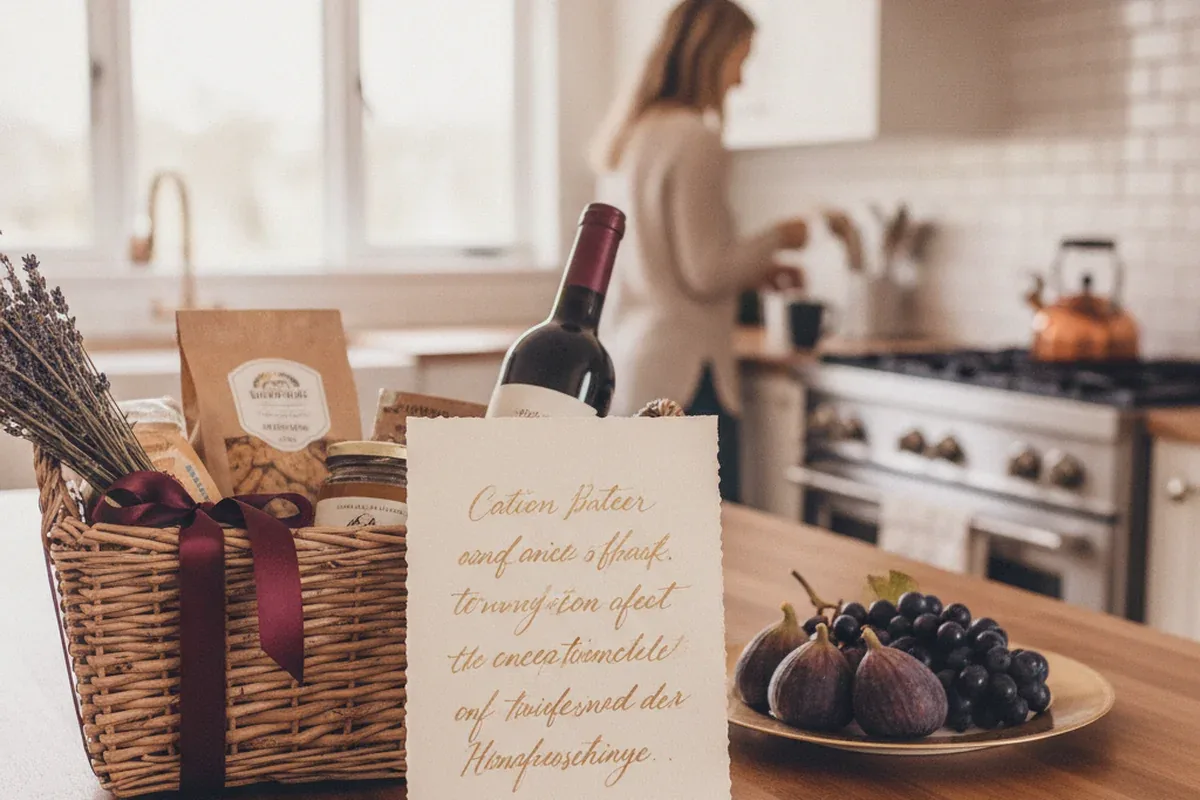
The in-unit moment is your cheapest marketing channel: the guest already loves the property. Your only job is to be easy to find next time.
Channel 6: The Second-Stay Conversion
Put channels 2 and 5 together and you get the real engine of direct-booking growth: guests who discover you on a platform and return direct. The first stay costs you a commission — think of it as customer acquisition. The second stay is where the margin lives.
The mechanics matter. During the platform stay, communicate through the platform as the rules require. After checkout, the guest who joined your email list through the welcome guide or WiFi page is now yours to talk to. Next season, they get your email, remember the property, and book on your site. Nothing about that sequence poaches anyone — it's just hospitality with a memory. Layer on a returning-guest perk (a modest discount, late checkout, a bottle of wine) and your repeat rate climbs. Repeat guests also review better, break less, and cancel less. For the complete architecture, see the direct booking system guide.
The Honest Limits of Direct Booking
Now the part the courses skip. OTAs are not your enemy — they're the biggest travel search engines on earth, and for first-time discovery they will almost certainly outperform anything you build for years, maybe forever. New guests who have never heard of your property will keep coming from platforms, and that's fine. That's what platforms are for.
Chasing 100 percent direct is usually a mistake. It concentrates your risk in your own marketing skills, costs enormous effort at the margin, and throws away the free discovery the platforms provide. The healthy pattern for most independent properties is a meaningful and growing direct share — often starting with repeat guests and referrals — sitting on top of a platform base, managed as one portfolio. Our guide to multi-channel distribution covers how the pieces fit together.
Direct bookings are also not instant. The website converts from day one, but the email list, the social audience, and the repeat-guest flywheel all build over seasons. Start now precisely because it's slow — every season you wait is a cohort of past guests you never captured.
The Bottom Line
More direct bookings come from six moves working together: a real website you own, an email list of past guests, a Google presence where you're eligible, social content that routes home, in-unit marketing to the guests already there, and a deliberate second-stay conversion path. None of it requires abandoning the platforms — it requires making sure the platforms aren't the only place your business exists.
If you want the foundation built properly — a fast, beautiful direct-booking site that actually converts — that's what we build. And if you'd rather build it yourself, everything above still works. Start with the email list this week; it's free.