



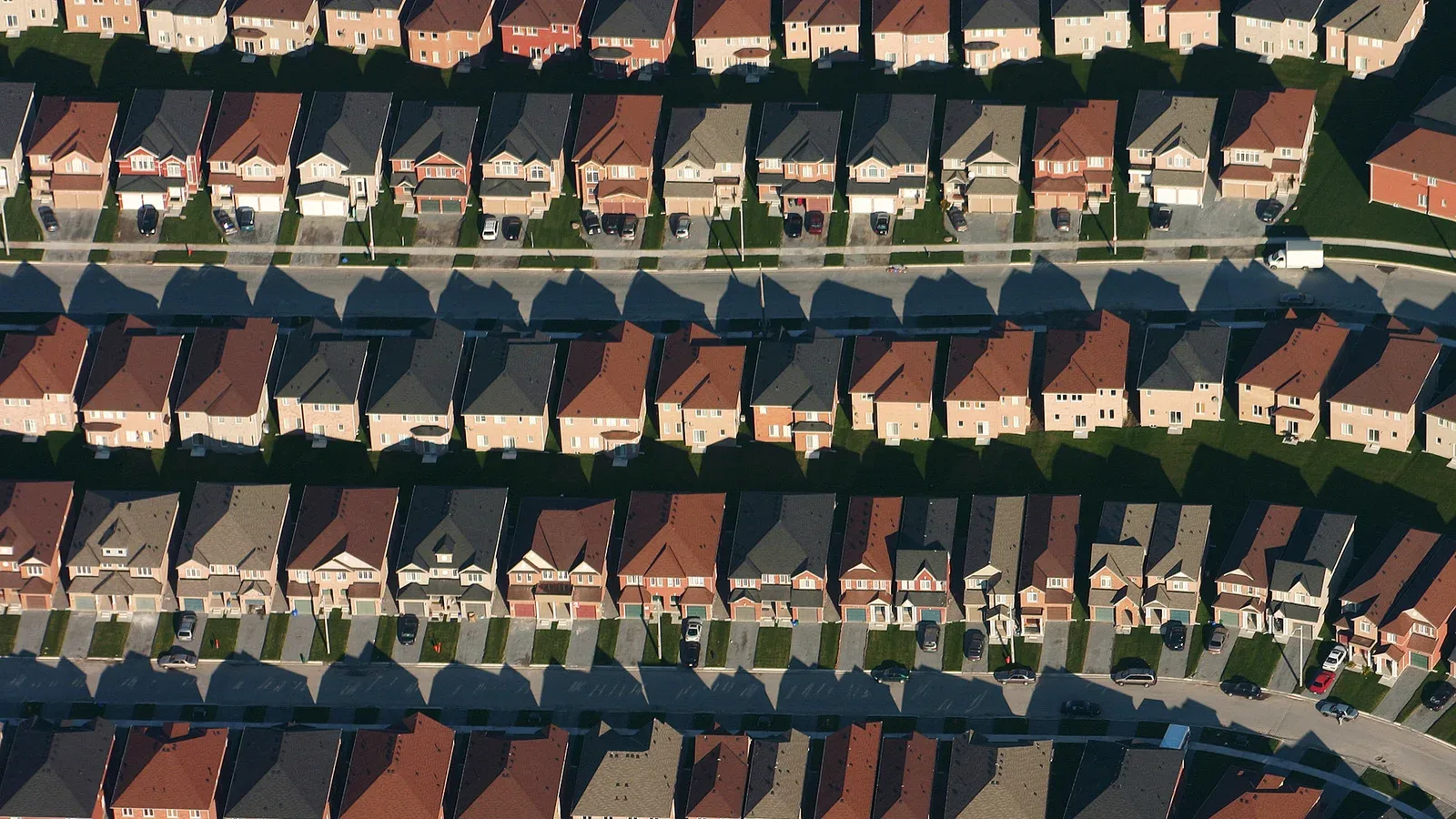
It's a Tuesday night in a mid-size American town, and the city council meeting has reached public comment. A woman named Diane walks to the microphone holding a manila folder. Inside the folder: fourteen months of dates, times, and photographs. A pickup truck blocking her driveway on a Saturday in March. A hot tub party that ran until 2:40 a.m. in June. Six trash bags torn open by raccoons on a Wednesday, because the guests put them out three days early. She reads all of it, slowly, and the council listens.
Nobody from the hosting side is in the room. Not one person. The hosts of that town are at home checking their occupancy dashboards, completely unaware that the next chapter of their business is being written without them.
Six weeks later, the town passes a short-term rental ordinance. Primary residences only. A cap on total permits. A three-strikes rule for noise complaints. Half the town's listings become illegal overnight, and the hosts flood the local Facebook group asking how this could possibly have happened.
It happened because of Diane. And here's the part most hosts never sit with long enough: Diane wasn't wrong. Somebody's guests really did block her driveway. Somebody's hot tub really did thump until 2:40 a.m. This guide is about making sure that somebody is never you — and about what to do so that when your town has its Diane moment, there's a neighbor in that room speaking up for you instead.
The angriest voice in the room writes the law
Let's start with an uncomfortable truth about how local politics actually works. City councils don't regulate short-term rentals because of spreadsheets. They regulate them because of stories. And the stories that reach a council chamber are almost never "my Airbnb guests were lovely and quiet for three years." Happy neighbors don't show up to public comment. Furious ones do.
This creates a brutal asymmetry. You could host four hundred flawless stays, and none of them generate a single minute of testimony. One bachelor party with a Bluetooth speaker generates a neighbor who will drive to city hall in the rain, wait two hours through a zoning variance discussion, and read a prepared statement into the public record. Council members are human. They remember the woman with the folder. They do not remember your five-star reviews, because your five-star reviews were never in the room.
So when hosts talk about risk, they usually talk about the wrong things. Revenue dips are recoverable. A bad review stings and fades. But a neighbor complaint is different in kind, not just degree, because complaints don't stay between you and the neighbor. They accumulate in a city's code enforcement records, they get forwarded to council members, they get read aloud at meetings, and eventually they become ordinances. If you've read our breakdown of how US cities are regulating short-term rentals in 2026, you've seen the pattern: nearly every restrictive ordinance in the country traces back to a period of unaddressed neighbor anger.
The other thing worth internalizing early: most of what makes neighbors furious is preventable before a guest ever books. The parties, the parking chaos, the mystery twelve-person "family reunion" in a house listed for six — these are screening and setup failures, and we wrote a whole companion piece on exactly that. If you haven't read the guest screening guide yet, consider it the other half of this playbook. Screening keeps the bad night from happening. Neighbor relations determine what happens to you if it happens anyway.
The math of a complaint (and why hosts get it backwards)
Here's a mental model that changes how you run your property. Think of your standing in the neighborhood as an account. Every quiet weekend, every wave hello, every time your landscaper edges the sidewalk — small deposits. Every idling car at midnight, every overflowing bin, every stranger fumbling with a lockbox at 1 a.m. — withdrawals. The problem is the exchange rate. Deposits are pennies. Withdrawals are hundreds of dollars each. One genuinely bad night can wipe out a year of goodwill.
Hosts get this backwards because they price risk the way platforms teach them to: in refunds and review scores. A noise complaint that never reaches Airbnb feels free. It is not free. It's the most expensive event in your business, because it compounds. The first complaint makes a neighbor annoyed. The second makes them start a log. The third makes them start a log and email the other neighbors. By the fourth, you're not dealing with a person anymore — you're dealing with a coalition, and coalitions go to meetings.
There's a reason code enforcement officers will tell you that they rarely hear about a problem property once. Complaints cluster, because the underlying behavior clusters, and because complaining gets easier every time. The first call to the city takes a neighbor weeks of stewing to work up to. The fifth takes ninety seconds.
Now flip the model, because it works in reverse too. A neighbor who knows your name, has your cell number, and has watched you fix a problem within hours is not a neutral party. They're an asset. When a stranger's guests act up three streets over and the neighborhood group chat lights up about "these Airbnbs," your neighbor is the one typing "well, the one next to me is run really well, the owner is great." You cannot buy that sentence. You can only earn it, and the earning starts before your listing ever goes live.
Run a simple gut check twice a year: if your city proposed a hostile STR ordinance tomorrow, how many of your immediate neighbors would speak in your defense? If the honest answer is zero, that's your most urgent business problem — ahead of pricing, ahead of photos, ahead of everything.
The introduce-yourself-before-you-list move
Before your listing goes live — ideally the same week you close, before the furniture even arrives — knock on doors. Every immediate neighbor: both sides, directly across, directly behind, and anyone who shares a fence, a driveway, or a wall. Bring nothing fancy. Bring yourself, a short friendly explanation, and a card with your name and your cell number on it.
The script is simple, and honesty is the entire point: "Hi, I'm Marcus, I just bought the blue house. I'm going to be renting it to travelers on a short-term basis. I know that can be a mixed bag for neighbors, so I want you to have my personal cell. If anything ever bothers you — noise, parking, trash, anything — call or text me directly, any hour, and I'll handle it that day."
Notice what that script does. It removes the surprise, which is where most neighbor resentment is born. Neighbors who discover a rental by watching roller bags parade past their window feel deceived, and deceived people escalate. Neighbors who were told in advance, in person, by a human who looked them in the eye, start from a completely different emotional baseline. Same rental, same guests, wildly different reaction.
The cell number is not a nice touch. It's the load-bearing element of the entire playbook. A neighbor with your number calls you at 10:40 p.m. when the patio speaker is too loud, you text the guest, and it's over by 10:55. A neighbor without your number calls the police non-emergency line, and now there's a report — a permanent, discoverable, city-record report — attached to your address. Every complaint that reaches you instead of the city is a complaint that never becomes evidence. You're not just being friendly. You're building a private channel that intercepts problems before they enter the public record.
A few practical notes on the visit itself. Go in daylight, on a weekend, when people are relaxed. If nobody answers, leave the card with a short handwritten note and try again another day — the second attempt matters, because "they left a flyer" and "they came back to meet me" read very differently. If a neighbor is immediately hostile, don't argue and don't defend the industry. Listen, thank them, leave the number anyway. Hostile neighbors who have your number are still better than hostile neighbors who don't. And if your city requires notice to adjacent owners as part of permitting — many do — this visit satisfies the spirit of that rule long before the certified letters go out. Our permits and licensing guide for new hosts covers where those notification requirements tend to show up.
One more thing: repeat a lighter version of this whenever the cast changes. New neighbor moves in next door? They get the knock, the intro, and the card within their first month. The house doesn't get grandfathered goodwill. People do.
The four friction points, and how to engineer each one away
Decades of neighbor complaints about short-term rentals boil down, with astonishing consistency, to four things: noise, parking, trash, and headcount. Not decor, not property values in the abstract, not ideology. Those four. Which is great news, because all four are engineering problems, and engineering problems have engineering solutions. Take them one at a time.
Noise
Noise is the emperor of complaints, and the crucial insight is that it's almost never the daytime kind. Neighbors tolerate a lot between 9 a.m. and 9 p.m. What they will not tolerate — what turns a mild-mannered retiree into Diane with the folder — is bass through a bedroom wall at midnight. So engineer for the night hours specifically.
Install a privacy-safe noise monitor. These devices measure decibel levels without recording audio, and they alert your phone the moment sustained volume crosses your threshold. The good ones let you set a stricter threshold for night hours. Disclose the monitor in your listing — it's required by platform rules and it quietly filters out exactly the bookers you don't want. Then set your outdoor spaces up to wind down on their own: hot tub cover locked at a set hour if your setup allows it, outdoor speakers on a timer or simply not provided, patio lighting that shifts to dim after quiet hours begin. A guest who walks out to a dark, quiet patio at 11 p.m. gets the message without a single confrontation.
Parking
Parking feels trivial until you realize it's the most visible thing your guests do. A neighbor may never hear your guests, but they see every car, every day. The rule: state exactly how many cars fit on the property, require guests to use the driveway or designated spots only, and say plainly in the listing and the manual that street parking is not available — even if it technically is. Guests parked in a driveway are invisible. Guests parked on the street, in front of someone else's house, in the spot a neighbor has mentally owned for nineteen years, are a provocation.
Mark the spots physically if there's any ambiguity. A small sign, a painted line, a note in the check-in message with a photo of where to park. And cap bookings at the number of cars the property can absorb. If the driveway holds two cars, a reservation with four cars is a problem you accepted at booking, not one the guests created.
Trash day
Nobody warns new hosts about trash, and then it becomes a third of their complaints. The failure mode is always the same: guests check out Sunday, bins go to the curb Sunday, pickup is Thursday, and for four days your property announces "nobody responsible lives here" to the entire street. Or the reverse — bins never go out, garbage accumulates, lids won't close, and the raccoons hold their convention.
The fix is to take trash out of guest hands entirely. Your cleaner manages the bins on turnover: garbage bagged, bins staged, curb duty handled on the correct day, bins brought back in promptly after pickup. If turnover days don't align with pickup days, pay a neighbor kid twenty bucks a week or use a bin-service — it's one of the cheapest reputation purchases in the entire business. Get bins with locking or secure lids if wildlife is a factor. A tidy curb is oddly powerful. It's the visual shorthand for "this house is cared for," and neighbors read it every single week.
Guest count
Every neighbor horror story starts the same way: "The listing said six, and I counted fourteen people." Overcrowding is the root system under the other three problems — more people means more noise, more cars, more trash — and it's also the one platforms and cities take most seriously. Set a maximum occupancy and enforce it with actual mechanisms, not hope: state it in the listing, repeat it in the house rules, confirm the guest count in your pre-arrival message, and let your noise monitor's occupancy signals (the good ones estimate device counts) flag anomalies. Charge for extra guests so the honest ones self-report, and make clear that exceeding the max is grounds for ending the stay.
This is where the good-neighbor playbook and the screening playbook fuse into one system. The guest who intends to bring fourteen people rarely survives a decent screening process, which is why screening is genuinely a neighbor-relations tool wearing a different hat.
Quiet hours belong in two places, not one
Quiet hours are the single most important rule you'll write, and most hosts write them in exactly one place: the house rules section of the listing, which guests skim at booking and never see again. By Saturday night, that rule might as well not exist. The fix is repetition across the guest journey, so the rule is in front of the guest at the moment it matters.
Put quiet hours in the listing, yes — that makes them enforceable and sets expectations before booking. But then put them in the house manual, prominently, on the first page, phrased like a human wrote them: "This is a residential street with families and early risers. Outdoor quiet hours start at 10 p.m. — after that, take it inside and keep the volume neighborly. Our neighbors are wonderful and we intend to keep it that way."
Then go one step further and put a small, tasteful reminder in the physical space where the noise actually happens. A framed card by the patio door. A line on the hot tub instructions. A note in the check-in message on the day of arrival. You're not nagging; each individual touch is light. But a guest who has seen "outdoor quiet hours at 10" three times in three places doesn't get to be surprised by it, and — more importantly — the guest's internal narrative shifts from "rules the platform made me click through" to "this is how this house works."
Match your quiet hours to local reality. If your city or county has a noise ordinance with defined hours, set yours at least as strict, and say so: "City quiet hours are 10 p.m. to 7 a.m., and ours match." That sentence quietly informs guests that violations aren't just a host preference — they're the kind of thing that gets a visit from an officer. Rules vary a lot between jurisdictions, so check your city's current ordinance rather than assuming; some resort towns run stricter STR-specific noise rules than their general ordinance, with fines that attach to the property owner, not the guest.
Write your quiet-hours card in the voice of a person, not a property manager. "Our neighbor Ellen has been here forty years and waves at every guest — let's keep her waving" outperforms "QUIET HOURS STRICTLY ENFORCED" every night of the week. Guests break rules made by corporations. They keep promises made to people.
The day a complaint lands
Sooner or later, it happens. The text arrives: "Your guests were extremely loud last night. This is getting ridiculous." Or worse, you hear about it secondhand — a note on the door, a mention at the mailbox, a forwarded post from the neighborhood app. What you do in the next twenty-four hours matters more than everything you've done in the previous year, because this is the moment the neighbor decides what kind of operator you are.
Rule one: respond the same day. Not within the week, not "when you get a chance to look into it." Same day, even if your entire response is "I just saw this, I'm so sorry, I'm finding out what happened and I'll call you tonight." Speed is the message. A same-day response says the complaint went to the top of your list. A three-day response says the neighbor went to the bottom of it, and they will remember which.
Rule two: in person if humanly possible. If you're local, go knock. If you're remote, a phone call — an actual voice call, not a text thread. There's a category of de-escalation that only happens face to face or voice to voice, because the neighbor's anger is partly about feeling invisible, and showing up is the opposite of invisible. Stand on their porch, let them tell you the whole story without interrupting, and resist every urge to explain, contextualize, or mention how rare this is. They don't care that it's rare. It happened to them.
Rule three: fix the specific thing, and tell them what you fixed. Not "I'll talk to the guests" — that's a sentiment, not a fix. Concrete: "The noise monitor's threshold was set too high for the back patio; I've lowered it and added an alert at 9:45 so I get warned before quiet hours, not after." Or: "That guest booked for four and brought eight. I've ended their reservation this morning and tightened my booking requirements." (If you need the escalation mechanics for that conversation, our guide on handling bad guests professionally walks through it step by step.) Then — this is the step almost everyone skips — close the loop a week later: "Wanted to follow up. Any issues since the change?" That follow-up call is where a complainant quietly becomes an ally, because you've just demonstrated that their voice operates the machinery.
And if the complaint arrived via the city rather than the neighbor — a code enforcement letter, an officer's visit — treat it with double urgency. Respond to the city promptly and in writing, fix the issue, document the fix, and then go find the neighbor anyway. A city complaint means your private channel failed or never existed. Repair the channel, or the next one goes straight to the public record too.
Keep a neighbor-contact log (yes, really)
Here's a habit that feels like overkill right up until the day it saves your permit: log every neighbor interaction. A simple spreadsheet or notes file. Date, neighbor, channel, what they raised, what you did, when you followed up. "March 12 — text from Tom re: guest car partially blocking his driveway apron. Texted guest, moved within 20 min. Apologized to Tom same day. Added driveway photo to check-in message March 13."
Why bother? Three reasons, in ascending order of importance.
First, memory is a liar. Eight months from now you will not remember whether the trash thing with the corner house happened once or three times, and the difference between "isolated incident" and "pattern" is the difference between a tweak and an overhaul. The log shows you your own patterns before your neighbors have to.
Second, the log turns vague dread into a punch list. When you review it quarterly, clusters jump out. Three parking notes in a season is not three coincidences — it's a signage problem or a listing-copy problem, and now you know which system to fix.
Third, and most important: if your property ever ends up in a hearing — a permit renewal, a nuisance determination, a neighbor formally contesting your license — that log is your defense. Cities keep records of complaints. Almost no host keeps records of responses. Walking into a hearing with a dated, specific log showing every issue raised and resolved within a day transforms you, in the eyes of a hearing officer, from "another absentee operator" into the most responsible-looking person in the room. Diane has a folder. You should have a better one.
When the neighbor is right — and when they're not
Not every complaint deserves the same response, and pretending otherwise leads hosts into one of two ditches. Ditch one: dismissing every complaint as NIMBYism, which is how you sleepwalk into an ordinance. Ditch two: treating every complaint as valid, which is how one impossible neighbor ends up running your business. The skill is telling the difference, and there's a reasonably clean test.
A neighbor is right when the complaint is specific, tied to actual guest behavior, and about something you could control. Noise after quiet hours. Cars where they shouldn't be. Trash out on the wrong day. More people than the listing allows. Guests wandering into their yard. If the complaint would annoy you in their position — and be honest — they're right, and your only move is the full same-day protocol: acknowledge, fix, follow up. Being right about your rights is worthless if it costs you the neighborhood.
A neighbor is being unreasonable when the complaint is about the existence of the rental rather than the conduct of it. "I don't like strangers on my street." Complaints about noise that turn out to be conversation on a patio at 7 p.m. Objections to guests using the driveway they're entitled to use. Demands that you not rent on holidays, or to certain kinds of travelers, or at all. You cannot fix these complaints, because the complaint is you.
With an unreasonable neighbor, the playbook changes but stays disciplined. Stay unfailingly polite — every interaction may someday be recounted to a code officer, and you want your half of the story to be boring. Keep responding, briefly and kindly, without over-promising. Log everything with special care, because unreasonable neighbors are the ones most likely to escalate to the city, and your log of courteous responses to vague grievances is precisely what defuses them in front of a hearing officer. And keep the rest of the street close. The best insulation against one impossible neighbor is four reasonable ones who know you, because when the impossible neighbor tells the city "everyone on this street is fed up," the city sometimes asks the street.
One warning: reclassify often. The neighbor you've filed under "unreasonable" is sometimes a reasonable person you've stopped listening to. If their vague complaints suddenly get specific — dates, times, incidents — the category just changed, and so should your response.
Show up at city hall before you're summoned
Now zoom back out to that Tuesday-night council meeting, because the ending of that story was never inevitable. Ordinances aren't written in a vacuum. They're written in a room, over months, through study sessions and public comment periods and planning commission reviews — and in most towns, the hosting side simply never shows up until the vote is already scheduled. By then the narrative is set: rentals are a problem, operators are absentees, somebody has to do something.
The move is to be in the room early, voluntarily, as the responsible operator — which is a wildly different position than showing up late as the defensive one. When your city starts making short-term rental noises (and the agenda packets are public; skim them monthly, or set an alert for "short-term rental" in your city's meeting minutes), go to the study session. Introduce yourself to staff. Say the thing almost no operator says: "I run a rental here, I want rules that work, and I'd rather help write practical ones than fight impractical ones."
Then invite scrutiny, because scrutiny is your friend when you're running a clean operation. Offer your setup as a case study: the noise monitor, the parking plan, the trash system, the neighbor-contact card, the log. Council members and planning staff mostly hear about the worst operators; they are visibly relieved to meet a good one, and good operators who show up early tend to shape definitions — what counts as a violation, how strikes accrue, what a responsible-party response time should be. Those definitions are where ordinances are won or lost, long before the vote.
Better still, don't go alone. Find the other serious hosts in your market and form a local host alliance — or join one if it exists. Even five operators with a shared name, a one-page code of conduct, and a designated spokesperson change the entire dynamic of a council conversation. A lone host defending their income reads as self-interest. An alliance proposing a good-neighbor standard — quiet hours, occupancy limits, a 24-hour response commitment, a shared hotline number the city can call — reads as an industry regulating itself, and councils that see credible self-regulation write gentler rules. The national pattern is consistent enough that we track it market by market in our city regulations guide: towns where hosts organized early got workable permit systems; towns where hosts stayed home got caps and bans.
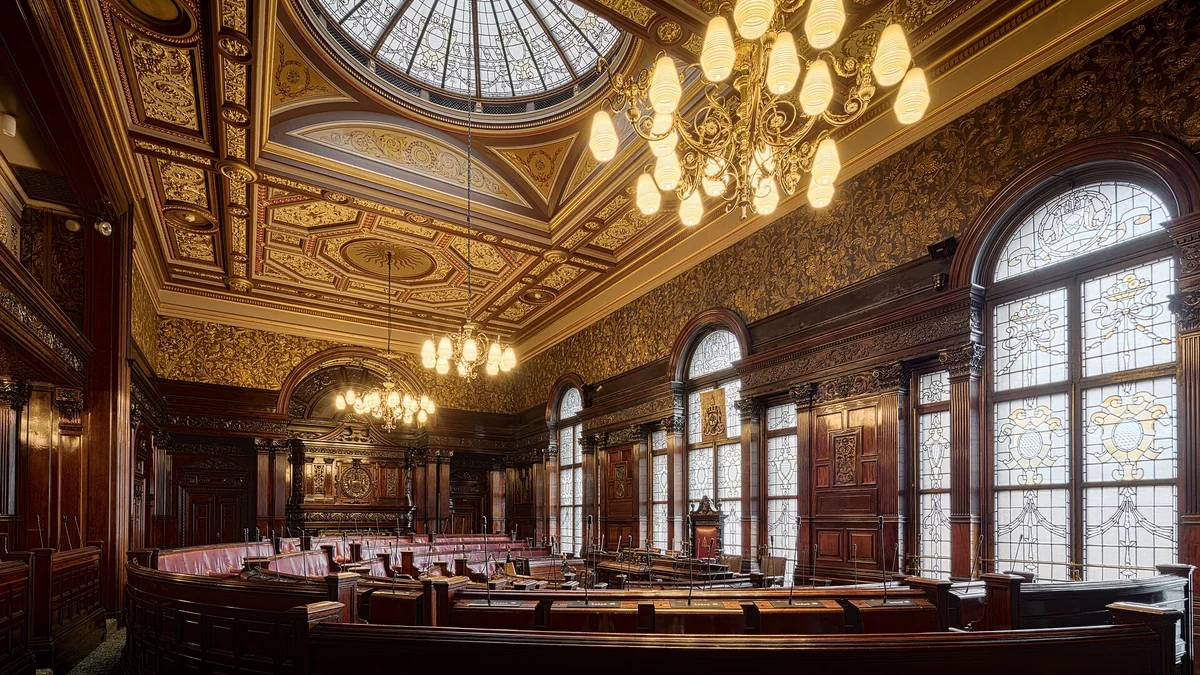
Before any council appearance, prepare exactly one page: your address, your rules, your response commitment, and your neighbor references — with their permission. Hand it to staff before you speak. Council members forget speeches within the hour. They keep paper, and yours will be the only page in the file written by a host.
How one bad operator poisons a whole town
Here's the dynamic that makes all of this collective rather than personal: regulation doesn't target the worst operator. It targets the category. When a town finally acts, it doesn't pass the Ordinance About That One House on Sycamore. It passes a short-term rental ordinance, and every host in town lives under it forever.
The pattern repeats in market after market. One operator — usually running several properties, usually remote, usually unreachable — racks up the incidents. The party house. The overflowing bins. The phone number that goes to a full voicemail box. Neighbors of that one property do exactly what Diane did: they document, they organize, they show up. But standing at the microphone, they don't say "the house on Sycamore is a problem." They say "these Airbnbs are destroying our neighborhoods," because from where they stand, that's the truth they've lived. The council hears a category problem and writes a category solution. The ninety careful hosts pay for the one careless one.
This has a sobering implication: your risk is not fully under your control. You can run a flawless operation and still lose your market to someone else's negligence. Which is exactly why the host alliance from the last section isn't a nice-to-have — it's the only mechanism hosts have for policing their own category. A functioning alliance finds the problem operator before the city does. Sometimes the fix is peer pressure and an offer of help: better screening (start them on the screening playbook), a local co-host, a noise monitor. Sometimes the fix is blunter: making clear that the rest of the market will not defend them at the podium, and in the worst cases, that hosts themselves will report unpermitted or chronically negligent operations. That feels uncomfortable. It's considerably more comfortable than a cap.
If you take one sentence from this section, take this one: in the eyes of a city, every host in town shares one reputation, and it's currently being written by whoever among you is worst at this.
The host whose neighbor spoke for her
Let me tell you about Marisol, who hosts a three-bedroom bungalow two blocks off the main drag in a Gulf Coast beach town. In her third year of hosting, her town went through its reckoning — a string of party-house incidents at other properties, a packed special session, and a proposed ordinance with a permit cap and a primary-residence requirement that would have ended her business. Existing permits were up for case-by-case renewal, with public comment invited on each address. Hers came up on a Thursday night.
Marisol had done everything in this guide, not because she'd read a playbook but because it matched her instincts. She'd knocked on doors before her first listing went live. Her cell number was on a card stuck to four refrigerators on her street. Her cleaner ran the bins. Her quiet hours were on the patio door in a nice frame. Her log — a plain spreadsheet — showed six neighbor contacts in three years, every one resolved the same day, including the memorable Fourth of July when she left a family barbecue to personally shut down a guest's karaoke machine at 10:15 p.m.
At the hearing, when her address was read, a man in his seventies stood up. Walt, from next door. He was, he explained, exactly the kind of neighbor this ordinance was supposed to protect: retired, light sleeper, forty years in his house, no love for the party houses across town. "But I'm here to talk about the one next to me," he said. He told the karaoke story — how the noise had started at 10, how he'd texted Marisol at 10:06, and how by 10:20 the street was quiet and Marisol was on his porch apologizing with a plate of barbecue. "I've had permanent neighbors who never did that," he said. "If every rental ran like hers, none of us would be here tonight. Whatever you do with the rest, renew this one."
The council renewed her permit. Several operators in that town didn't survive the night, including two who had never met a single neighbor and learned about the hearing from a certified letter. The ordinance passed — caps, inspections, the works — and Marisol operates under it comfortably, because everything it requires, she was already doing. Walt got the first crack at her calendar that Christmas for his overflow family, at the friends-and-family rate of free.
That's the whole playbook, compressed into one Thursday night: years of small deposits, cashed out in ninety seconds of testimony you could never have scripted and never needed to. The neighbor spoke for her because she had spent three years being worth speaking for.
The quiet part of the business
Neighbor relations will never show up on your dashboard. There's no occupancy metric for "Ellen waves at your guests," no revenue line for "Walt has your cell number." It's the part of hosting that looks, from the outside, like nothing happening — which is exactly the point. Nothing happening is the product. Quiet streets, tidy curbs, a phone that rings before the city's does.
So start with the knock. Print the card with your number. Engineer the four friction points until they can't generate a complaint. Put quiet hours everywhere. Answer same-day, fix the specific thing, write it all down. Show up at city hall before you're invited. And remember that the rules differ in every town and change often — check your city's current ordinances rather than assuming, and build your operation stricter than whatever they say.
If you'd like a second set of eyes on how your property sits in its market — regulations, positioning, and the operational details that keep you welcome — Cavmir's consulting team does exactly that, and neighbor-proofing an operation is a conversation we have often.
Photography via Wikimedia Commons, resized and cropped: hero, Sainte-Thérèse-de-Lisieux - Vue aérienne (2) by Gabriel Picard (CC BY-SA 4.0); inline, Beer garden picket fence The Cock Inn Henham Essex England 01 by Acabashi (CC BY-SA 4.0).




.jpg)
