

The message arrives on a Tuesday afternoon, and it's polite to a fault. "Hi — your cabin looks perfect for our family reunion. My father uses a wheelchair. Could you tell me how wide the bathroom doorway is, and whether there's a step at the front entrance?"
Most hosts have no idea. Not a rough idea. No idea. They walk through their own rental in their heads, decide it "seems pretty accessible," and type back something like "I believe it should be fine — the house is mostly one level." The family reads that answer for exactly what it is — a guess — thanks them kindly, and books somewhere else. Somewhere that answered with a number.
Here's what that host never sees: the somewhere-else was a modest three-bedroom with dated countertops and a listing that would lose a beauty contest to theirs nine times out of ten. But it had a photo of a tape measure lying across a 34-inch doorway, and that photo beat their granite and their hot tub and their drone shot of the lake. The family booked it, brought seven people, stayed six nights, and rebooked the same week for the following year before they'd even checked out.
This is the accessible-travel market in one story. It's large, it's loyal, it travels in groups, and it's chronically underserved — not because serving it is expensive, but because almost nobody bothers to measure a doorway. Let's fix that.
The most loyal guests you've never hosted
Start with the shape of the market, because it's not what most hosts picture. When you hear "accessible rental," you might imagine a single traveler in a wheelchair booking a solo trip. That happens, but it's not the center of gravity. The center of gravity is the group.
Travelers with disabilities rarely travel alone. They travel with spouses, adult children, grandkids, siblings, and friends — which means the guest who needs the step-free entrance is often the reason a party of six or eight chose your four-bedroom over a couple of hotel rooms. One person's access needs decide where the whole family's money goes. Roughly one in four American adults lives with some form of disability, and behind many of them stands a family that plans every trip around one question: will the house actually work?
Then there's the loyalty, and this is the part that changes the economics. Finding a vacation rental that genuinely works — not "probably works," genuinely works — is exhausting for these families. They've been burned by "accessible" listings with a surprise step at the front door, bathrooms a wheelchair can't turn around in, and hosts who answer measurement questions with vibes. So when they find a place that works, they do something most guests don't: they come back. Year after year. Same week, same house, same host. They tell the other families in their world, too, because word of mouth inside the disability community is fast and specific. A house that works gets named, recommended, and passed around like a good secret.
Scarcity does the rest. Search any midsize vacation market with Airbnb's step-free filters turned on and watch hundreds of listings collapse to a handful. That's not because the housing stock can't serve these guests — plenty of single-level homes could qualify tomorrow with modest changes and honest measurement. It's because hosts haven't looked at their own property through this lens. The supply gap is your opening. In a market where two hundred cabins compete on hot tubs and mountain views, the three listings that can prove a wheelchair user can get from the car to the bed to the shower are competing with each other, and that's the whole list.
Loyalty, group size, low competition. That's a strategy hiding in plain sight, and the price of entry is a tape measure.
What "step-free" actually means
Here's the phrase that sinks more hosts than any other: "we think it's accessible."
Thinking a home is accessible and knowing it are separated by about twenty minutes of measuring, and the difference matters enormously to the person on the other end of the booking. So let's define terms the way your guests define them, because their definition is the one that counts.
Step-free means step-free. Not "just one small step." Not "a little lip at the door." One step is a wall if you're using a wheelchair. A raised threshold of even an inch can stop a manual chair cold or catch the front casters and pitch the user forward. When a guest filters for a step-free entrance, they're trusting that the path from outside the home to inside it involves zero vertical obstacles — no porch step, no sunken living room, no "you barely notice it" transition strip. If your entrance has a single 4-inch step, you do not have a step-free entrance. You have a step. The good news, as we'll get to, is that a step that small is one of the cheapest problems in this entire guide to solve.
Doorways are the second silent killer. A standard wheelchair needs roughly 32 inches of clear width to pass through a doorway comfortably — and "clear width" means the actual open space with the door swung out of the way, not the number printed on the door slab. Plenty of American homes have 30-inch or 28-inch interior doors, especially on bathrooms, and a 28-inch bathroom door will end a stay on night one. Guests know this, which is why the first question in your inbox is so often about the bathroom door specifically. It is the single most common point of failure in the entire house.
Then there's the path of travel, which is the concept that ties it all together. Accessibility isn't a feature of a room; it's a property of a route. The route runs from the parking spot, across whatever surface lies between car and door, through the entrance, to a bedroom, and into a bathroom — and it's only as accessible as its worst point. A gorgeous roll-in shower behind a 28-inch door is decoration. A step-free entrance at the top of a gravel path is a rumor. When you evaluate your own property, walk that full route and hunt for the weakest link, because your guest will find it either way. Better they find it in your listing than at 9 p.m. on check-in day.
Borrow a friend's office chair and try to roll yourself from your parking spot to the bathroom without standing up. It's not a wheelchair and it doesn't pretend to be — but every spot where the chair snags, tips, or refuses to turn is a spot a guest will email you about. Twenty minutes in a desk chair will teach you more than an afternoon of reading.
Airbnb's Adapted category and the filters that find you
Airbnb has been quietly building real infrastructure for this market, and understanding it tells you exactly what the platform — and the guest — expects from you.
The headline is the Adapted category: a curated collection of homes with verified step-free access, launched after Airbnb acquired a specialist accessible-travel company and put its expertise to work. Homes in the Adapted category aren't self-declared. Airbnb reviews them — using detailed photos and even 3D scans of the paths, entrances, and bathrooms — to confirm the access features actually exist as described. That verification step exists because the platform learned the same lesson guests learned long ago: hosts guess, and guesses break trips. If your home genuinely offers step-free access into the home, a step-free bedroom, and an adapted bathroom, the Adapted category is the most valuable shelf you can sit on, because every guest browsing it has pre-qualified themselves as exactly your customer.
Below the Adapted tier sits the accessibility-features system available to every listing. In your listing editor, Airbnb lets you declare specific, concrete features: step-free guest entrance, step-free bedroom access, step-free bathroom access, a shower grab bar, a toilet grab bar, a step-free shower, a shower or bath chair, wide doorways, an accessible parking spot, and more. Two things about this system deserve your attention. First, these aren't decorative badges — they're search filters. A guest who needs a step-free entrance filters for it, and every listing that hasn't declared the feature vanishes from their results. You cannot be found for a feature you never claimed. Second, Airbnb asks for photos of accessibility features and reviews them before the feature shows on your listing. Claim a shower grab bar, and you'll be photographing that grab bar. The platform is enforcing the measure-and-prove standard this whole article is preaching, which should tell you where the industry is headed.
The strategic takeaway is simple. Most hosts leave every one of those boxes unchecked — not because their homes have nothing to offer, but because they've never opened that section of the editor. If your ground-floor condo already has a step-free entrance and a 32-inch bathroom door, you may be sitting on filterable, searchable, bookable features that no guest can currently see. Checking the boxes you honestly qualify for, with photos to match, is the highest-leverage fifteen minutes in this entire guide.
Measure and photograph: inches beat adjectives
Now the core discipline, the one habit that separates hosts who win this market from hosts who accidentally disappoint it: measure everything, photograph everything, and publish the numbers.
Adjectives are where accessibility listings go to die. "Spacious bathroom." "Wide doorways." "Easy access." Every one of those phrases forces the guest to trust your judgment about their body, and they have learned — through hard experience — not to. "Wide" means nothing from a host who has never pushed a wheelchair. But "the bathroom doorway measures 34 inches of clear width" means everything, because the guest knows their own chair's width to the half inch and can do the math themselves in two seconds. A number transfers the decision from your guess to their knowledge, which is exactly where it belongs.
So here's your measuring session, and it takes one evening. Bring a tape measure and your phone. Measure the clear width of the entrance door and every doorway on the route to the bedroom and bathroom — door open, measuring the actual gap. Measure any threshold heights, in fractions of an inch, honestly. Measure the height of the bed from floor to the top of the mattress, because transferring from a wheelchair to a bed is far easier when the two are close in height. Measure the clear floor space in the bathroom — can a chair pull alongside the toilet, and is there open space beside it for a transfer? Measure the shower entry: is there a curb, and how high? Note the parking situation: how far from car to door, and over what surface? Pavement is a route; loose gravel and thick lawn are obstacle courses.
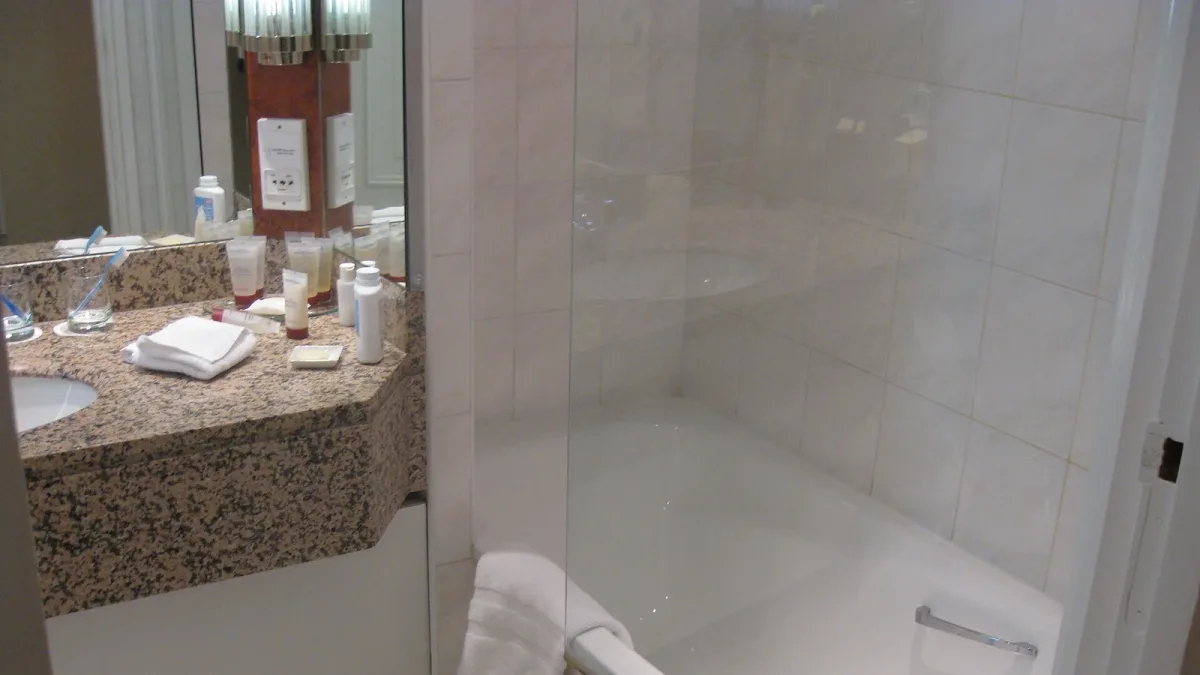
Then photograph what you measured, and photograph it honestly. The single most valuable photo you can add to your listing is the one almost nobody takes: the bathroom, shot wide enough to show the actual open floor space beside the toilet and the shower entry. Guests planning a transfer aren't admiring your tile; they're mentally parking a wheelchair next to your toilet and checking whether the geometry works. Show them the geometry. A photo of a tape measure stretched across a doorway is worth more to this audience than any twilight exterior shot ever taken. If that sounds unglamorous, it is — and it books. The craft of making functional photos look good is its own skill, and the principles in our guide to listing photos that actually book apply doubly here: light the room properly, shoot from chair height for the access shots, and let the space tell the truth.
One more note on honesty, because it's the whole ballgame. If your threshold is an inch and a quarter, say an inch and a quarter — don't round down to "basically flush." The family that arrives to find your optimistic rounding doesn't just have a bad stay; they have a ruined trip they planned for months, and they will say so publicly and in detail. Precision is kindness here, and it's also self-interest. The host who says "the guest bathroom door is 29 inches — it doesn't fit most wheelchairs, but the primary bath door is 34" loses the bookings that were never going to work and earns deep trust from everyone else.
Put the measurements in your listing text AND in a saved reply. When the "how wide is the bathroom door" message arrives, answer in ninety seconds with exact numbers and a photo. Speed plus precision is the combination this market almost never gets, and it converts inquiries into bookings at a rate that will genuinely surprise you.
The cheap stuff first: a few hundred dollars of welcome
Here's the pleasant surprise waiting inside this whole topic: most of what makes a stay work for a guest with mobility needs costs less than the throw pillows you bought last spring.
Start in the bathroom, because that's where stays succeed or fail. Grab bars are the anchor purchase — one beside the toilet, one or two in the shower. Buy real ones, rated to hold body weight and anchored into studs or with proper mounts, not the suction-cup novelties that let go at the worst possible moment. A quality bar costs about what a nice dinner does, and installation is a routine handyman job. Add a sturdy shower chair or bench, which folds flat in a closet when it isn't needed and transforms the bathroom when it is. A handheld shower head on a slide bar — useful for every guest who's ever tried to rinse off without soaking their hair — completes the trio for well under a few hundred dollars all-in.
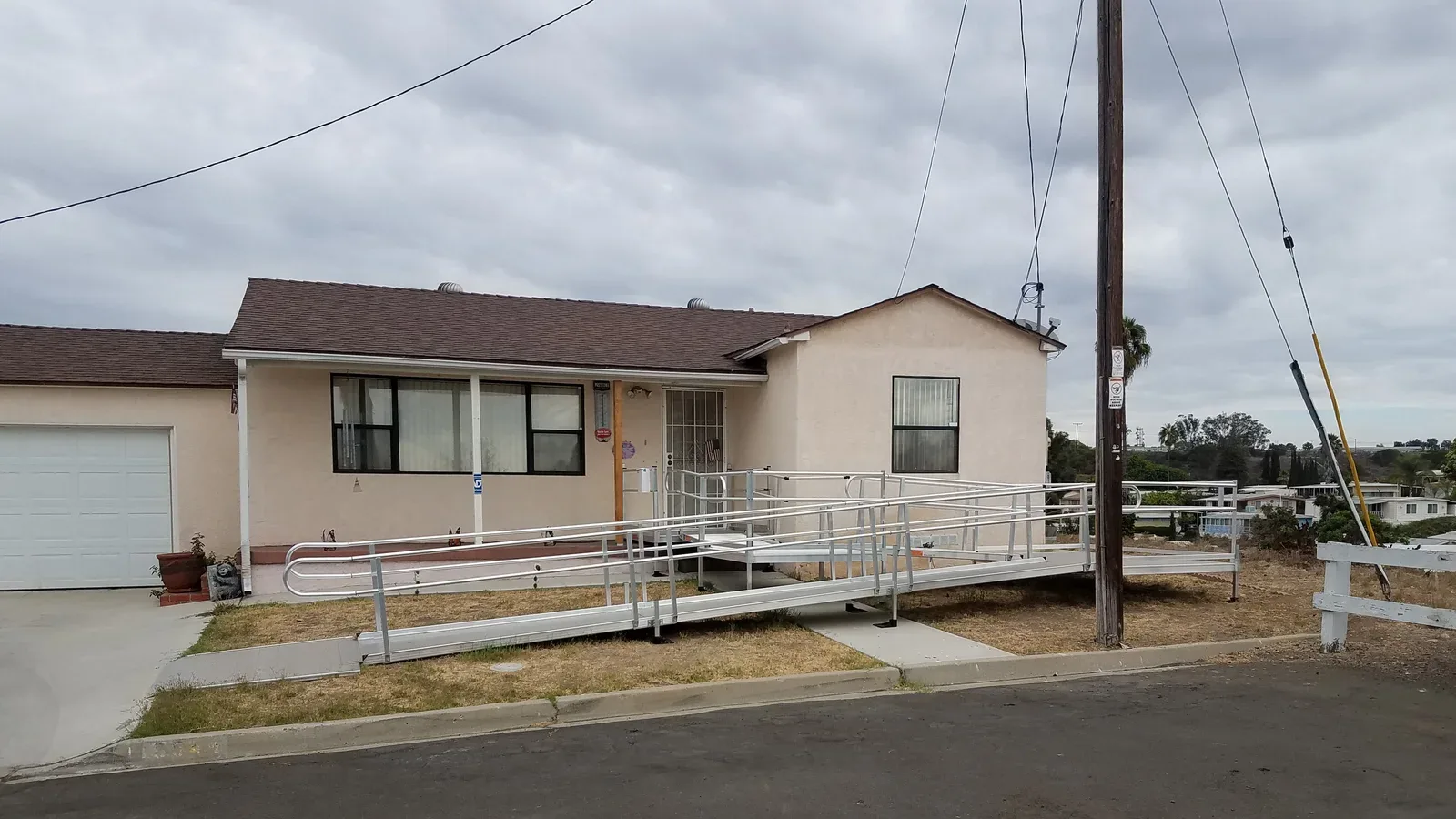
Next, kill your thresholds. Rubber threshold ramps — wedges, essentially — bridge those one-to-three-inch lips at exterior doors and shower entries for modest money, sit in place without construction, and turn a "step-free-ish" entrance into an actual step-free one. If your entrance has one full step, a short modular ramp handles it without a contractor. This is the highest ratio of guest impact to dollars spent anywhere in your property.
Then walk the house for the small frictions. Swap round doorknobs for lever handles — easier for guests with limited grip strength, arthritis, or full hands, which describes basically everyone hauling luggage. Improve the lighting: bright, even light in hallways and bathrooms, motion-activated night lights along the bedroom-to-bathroom route, bedside switches that don't require a walk across a dark room. Good lighting serves guests with low vision and prevents falls for everybody's grandmother, including yours. Rearrange furniture to open a 36-inch path through the main living spaces — sometimes the only thing between your living room and genuine wheelchair navigability is a coffee table that wanted to be somewhere else anyway. Firm-cushioned seating with armrests is dramatically easier to rise from than a deep marshmallow sofa; one solid armchair covers it.
Every item on that list also happens to be a mainstream amenity in disguise. Lever handles, great lighting, a handheld shower, clear walking paths — these show up in five-star reviews from guests who never once thought about accessibility. That's the quiet pattern in our roundup of amenities that actually increase bookings: the upgrades that serve guests with disabilities tend to serve everyone, which means this spending never has to justify itself to a niche.
One housekeeping note before anyone reaches for a drill: short-term rentals sit in a genuinely specific legal landscape when it comes to accessibility obligations, and the right person to ask what applies to your property is a lawyer, not a blog — including this one. That settled, everything in this section is simply good hosting, and you don't need a statute to justify a grab bar.
When to spend real money: the roll-in shower question
Past the few-hundred-dollar tier lives the renovation tier, and it's worth being clear-eyed about what lives there and when it makes sense.
The crown jewel is the roll-in shower: a shower with no curb at all, a gently sloped floor draining to center, wide entry, built-in or fold-down bench, and grab bars placed for a transfer. For a wheelchair user, a roll-in shower is the difference between an independent morning and a logistics operation involving another person. It's also a genuine bathroom remodel — demolition, waterproofing, drainage work, tile — landing in real-contractor-money territory, commonly somewhere in the five figures depending on your market and how far the plumbing has to move.
So when does it pencil? Think of it as a positioning decision rather than an amenity purchase. In a market with two hundred competing listings and approximately zero verified roll-in showers, a genuinely adapted bathroom doesn't make you a slightly better option — it makes you the only option for an entire category of traveler, with the pricing power and rebooking behavior that "only option" implies. Groups that book adapted homes skew larger and stay longer, and the family that finds you tends to stop shopping. Hosts who've made this bet describe their calendars filling with repeat multigenerational bookings that arrive like clockwork. If you're already remodeling a bathroom for age or style reasons, the incremental cost of doing it curbless is far smaller than the from-scratch number, and that's the moment most smart hosts make the leap.
Widening a doorway is the other structural move worth knowing about. A standard interior door can often be upgraded with offset "swing-clear" hinges — a cheap hardware swap that buys back about two inches of clear width by letting the door swing fully out of the opening. Sometimes those two inches carry a 30-inch door across the 32-inch line, and a hinge swap beats a wall demo every single time. When the hinges aren't enough, actually widening the opening is a framing job — real money, but bathroom-door money is usually the best-spent structural dollar in the house, because that door is the gatekeeper for everything behind it.
The honest sequencing advice: do the cheap tier first, declare it, photograph it, and start hosting this market. Let the bookings and the inquiries teach you whether your market has the depth to reward the renovation tier. The demand signal will be unmistakable — it looks like the same families asking, again and again, whether your shower has a curb.
Beyond your front door: the destination has to work too
A perfectly accessible house in an inaccessible vacation is half a product. The families booking your step-free entrance are also planning restaurant meals, beach days, and trail walks, and the host who does that homework for them delivers something rare enough to get named in reviews.
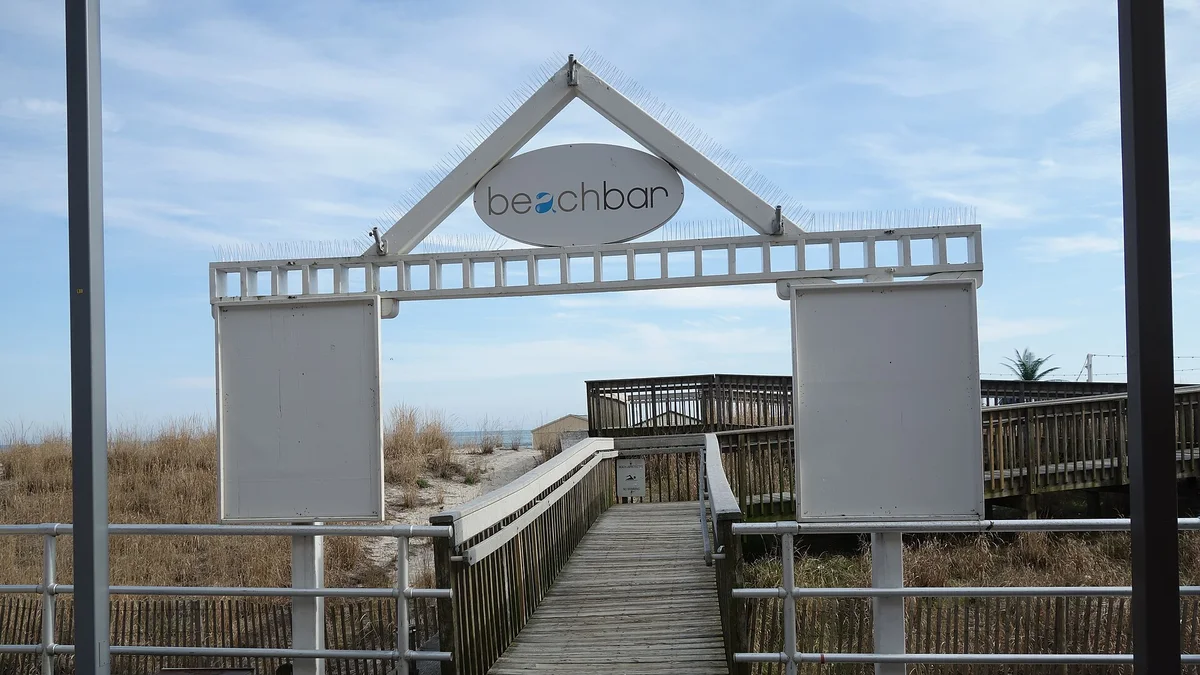
Build an accessibility section into your digital guidebook, researched the same way you researched your doorways: specifically. Which beach entrance in your town has the ramp or the roll-out mat, and where exactly do you park for it? Many beach towns lend out beach wheelchairs — those big-wheeled chairs that roll on sand — through the fire department or parks office; a phone number and a "call a day ahead" note is gold. Which three restaurants near you have step-free entrances and accessible restrooms you have personally confirmed — not assumed from a website, confirmed? Which trail or boardwalk offers a genuinely level mile with benches? Where's the closest pharmacy that rents mobility scooters or delivers medical supplies?
Ten entries like that, verified with your own eyes, turn your guidebook from a courtesy into a reason to book. Families spend hours assembling exactly this intelligence from forums and old blog posts, and a host who hands it to them pre-verified has done something they will absolutely mention when they write the five-star review. It also compounds: every accessible find you add makes the next family's trip easier and your listing harder to leave.
On your next errand run, detour past your three favorite guest restaurants and look at the entrances like a wheelchair user would. Note the step-free ones and the accessible-bathroom situation, and drop what you learn into your guidebook that night. Fifteen minutes of looking beats an hour of Googling, and "personally verified by your host" is a phrase no algorithm can fake.
Writing it up: plain words, zero medical language
You've measured, upgraded, and photographed. Now you have to write it, and the tone matters as much as the facts.
The trap is medical language. Listings that talk about "handicapped facilities," "special needs accommodations," or gear "for the disabled" read like a hospital discharge form, and they quietly signal that the host sees these guests as a category rather than as people booking a beach week. The fix is simple: describe the house, not the guest. "The entrance is step-free from the driveway" beats "suitable for handicapped guests" in every way — it's more useful, more accurate, and more human. Write about what the home has and what the numbers are, and let travelers decide what works for their own bodies. They're better at that judgment than you are, and your listing should read like you know it.
Structurally, give access its own clearly labeled section in the description rather than sprinkling hints around. Something as plain as "Accessibility details" followed by short, factual lines: step-free entrance via the driveway with no threshold; primary bedroom and bathroom on the entry level; bathroom door 34 inches clear; toilet with grab bar and 30 inches of open space alongside; low-curb shower with grab bar, handheld shower head, and shower chair available; paved parking about 20 feet from the door. Guests scanning for dealbreakers find their answers in ten seconds, and everyone else reads a host who is precise about details — which is quietly reassuring even to people who never needed the ramp. The same rules that make any description convert, laid out in our listing description formula, hold here: lead with what matters, be specific, cut adjectives that a number could replace.
Include the honest limitations in the same calm register. "The back deck has two steps and no ramp." "The second bathroom's door is 28 inches — most wheelchairs won't fit; the primary bath is the accessible one." Stated limitations don't scare this audience away; they're the proof that your claims elsewhere are real. In a marketplace full of optimistic hand-waving, a disclosed flaw is a credibility machine.
And close the loop on responsiveness. End your access section with an invitation: "Happy to send measurements or photos of anything not covered here." Some of the most access-fluent hosts keep a one-page measurement sheet as a saved photo, ready to fire off in any conversation. It answers the question before the anxiety builds, and it tells the guest the thing they most want to know about you: this host has thought about this before, and won't make me explain myself.
Service animals: the rule is simpler than you think
Sooner or later, a guest will mention they're traveling with a service animal, and this is one area where the platforms have removed most of the guesswork for you.
Airbnb's policy is straightforward and public: service animals are welcome regardless of a listing's pet policy, and hosts can't charge pet fees for them. A service dog isn't a pet in the platform's eyes — it's working equipment with a heartbeat, trained to do specific tasks for a person with a disability, and the "no pets" toggle simply doesn't apply to it. Other major booking platforms take the same general stance. If your house rules currently say "absolutely no animals, no exceptions," know that the platform has already written the exception for you, and check the current policy text on whichever platforms you use so your listing language doesn't promise something the rules won't back.
Here's the posture that keeps this easy: don't interrogate, and don't gatekeep. Don't ask guests to prove a disability, produce certification papers, or explain why they need the dog — not in messages, not at check-in, not ever. Beyond being against platform rules, it poisons the stay before it starts, and it's simply not your call to audit anyone's body or paperwork. The families you're courting throughout this article have all met the host who demanded documents at the door, and they tell each other exactly who that host was. Be the other kind. A warm "your service dog is welcome — there's a fenced side yard and a hose station by the garage if it's useful" costs nothing and lands like a hotel upgrade.
Practically, hosting a service animal is mostly a non-event. These are highly trained working dogs, typically better behaved than a fair percentage of human guests. Note a nearby veterinary clinic in your guidebook, mention any pet-relief-friendly spots on the property, and clean as you normally would. If you have real concerns about a specific situation, take them to the platform's support channels rather than to the guest. The rule of thumb that never fails: questions about the house are yours to answer; questions about the guest's body are not yours to ask.
The grandparents trip: your real volume market
Everything so far serves travelers with disabilities directly. Now for the twist that turns this from a niche strategy into a volume strategy: the biggest audience for your accessibility work might be the multigenerational family trip — the one where Grandma and Grandpa are coming along.
Picture the booking. An adult daughter is planning the summer reunion: her family of four, her brother's family of three, and her parents, one of whom had a knee replacement in March and the other of whom doesn't love stairs anymore. Nobody in this party uses a wheelchair. Nobody will filter for "adapted." But the daughter is scanning every listing with one eye on her dad — and when she reads "primary suite on the entry level, step-free entrance, grab bars in the shower, bright night-lighting to the bathroom," the decision quietly makes itself. Your accessibility section just closed a nine-person, week-long booking from a family that would never describe itself as needing accessibility.
This market is enormous and getting bigger. Multigenerational travel has been one of the most consistently growing segments in the industry — travel researchers and outlets like Skift have tracked the rise of the three-generation trip for years — and every one of those trips has a planner doing exactly what that daughter is doing: quietly screening for the oldest traveler's comfort. Ground-floor bedrooms, lever handles, firm chairs with armrests, good lighting, a shower that doesn't require a high-wire step over a tub wall — to a seventy-four-year-old, that's not "accessibility infrastructure." That's a house that feels easy. The same tape-measure evening serves both audiences without a single additional dollar.
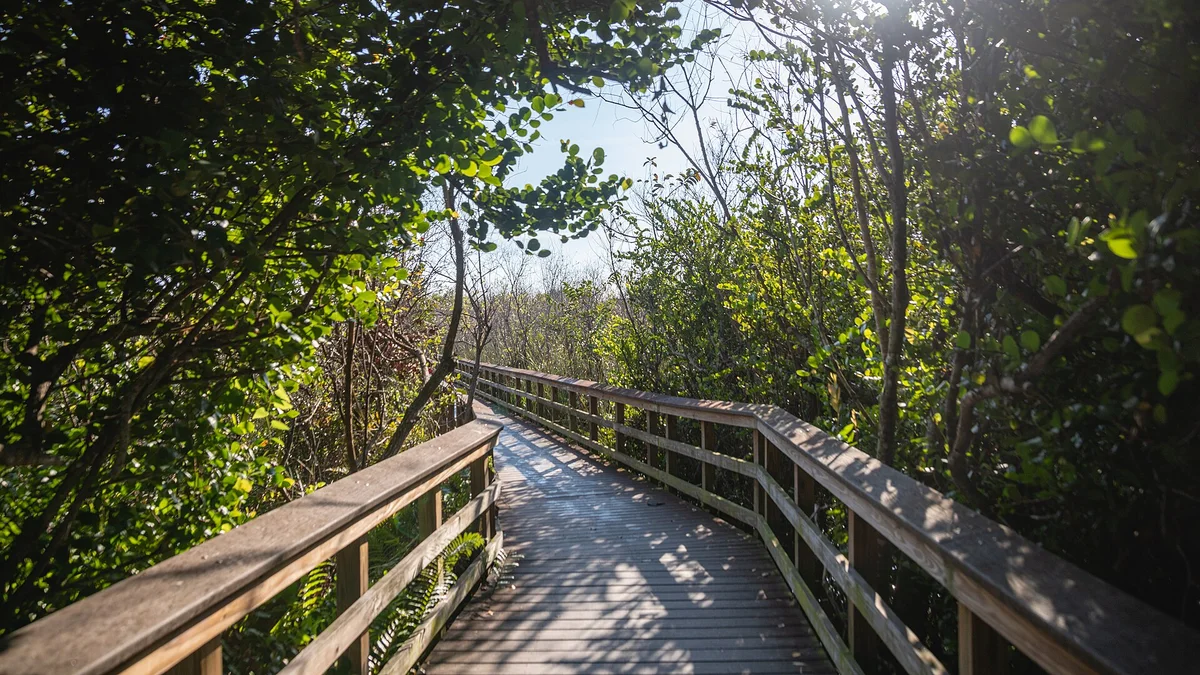
Multigenerational bookings also behave beautifully on your calendar. They're bigger parties in bigger homes, they stay longer because coordinating three households' schedules is hard enough that nobody does it for a two-night hop, and they're tradition-forming — the reunion that works becomes the reunion that repeats, at the same house, on the same week. They also book early, because the planner herding nine people locks the house down months out. Fewer gaps, longer stays, earlier commitments, annual repeats. There is no segment a host should want more.
So write to the planner. A single line in your listing — "the entry-level suite works beautifully for grandparents or anyone who'd rather skip the stairs" — speaks directly to her without a word of medical vocabulary. She's been scrolling for an hour looking for exactly that sentence.
How one host turned a ramp into a waiting list
Let me introduce you to Teresa, who hosts a single-level brick ranch a few blocks off the water in Gulf Shores, Alabama. Three bedrooms, carport, screened porch — a solid B-plus listing in a market drowning in solid B-plus listings, running the occupancy you'd expect: decent summers, quiet shoulders, and a rate that competed on price because nothing else distinguished it.
The turn came from a lost booking. A woman inquired about bringing her mother, who used a walker after a stroke, and asked whether the shower had a grab bar and how high the front-door threshold was. Teresa didn't know her own threshold height. By the time she'd found her tape measure, the family had booked elsewhere, and the polite little "thanks anyway" message annoyed her enough to become a project.
She spent one Saturday measuring the house and discovered she was closer than she'd guessed. The carport-to-kitchen entrance had a single low step; the interior doors were 32 and 34 inches except one 28-inch bathroom door — but the primary bath's door measured 34. She spent that month on the cheap tier: a rubber threshold ramp for the step, two anchored grab bars and a folding shower chair in the primary bath, lever handles throughout, motion night lights along the hallway, and a furniture shuffle that opened up the living room. Under a thousand dollars, most of it hardware-store money. Then she did the part most hosts skip: she declared every feature on Airbnb with photos, added an "Accessibility details" section to the description with the actual numbers, photographed the bathroom wide enough to show the open space beside the toilet, and added five verified entries to the guidebook — the ramped beach access at Gulf Place, the beach-wheelchair loaner number, three step-free restaurants she'd scouted in person.
The first accessible-filter booking arrived within weeks: a retired Navy man in a manual chair, his wife, their daughter's family — six people, five nights, in October, a week the house usually sat empty. His review named the grab bars, the threshold ramp, and the beach-wheelchair phone number, and thanked Teresa for "the first listing in three years of trying that told us the door widths without being asked." That review became a magnet. The listing started drawing families Teresa now recognizes by name — the same reunion crowd each June, a snowbird couple every February, the Navy family back twice more. The house books shoulder-season weeks it never used to touch, at a rate that no longer needs to undercut anybody, and her inquiry folder has turned into short, easy conversations because the answers are already published.
Teresa's math is the point of this whole article: one Saturday with a tape measure, under a thousand dollars in hardware, and a description rewrite — against a guest segment with almost no supply, group-sized bookings, off-season demand, and a habit of coming back. She didn't renovate. She measured, told the truth, and got specific. The roll-in shower is on her list for the next bathroom remodel, but the waiting list showed up before the contractor did.
Start with the tape measure
You don't need a renovation budget, a certification, or anyone's permission to start serving this market. You need one evening, a tape measure, your phone, and the willingness to publish numbers instead of adjectives. Measure the route from parking to bed to bath. Fix the cheap frictions. Declare the features with photos. Write an access section in plain, warm, human language. Verify three restaurants and one beach ramp. Answer the Tuesday-afternoon message with a number and a photo instead of a guess.
The families on the other end of those messages have spent years being told "we think it should be fine." Be the host who knows — and they'll be the guests who return.
If you'd like a second set of eyes on how your listing presents all of this — the photos, the feature declarations, the description — Cavmir's listing optimization service does exactly that kind of tune-up.
Photography via Wikimedia Commons, resized and cropped: hero, Residential accessibility ramp by RightCowLeftCoast (CC BY-SA 4.0); inline, Sofitel Arc de Triomphe IMG 1970 by Deror avi (CC BY-SA 3.0).


_014_-_Bally%27s_Beach_Bar.jpg)
.jpg)

