
Lesson · 15 min
How to Build a Direct Booking Website for a Vacation Rental
The video plays from YouTube when you press play. Nothing loads from YouTube before that.
How to build a direct booking website for a vacation rental, with five live sites we built.
When a guest books on your own website, you skip Airbnb's host fee (15.5% for most hosts, all of it from the payout) and pay card processing instead: Stripe's standard U.S. rate is 2.9% plus 30 cents. This lesson covers when a site pays for itself, the 12 parts every booking site needs, connecting Hostaway, Guesty, Hospitable or OwnerRez, the total-price rule, photo licences, privacy, accessibility, getting found on Google and by AI assistants, and Airbnb's and Vrbo's rules.
In this video
Chapters
- 0:00Why your own booking website
- 0:45Does your home need one? The math
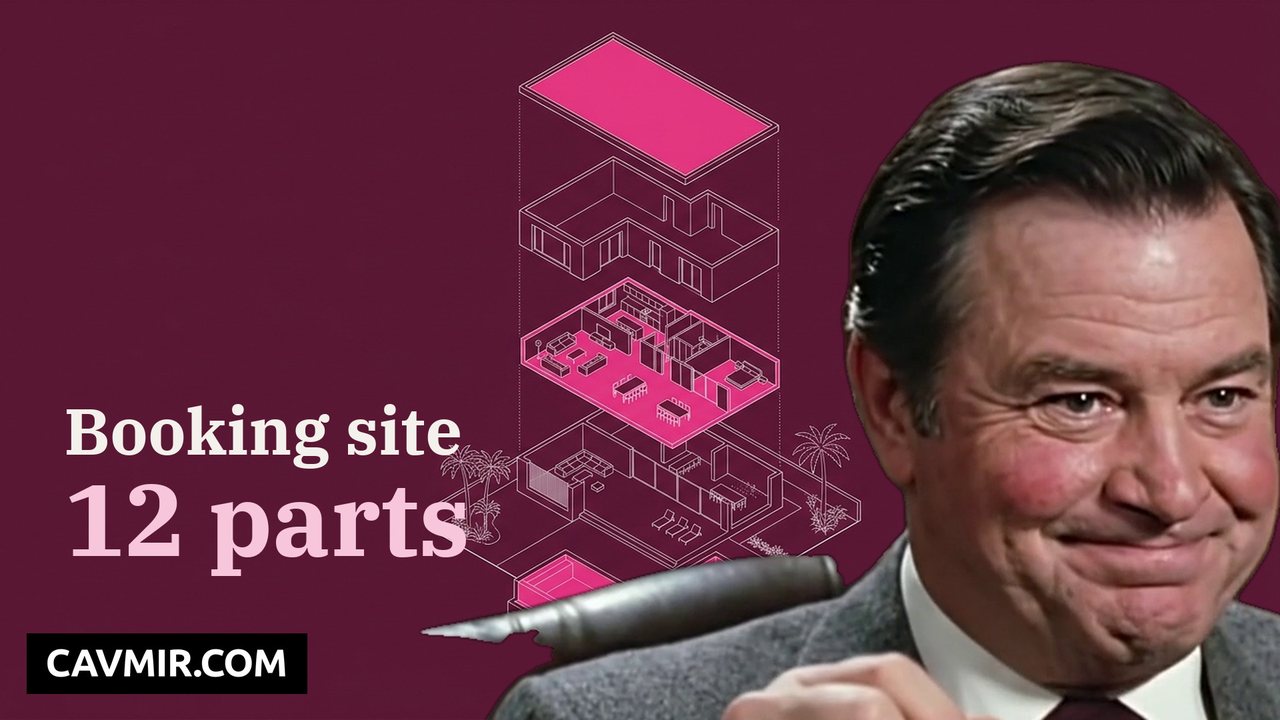
- 2:26The 12 parts of a booking site
- 3:45Connecting your booking software
- 5:19Trust: total price, policies, reviews
- 6:29Photos, film and page speed
- 7:47Legal: photos, privacy, accessibility
- 9:22Getting found on Google and AI
- 11:35Airbnb and Vrbo rules
- 12:54Five real direct booking websites
- 14:23Your checklist
Press a chapter to play the video from that point.
The Math (an example, not a quote)
A villa at $1,380 a night is $9,660 a week. Airbnb's 15.5% on that week is $1,497. Card fees on your own site: about $280. That is about $1,200 more kept per week booked direct. If the site and its marketing cost $12,000 a year, about ten direct weeks pay for it. Five villas on one site: two direct weeks each.
The 12 Parts
- Its own name and web address.
- Big, real photos, best view first.
- A booking box with live availability.
- The total price with every fee.
- A secure checkout run by your booking software.
- Real reviews.
- Deposit, balance date and cancellation policy in plain words.
- A map and local guides.
- Fast pages on a phone.
- A real way to reach a person.
- Privacy, terms, accessibility and photo credits pages.
- Tracking that counts bookings, not just visits.
Word for word
Transcript
From the English captions on YouTube.
0:00 Why your own booking website
Keep Airbnb's 15.5%. A booking on your own website skips that fee. You pay card processing instead. These are live websites we built at Cavmir. This one is quoting a real week in St. Croix, live, with every fee in the total. At the same price on Airbnb, the host fee on that week would be about $2,000. Here's exactly how to build one that guests trust enough to pay on.
Whether you need one, the twelve parts it needs, how it connects to your booking software, the legal traps, how guests find it, and how to book direct without breaking Airbnb's rules.
0:45 Does your home need one? The math
First, does your home even need one? Start with the math, because a website isn't free. Airbnb now charges most hosts one fee of 15.5%, and all of it comes out of the payout. On October 29, Vrbo starts moving hosts to a 12% commission, card processing included. On your own website, a processor like Stripe charges 2.9%, plus 30 cents a card payment. Take a villa at $1,380 a night.
A week is $9,660. Airbnb's fee on that week is $1,497. Card fees on your own site: about $280. That's about $1,200 more kept, for every week a guest books you direct. Now the cost. Say the site, and the marketing that feeds it, run $12,000 a year. That's about ten direct weeks a year to break even. Everything after that, you keep. Manage five villas? One site serves all five.
That's two direct weeks each. And it isn't all savings. Airbnb says its fee helps cover payment processing, marketing and customer service. Book direct, and all three are yours to run. So if your home earns high nightly rates, or you run several homes, the site can pay for itself fast. One small unit, rented a few weeks a year? It may never pay back. And you may not need a booking box on day one.
Two of the five examples at the end don't have one yet.
2:26 The 12 parts of a booking site
Here are the twelve parts every booking site needs, in the order a guest meets them. One. Its own name and its own web address, so a guest can find it again. Two. Big, real photos, with the best view first. Three. A booking box with live availability, so nobody falls for dates that are already gone. Four. The total price, with every fee, before the guest has to ask.
Five. A secure checkout, run by your booking software. Six. Real reviews from real stays. Seven. The deposit, the balance date and the cancellation policy, in plain words. Eight. A map, and guides to the beaches, the restaurants and the drive from the airport. Nine. Pages that load fast on a phone. Ten. A real way to reach a person. Eleven. The legal pages: privacy, terms, accessibility and photo credits.
Twelve. Tracking that counts bookings, not just visits. Miss one, and you've given the guest a reason to go back and book on Airbnb.
3:45 Connecting your booking software
Part three is the hard one. The booking box has to read your calendar and your prices from the software you already use. Hostaway, Guesty, Hospitable and OwnerRez all publish what's called an API: a way for a website to ask for that data. Here are three websites we built at Cavmir, on three different systems. This one in St. Croix reads Hostaway: thirteen homes, each with its own live calendar and price.
This one in Orlando reads Hospitable. Pick dates on the home page, and it shows which homes are free, with live prices. And this one in Rio reads Guesty. It checks Guesty every ten minutes and updates itself. Add a home or change a price in the software, and the website follows. Nobody retypes anything. One calendar, in one place, and every channel reads it. That's how you avoid selling the same night twice.
And the money stays in the system you already use. Press reserve, and the guest lands on your software's own checkout, dates filled in. So before you hire anyone, ask your software three questions. Whatever it is, the questions are the same. Can a website read live availability and prices? Can it hand the guest to your checkout with the dates filled in? And is it a Google partner? You'll see why that matters in a few minutes.
5:19 Trust: total price, policies, reviews
Now trust. A guest is about to send thousands of dollars to a website they found an hour ago. Start with the price. In the U.S., the FTC's fee rule says short-term lodging must show the total price upfront. The cleaning fee goes in that total. Taxes can come later, as long as they're shown before the guest pays. And if guests can only pay by card, the card fee goes in the total too.
This quote does exactly that: the nightly rate, cleaning, the card fee and tax, then one total, then what's due today. Right under the price: the deposit, the balance date and the cancellation policy. No surprises after the click. Then reviews. Real ones, from real stays, with the guest's name and the date. And show who's behind the site: a company name, a phone number, an address. A site with no one behind it is hard to trust with a deposit.
Last, the checkout itself: a payment page from your booking software, never a form that asks for a card number by email.
6:29 Photos, film and page speed
Photos and film do most of the selling. They're also what makes a site slow. Order the photos the way a guest decides: the view or the pool first, then the living spaces, then every bedroom. And size them for a screen. A camera's original file is many times bigger than a phone needs. Film is heavier still. A hero film that starts downloading before anything else can hold up the whole page.
On a phone, the guest stares at an empty screen while the video loads. The fix: show a still frame first, start the film once the page is ready, and keep the file small. Google's guideline: the main picture should appear within 2.5 seconds. Here's a live test, run today on Google's own PageSpeed tool, on a booking site we built. On a simulated phone, over a slow 4G connection: 92 for performance, 100 for accessibility.
The main picture shows in 2.8 seconds. Close to Google's mark, and the report lists what to fix next. Run the same free test on your own site. If it scores in the red, start with the hero.
7:47 Legal: photos, privacy, accessibility
Now the part most owners skip, until a letter arrives. Photos first: a photo you found online belongs to someone. U.S. law lets a court award $750 to $30,000 for one registered photo, and up to $150,000 if the copying was willful. Some demand letters over a single photo are priced off that range. And the Copyright Office runs a small-claims board, where a claim over one photo can reach $15,000.
The risky photos hide where nobody looks: guides, maps and blog posts. So use photos you own or license, and credit each one the way its license asks. This site we built at Cavmir puts the credit right beside every licensed photo, on every page. Privacy next. If your site uses analytics or ad tracking, ask first, with a banner where no is as easy as yes, and a privacy page that says what you collect.
Then accessibility. In 2025, 3,117 lawsuits were filed in U.S. federal courts over websites that people with disabilities couldn't use. That's 27% more than the year before. Build to the WCAG standard: text descriptions on photos, a site that works from the keyboard, readable contrast, captions on video. Then publish an accessibility page.
9:22 Getting found on Google and AI
A website nobody finds books nothing. And Airbnb won't send guests to it, so you need three other doors. Door one: Google Search. Your home's own name, a page for every home, and guides that answer what guests actually search for. This villa's site carries two dozen sourced guides to its own neighborhood. Every one is a page Google can send someone to. A vacation home can't have its own Google Business Profile.
Google's rules allow the leasing office, not the house. Door two: Google's vacation rental results, with photos, prices and dates, right inside Google. Google says its free booking links send travelers to book directly on your website, with no fees for those referrals. But read the fine print. Individually owned rentals aren't eligible yet. You need to be a registered property management business with a direct booking website, or be listed on a booking site Google works with.
Homes get there through connectivity partners, and Hostaway, Guesty, Hospitable and OwnerRez are all on Google's list. That's the third question for your software. Door three: AI assistants. A chat assistant with search reads web pages to answer, including where to stay. It can only repeat what it can read: plain facts in plain text. Sleeps, bedrooms, the address, the rules. Two public conventions help. Schema.org labels those facts for machines, and a proposed file called llms.txt gives AI tools a plain summary of your site.
This residence's site has both, plus a page written for AI assistants, with the same facts as the rest of the site. None of this guarantees a spot in an answer. It makes sure that when an assistant looks, it finds the facts. And keep those facts the same everywhere: the same name, address and bedroom count on your site, on Google and on every listing.
11:35 Airbnb and Vrbo rules
Now the rules, because breaking them can cost you your listing. Airbnb's off-platform policy bans links that take guests off Airbnb, in your listing or your messages. No discounts to book off Airbnb. No asking for contact details before a booking. No using guests' contact details for marketing. Repeated or severe violations can get listings suspended, or the account deactivated. Vrbo's new terms start on October 29, with the 12% fee.
They ask that what you offer on Vrbo be at least as favorable as what you offer elsewhere, and the channels they name include your own website. And Vrbo says it can charge its commission when a traveler finds you on Vrbo but books somewhere else. So on a home you list on Vrbo, don't advertise a cheaper price on your own site. Give direct guests other reasons: the full photo tour, local guides, a person who answers fast, and a booking that stays between you and them.
Your direct guests come from Google, from AI answers, from your own social media, and from people who already know your home's name.
12:54 Five real direct booking websites
Here are five websites we built at Cavmir, and what each one does well. One. A St. Croix rental company: thirteen homes on one site, every calendar and price live from Hostaway. Every home gets its own page with the listing's own facts. The beach house alone has fifty-three photos. Pick dates, and the box quotes the stay with every fee, then hands the guest to the company's own checkout.
Two. Thirteen furnished homes in Orlando, on Hospitable. Dates go in on the home page, and the open homes come back with prices. Three. One villa in Rio with its own site, in English and Portuguese. Its book direct button opens the villa's page at the brokerage, priced from Guesty. Four. A residence on Singer Island, Florida. It still books through Airbnb, and says so. The site builds the name, the guides and the AI page first.
That's a fair first step: own your name and your facts now, and add the booking box later. Five. Four beachside bungalows on Maui, with guides to the beaches, restaurants, parks and trails, and a credit beside every licensed photo. Different sizes, different software. Same rule: the real home, the real total, and an easy way to book.
14:23 Your checklist
So here's your list. Do the math for your homes. Ask your software for live availability, quotes and checkout, and check that it's on Google's partner list. Show the total price. License and credit every photo. Publish your privacy and accessibility pages. Give guests reasons to book direct that aren't a cheaper price, and keep Airbnb's rules. See more homes we've built, and talk to us, at cavmir.com.
Questions
Questions Owners Ask
Can I put my website link in my Airbnb listing?
No. Airbnb's off-platform policy bans links that take guests off Airbnb, in the listing or in messages.
Can my website be cheaper than Vrbo?
Vrbo's new Host Terms, from October 29, 2026, ask for rates at least as favorable as other channels, your own website included. Give direct guests other reasons instead.
Do I need a booking box on day one?
No. Two of the five sites in this video don't have one yet.
CavmirTV
More Videos
 2:06LessonHow to Get More Direct Bookings for Your Vacation RentalHow to get more direct bookings for your vacation rental in five steps: your own booking website, Google Vacation Rentals, your home's name, your own guest list and your link everywhere.
 2:28Client filmBoutique Hotel Commercial for Via Avantgarde SuitesBoutique hotel commercial example by Cavmir: Via Avantgarde Suites in Salvador, Bahia, in English and in Portuguese.
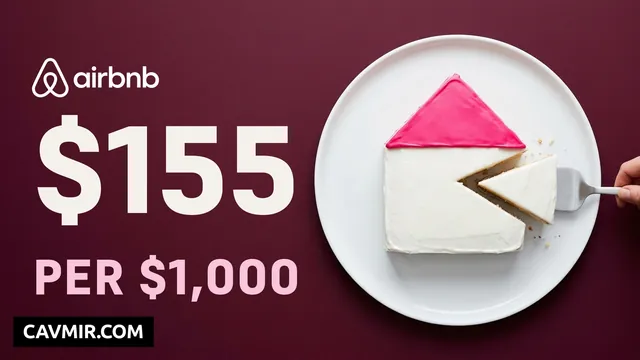 0:42CommercialAirbnb Host Fee 15.5%Airbnb host fee explained: the 15.5% service fee on a $1,000 booking, and what you keep booking direct.
 1:01CommercialCavmir CommercialCavmir's one-minute commercial on what Airbnb's 15.5% host fee takes from a booking, and what owners can build instead with their own name, website and guests.
Cavmir
Start Here
Cavmir is a marketing agency for luxury vacation rentals: the website, Google, AI search, films and the guests you keep.
