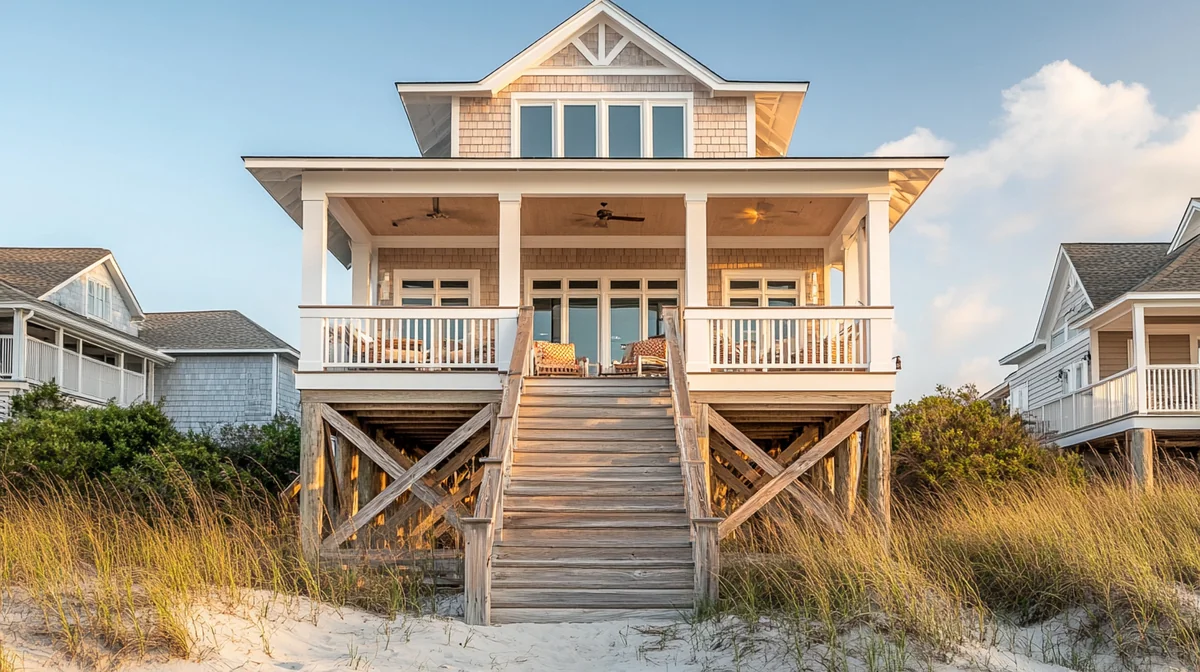
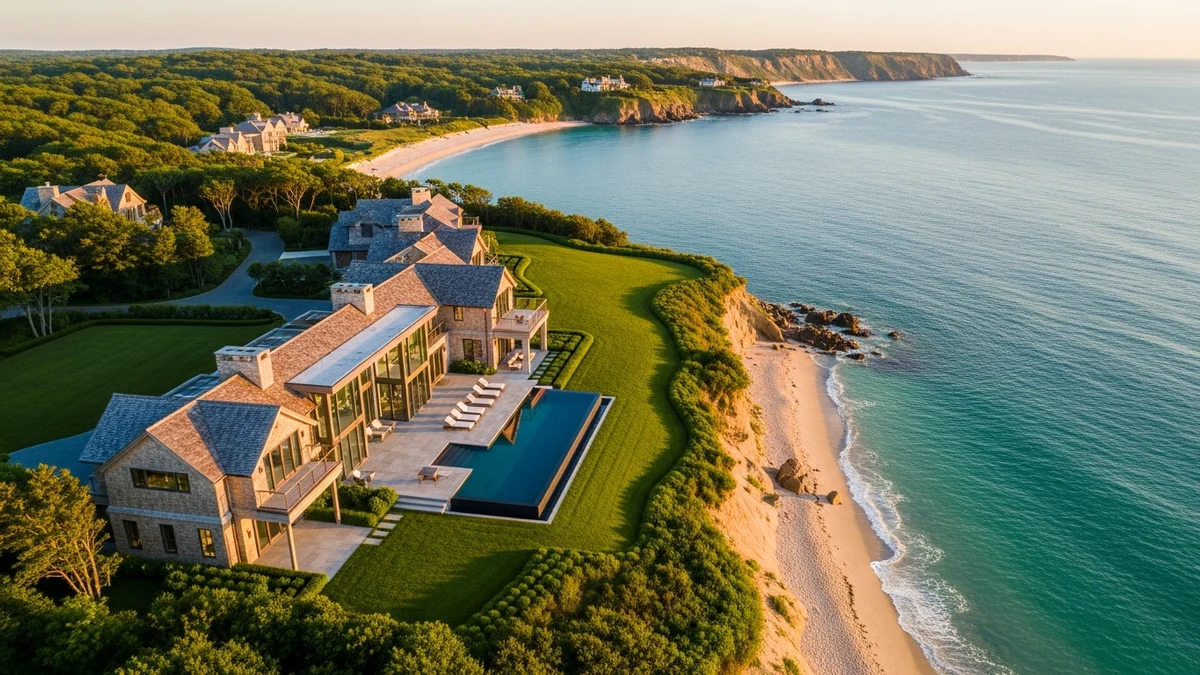
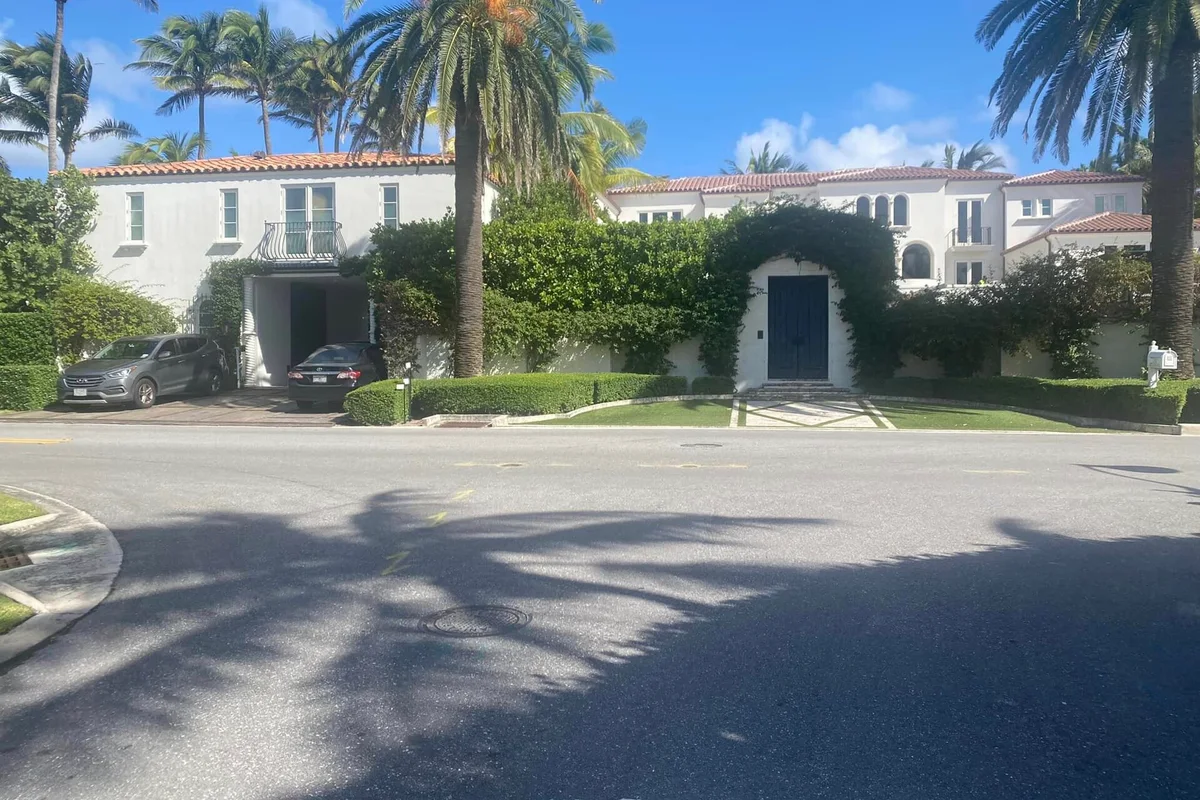
Above the waterline — the private-bluff estate is the archetype of the coastal trophy home: unobstructed water, real acreage, and no neighbor in the frame.
Market Analysis
Coastal Trophy Estates: Analyzing the Most-Coveted Ultra-Luxury Beach Villas
The Hamptons, Malibu, and Palm Beach are the three names that carry a coastal luxury rental past a nice house into trophy territory. Here's how those markets actually behave — who rents, when, what competes, and the honest caution in each — and why the very best beachfront homes rarely appear on the open booking sites at all.
By Sofie SinagCavmir · Short-Term-Rental MarketingJuly 4, 2026
A beachfront trophy home is not just an expensive beach house. It's a property that a certain kind of guest will cross the country — and pay a strong premium — to stand inside for a week, because there is no real substitute for it. That distinction matters if you own or market one, because the ultra-luxury beach rental market doesn't reward more square footage or a longer amenity list. It rewards scarcity, privacy, and a story the guest can't get anywhere else.
This piece looks at America's coastal trophy markets the way a marketer should: not as postcards, but as demand. We'll walk the three enclaves that define the category — the Hamptons on Long Island, Malibu on the California coast, and Palm Beach in Florida — and for each one, the guest, the season, what a home is really competing against, and one caution worth saying out loud. Then we'll define what actually earns a beachfront property "trophy" status, and close on the part most owners get wrong: how these homes are marketed, and why the top tier stays off the open OTAs.
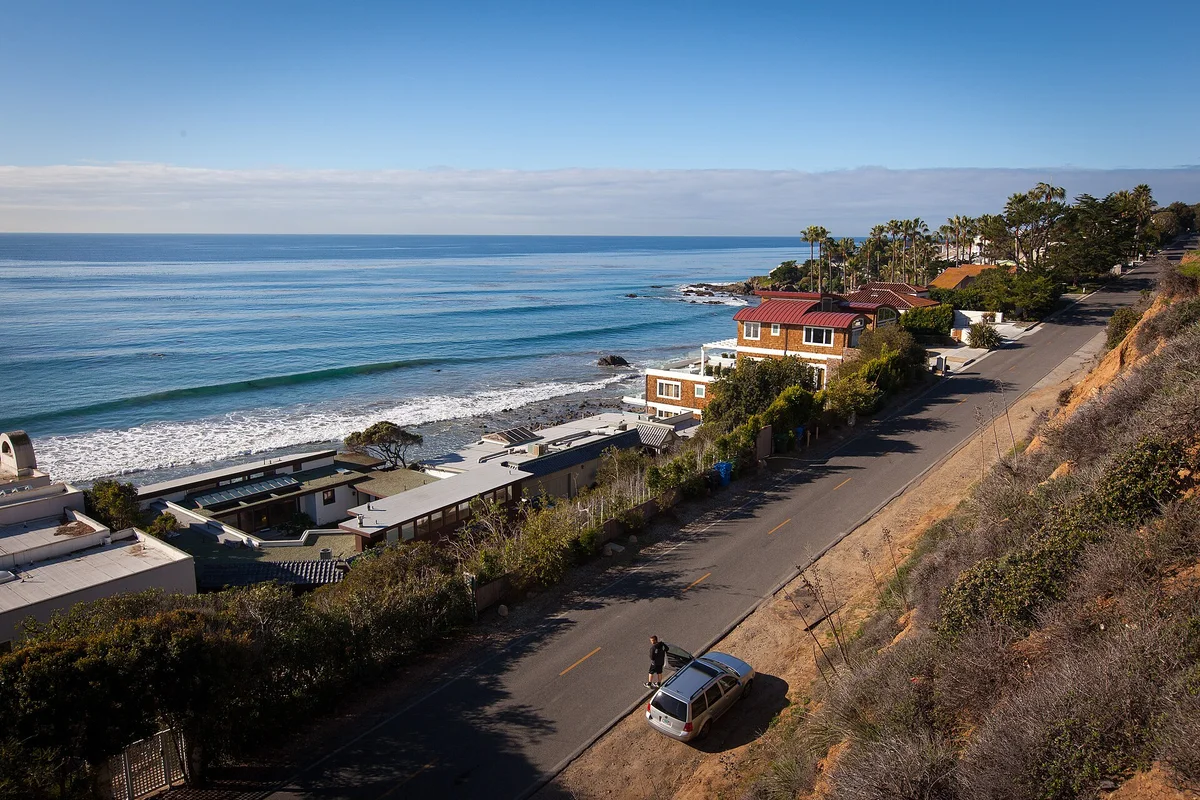
Malibu, California. A working coastline where the value lives in the frontage, not the lot — homes on Carbon and Broad Beach sit shoulder to shoulder, and the water access out back is the whole asset.
Three markets, three completely different guests
It's tempting to lump "oceanfront vacation rental" into one bucket, but the Hamptons, Malibu, and Palm Beach are not interchangeable, and the guest who wants one usually doesn't want the others. The Hamptons is a summer social season anchored to New York money. Malibu is a Pacific coastline tied to Los Angeles — entertainment, tech, and a steady stream of high-profile shoots. Palm Beach is old-guard winter and a historic enclave with rules that make it hard to enter and, for the same reason, valuable to hold.
Reading them separately is the point. When you understand which guest a market draws, you know how to position a home, what to charge against, and where the real risk sits. What follows is a plain read of each.
01
The Hamptons
Long Island, New York
The Hamptons is the classic American summer-season market, and it runs on a calendar that everyone in it already knows. Demand concentrates hard from Memorial Day through Labor Day, with the peak weeks around the Fourth of July and August commanding the strongest rates. An oceanfront home in the estate section of Southampton or East Hampton isn't competing with a hotel — it's competing with the idea of belonging to a season, which is why a great house with genuine ocean frontage and privacy can rent for figures that make no sense on a per-night basis anywhere else.
The guest is typically a Manhattan or international family taking the whole summer, or a group splitting a marquee month. They're not price-shopping; they're securing the specific house, on the specific beach, that fits how they want to be seen and how they want to relax. That's a marketing reality, not a cynical one — provenance and address do a lot of the selling.
Guest
NYC and international families; season-long and full-month groups.
Season
Memorial Day to Labor Day; July and August are the crown.
Competes with
Other estate-section homes and the pull of a full summer share — not hotels.
Caution
Extreme seasonality. The same home that prints in July can sit empty in the shoulder months, and East End towns actively regulate short-term rentals — registration and minimum-stay rules vary by village and change.
02
Malibu
California Coast
Malibu is the West Coast's headline beach-villa market, and its demand is broader across the year than the Hamptons'. The climate keeps the coast in play well beyond a single season, and Los Angeles supplies a deep, repeat pool of renters: entertainment and tech principals, visiting talent, and — a real and often overlooked driver — production and photo shoots that pay handsomely for the right architectural house with clean water views. A Malibu beach villa with unobstructed frontage on Broad Beach or a bluff-top position along the Pacific Coast Highway is a distinct product from a canyon house a mile inland, and the market prices that difference sharply.
The guest here is more varied than the Hamptons' — less about a fixed social season, more about the specific look, light, and privacy of the home. Design and architecture carry more weight in Malibu than almost anywhere; a signed modernist house rents on its name.
Guest
LA principals, visiting talent, and location scouts for shoots.
Season
Year-round leaning, with summer and awards-season stretches strongest.
Competes with
Architecture and light — the market rewards a signed, photogenic house over raw size.
Caution
Climate and insurance risk are real. Wildfire, coastal erosion, and rising insurance costs shape what's viable, and California's short-term-rental and coastal-access rules are strict — verify local permitting before you market.
03
Palm Beach
Florida
Palm Beach is the historic one, and it behaves differently on purpose. This is an old, tightly held enclave — a winter-season town where the estate district along the ocean has been the address for generations. The season inverts the northern markets: demand runs through the cooler months, roughly late fall into spring, when the northeast empties south. A Palm Beach estate isn't sold on novelty; it's sold on standing. The town's own architectural history — the Mediterranean Revival vocabulary associated with the 1920s Palm Beach era — is part of what a guest is paying to inhabit.
There's genuine heritage here to draw on. La Querida, the oceanfront estate that served as the Kennedy family's Palm Beach home and was known during John F. Kennedy's presidency as the "Winter White House," is exactly the kind of provenance that defines the enclave's identity — a reminder that in Palm Beach, a home's story and its history are inseparable from its value.
Guest
Established northeastern and international families wintering south.
Season
The inverse of the north — late fall through spring is peak.
Competes with
Provenance and social standing; the address and its history do the work.
Caution
It's a hard market to enter and a regulated one. The town guards its character closely, hurricane and flood exposure drives insurance, and the most storied homes trade privately — not on open platforms.
Palm Beach, Florida — La Querida. The oceanfront estate that was the Kennedy family's Palm Beach home, known during the Kennedy presidency as the "Winter White House." Provenance like this is inseparable from value in the enclave. Photo: 12george1 / Wikimedia Commons (CC0).
What actually makes a beachfront home "trophy" class
Across all three markets, the same handful of traits separate a trophy home from a merely expensive one. None of them is square footage. A guest paying at the top of the market is buying qualities that can't be manufactured, and understanding them is how you market a beachfront trophy home honestly — you lead with what's genuinely rare and stop padding the listing with what isn't.
Unobstructed waterDirect, private frontage with nothing between the house and the horizon. A partial view or a shared beach path caps the ceiling no matter how grand the interior.
PrivacyReal separation — gates, distance, acreage, or a bluff position — so the guest is unobserved. In every one of these markets, discretion is a core part of the product.
ProvenanceA documented story: a named architect, a notable prior owner, a place in the town's history. Provenance is what turns an address into an experience, as Palm Beach shows plainly.
ArchitectureA coherent, considered design — ideally a signed one. In Malibu especially, a house by a recognized architect rents on its name and photographs like an asset.
ScarcityThe simplest and most powerful. There is a fixed, tiny number of true oceanfront estates in any of these enclaves, and no more coastline is being made. Scarcity is the engine under every other trait.
The read
A trophy home isn't the biggest house on the beach. It's the one there's only one of.
How these homes are marketed — and why the top ones stay off the open OTAs
Here's the part that surprises owners new to the category: the most coveted coastal trophy homes are frequently nowhere to be found on the mainstream booking platforms. Not because the owners don't want bookings, but because open-market listing works against a trophy asset in three specific ways.
First, privacy. A public listing puts the address, the floor plan, and the calendar in front of anyone. Owners of genuinely significant homes — and the ultra-high-net-worth guests who rent them — treat discretion as non-negotiable. A home shown only to vetted, qualified inquiries protects both sides. If you want the mechanics of that, we've written separately on how to attract high-net-worth guests to a luxury rental.
Second, positioning. Sitting in an infinite scroll next to thousands of ordinary rentals is itself a downgrade. A trophy home is presented through channels that match its class — a considered direct-booking presence, private villa portfolios, referral networks, and relationships with the brokers and concierges who serve this clientele. The frame around the home is part of the price.
Third, control. Off-platform, the owner controls who inquires, how the home is described, how rates are quoted, and what's shared with whom. That control is worth more than the reach a public listing would add — because reach was never the constraint. Demand for a true trophy home is not a discovery problem.
That doesn't mean invisible. It means marketed deliberately. The homes that command the top of the market pair a private, high-craft direct-booking website — owned, controlled, and built to convey provenance — with disciplined listing optimization and photography that treats the property like the asset it is. Where a home does appear on select platforms, it's curated, gated, and priced to signal, not to compete on volume. And it's underpinned by search visibility that captures the small number of high-intent guests actually looking for a home in that class.
If you're weighing where a coastal trophy home fits in the broader landscape, our overview of the best luxury short-term-rental markets in the USA for 2026 puts these three enclaves in context alongside the country's other high-end territories.
The takeaway for owners and marketers
Coastal trophy estates don't follow the ordinary rental playbook, and treating them like ordinary rentals leaves money and standing on the table. Read the market you're actually in — a Hamptons summer, a Malibu year, a Palm Beach winter — because the guest, the season, and the risk are different in each. Lead your marketing with what's genuinely rare: the unobstructed water, the privacy, the provenance, the architecture, the scarcity. And be honest about the caution in your market, whether that's seasonality, regulation, or climate and insurance exposure, because sophisticated guests already know it and respect an owner who does too.
Do that, and the marketing gets simpler, not harder. You're not persuading a crowd. You're presenting a singular home to the few people who understand exactly what it is.
Work with Cavmir
Marketing a coastal trophy home in this class?
Cavmir helps owners and hosts of ultra-luxury beachfront properties present them the way this market expects — discreet, provenance-forward, and built around a direct-booking presence you control. If that's your property, we'd like to hear about it.
The checklist we run on client properties before we spend a dollar on marketing — the fee math on platform-only selling, the five jobs of a direct-booking website, photo standards that book, AI search, and a 30-day action list. One email with the guide, three short follow-ups worth reading, unsubscribe anytime.
We use cookies and analytics to understand how visitors use this site. You can accept or decline non-essential cookies. See our Privacy Policy.