
Luxury Playbook
The Grand Dame Hotels That Still Set the Standard for Luxury Stays
Six lessons from the world's legendary grand hotels — arrival, ritual, a named identity, anticipation, timeless design and heritage — and exactly how a luxury short-term-rental host can put each one to work.
Photo: Slocum, John E. / Wikimedia Commons (Public domain)
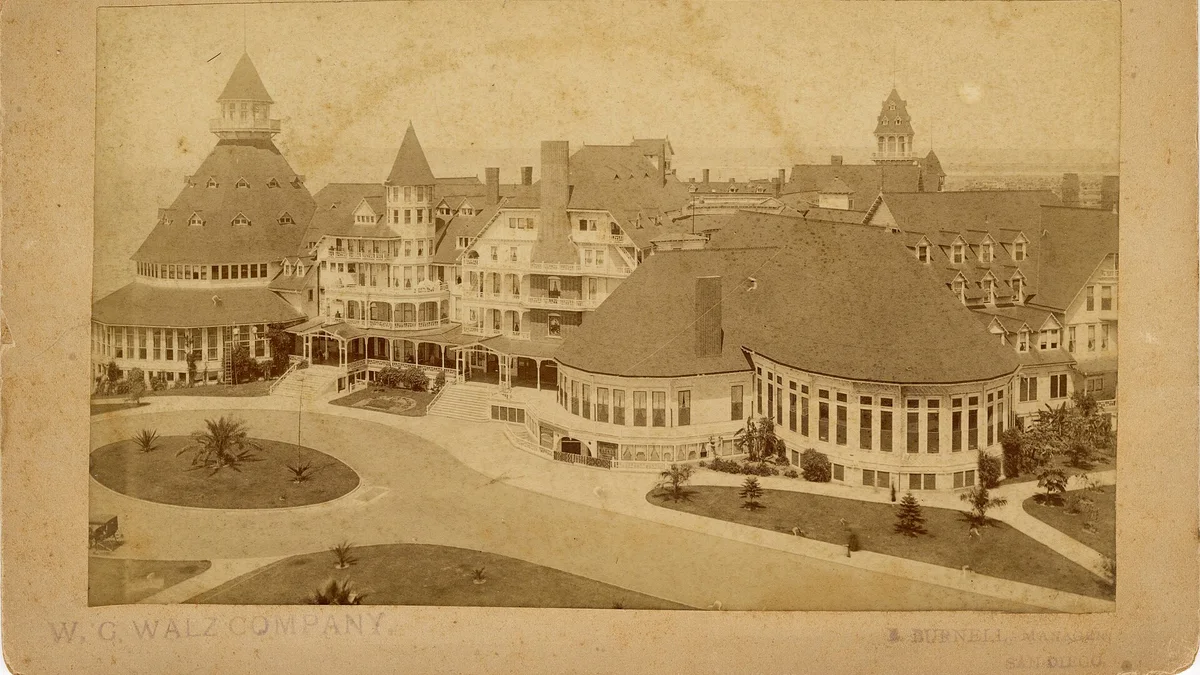
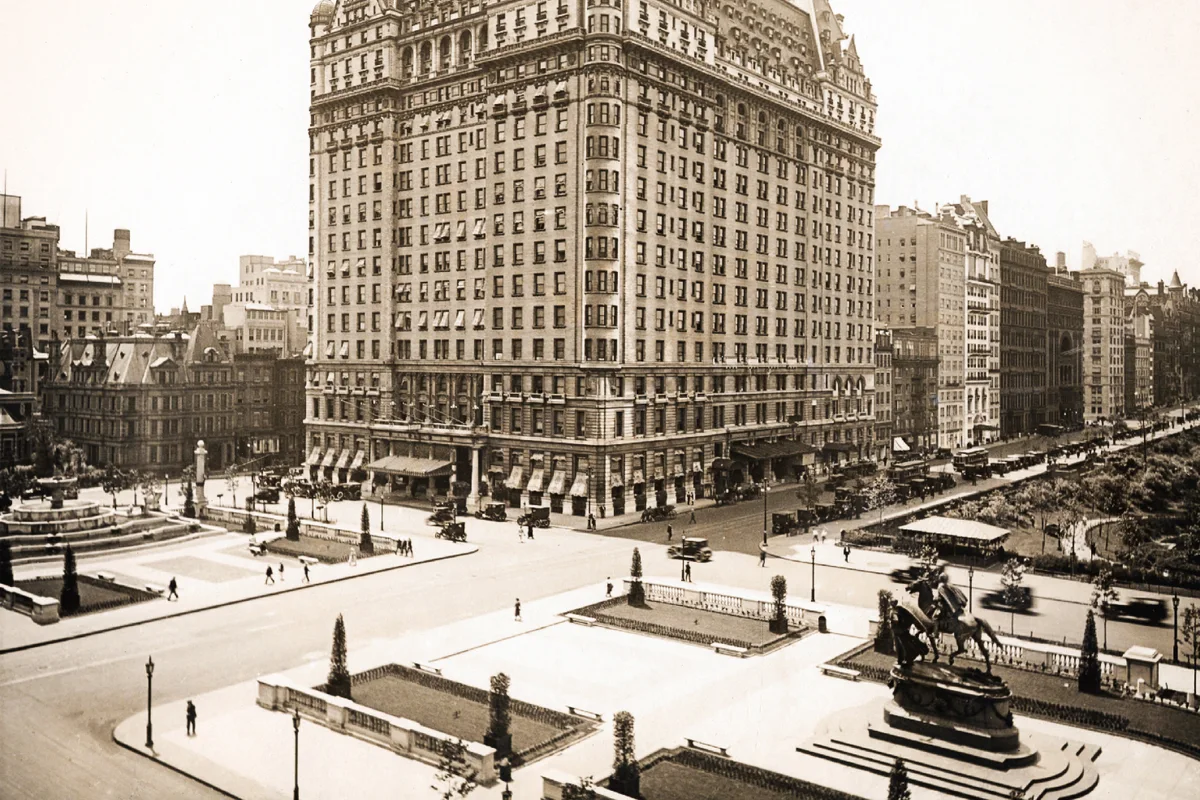
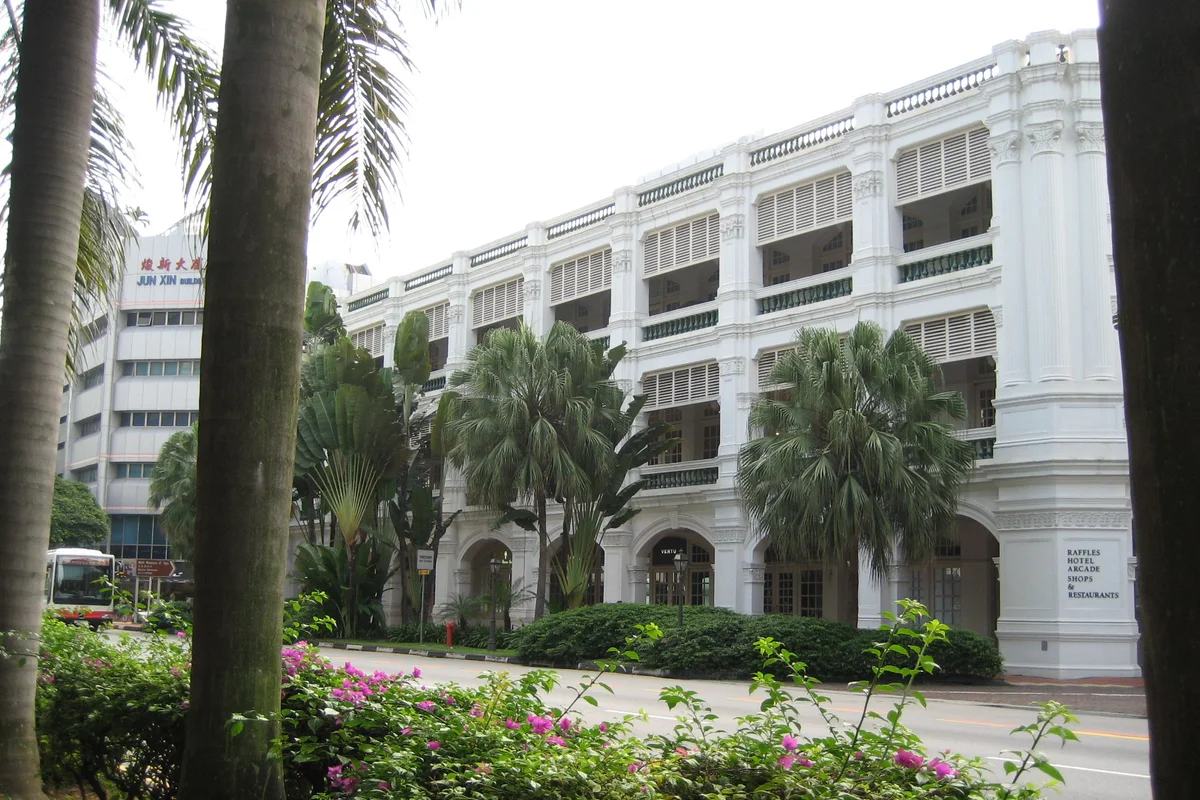
A grand hotel doesn't sell you a room. It sells you the feeling of belonging somewhere that matters — a feeling built over a hundred years of doormen, silver, gardens and stories. The Hotel del Coronado opened on Coronado Island in 1888. The Plaza raised its Fifth Avenue face in 1907. Raffles has been receiving guests in Singapore since 1887. These places are still full, still charging top rates, still photographed by every guest who walks through the doors. That staying power is not an accident, and almost every reason behind it is something a modern luxury vacation rental can borrow.
You don't need a marble lobby or a century of history to do it. You need to understand what those hotels are actually delivering underneath the chandeliers, then translate it into your listing, your photos and the way a guest experiences your property. Below are six lessons drawn from these grand hotels, each one paired with a concrete move you can make this week. This is the same thinking behind good listing optimization — the difference between a beautiful house and a beautiful house that reads as a destination.
Make the first thirty seconds feel like an event
Walk up to the Hotel del Coronado and the building announces itself long before you reach the door — the red-turreted silhouette against the Pacific is doing work no brochure could. At The Plaza, the awning, the steps and the uniformed staff turn a sidewalk into a threshold. Grand hotels understand that luxury begins at the moment of arrival, not at check-in. The guest has already decided how they feel about the stay before anyone hands them a key.
A luxury short-term rental has the same window and usually wastes it. The gate code arrives in a plain text message. The first photo in the listing is a wide shot of a living room that could be anywhere. You can fix both. Lead your gallery with the approach — the drive in, the gate, the entry, the first view that opens up when the door swings back. Treat the check-in message like a concierge note, not a utility bill. If the property has a real front-of-house moment, stage it: lights on a timer, a chilled bottle set out, the fireplace lit before winter guests arrive.
Order your first five photos as a sequence of arrival, not a random tour. Buyers of a five-star guest experience decide in the first frame. Strong photography that tells that arrival story is the single highest-leverage change most high-end Airbnb listings can make.
Give guests one thing they can only do here
Raffles has the Singapore Sling, mixed at the Long Bar since the early twentieth century. The Plaza has afternoon tea in the Palm Court and a whole shelf of childhood memory thanks to a fictional six-year-old named Eloise. The Del has its beach, its boardwalk and a hundred years of weddings. These are rituals — small, repeatable, ownable acts that a guest can't get anywhere else and can't stop talking about afterward. A ritual is what turns a stay into a story the guest tells for you.
Your property can have one too, and it costs far less than people assume. It might be sunset drinks laid out on the terrace with a card explaining the view. It might be a locally roasted coffee and a handwritten guide to the three best morning walks. It might be a record player and a curated stack of vinyl, or fresh bread from the bakery two streets over waiting on the counter. The point isn't the item. It's that the ritual is specific to this place, it repeats for every guest, and it gives them something to photograph and remember.
Name your ritual in the listing copy and show it in a photo. "Every stay begins with sunset on the west terrace" is marketing that costs almost nothing and reads as genuine hospitality, not a gimmick.
From the Guest Register
A grand hotel sells belonging, not square footage. So does a great rental — the guest just has to feel it before they read a word.Sofie Sinag, Cavmir
Your property deserves a name and a story
No one says "that hotel on the corner of Fifth and Central Park South." They say The Plaza. Grand hotels have proper names, and the name carries a story — a founder, an era, an architectural style, a famous guest. That identity is what lets a hotel charge more than the sum of its rooms. It gives the property a character the guest wants to be associated with, and it gives the marketing a spine to hang everything on.
Most luxury vacation rentals are listed as a spec sheet: "5BR Modern Villa with Pool." That's a description, not an identity. Give the house a name and a one-paragraph origin — who built it, what the architecture is, why the setting matters, what kind of stay it was made for. Then let that story run through everything: the listing title, the welcome book, the website, the photos. A named house with a documented story photographs the same but converts better, because the guest is buying into something, not just booking a bed.
How the story earns its keep
A real identity also gives you a reason to exist beyond the booking platforms. It's the foundation of a direct-booking website, where a named property with its own story can build repeat guests and stop paying a percentage of every stay to a marketplace. Grand hotels never rented themselves through someone else's front desk, and the best luxury rentals are learning the same lesson.
Solve the problem before the guest notices it
The defining trait of grand-hotel service isn't more staff. It's anticipation — the umbrella that appears the moment it rains, the reservation that's already booked, the extra pillow that's waiting because someone remembered. Raffles built its global name on butlers who knew what a guest wanted before the guest asked. That level of attention is what separates a five-star guest experience from a merely expensive one.
A host isn't standing in the hallway with a silver tray, but anticipation still translates. It lives in the details you handle before arrival: the fridge stocked with what the guest mentioned, the thermostat set for the season, a printed guide that answers the questions guests always ask so they never have to. It lives in a welcome book that reads like a knowledgeable friend — where to eat, what to skip, who to call for a private chef or a boat day. The luxury short-term rental market rewards hosts who feel present without ever being intrusive.
Write down every question your last ten guests asked, then answer all of them in the property before the next guest arrives. Anticipation is just preparation the guest can feel.
Design for the decade, not the season
Grand hotels get renovated constantly, but they rarely chase trends. The Plaza is still recognizably The Plaza; the Del still reads as a Victorian seaside resort. They invest in quality that ages well — good materials, real craftsmanship, a coherent point of view — because a look that's fashionable this year is dated in three, and a historic luxury hotel can't afford to look dated. Restraint is the expensive choice, and it's the one that lasts.
Trend-driven interiors are the fastest way to make a high-end property feel cheap on camera. The accent wall, the neon sign, the furniture everyone bought the same year — they photograph as of-the-moment and then, quickly, as of-a-past-moment. A luxury vacation rental that leans on quality materials, a consistent palette and a few genuinely special pieces will still look expensive in five years. That consistency also makes the marketing easier: a coherent property produces a coherent set of images, and coherent images are what a discerning guest scrolls past everything else to find.
Before you buy anything for the property, ask whether it will look intentional in 2031. If the honest answer is no, it's set dressing, not investment.
Sell the story, and let the story do the pricing
Watch how these hotels actually market themselves and you'll notice they lead with heritage, not amenities. Raffles sells its literary past. The Del sells its era and its film history. The Plaza sells a name that's been a cultural landmark for over a century. They understand that at the top of the market, people aren't paying for a bed — they're paying to be part of a story worth telling. Heritage is the most defensible pricing there is, because no competitor can copy it.
Your property may not be a hundred years old, but it has a heritage of some kind: the architect, the setting, the history of the land, the reason it was built the way it was. Lead with that. In a market crowded with beautiful houses, the one that reads as a place — with a name, a story and a point of view — is the one that commands the rate and holds it. That's the core of good luxury Airbnb marketing, and it's why the best hosts think less like landlords and more like the people who ran these grand hotels. If you want the mechanics of it, our Airbnb Luxe marketing playbook and our guide to attracting high-net-worth guests go deeper on turning a story into bookings.
What the grand dames really teach
Strip away the marble and the chandeliers and every one of these lessons comes down to the same idea: a great stay is designed, not decorated. Arrival, ritual, identity, anticipation, timeless design and heritage are all ways of making a guest feel that they've stepped into somewhere considered — somewhere that was thinking about them before they walked in. The grand hotels have been doing it for over a century. A luxury short-term rental can do a version of it this year, on this listing, at a fraction of the scale.
You don't need to imitate the Hotel del Coronado. You need to be as deliberate about your one property as it has been about its five hundred rooms. Get the hospitality lessons right and the photos, the reviews and the rate follow. If you're not sure where to start, start with the arrival — it's the cheapest change and the one guests feel first.
