
Marketing an Airbnb Luxe property doesn't work like marketing a good vacation rental. The audience is smaller, the expectations are higher, and the buying decision runs on trust rather than price. When a guest is weighing a $2,800-a-night villa against a five-star suite at a name-brand resort, they aren't comparing amenities line by line. They're deciding whether your home feels like the right place to spend a milestone week of their life. That's a marketing problem before it's a hospitality one, and it's the reason airbnb luxe marketing asks for a different playbook than a standard listing. This field guide walks through what actually moves the needle at the top of the market.
What marketing a Luxe property actually means
A standard listing competes on search rank and price. You optimize the title, keep the calendar full, stay responsive, and let Airbnb's algorithm do the rest. A Luxe property can't win that way, because the guest you want isn't sorting by cheapest-first. They're often not price-sensitive at all in the ordinary sense. They're sensitivity-sensitive, if that makes sense, tuned to whether the whole presentation feels considered.
So the job shifts. Instead of chasing volume and occupancy, you're building desirability for a specific, narrow audience, then making it effortless for that audience to find you and say yes. The Airbnb Luxe tier itself, with its dedicated design team, trip designers, and inspection standards, is one channel for reaching those travelers, but it's a floor, not a strategy. If you want to understand where a property sits on that ladder, our Airbnb Plus and Luxe qualification guide lays out the tiers and what each one demands.
The short version: marketing a standard listing is about being found. Marketing a Luxe property is about being wanted, and then being found by the right few.
The brand-first mindset: your property needs a name and a story
Walk through any of the markets where this tier thrives, Aspen, Montecito, the Hamptons, Lake Como, St. Barths, and you'll notice the best estates don't go by their street address. They have names. Villa Sancta. The Cliff House. Casa del Mar. A name isn't decoration. It gives the property an identity a guest can hold onto, repeat to a friend, remember six months after a stay.
Behind the name sits a story, and the story should be true. Who built the house and why. What the architect was after. The particular thing this place does that nothing else nearby does, the way the light hits the terrace at six, the vineyard you can walk to, the fact that the whole valley falls silent after dark. Affluent travelers have seen a lot of beautiful rooms. What they haven't seen is your beautiful rooms, and the specific reason those rooms exist.
From the name and story flows a visual identity, a consistent logo, palette, and typeface that shows up on the listing, the website, the welcome book, the signage at the gate. This is ordinary brand work, the same discipline any serious business applies, and it's exactly the kind of foundation Cavmir helps owners build through its branding practice. When every touchpoint looks like it came from the same hand, the property reads as a considered whole rather than a nice house someone happened to list.
Register a clean domain for the property name before you fall in love with it. If thecliffhousemontecito.com is taken, you'll want to know now, not after you've printed the welcome books and lettered the gate.
Photography and cinematic video: the non-negotiable foundation
If there's one place you don't economize, it's here. At this tier, imagery isn't marketing that supports the property; it's the product the guest evaluates before they ever arrive. They will decide how they feel about your home from a screen, and a phone photo of a $3,000-a-night villa quietly tells them the operation isn't serious.
What world-class coverage looks like in practice:
- A full architectural shoot with a photographer who understands luxury real estate and hospitality, not a generalist. Composition, restraint, and light that flatters the house at the right hour.
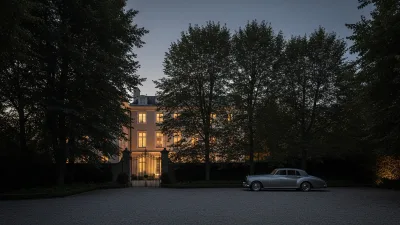
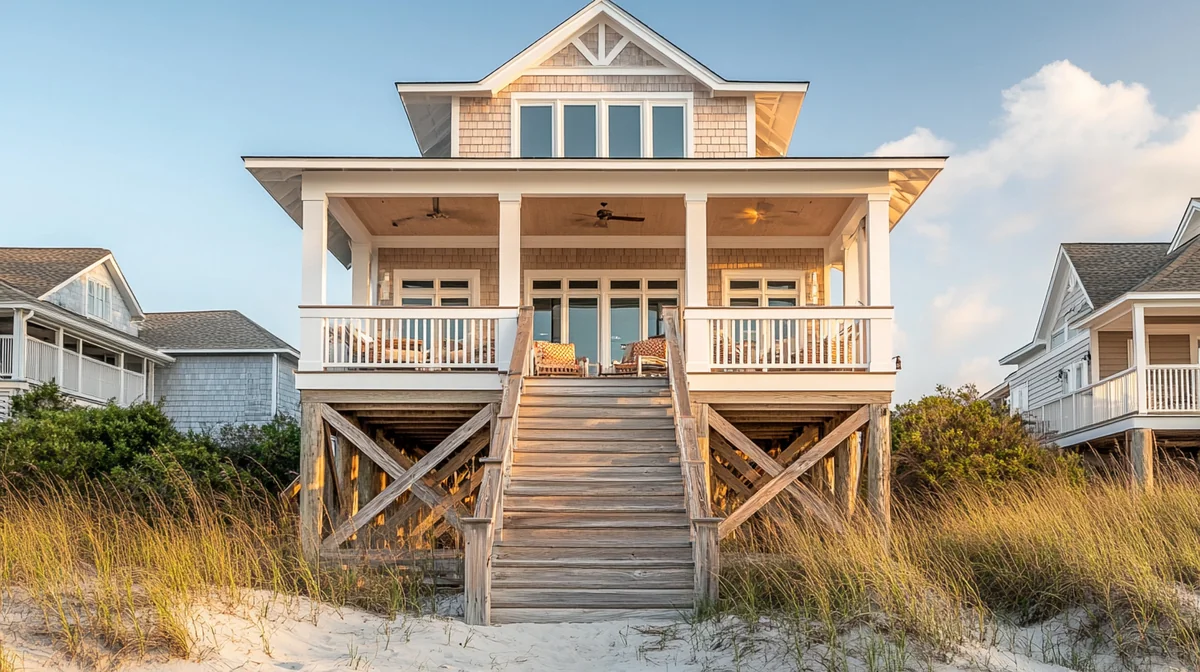
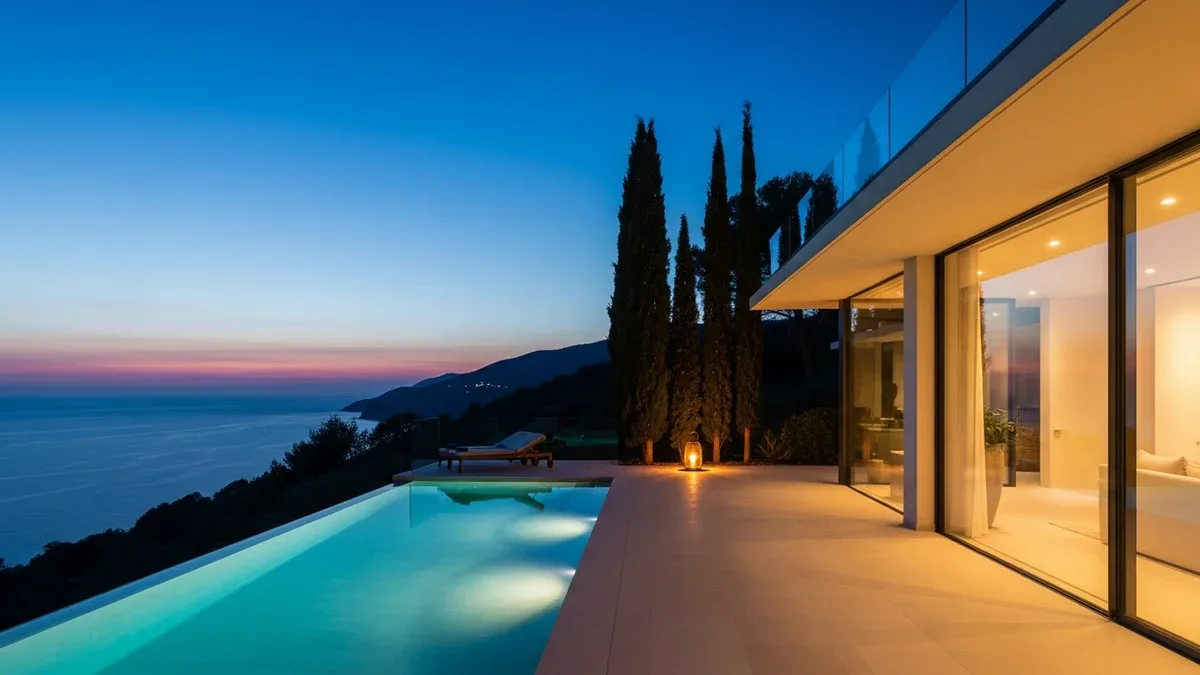
- Twilight and golden-hour frames of the exteriors and the hero spaces, the pool, the great room, the primary suite. These are the images that stop the scroll.
- A cinematic walk-through video, a slow, quiet, two-to-three-minute film that lets a guest move through the house and feel the pace of a stay. Not a music-video edit. A sense of place.
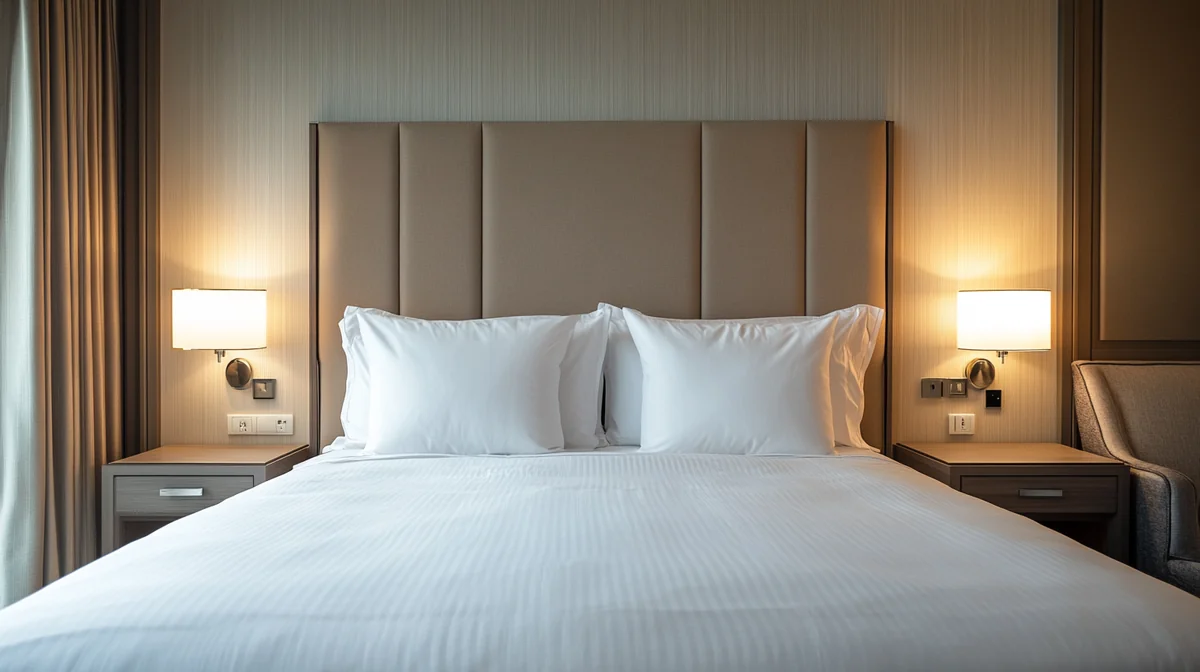
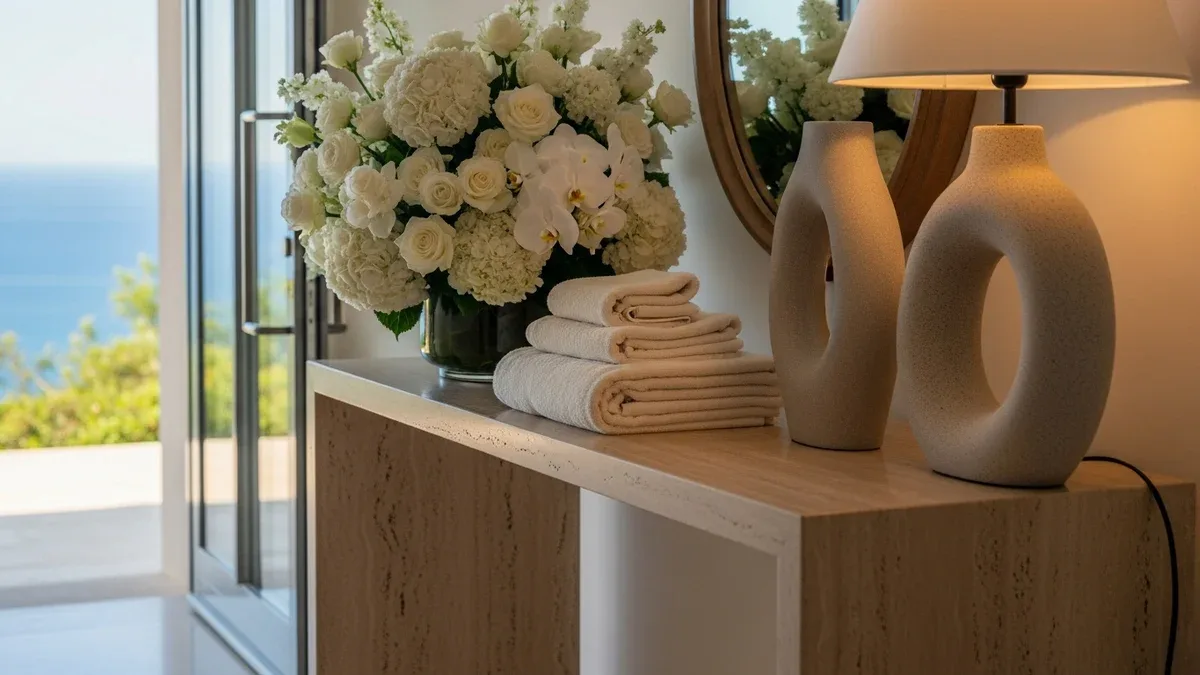
- Detail and lifestyle frames, the espresso setup, the folded linens, the view from the tub, that signal how the days actually feel.
Get the raw material right and everything downstream, the listing, the website, the social posts, the advisor's deck, draws from one deep, consistent well. If you want a working checklist for the shoot itself, our photography guide covers the shots that carry a listing.
Source: Industry estimates; AirDNA luxury-tier analysis
Listing copy that speaks to affluent travelers
The instinct at the top of the market is to reach for bigger words. Resist it. Affluent travelers have a fine-tuned ear for overselling, and every superlative you add quietly costs you credibility. The copy that works is calm, specific, and confident enough to leave some things unsaid.
Trade adjectives for facts. "Stunning ocean views" is what everyone writes. "The primary suite opens onto a private terrace forty feet above the water, with the Amalfi Coast running north to the headland" is what a discerning reader believes, because only someone who knows the house could write it. Specifics are the tell that this is a real, particular place, not a template.
Sell the sense of place. What does a morning here feel like? Where do you take a coffee at seven? What's the ten-minute walk that no one expects? Affluent travelers are buying an experience of a place as much as a set of rooms, and they can picture themselves inside good, grounded detail far more easily than inside a pile of amenities.
Let the restraint do the work. A confident listing doesn't shout. It states what's true, plainly, and trusts the reader to recognize quality. Skip the exclamation points, the ALL CAPS, the urgency. Nothing reads more premium than a description that has nothing to prove.
Read your listing aloud. Anywhere you'd feel slightly embarrassed saying a line to a guest's face over dinner, cut it. That's the hype filter, and it's more reliable than any word list.
Distribution beyond the Airbnb Luxe badge
The Luxe badge puts you in front of a valuable audience, but it also puts you inside one company's ecosystem, on one company's terms, competing with every other listing for attention. The properties that hold their rates over years don't depend on a single channel. They build their own gravity.
Your own website comes first. A property this well-branded deserves a home that isn't a rented room on a platform. A dedicated site lets you tell the full story, show the whole film, take direct inquiries, and, over time, build repeat and referral business that owes no commission to anyone. It's also where advisors and returning guests expect to land when they search the name. Cavmir builds these through its direct-booking website service, and for a Luxe property it's less a nice-to-have than the anchor of the whole distribution plan.
Curated platforms extend your reach. Beyond Airbnb, a small set of invitation-based and curated marketplaces cater specifically to this tier. Being listed in the right ones puts you alongside peer properties rather than diluting you among thousands of ordinary rentals.
Travel advisors and concierges are the quiet channel that matters most. A meaningful share of ultra-premium bookings never touches a search box. They come through travel advisors, villa specialists, and concierge networks whose clients trust them to place a family in the right home. Cultivating those relationships, giving advisors a clean fact sheet, fast answers, fair terms, and a property that makes them look good, compounds year over year in a way no ad spend matches.
Reputation, discretion, and privacy as selling points
For high-net-worth guests, and especially for the recognizable ones, discretion isn't a perk. It's a requirement, and you can market it honestly as one. Gated entry, staff who understand confidentiality, a location you don't publish to the pin, the assurance that the home won't turn up geotagged on a stranger's feed, these are real reasons a certain guest chooses a private estate over a hotel where anyone can sit in the lobby.
Reputation carries the same weight. At this tier a handful of thoughtful, specific reviews from the right guests outperforms a wall of five-stars. One line from a family who returned three summers running says more than fifty generic raves. Protect that reputation the way you'd protect the property itself: vet inquiries, set expectations clearly before arrival, and deliver a stay so consistent that the reviews write themselves.
Put your privacy practices in writing and share them with serious inquiries, not with the whole internet. Knowing exactly how their arrival, their staff interactions, and their photos will be handled often turns a maybe into a booking for the guests who care most about it.
Keeping the premium consistent so the rate holds
Marketing gets the first booking. Consistency is what lets you hold the rate on the tenth. The fastest way to erode a premium is a gap between the promise and the stay, a listing that films like Courchevel and arrives like an ordinary chalet. Every touchpoint, the inquiry reply, the arrival, the welcome, the linens, the departure, has to match the story the marketing told.
Practically, that means a few disciplines held steadily over time:
- Refresh the imagery as the property evolves, so what a guest sees is always what they'll get.
- Keep the brand consistent across the listing, the site, the welcome book, and every message, so nothing feels off-brand or improvised.
- Hold your pricing with confidence. Discounting to fill a soft week trains the market to wait for the discount and quietly signals that the premium was never real. There are better tools, minimum stays, seasonal structure, added value, for managing a slow calendar.
- Protect the guest experience as the thing every other effort ultimately serves, because word of mouth at this tier is both your best channel and your most fragile asset.
None of this is complicated, but all of it takes sustained attention, which is exactly where most owners run out of hours. If you'd rather build the brand, the imagery, the site, and the distribution as one coherent system instead of assembling it piece by piece, that's the kind of work Cavmir does alongside owners at this tier. Either way, the principle holds on its own: decide what your property is, present it with restraint and real care, and give the right guests every reason to trust that the stay will match the story. Do that consistently, and the rate tends to take care of itself. And as always, on the questions that touch taxes, ownership, or local rental rules, ask your accountant or attorney rather than a marketing guide.